Weh Island
Weh Island, Indonesia
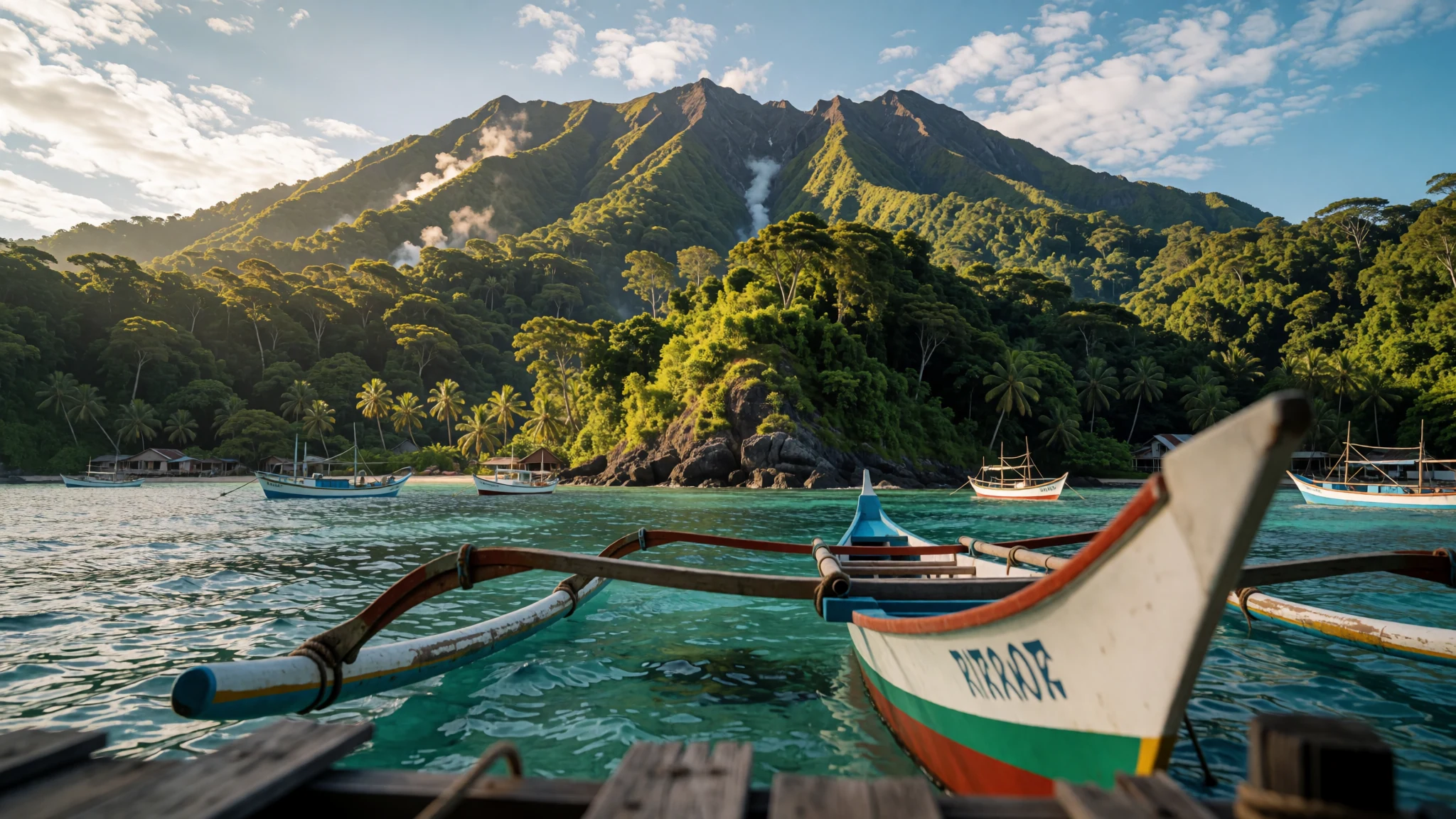
A small volcanic island off Sumatra's northern tip, Weh suits divers, slow mornings and reef life far from big-city crowds.
The place
Weh Island sits in the Andaman Sea, a short distance off the northernmost tip of Sumatra. It is also called Sabang after the town at its north-east end, and the whole island is administered as part of Sabang City in Aceh Province. The land is mountainous and volcanic. Its highest point, Cot Kulam, is a fumarolic volcano rising 617 metres above the sea, and steam still vents from parts of its slopes. The island was once joined to the Sumatran mainland, and the sea that now separates the two has shaped how people reach it and how its reefs developed.
Most visitors arrive by water. A fast ferry from Banda Aceh takes about an hour, while the slower boat needs around two and a half hours. There is also a small airport at Sabang with light flights. The town itself is a harbour settlement with a few streets of shops, many of them shuttered, and a handful of banks that accept bank cards. The real draw lies around the coast: quiet bays on the west side, the village of Iboih, and water clear enough for serious diving. Inland the forest is thick, and the roads wind up over a ridge.
The island's ecosystem is its chief claim. Part of the land and sea has been declared a wildlife protection area, mangroves fringe some shores, and the reefs hold a wide variety of fish. Weh is also the only known home of a threatened toad, Duttaphrynus valhallae. Expect an unhurried pace and services that do not always keep the hours you would expect in a larger place.
Its story
Weh Island began as a volcano that rose out of the sea, and its last great eruption belongs to a time long before anyone kept written records. Over a very long span, the water separating it from Sumatra widened until the island stood alone. That separation shaped the island's story as much as its volcanoes did, because it made Weh a waypoint for ships working the northern approaches to Sumatra.
Old navigation charts show the coast in careful detail. An Admiralty chart of the north-west part of Sumatra, now marked as no longer current and not for navigation, still shows how seriously sailors once treated these waters. Sabang grew up around its harbour, a line of shopfronts facing the water, and most ships from the mainland still arrive at Balohan, the main port on the island's east side.
The island also carries marks of earlier defences. A Japanese bunker on the hill above town has been converted into a park, so the old structure now serves as a shaded stop with views over the harbour.
In more recent decades the island's identity has turned towards the sea. Its reefs and waters drew divers from abroad, and the government later set aside a wildlife protection area covering land and sea. Researchers have recorded rare animals here, including a megamouth shark found on shore.
The hardest chapter came with the 2004 tsunami. Navy ships delivered food, clothing and relief supplies to Sabang, and local people unloaded them on the quay. Today the harbour, the dive schools and the quiet bays sit side by side, and that layered past is still visible in each of them.
What to see
- Kilometre Zero — Western tip of the island
Kilometre Zero marks the westernmost point in Indonesia, which makes it a popular first stop for anyone with a motorbike. The spot lies on the western side, a ride from the Iboih villages, and it is far quieter than the harbour in town. You can rent a motorbike locally and ride it yourself, or hire a minivan with a driver if your group would rather not tackle the hills. Go in the morning, carry water, and allow time for the winding roads.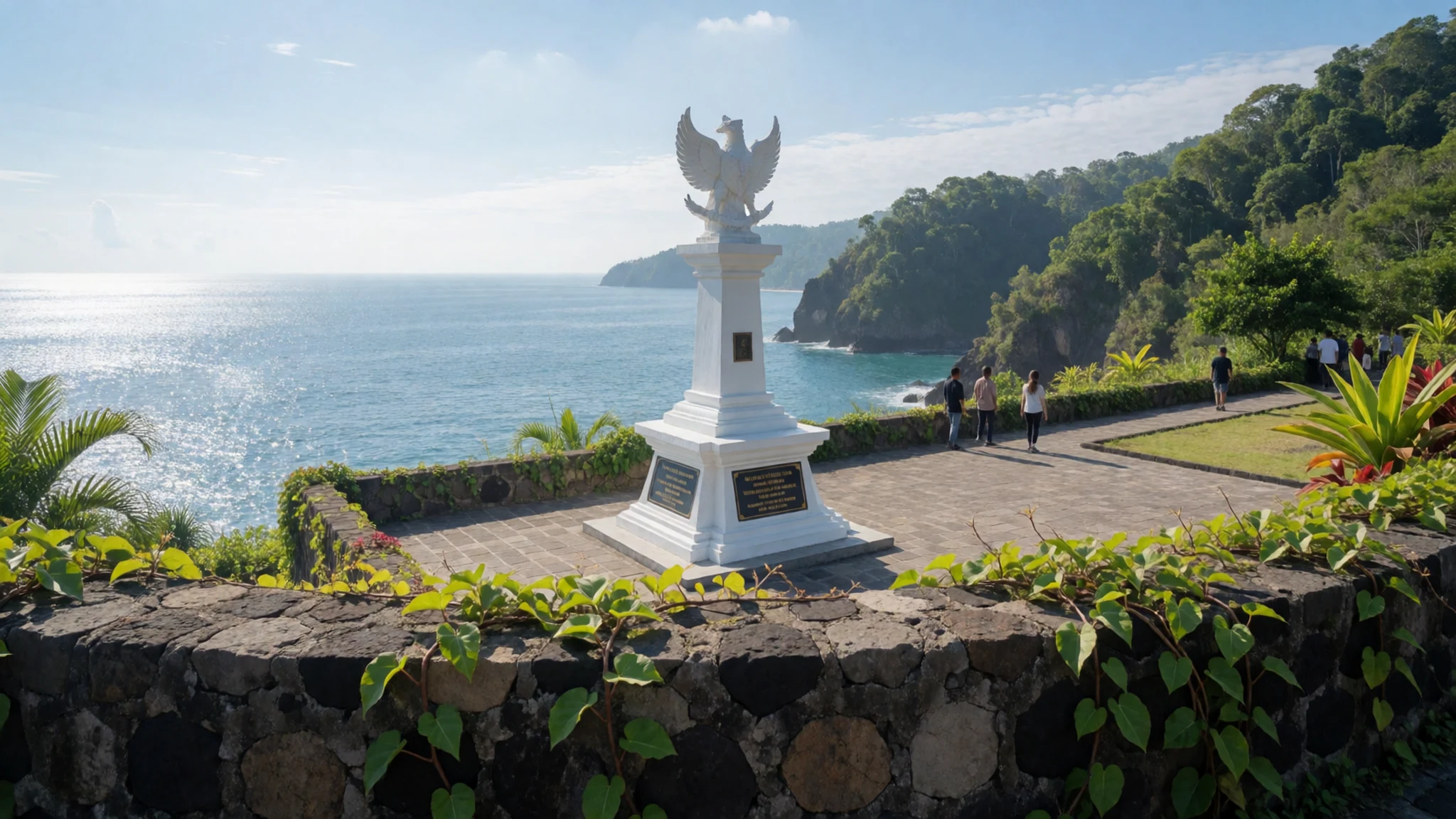
- Iboih and its dive schools — Iboih, north-west coast
Iboih is the village most visitors head for, and it is built around diving. Rubiah Tirta Divers runs from here with several boats, large and small, and a team of experienced instructors and dive leaders. Restaurants and bungalows line the road, so you can walk from your bed to the jetty in minutes. Ask about courses and dive sites when you book, and check current details directly with the operator before you travel.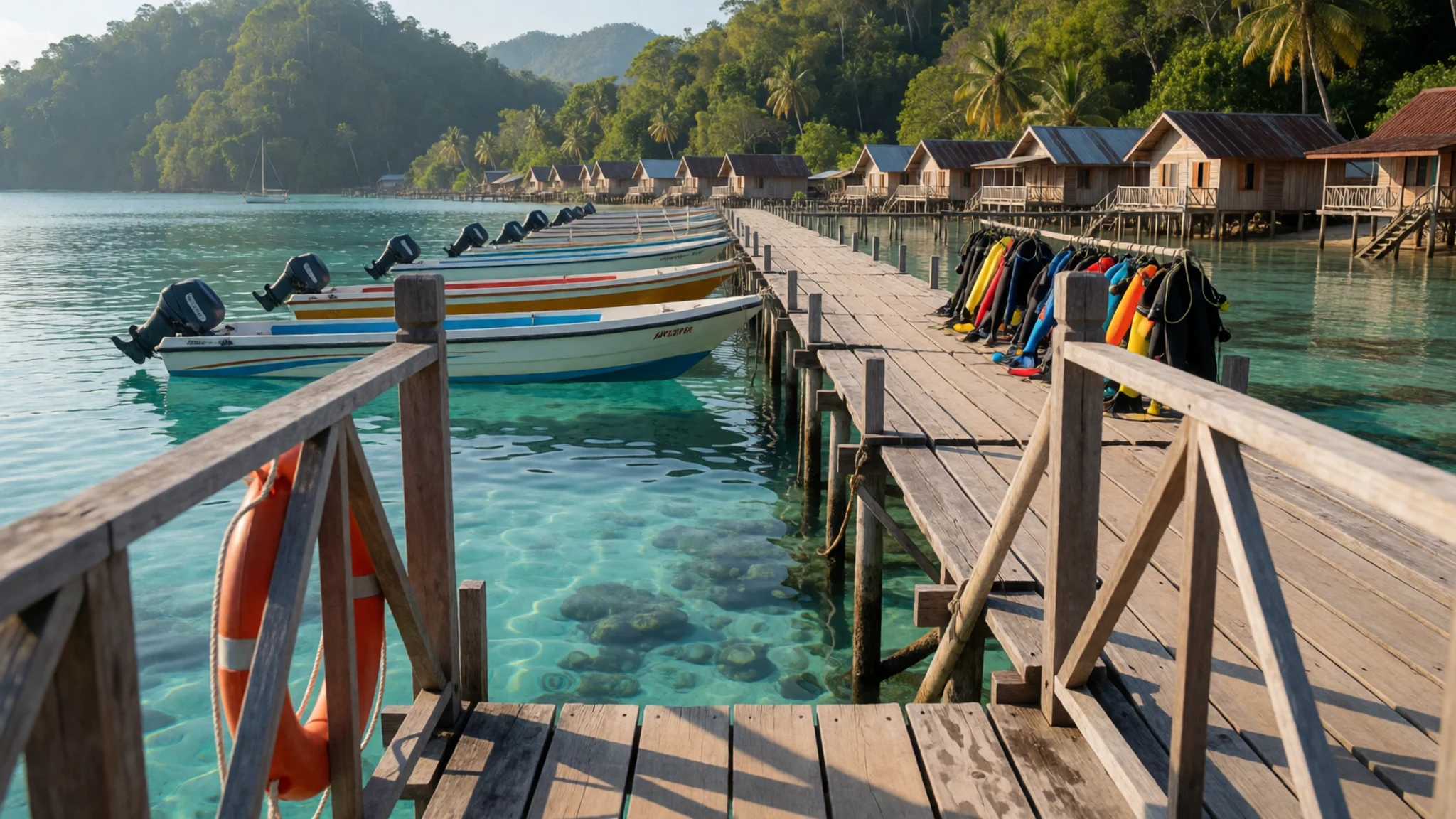
- Gapang Beach and Lumba Lumba — Gapang Beach
Gapang Beach is home to Lumba Lumba Diving Centre, a western-owned operator. Its premium accommodation is aimed mainly at divers, so it suits people who plan to spend most of their days in the water. If you want time away from the dive schedule, or you are keeping costs down, compare the wider choice in Iboih before you commit. Confirm rates and conditions with the operator directly.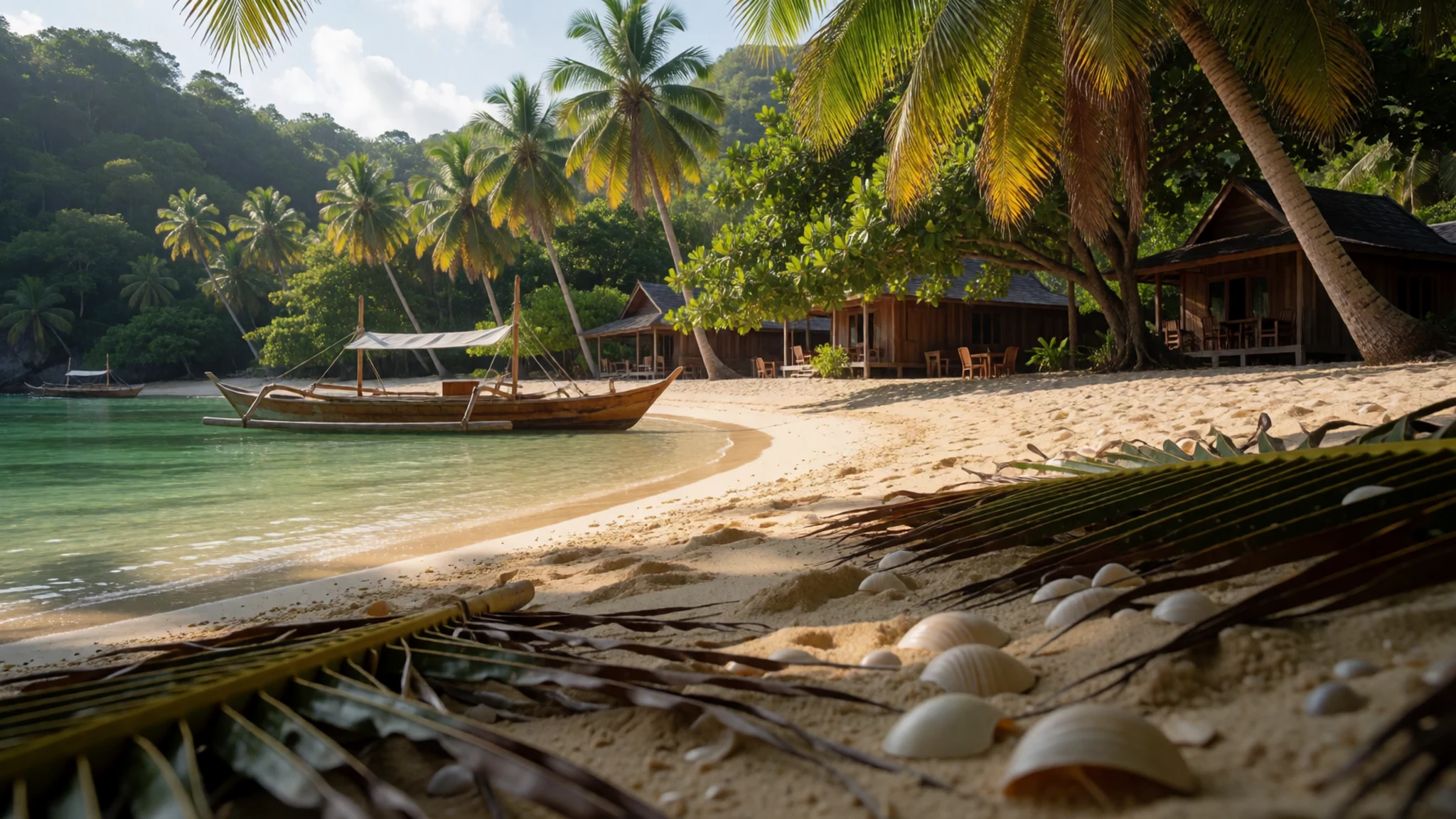
- The quiet west coast and Padé Dive Resort — Lhong Angen Beach, west coast
Lhong Angen Beach sits on the quiet west coast, where the Padé Dive Resort operates. Divers come here for sites such as Batee Meuduro, Pantee Peunateung and The Canyon, all within reach of the resort's boats. Expect fewer people than in Iboih, but also fewer shops and eateries within walking distance, so bring snacks and enough cash. Confirm transfers and boat times before you arrive.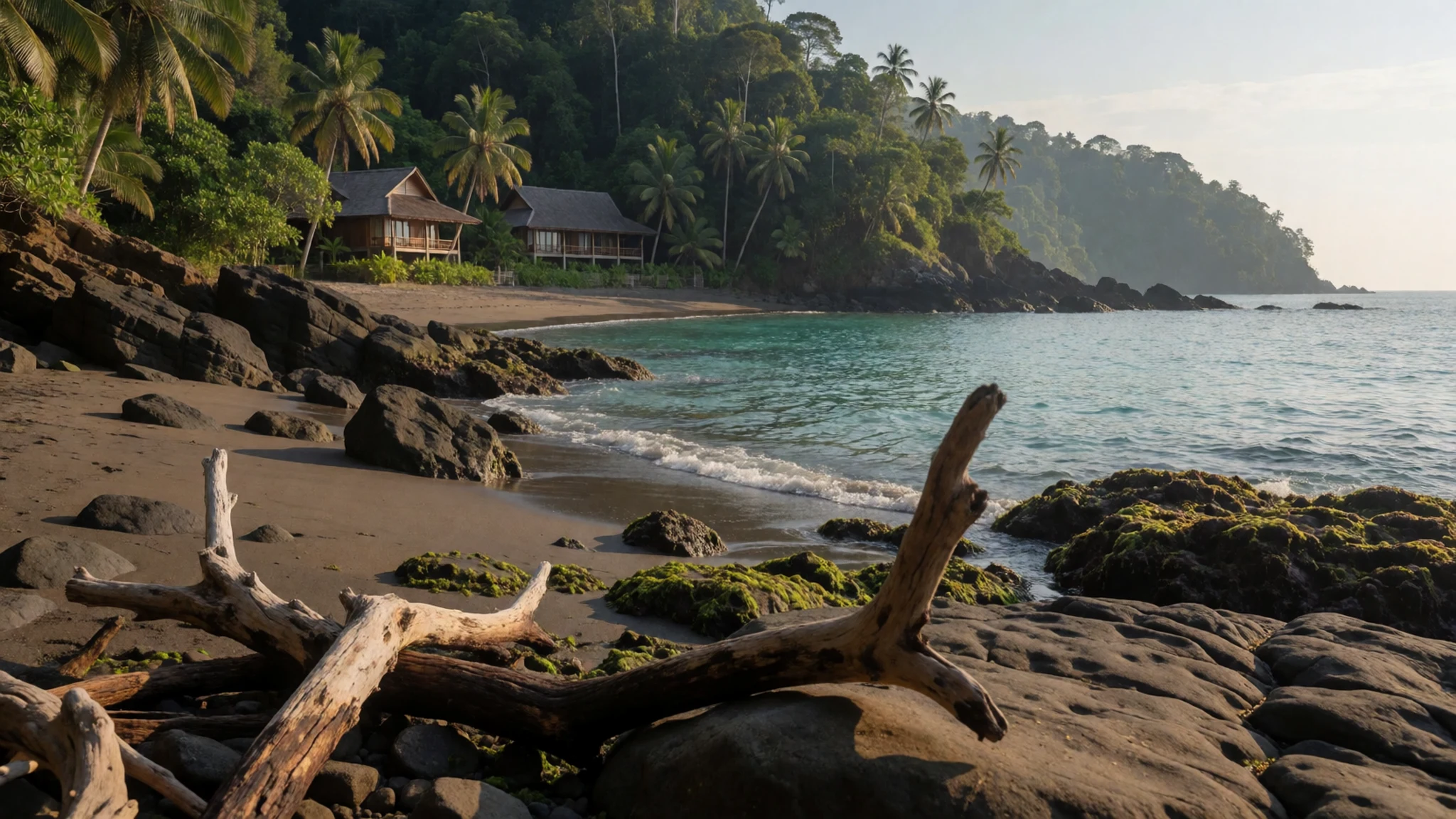
- The ridge road above Sabang — Hills above the town
Above Sabang the road climbs along a ridge lined with large trees, whose branches meet overhead and make a shaded drive on a hot day. Partway up, a Japanese bunker has been turned into a park, a short stop with views over the harbour. Ride here on a motorbike or hire a driver for the day, and go early, when the light is softer and traffic is lighter.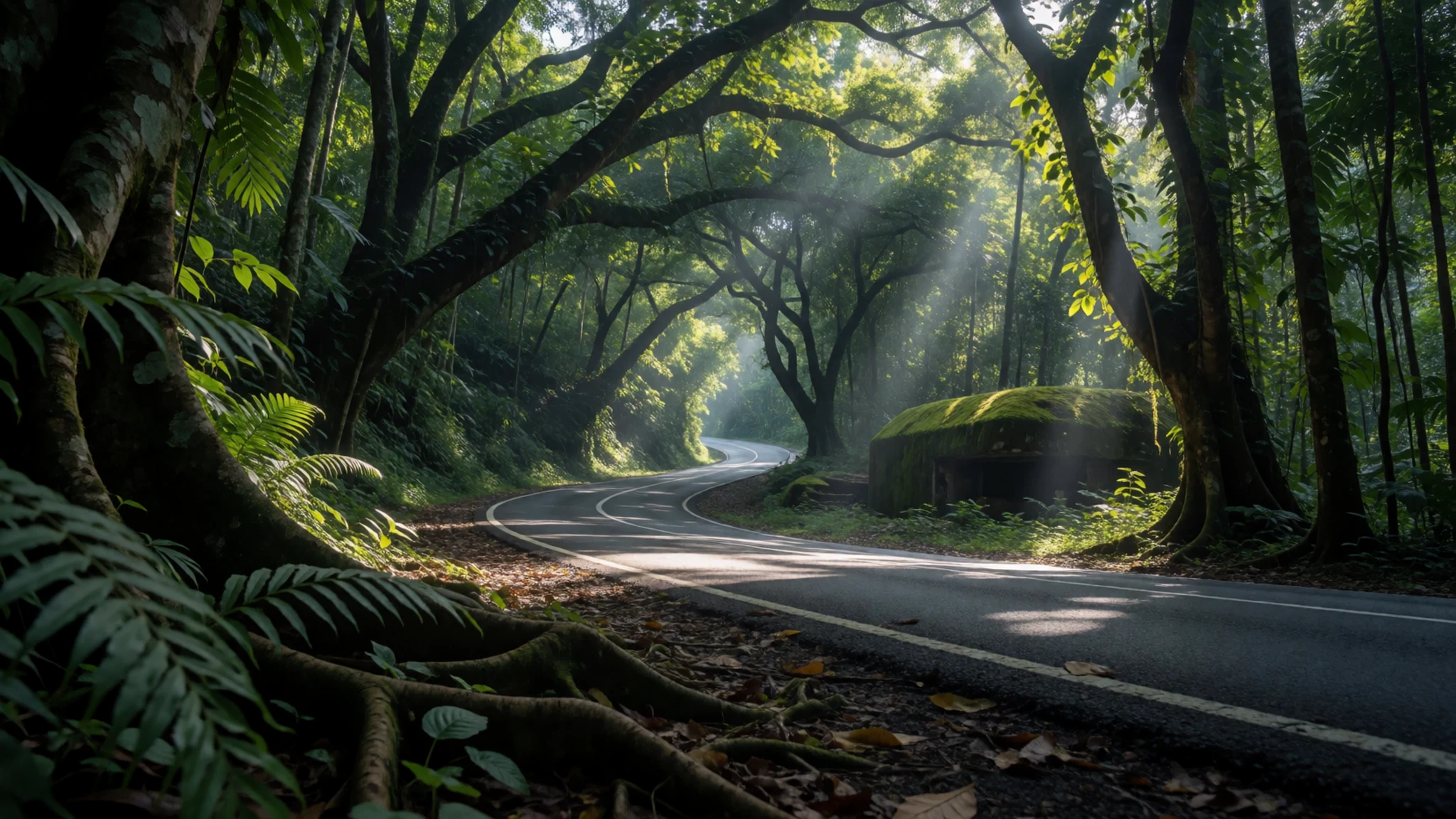
Culture
Weh Island is part of Aceh, the Indonesian province that applies Islamic law in parts of public life, so local manners are more conservative than at the beach resorts of Bali. Most people here are Muslim, and villagers notice how visitors dress once they leave the water. Swimwear and shorts are normal on the sand and at dive operators, but in villages and markets cover your shoulders and knees, and carry a light scarf if you plan to enter a mosque. Greetings are warm and unhurried. The phrase 'island time' is used with a smile, and it means meals and boats can run late, so arrive at a restaurant well before you are hungry. Ask before photographing people, especially women and children, and never photograph anyone at prayer. Ask first before taking a picture of a family in a village, because many people will politely decline if they are not asked.
What to wear
Weh Island is part of Aceh, and what people wear there reflects the province's Islamic and Malay-influenced traditions more than resort fashion. Traditional Acehnese dress is worn mostly at weddings, religious holidays and formal occasions. Men may wear a long-sleeved shirt with a pleated cap called a meukeutop, and women wear a long tunic over a wrap skirt, often in cotton or finely woven silk. Gold-thread weaving in the Malay style, known as songket, appears in ceremonial cloth across the wider region; check with local guides before naming specific textiles for Sabang itself.
Day to day, most people on the island wear ordinary clothes: shirts, long trousers and sarongs, with many women wearing headscarves. Younger people often favour Western-style T-shirts and jeans. Motorbike riders wear helmets as a matter of course, and the same practical approach shapes most daily choices.
For a visitor, the warm, humid climate suggests light, loose cotton or linen. Cover shoulders and knees in villages, markets and near mosques, and keep swimwear for the beach and dive shops. A sunhat, sunglasses and a light long-sleeved layer help on open boats. For the hills and ridge roads, choose closed shoes or sturdy sandals with good grip, and pack a spare shirt for the trip back.
What to eat
- Nasi campur — Paper-wrapped take-away stalls in the Iboih village
Nasi campur is the everyday meal of the village, sold wrapped in paper to take away. It is rice with vegetables and a choice of chicken or egg, depending on what you ask for. Village eateries are generally cheaper than the restaurants attached to bungalows, so it is the easiest way to eat well on a modest budget.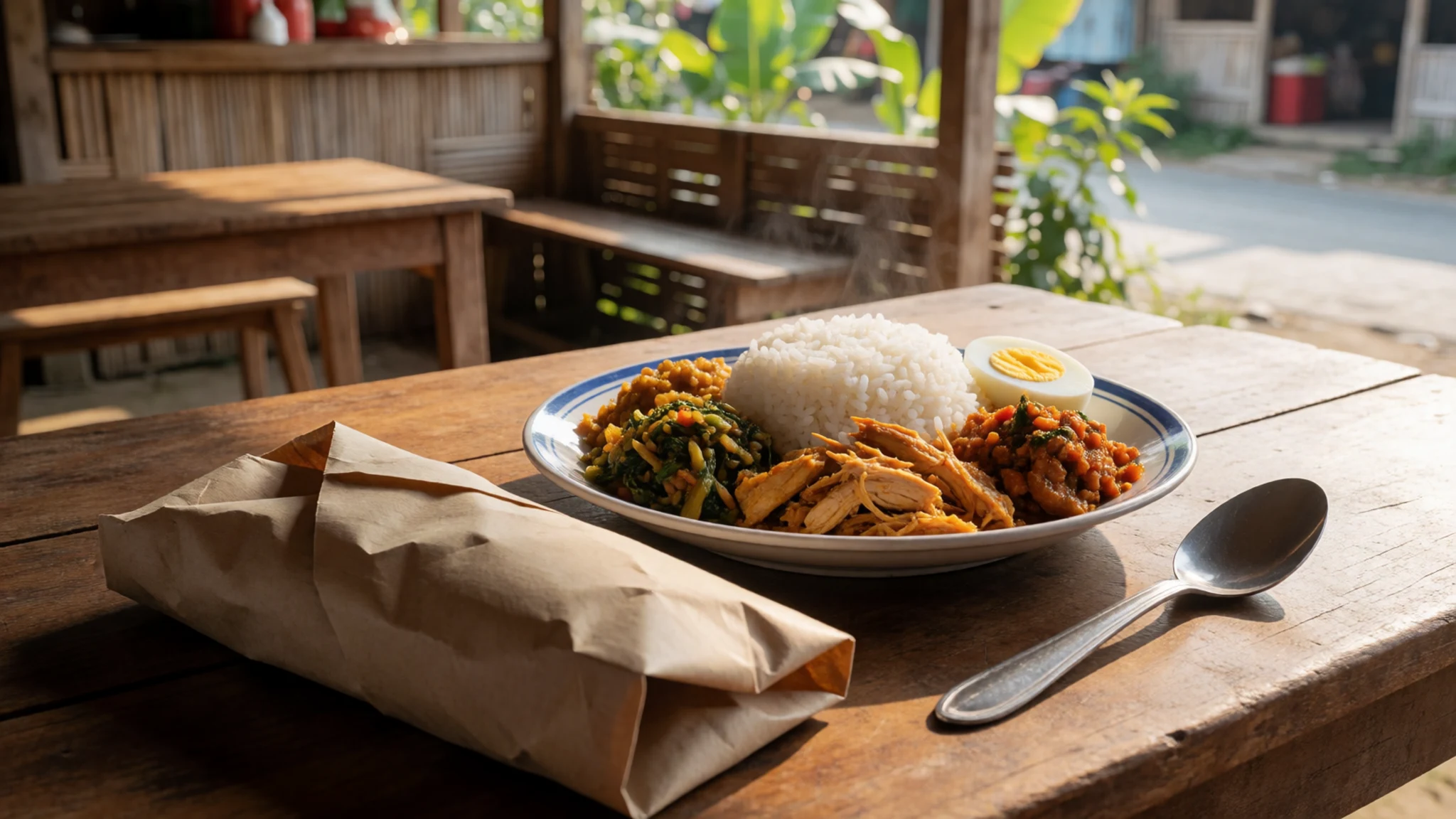
- Fried rice and fried noodles — Village restaurants in Iboih
Most Iboih restaurants serve a similar menu, and fried rice and fried noodles are the reliable choices on it. They arrive hot and simple, with vegetables and a little protein. Order when you sit down, because kitchens can take a long time even when the room is quiet.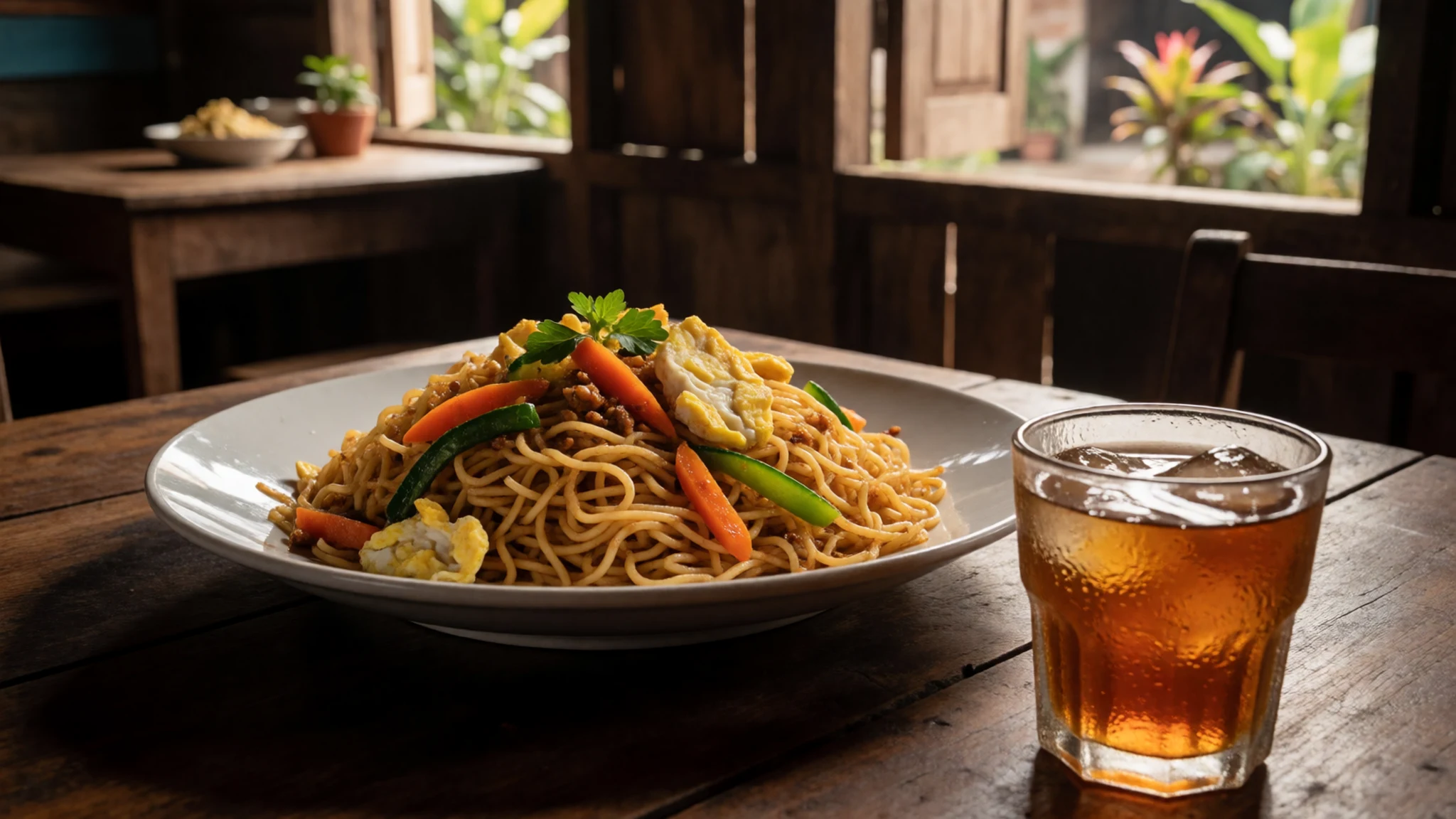
- Curries — Family-run eateries along the Iboih road
Curries are common on the menus of Iboih restaurants and make a satisfying main course after a day on the water. Ask what is cooked that day, since smaller places often have a pot on the go. Pair a curry with plain rice to soak up the sauce. - Chicken kebab — A family-run place in Iboih
One of the standout dishes in Iboih is a chicken kebab, which local visitors mention repeatedly. It is grilled and served simply, a good option when you want something smoky after snorkelling. Go early, because the best options tend to run out later in the evening. - Banana pancakes and avocado salads — Beachfront cafés in Iboih
Banana pancakes, guacamole and fresh avocado salads are widely available in Iboih and appeal to visitors who want something lighter. They suit a late breakfast before a dive. Cafés near the water are the best places to find them. - Family dinner — Family-run restaurants in Iboih, evenings
Some Iboih restaurants offer a set family-style dinner in the evening, where several dishes come out together to share. Service starts in the late evening, reflecting the island's relaxed timing. Book by asking the day before, and bring small notes to pay.
Plan it
Best time. Rain is heaviest from October to December, with November the wettest month, while May and June are the hottest, with daily highs above 31 °C. February is the driest month and, with highs near 30 °C, one of the most comfortable times to visit. Visibility and boat trips depend on the season, so check before you book.
How long. 3–4
Getting there. Fly into Maimun Saleh Airport at Sabang, with light services from Banda Aceh, or take the fast ferry from Banda Aceh's Ulee Lheue pier, which takes about an hour. The final leg is by ferry to Balohan on the island, followed by local transport, where drivers will quote high at first.
Budget. low
Tips
- Check current ferry and flight times with the operator, because schedules change.
- Carry small banknotes, since many restaurants struggle to give change.
- Negotiate transport from the port firmly, as first offers are high.
- Book dive courses in advance and expect early starts on the boat.
- Carry cash for village stalls and small shops, and use bank cards only in Sabang.
- Order food early, since meals can take an hour.
Etiquette
- Dress modestly in villages, markets and near mosques, and save swimwear for the beach.
- Ask before photographing people, particularly women and children.
- Be patient with service and keep your voice calm.
Nearby
Sources
- Wikidata Q1048813 (CC0)
- Wikipedia: Weh Island (CC BY-SA 4.0)
- Wikivoyage: Sabang (Indonesia) (CC BY-SA 4.0)
- Weh Island locator map (Public domain)
- Admiralty Chart No 3869, North West Part of Sumatra (Public domain)
- Balohan Sea Port from the hill, Weh Island (CC BY-SA 4.0)
- Bundesarchiv Bild 116-424-114, Club de Sabangbaai (CC BY-SA 3.0 de)
- Gas station, Pulau Weh (CC BY 3.0)
- Giant clam in Weh Island, June 2015 (CC BY 2.5)
- HM-15 delivers aid to Sumatra following the 2004 tsunami (Public domain)
- Mangroves in Pulau Weh (CC BY-SA 2.0)


