Waterton Lakes National Park
Waterton Lakes National Park, Canada
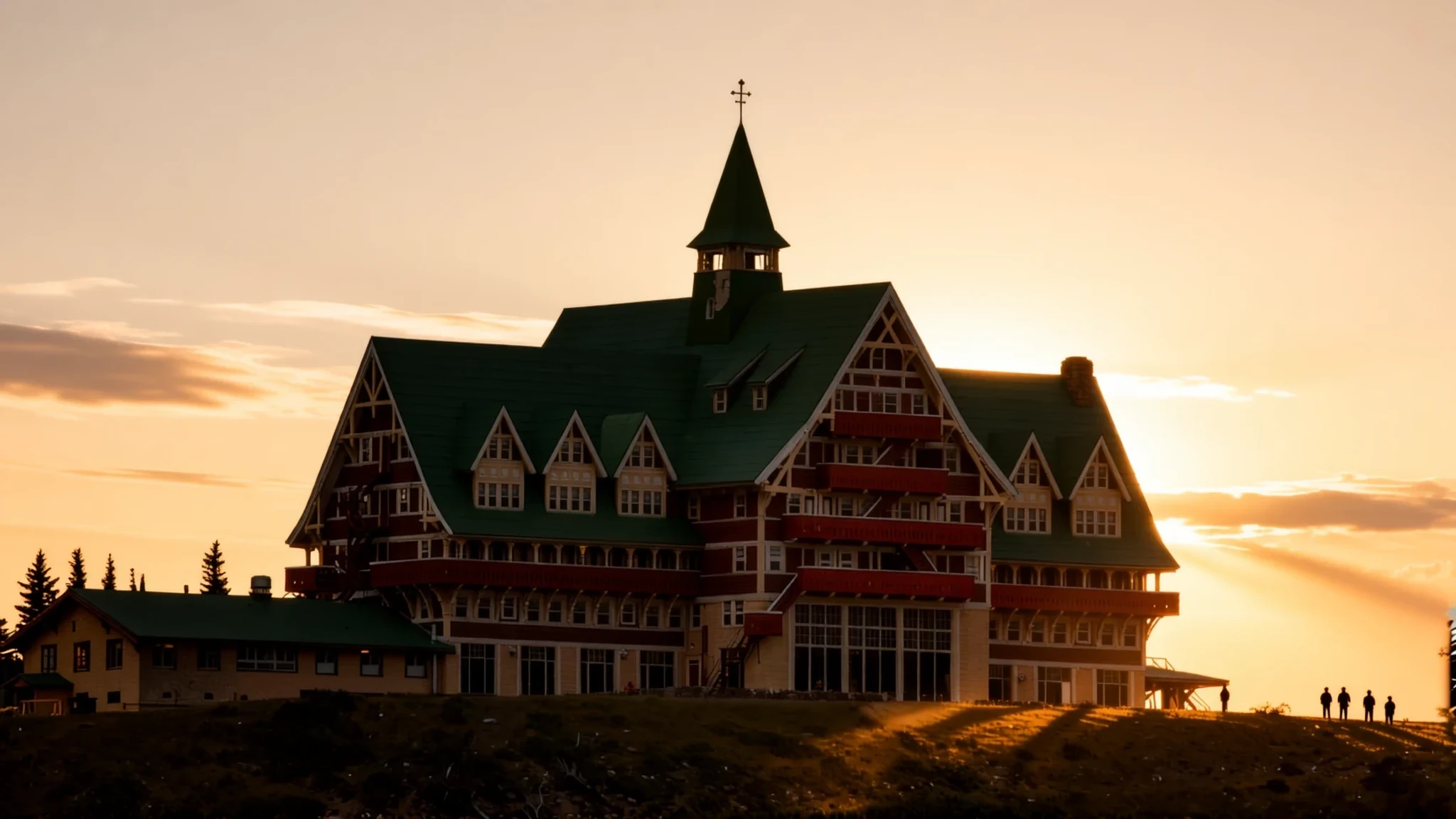
Where dramatic Rocky Mountain peaks drop straight into sweeping prairie grasslands, offering wilderness hiking, pristine glacial lakes, and extraordinary wildlife encounters.
The place
Waterton Lakes National Park sits in the far south-western corner of Alberta, where the sheer vertical rock walls of the Rocky Mountains meet the wide ocean of the Canadian prairies. Established in 1895, this mountain sanctuary shares an international boundary with Montana in the United States, forming a contiguous protected wilderness across the border. The park encloses deep glacial valleys, wind-carved valleys, and chain lakes that reflect the surrounding summits.
The terrain varies dramatically across short distances. Dense coniferous forests cover the lower slopes, while alpine meadows burst with wild flowers during the brief mountain summer. Mountain goats cling to high limestone ledges, black bears forage along scrubby valley floors, and herds of elk move between timberlines and grassland edges. Below the earth, ancient marine sediments and fossilised algal beds reveal a geological history stretching back well over a billion years.
Because the commercial area is strictly confined to the small waterfront hamlet, much of the landscape remains remarkably quiet outside the central settlement. Visitors spend their days exploring scenic drives along creek canyons, cruising across deep lakes, or trekking high mountain pass trails. Strong prairie winds regularly blow through the valley corridors, shaping the stunted trees along ridge lines and keeping the mountain air brisk and clear throughout the year.
Its story
Waterton Lakes National Park carries a rich human and geological story defined by conservation foresight and unusual earth science. Long before European settlers arrived, First Nations groups hunted bison and fished the mountain lakes along these valley corridors. In 1886, a government surveyor named William Pearce first noted the remarkable natural character of the region and suggested setting aside land for preservation. A local rancher named Frederick William Godsal revived the idea in 1893, pointing out that the landscape possessed limited agricultural value but immense public benefit. The Canadian government acted on these recommendations in 1895, creating a forest park reserve that laid the foundation for the national park system.
Industrial enterprise briefly challenged the park’s wilderness status at the turn of the twentieth century. Petroleum seepages near Cameron Creek sparked an oil rush, leading to the establishment of Alberta's first oil exploration well in 1902. While commercial oil extraction ultimately proved unsuccessful, the site remains preserved as a national historic landmark. Recognizing the area's natural splendour, advocates successfully lobbied for expanded park boundaries in 1905.
Geologically, the park exhibits a rare structural feature known as the Lewis Overthrust. Millions of years ago, tectonic forces thrust immense slabs of ancient Proterozoic bedrock horizontally over much younger Cretaceous rock layers. This unusual displacement inverted the standard geological timeline, placing billion-year-old rock formations directly above younger strata along the dramatic mountain faces.
What to see
- Upper Waterton Lake — Waterton Park townsite
Extending across the international border into Montana, this deep ribbon of water lies framed by steep peak walls. A paved path lines the waterfront at the townsite, ideal for walking while watching mountain weather sweep over the water. Sightseeing boats depart from the harbour during summer, carrying passengers past dramatic cliff sides into American waters.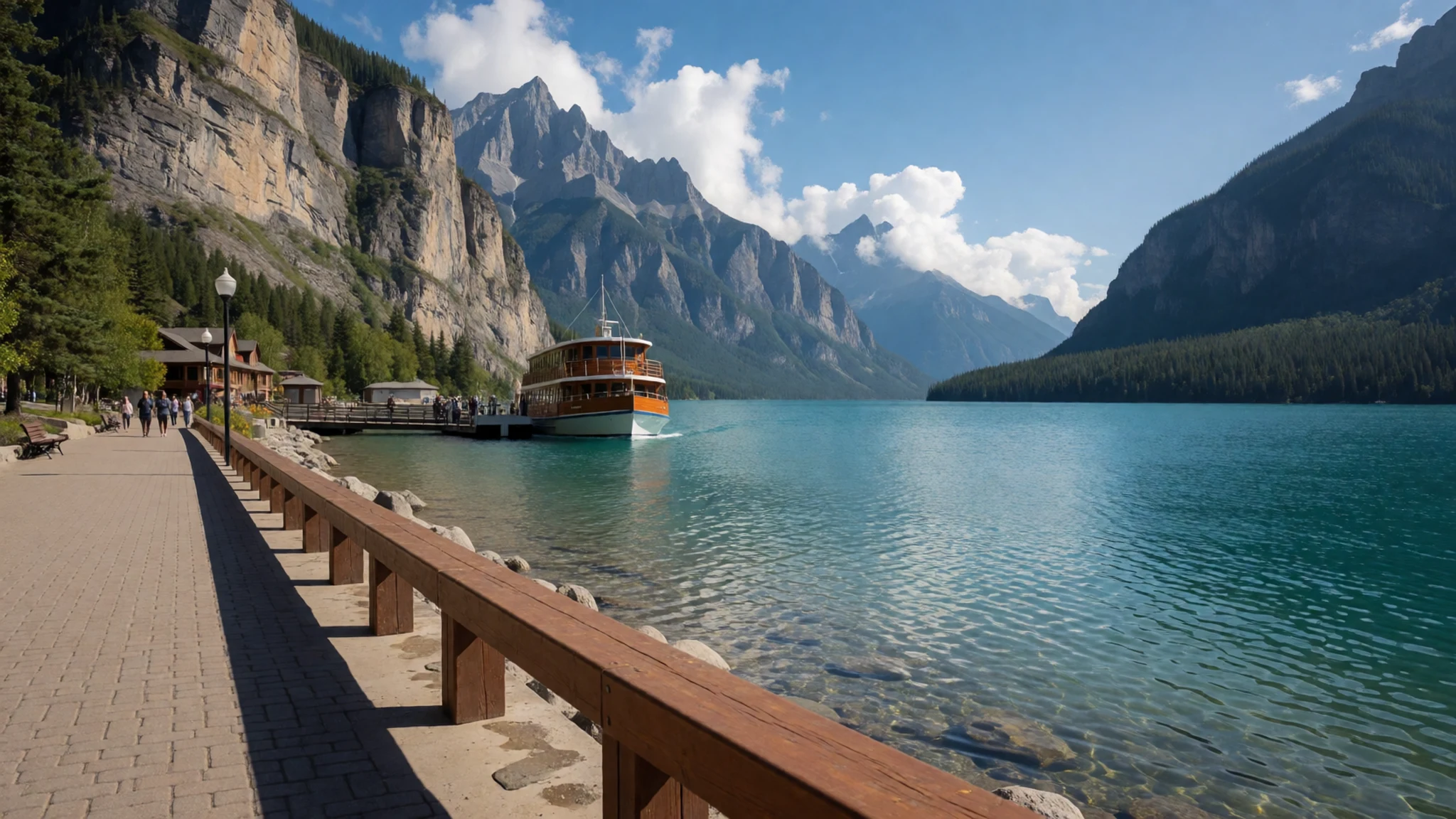
- Red Rock Canyon — Red Rock Parkway
A scenic valley drive leads to this distinct geological ravine where argillite stone displays brilliant crimson and green tones. Short, accessible loop paths trace both sides of the canyon rim, letting visitors peer down into the clear mountain stream below. Photographers frequent the footbridges to capture the vivid contrast between red bedrock and surrounding forest.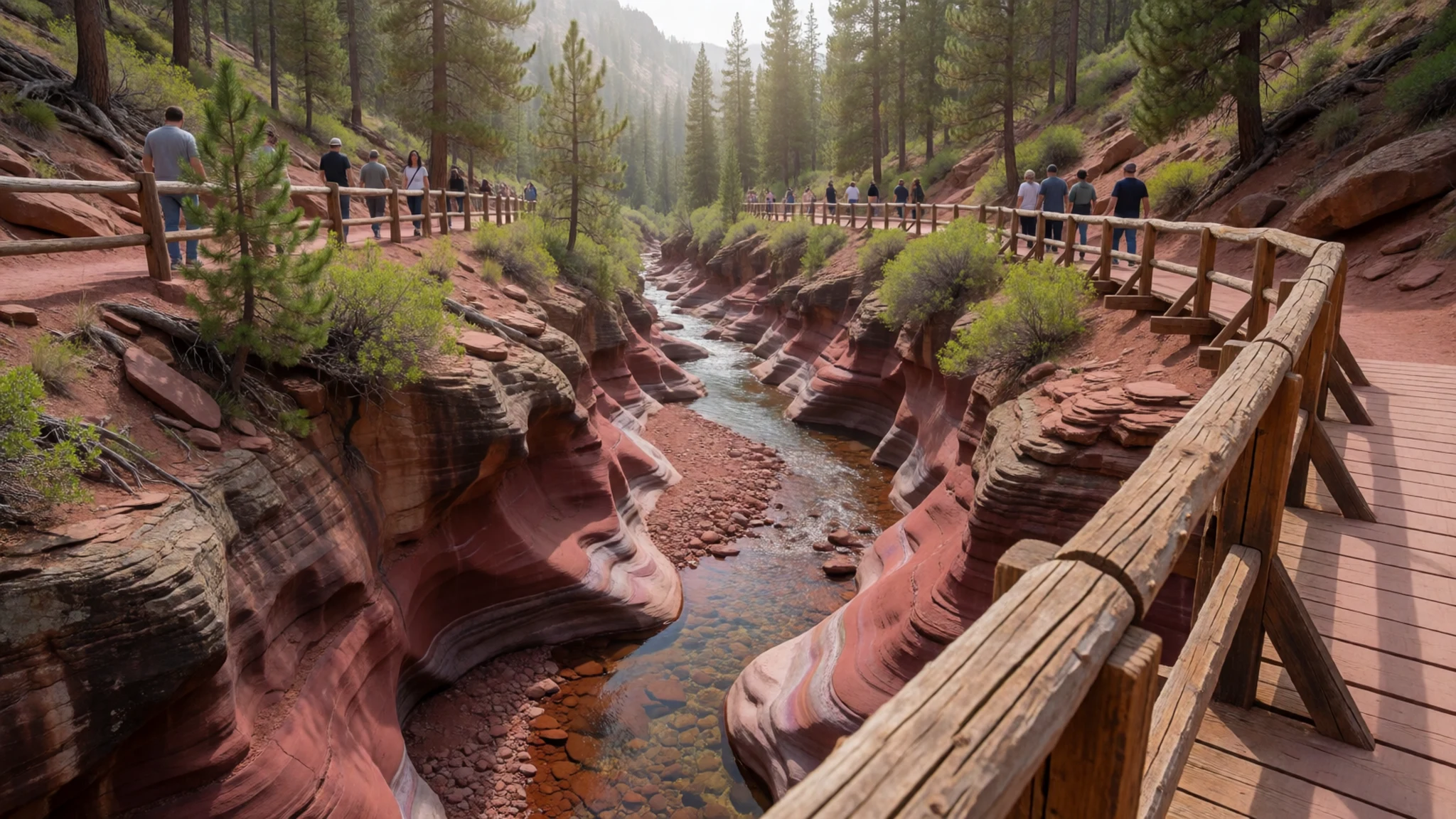
- Bear's Hump — Mount Crandell trail
Rising directly behind the park visitor centre, this short but steep uphill hike climbs wooden steps and rocky switchbacks onto a mountain ridge. The summit viewpoint overlooks the entire Waterton hamlet, the lake basin, and the vast prairie horizon to the east. High winds are common at the top, so sturdy footwear is essential.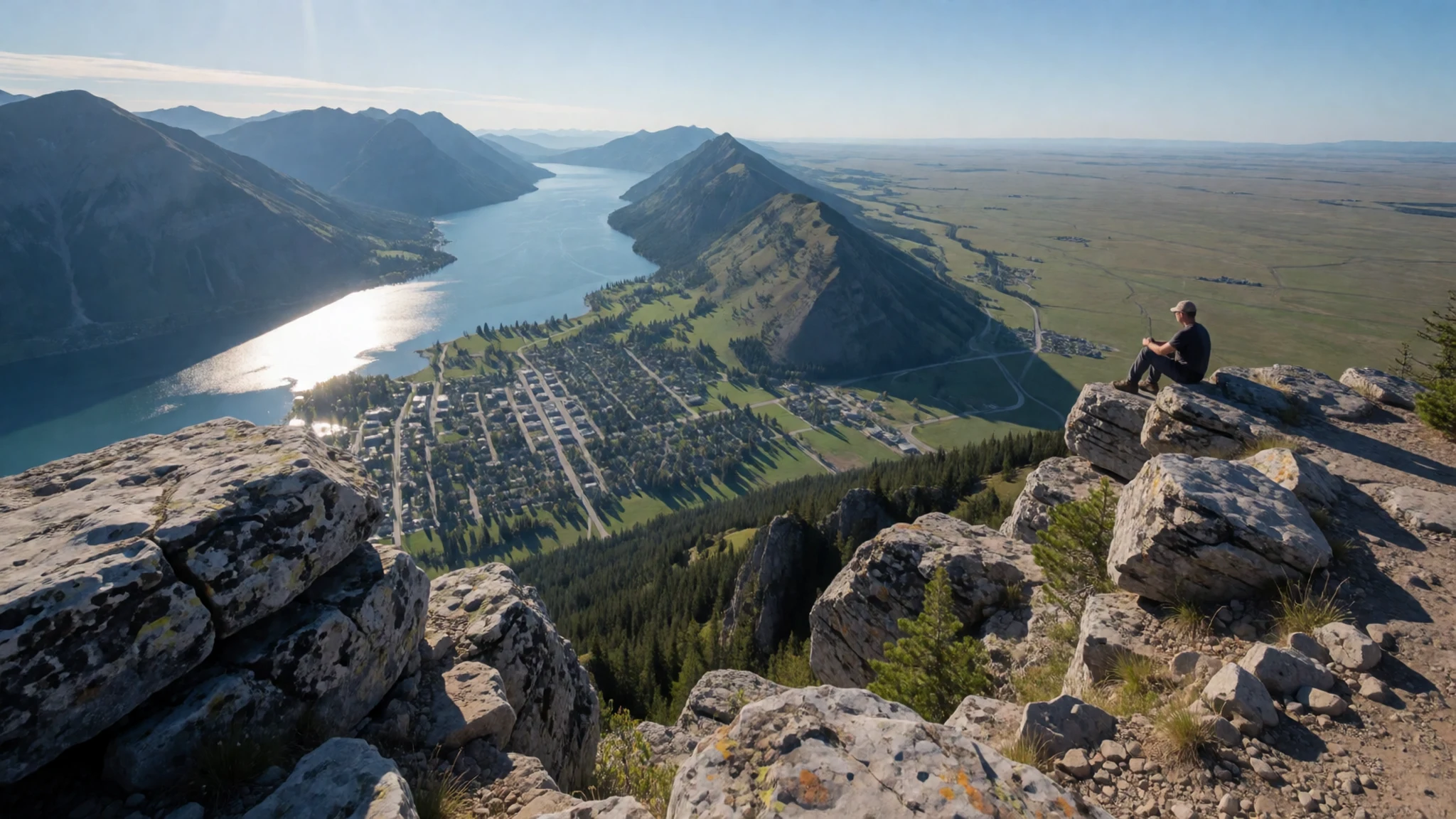
- Cameron Lake — Akamina Parkway
Nestled at the end of Akamina Parkway, this high glacial basin rests beneath towering mountain cliffs along the continental divide. Visitors rent canoes or watercraft during summer to paddle across the pristine surface, while quiet lakeshore trails offer quiet wildlife watching. Wildlife including moose and waterfowl frequent the marshy southern bay.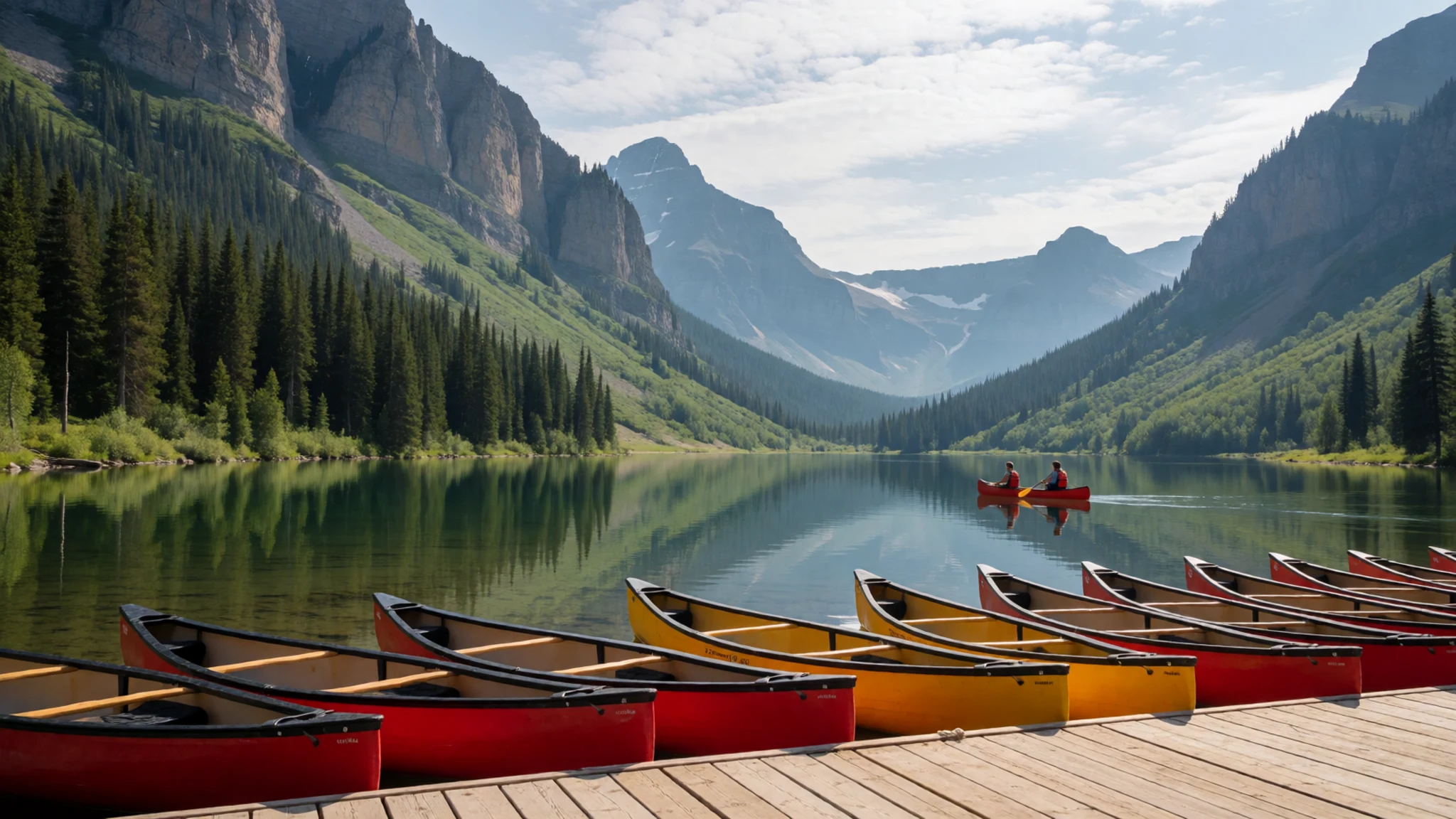
- Cameron Falls — Waterton Park townsite
Situated directly on the edge of the townsite, Cameron Falls cascades over ancient layers of exposed pre-Cambrian rock. Dedicated viewing plazas and footbridges provide close access to the cascading water without requiring a hike. After heavy rainfalls, mineral runoff from upstream canyons can temporarily turn the rushing water an unusual shade of pink.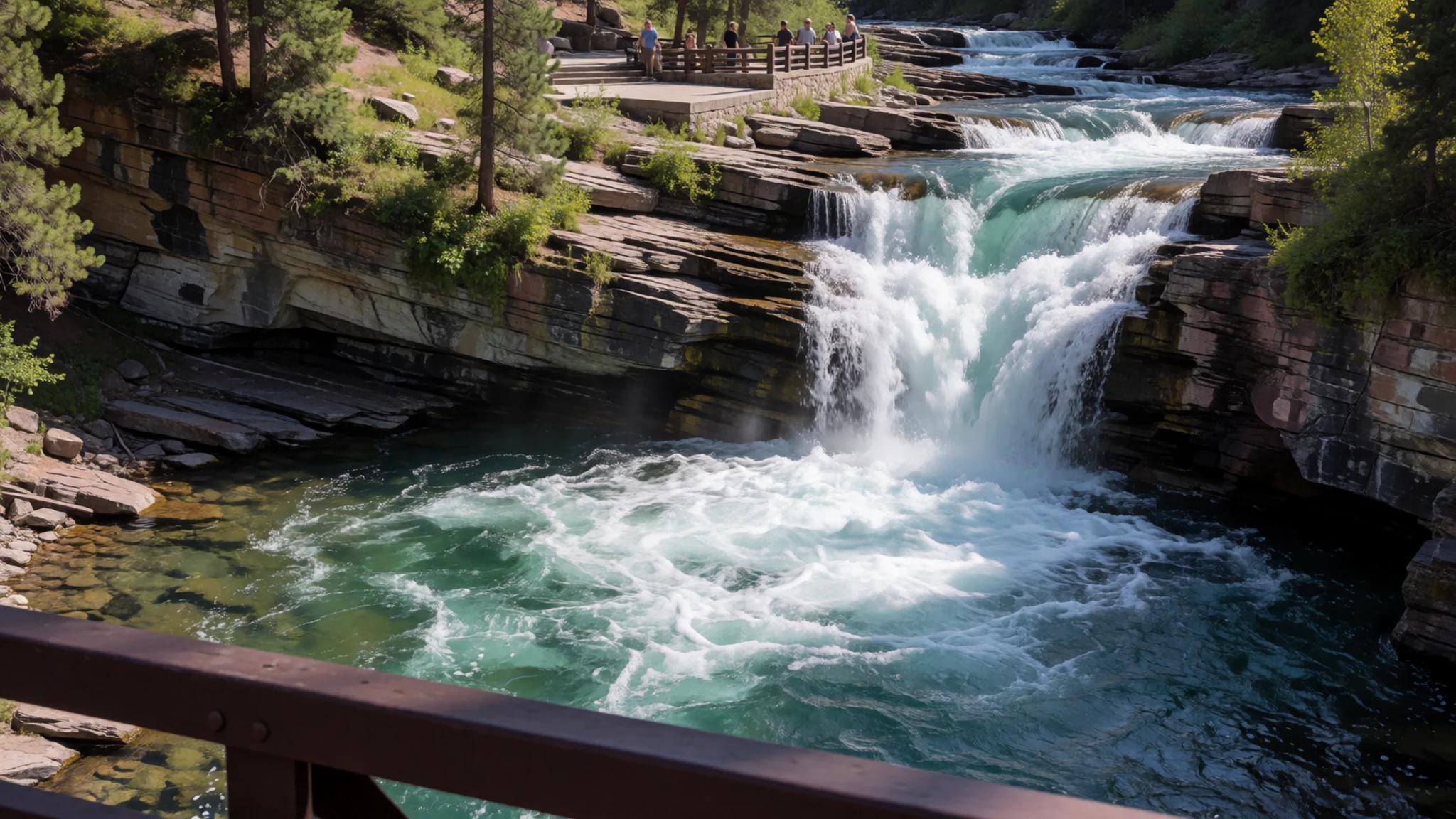
Culture
Waterton Lakes National Park holds deep cultural significance for the Blackfoot Confederacy, including the Piikani and Kainai First Nations, who have maintained ancestral connections to this land for thousands of years. Known traditionally as Paahtómahksikimi, or the Inner Ocean, the region served as a seasonal hunting ground, gather place, and sacred spiritual retreat long before European boundary lines were mapped across the landscape. The mountains, streams, and lakes feature prominently in Indigenous oral traditions and creation stories.
Today, cultural stewardship is shared through collaborative management between Parks Canada and Indigenous communities. Interpretive programs and community events throughout the summer months highlight Blackfoot traditions, language, and ecological knowledge. The park also reflects a long tradition of international cooperation; together with Glacier National Park in Montana, it formed the world's first International Peace Park, celebrating peaceful relations and shared wildlife conservation across national borders. Respecting this living landscape means treating natural and heritage sites with reverence. Always observe posted wildlife distance rules and keep to marked trails when walking near historic or culturally sensitive areas.
What to wear
Waterton Lakes National Park lies within the traditional territory of the Niitsitapi (Blackfoot) people, whose traditional clothing was crafted from soft-tanned elk, deer, and buffalo hides. Garments were decorated with intricate porcupine quillwork, glass beads, and fringe, while woven wool trade blankets became prized outer garments during winter months; today, these heritage garments are worn with pride during ceremonial gatherings and powwows.
In the modern townsite and surrounding parkland, local residents and seasonal staff wear practical outdoor casual attire suited to mountain living. Sturdy denim, heavy flannel shirts, fleece jackets, and durable work boots are everyday wardrobe staples, reflecting the rugged nature of life in south-western Alberta.
Visitors should pack versatile, layered clothing to handle the region's rapidly changing weather. Temperatures can fluctuate sharply between sunny mornings and cool, windy evenings. A windproof and waterproof outer jacket is essential, as fierce prairie gusts are frequent near the townsite and along ridge lines. Sturdy, broken-in hiking boots with good tread are required for rocky mountain trails, while thermal base layers and warm hats are recommended even during summer excursions into high elevations.
What to eat
- Breakfast Wraps and Fresh Baked Goods — townsite coffee shops and bakeries
Morning visitors in the townsite often start their day with hearty egg wraps and freshly baked muffins or cinnamon rolls. These quick, portable meals are perfect fuel for early morning summit hikes or boat cruises across the lake.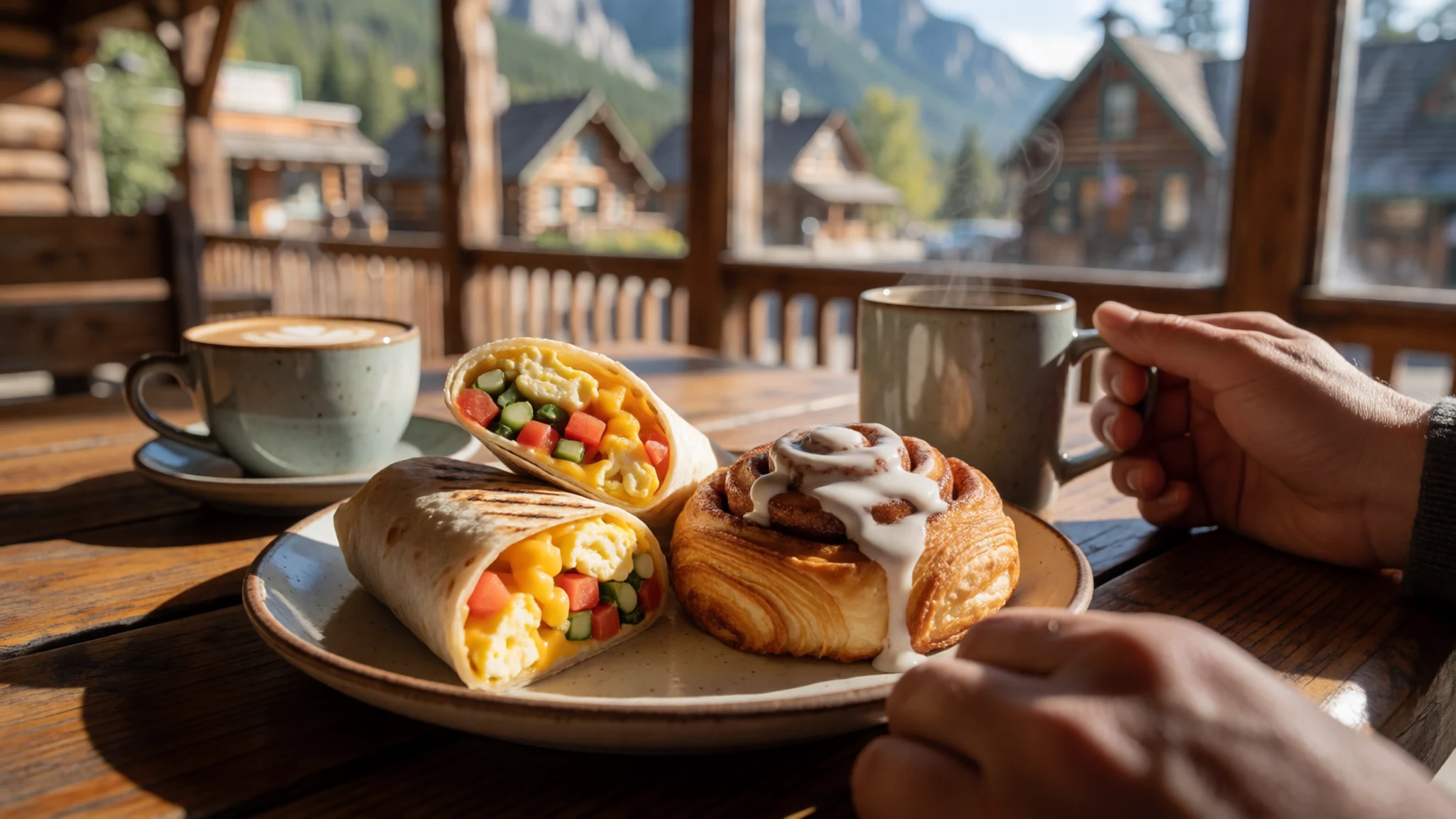
- Bison Burgers and Saskatoon Berry Jam — rustic mountain grills in the hamlet
Local mountain dining features lean regional bison meat served in thick burgers or flame-grilled steaks. These hearty main dishes are frequently paired with sweet sauces or baked desserts made from native Saskatoon berries gathered across prairie foothills.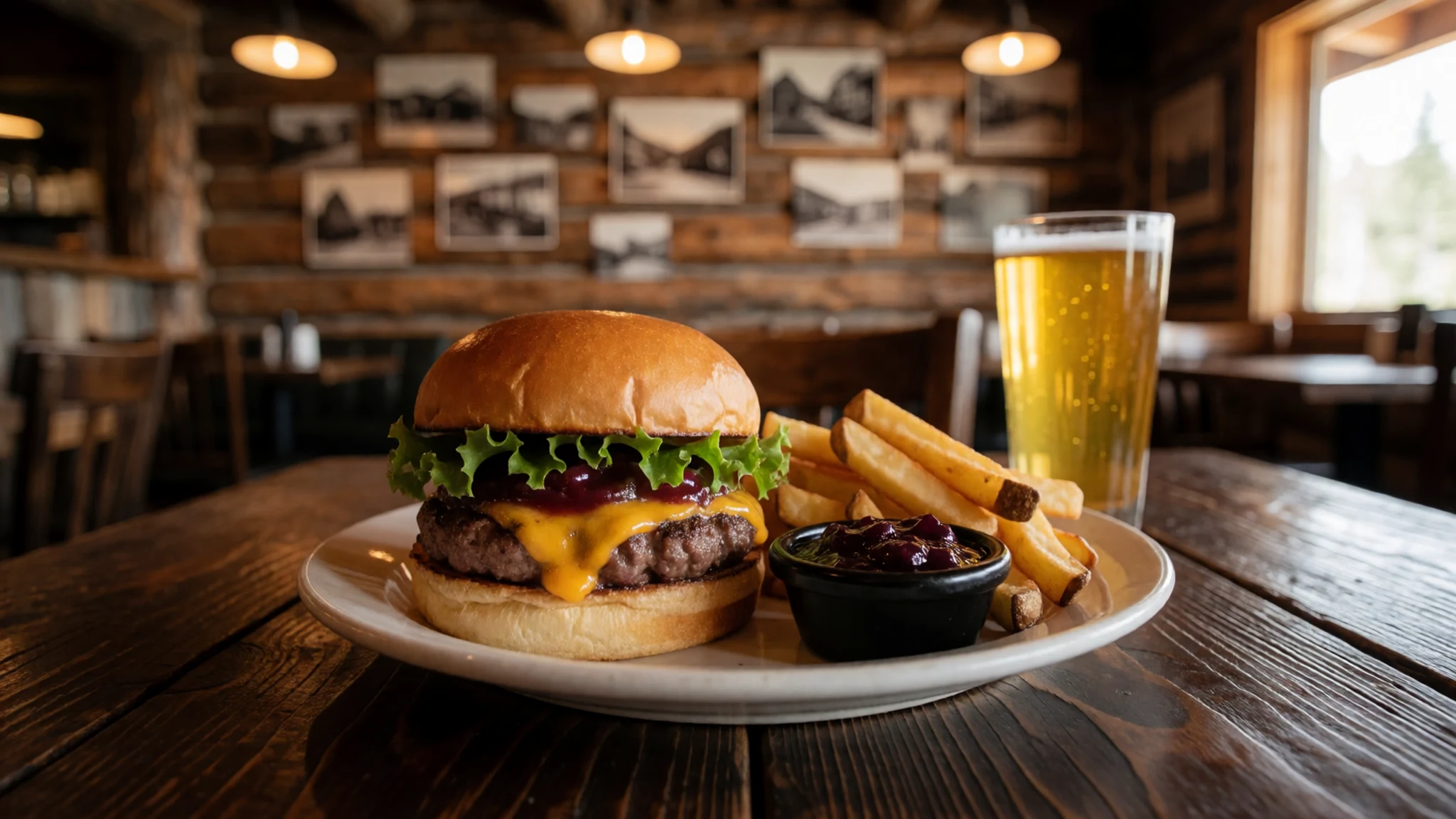
- Classic Diner Breakfasts — casual townsite diners
Familiar diner plates like buttermilk pancakes, thick-cut bacon, and home-style hash browns are served throughout the main village. These relaxed eateries offer steady service and classic comfort meals before or after long days outdoors in the park. - Rocky Mountain Specialty Burgers — casual lounge bars in the hamlet
Townsite lounges offer a wide variety of gourmet burgers, ranging from Alberta beef and grilled chicken to wild salmon or vegetarian patties. Diners pair them with regional craft beers beside warm fireplaces during cool alpine evenings. - Freshly Made Artisan Bagels — village bakeries and coffee stands
Fresh bagels boiled and baked daily serve as a quick breakfast or packable trail lunch for hikers. Topped with savoury spreads or smoked meats, they are paired with roasted coffee brewed right in the heart of the village.
Plan it
Best time. July and August offer warm daytime temperatures and open trail access, though autumn brings quiet roads and winter brings heavy snow.
How long. 2–3
Getting there. Fly into Calgary International Airport, drive south via Highway 2 to Cardston, then take Highway 5 west straight to the park entrance.
Budget. mid
Tips
- Carry bear spray and make plenty of noise while hiking on timberline trails
- Secure park camping permits well in advance during peak summer months
- Prepare for strong winds near the main townsite and open ridge viewpoints
- Carry valid passport documents if planning to cross into US border zones
Etiquette
- Maintain safe distances from black bears, elk, and wild animals
- Pack out all litter and food waste to protect wildlife habitats
- Stay on designated trails to prevent soil erosion along fragile alpine slopes
Nearby
Sources
- Wikidata Q902778 (CC0)
- Wikipedia (rev 1372342951) (CC BY-SA 4.0)
- Wikivoyage (rev 5344390) (CC BY-SA 4.0)
- Photo photos/01-waterton-park-alberta-ca.jpg (CC BY 2.5)
- Photo photos/02-watertonlake.jpg (Public domain)
- Photo photos/03-mooseatcameronlake.jpg (Public domain)
- Photo photos/04-summitlake.jpg (Public domain)
- Photo photos/05-cameron-falls-27527.jpg (Public domain)
- Photo photos/06-broad-view-of-waterton-rv-campground-alberta.jpg (Public domain)
- Photo photos/07-blackbearwaterton.jpg (CC BY 3.0)
- Photo photos/08-watertonmountains.jpg (CC BY 3.0)


