Washington, D.C.
Washington, D.C., United States
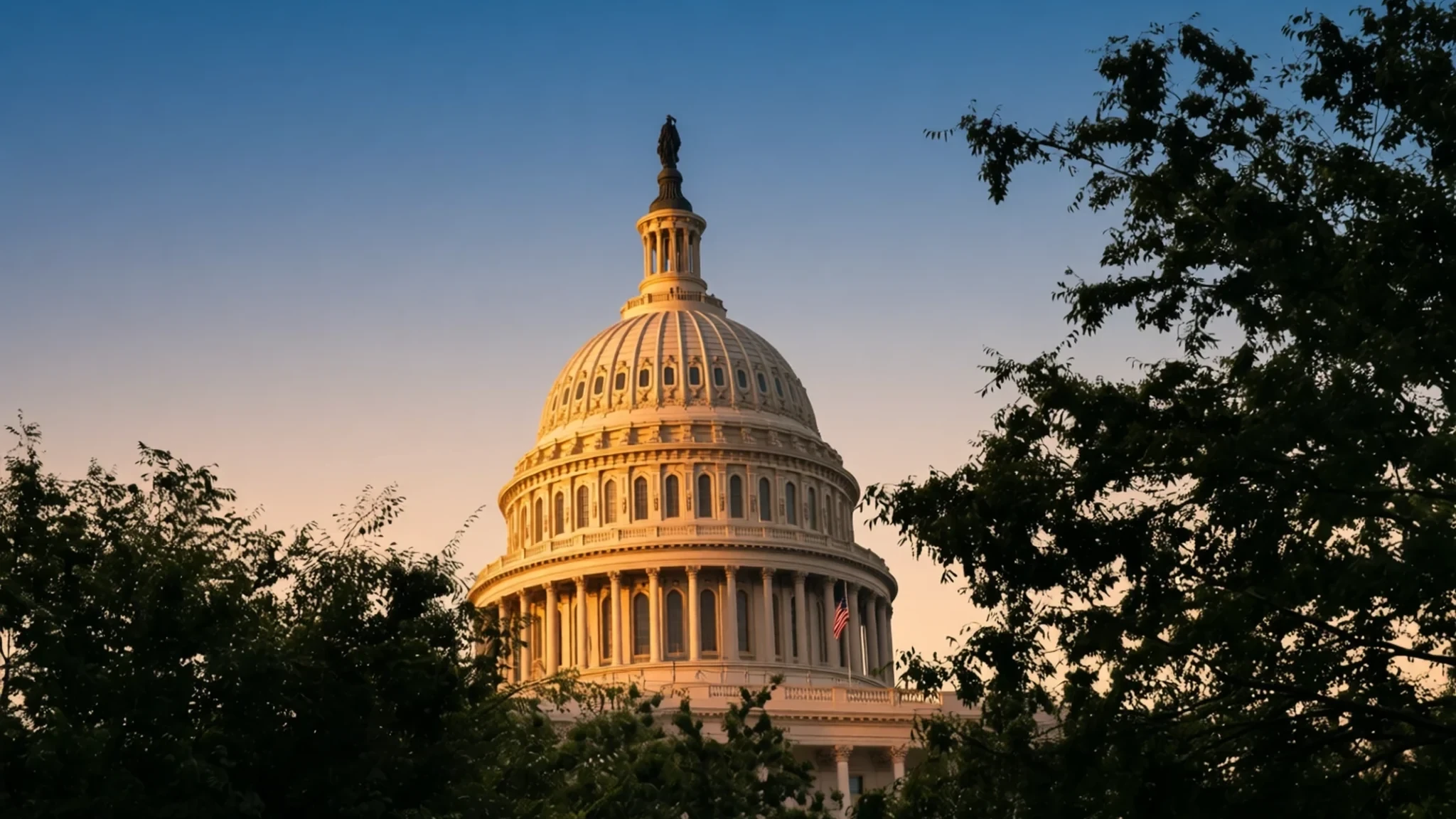
Washington is where the national government works, so its monuments, museums and open lawns carry a civic energy that few other capitals match.
The place
Washington, D.C. sits on the northeast bank of the Potomac River, directly across from Virginia, with Maryland surrounding it on the other sides. Officially the District of Columbia, it is the country's only federal district, which means it belongs to no state. The city had 689,545 residents in the facts snapshot and stands 72 metres above sea level, so its streets roll gently rather than lie flat.
The name has two layers. "District of Columbia" honours Columbia, a female personification of the nation. "Washington" came into common use later, taken from George Washington, the first president. Most visitors hear both, while locals often say simply "the District" or "DC".
The city was designed as a capital from the start. Its streets form a grid cut by broad diagonal avenues, and the National Mall runs west from the Capitol towards the Lincoln Memorial. Museums, memorials and government buildings cluster near the Mall, while neighbourhoods such as Georgetown, Dupont Circle and Adams Morgan feel more lived-in, with brick townhouses, cafés and independent shops.
The city suits long walks and strong sun. Summers are hot and humid, the Mall offers little shade, and crowds thicken in spring when the cherry trees flower. Security queues at federal buildings can be long, so leave time in the day for them.
Its story
Washington, D.C. was home to Indigenous peoples long before anyone planned a capital here. Algonquian-speaking Piscataway people lived around the Potomac when Europeans arrived in the seventeenth century. The Nacotchtank kept settlements along the Anacostia River, and as colonists and rival groups pressed in, many of these communities were pushed out, with some Piscataway moving to a new village further north in Maryland.
The capital itself was a late answer to an old problem. During the Revolution, Congress met in a string of towns, and nine cities served as seats for the Continental Congress under the Articles of Confederation. New York briefly held the role under the new Constitution, and then Philadelphia took it back for the decade from 1790 to 1800.
Philadelphia was not always secure. A mutiny by unpaid soldiers in Pennsylvania drove Congress out of the city for a time, and members retreated to Princeton, New Jersey, where they resolved to find a permanent site. The Constitution had already called for a federal district under Congress's direct control, separate from any state.
The Residence Act of 1790 approved a site along the Potomac, and that act is treated as the city's founding date. Building was slow. When the government moved in 1800, Congress met in a Capitol that was still unfinished, and John Adams moved into the newly completed White House. Those early years of half-built streets shaped everything that followed.
What to see
- Cherry trees around the Tidal Basin — Tidal Basin, West Potomac Park
The Tidal Basin is the best-known place to see the cherry trees, which flower in spring and draw large crowds during the National Cherry Blossom Festival. The bloom date shifts from year to year with the winter weather, so the festival may not line up with peak blossom. Check bloom forecasts before you book, and arrive early in the morning if you want room to walk the path around the water.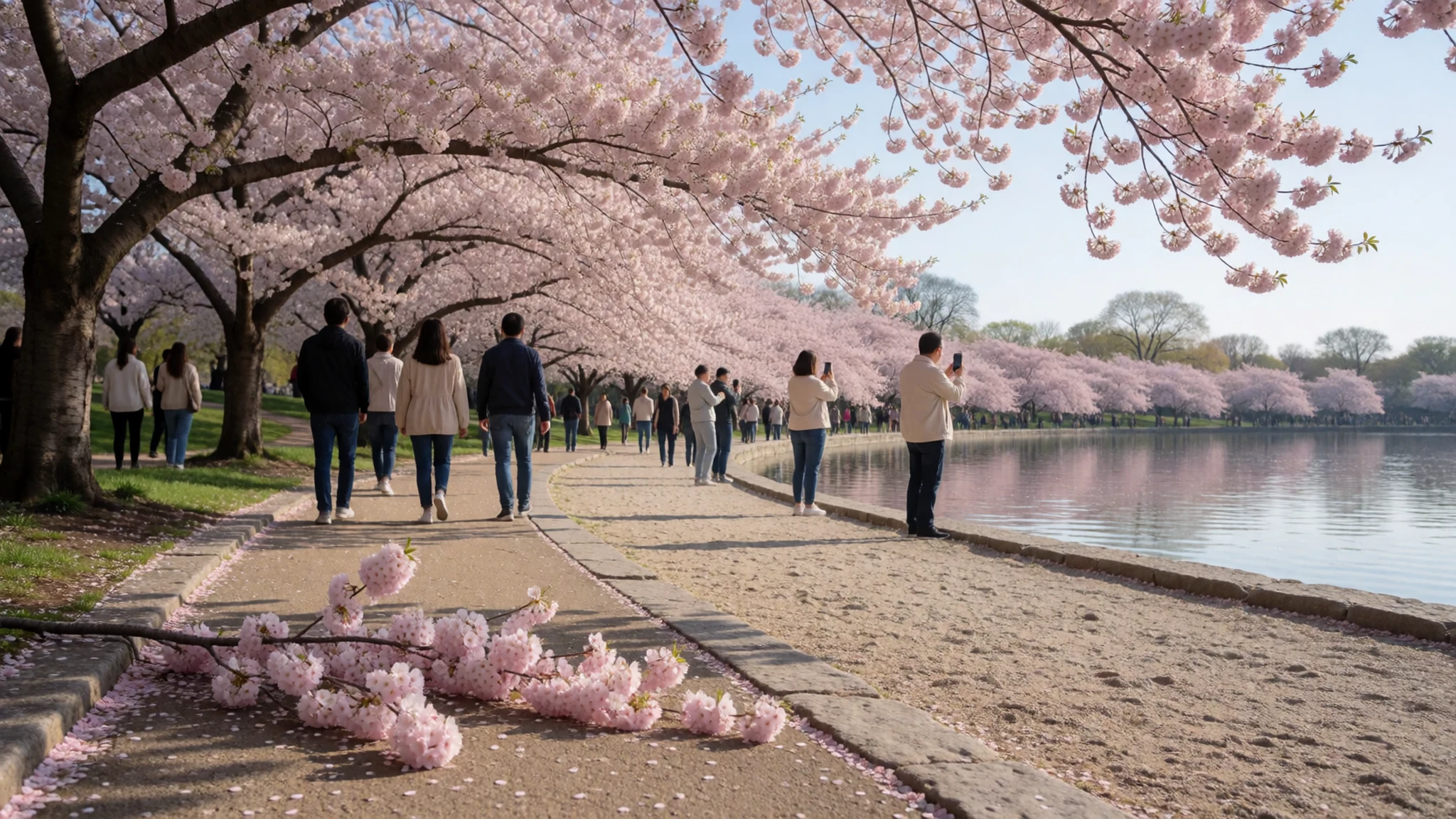
- Around the World Embassy Tour — Embassy Row, along Massachusetts Avenue
Many embassy buildings in the city open their doors to visitors. Inside you can learn about each country, watch presentations and performances, eat food that is sometimes free and sometimes sold, and buy souvenirs. Arrangements change by country and by year, so look up the current programme on the official site before you set out.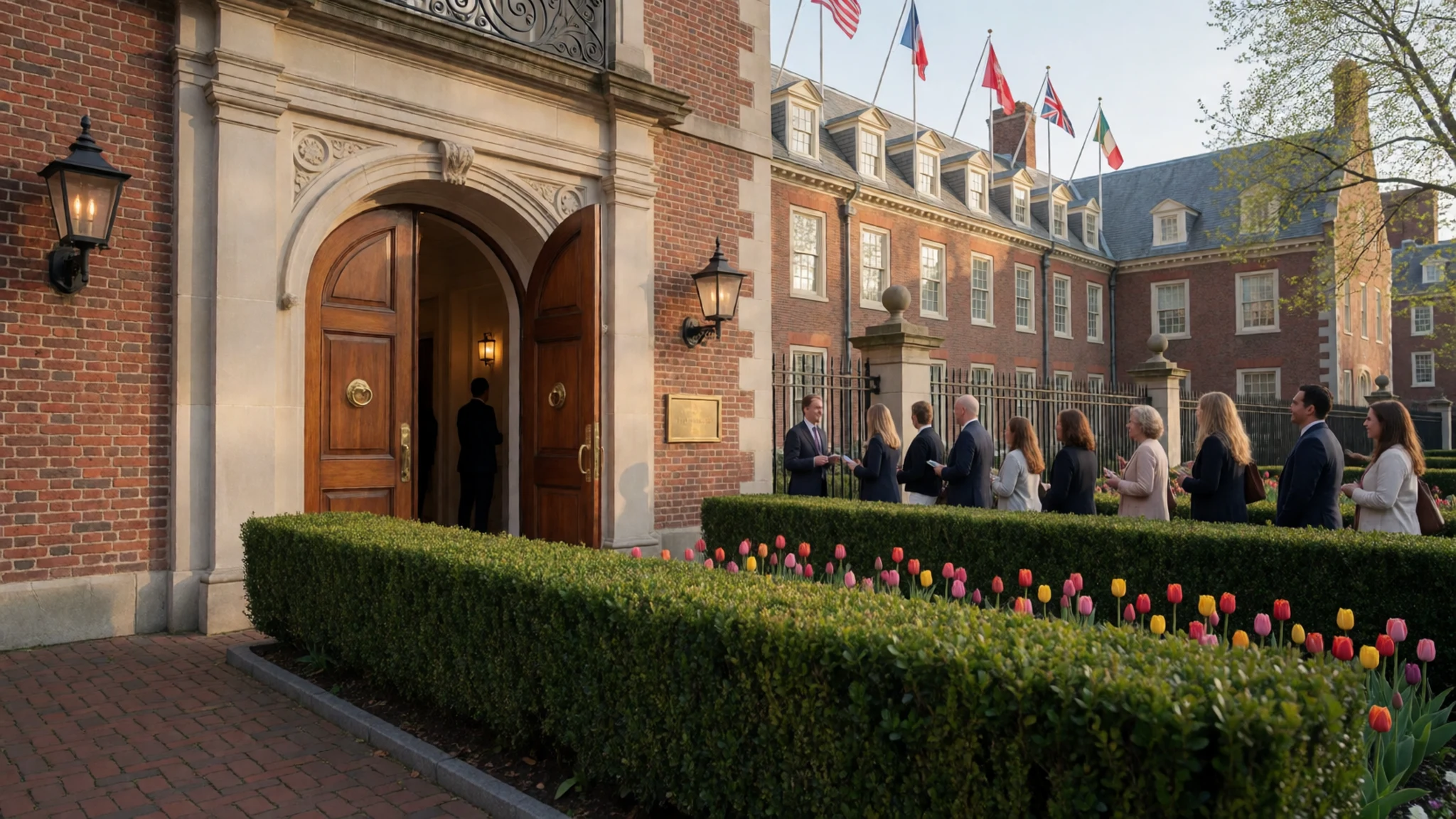
- Blossom Kite Festival — The grounds of the Washington Monument
Kite flyers gather near the Washington Monument, and the open grass fills with people launching kites of every shape. Alongside the flying, tent exhibits explore kitemaking traditions from different places, including West Indian kitemaking. It is a relaxed, family-friendly day, but bring water and a hat, because the open grass offers little shelter from the sun.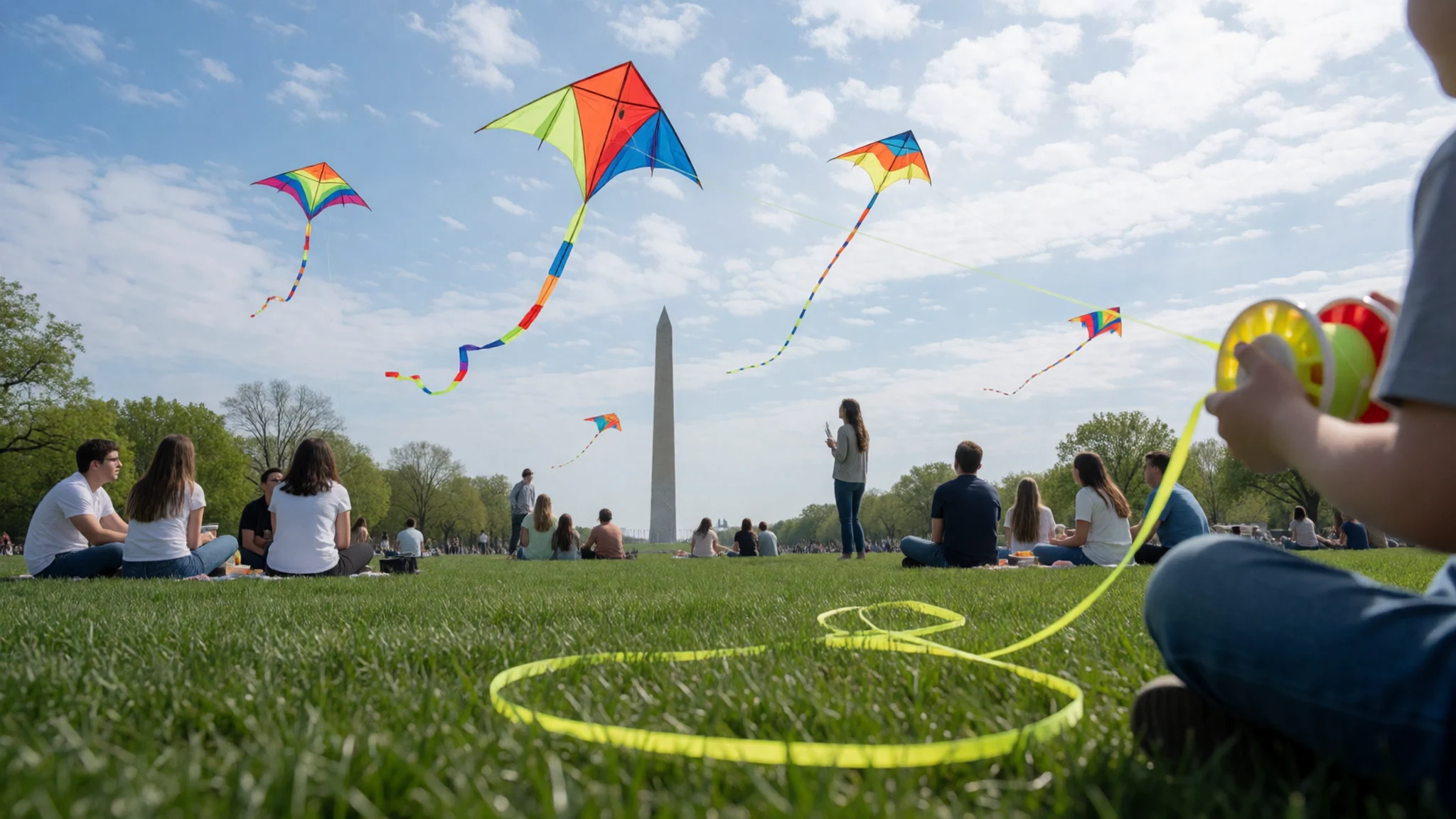
- Shakespeare Free for All — Harman Center for the Arts, downtown
Each year the Shakespeare Theatre Company stages a different Shakespeare play free of charge at the Harman Center for the Arts. The performances draw large crowds, many of whom bring blankets and picnics. Arrive early, since a free production attracts more people than the space comfortably holds.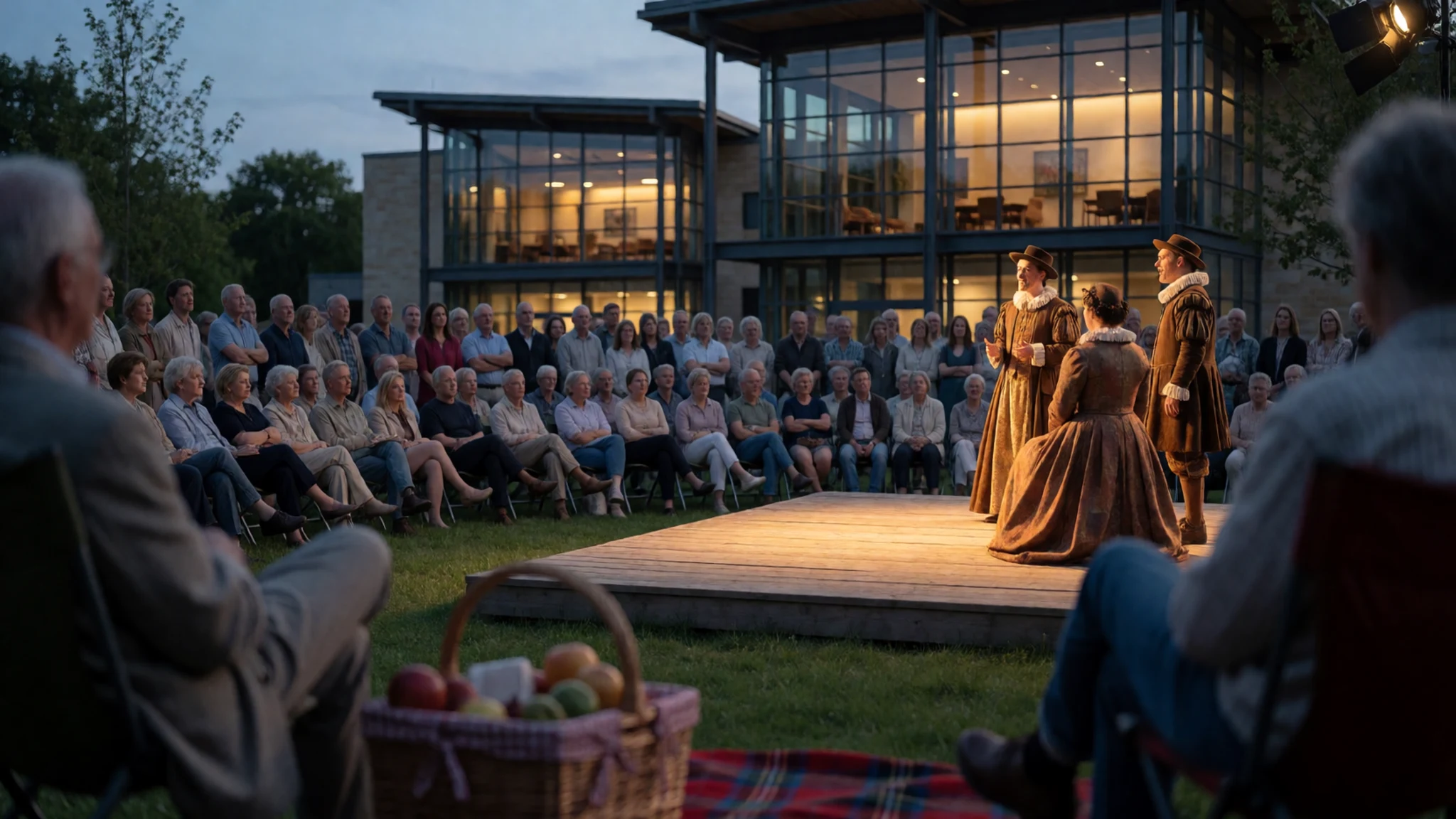
- Smithsonian Folklife Festival — The National Mall
Each year the festival gathers folk traditions around a single theme, bringing musicians, craftspeople and cooks together for days of demonstrations and performances. Because it takes place outdoors on the National Mall in warm weather, go early, wear a hat and carry water. Many of the best sessions happen in the middle of the day, when the crowds are thickest.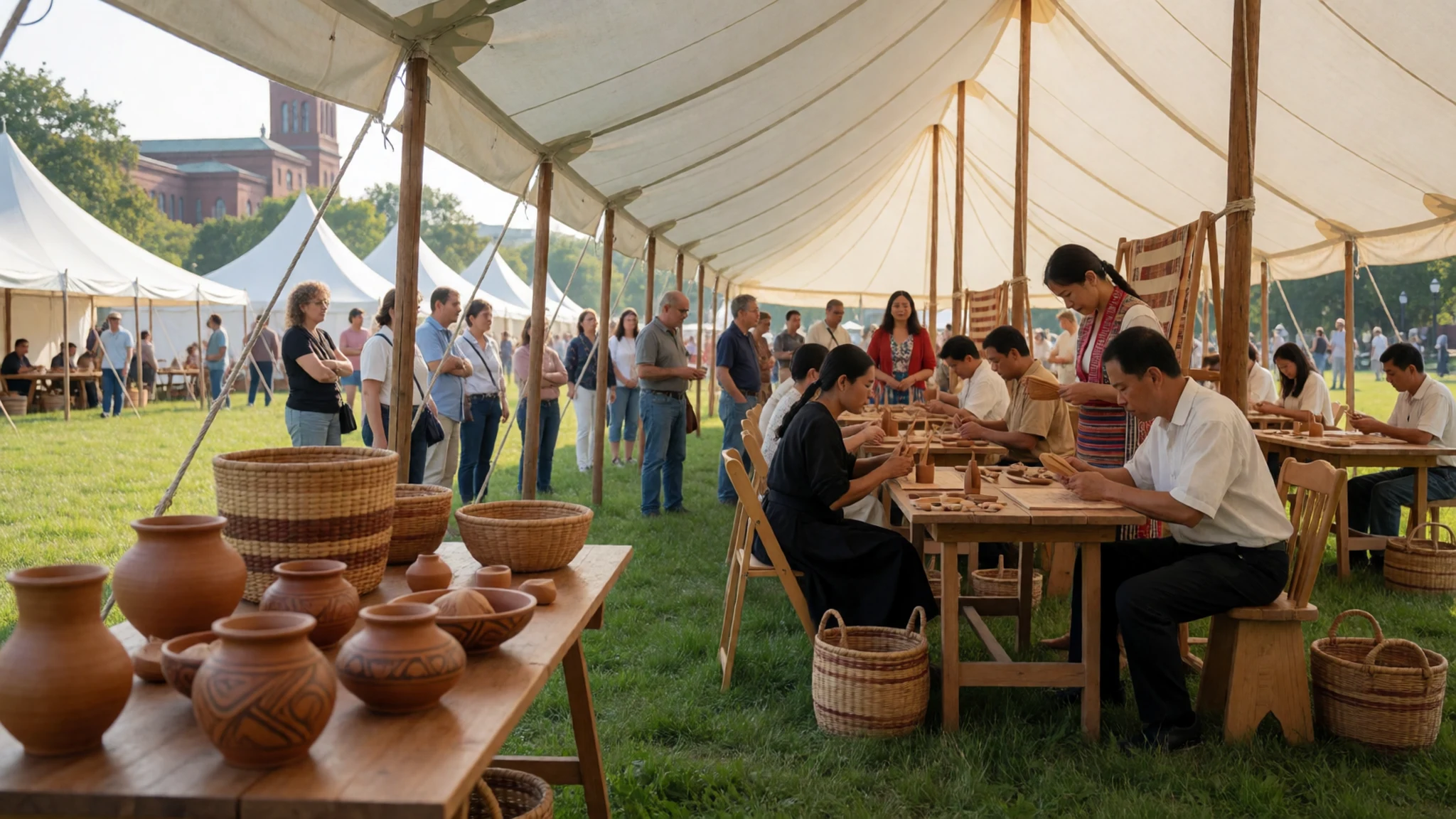
Culture
Washington, D.C. is a national centre for the performing arts as well as a seat of government. The large venue on the Potomac waterfront, known as the Kennedy complex, is home to the National Symphony Orchestra, Washington National Opera and the Washington Ballet. Each year it hosts an honours ceremony for people in the performing arts, often attended by the sitting president, and it also awards the Mark Twain Prize for American Humour.
Ford's Theatre, where President Abraham Lincoln was shot during a performance, still works as a theatre and museum. Near Capitol Hill, the Marine Barracks house the United States Marine Band, the country's oldest professional musical organisation, which dates to the late eighteenth century.
Much of daily life here is shaped by the institutions around you. Visitors should arrive early for the security checks at federal buildings, keep to the seat they are given at Ford's Theatre, and avoid joking about bags or security at any entrance.
What to wear
Washington, D.C. has no regional costume of its own, so its dress history is one of official and working attire. For much of the city's life, clothing has followed the rhythm of government: formal suits on Capitol Hill, and ceremonial uniforms of the Marine Band and other military units at public occasions. The textiles you see most are the wool and cotton of tailored suits and uniforms, not a local weaving tradition.
What people wear now is more relaxed than the city's reputation suggests. Along the Mall and in Georgetown you will see office clothes alongside running gear, cycling kit and summer dresses. In summer, light cotton and linen cope better with the humidity, while spring and autumn call for layers, since evenings can turn cool.
For a visit, dress for walking first. The Mall means long distances on hard paths and grass, so bring comfortable closed shoes rather than new sandals. Smart casual will do for the theatre and most restaurants. Religious sites such as the National Cathedral expect modest clothing, which means covered shoulders and knees, and a light scarf or jacket helps in air-conditioned rooms.
What to eat
- Half-smokes — Street carts and old-style counters across the city
A half-smoke is a short, coarse sausage of beef and pork, served in a soft bun with chilli and onions. It is a local street food tradition and it appears on counters and carts across the city. Order it with mustard, and expect the chilli to give a decent kick.
- Ethiopian stew with injera — Ethiopian restaurants in the central neighbourhoods, especially around U Street
Ethiopian eateries are easy to find in the central neighbourhoods. Spiced stews of lentils, greens or meat arrive on a large spongy flatbread called injera, which doubles as your plate and your spoon. You tear off pieces of the bread to scoop up each bite, so bring a hungry appetite.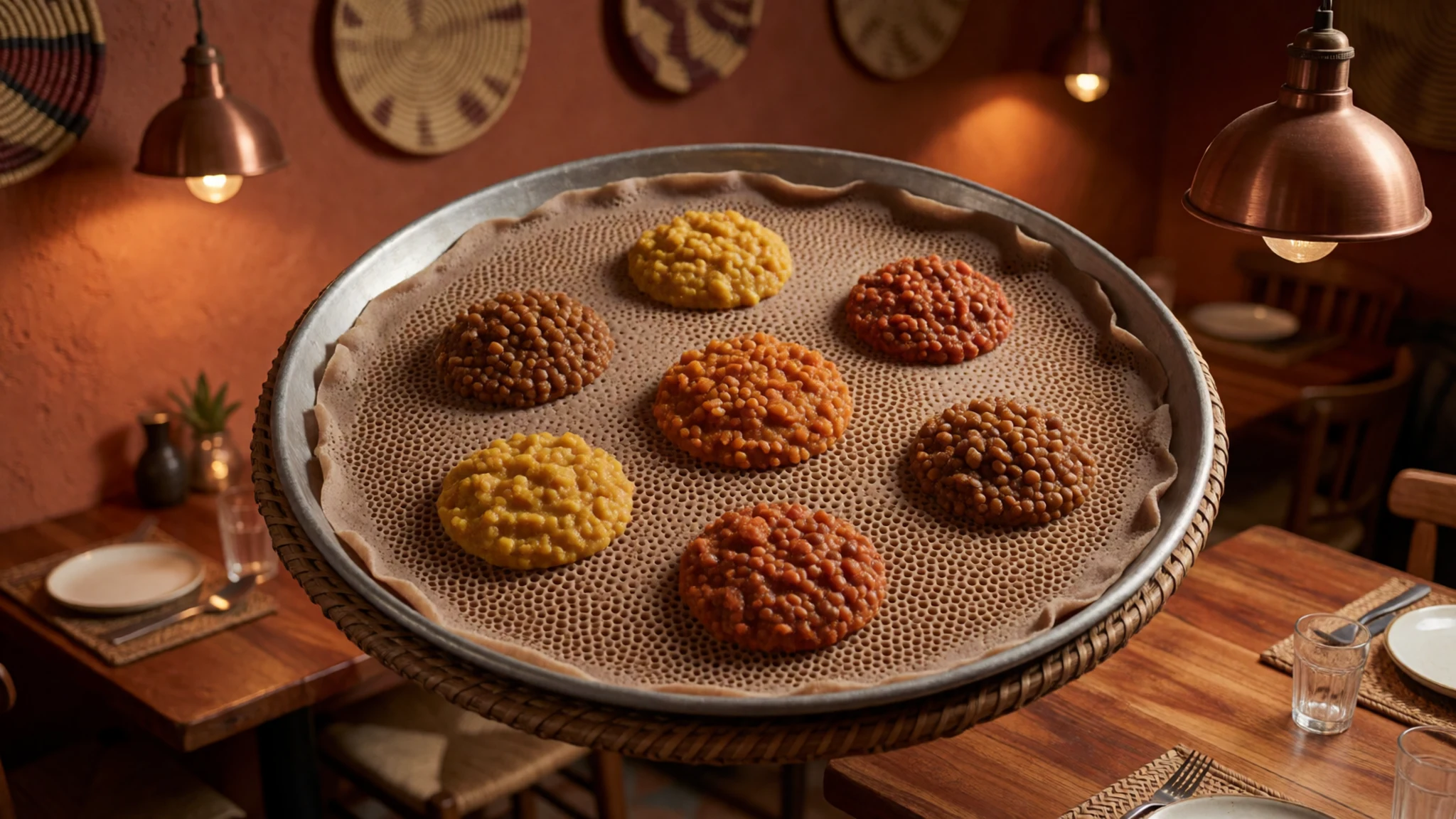
- Maryland blue crab — Waterfront seafood houses in the suburbs just outside the district
Blue crabs from the Chesapeake, steamed with seasoning and spread on paper, are a Maryland tradition that appears on menus across the region. Picking them is slow work, so order a few to share and expect a messy table. Look for waterfront seafood houses in the suburbs just outside the district. - Fine dining in Georgetown and Dupont Circle — Georgetown, Dupont Circle and the downtown East and West Ends
Most high-end cooking is found in Georgetown, Dupont Circle and the downtown East and West Ends, ranging from steakhouses to small tasting-menu rooms. Reserve dinner in advance, and check each restaurant's own website for current menus and prices, which change often.
Plan it
Best time. Late March to April for the cherry blossom, and October to November for autumn colour. Summer is hot and humid, so if you visit then, plan the Mall for early morning and keep afternoons for museums.
How long. 2–3
Getting there. Ronald Reagan Washington National Airport sits just across the Potomac in Virginia, then the Metro's Blue or Yellow line takes you into the centre, roughly a quarter of an hour.
Budget. mid
Tips
- Start the Mall before the heat builds, especially between late spring and early autumn
- Check cherry blossom forecasts close to your trip, since bloom dates shift with the winter weather
- Gravelly Point Park, just north of the airport runway, is a good place to watch planes land
- Allow extra time for security queues at federal buildings and check opening arrangements on official sites
- Use the Metro to move between districts rather than driving, as parking in central areas is limited
- Carry some cash for small vendors, though cards are accepted almost everywhere
Etiquette
- Stand on the right of escalators in Metro stations, leaving the left clear for people walking
- Keep your voice down inside memorials and at the Lincoln Memorial, where people are often reflecting
- Ask before photographing people in close detail, especially at official ceremonies
Nearby
Sources
- Wikidata Q61 (CC0)
- Wikipedia: Washington, D.C. (CC BY-SA 4.0)
- Wikivoyage: Washington, D.C. (CC BY-SA 4.0)
- Aerial view of White House and downtown, Washington, D.C. (Carol M. Highsmith) (Public domain)
- United States Capitol, Washington D.C. (Ralf Roletschek) (CC BY 3.0)
- National Mall, Lincoln Memorial (Carol M. Highsmith) (Public domain)
- National Cathedral, Washington, D.C. (Carol M. Highsmith) (Public domain)
- Wharf Marina (Sdkb) (CC BY-SA 4.0)
- Adams Morgan Day 2014 (Ted Eytan) (CC BY-SA 2.0)
- White House lawn (Daniel Schwen) (CC BY 3.0)
- DC neighborhoods map (Peterfitzgerald) (CC BY 3.0)


