Warrumbungle National Park
Warrumbungle National Park, Australia
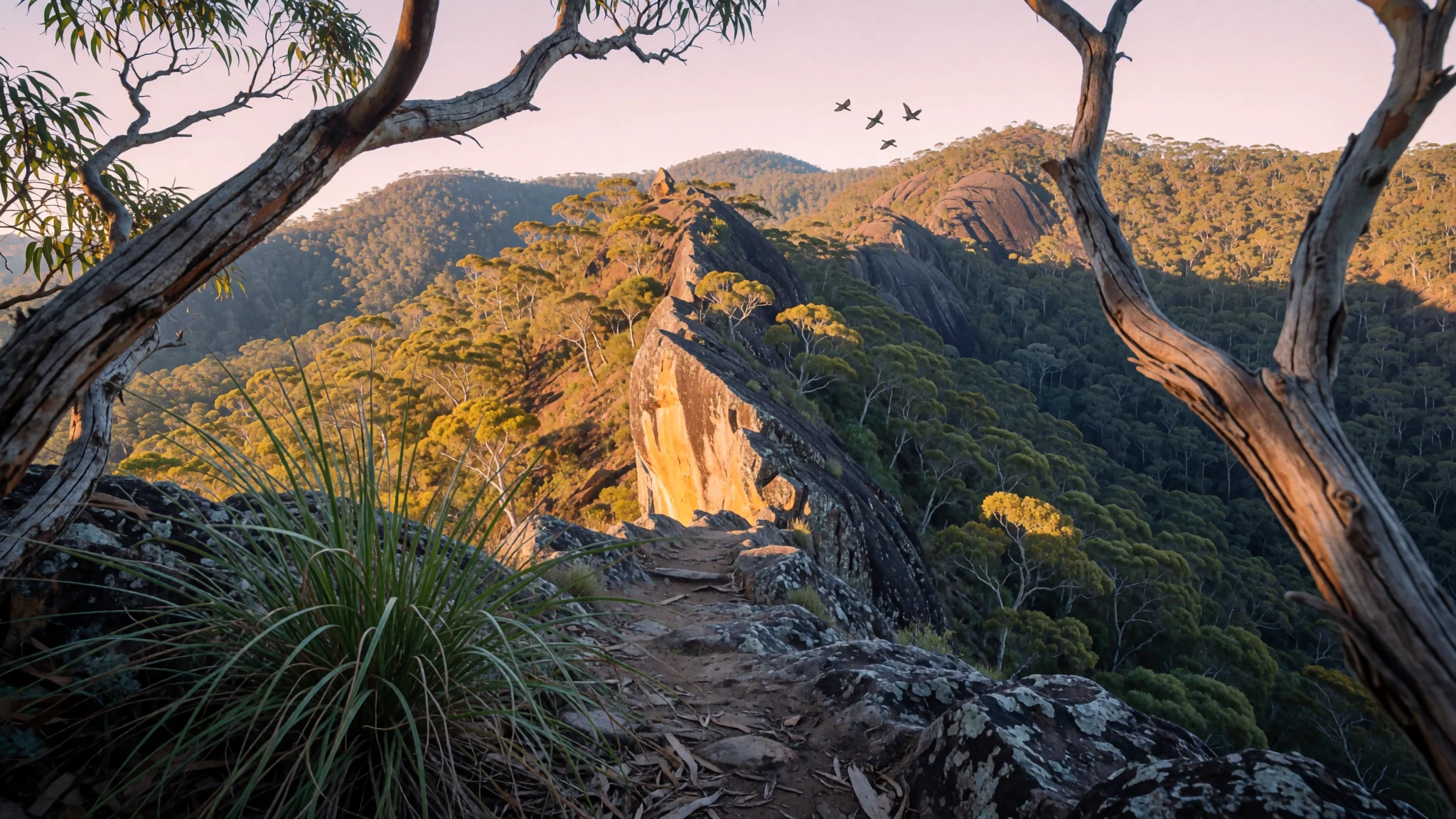
Warrumbungle National Park offers towering volcanic spires, world-class stargazing skies, and rugged bushwalking trails across an ancient landscape.
The place
Warrumbungle National Park sits within the Orana region of New South Wales, protecting a dramatic sweep of rugged terrain shaped by ancient geological forces. Spanning an expansive area of rolling hills and sharp ridges, the landscape is defined by its striking volcanic remnants, including sheer spires and jagged dykes that rise sharply from the surrounding woodlands. The terrain acts as an ecological transition zone where arid inland environments meet wetter coastal influences, fostering a diverse mix of flora and fauna. Birdwatchers frequent the area because the park forms part of an important bird sanctuary that supports numerous vulnerable woodland species alongside typical eastern Australian wildlife. Visitors traverse a network of footpaths leading to elevated lookouts that reveal sweeping panoramas of deep valleys and rocky monoliths. Beyond the daytime scenery, the remote setting provides exceptionally clear night skies, protected from urban glow to preserve a pristine canvas for astronomical observation. Weather conditions shift noticeably across the seasons, bringing warm daytime temperatures for most of the year alongside cooler mountain evenings that require proper layers for anyone venturing out after sunset. The park balances rugged wilderness isolation with accessible visitor infrastructure, making it a rewarding destination for hikers, naturalists, and travellers seeking out geological wonders far from major metropolitan centres.
Its story
Warrumbungle National Park carries a deep history of conservation advocacy that began when regional groups first sought to protect its scenic summits from commercial exploitation. Early preservation efforts gained momentum decades before official protection was secured, eventually leading to formal reserve status in the mid-twentieth century and subsequent management under state conservation authorities. During the early years of park establishment, dedicated rangers and local volunteers carved out the initial walking tracks by hand, creating pathways that allowed walkers to explore the most remote corners of the rugged terrain. Geological significance eventually earned the region formal recognition on national heritage inventories, highlighting its status as an extraordinary assembly of volcanic landforms unrivalled anywhere else in the continent. The landscape also endured significant natural disruption when intense wildfires swept through the valleys, scorching vast tracts of native bushland and testing the resilience of the local ecosystem. Nature rebounded remarkably, with native flora resprouting and wildlife returning to the regenerated gullies and ridges. Today, the park stands as a living laboratory for geological study and ecological recovery, preserving both the ancient physical remnants of volcanic activity and the enduring spirit of grassroots conservation that fought to keep the mountain range wild and intact for future generations to explore.
What to see
- Siding Spring Observatory — Mount Woorat ridge
Situated at an elevated vantage point above the park boundaries, this prominent scientific hub features massive telescopes scanning the southern hemisphere night sky. Visitors can explore the public exhibition galleries, enjoy refreshments at the on-site café, and learn about cutting-edge astronomical research conducted in these exceptionally dark skies.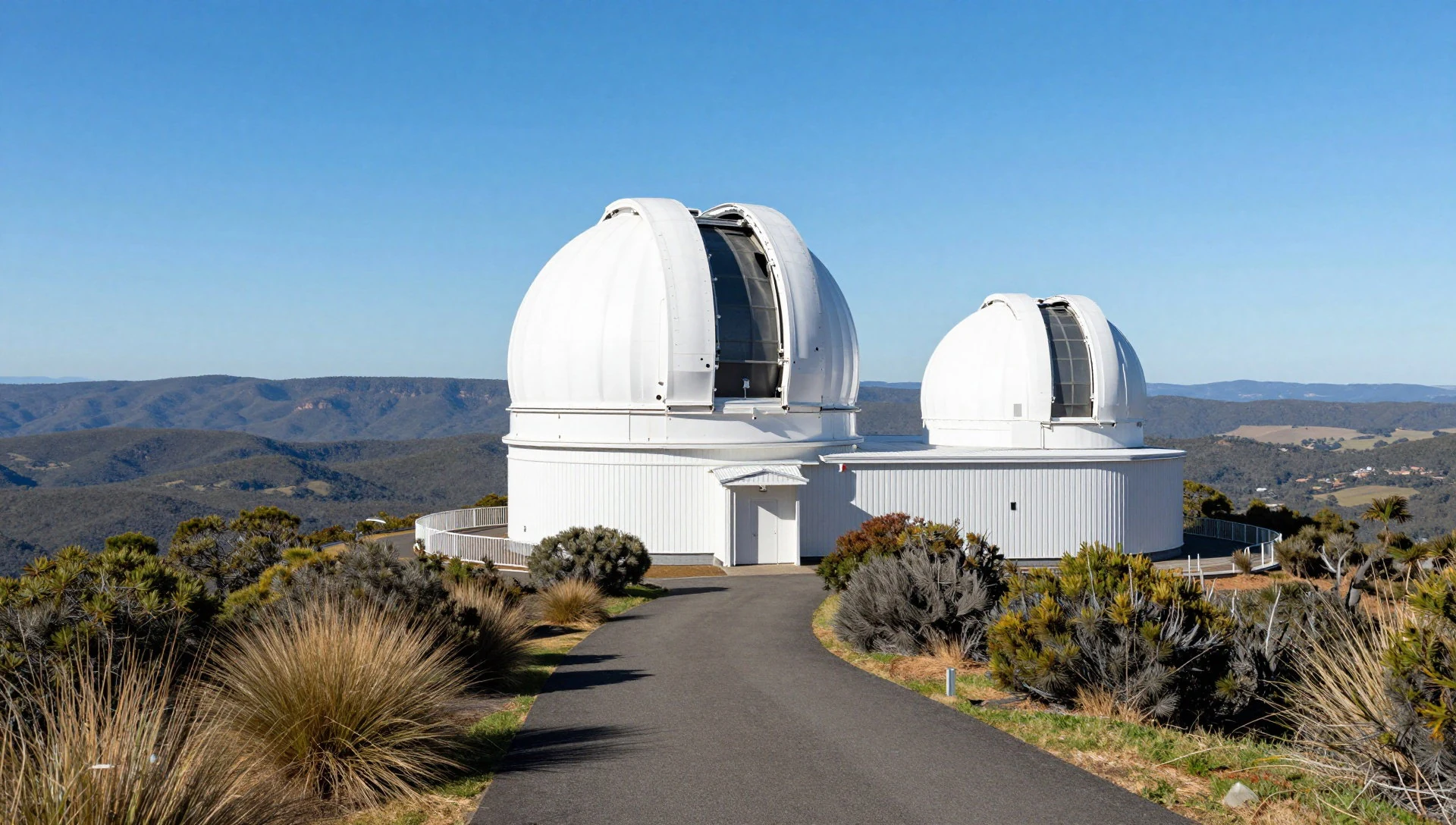
- Grand High Tops Lookout — Central mountain ridge
This classic destination rewards determined walkers with sweeping vistas of the most dramatic volcanic remnants in the entire mountain range. The challenging track climbs past sheer rock faces and deep ravines, bringing hikers right beneath the towering stone blade of the famous central ridge formations.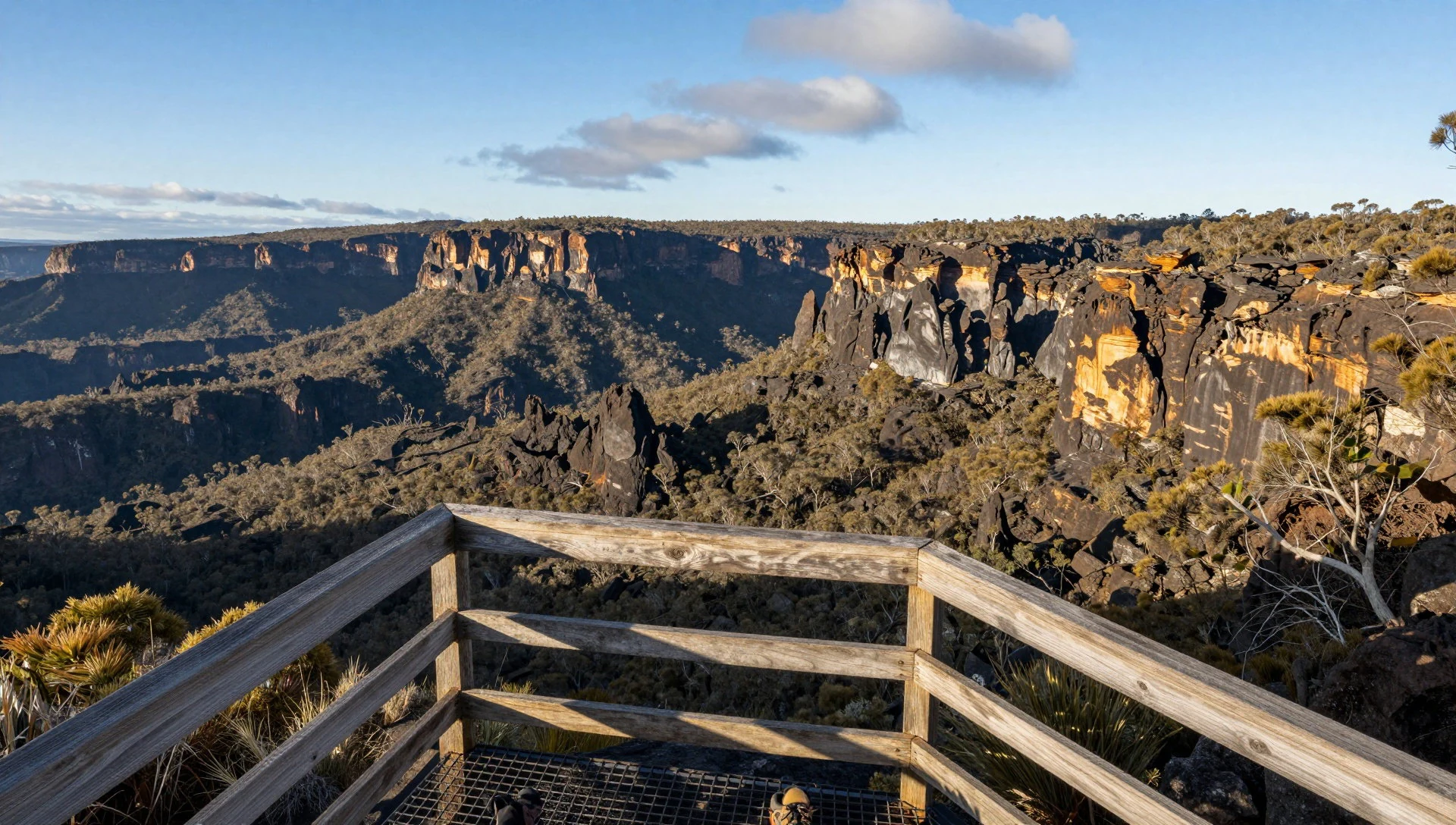
- Whitegum Lookout — Main park drive
Offering an alternative perspective on the rugged topography, this accessible viewpoint presents wide angles across the surrounding valleys and wooded slopes. It provides an ideal spot to pause and appreciate the immense scale of the ancient volcanic caldera without undertaking an exhaustive backcountry trek.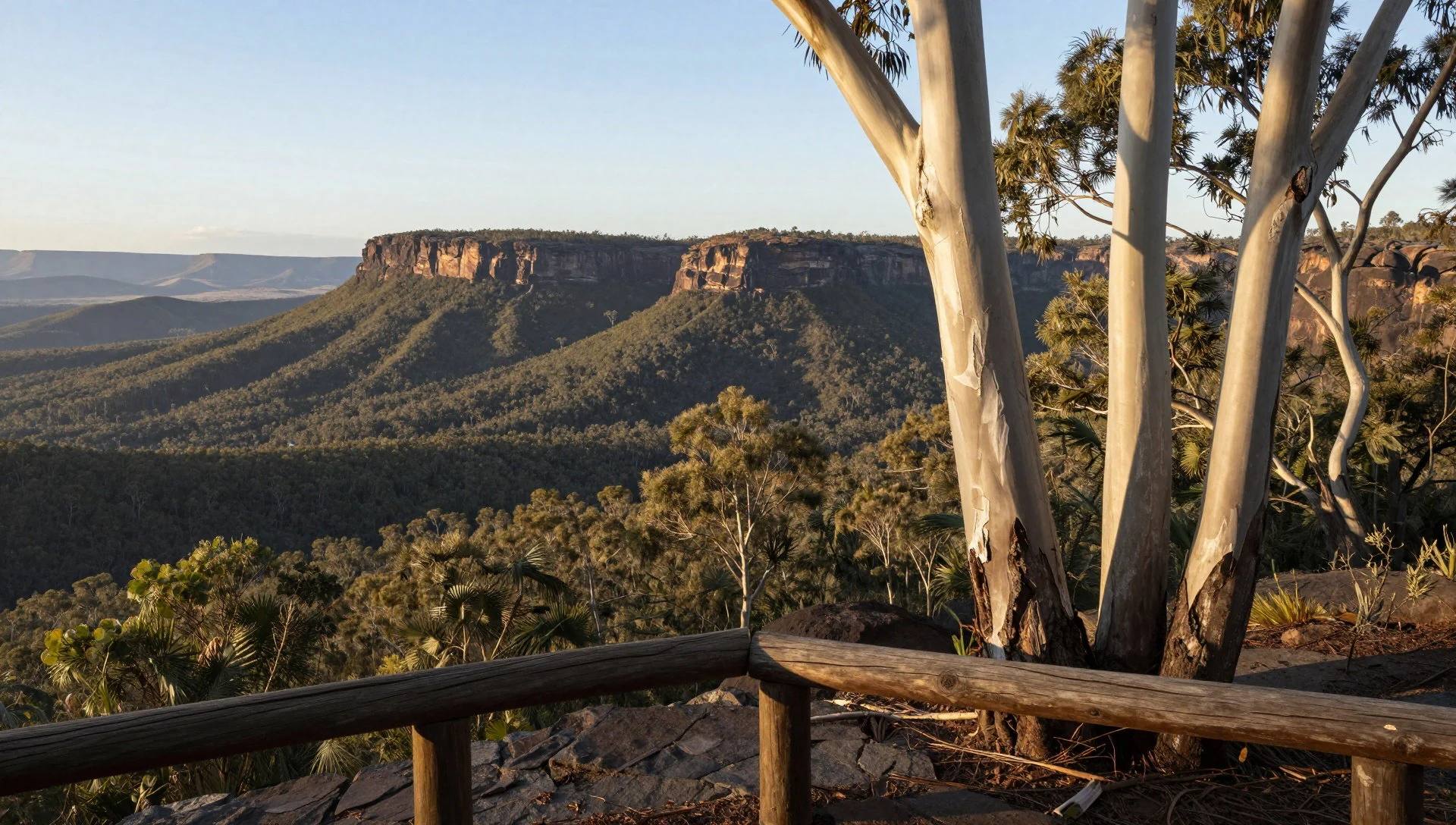
- Bluff Mountain Lookout — Western ridge trail
Positioned near towering rock domes and high ridges, this vantage point immerses visitors in the raw geological textures of the ancient range. The surrounding terrain showcases exposed rock layers and weathered cliffs that highlight millions of years of wind and water erosion across the heights.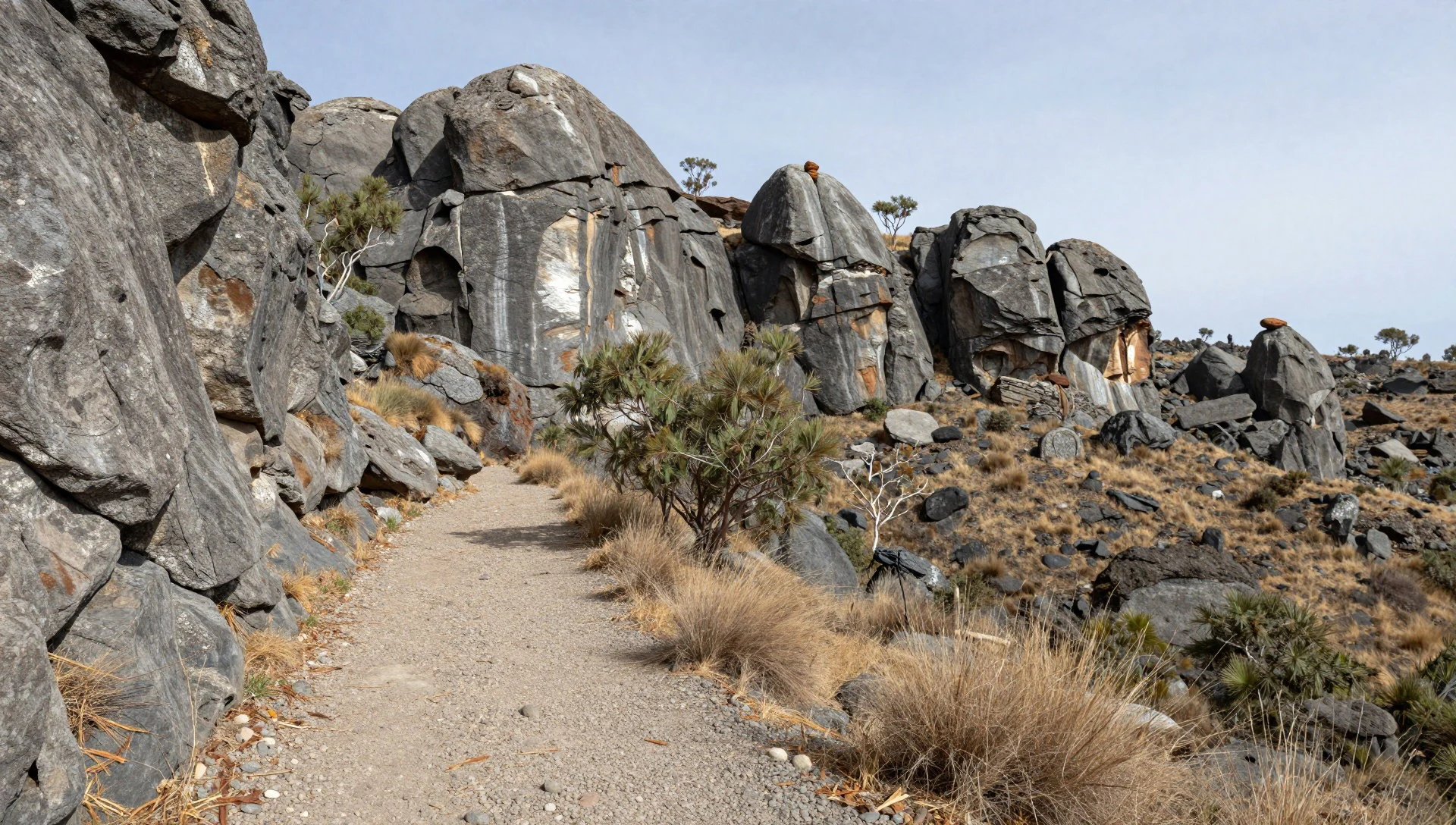
- Fans Horizon Lookout — Southern walking track
This scenic stop provides wonderful sightlines toward the distinctive spires and weathered domes that define the skyline of Warrumbungle National Park. It serves as a peaceful resting place along the walking trails, letting hikers observe shifting light patterns across the rocky outcrops throughout the afternoon.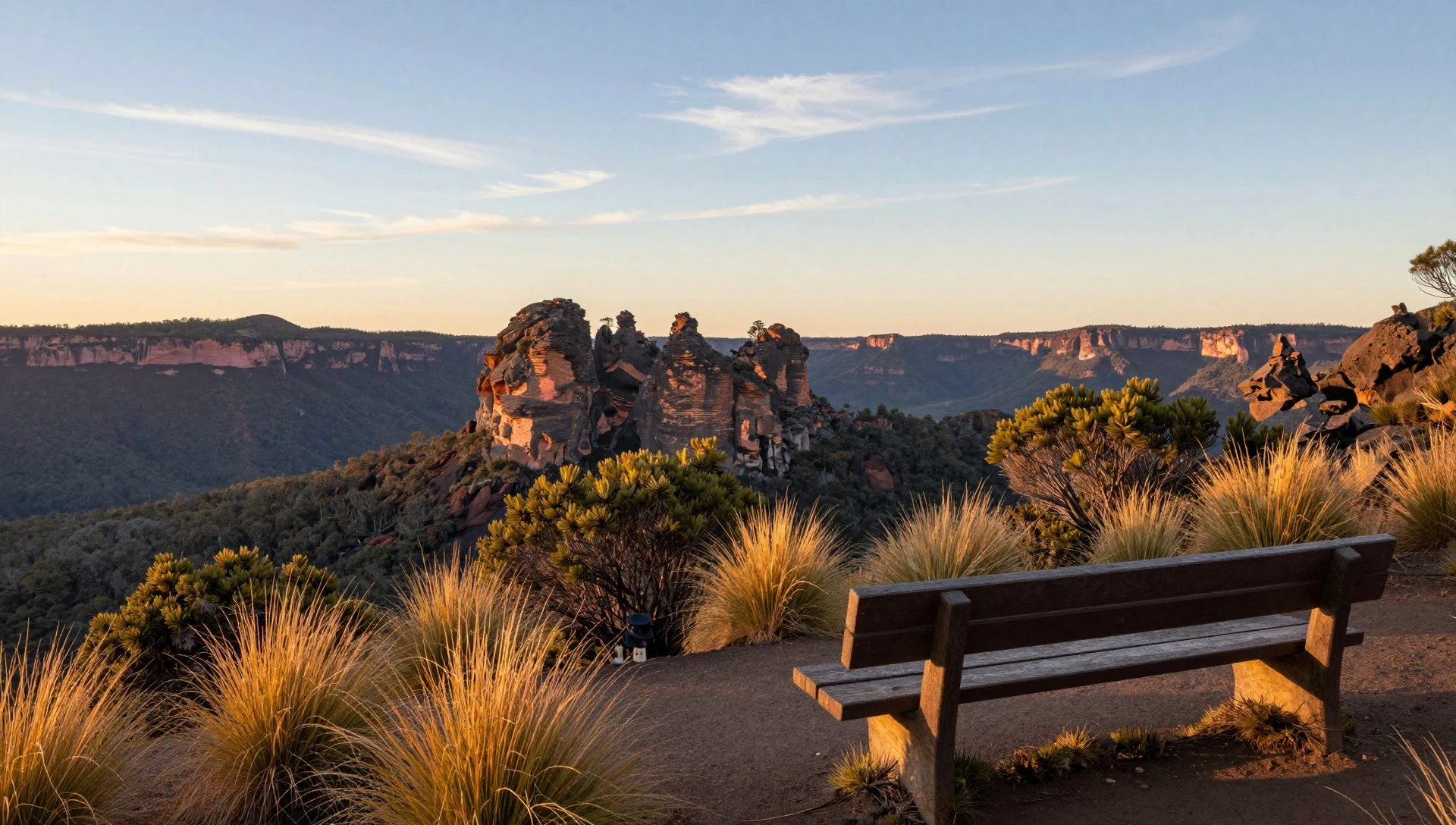
Culture
Warrumbungle National Park is deeply connected to the heritage of the traditional custodians who managed these lands for generations, maintaining spiritual ties to the volcanic peaks, creeks, and wildlife corridors. Modern visitors share this landscape with conservation rangers and regional communities who take great pride in protecting the fragile ecosystems from invasive species and accidental damage. The local culture here revolves around a deep respect for the natural environment, outdoor bushwalking traditions, and stargazing camaraderie under protected night skies. Campers often gather quietly around designated facilities to share stories of the trail rather than generating loud disturbances that might disrupt native nocturnal animals. When visiting Warrumbungle National Park, always secure your camping permit in advance and pack out all rubbish to protect the pristine mountain environment.
What to wear
Warrumbungle National Park visitors dress primarily for practical outdoor activity and changing mountain weather conditions rather than traditional local costumes. Standard attire for bushwalking includes sturdy, worn-in hiking boots with good ankle support, breathable moisture-wicking shirts, durable trousers or shorts, and a wide-brimmed hat to guard against strong Australian sun exposure. Local residents and returning hikers met along the trails typically wear layered outdoor apparel, fleece jackets for chilly alpine evenings, and waterproof shells to counter sudden mountain showers. Visitors should always pack a warm thermal layer, sturdy footwear suitable for rocky and uneven terrain, and high-factor sunscreen regardless of the season. Modest, comfortable clothing that allows for unrestricted movement on steep footpaths is ideal for exploring every corner of the park.
What to eat
- Campfire Provisions — Campsites and picnic areas
Because there are no food outlets or shops within the park boundaries, visitors must bring all necessary groceries and drinking supplies from nearby regional towns before arrival.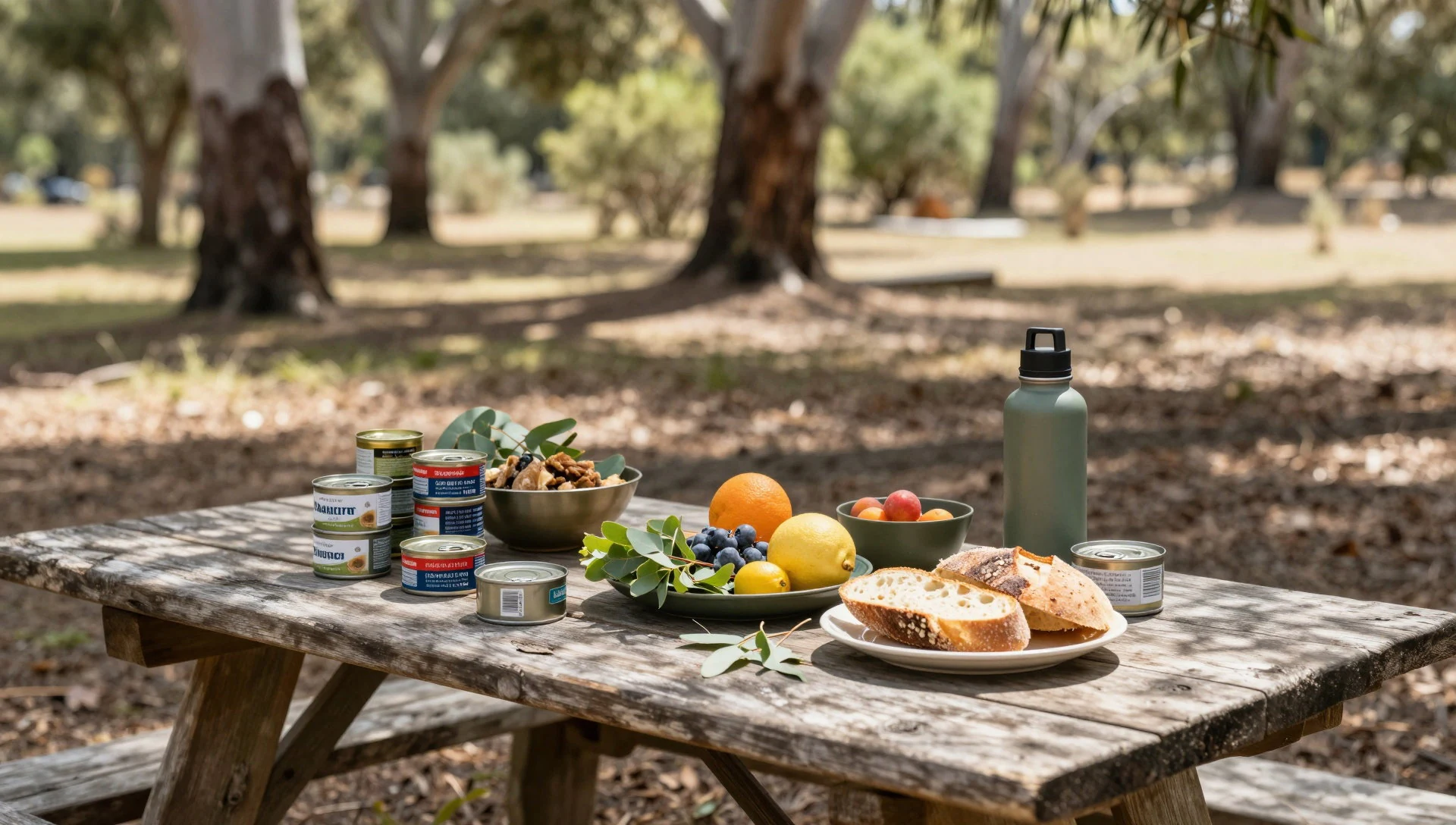
- Park BBQ Grills — Main camping grounds
Free electric cooking facilities are provided at designated visitor areas, allowing campers to prepare hot meals outdoors using supplies purchased ahead of time.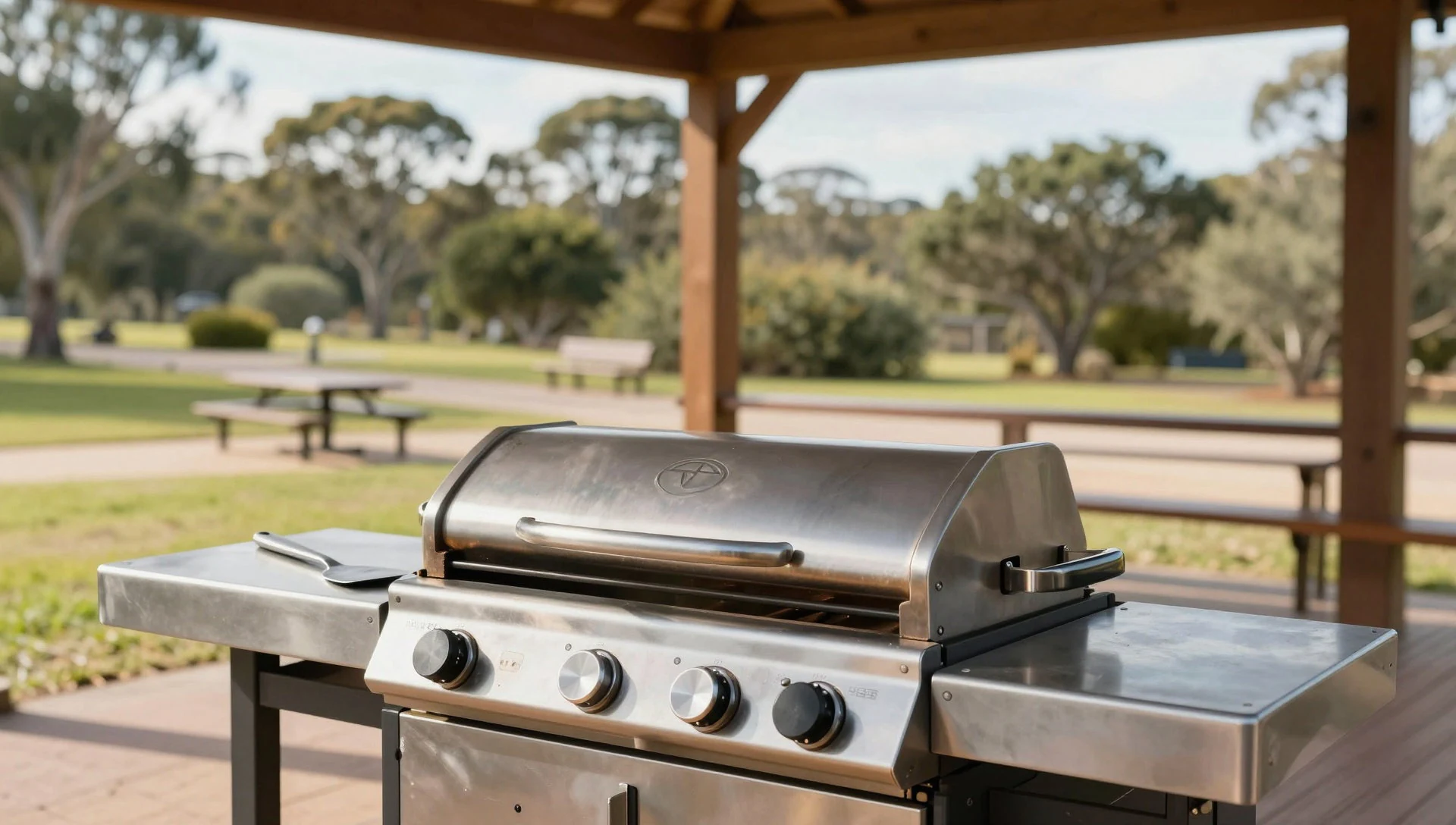
- Observatory Refreshments — Siding Spring Observatory gallery
A modest visitor café operates near the observatory exhibitions, offering light snacks, hot drinks, and basic souvenirs for travellers exploring the ridge. - Town Bakery Goods — Surrounding country towns
Regional bakeries located in nearby rural service towns provide hearty pies, fresh sandwiches, and provisions ideal for stocking up before heading up the park highway.
Plan it
Best time. March to April during autumn and October to November during spring offer comfortable daytime walking temperatures, while summer months can experience intense midday heat.
How long. 2–3
Getting there. Access is via nearby regional roads from surrounding country towns, with the eastern approach from Coonabarabran providing a fully sealed road along the John Renshaw Parkway.
Budget. mid
Tips
- Obtain your camping permit before setting up at any of the designated sites
- Carry ample drinking water as natural sources cannot be relied upon
- Start strenuous walks early in the morning to avoid midday heat
- Bring warm clothing for cold mountain nights even after warm days
- Check fire safety regulations and park alerts before your visit
Etiquette
- Do not collect firewood from park grounds
- Keep noise to a minimum at night to preserve the peaceful wilderness atmosphere
- Take all rubbish with you when leaving the campsites
Nearby
Sources
- Wikidata Q847071 (CC0)
- Wikipedia (CC BY-SA 4.0)
- Wikivoyage (CC BY-SA 4.0)