Wadi Darbat
Wadi Darbat, Oman
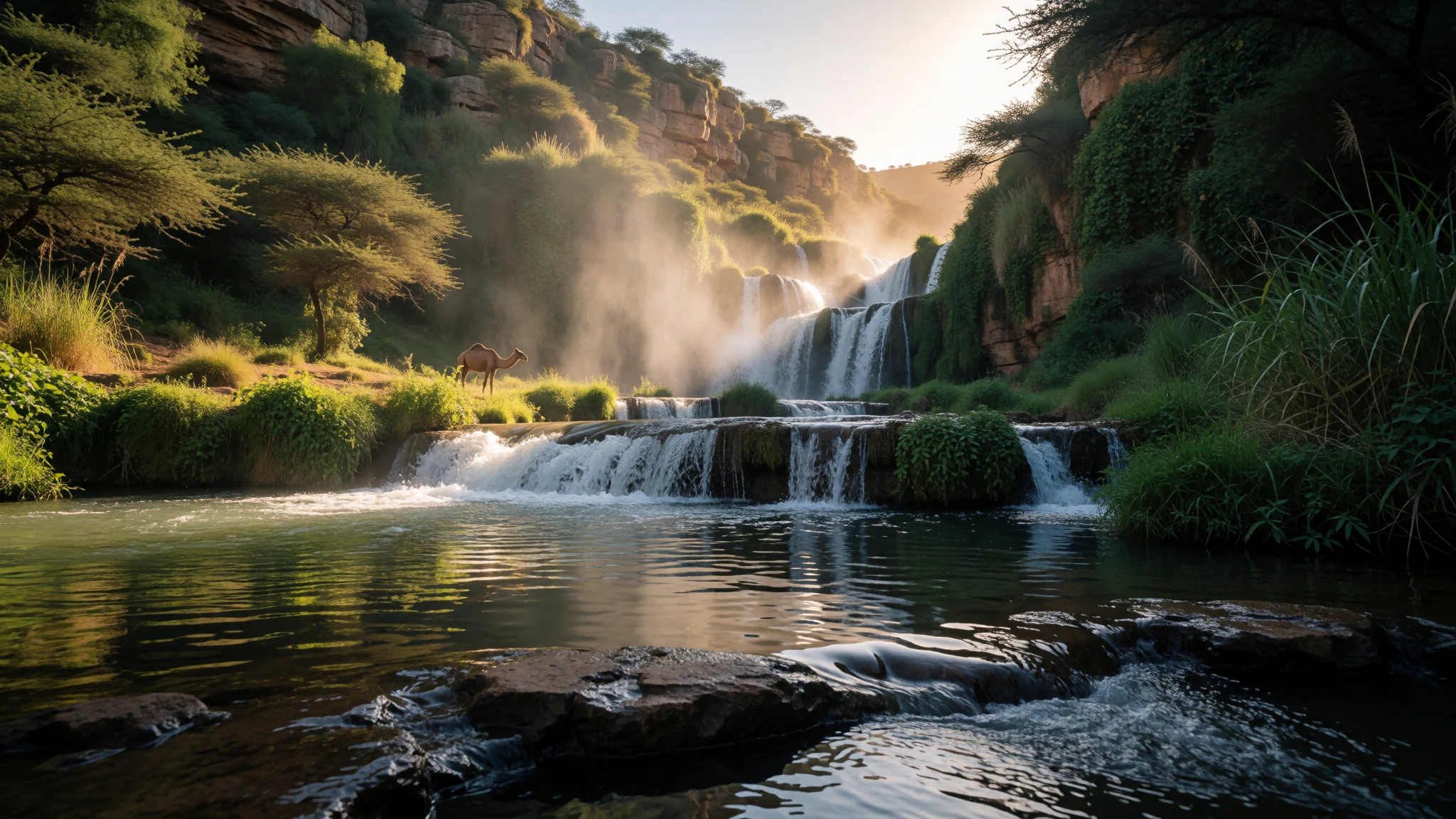
Wadi Darbat offers an unexpected landscape of running rivers, waterfalls and lush greenery set against the dramatic mountains of Oman.
The place
Wadi Darbat is a striking river valley located in the Dhofar governorate of Oman. Unlike much of the surrounding arid peninsula, this fertile wadi maintains a permanent river flow and sustains dense vegetation even through the hottest months of the year. When you travel into the mountains above the coast and take the turning for the valley, the dry earth gives way to sweeping grasslands, dense thickets of trees, and limestone formations carved by seasonal waters. The topography includes dramatic drops where water cascades over tiered stone ledges, feeding tranquil pools below. During the seasonal monsoon period known locally as the khareef, the entire basin transforms into a verdant amphitheatre blanketed in mist and dotted with grazing camels. Visitors can explore the lower lake areas by boat or walk along the shaded banks where creeping vines wrap around ancient tree trunks. The contrast between the sun-baked escarpments and the surprisingly lush valley floor makes this one of the most distinctive ecosystems in the region. Whether you come to watch the cascading waterfalls after the rains or to seek shade beneath the sprawling sycamores, the wadi provides a cool sanctuary away from the coastal heat. The surrounding hillsides offer panoramic viewpoints overlooking both the inland gorges and the coastal plains stretching down towards the Arabian Sea.
Its story
The history of Wadi Darbat is deeply tied to the ancient trade routes that crossed the Dhofar mountains for millennia. Long before modern roads wound through the escarpments, this fertile corridor provided vital water and grazing land for camel caravans carrying frankincense from the interior plateaus down to coastal ports like Khor Rori. The region's wealth was built on the aromatic resin of the Boswellia sacra trees that thrive in the dry foothills, connecting southern Arabia with ancient civilisations across the Mediterranean, Mesopotamia, and India. Archaeological sites scattered near the valley mouth, such as the ancient city ruins and fortified posts, date back centuries to eras when maritime and overland trade flourished side by side. Local communities have farmed and herded livestock in these valleys for generations, adapting their seasonal movements to the reliable springs and the annual arrival of the monsoon mists. The natural limestone structures, including the massive travertine curtain formed over millennia by mineral-rich water precipitation, stand as geological testaments to a shifting climate. Today, the valley bridges past and present, preserving the quiet rhythms of rural Omani life alongside the remnants of ancient ports where foreign merchants once loaded their ships with precious cargo.
What to see
- Wadi Darbat River and Cascades — Wadi Darbat interior
A lush green valley floor cut by a flowing river and fed by seasonal waterfalls tumbling over limestone terraces. Shaded paths wind past large trees draped in creepers, and quiet lakes offer gentle boat rides amidst grazing camels and abundant birdlife.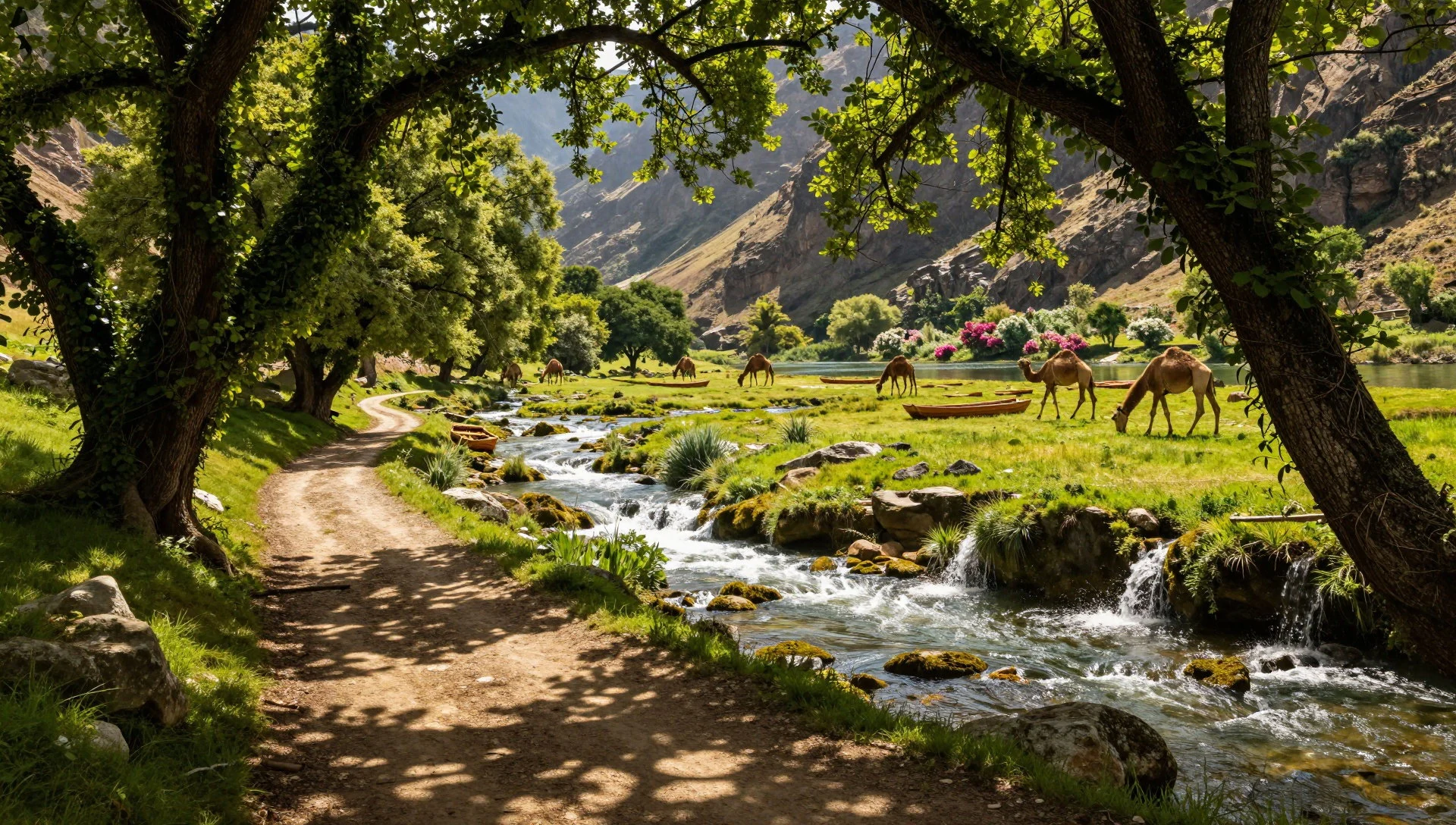
- Travertine Curtain — Upper Wadi Darbat
A massive escarpment marked by unusual geological formations created over centuries through the precipitation of calcium carbonate from running water. The mineral walls form natural steps and terraced cliffs that frame the upper reaches of the valley.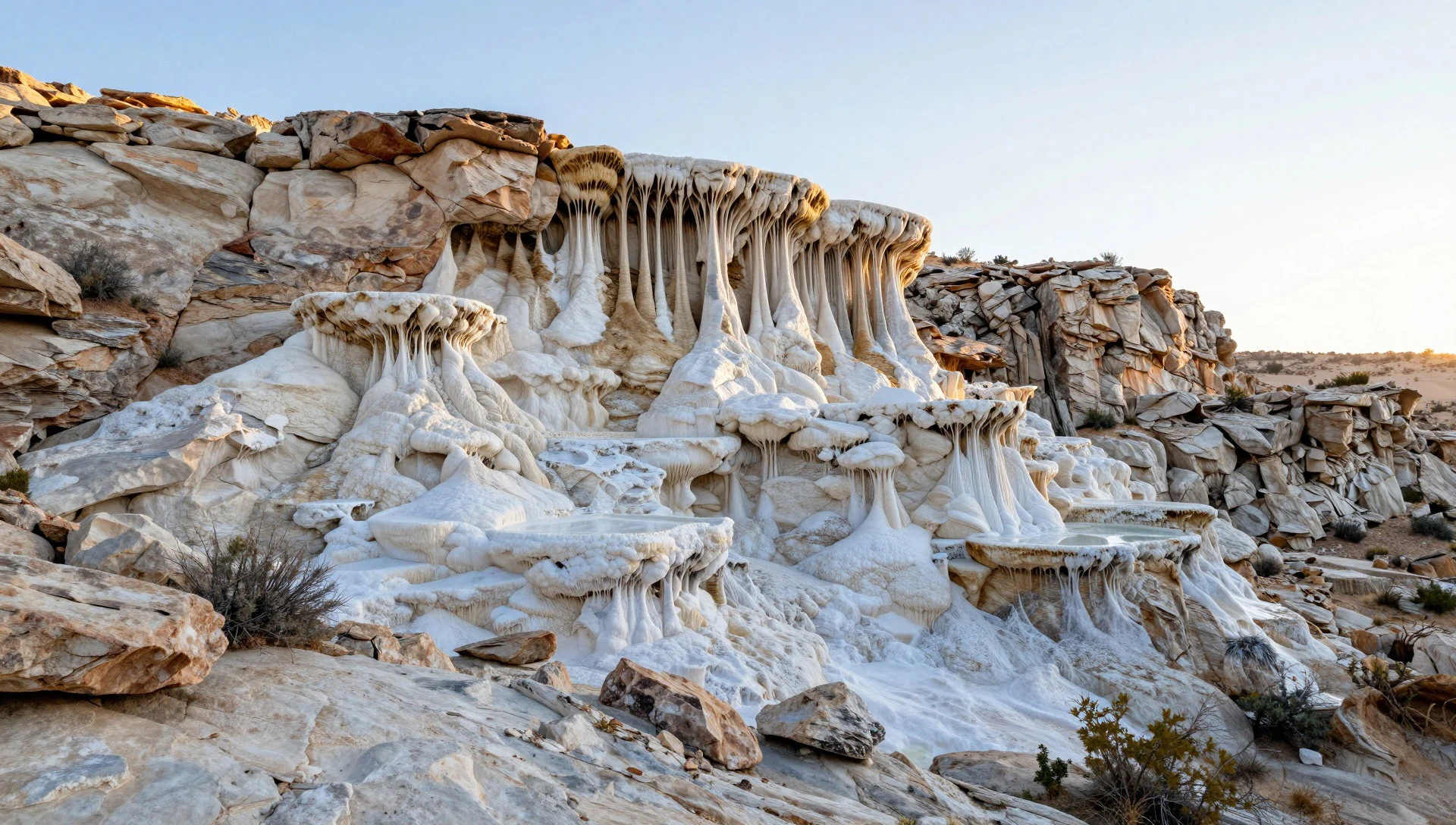
- Sumhuram Archaeological Park — Khor Rori
The excavated ruins of an ancient fortified city overlooking the Khor Rori estuary. Flourishing between ancient centuries, this port was a vital hub for the lucrative frankincense trade, featuring stone walls, storehouses, and a small site museum.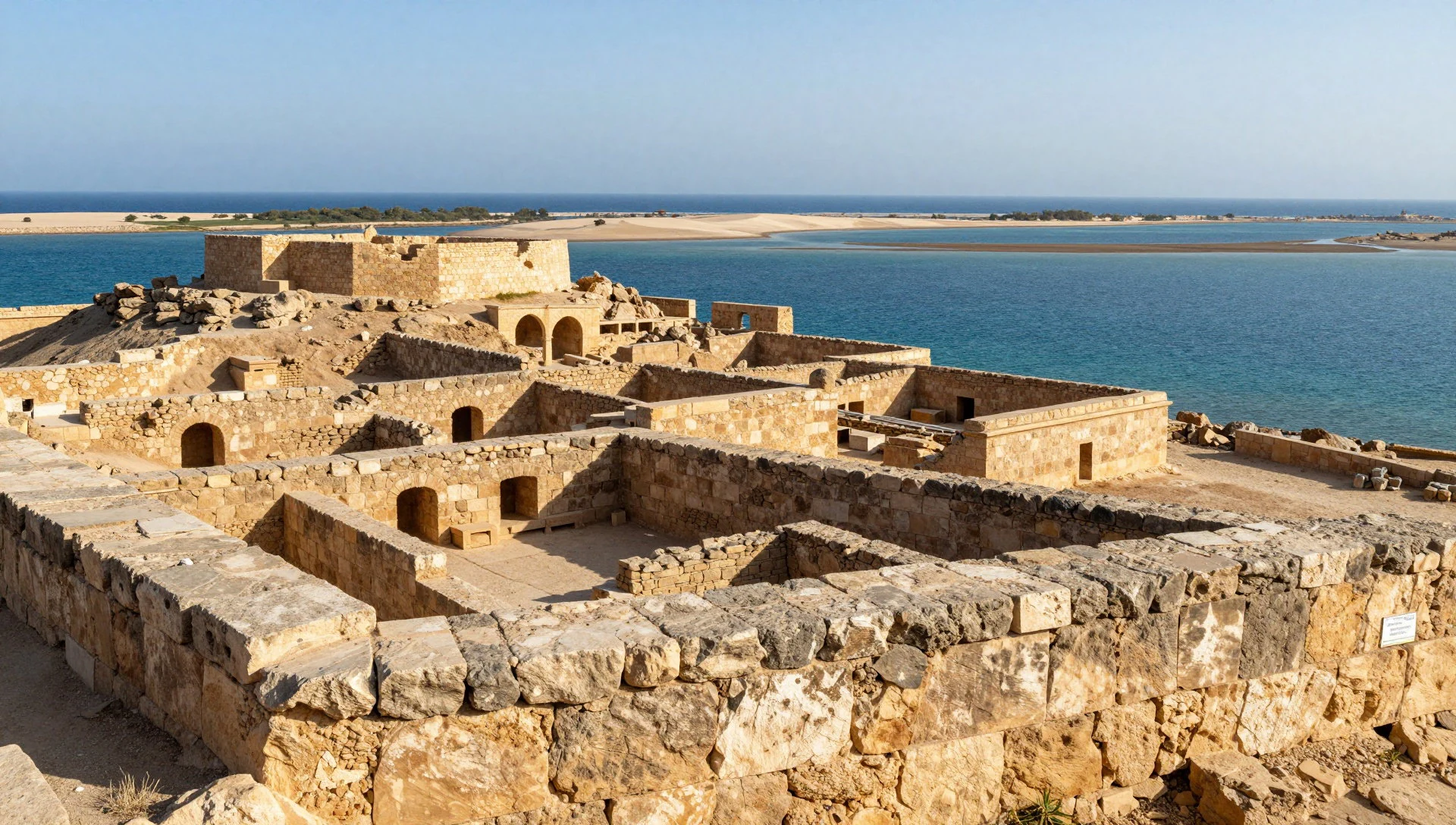
- Khor Rori Protected Area — Khor Rori mouth
A coastal creek and wetland estuary serving as a critical sanctuary for migratory birds. During the cooler months, the shallow waters attract large flocks of flamingos and other wading species resting along their seasonal flyways.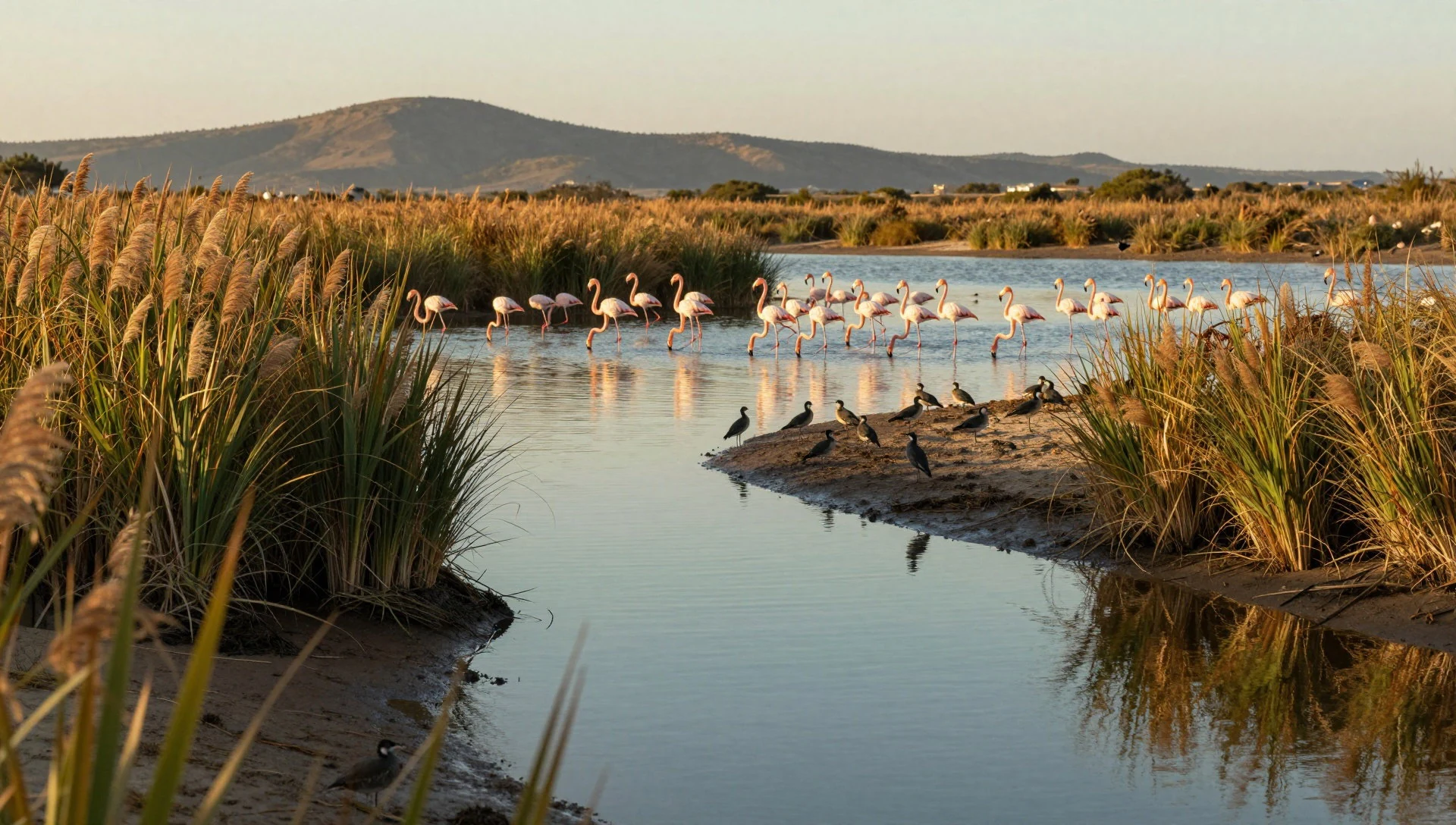
- Taqah Fort — Taqah
A fully restored historic mudbrick fortress standing near the coastal town. Formerly the residence of the regional governor, the structure now functions as a local museum displaying traditional Omani weapons, furnishings, and domestic artifacts.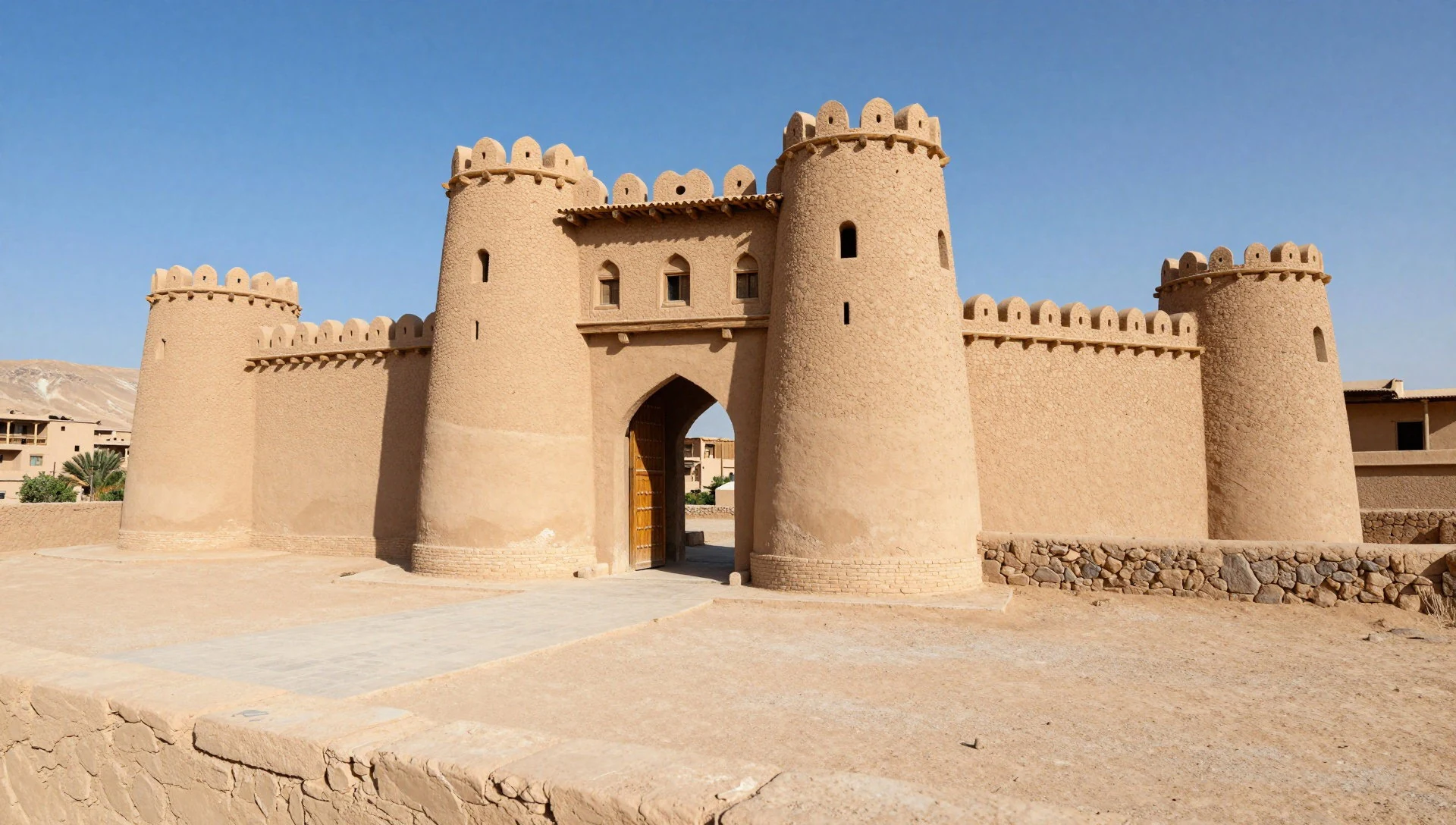
Culture
Omani culture in the Dhofar region is rooted in traditional hospitality, maritime heritage, and strong tribal bonds. Visitors are frequently greeted with warm generosity, often welcomed with small cups of cardamom-infused coffee and fresh dates. Traditional music and poetry remain central to community life, especially during seasonal celebrations when local dancers gather to perform rhythmic regional numbers accompanied by drums and flutes. The society values modesty, family ties, and respect for Islamic customs and local traditions. While the area is welcoming to travellers, public displays of affection are discouraged, and social etiquette calls for polite interactions and respectful greetings. When visiting local villages or historic sites, dress modestly to respect the conservative atmosphere of rural communities. Always ask for permission before taking photographs of local residents, particularly women and working farmers. Dress modestly in public spaces by covering shoulders and knees.
What to wear
Traditional attire in Oman reflects both practical adaptation to the warm climate and a strong sense of national identity. Local men typically wear the *dishdasha*, a long-ankled, collarless robe usually in white, paired with an embroidered cap called a *kumma* or wrapped turban known as a *sarong*. For formal occasions, men often add a woollen shawl and wear the *khanjar*, a curved traditional dagger tucked into an ornate belt. Women traditionally wear colourful dresses embellished with intricate threadwork, often worn beneath a black outer cloak or *abaya*, accompanied by a matching headscarf. Modern everyday wear in urban centres includes Western-style clothing for younger generations, though traditional garments remain standard across the country. Visitors should choose lightweight, breathable fabrics made from cotton or linen to stay comfortable in the heat. Pack modest clothing that covers your shoulders and knees, along with a light jacket or fleece if you head up into the damp mountain air during the monsoon season. Sturdy walking shoes or sandals with good grip are essential for exploring uneven stone paths and muddy wadi banks.
What to eat
- Shuwa — Traditional restaurants across Salalah and regional eateries
Oman's national feast dish, consisting of marinated chunks of goat or lamb slow-cooked in an underground clay oven for up to two days. The meat is seasoned with a rich paste of spices and dates, resulting in a tender texture served over spiced rice.
- Maneesh — Local bakeries and roadside food stalls
A flatbread topped with local thyme, cheese, or savory spreads, baked until crisp in a traditional clay oven. It is often enjoyed hot for breakfast or as a quick snack during roadside stops.
- Machboos — Family-run restaurants in nearby towns
A fragrant rice dish cooked with meat or fish, heavily seasoned with saffron, cardamom, cloves, and dried lime. It is typically garnished with fried onions and almonds, representing a staple of Omani home cooking. - Halwa — Sweet shops and traditional markets in Salalah
A gelatinous, sweet confection made from brown sugar, ghee, cornstarch, and water, flavoured generously with rose water, cardamom, and roasted nuts. It is traditionally served alongside cardamom coffee to welcome guests.
Plan it
Best time. July to September during the khareef monsoon season when the hills turn green and waterfalls flow, or November to February for mild, clear weather.
How long. 2–3
Getting there. Fly into Salalah International Airport, hire a 4x4 or car, and drive east along the coastal highway before turning inland towards the mountains.
Budget. mid
Tips
- Rent a reliable vehicle with good clearance if you plan to explore unpaved mountain tracks.
- Visit early in the morning to avoid crowds and catch the mist rolling over the escarpment.
- Carry sufficient drinking water and snacks, as facilities directly inside the wadi are limited.
- Check weather conditions before heading into the hills during the heavy monsoon weeks.
Etiquette
- Dress modestly with shoulders and knees covered in public areas.
- Always ask permission before photographing local people.
Nearby
Sources
- Wikidata Q12250585 (CC0)
- Wikivoyage (rev 5357074) (CC BY-SA 4.0)
- Photo photos/01-wadi-darbat-cascatelle-04.jpg (CC BY-SA 4.0)
- Photo photos/02-creepers-on-the-tree-stems.jpg (CC BY-SA 2.0)
- Photo photos/03-darbat-waterfalls-dhofar.jpg (CC BY-SA 4.0)
- Photo photos/04-wadi-darbat-2.jpg (CC BY-SA 4.0)
- Photo photos/05-wadi-darbat-3.jpg (CC BY-SA 4.0)
- Photo photos/06-wadi-darbat-3.jpg (CC BY-SA 2.0)
- Photo photos/07-wadi-darbat-4.jpg (CC BY-SA 2.0)
- Photo photos/08-wadi-darbat-5.jpg (CC BY-SA 2.0)
- Wikipedia (CC BY-SA 4.0)


