Wachau
Wachau, Austria
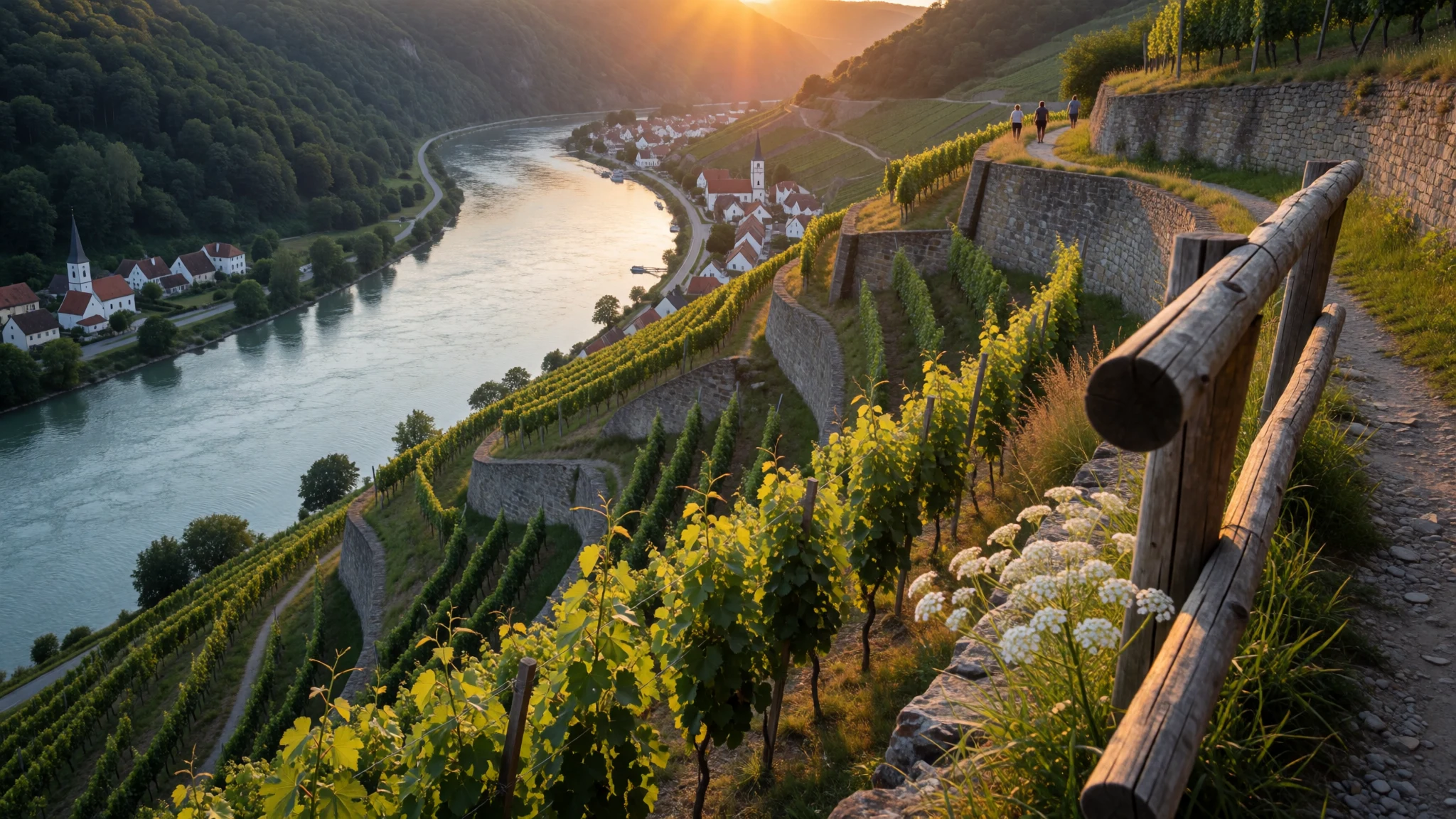
Wachau is a Danube valley where vineyards, monasteries and castle ruins line up along the water, best paced by boat or train.
The place
Wachau is an Austrian valley shaped by the Danube, sitting in Lower Austria between the towns of Melk and Krems. On the map it looks straightforward; on the ground it feels like a long, gentle corridor of river bends, vineyard slopes and wooded hills. The settlements are small and close together, but the landscape is what keeps pulling you forward: stretches of water with church towers and old homesteads perched above them, and hillsides carved into wine-growing terraces.
A lot of visits start with an expectation of “scenery”, but Wachau’s character is more specific. Towns such as Melk, Spitz, Dürnstein and Weißenkirchen sit like punctuation marks along the river, while the hills behind them are part of the working vineyard world rather than a separate backdrop. This mix—agriculture, architecture and the river in between—is exactly why the valley was listed as a UNESCO cultural landscape.
If you like moving through places at a human pace, Wachau suits you. The Danube provides an easy rhythm for sightseeing (especially by steamer), and the road network between Melk and Krems follows the valley contour, so the driving is scenic rather than stressful. Expect a lively atmosphere in warmer months, and a calmer one outside peak season. Even in quieter periods, plan for hills: viewpoints, castle ruins and monasteries usually involve stairs, uneven paths and longer walks than you’d guess from a postcard.
Its story
Wachau’s story is older than it looks. People were living and adapting to this Danube valley long before the towns you see today—Palaeolithic traces show up as records in places like Galgenberg and Willendorf, and later Neolithic settlement involved major changes to the land through cultivation and clearing.
As centuries rolled on, the river became a boundary and a route. Roman influence followed the Danube line, with fortifications placed along the southern bank and structures tied to specific points in the valley, such as Mautern an der Donau. When Roman rule shifted, the valley still mattered because it connected communities, not just because it was pretty.
In the medieval period, power sat close to the cliffs and ridges. The Babenberg rulers governed the region, and castles above the river helped control what moved through. One of the most famous tales is tied to Dürnstein: Richard the Lionheart was held captive at the castle there for months in the late 1190s, and the story is now part of Wachau’s identity. Whether you treat the details as pure legend or historical memory, the result is real: you can visit the ruin and feel how perfect the location is for drama.
What’s striking is how layers of use—military, religious and agricultural—still show up in the present landscape. Monasteries, town centres and vineyard terraces sit beside each other, while castle ruins on hilltops keep looking out over the same bend of the Danube they watched for centuries.
What to see
- Melk Abbey (Stift Melk) — Melk
A classic anchor for a Wachau day: the abbey rises above the river and gives you a quick sense of why this valley is so often associated with religious architecture. Pair it with a riverside walk in Melk for views across the Danube.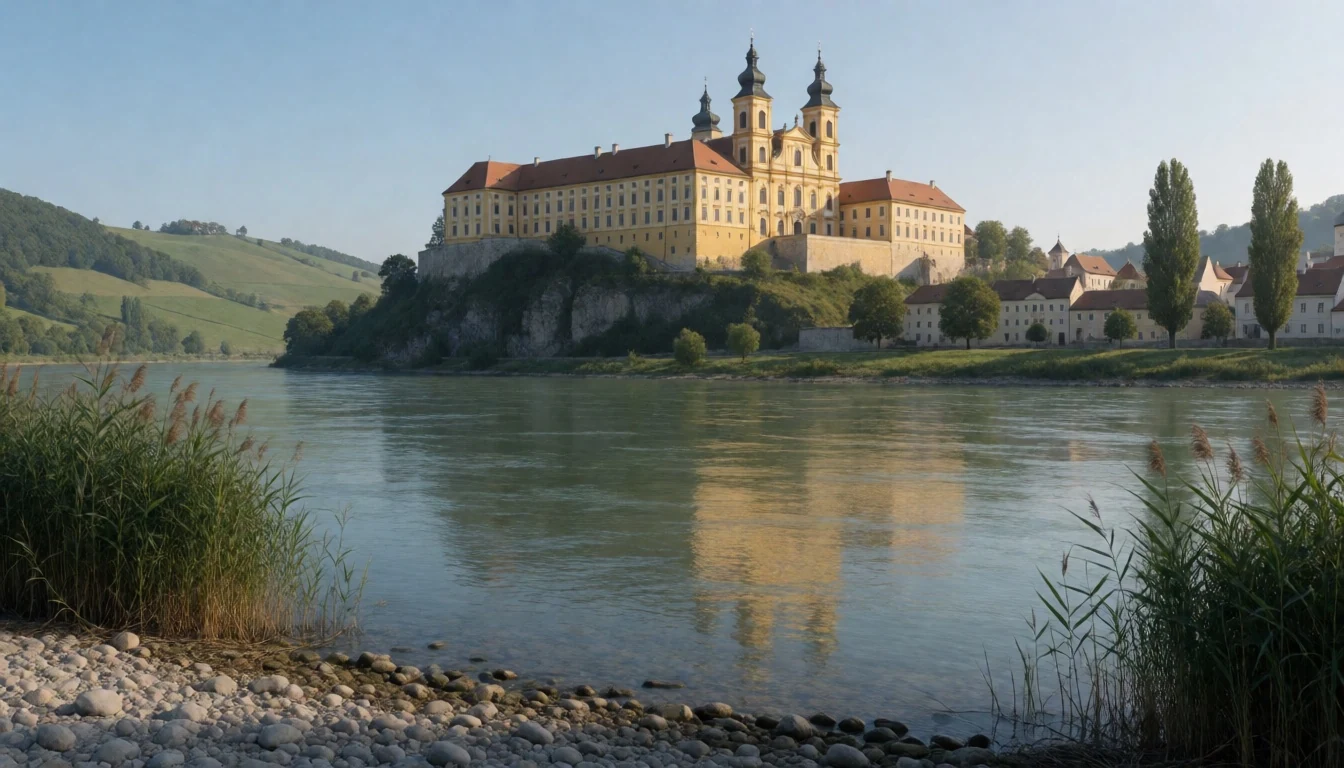
- Dürnstein Castle ruins — Dürnstein
Climb up to the ruins above Dürnstein for the historical hit: the place linked to Richard the Lionheart’s imprisonment. The walk is part of the experience, with the Danube and the vineyard slopes widening out below you.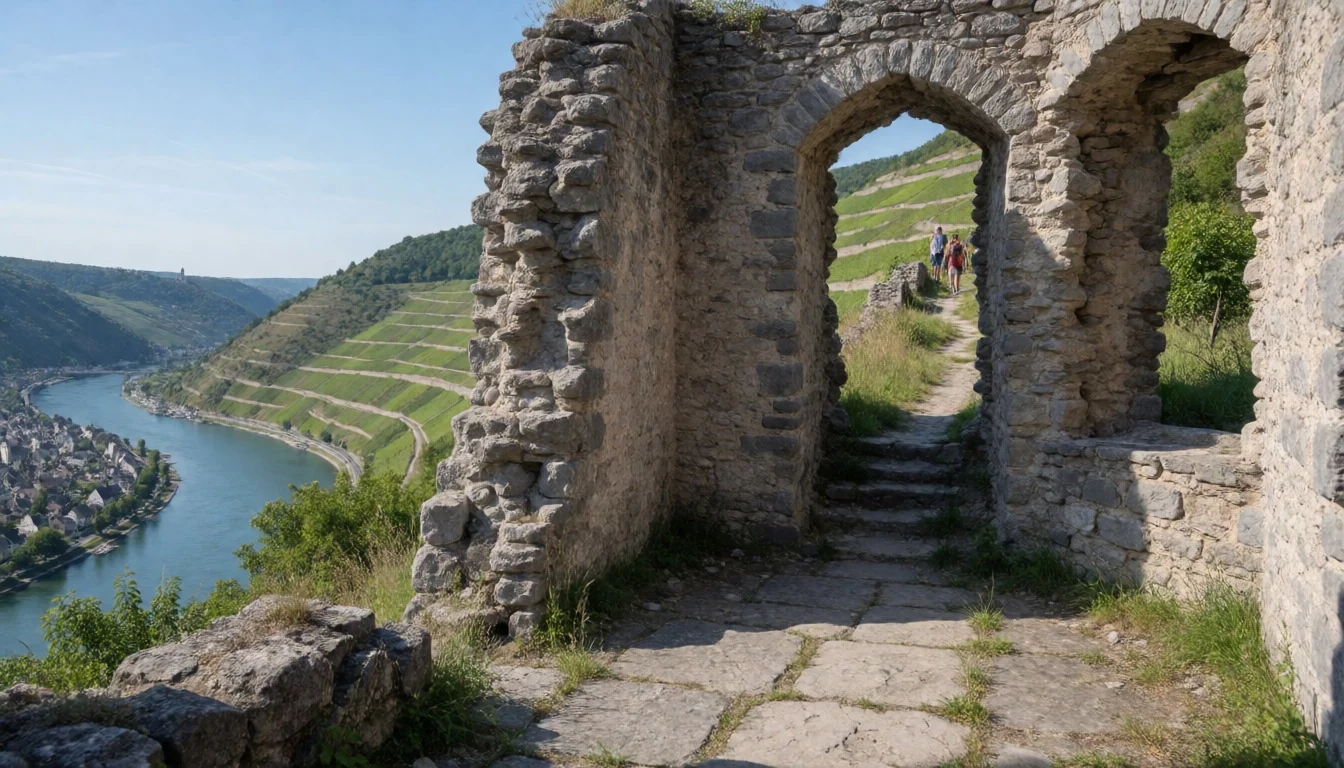
- Aggstein Castle remains — Aggsbach / Danube right bank
Aggstein sits on a rocky outcrop above the right bank, giving dramatic river views that feel very different from town promenades. It’s a ruined castle, so expect uneven ground, but it’s a memorable contrast to the neat rows of vineyards.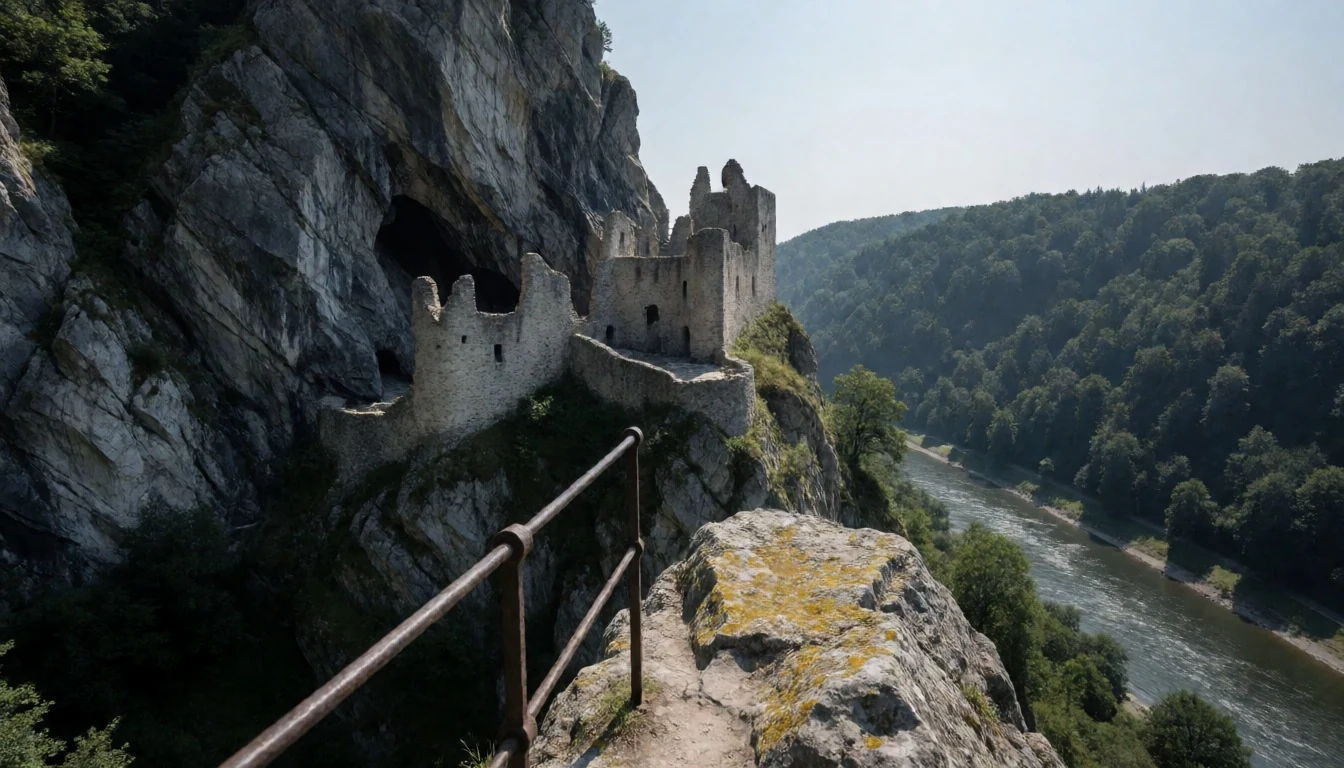
- Hinterhaus Castle ruins (Jauerling) — Jauerling / upper Wachau
For a more strenuous viewpoint, look towards the Jauerling area and the Hinterhaus ruins on a rocky ridge. The castle’s story is layered by medieval expansions, but the best payoff is the panoramic feel from up high.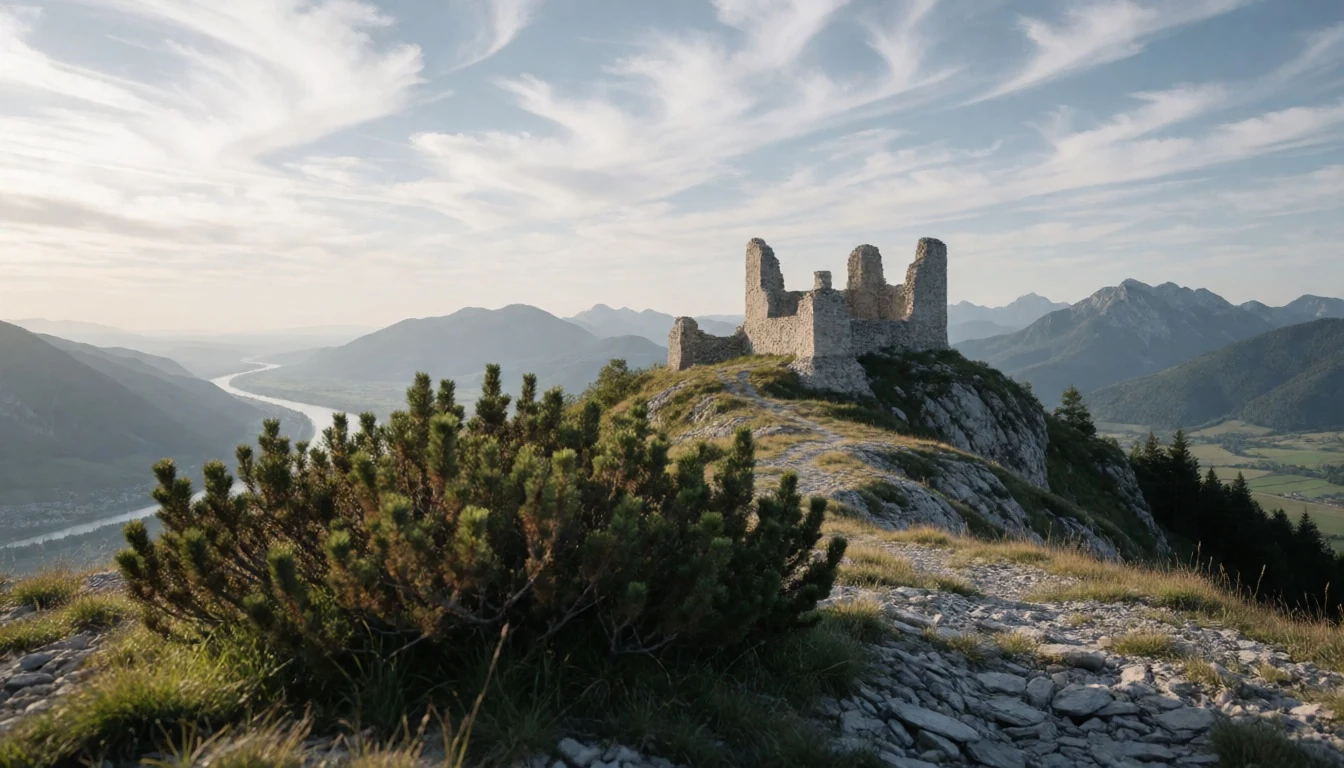
- Ferdinandswarte viewpoint over Krems–Mautern — Between Krems and Mautern
A good “wraparound” view: from Ferdinandswarte you can see the Danube between Krems and Mautern, with the river curving and the towns tucked on either side. It’s an efficient way to understand the valley’s layout.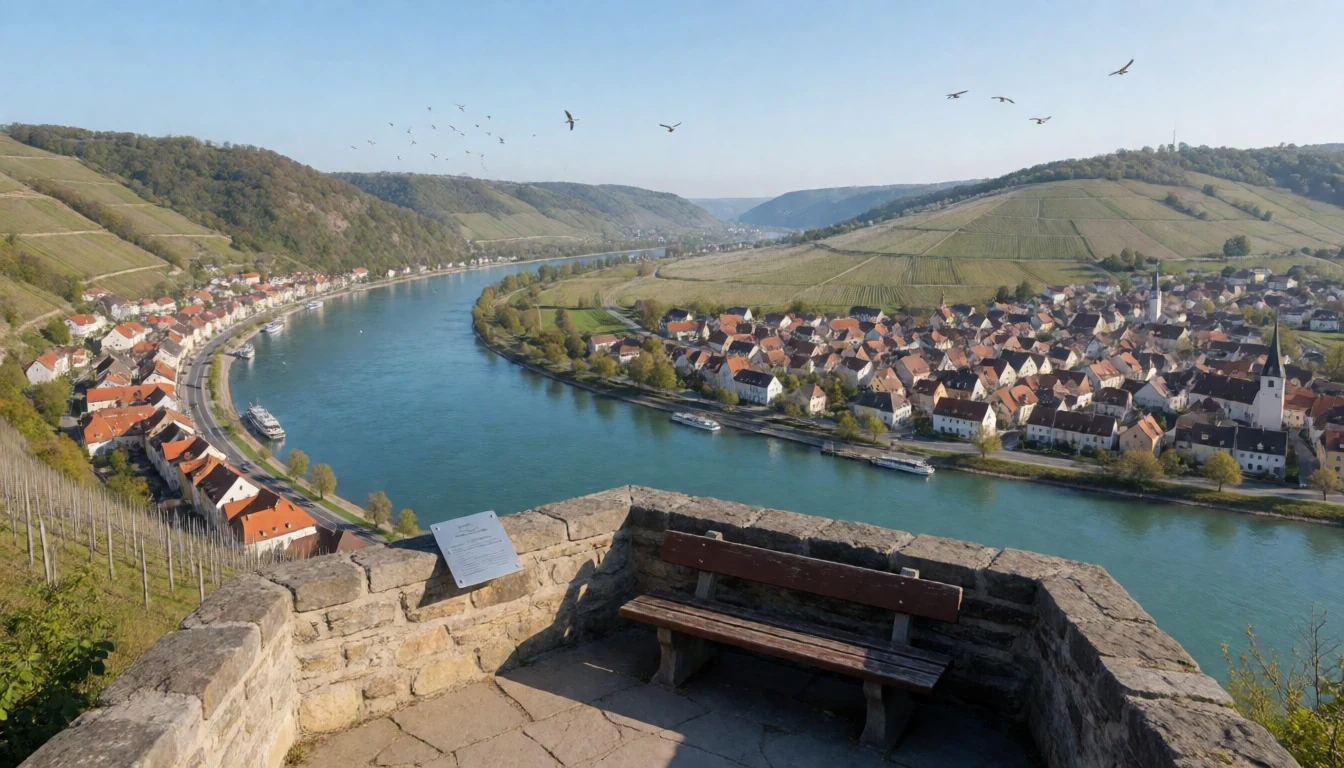
Culture
Wachau is a cultural landscape, not a theme park, and that matters for how people live here day to day. Vineyards and farmed slopes aren’t “background”, they’re the working side of the valley, so you’ll often see residents moving through the same spaces you’re photographing. Monasteries and old towns bring a second rhythm—quiet courtyards, church steps and narrow lanes where conversations stay low.
Most visitors focus on the big names (Melk and Dürnstein), but the valley works best when you let the day unfold along the Danube. One practical tip: go earlier rather than later if you want photos without crowds; midday in summer can feel like everyone arrives at once. In shoulder seasons, you’ll get more space, but the light can be cooler and the hills demand better footwear.
When it comes to behaviour, think “respect the place and the people who work there”. Avoid stepping into cultivated areas, stay on paths near ruins and viewpoints, and remember that church and monastery spaces often have rules around noise and access.
Visitor etiquette: keep voices down in religious spaces, and don’t stray into vineyard plots or private areas.
What to wear
In Wachau, dress is mostly about comfort for walking plus a bit of respect for religious sites. Traditional dress isn’t the main street look here day to day, but you may spot regional costumes during local events; they typically reflect Austria’s heritage with dressed textiles and traditional cuts rather than anything flashy.
What people actually wear now is practical: light layers in warm months, a warmer jacket when the evenings cool down, and shoes that handle stone steps. Even on a relaxed itinerary, you’ll end up doing short climbs to viewpoints and castle ruins—paths can be uneven and sometimes slippery after damp weather. If you’re planning to enter monasteries or churches, a simple, modest layer works well, and it’s smart to have sleeves and trousers/skirts that aren’t too short.
For a visitor, aim for breathable tops and a comfortable walking shoe (or trail trainer), plus a compact rain layer in unsettled weather. If you’re visiting in cooler months, bring a hat and gloves—wind off the Danube can make temperatures feel sharper near the water.
What to eat
- Wachau-style pastries with apricot flavours — Town centres and local markets along the Danube
Look out for apricot-forward bakes that suit the valley’s fruit-and-wine culture. They’re commonly sold around town centres and markets, especially where locals come for daily provisions and snacks.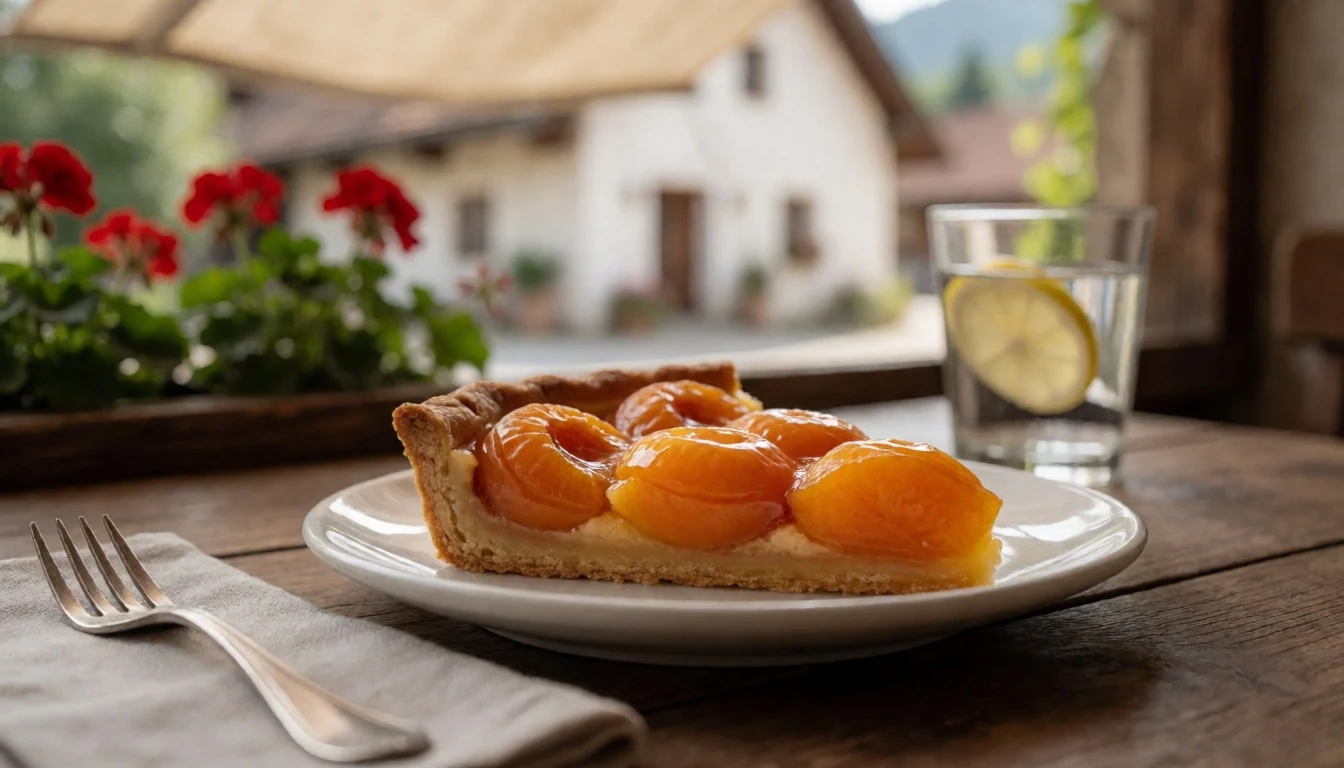
- Heuriger wine tavern plates — Heuriger areas near vineyards
In the Wachau, wine is part of the rhythm, and you’ll usually find simple plates alongside glasses in wine taverns. Find these in vineyard-adjacent neighbourhoods where visitors pause between walks.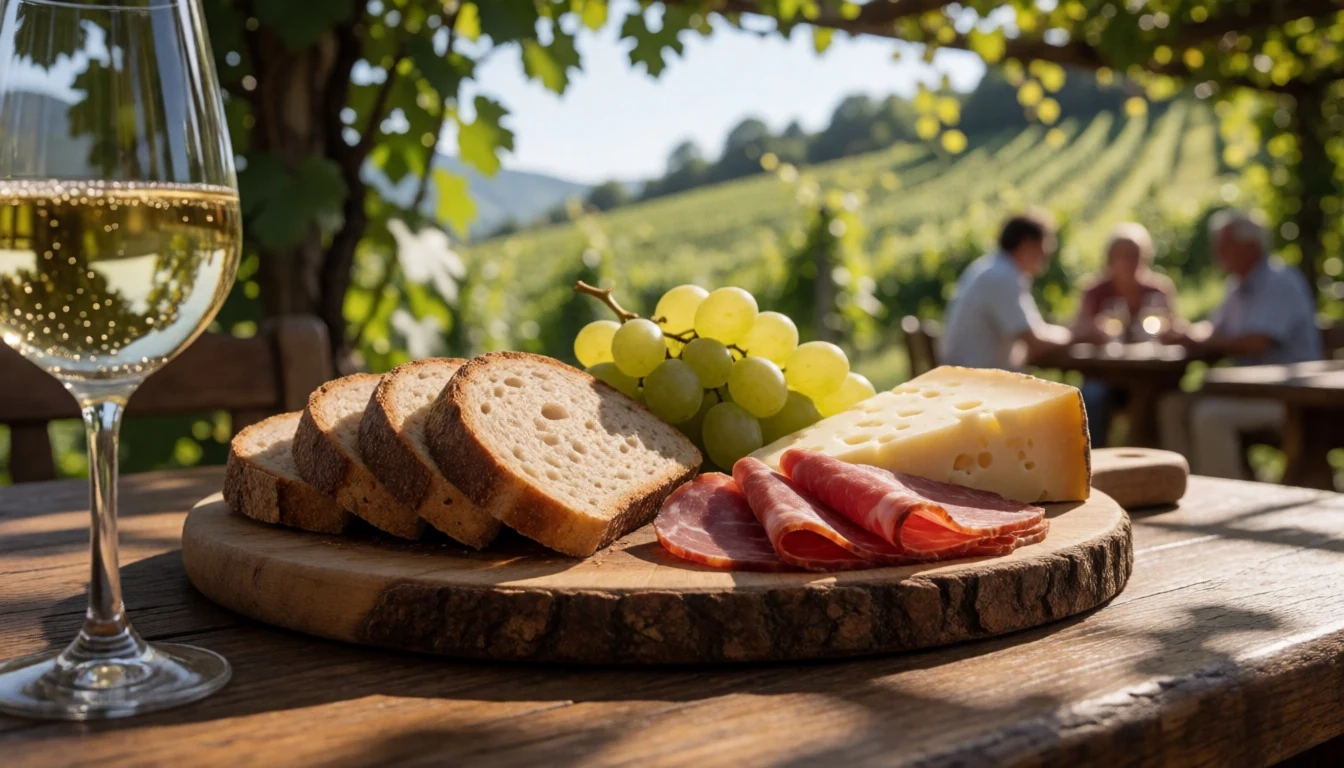
- Traditional Austrian dumplings (knödel) — Restaurant menus in Melk and Krems
Dumplings show up across Austria, and Wachau menus often include variants that make a hearty lunch after a hill climb. They’re typically served in restaurants and taverns in Melk, Krems and the smaller riverside towns. - Viennese-style schnitzel — Everyday restaurants in riverside towns
A classic Austrian choice when you want something familiar after sightseeing. In Wachau, it’s usually an option in everyday restaurants rather than just formal dining, so it’s easy to slot into a travel day. - Farmhouse bread and local spreads — Bakeries and small shops in towns like Spitz and Dürnstein
If you’re moving between villages, a quick bite helps: expect hearty breads and spreads that work well for a picnic. Grab them from bakeries or small shops in the main towns before heading to viewpoints.
Plan it
Best time. May–September is the easiest window for visiting Wachau, when the valley’s boats and walks feel most comfortable; late spring and early autumn are especially pleasant for spending longer outdoors.
How long. 3–4
Getting there. Fly into Vienna, then take rail or road to the Melk–Krems stretch; once in the valley, use the rail line running through the area and/or steamer boats for the last legs between towns.
Budget. mid
Tips
- Base yourself around Melk or Krems so day trips don’t feel like constant transfers.
- Start castle or monastery climbs earlier in the day to avoid the heaviest visitor flow.
- Plan at least one “slow” segment along the Danube—boat time or riverside walking helps it all click.
- Carry cash for smaller stops, and keep water handy during hill walks.
- Wear grippy shoes: ruins and viewpoints involve uneven paths and steps.
Etiquette
- Stay on marked paths around castle ruins and viewpoints.
- In monastery and church areas, keep voices low and dress modestly.
- Don’t walk into vineyard plots or private areas for photos.
Nearby
Sources
- Wikidata Q192201 (CC0)
- Wikipedia (rev 1366157453) (CC BY-SA 4.0)
- Wikivoyage (rev 4608449) (CC BY-SA 4.0)
- Photo photos/01-wachau-2.jpg (CC BY-SA 4.0)
- Photo photos/02-kulturlandschaft-wachau-bersichtskarte.jpg (CC BY-SA 4.0)
- Photo photos/03-melk-stift-2.jpg (CC BY-SA 4.0)
- Photo photos/04-lower-wachau.png (CC BY-SA 2.0)
- Photo photos/05-upper-wachau.png (CC BY-SA 2.0)
- Photo photos/06-melk-stripe2.jpg (CC BY 3.0)
- Photo photos/07-melk-stift-pr-latenhof.jpg (CC BY-SA 4.0)
- Photo photos/08-krems-and-mautern-from-ferdinandswarte.jpg (CC BY-SA 1.0)


