Vorontsov Palace
Vorontsov Palace, Ukraine
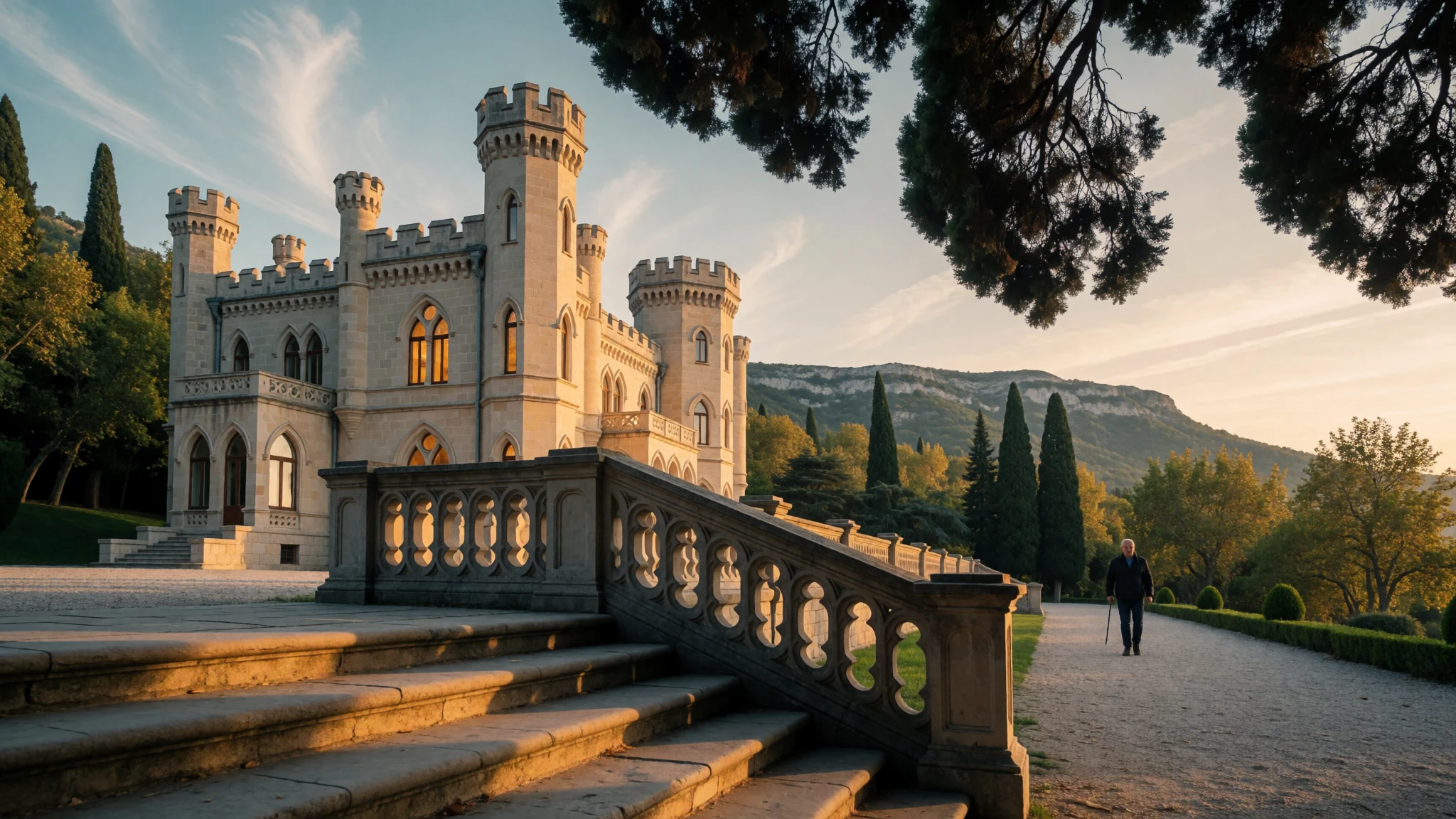
Vorontsov Palace is an English-style castle with Gothic towers and Indo-Saracenic touches, set beneath Crimean mountains above the Black Sea.
The place
Vorontsov Palace (Воронцовський палац), also called Alupka Palace, stands at the foot of the Crimean Mountains beside the town of Alupka on the peninsula's southern coast, in territory internationally recognised as Ukraine. Prince Mikhail Semyonovich Vorontsov had it built as a summer home, with construction running from 1828 to 1848 at a cost of about 9 million roubles. The English architect Edward Blore designed it with his assistant William Hunt. Blore is remembered in Britain mainly for completing Buckingham Palace, so the palace carries a faintly familiar accent for British visitors: a Gothic outline, pointed windows and the feel of an English country house. Yet the building follows no single style. English Renaissance revival sits beside Scottish Baronial, Gothic Revival and Indo-Saracenic elements, and none of them is applied strictly. The setting matters as much as the architecture. Behind the palace the mountains rise steeply, and in front lies the sea. A park of 40 hectares surrounds the buildings, laid out by the German landscape gardener Carolus Keebach, and its trees and paths are a large part of why people come. Today the complex is run as a museum and has long drawn visitors along the southern coast. Many arrive from Yalta for a half-day, though the grounds reward a slower look.
Its story
The story of Vorontsov Palace begins in Odessa rather than Crimea. After the Napoleonic Wars, that port city became the southern showpiece of the Russian Empire, with a lively, mixed society gathered around its aristocrats and a few well-known Polish noblewomen. Mikhail Vorontsov was appointed viceroy of Novorossiya in 1823. Crimea, meanwhile, was still thought of as wild and half-foreign. Pushkin and Mickiewicz had written poems about it that fed a Romantic taste for the peninsula, picturing a land of Tatar Muslim tradition left over from the Crimean Khanate, which had ended in 1783. Vorontsov began buying land in the thinly populated south-west even before he reached Odessa. A colonel named Reveliotis, who also held Livadia and Oreanda, sold him the Alupka estate in 1824, and the family collected other coastal properties too, among them Gurzuf and Massandra. Vorontsov's tastes were English. His father had served Catherine the Great as ambassador in London, and the son was educated there, which goes a long way towards explaining why a Black Sea summer house was designed by an English architect. Once it was finished, the palace drew the Russian elite, and several of them were so taken with the coast that they built retreats of their own nearby. By the early twentieth century, even the imperial family, the tsar included, owned palaces along this stretch, each in a different style.
What to see
- The north front — Alupka, main palace building
Vorontsov Palace is usually photographed from the north, where the stone mass of towers and battlements stands against the mountain behind. From here the English-castle intent is plain, though closer to the walls the Indo-Saracenic details begin to appear. Early morning gives the clearest light and thinner crowds before tour groups arrive from Yalta.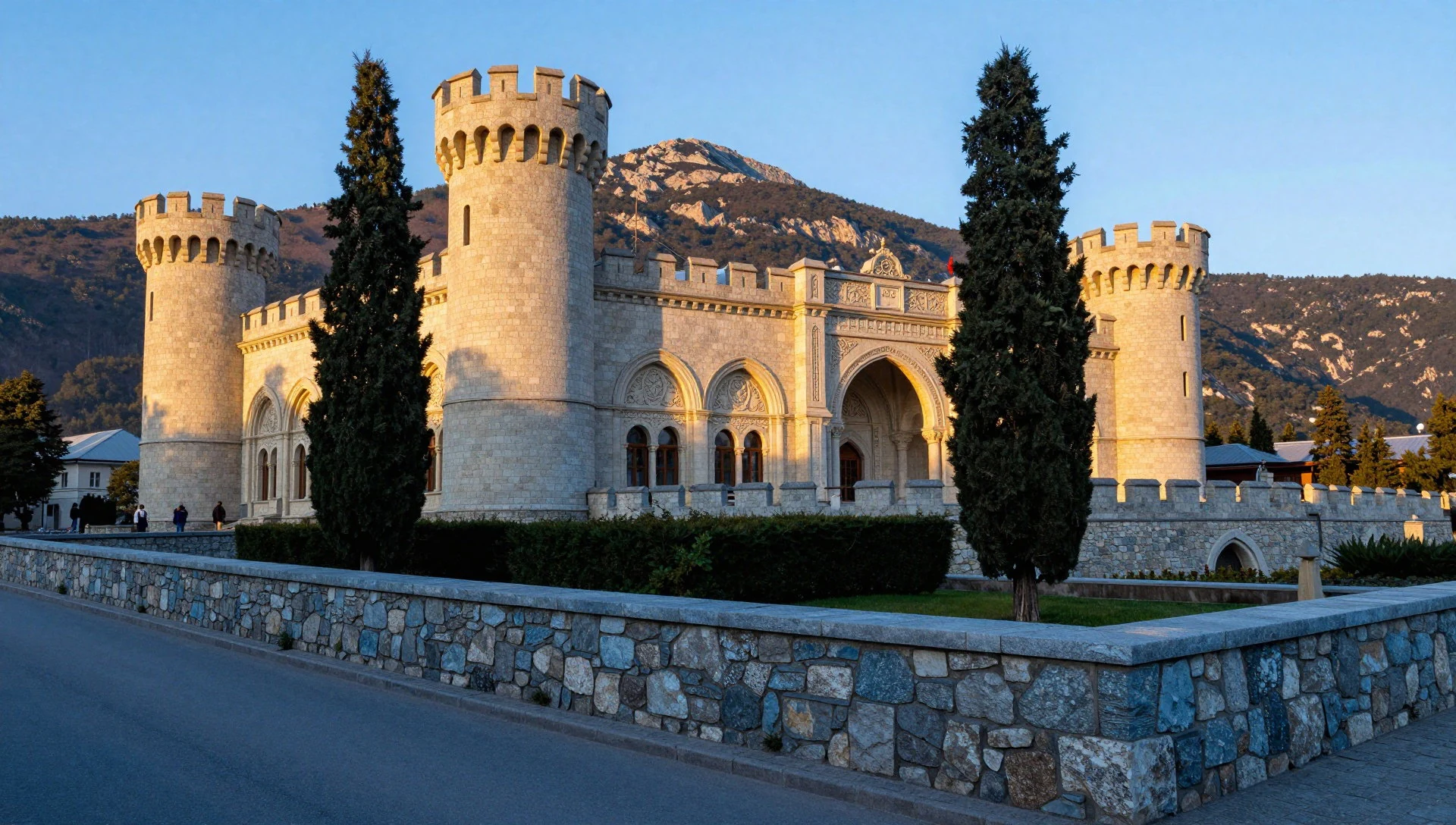
- Inside the palace rooms — Alupka, main palace building
The palace is run as a museum, and entry to the rooms carries a fee, unlike the grounds. Opening days, ticket types and visiting arrangements change, so check the official site, worontsovpalace.org, before going. Expect queues in busy summer months, and allow time to see the rooms without hurrying.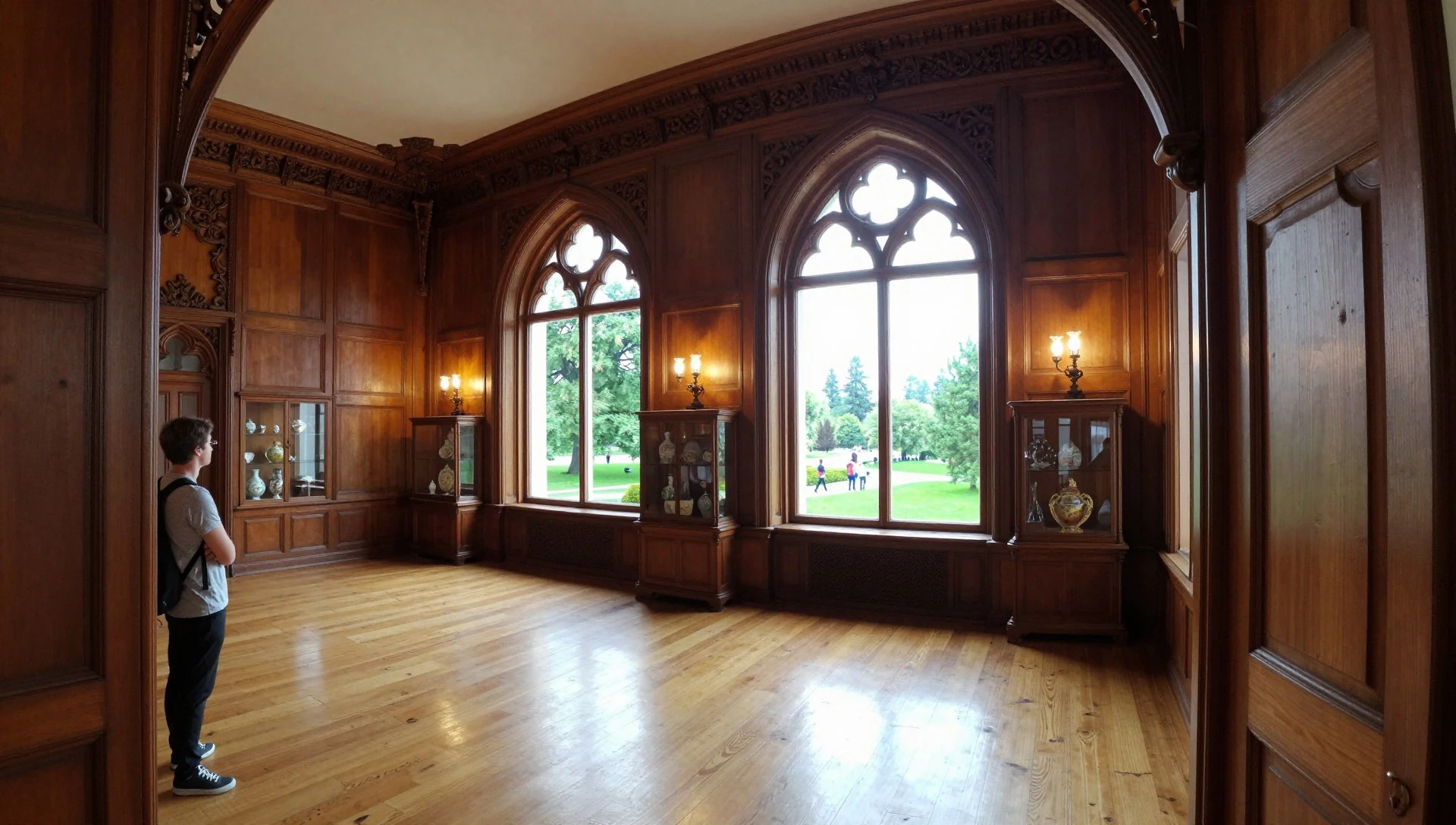
- The park — Alupka, around the palace
The grounds of Vorontsov Palace cover 40 hectares and were arranged by the German landscape gardener Carolus Keebach. Entry to the park has been free, which makes it an easy first stop, though it is worth confirming on the official site. Paths follow the slope, so the park suits a slow walk with pauses for shade.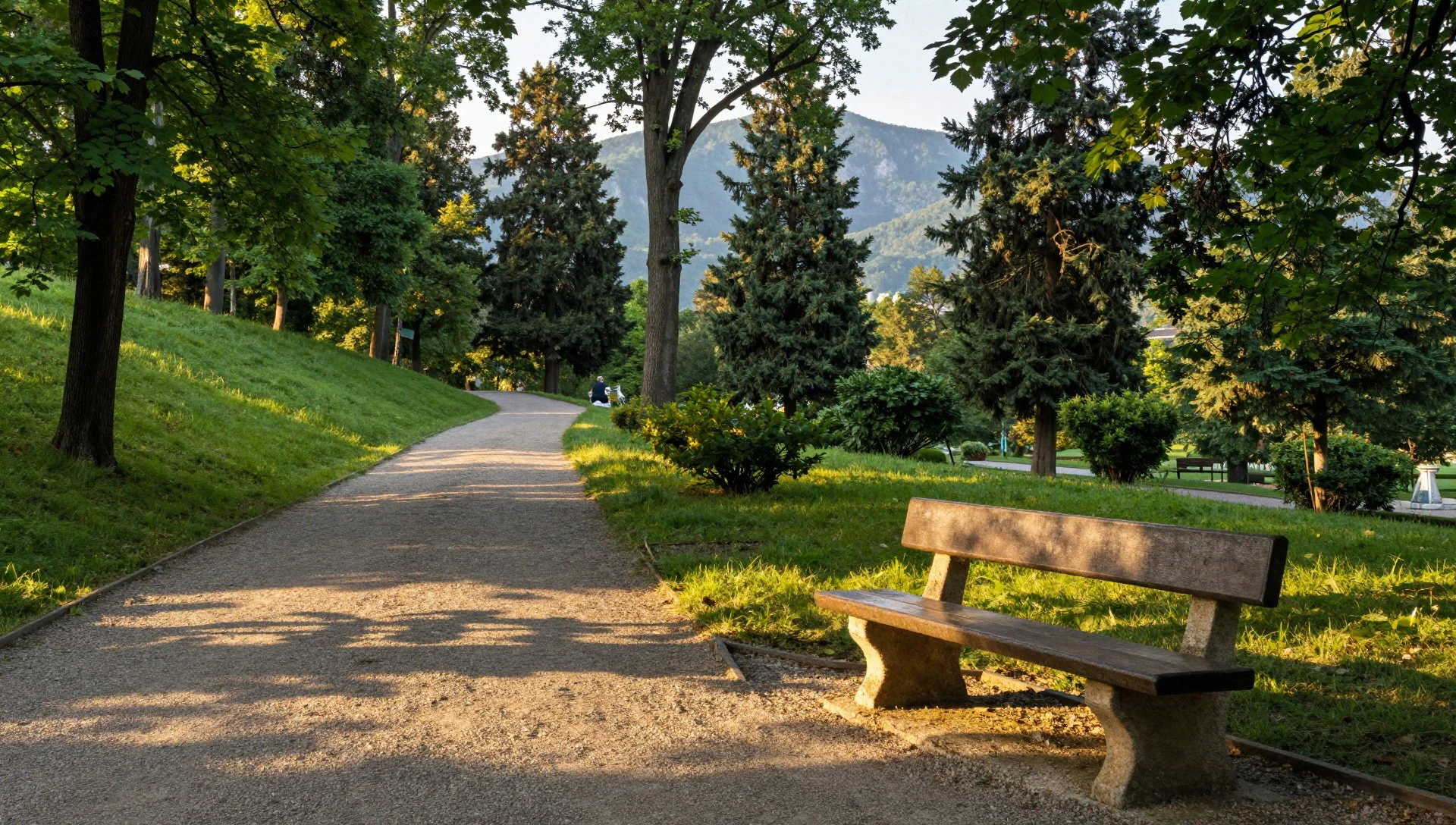
- Ai-Petri cable car — Ai-Petri, above the south coast
Ai-Petri rises to 1234 m above the south coast, and a cable car climbs it in two stages over about 3 km, with wide views along the Crimean shoreline. It makes a natural second half to a day built around the palace. Check the operator's schedule first, since wind and weather can interrupt service.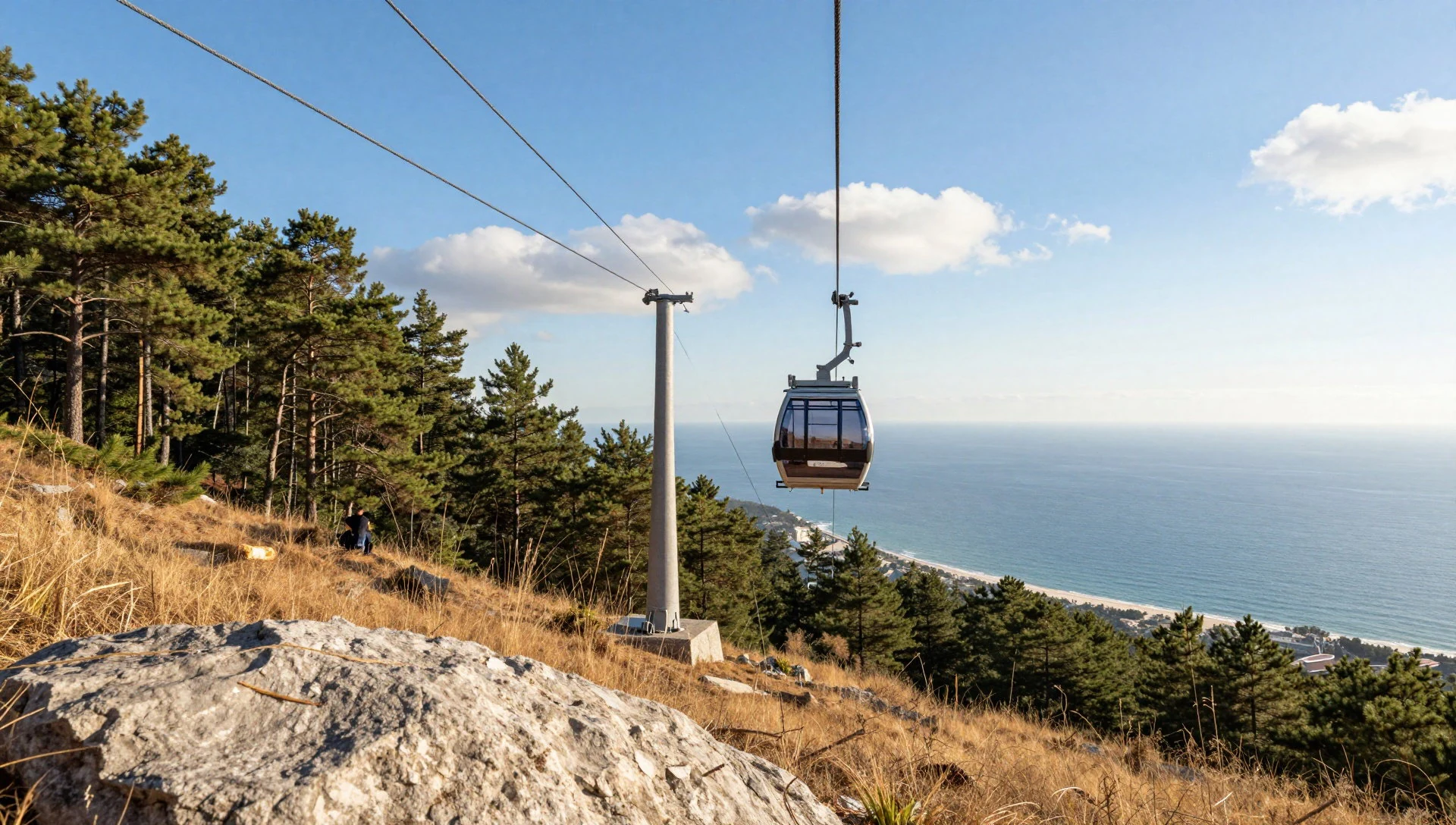
- The neighbouring coastal palaces — Yalta side of the coast
Along this coast the Vorontsovs held estates at Gurzuf, Massandra and Ai-Danil, and other nobles and members of the imperial family built palaces in varied styles. Livadia and Oreanda, once owned by Reveliotis, lie nearer Yalta. Together they show how Vorontsov Palace helped set off a fashion for summer retreats.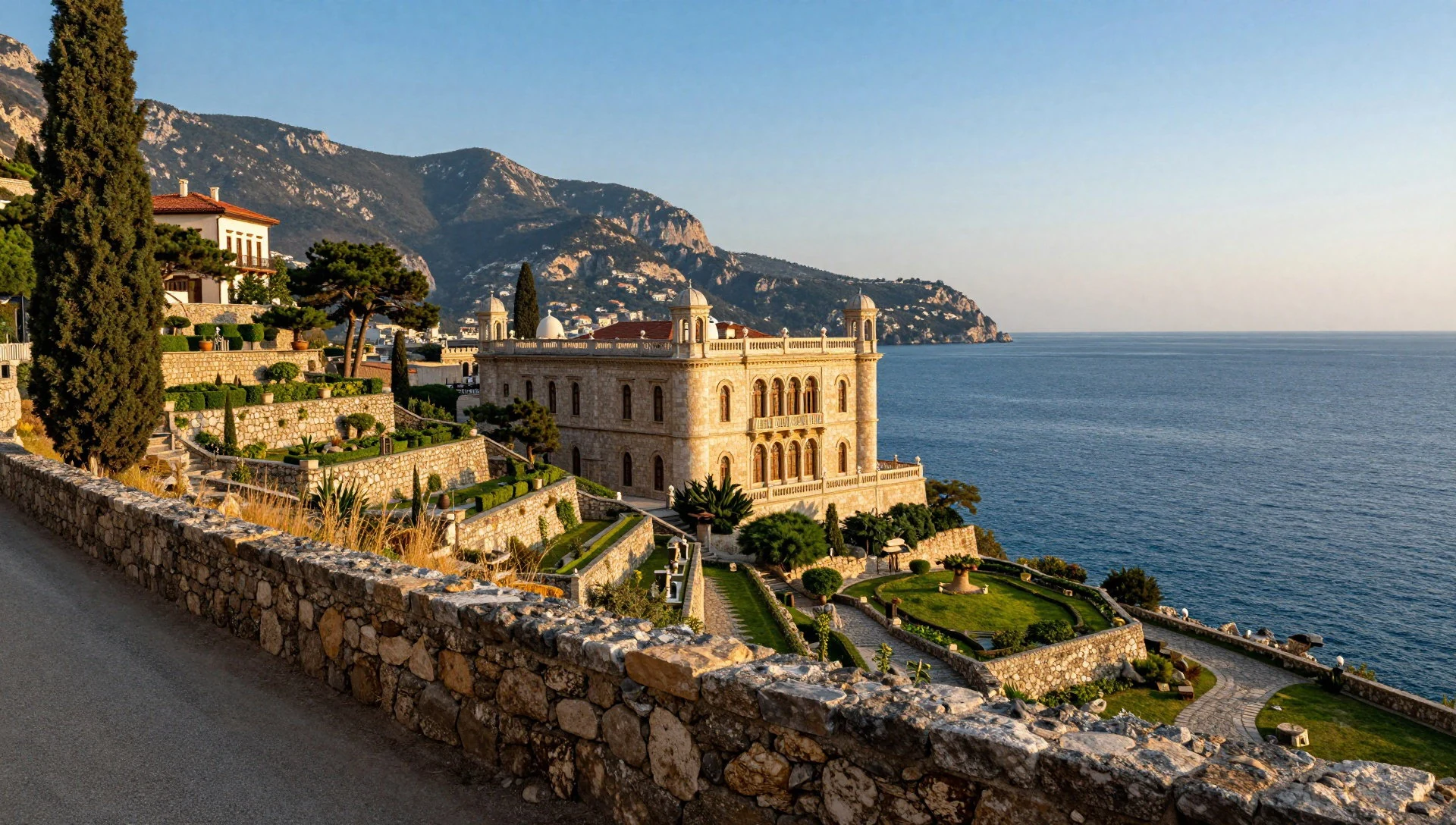
Culture
Vorontsov Palace is the product of a particular Russian-imperial fashion: the taste for England. Prince Vorontsov was educated in London, and his summer house put English architecture on the Crimean coast, mixed with Eastern references that were popular in Romantic art. That blend says a lot about how the peninsula was imagined in the early nineteenth century, when poets such as Pushkin and Mickiewicz wrote about Crimea as a land of old Tatar tradition. The reality was more layered. Crimea's people have included Crimean Tatars, Greeks, Ukrainians and Russians, and the palace's own names show it: Ukrainian and Russian forms are both in use, and which one a person reaches for can say something about their view of the place. Once the palace was built, nobles holidaying on the coast turned the area into a resort culture of summer villas and parks, a habit that carried on through the Soviet years and into today's seaside tourism. Inside, the rooms are run as a museum, so the behaviour expected is museum behaviour: quiet voices, no touching of furniture, and following the staff's lead. Ask museum staff before using flash or a tripod in the rooms, and avoid raising the politics of Crimea's status with people you meet.
What to wear
Fashion around Vorontsov Palace has three layers. Traditional dress on this coast belongs mainly to Crimean Tatar and Ukrainian heritage. Crimean Tatar costume is built from velvet, silk and fine wool, often embroidered with metallic thread, while Ukrainian vyshyvanky are linen or cotton shirts worked in red and black or in colour. These are worn now for weddings, festivals and folk performances rather than every day. The palace's nineteenth-century guests wore European court and country clothes, which suited the English character of the house. Everyday dress today is casual resort wear: shorts, linen shirts, sundresses, sandals and sun hats, with jeans and light jackets once evenings cool. For a visit, light cotton or linen suits the warm months, with a hat and sunscreen for the open grounds. Wear closed shoes with a good grip, because the park sits on a mountain slope with steps and uneven paths. A thin layer helps against wind off the sea and in cooler months. The palace is a museum, not a place of worship, so no special covering is needed, but cover shoulders and knees if you step into a church or mosque nearby.
What to eat
- Chebureki — street stalls and small cafés in Alupka and Yalta
Chebureki are large, thin, half-moon turnovers filled with minced meat and onion and fried until blistered. They come from Crimean Tatar cooking and are eaten hot and greasy, usually with tea. Look for them at street stalls and small cafés in Alupka and Yalta.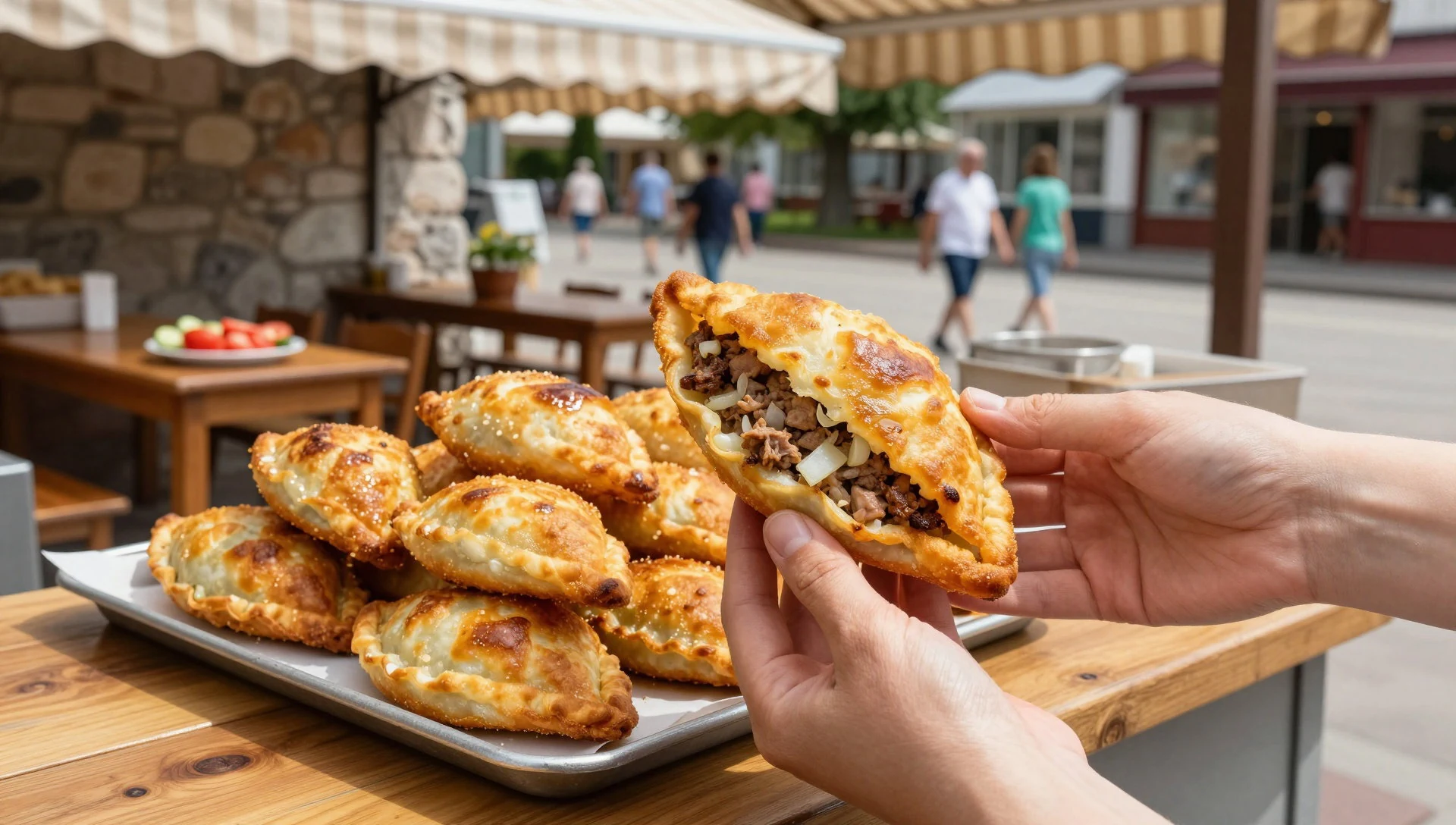
- Yantyk — bakeries and Crimean Tatar cafés on the coast
Yantyk is a baked Crimean Tatar pastry, folded around meat, onion and sometimes potato, with a crisp base and a soft, juicy middle. It is easy to eat on the move after the palace grounds. Bakeries and Tatar cafés along the coast road are the best places to ask.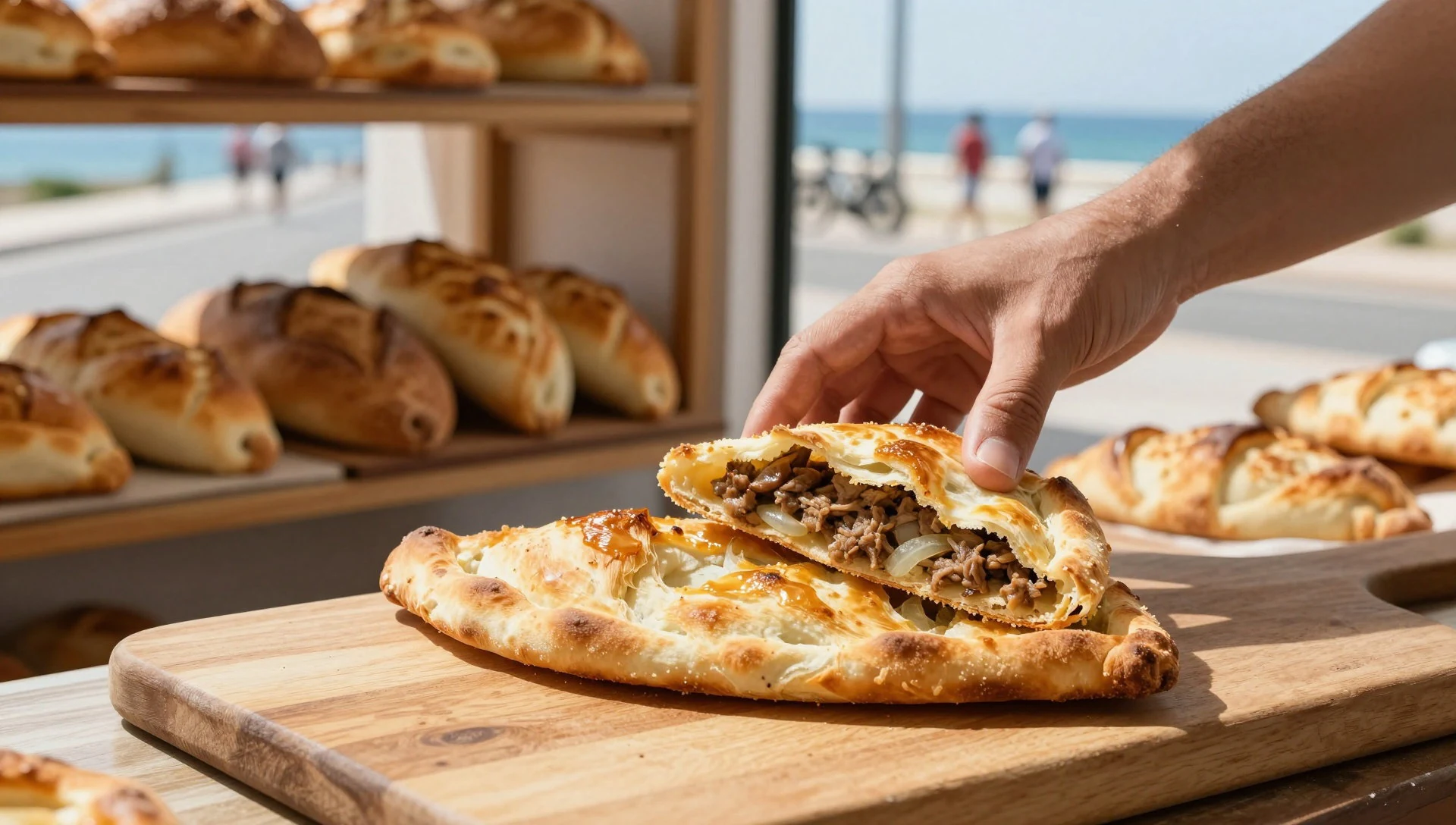
- Plov — family-run eateries in Alupka and Yalta
Plov is a rice dish cooked with meat, carrot and spices, served in generous portions in family-run Tatar and Central Asian-style eateries. It makes a filling lunch before a climb on Ai-Petri. Portions are shared easily, so ordering one dish between two is common. - Grilled Black Sea fish — seafront restaurants in Alupka and Yalta
Fresh fish is grilled whole at seafront restaurants, usually with lemon, herbs and a simple salad. What is on offer depends on the season and the catch, so ask what came in that day. Evenings by the water, once the heat eases, suit this meal best. - Crimean wine — tasting rooms on the south coast
The south coast has a long winemaking tradition, with dessert and fortified wines a regional speciality, and Massandra is a name linked to the Vorontsov family's estates. Tasting rooms in the area offer small pours with explanations. Confirm opening times locally, as they change by season.
Plan it
Best time. Late May–June and September–early October are the usual comfortable choices, with warm coastal weather and fewer people than high summer. July and August are hot and busy; winter is quiet, but some services run reduced schedules.
How long. 1–2
Getting there. Yalta is the usual base, 17 km from Alupka; go by car, or take minibus 26 or 27 from Yalta. Simferopol is the regional airport and rail hub, but air and rail services have been disrupted, so check the current position before planning.
Budget. mid
Tips
- Check your government's current travel advice first: Crimea is a disputed territory and many governments, including the UK's, advise against travel there
- Start early to beat the heat and the tour groups from Yalta
- Check the official site, worontsovpalace.org, for room opening days and tickets; the grounds have been free but the palace has a fee
- Wear sturdy, grippy shoes for the sloping park and carry water in summer
- Check how you can pay before you go, as foreign bank cards may not work, and carry some cash
Etiquette
- Ask staff before using flash or a tripod in the palace rooms
- Keep voices low and do not touch furniture or displays
- Avoid raising the politics of Crimea's status with strangers
Nearby
Sources
- Wikidata Q2628708 (CC0)
- Wikipedia, Vorontsov Palace (Alupka), rev 1370001122 (CC BY-SA 4.0)
- Wikivoyage, Alupka, rev 3947533 (CC BY-SA 4.0)
- Photo 01: Flamel123, via Wikimedia Commons (CC BY-SA 4.0)
- Photo 02: Tiia Monto, via Wikimedia Commons (CC BY 3.0)
- Photo 03: Derevyagin Igor, via Wikimedia Commons (CC BY 3.0)
- Photo 04: Alex Levitsky & Dmitry Shamatazhi, via Wikimedia Commons (CC BY 3.0)
- Photo 05: Tiia Monto, via Wikimedia Commons (CC BY 3.0)
- Photo 06: Dennis Jarvis, via Wikimedia Commons (CC BY-SA 2.0)
- Photo 07: Derevyagin Igor, via Wikimedia Commons (CC BY 3.0)
- Photo 08: Tiia Monto, via Wikimedia Commons (CC BY 3.0)


