Villa de Leyva
Villa de Leyva, Colombia
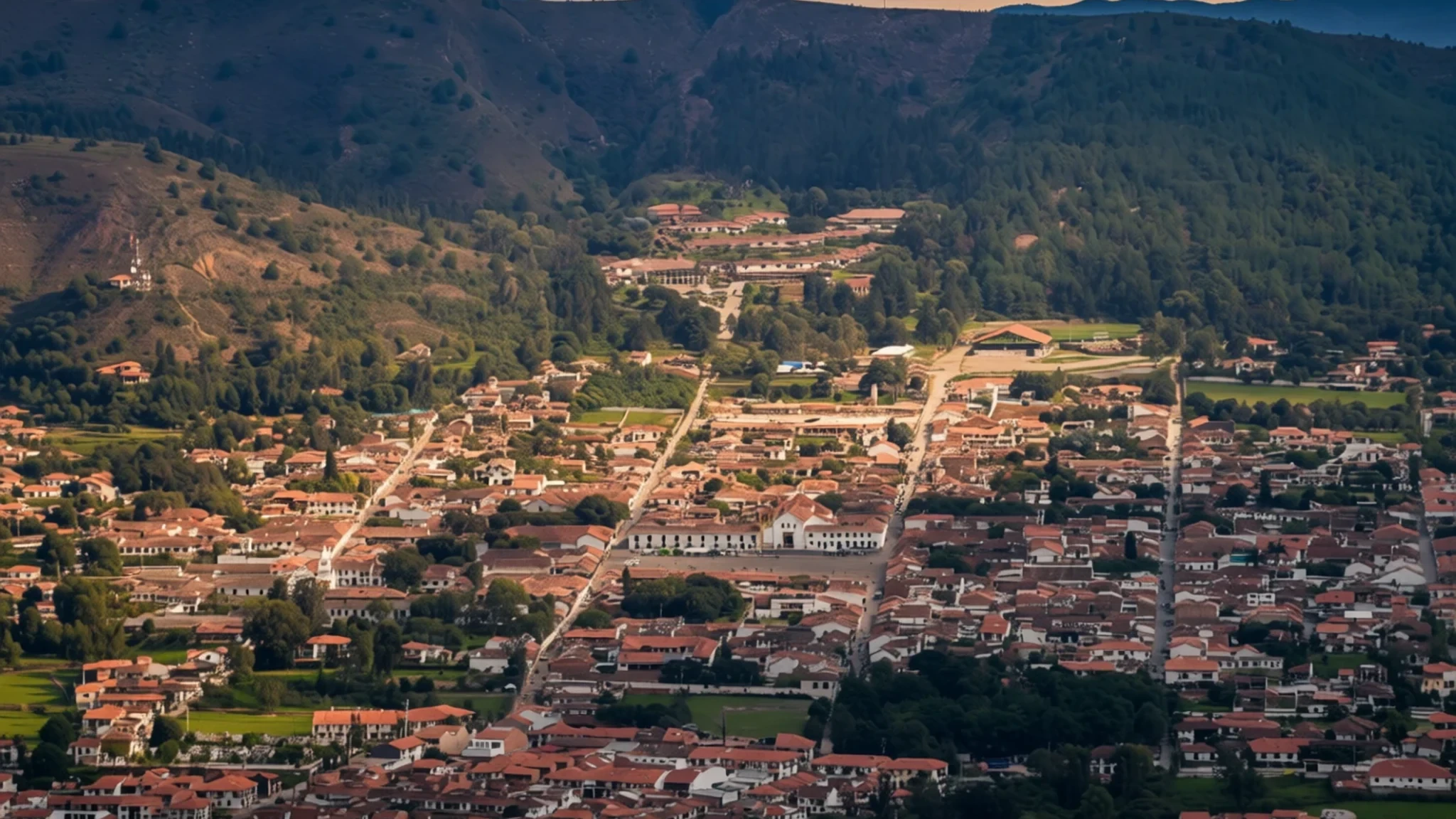
A cobbled colonial town high in the Colombian Andes, with a large plaza, museums of fossils and religious art, and an easy pace.
The place
Villa de Leyva is a colonial town in the Boyacá highlands of central Colombia, sitting at about 2,000 metres above sea level in a valley of dry, scrubby country. The municipality has a population of about 22,000, and most visitors come to walk its streets rather than to pass through a busy city. Its appeal lies in its fabric. The valley lay away from the main trade routes and had no minerals worth mining, so development largely passed it by, and the centre keeps its old layout and houses. The streets and the broad central plaza are still laid with cobblestones, and many façades are whitewashed beneath tiled roofs and timber balconies. The plaza is the social heart of the town. Restaurants there often have musicians or singers in the evenings, and storytellers perform weekly for passers-by. Because the town is small, the stillness of early morning and the glow of late afternoon are the times when the streets feel most like they did centuries ago. Tourism is the main business now, and the bigger weekends bring crowds, so midweek visits feel calmer.
Its story
Villa de Leyva's history begins well before the Spanish arrived. The valley was settled early in the human history of the high plateau around Boyacá, and the earliest archaeological evidence comes from El Infiernito, a site linked to astronomy in the pre-colonial period. When the Spanish reached the region, the Muisca lived here, and a local ruler known as the zaque of Hunza governed the area. The Spanish founded the town in 1572 and named it after Andrés Díaz Venero de Leiva, the first president of the New Kingdom of Granada. The settlement stayed small and quiet for centuries. The town's most famous native is Antonio Ricaurte, who served as a captain under Simón Bolívar during the wars of independence. He gave his life by sacrificing himself at San Mateo, a place in present-day Venezuela. His birthplace in town became a military museum. Other figures followed. Antonio Nariño, the translator of The Rights of Man into Spanish and a strong voice for independence, spent his last years here and died in the town. The painter Luis Alberto Acuña, one of Colombia's leading artists of the twentieth century, also spent his final years in Villa de Leyva. Their presence helps explain why the town now holds so many small museums.
What to see
- Casa Terracota
A house built almost entirely by hand from clay and sun-baked, designed and lived in by its architect, Octavio Mendoza. The walls, arches and furniture show what the material can do, and the place is more of an experiment in building than a museum. It sits a short way out from the centre, so it suits an unhurried walk or a short taxi ride.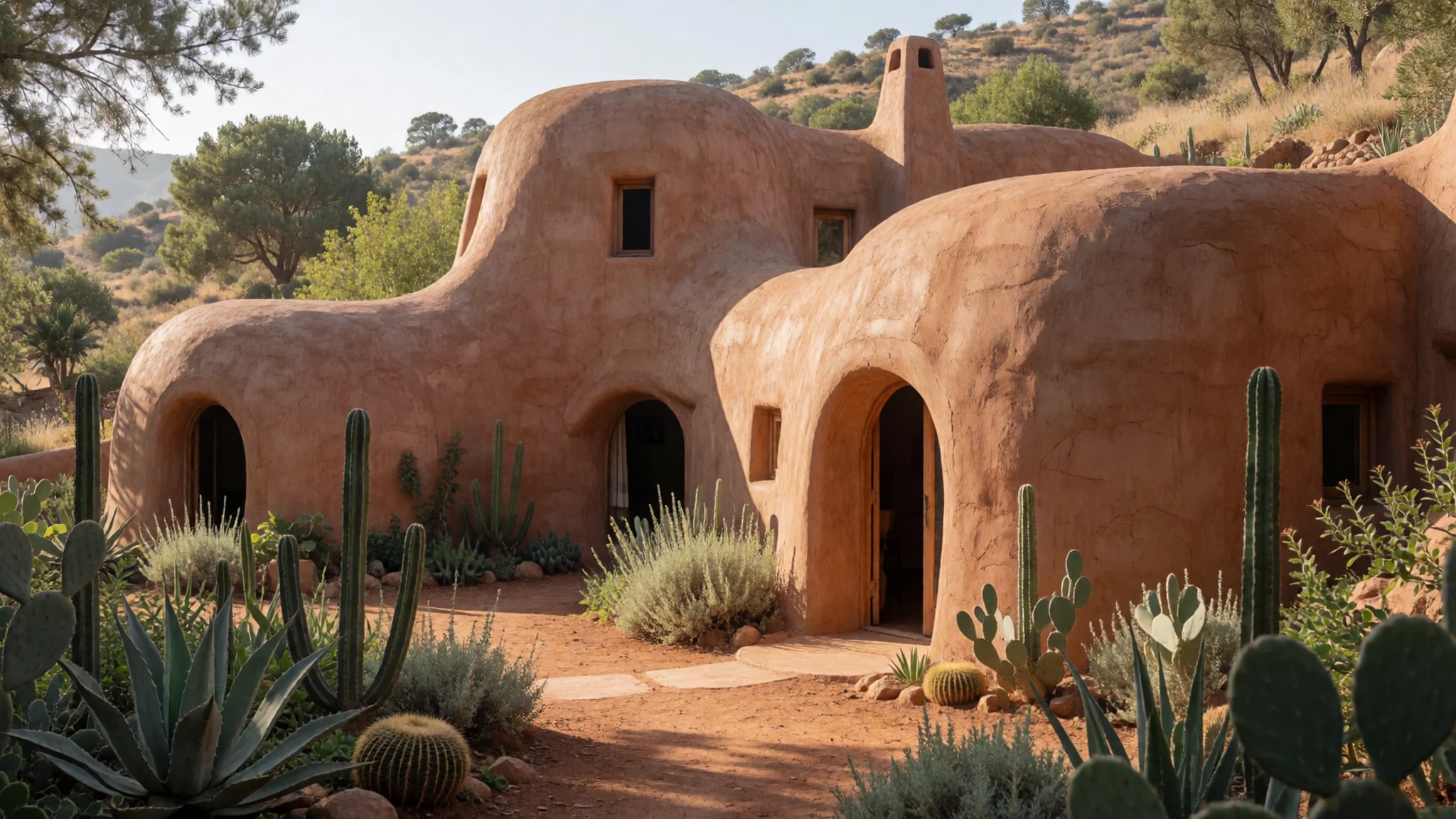
- Museo del Carmen
A religious art museum with a strong collection of colonial paintings, sculpture and devotional objects, housed near the Carmen church. It is one of the better museums in town and gives a clear picture of the church's role in the colonial community. Allow a relaxed hour and check the official site for current opening times.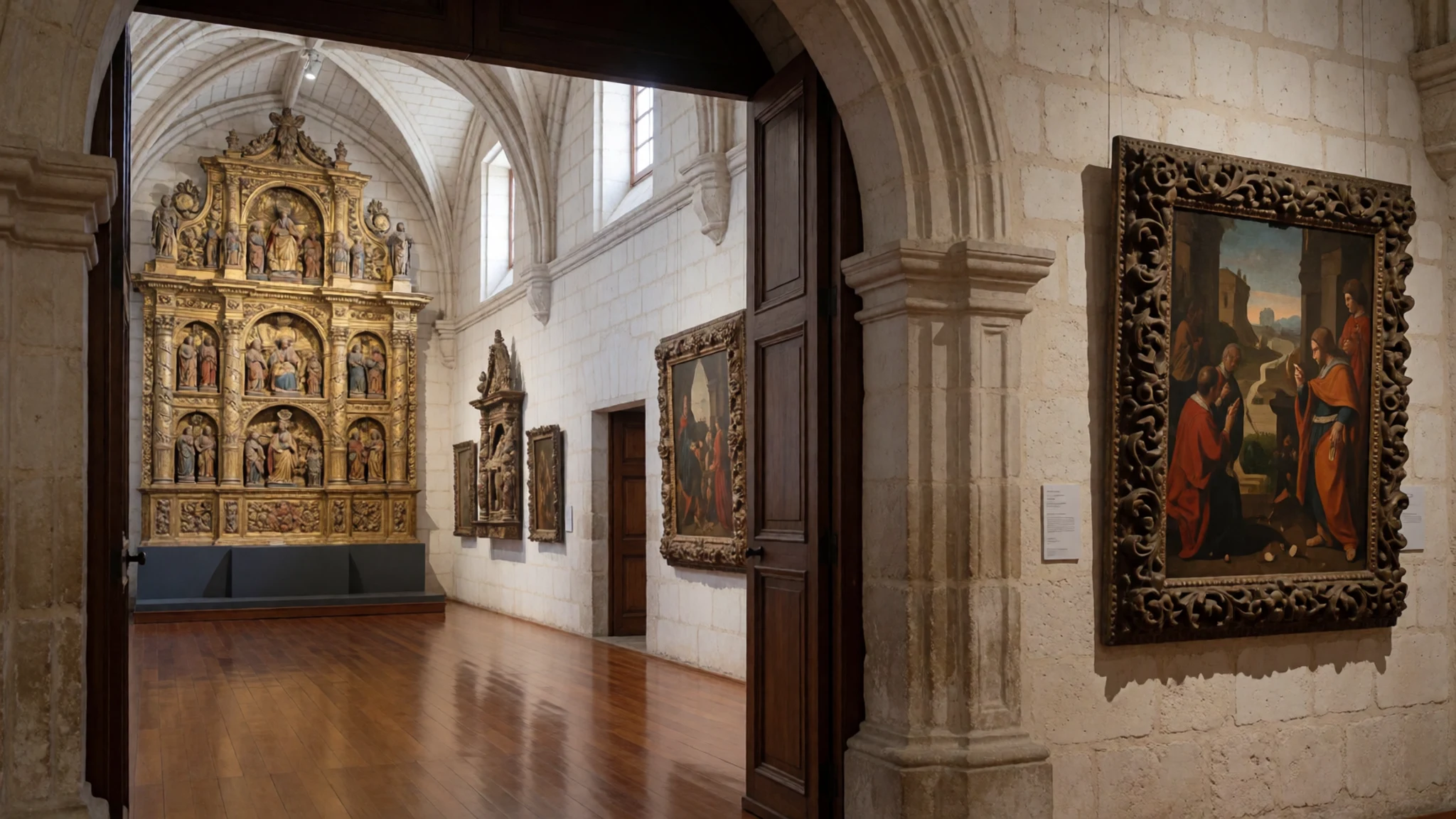
- Casa Museo Antonio Nariño
The last house of the independence leader Antonio Nariño, who lived here in his final years. The rooms display some of his personal belongings, which give a more human side to a figure usually seen in political histories. It is a small visit, and it pairs well with the military museum in Ricaurte's former home.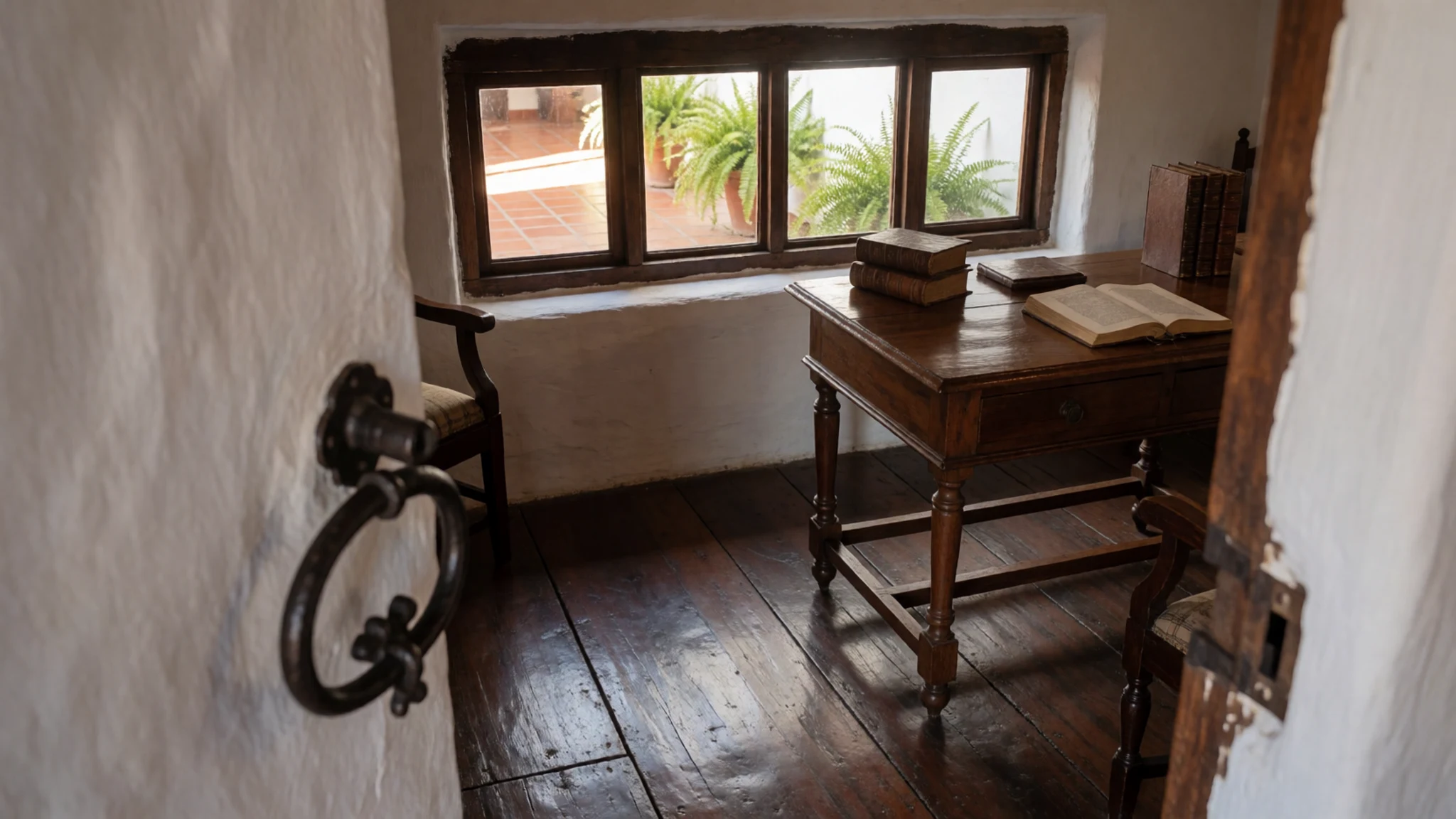
- El Infiernito
An archaeological site known for its Muisca-era astronomical alignments and a collection of carved stone phallic figures. The site is a short drive from town, and the setting is rural and open. Go in daylight, wear sturdy shoes, and ask locally about the current access arrangements before setting out.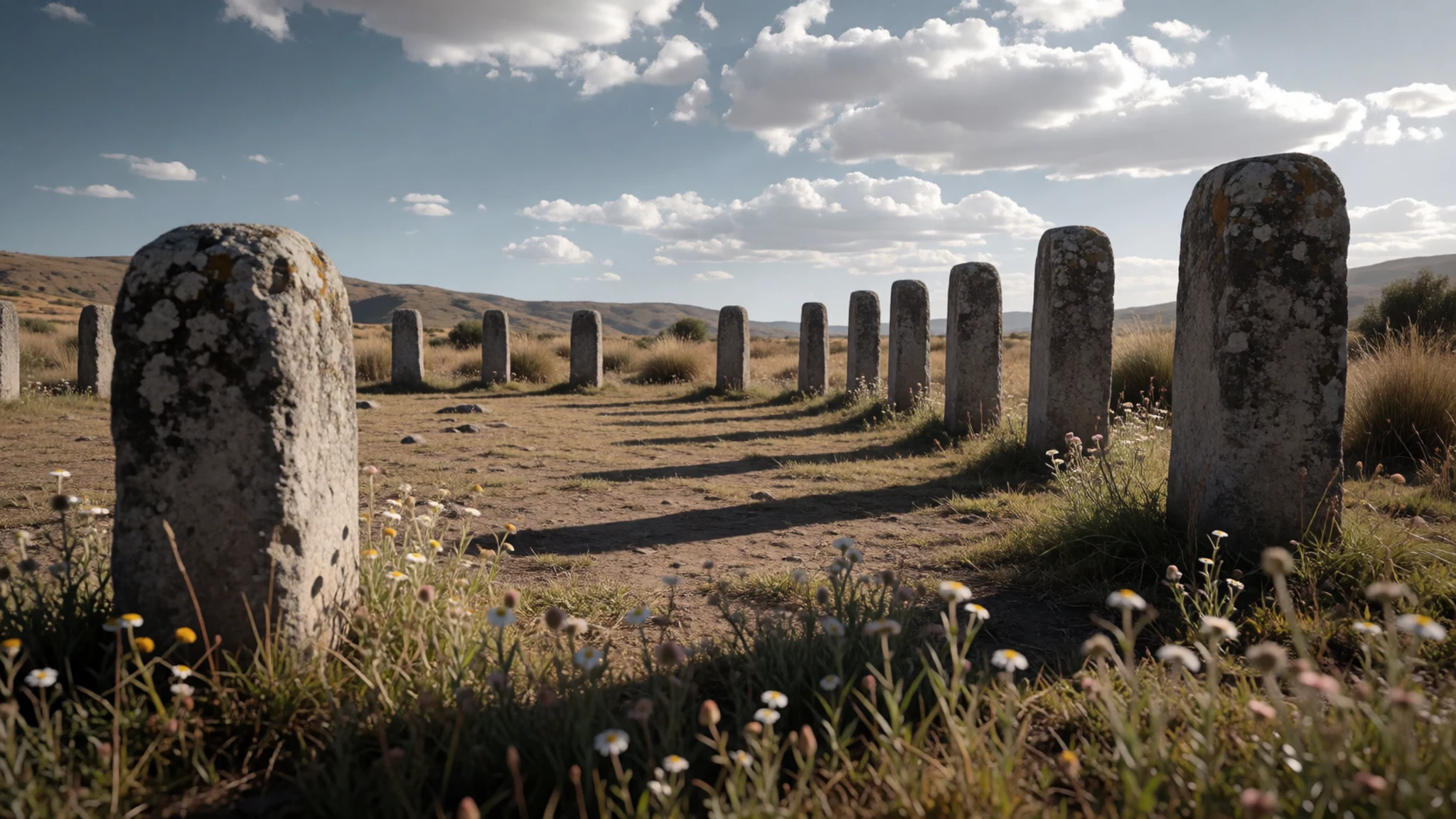
- Mirador del Sagrado Corazón
A steep path climbs through the forest on the eastern hillside to a lookout over the town and valley. The route is marked with white arrows, and the climb takes around an hour, with some sections over bare rock. Start in the morning, when the air is cool, and carry water for the walk back down.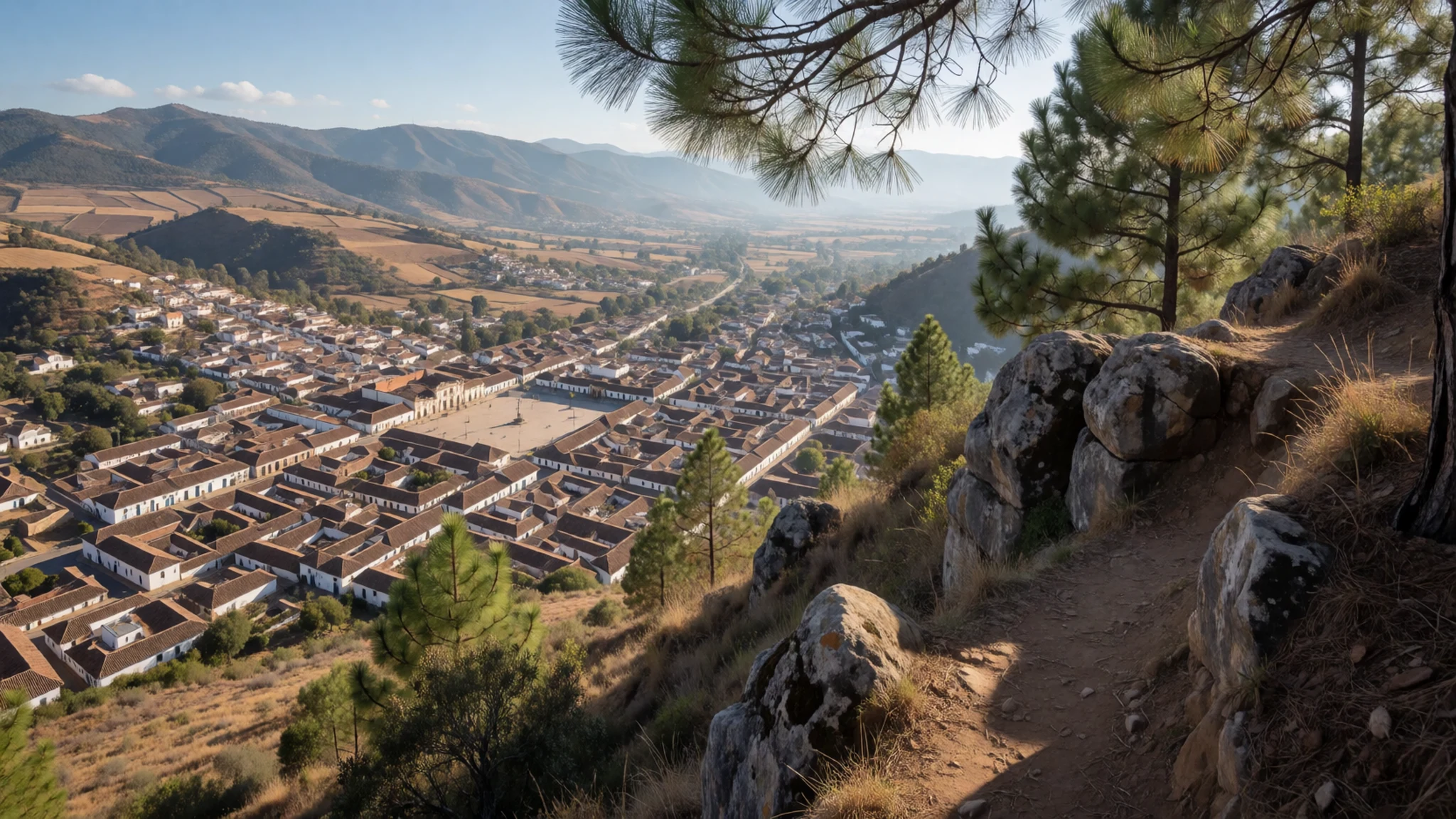
Culture
Villa de Leyva keeps a calendar of festivals that shows how the town spends its year. A gastronomic festival takes place in November, a jazz festival in July, and an international kite-flying festival in August. The onion beauty pageant in October is a local favourite, and the Festival of Lights arrives in early December. Musical, painting and theatre events run through much of the year. Restaurants on the plaza often host live bands, and the storytellers who perform in the square on a weekly basis are part of the town's everyday life. Cycling is a popular way to see the town and its outskirts, and many residents are used to visitors on bicycles and horses. Church life is still active, so services and processions take precedence in the older churches. When visiting the colonial churches and the monastery, keep voices low, dress modestly, and ask before photographing people at prayer or the storytellers at work.
What to wear
Traditional dress in the Boyacá highlands is practical and built for cold, wind and long days on the land. The best-known garment is the ruana, a thick woven woollen cloak worn over the shoulders and fastened at the front, which is common across the Andean highlands. Wool and cotton are the main textiles, with earthy, dark and muted colours. Campesino men traditionally wore wide-brimmed hats and sturdy trousers, and women wore full skirts and shawls. Today, many people in the town wear jeans, jackets and trainers, and the ruana is still a common sight on cold mornings and in the countryside. Visitors should dress in layers. Days in the valley can be warm and bright, but evenings are cool at this altitude, so a light jacket or a ruana from a market stall is useful. Modest clothing is appreciated when visiting churches, and sturdy shoes with good grip suit the cobbled streets and the steep path up the hill.
What to eat
- Gallina criolla — Lunch restaurants in the town centre, especially the ones serving set menus
A local free-range hen, simmered slowly until the meat is tender and the broth is rich. It is the dish most often named as typical of the town and is usually served with rice and potatoes. The meat is often soft enough to pull from the bone with a spoon, making it a satisfying midday meal.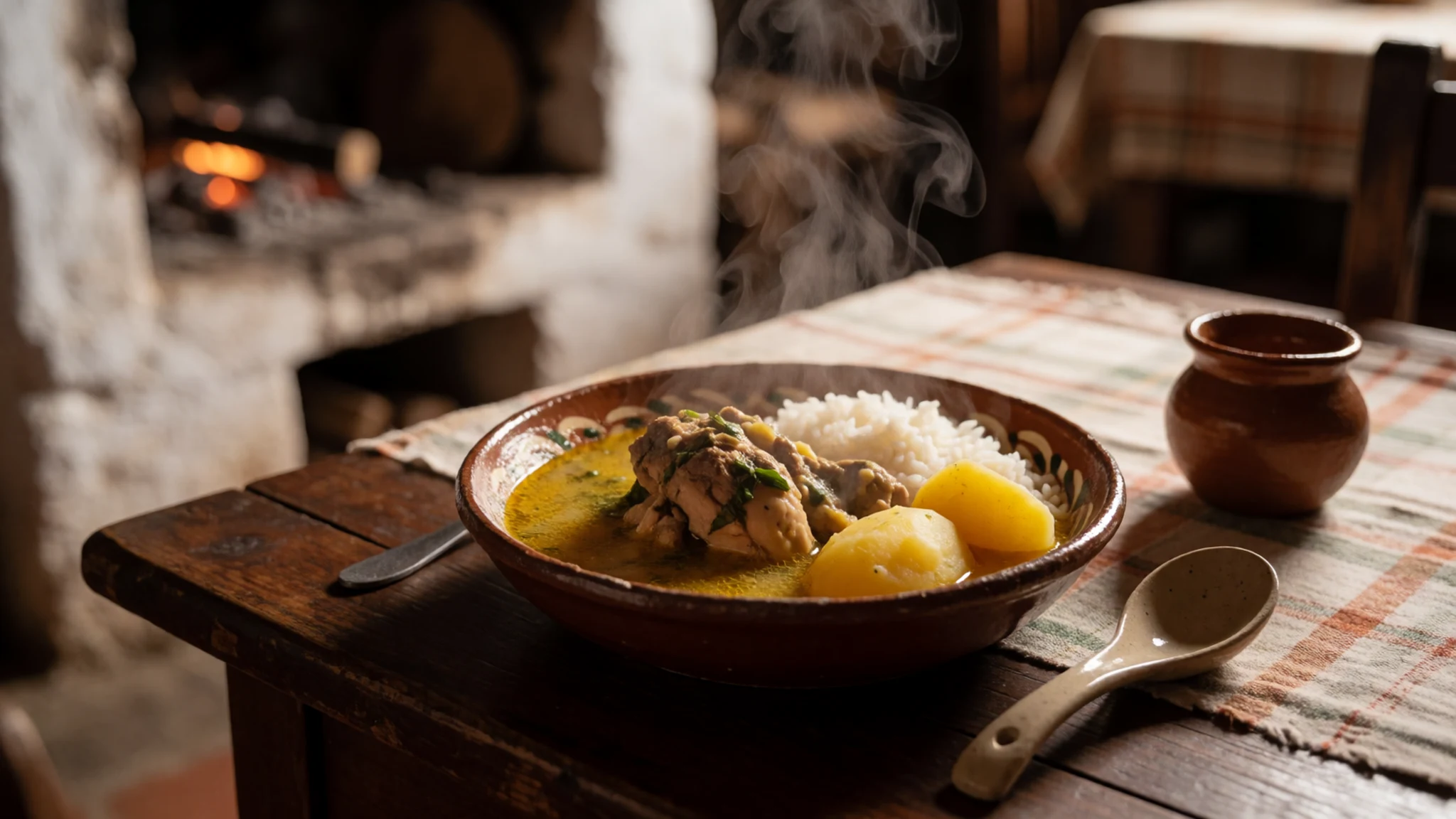
- Almuerzo — Family-run eateries away from the plaza, where the locals eat at lunchtime
The daily set lunch is a three-course meal of soup, a main dish of chicken or meat, and a fruit juice. It is good value and a local habit, with the meal eaten at a steady, unhurried pace. Some of these restaurants also open for breakfast.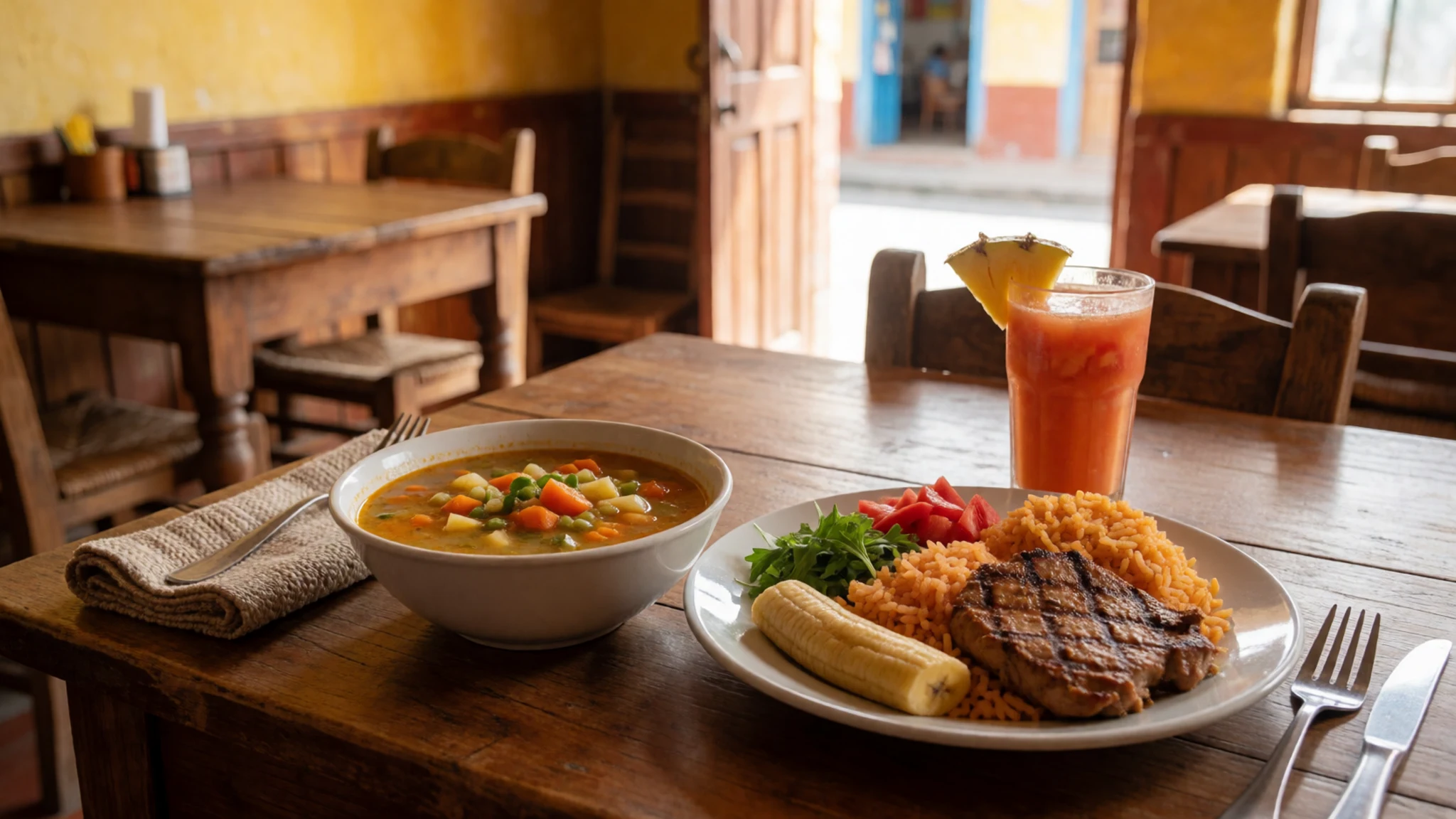
- French-style bread and pastries — A bakery in the town centre, popular with morning walkers
Fresh loaves and sweet pastries from a bakery that has become a morning stop for many visitors. The bread is good for a simple breakfast, and the pastries are a fine snack for the walk around town. Arrive early, because the best items can sell out. - Colombian coffee — Small coffee bars around the plaza and side streets
Coffee made entirely from Colombian beans and brewed with care at small cafés. Many owners enjoy chatting with customers, so it is a good place to ask about the town. The coffee is strong, aromatic and suited to a slow morning. - Cakes with tea — Tea rooms and cafés on the cobbled side streets
Tea and cake are a popular afternoon pause, with sponge cakes, tarts and sweet pastries served in quiet rooms. Cafés on the cobbled side streets are an easy place to rest between museums. They suit a slow afternoon better than a full meal.
Plan it
Best time. January and February are the driest months in the valley, with December close behind, so expect bright days and cool nights. Midday sun is strong at this altitude, so pack a hat and sunscreen. Weekends and holidays bring the heaviest crowds.
How long. 2–3
Getting there. Fly into Bogotá, then take a long-distance coach north over the mountains to Villa de Leyva. From Tunja, frequent minibuses cover the last stretch in about an hour, and vans run from Chiquinquirá.
Budget. low
Tips
- Travel midweek if you can, because fares and crowds rise on weekends and holidays
- Walk the cobbles early in the morning before the day-trip groups arrive
- Carry cash for small restaurants, bakeries and market stalls
- Book day trips through the agencies along the main road by the bus terminal
- Pack layers, as days are warm and evenings cool at altitude
Etiquette
- Keep your voice down in churches and the monastery
- Ask before photographing people, especially the storytellers and market vendors
- Queue politely at bakeries and at the minibus stops
Nearby
Sources
- Wikidata Q1409503 (CC0)
- Wikipedia: Villa de Leyva (rev 1378338275) (CC BY-SA 4.0)
- Wikivoyage: Villa de Leyva (rev 5357805) (CC BY-SA 4.0)
- Photo 01: Villa de Leyva in 2025 (Public domain)
- Photo 02: Villa de Leyva Boyacá 22 (CC BY 3.0)
- Photo 03: La Mesopotamia (CC BY-SA 4.0)
- Photo 04: Sculpture of Madonna and Child, Villa de Leyva (CC BY 3.0)
- Photo 05: Cristo con brazos extendidos (CC BY 3.0)
- Photo 06: Iglesia de Nuestra Señora del Rosario (CC BY 2.5)
- Photo 07: Iglesia del Carmen, Villa de Leyva (CC BY-SA 2.5)
- Photo 08: Iglesia del Hospital de Villa de Leyva (Public domain)


