Villa d'Este
Villa d'Este, Italy
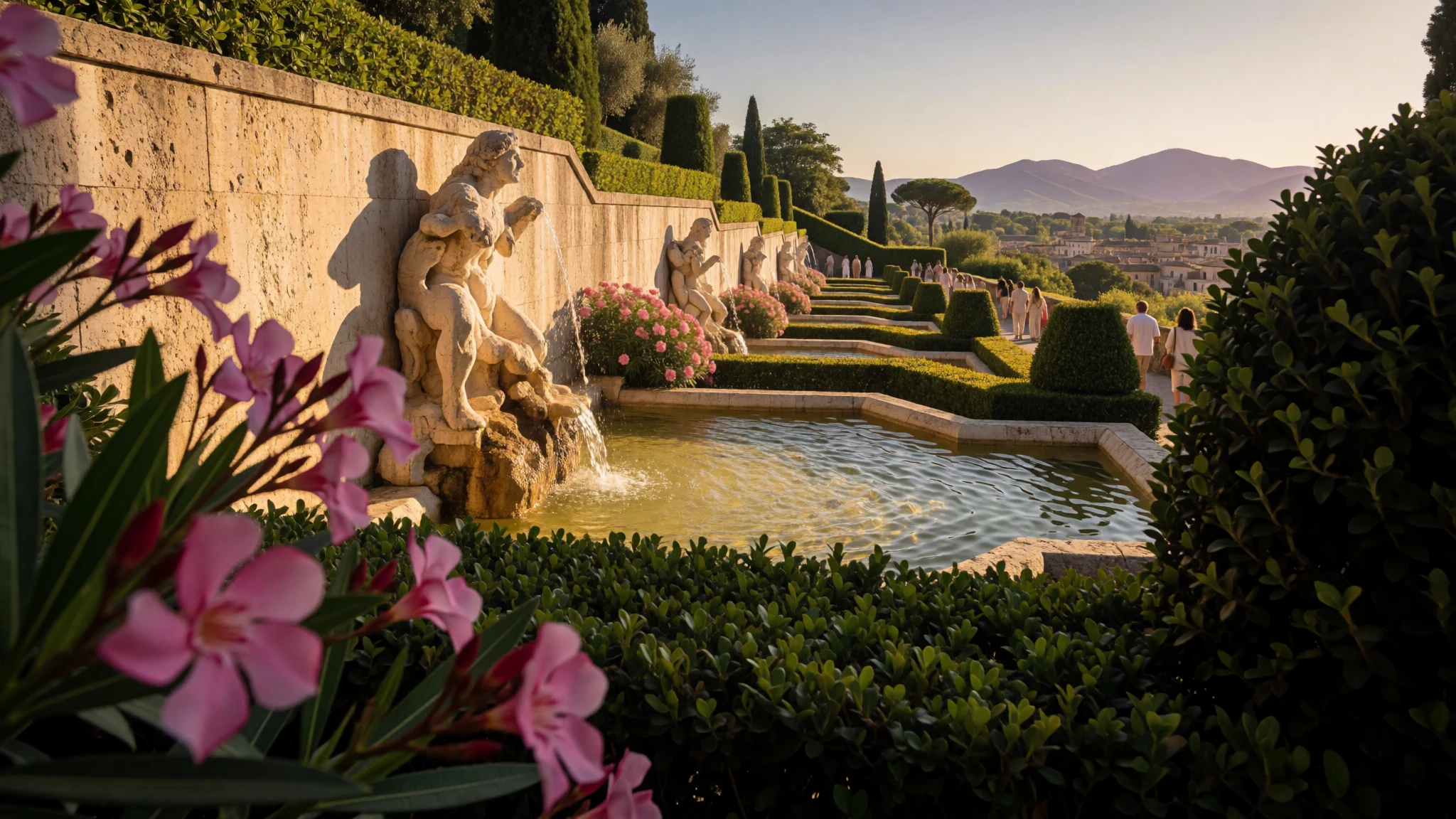
Villa d'Este is a terraced 16th-century garden where water, stone and perspective are choreographed into something you walk through.
The place
Villa d'Este sits in Tivoli, near Rome, as a 16th-century villa shaped as much by water and landscaping as by architecture. The setting does half the work: the gardens climb a hillside, so the villa’s ideas can unfold in layers. As you move along the terraces, fountains and ornamental basins keep turning the slope into a sequence—views open, then narrow again, and you feel how planned geometry can still look lively.
What people usually come for is the garden itself: an Italian Renaissance “giardino all’italiana” approach that treats the landscape like a stage set. Walkways, viewpoints and enclosed spaces are stitched together so you experience the design from different angles. Ceilings and interiors also get their moment—especially frescoed areas—but the overall impression stays outdoors and hillside-focused.
Practical note: Villa d'Este is popular, and because most of your time is spent outside on terraces and steps, the crowd rhythm matters. In busy periods you can end up queueing for the best angles, then rushing onward when the path tightens. In quieter stretches, it’s easier to pause and watch how water behaves in the different “rooms” of the garden.
Today the site functions as an Italian state museum and it’s recognised by UNESCO as a World Heritage Site (since 2001). If you’re visiting from Rome, it’s one of those places where a few good hours—or a well-timed half day—can feel like a full itinerary, especially when you plan around heat and crowds.
Its story
Villa d'Este was commissioned by Cardinal Ippolito II d'Este, a member of the Este family that ruled Ferrara and were known for patronage of the arts and Renaissance scholars. Ippolito’s biography helps explain the villa’s taste: he moved through church and court life, collected influence, and leaned into culture as a kind of power.
He was born into privilege—Alfonso I d'Este was his father—and he was set on a church career early. Even as a child, he received a major appointment in Milan, and later he travelled into French political circles. By 1540 he was part of the French King’s private council, and over time he became one of the wealthiest cardinals. That wealth mattered because it financed big artistic projects and attracted the kind of collaborators Renaissance Rome was full of: artists, musicians and writers.
His drive for influence also ran alongside the politics of papal selection. He pursued the idea of becoming Pope multiple times, but the shifting religious and political climate of the era repeatedly changed the outcome. In the meantime, he gained a governorship connected to Tivoli, and that jurisdiction brought him closer to the site landscape—including areas tied to older Roman remains.
Tivoli itself had long been valued as a summer refuge in ancient times, reportedly because the elevation and cooler conditions offered relief from the lowland heat, while it stayed close to other Roman sites. So Villa d'Este lands in a place already associated with seasonal escape—and turns that idea into something architectural, where water and terraces become a long, walkable experience.
What to see
- Villa d'Este (UNESCO-listed terraced gardens) — Tivoli
The main act is the hillside garden: terraced paths, carefully framed views and a water display that moves through the design as you climb and turn. Look for how each level changes the sightlines—one viewpoint feels like a courtyard, the next like a long corridor.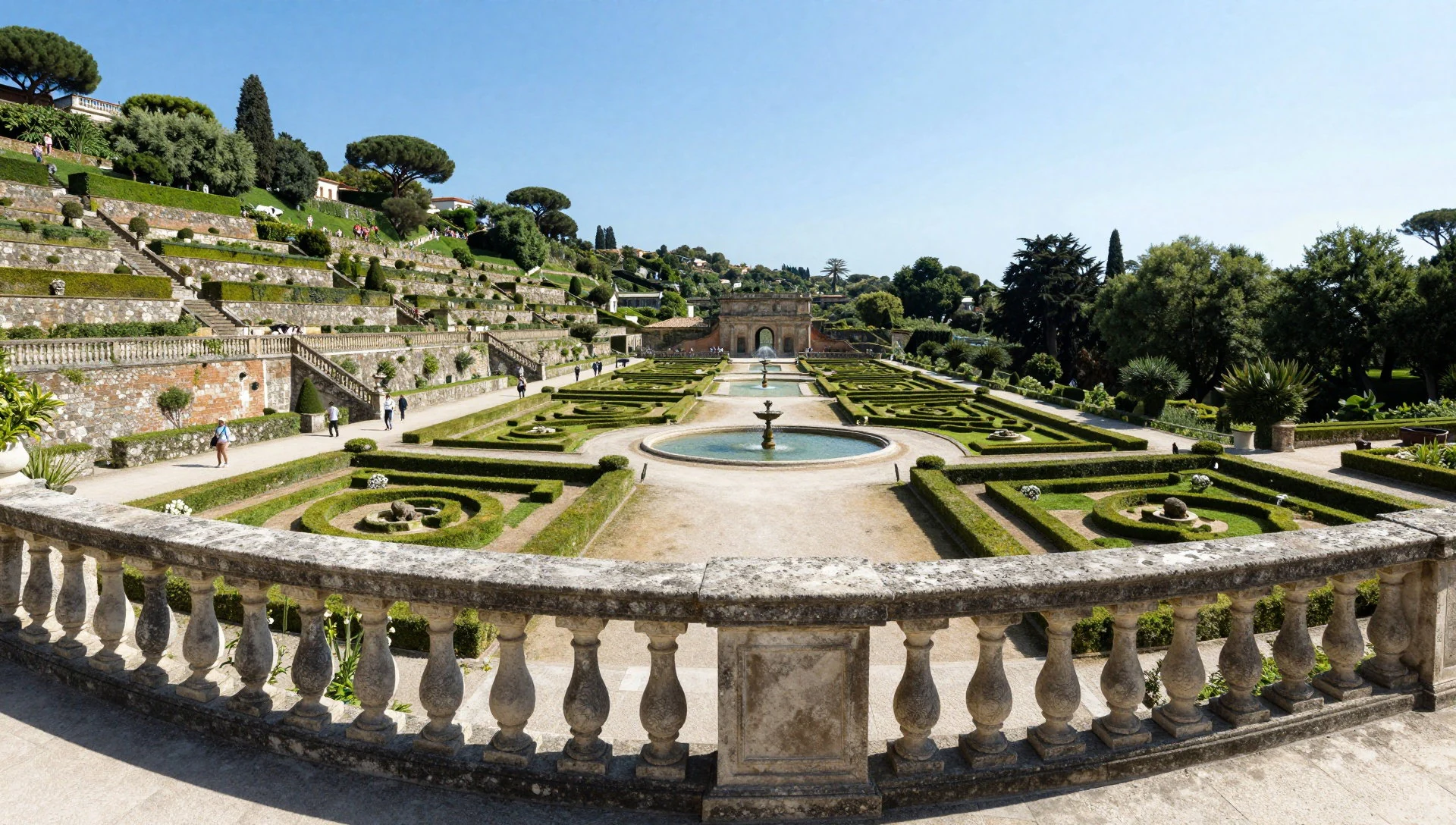
- Villa Adriana (Hadrian’s villa) — Tivoli (near Villa Hadriana area)
Villa Adriana is the big historical neighbour in Tivoli, linked to Emperor Hadrian’s country retreat. It’s an easy add-on if you like Roman archaeology, and it helps you understand why Tivoli became a summer base in the first place.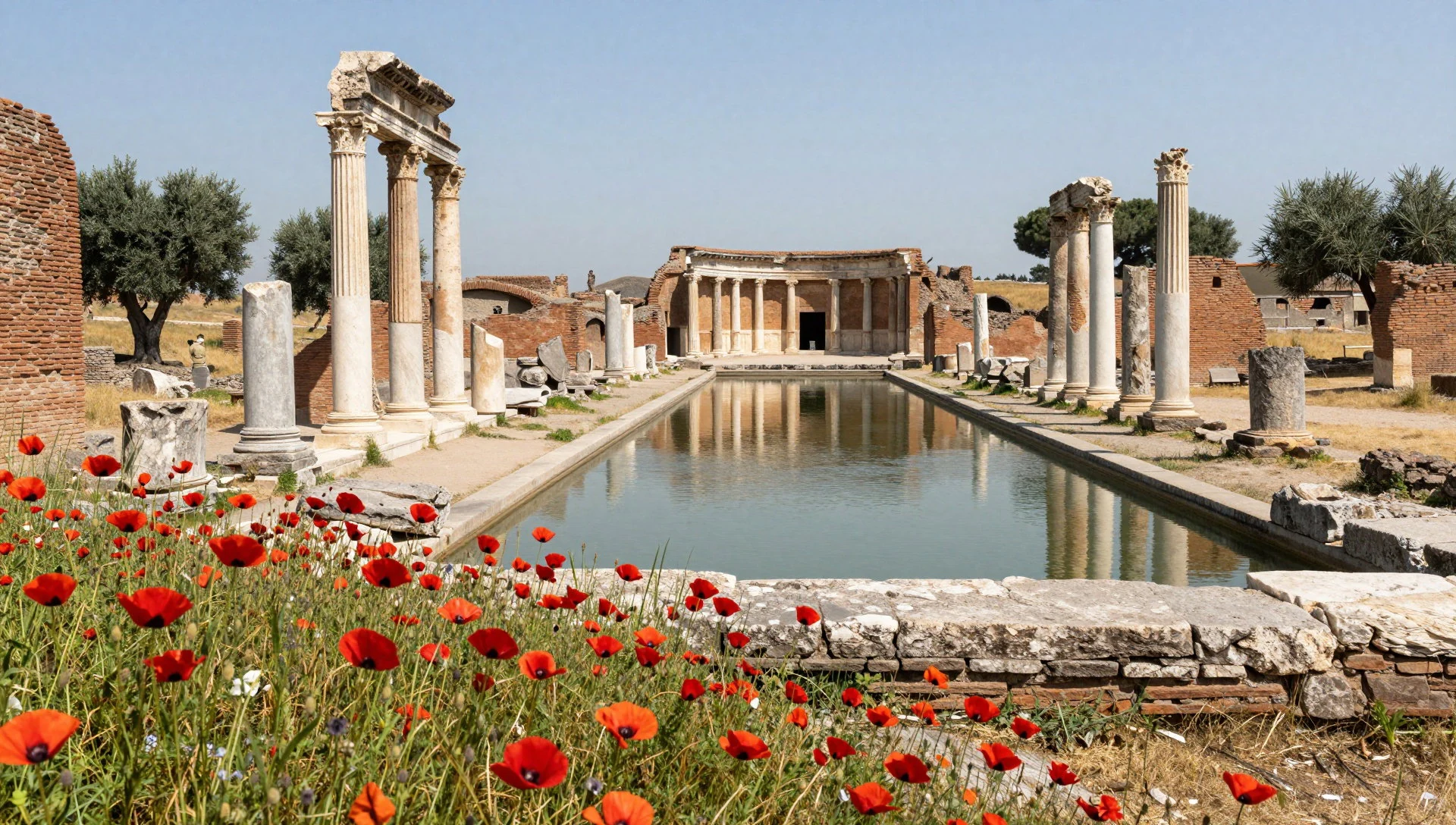
- Villa Gregoriana (waterfalls gorge) — Tivoli (Roman acropolis foot area)
Villa Gregoriana sits in a gorge setting associated with waterfalls of the Aniene. It’s a different mood from the formal garden: think natural rock, water movement and walkways that follow the terrain rather than impose straight lines.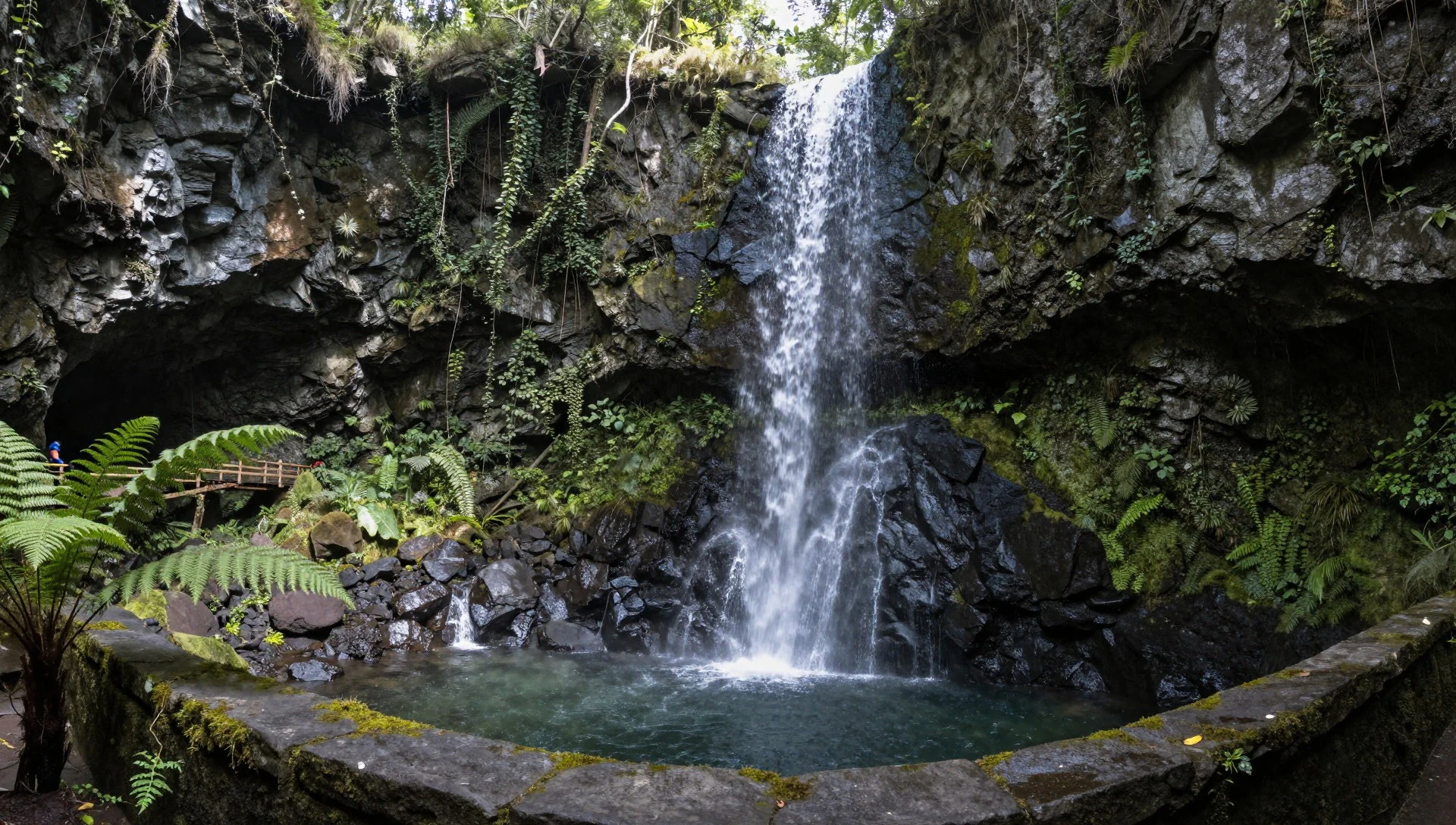
- Garden viewpoints and water features — Villa d'Este terraces
Even if you don’t memorise names, you’ll notice repeating design moves: symmetry, terraces that ‘edit’ the view, and water set in architectural frames. Slow down at mid-terrace pauses—crowds often surge at entrances, but thin out on quieter steps.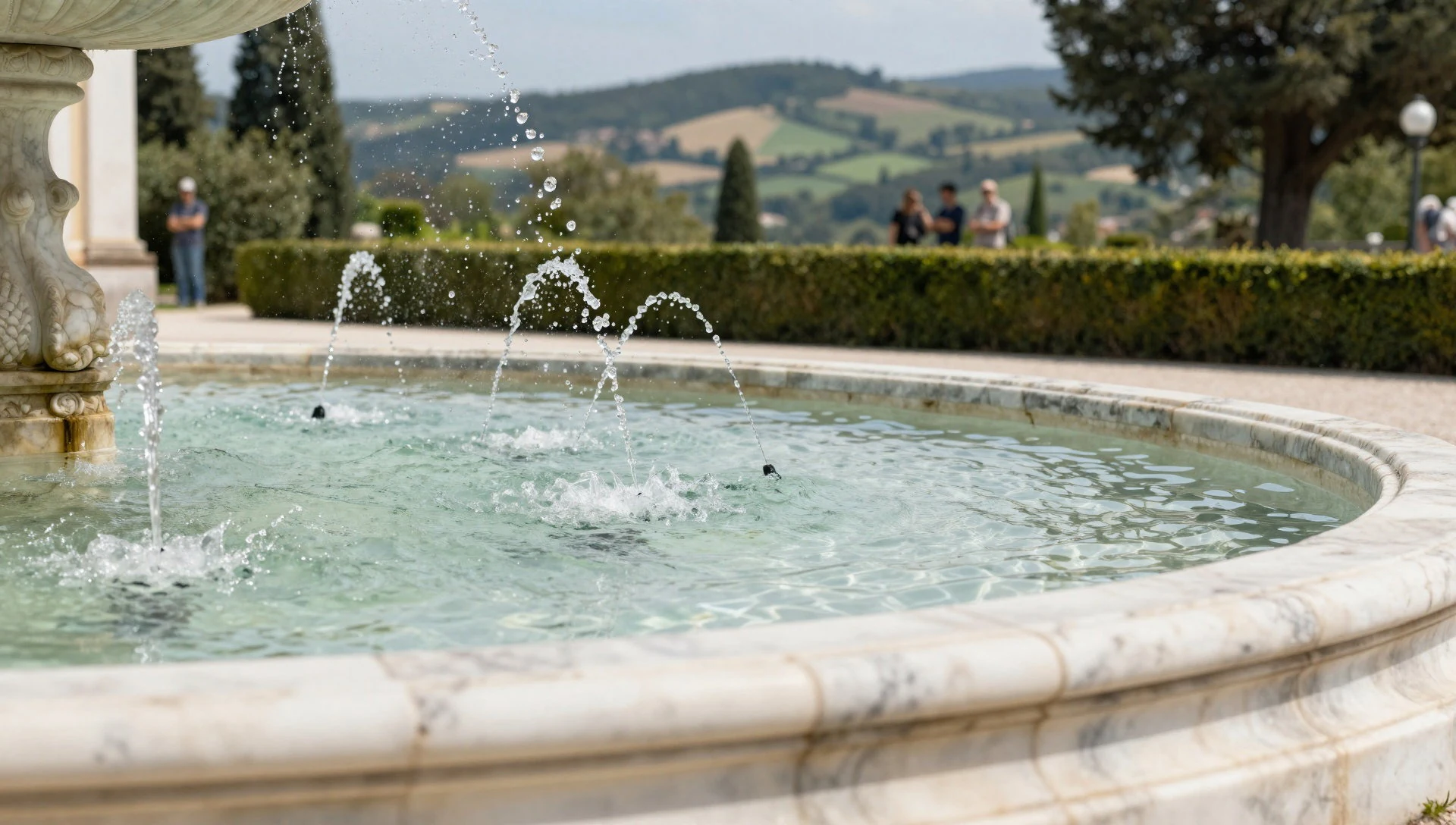
- The entrance and courtyard feel — Villa d'Este entry area
Arriving at Villa d'Este is part of the experience: the transition from Tivoli’s streets into the villa grounds helps you ‘reset’ your pace. Start by walking the first stretch slowly, because it sets your orientation for the slopes that follow.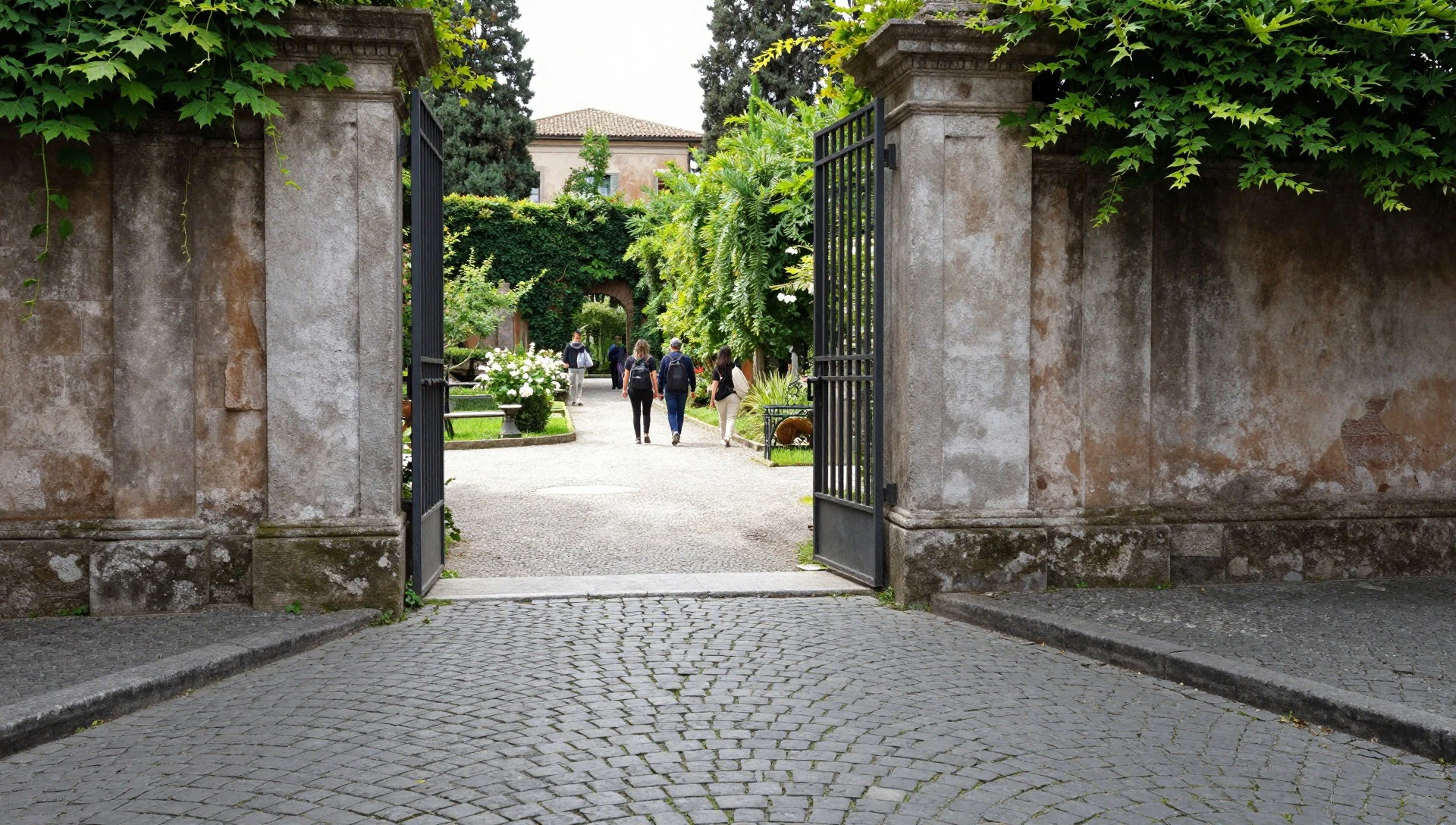
Culture
Villa d'Este is an Italian state museum in Tivoli, and it still feels like a courtly garden—busy in the wrong moments, quietly impressive in the right ones. You’ll be walking on terraces with steps and changes in level, so expect a mix of tour groups and independent visitors. If it’s warm, people tend to slow down by shaded corners and fountain edges, which is exactly when queues can form for the best photo spots.
Inside parts of the villa, the atmosphere shifts: keep voices down and resist lingering in doorways. Outdoors, the site’s rhythm is visual—moving water, long sightlines and seating-free viewing points—so try to pause without blocking narrow paths where others are trying to pass.
Dress sensibly for a garden that includes lots of steps. In summer, the sun can be relentless and the stone surfaces hold heat; in cooler months, it can feel windy on open terrace edges even when the town centre looks calm. Bring water and plan for longer-than-expected pauses at viewpoints, because the garden is designed for repeat looking.
Visitor etiquette: keep to marked walkways, avoid stopping in the narrowest passages, and don’t block access while taking photos of other visitors.
What to wear
Villa d'Este’s setting in Tivoli is all about the outdoors—so your clothing should make stepping and standing comfortable on terraces. There isn’t a single “traditional” requirement on site for visitors, but the mood of the place is Renaissance-formal, so you’ll see more tasteful outfits than you would at a beach.
Italian regional dress isn’t the daily expectation here; instead, what you’ll notice most is everyday wear: lightweight tops, breathable trousers or skirts, and comfortable shoes. Many visitors dress modestly by default—shoulders covered where needed for interior spaces, and less-revealing outfits for moving through gardens.
What to wear as a visitor: comfortable walking shoes with decent grip (terrace steps can be slippery if damp), a layer for shade or breeze, and something to protect from sun—hat or sunglasses. If you’re visiting in colder months, bring a warm jacket because terraces can feel exposed. For interiors, a light layer helps if temperatures drop, and it’s a good idea to carry a cover-up if you’re wearing a very sleeveless outfit. Overall, prioritise mobility over fashion: you’ll enjoy the garden more when your feet aren’t the limiting factor.
What to eat
- Espresso and pastries — Tivoli town centre cafés
Grab a quick espresso and a small pastry between garden sections. In Tivoli, this is easy to do around the town centre and side streets—ideal for a short break without adding time to your schedule.
- Gelato — Main areas of Tivoli
Gelato is a straightforward cooling option when the garden sun is strong. Look for a gelateria near the main pedestrian areas in Tivoli, and keep it as a snack rather than a long stop so you don’t fall behind on the terraces.
- Roman-style street snacks — Around Tivoli transport connections
You’ll find simple bites that fit a day trip: savoury baked snacks and quick sandwiches around bus and train arrival points. It’s the kind of food you can eat standing, then move on without slowing your route. - Local lunch in a casual trattoria — Casual trattorias in Tivoli
After the formal garden, plan a relaxed sit-down meal in Tivoli. The best strategy is to choose a local eatery near where you’re already walking, so you don’t waste time crossing town. - Gelato or coffee during siesta hours — Cafés in Tivoli
If you’re there during the mid-afternoon lull, cafés are often the easiest option. Some spots can stay open even when full meals pause, so plan for a coffee-and-something light rather than a big lunch.
Plan it
Best time. May to September is the warmest stretch, while October and November bring the wettest periods; for the most comfortable temperatures, aim for April and May, when conditions are mild and rainfall is lower. In summer, plan carefully because the outdoors can feel hot and crowded around peak touring hours.
How long. 3–4
Getting there. By train from Roma Tiburtina, then a short onward leg to Tivoli. Buses also connect Tivoli from the Ponte Mammolo metro area in Rome; one route stops near Hadrian’s villa. If driving from Rome, take Via Tiburtina, or the A24 route toward L'Aquila and exit for Tivoli, noting weekend congestion on the way back.
Budget. mid
Tips
- Start early in the day to catch quieter terrace time before tour groups build up.
- Bring water and a layer for terrace shade—stone and breeze can make conditions feel different as you move up and down.
- If you’re combining sights, pair Villa d'Este with either Villa Adriana or Villa Gregoriana so you’re not constantly changing terrain.
- Use the town as your base and keep logistics simple: most people day-trip, so plan your return transport first.
Etiquette
- Keep to walkways and avoid stopping in narrow passages where others need to pass.
- Be mindful near fountains and viewpoints—watch your footing and don’t crowd edges while others are trying to see.
- Treat indoor areas as museum space: keep voices down and follow any posted directions.
Nearby
Sources
- Wikidata Q746063 (CC0)
- Wikipedia (Villa d'Este) (CC BY-SA 4.0)
- Wikivoyage (Tivoli) (CC BY-SA 4.0)