Vilcabamba
Vilcabamba, Peru
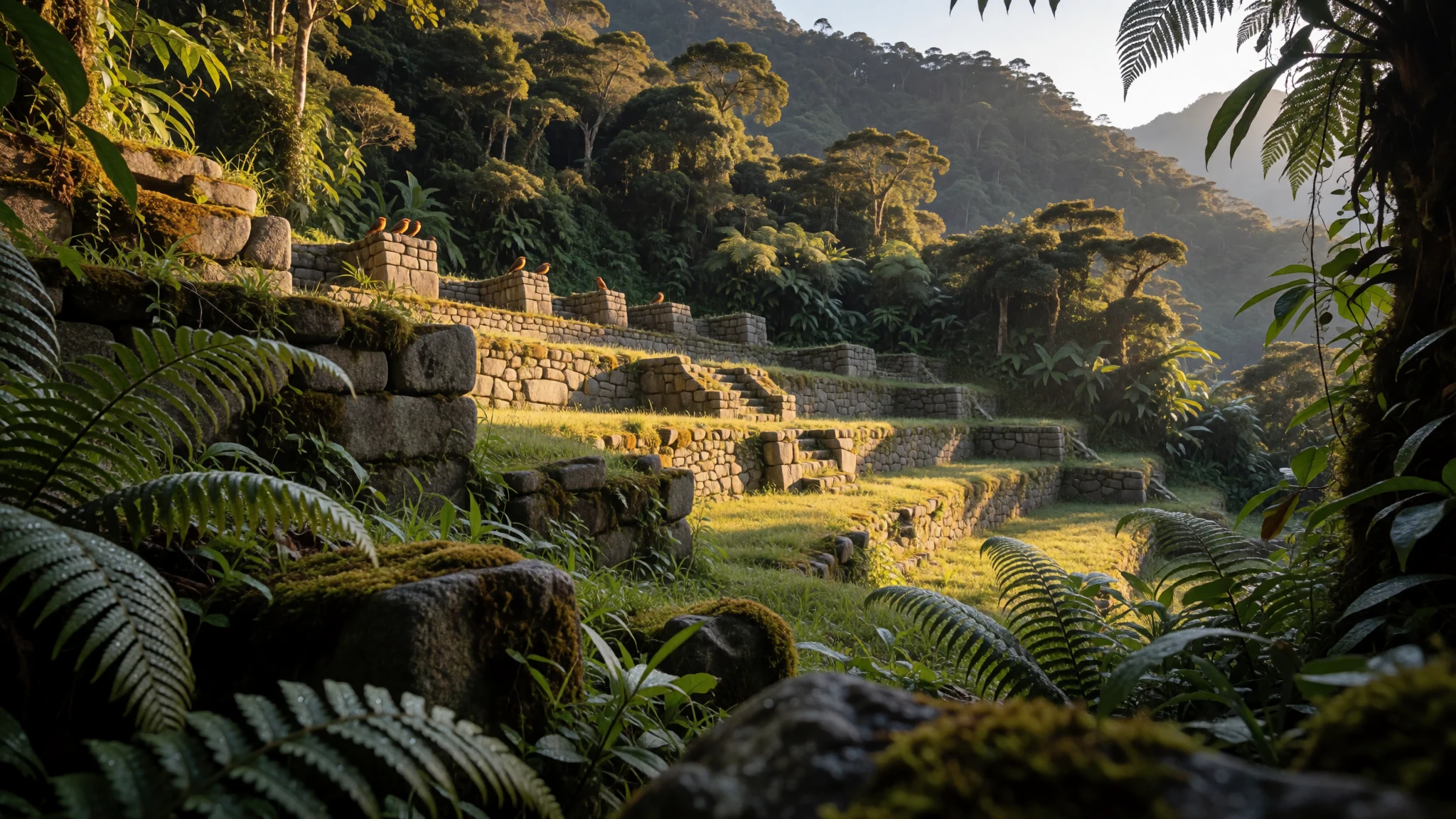
Vilcabamba offers intrepid travellers a journey into the rugged jungle depths to discover the legendary last refuge of the Inca Empire.
The place
Vilcabamba, known in local Aymara and Quechua as Willkapampa, translates to the sacred plain and represents one of the most compelling archaeological puzzles in South America. Situated in the Echarate District of La Convención Province within the Cuzco Region of Peru, this remote terrain occupies the north-eastern slopes of the Andes before sloping steeply down towards the vast expanse of the Amazon Basin. The region is exceptionally rugged, defined by soaring snow-covered mountains, thick forests, low-lying jungles, and rushing rivers carving through deep canyons. Because the geography is so forbidding, transportation has historically been remarkably difficult, creating a natural barrier that protected the fading empire from outsiders. Today, the actual ruins of Vilcabamba are identified at Espíritu Pampa, meaning the plain of the spirits, located near the Chontabamba River, which flows as a tributary into the wider Urubamba River. Travellers arriving here step away from the heavily trodden tourist paths found elsewhere in Peru and enter a landscape where nature slowly reclaims ancient stone foundations. The journey demands patience and respect for the environment, rewarding those who make the trek with a profound sense of isolation and historical depth. The environment remains wild and humid, enveloped by dense vegetation that hides countless archaeological secrets beneath a thick green canopy, leaving modern visitors with an enduring impression of a civilization that fought fiercely to preserve its sovereignty in the most demanding terrain imaginable.
Its story
Vilcabamba holds a storied place in history as the final capital of the Neo-Inca State, functioning as a desperate bastion of resistance from 1539 until its ultimate fall in 1572. Long before the Spanish arrived, the Incas had occupied the surrounding region from about 1450 onwards, establishing vital administrative and spiritual centres such as Machu Picchu, Choquequirao, Vitcos, and Vilcabamba itself. Following initial military successes against European forces, including Manco Inca Yupanqui securing a notable victory at the Battle of Ollantaytambo in January 1537, the Inca leadership realised their positions were too vulnerable to Spanish control centred around Cusco. Consequently, Manco retreated westward into the rugged interior to regroup at Vitcos. Despite relentless pursuits by Spanish commanders and numerous indigenous allies who sacked Vitcos later that year and launched subsequent raids in 1539 led by figures like Gonzalo Pizarro, the Inca leaders maintained their defiant independence deeper within the jungle fastness of Vilcabamba for decades. When the final resistance was finally crushed in 1572, the victorious forces abandoned the capital, and its precise location slipped into obscurity for centuries. Explorers spent generations searching for the fabled settlement; notably, Hiram Bingham mistakenly identified Machu Picchu as Vilcabamba in 1911 while also visiting the ruins at Espíritu Pampa. It was not until 1964 that researcher Gene Savoy conclusively identified Espíritu Pampa as the true historical Vilcabamba, an identification now widely accepted by historians and archaeologists worldwide.
What to see
- Espíritu Pampa Archaeological Site — La Convención Province jungle lowlands
Wander through the overgrown stone foundations and moss-draped ruins of Espíritu Pampa, where ancient Inca and Wari architecture slowly yields to the relentless advance of the surrounding jungle canopy.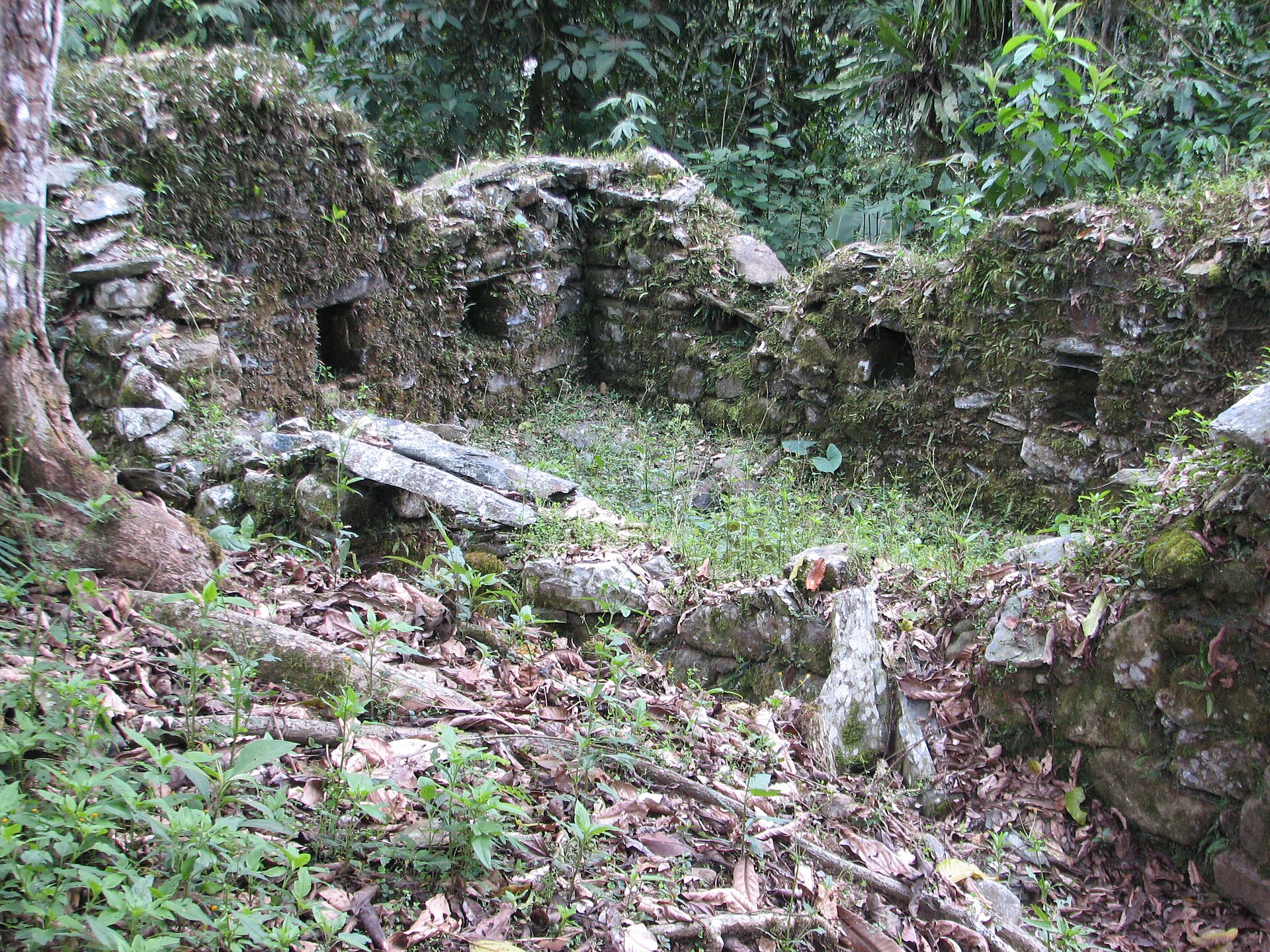
- Wari Sector — Espíritu Pampa archaeological complex
Examine the distinct architectural markers of the pre-Inca Wari culture within the archaeological complex, showcasing advanced masonry techniques that predate the final imperial occupation of the remote valley.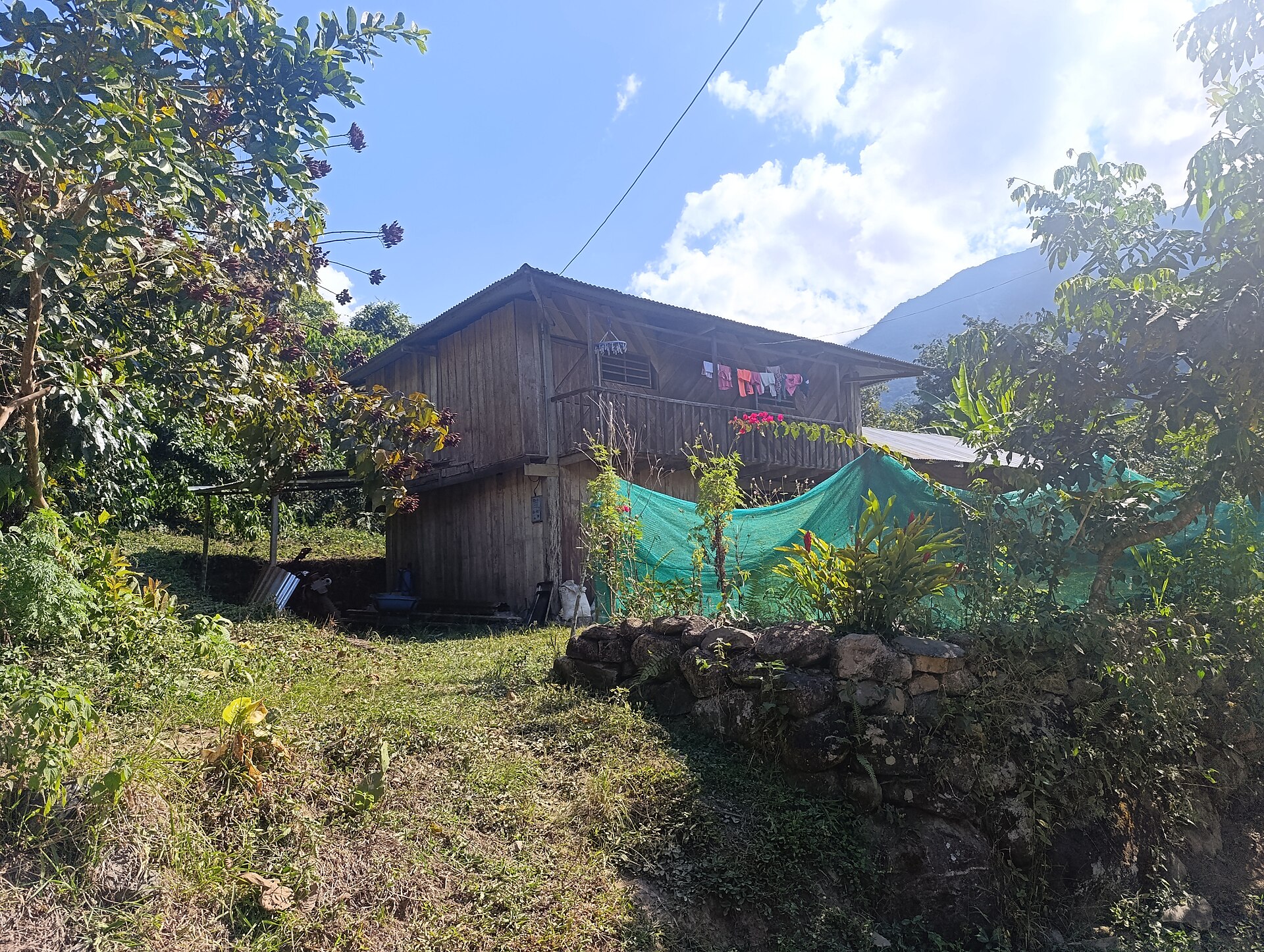
- Inca Sector — Espíritu Pampa administrative core
Inspect the refined stone terraces and residential quarters built by the last defiant rulers of the empire, offering a tangible connection to the final days of indigenous sovereignty in Peru.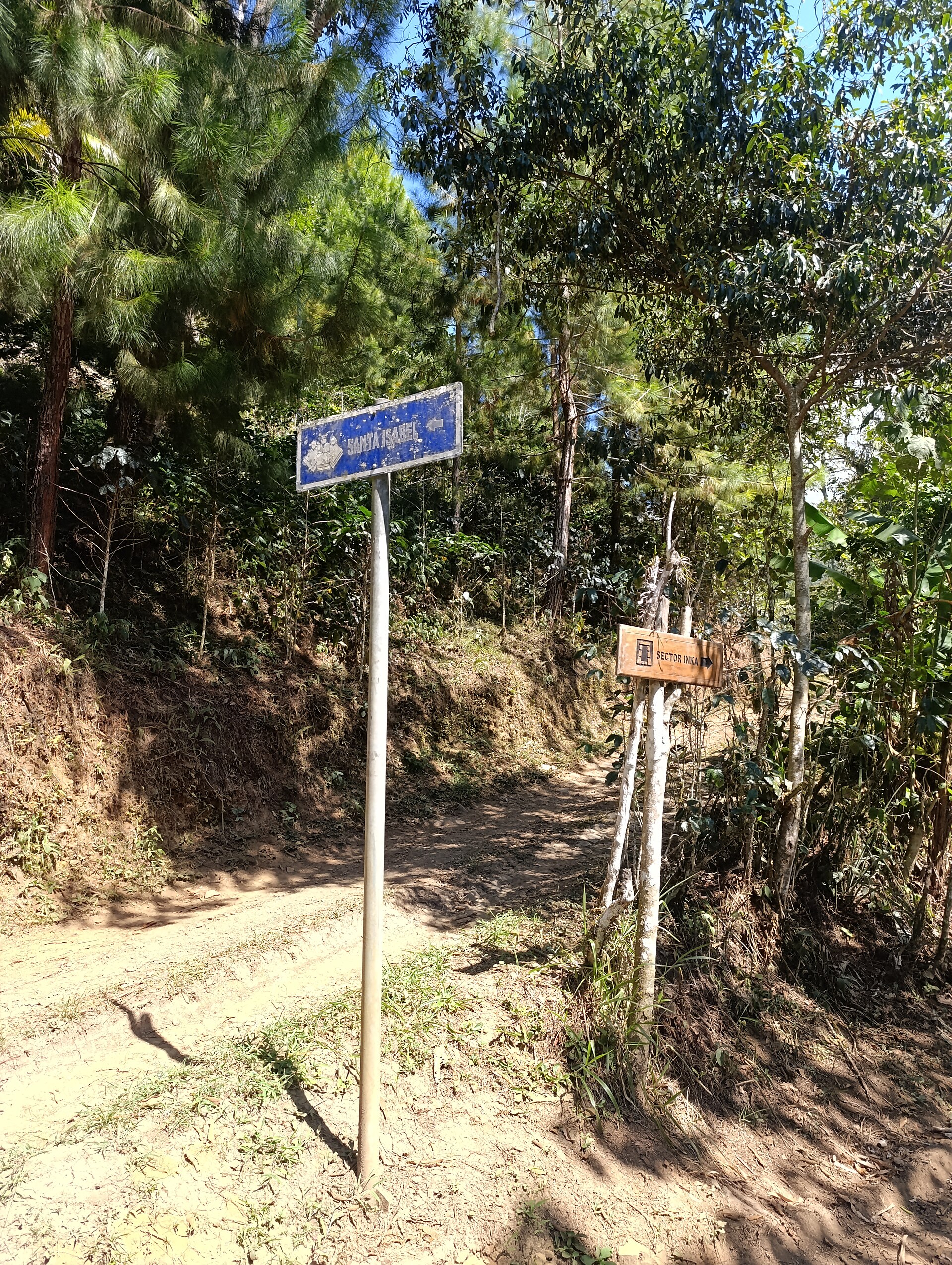
- Chontabamba River Valley — Echarate District river basin
Follow the winding tracks alongside the Chontabamba River, a vital tributary of the Urubamba River that cuts through dense vegetation, steep canyons, and remote wilderness areas in the northern Andes.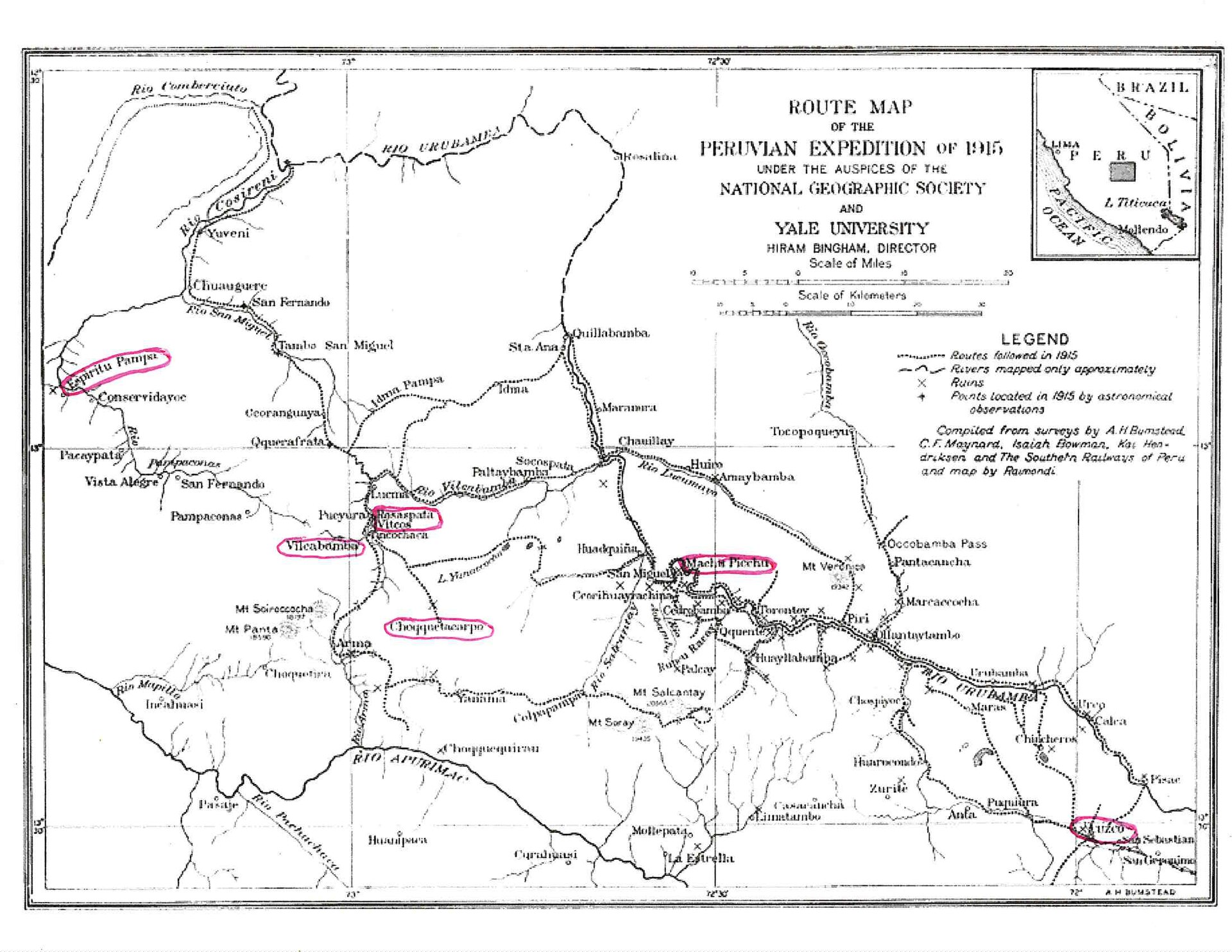
- La Convención Mountain Slopes — La Convención highlands border
Take in the dramatic vistas across the north-eastern slopes of the Andean mountain range as they descend towards the humid lowlands of the Amazon Basin, defining the frontier of the region.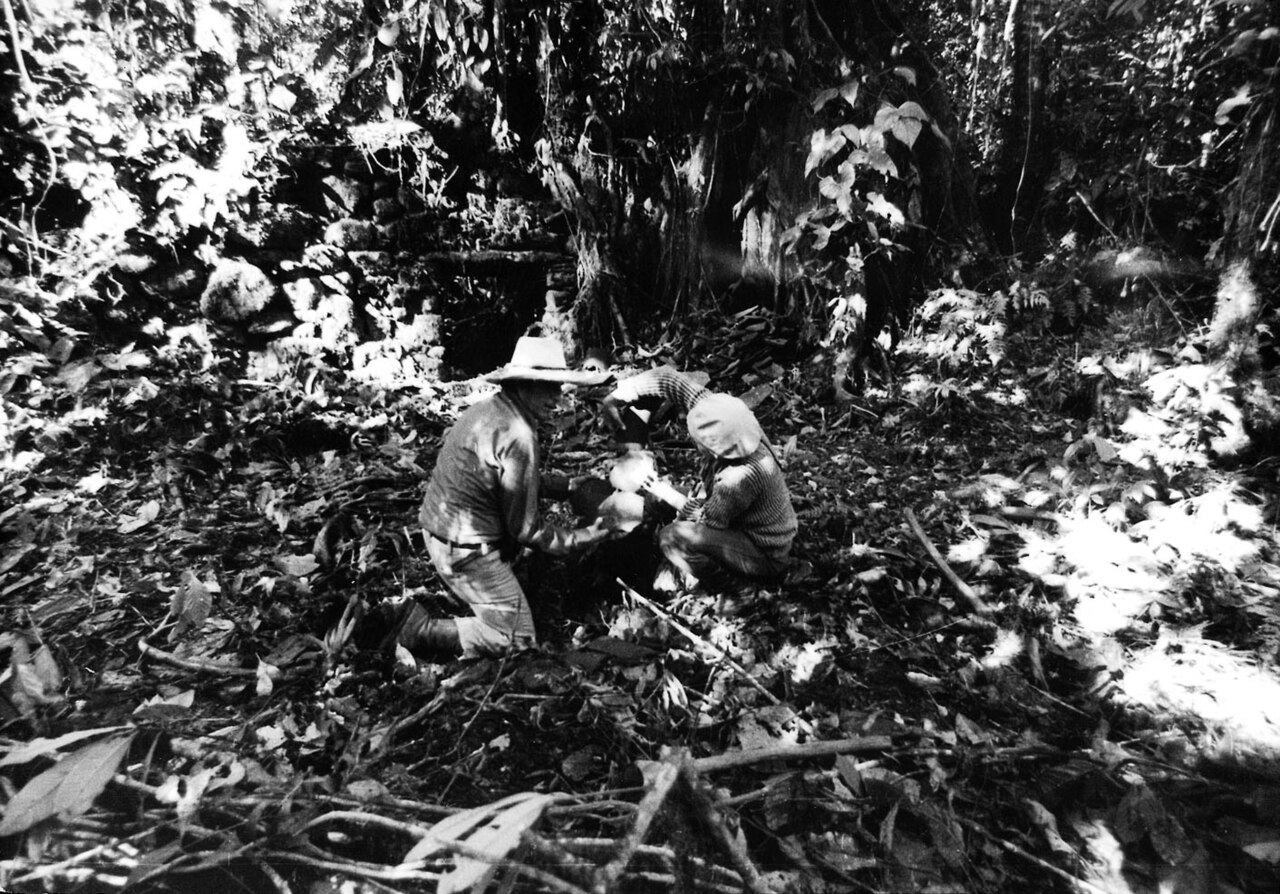
Culture
Vilcabamba and the surrounding La Convención province reflect a rich tapestry of Andean and Amazonian traditions where cultural identity remains deeply tied to the land. When conversing with locals, visitors should be mindful of historical terminology; using the word indio is considered offensive due to its association with colonial conquest, whereas el indígena or la indígena is the appropriate respectful term. Similarly, words like cholo, chola, or cholita should be used with extreme caution by outsiders, as they can carry derogatory connotations unless used affectionately within established local families. Travellers will frequently encounter the traditional practice of chewing coca leaves, particularly among rural communities. This custom possesses profound social and ritual significance throughout the highlands and should be viewed with respect as an integral pillar of local heritage rather than misconstrued. When visiting remote Andean and jungle communities in Vilcabamba, always ask for permission before taking photographs of local residents and elders.
What to wear
Traditional dress across the Peruvian highlands and the fringes of the Amazon combines utilitarian woollen textiles with centuries-old weaving techniques passed down through generations. Brightly patterned blankets, woven ponchos, and traditional hats are often crafted to withstand the biting chill of the high mountain winds and the humid downpours of the jungle valleys. In daily life around Vilcabamba, local residents primarily wear practical, modern garments suited for agricultural work and navigating rugged terrain, such as sturdy trousers, durable shirts, and rubber boots. For visitors exploring Vilcabamba, the shifting environment dictates a functional wardrobe. Travellers need lightweight, breathable, and quick-drying clothing to cope with intense jungle humidity and frequent rain, alongside warm layers for cooler evenings in the higher altitude sectors. Sturdy, waterproof hiking boots with reliable ankle support are essential for traversing muddy jungle trails and uneven stone pathways. A wide-brimmed hat, effective insect repellent, and a robust waterproof shell jacket are indispensable items for anyone planning to venture into this remote corner of the Peruvian interior.
What to eat
- Platos Criollos — Traditional family-run restaurants and neighbourhood eateries
Sample these diverse Creole dishes in local eateries across the Cuzco region, representing a flavorful historical blend of Amerindian, Spanish, African, and Asian culinary influences that showcase Peru's rich cultural heritage. - Sierra Corn and Potatoes — Local markets and mountain village kitchens
Taste foundational Andean crops served widely in highland settlements, where native varieties of corn and potatoes form the starchy heart of almost every traditional meal enjoyed after a long trek. - Jungle Yuca — Amazonian riverside food stalls and community kitchens
Try boiled or fried yuca root, which serves as the primary staple carbohydrate across the humid Amazon basin districts, accompanying hearty stews and freshly caught river fish in remote outposts. - Pollo a la Brasa — Popular roadside pollerías and town eateries
Enjoy Peru's ubiquitous spit-roasted chicken seasoned with aromatic spices, typically served alongside crispy french fries and fresh salads in casual family dining establishments throughout towns and regional hubs. - Andean Stews with Rice — Traditional market dining halls and local fondas
Savour hearty meat dishes prepared with chicken, beef, or pork simmered with local spices and served generously alongside fluffy white rice, providing essential energy for travellers exploring rugged mountain trails.
Plan it
Best time. May to September offers the driest weather conditions, making jungle trails and ancient stone ruins significantly more accessible than during the heavy rains.
How long. 3–4
Getting there. Fly into Cuzco, then arrange local transport or guided four-wheel drive expeditions navigating the rugged mountain roads towards the La Convención province and the Echarate district.
Budget. mid
Tips
- Hire an experienced local guide familiar with remote jungle tracks
- Pack robust insect repellent and reliable waterproof gear
- Carry sufficient cash, as card payment facilities are unavailable
- Bring sturdy, waterproof hiking boots with strong grip
- Stock up on bottled water and purification tablets before departing
Etiquette
- Accept the local custom of chewing coca leaves as a cultural practice
- Always ask permission before photographing local residents
- Use respectful terminology such as indígena instead of colonial-era slurs
Nearby
Sources
- Wikidata Q827432 (CC0)
- Wikipedia (CC BY-SA 4.0)
- Wikivoyage (CC BY-SA 4.0)
- Espiritu Pampa Archaeological site (overgrown house) (CC BY-SA 2.5)
- Bingham's Vilcabamba 1915 (Public domain)
- Vilcabamba 01 (Public domain)
- Entrada Espiritu pampa - Sector Wari, 2025 (23) (CC BY-SA 4.0)
- Espiritu pampa - Sector Inka, 2025 (01) (CC BY-SA 4.0)
- Espiritu pampa - Sector Inka, 2025 (02) (CC BY-SA 4.0)
- Espiritu pampa - Sector Inka, 2025 (03) (CC BY-SA 4.0)
- Espiritu pampa - Sector Inka, 2025 (04) (CC BY-SA 4.0)


