Vigan
Vigan, Philippines
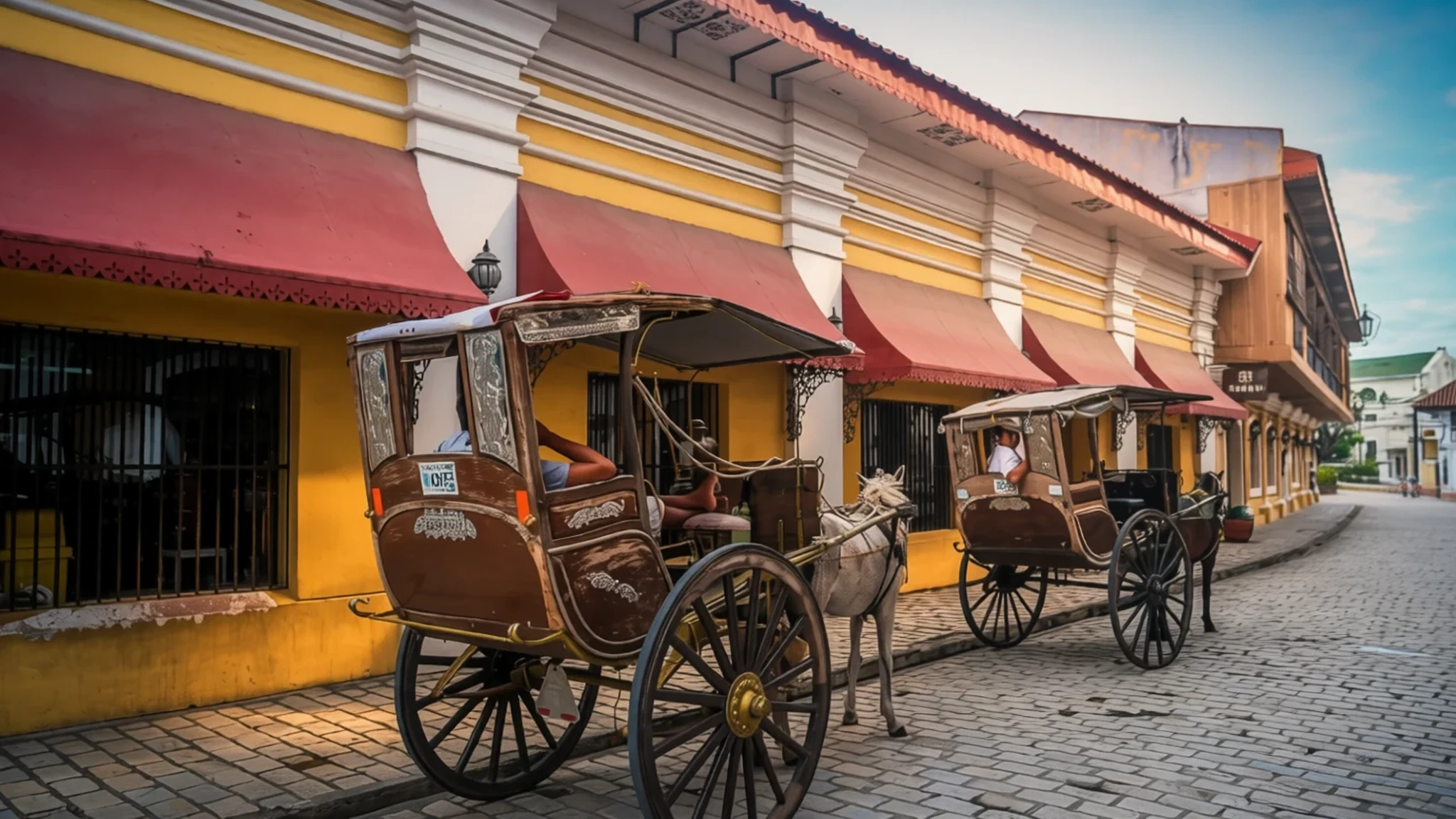
Vigan's stone-and-timber streets are one of the few intact Spanish colonial towns left in the Philippines.
The place
Vigan sits on the western coast of Luzon, the largest island in the Philippines, where the land drops towards the South China Sea. It is the capital of Ilocos Sur province and had 54,498 residents at the most recent census, so it feels like a town rather than a metropolis. Vigan ranks among the handful of Spanish colonial towns still standing in the country, with its historic streets mostly preserved, and that preservation is why most people visit. Calle Crisologo, the main lane of the historic core, is paved with sett stones and lined with two-storey houses whose upper floors overhang the street on wooden balconies. The buildings blend local Philippine construction with Chinese and Spanish ideas. The best-known type, the bahay na bato or stone house, has a ground floor of stone with timber above. The cathedral uses what is called earthquake baroque, with thick walls and a low, sturdy profile meant to survive tremors. The whole city is a UNESCO World Heritage Site and a member of the Organization of World Heritage Cities. At about 69 metres above sea level, it is set on relatively flat ground, so the compact centre is easy to cover on foot. Horse-drawn calesas are the classic way to ride the cobbles, though they are slow and the stones are bumpy.
Its story
Vigan was a trading port long before Spain arrived. Ships from across the South China Sea called at its shores, and merchants of Austronesian, Arab, Indian, Chinese and especially Japanese origin came to trade. The town once sat on an island, cut off by the Mestizo River, but silt gradually filled the channel and joined it to the mainland. Spanish expansion into the north brought a new chapter. A party led by Juan de Salcedo marched north from Manila in 1572 and reached the town that June. Salcedo founded the settlement as Villa Fernandina de Vigan, named after Prince Ferdinand, the son of King Philip II, who had died as a child. The name tied a northern coastal place to the Spanish crown. From Vigan, Salcedo went on to round the northern tip of Luzon and push south-east, extending Spanish control. Over the centuries the town grew into a provincial centre. The ancestral houses that survive were built by a mix of local builders, Chinese traders and craftsmen trained in Spanish methods. Its reputation as a heritage place is more recent, resting on the fact that so much of the old fabric remained. Elpidio Quirino, who later became president of the Philippines, was born here, and the layers of trade and colonial rule are still visible in the street plan and the houses.
What to see
- Mestizo District — Historic core, west of the cathedral
The Mestizo District gives a clear picture of the town's colonial past. Many of its ancestral houses were built by Chinese traders who blended local, Asian and Spanish building styles. Walk slowly along the lanes here, look up at the balconies and carved details, and notice how the ground floors differ from the upper storeys.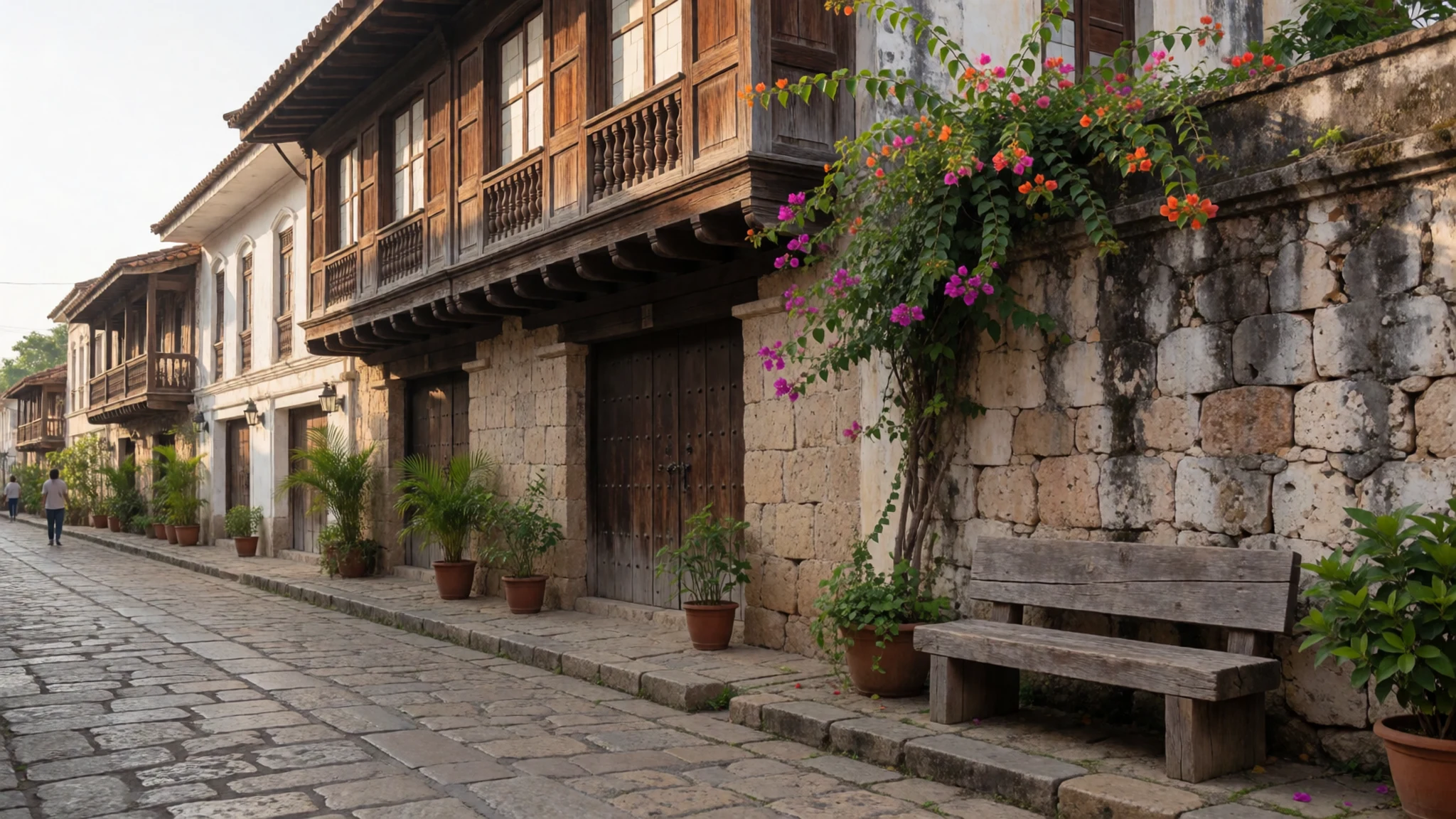
- St. Paul's Metropolitan Cathedral — Plaza Salcedo area
The seat of the Archdiocese of Nueva Segovia was built by the Augustinians and shows the earthquake baroque style, with a heavy, low form designed to limit damage during tremors. Inside, the church is cooler than the street and quieter than the plaza outside. Dress modestly and keep your visit calm, since it remains an active place of worship.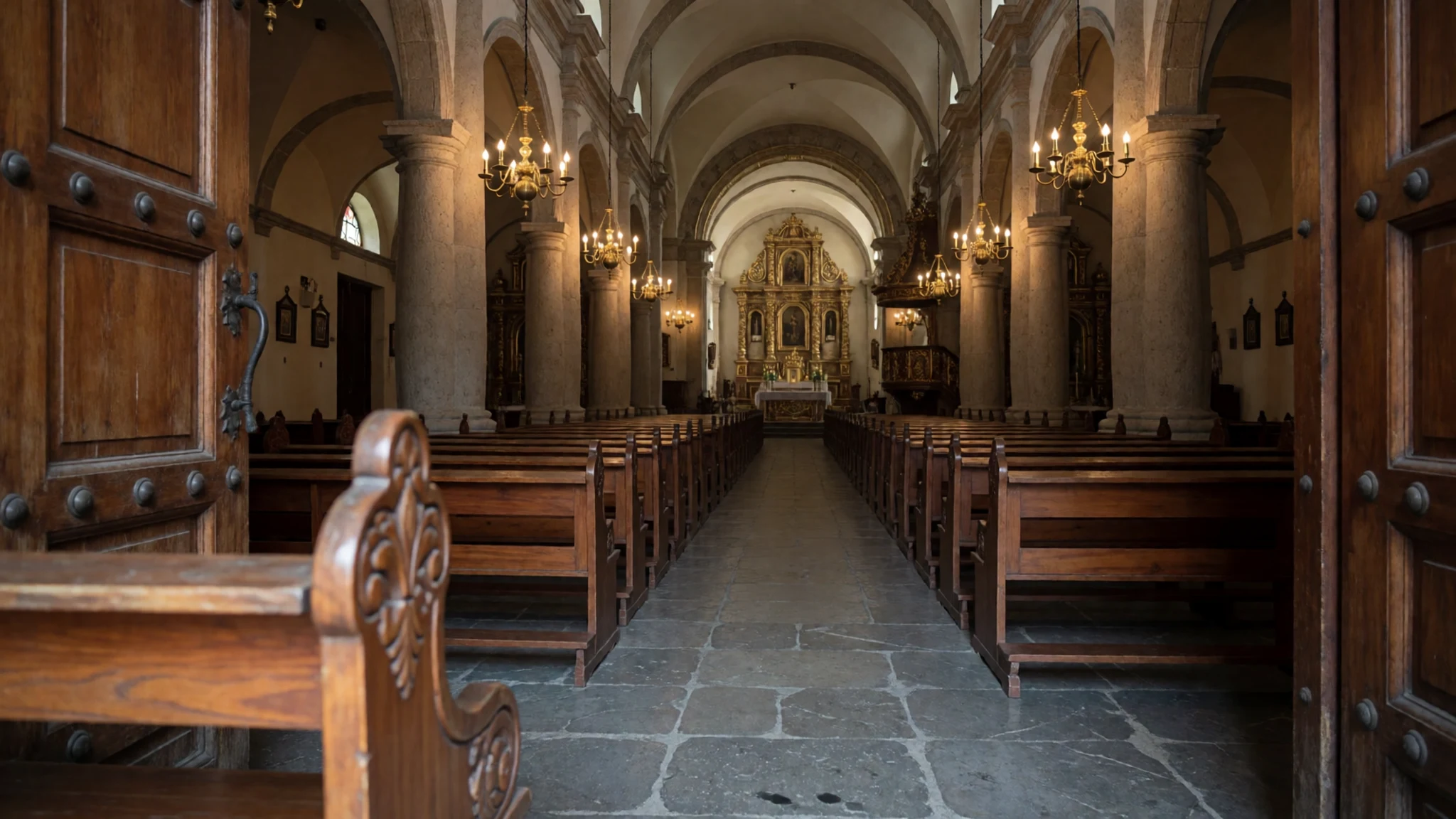
- Plaza Salcedo — Next to the cathedral
Plaza Salcedo sits just west of the cathedral and holds a monument to Juan de Salcedo, the Spanish captain who founded the town. The square also hosts an evening musical dancing fountain, which draws families and local crowds after dark. Come in the late afternoon for the best light on the old façades and the most comfortable temperature.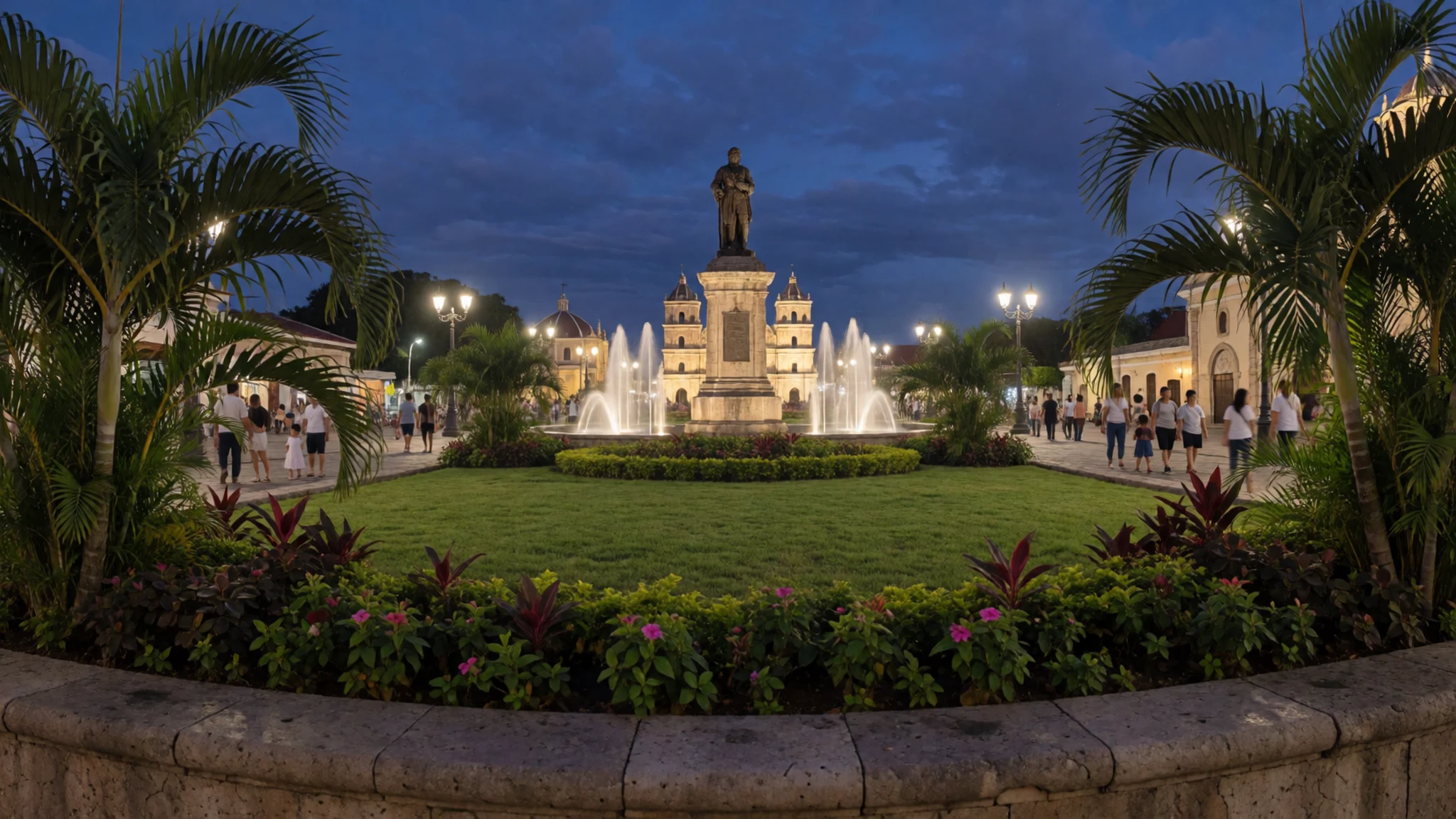
- Plaza Burgos — Central Vigan
Plaza Burgos is the town's public living room, a favourite gathering place for locals and the venue for major public events. Food stalls along its edges sell snacks, especially empanada. Its monument to the priest Jose Burgos anchors the square. Evenings are the liveliest time, and it is a good place to watch daily life without rushing.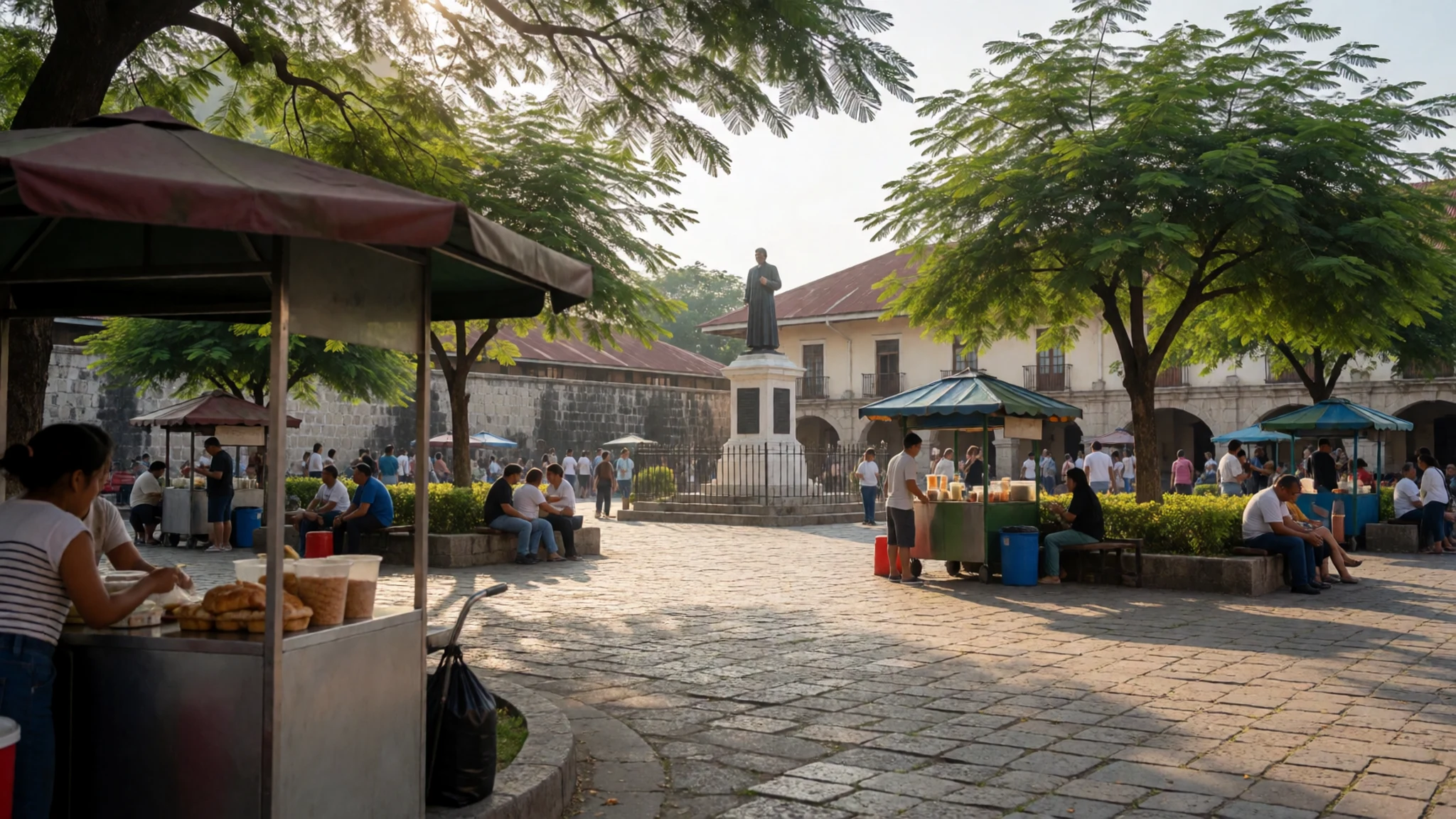
- Crisologo Museum — Calle Crisologo area
The Crisologo Museum was once the home of Congressman Floro Crisologo and his wife Carmeling, who was a former governor of Ilocos Sur. It shows family memorabilia and gives a personal view of local politics in the twentieth century. It is a useful stop if you want context on the houses you have been walking past.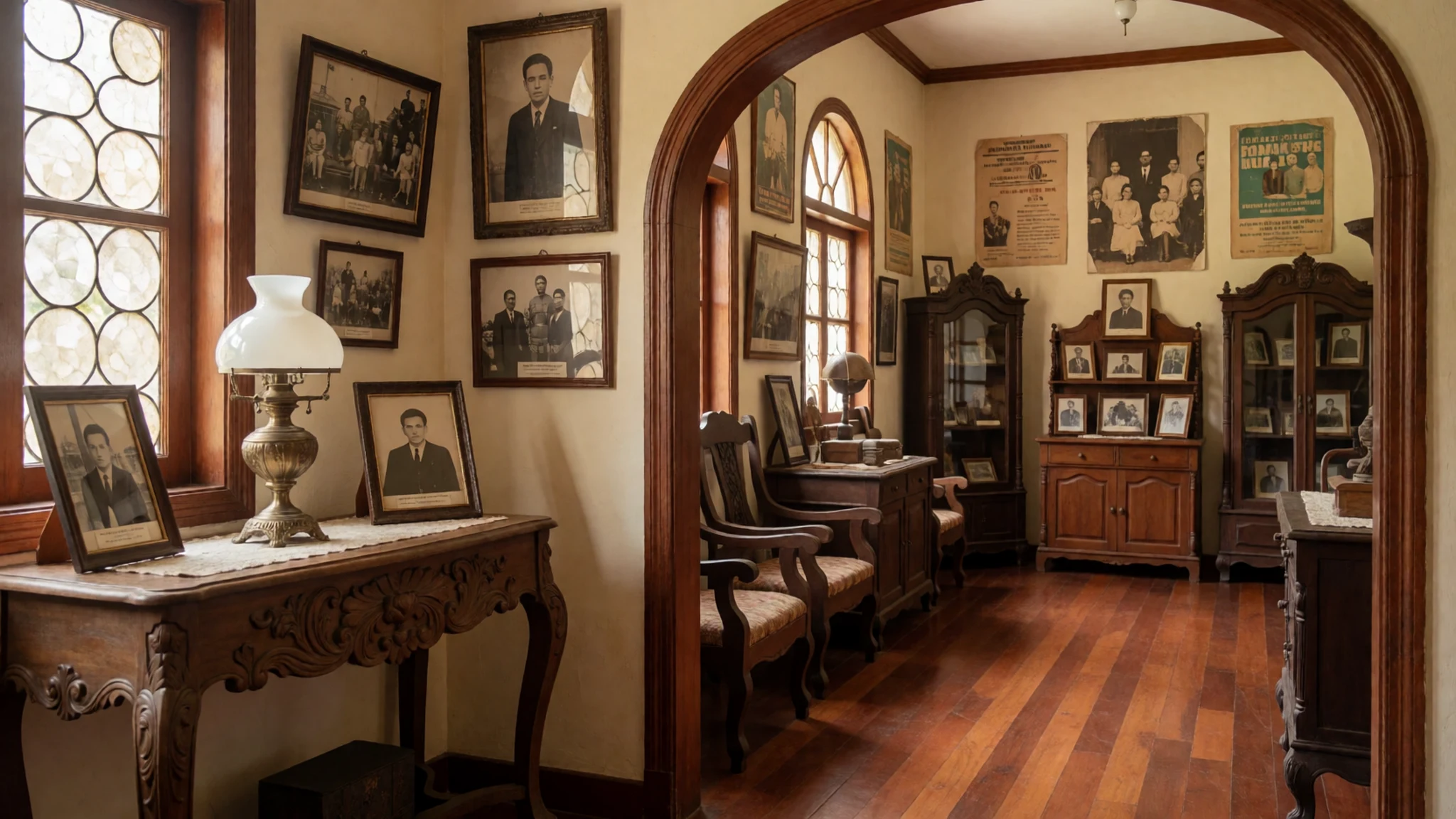
Culture
Vigan is a Catholic city in a country where church life still shapes the daily routine, and the cathedral and older parishes remain active places of worship. Sunday mass and weekday services draw local families, so church interiors are best approached quietly. Plaza Burgos is the town's public living room, used for festivals, rallies and evening strolls, and it is common to see families sharing snacks on the benches. People from the Ilocos region are often reserved in public but warm once a conversation begins, and a simple greeting goes a long way. Many local businesses are family run, and small shops may close for a midday meal, so plan errands around that break. Tipping is not expected in ordinary eateries, though rounding up after a good meal is welcome. The historic streets are shared with residents who live and work in these houses, so keep noise low in the evenings and never step into a private courtyard or doorway to take a photograph.
What to wear
Vigan's traditional dress comes from the wider Ilocano culture of northern Luzon, where weaving has long been a household skill. The most recognisable cloth is inabel, a handwoven cotton textile with bold stripes and checks, traditionally woven on simple looms and used for skirts, shawls and bags. Men of the region once wore plain cotton trousers and shirts suited to farm work, and some older residents still wear wide-brimmed hats. Today, people in Vigan dress much as people do elsewhere in the Philippines, in jeans, t-shirts and office shirts, with handwoven pieces kept for festivals, church occasions and cultural events. Some shops sell inabel by the metre, and younger designers have started using it in contemporary clothing. For a visitor, the climate is hot and humid for much of the year, so light cotton or linen in breathable colours works well. Modest clothing is expected at churches, so cover shoulders and knees, and carry a light shawl or scarf for the cathedral. Comfortable closed shoes matter more than style here, because the sett stones of Calle Crisologo are uneven and can be slippery after rain.
What to eat
- Empanada — Food stalls around Plaza Burgos
Vigan's empanada is a crisp, golden turnover filled with egg, vegetables and sometimes sausage or pork, often served with a vinegar dip. It is a classic street snack and is widely sold at the stalls that gather around the main square. Eat it hot from the fryer, and expect a small queue at busy times.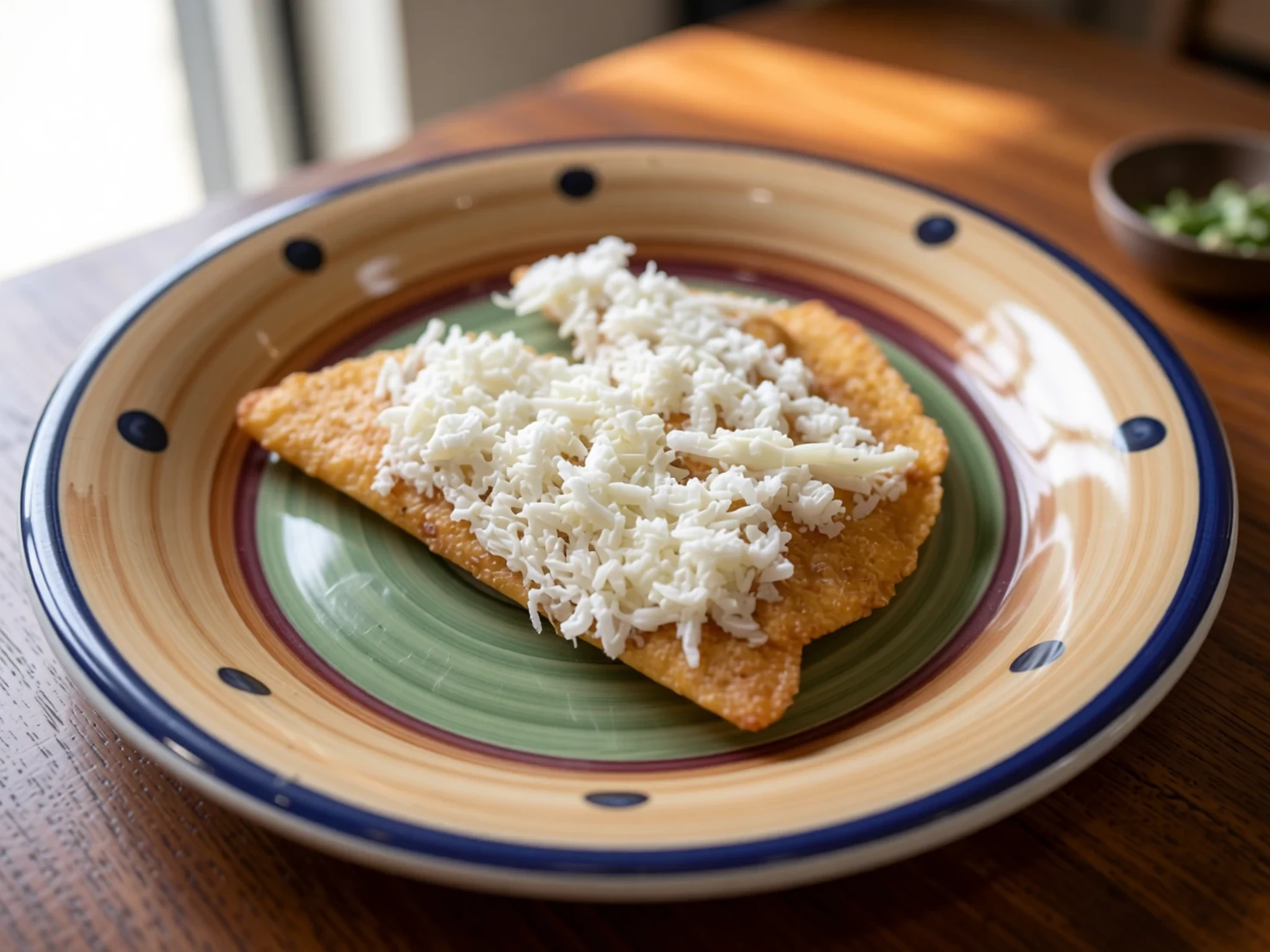
- Vigan longganisa — Take-out shops and morning markets in the town centre
Longganisa is a garlicky, slightly sweet local sausage, and Vigan's version is a regional favourite that many people buy to take home. It is typically fried and served with garlic rice and a vinegar dip for breakfast. Ask for the local variety rather than a generic sausage, since the flavour is distinctive.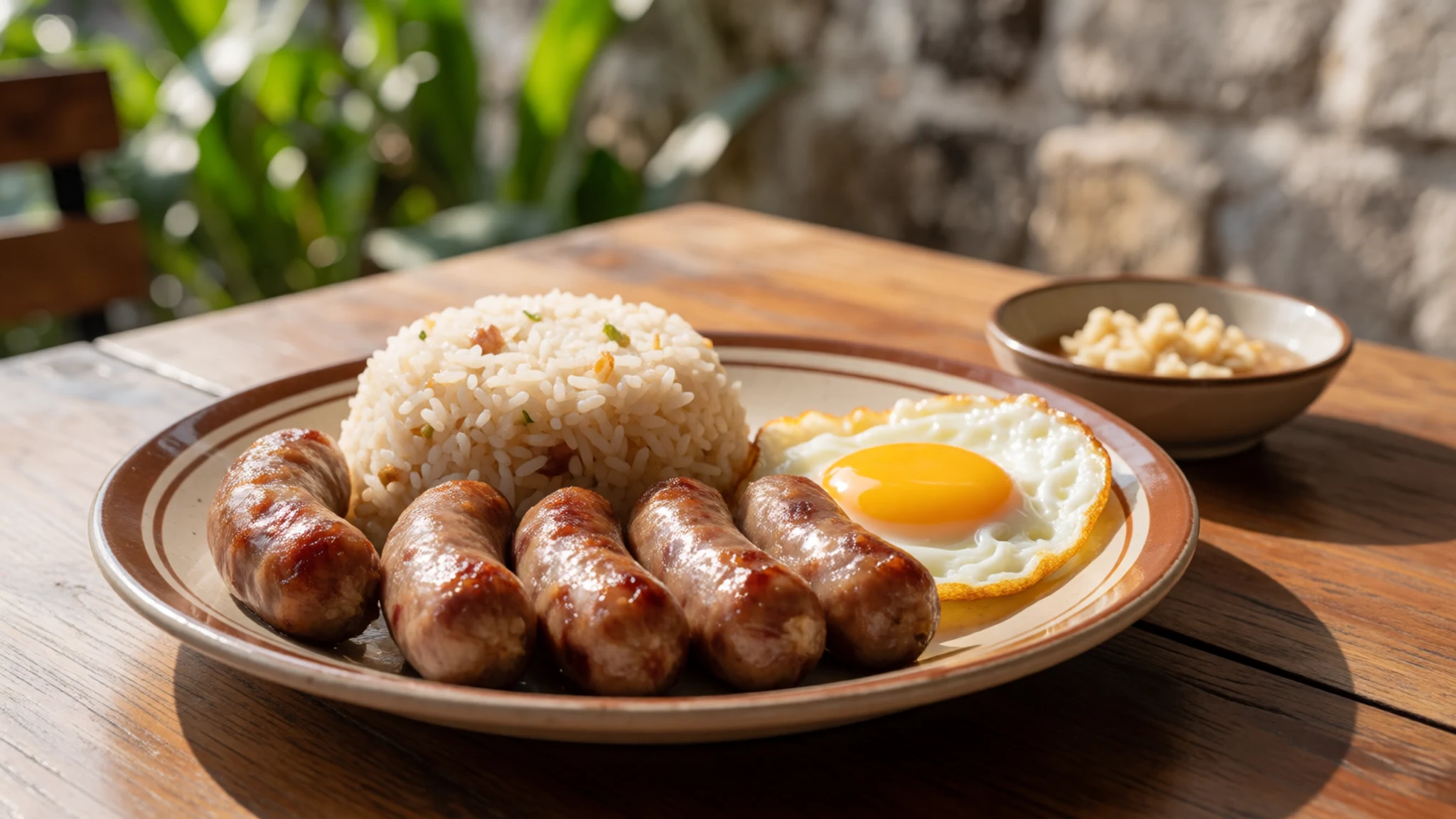
- Bagnet — Casual eateries and take-out counters in the town centre
Bagnet is pork belly boiled and then fried until the skin turns crisp and bubbly, a local favourite served with rice and a vinegar dip. Look for it at casual eateries and the take-out counters in the town centre, where it sells alongside longganisa.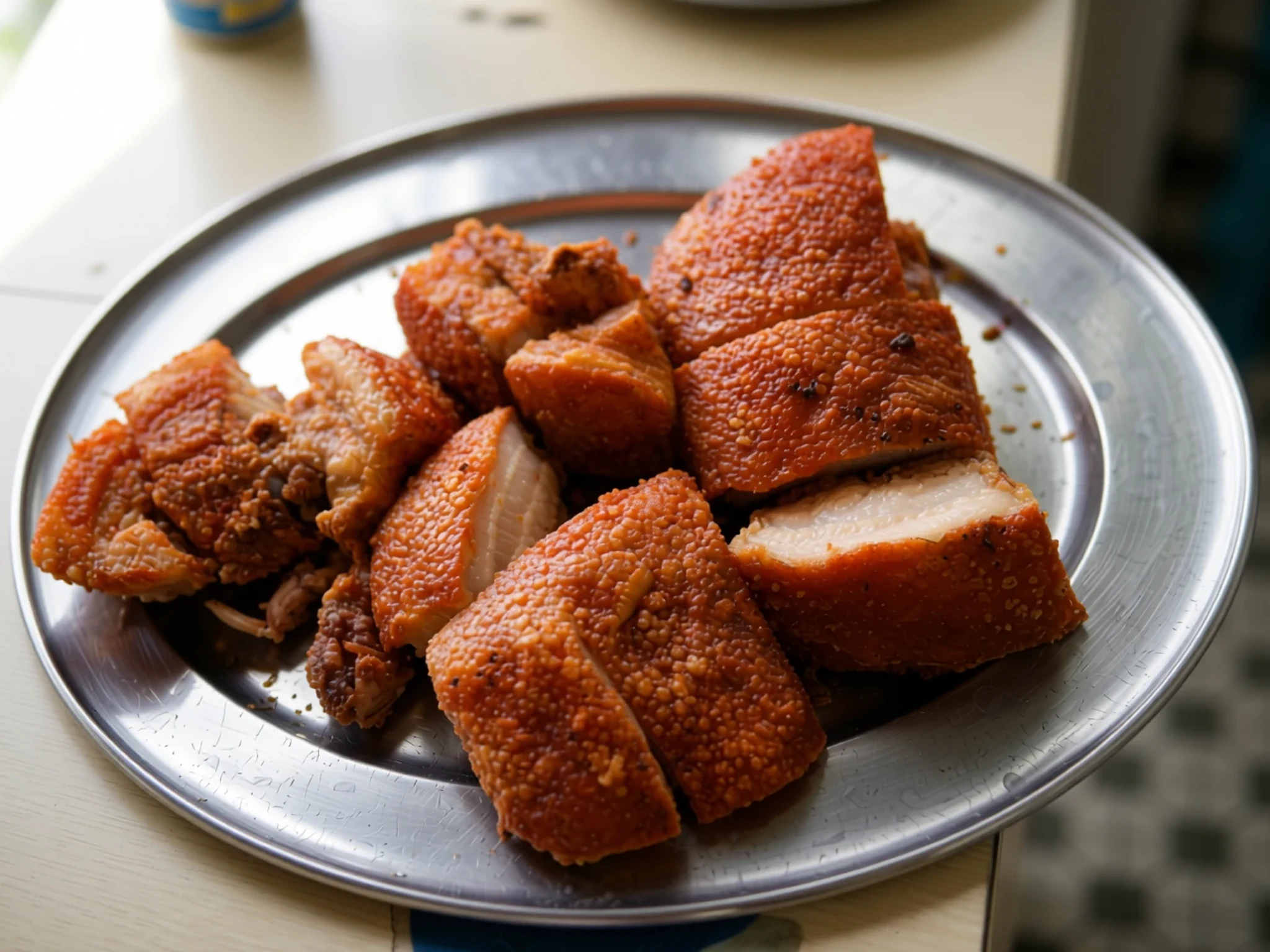
- Sinanglaoan — Small local restaurants on the older streets
Sinanglaoan is a Filipino beef broth soup, rich and lightly seasoned, often served with rice and fresh chilli on the side. It makes a good lunch after a morning of walking the cobbles. Several local restaurants serve it, and it is worth asking the staff which version they recommend. - Craft beer and bazaar food — Brewery in the city centre and the food bazaar a short walk away
Vigan's newer eating spots include a central craft brewery that serves beer alongside a range of food, and a food bazaar offering local dishes, Korean-style plates, desserts and shakes. These are good options in the evening when the historic core quietens and you want a relaxed meal.
Plan it
Best time. November to April, when the rains ease and the air is drier and easier for walking the old streets. The wetter months from May to October bring heavy downpours and humid days, which can disrupt sightseeing, with July and August the rainiest.
How long. 2–3
Getting there. Fly into Laoag International Airport, then take a road transfer of roughly an hour and a half to Vigan; alternatively, take a long bus journey from Manila along the northern highway.
Budget. low
Tips
- Walk Calle Crisologo early or late in the day, before tour groups and calesa traffic build up.
- Bring cash for small eateries, markets and calesa rides, since many smaller vendors do not take cards.
- Drink plenty of water, especially between late morning and mid afternoon when the heat peaks.
- Book bus seats in advance for the main Manila routes if you are travelling at a busy holiday time.
- Allow at least a full day for the museums and churches, which are easy to combine on foot.
Etiquette
- Ask before photographing people, especially vendors and families on the street.
- Dress modestly when entering churches, covering shoulders and knees.
- Keep voices down inside the churches and museums, where services and quiet are observed.
Nearby
Sources
- Wikidata Q235004 (CC0)
- Wikipedia: Vigan (rev 1379343337) (CC BY-SA 4.0)
- Wikivoyage: Vigan (rev 5390202) (CC BY-SA 4.0)
- Ray in Manila, Calle Crisologo, Vigan (CC BY 2.5)
- Ralff Nestor Nacor, Calle Crisologo, Vigan (Apr 2026) (CC BY-SA 4.0)
- A.C.T. Alejandre, Archbishop's Palace, Nueva Segovia (CC BY-SA 4.0)
- Allan Jay Quesada, Vigan Cathedral (CC BY-SA 4.0)
- A.C.T. Alejandre, Padre Burgos statue, Plaza Burgos (2026) (CC BY-SA 4.0)
- Derk29, National Museum in Vigan (CC0 1.0)
- CharMel Creations, Capitol of Ilocos Sur (CC0 1.0)
- Ralff Nestor Nacor, Vigan Clock Tower (April 2023) (CC BY-SA 4.0)


