Verona
Verona, Italy
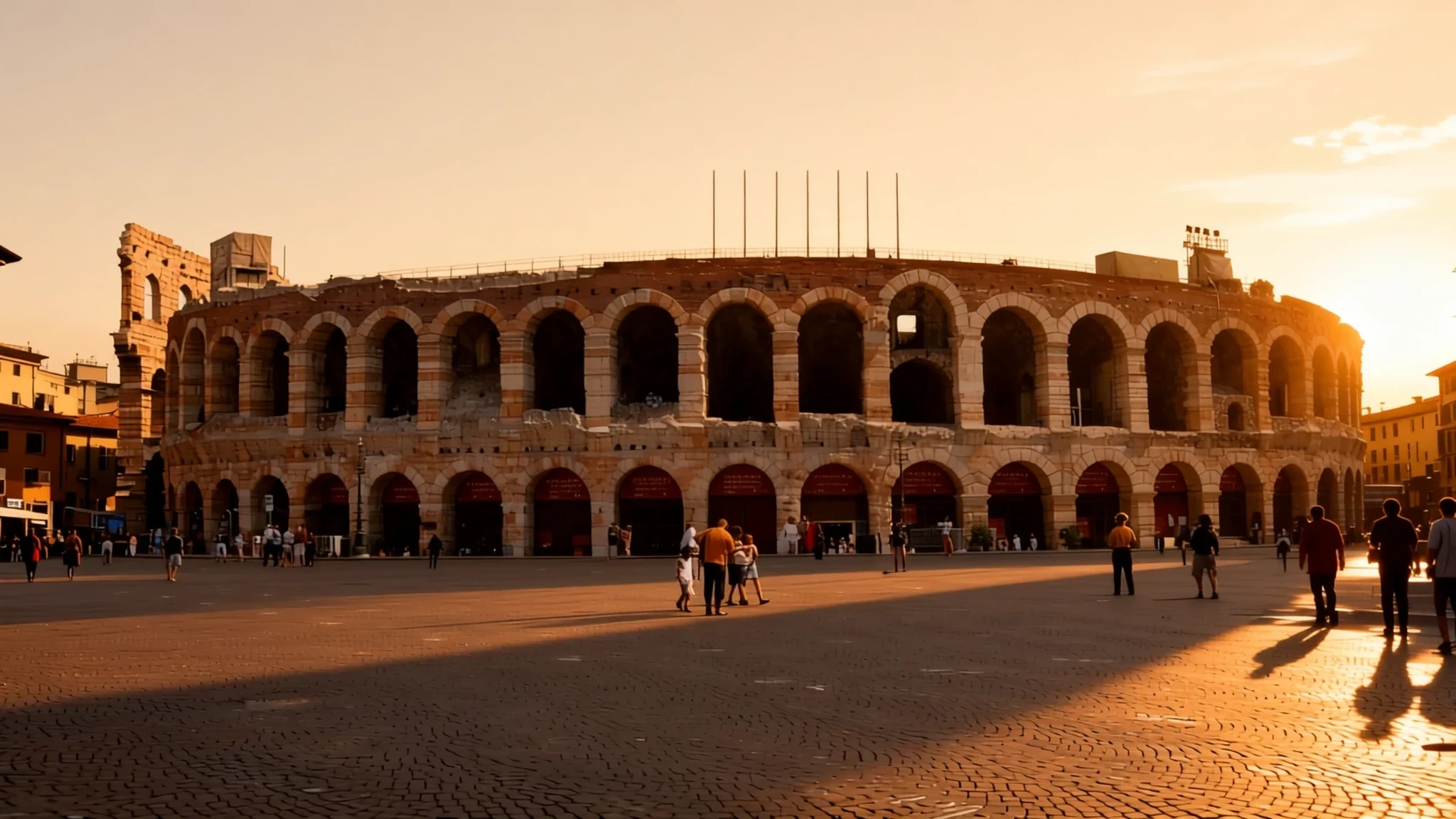
Come for a Roman amphitheatre still in use, a medieval centre you can walk in an afternoon, and a city that has always made the most of its position on the road network.
The place
Verona is the largest city in the Veneto region of northern Italy, with about 255,000 people living within the city limits. Its metropolitan area is much bigger and draws a steady stream of visitors, many of them on day trips from Venice or Lake Garda. The city centre is compact, and most of the main sights sit within a fifteen-minute walk of the Piazza delle Erbe, which makes it easy to build a day around a few landmarks and long coffee breaks. Verona is best known for its artistic heritage and for the opera season staged in the Arena, the ancient amphitheatre that dominates the old town. Beyond the big set pieces, the streets reward slow wandering: medieval towers, Renaissance courtyards, arched passages and small squares where the market stalls once sold the same goods they do now. The city is calm outside the high season, and it has an easy, unhurried rhythm that suits a relaxed trip. Expect crowds at midday, especially around the Casa di Giulietta and the Arena, and plan the busiest sights for early or late in the day.
Its story
Verona's earliest history is hard to pin down. Nobody agrees on where its name comes from, and one account has the site held first by the Euganei before they gave it up to the Cenomani. Rome took control of the wider valley around 300 BC, and the city became a Roman colonia in 89 BC. Its growth owed much to geography: several roads met here, so the town mattered as a crossing point long before it mattered as a fortress. In 402 the Roman commander Stilicho defeated Alaric and his Visigoths in the area. By 489 the Ostrogoths had taken the city, and Gothic rule over Italy began. Theoderic the Great is said to have built a palace here. The Lombards under Alboin seized Verona in 569, and in 774 the last Lombard resistance here ended when Charlemagne overthrew their kingdom. The city's great age came later. Between the 13th and 14th centuries the della Scala family ruled, and under Cangrande I the town grew rich and strong enough to be enclosed by new walls. Many of the monuments that still define the centre date from that period. A later chapter belongs to literature. Three of Shakespeare's plays are set in Verona, and Romeo and Juliet has drawn visitors ever since. The Casa di Giulietta is a medieval house linked to the Cappello family, and its connection with the Capulets was a later invention. The building became a museum in the 1930s, when its balcony was added. Shakespeare himself almost certainly never came to Verona.
What to see
- Arena — Piazza Bra, historic centre
The Arena is an elliptical Roman amphitheatre built in the 1st century AD, and it still hosts performances, most famously the summer opera. The outer ring is weathered and partly broken, but the seating and arena floor give a clear sense of its scale. Go in the morning for the lightest crowds, and check the official site for opening times and whether the interior is open on your day.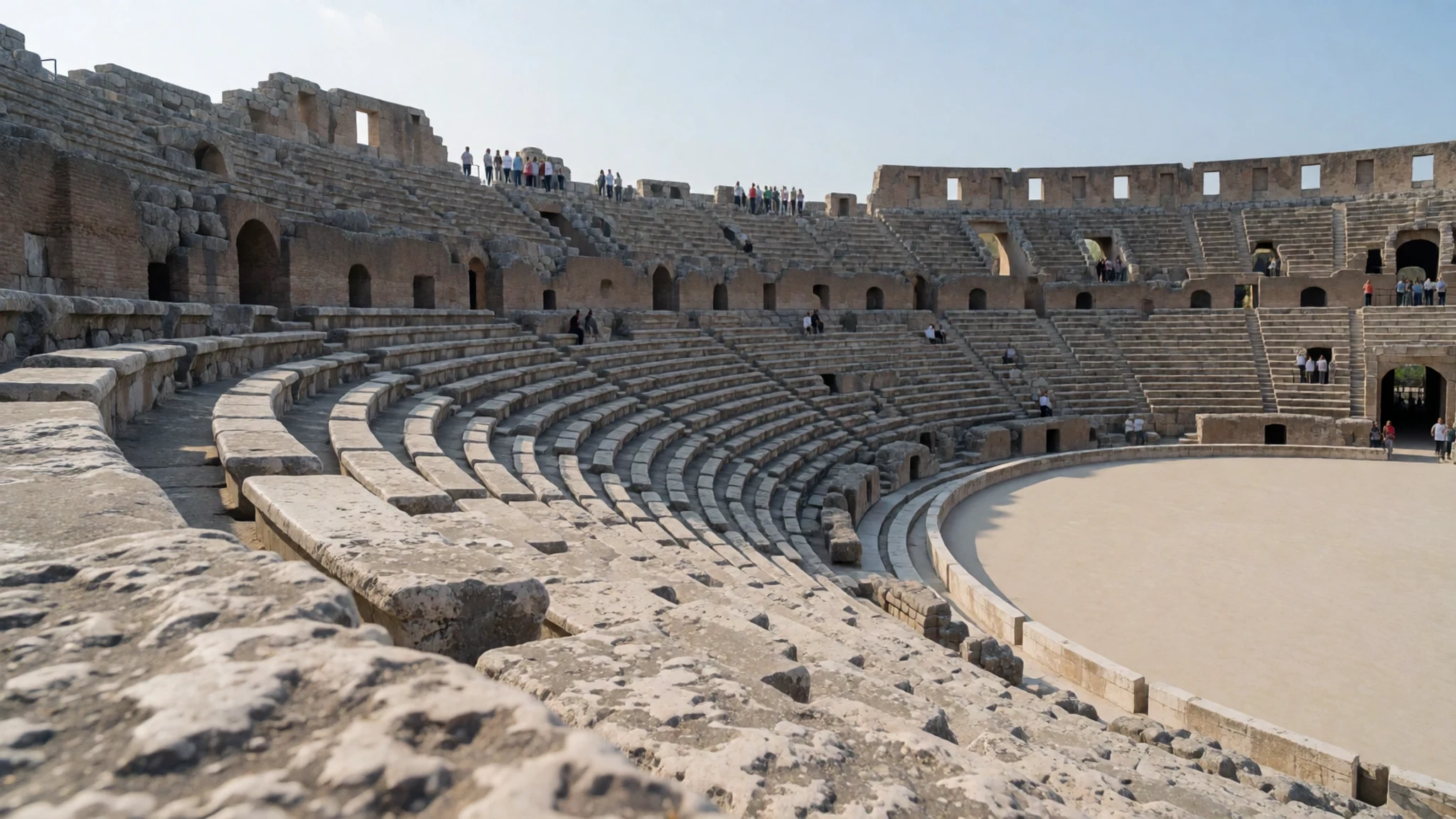
- Castelvecchio — Riverside, north of the centre
Castelvecchio is a 14th-century castle of red brick on the bank of the River Adige. Its fortified buildings now house the city art museum, which holds medieval sculpture and Renaissance paintings. The walk along the riverside gives good views back toward the old town, and the courtyards are pleasant to linger in between galleries.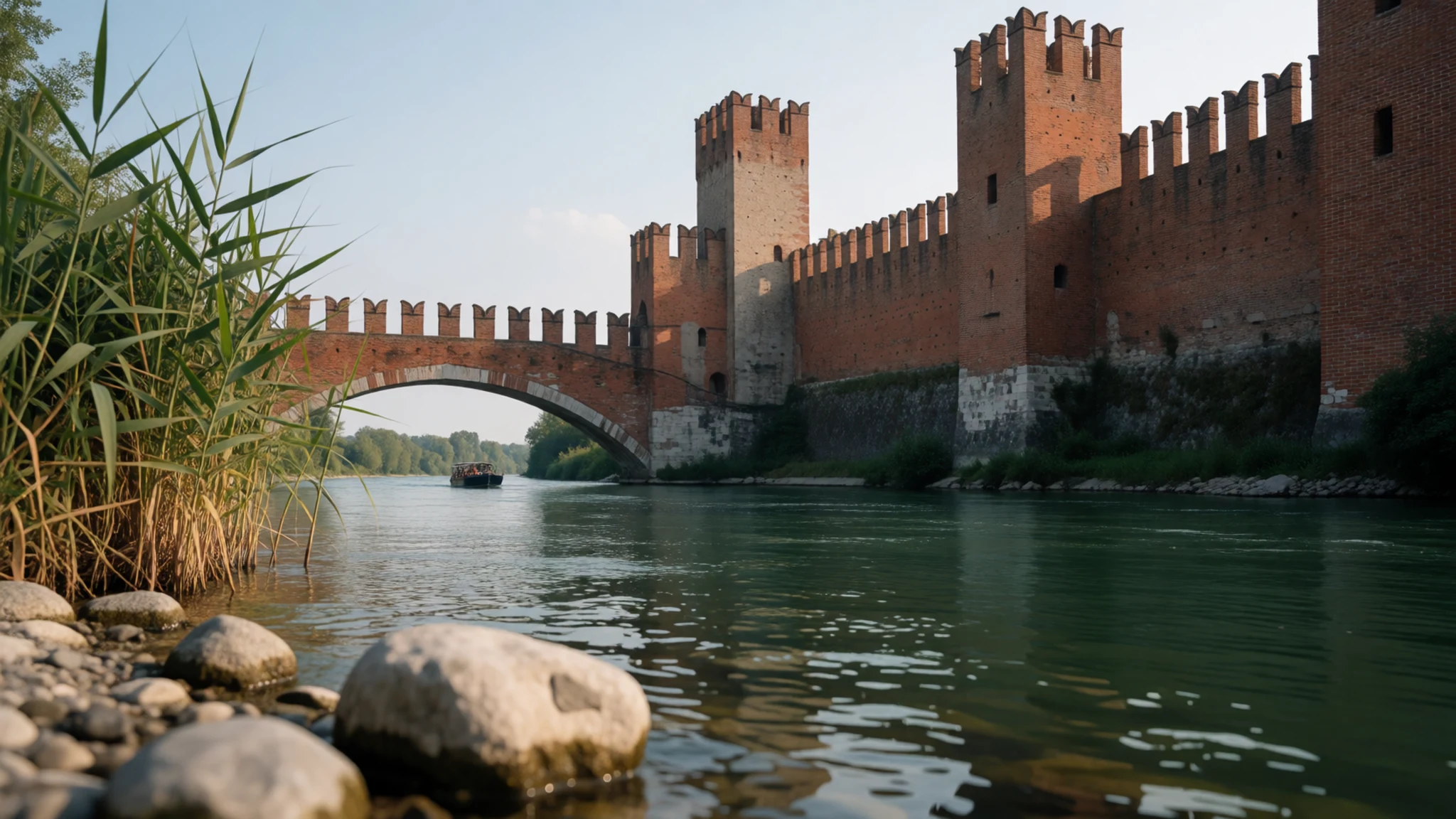
- Piazza delle Erbe — Historic centre
The Piazza delle Erbe was the forum of the Roman town and is still the lively heart of the city. Its market stalls are picturesque, but they also draw large groups at midday, so arrive early if you want photographs without people in them. Look for the Gardello Tower and the Venetian-era column with its lion, and the palazzi lining the square.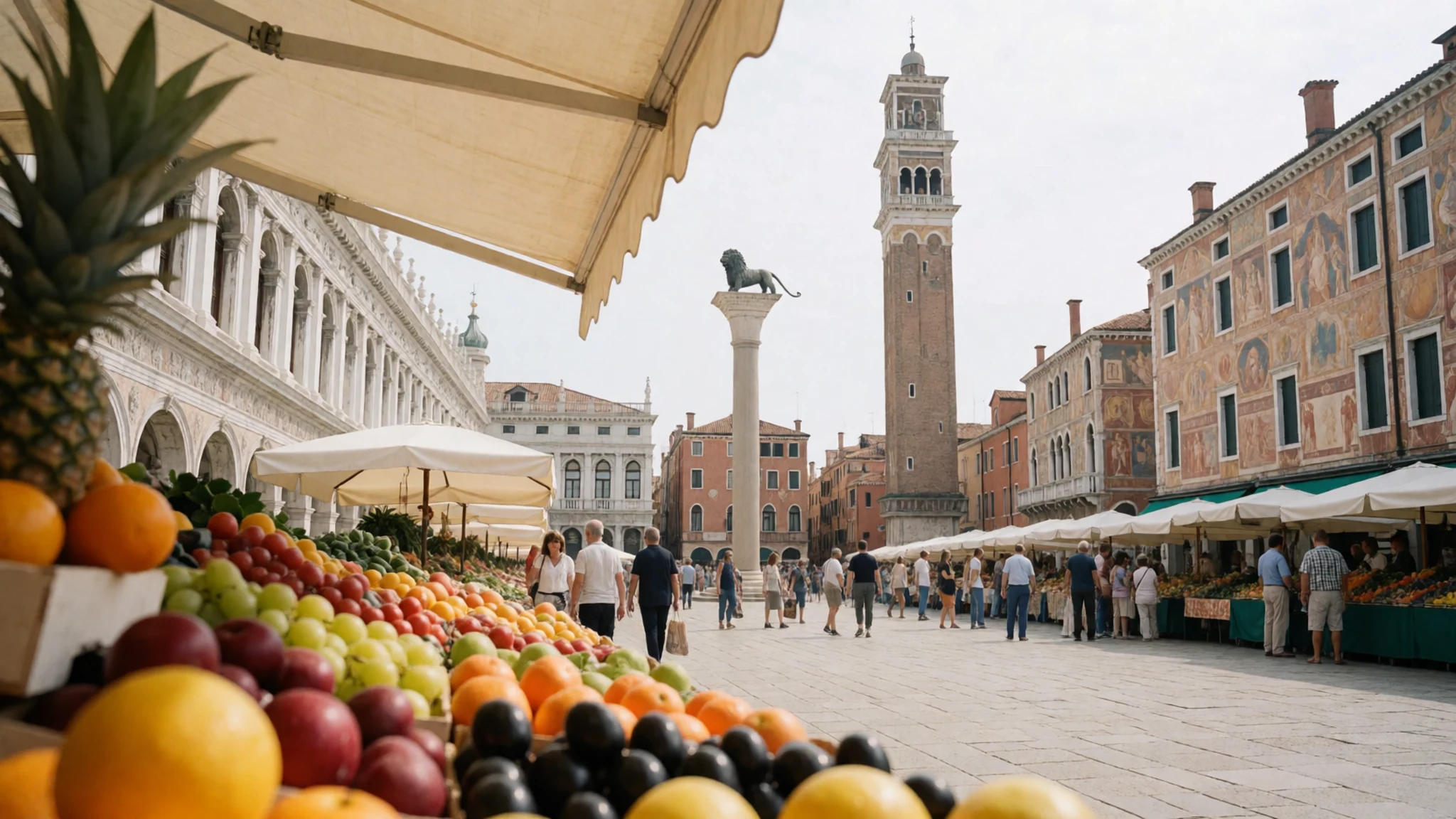
- Lamberti Tower — Piazza delle Erbe
The Lamberti Tower was completed in 1463 and is the tallest of Verona's towers. Its clock tower rises over the Piazza delle Erbe, and you enter through the courtyard of the palace beside it. There are 238 steps to the top, or you can take the lift. The view across the red roofs and the river bends is well worth the climb.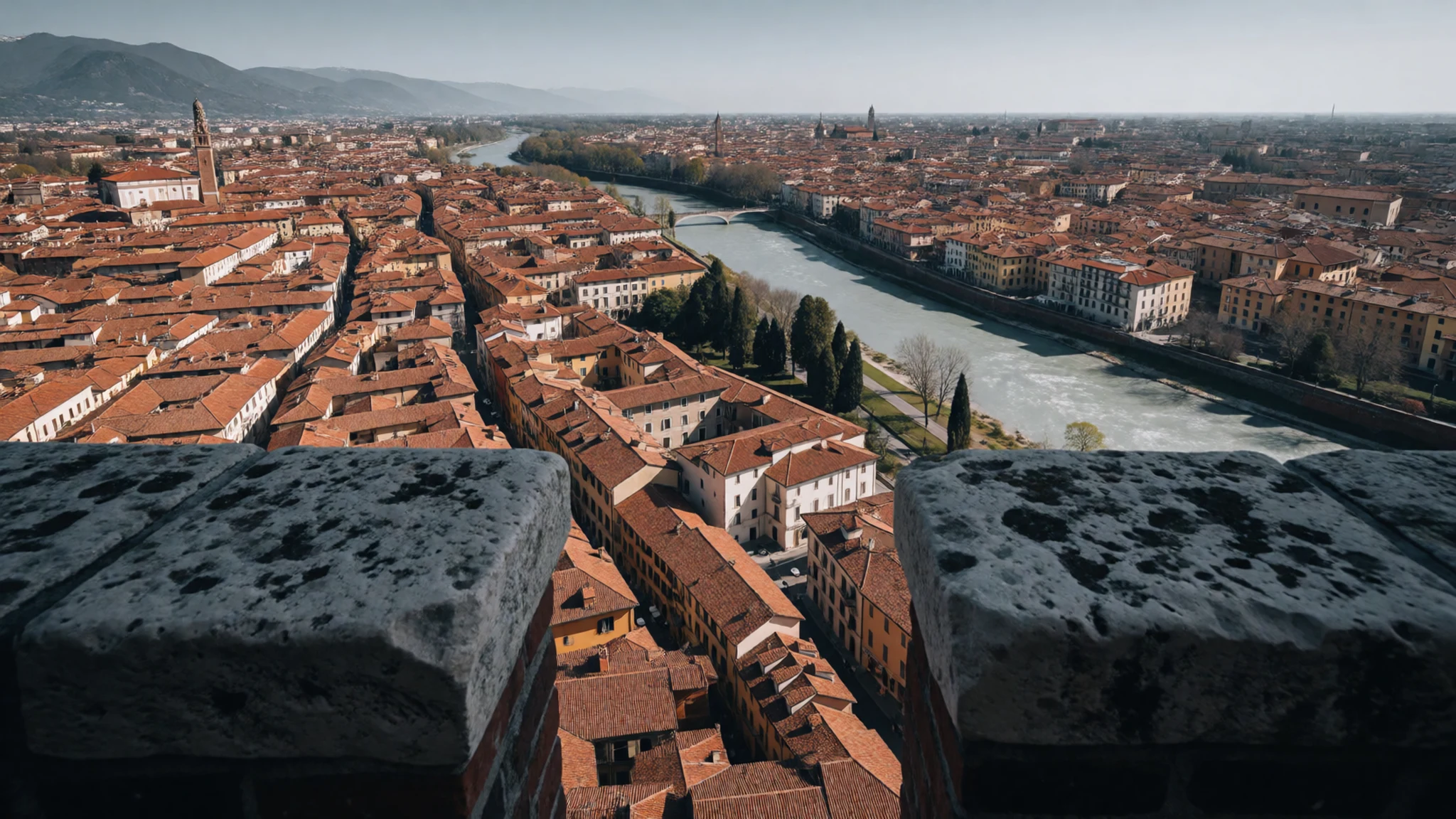
- Verona Cathedral — Piazza Duomo, north of the Piazza delle Erbe
The cathedral was built to replace an 8th-century church destroyed in the earthquake of 1117, and it was consecrated in 1187. Its Romanesque façade is in marble and carved by the Veronese architect Nicolò. Inside, the building is calmer than the streets outside. Check the official site for current opening hours and any charge for the interior.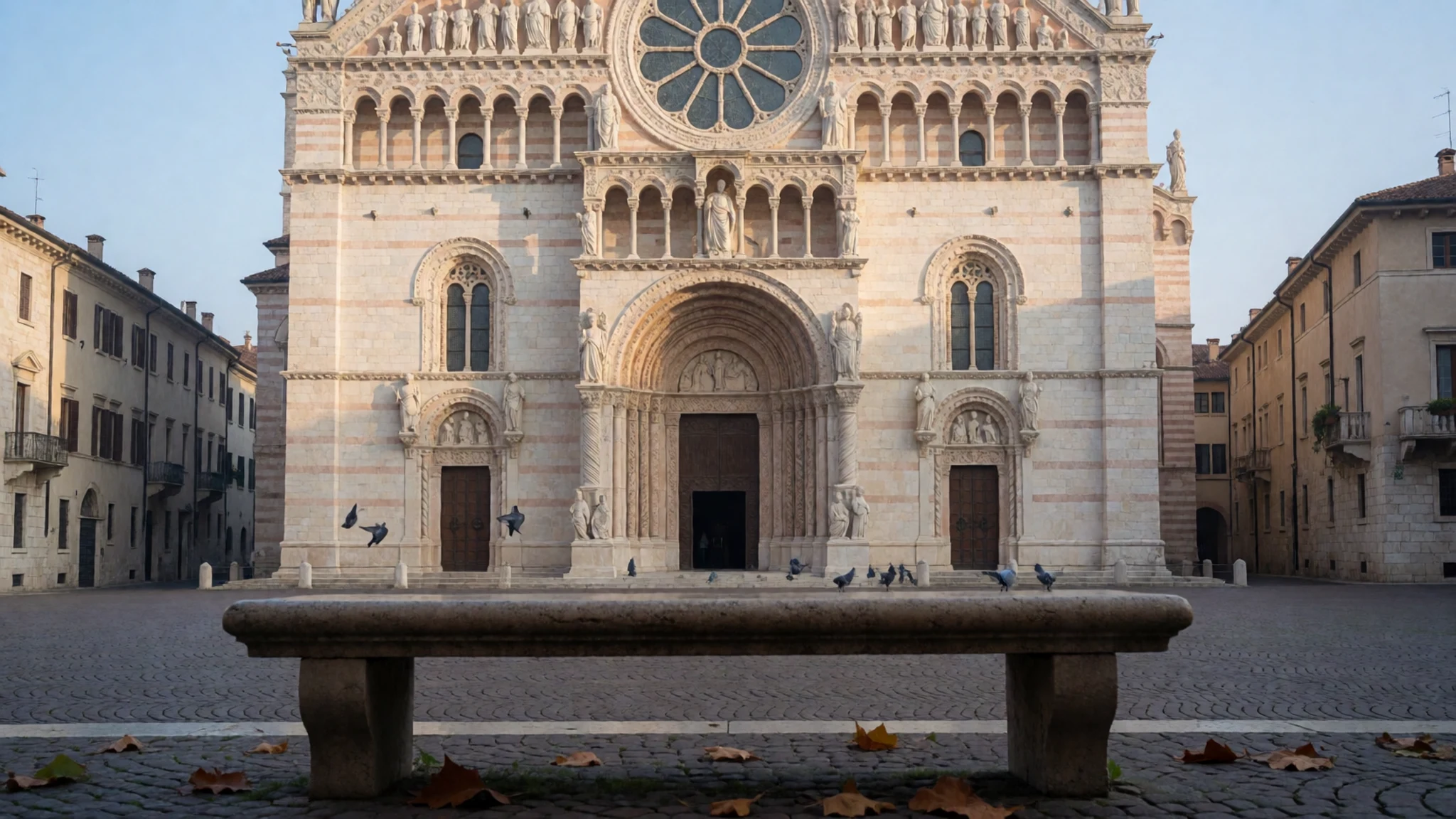
- Basilica of St Zeno — San Zeno quarter, north-east of the centre
The Basilica of St Zeno is a Romanesque church about a ten-minute walk north-east of Castelvecchio. It is less crowded than the central sights and rewards a quiet visit, with its interior and the carved details of its façade. Combine it with Castelvecchio on a single loop of the north side of the city.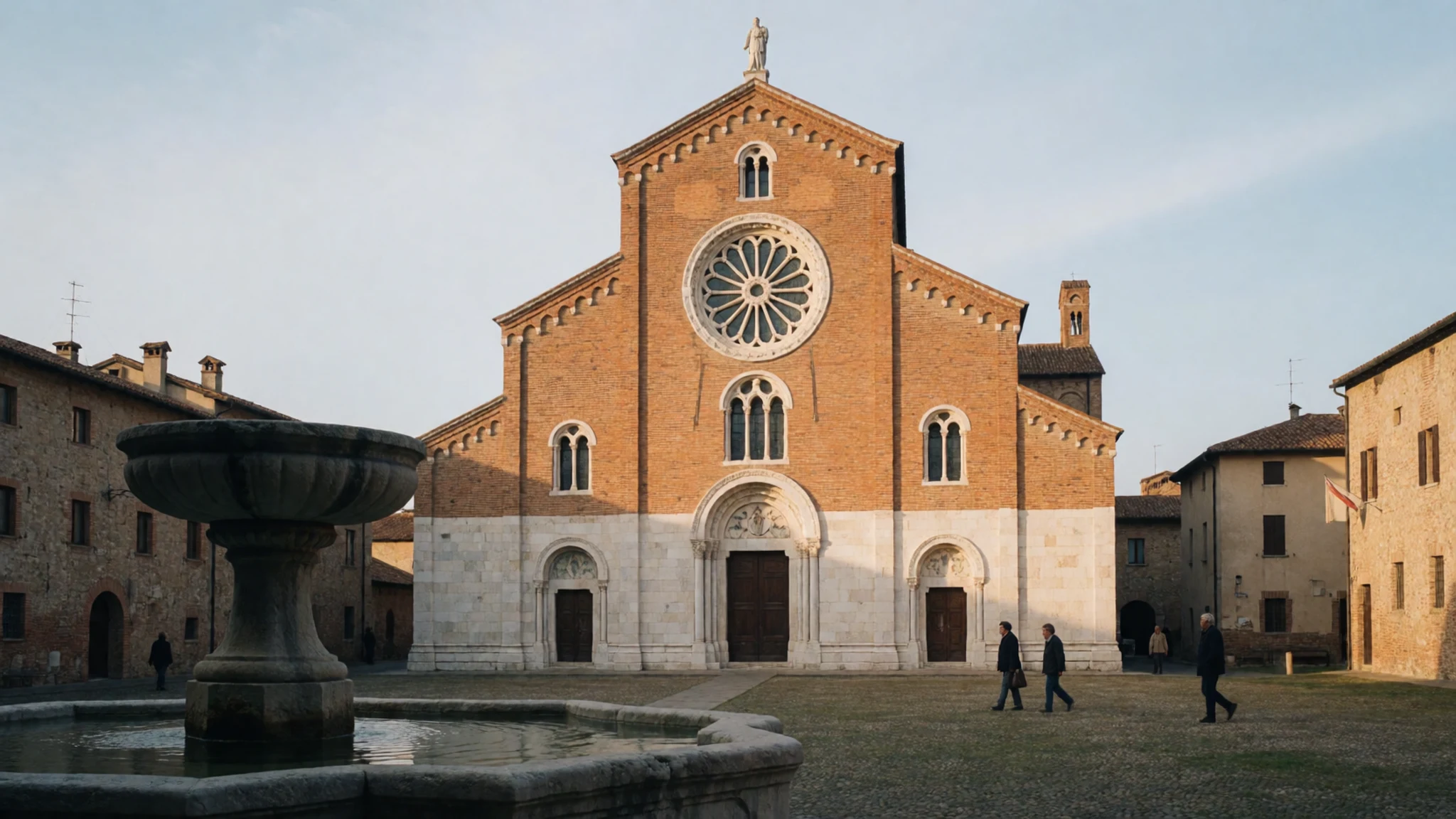
Culture
Verona is a city of everyday Italian life as much as of monuments, so locals expect a certain rhythm. Sit down for a coffee at the bar and you will pay less than at a table, and an aperitivo hour before dinner is a serious social occasion rather than a snack. Dinner rarely starts before about eight in the evening, and courses move slowly, so you will not be rushed. The Arena and the great churches hold a particular place for people here: Romeo and Juliet has made the city a stage in people's minds, and the Casa di Giulietta can feel busy and staged. Be patient with the queues and avoid touching the statue at the balcony. Shops and some sights close for a long lunch in the middle of the day, and many shutters stay down until mid-afternoon, so plan museums and churches for the morning or late afternoon. Visitors are generally welcome in the churches, but keep your voice low, cover your shoulders and knees, and switch your phone to silent while a service or prayer is under way at St Zeno or the cathedral.
What to wear
Verona does not have a regional costume that most people wear today, and the sources used here do not describe one, so there is no traditional dress to recommend or to describe with confidence. Its historic textile and garment traditions are better seen in its museums and fabric shops than on its streets. Residents dress well but casually, in neat jeans or chinos, knitwear, leather shoes and a light jacket in the evenings. Summer dressing is practical: linen and cotton, sandals for the city, and a light layer for the cooler evenings and for the cool stone of churches. For a visitor, the sensible rule is layers. Churches ask for covered shoulders and knees, so a light scarf or shawl is useful in your bag. The old town is paved with uneven stone, so choose shoes with grip and a firm sole rather than thin soles or heels. The Arena's steps and the Lamberti Tower's stairs are hard on the feet, so comfortable walking shoes are more useful than anything smart. In the hotter months, a hat and sunglasses make a long day in the squares far more pleasant.
What to eat
- Wood-fired pizza — A small pizzeria in the streets just off the main squares
Verona's pizzerias are a good place for a relaxed lunch or early dinner. Look for a small, busy pizzeria away from the main squares, where the dough is the point and the toppings stay simple. Good places often have a short menu and a steady queue of locals.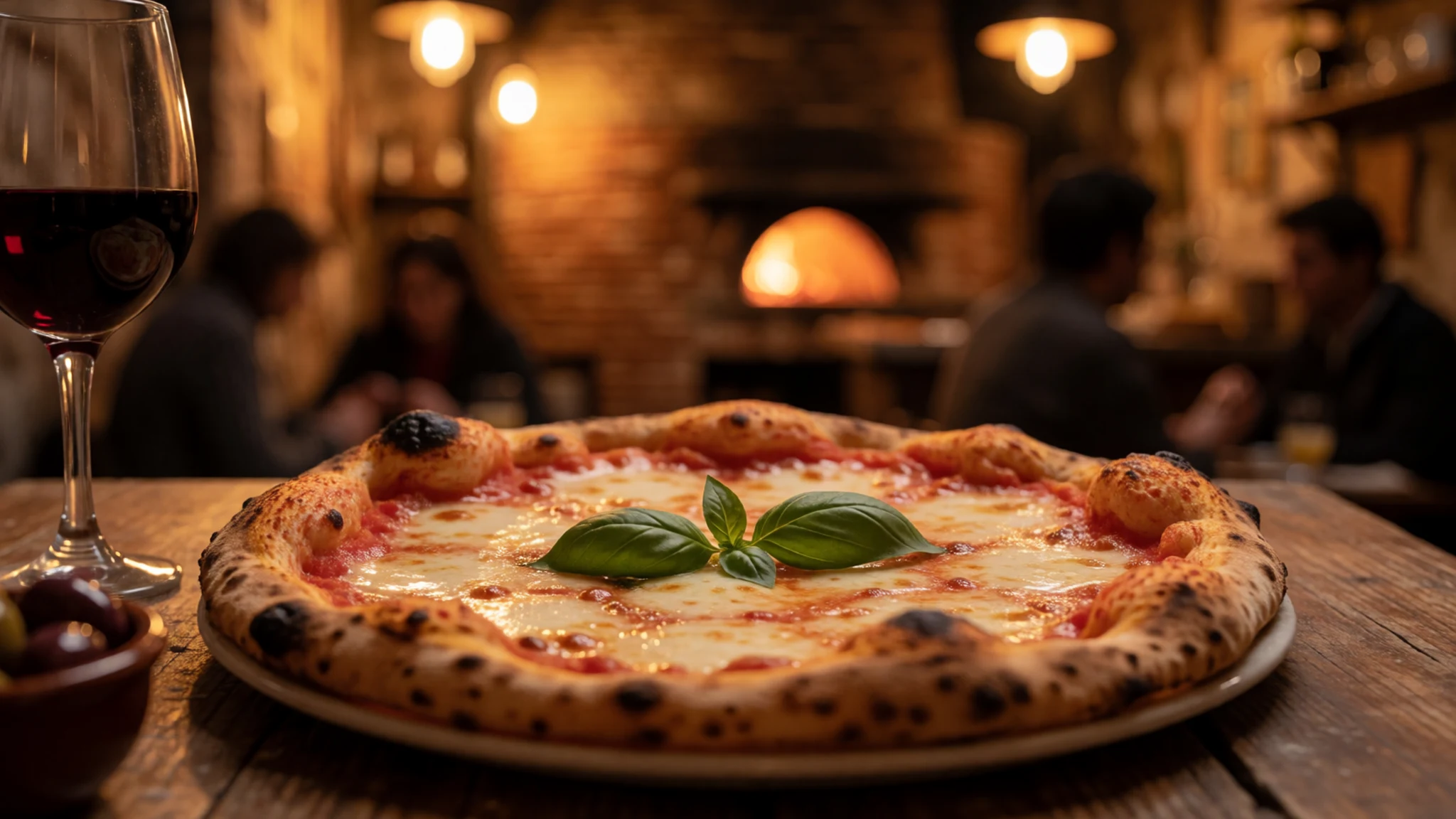
- Cicchetti — Any bar or wine bar in the historic centre during the aperitivo hour
Cicchetti are small snacks served with a drink, a habit borrowed from neighbouring Venice and popular across the Veneto. They range from cured meat and cheese to marinated vegetables and fried bites. Standing at the bar with a glass is the usual way to eat them, and they work well as a light evening meal.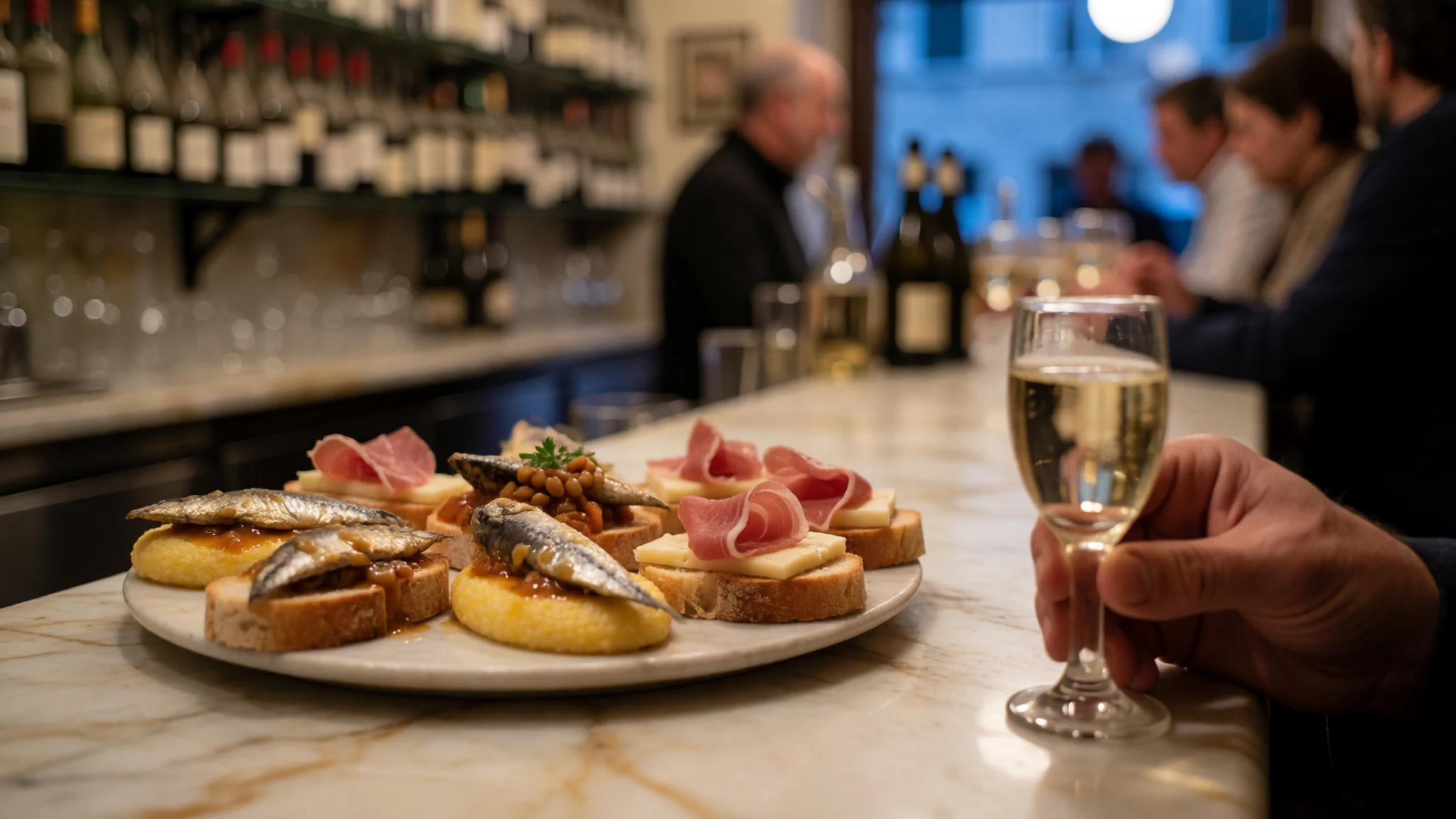
- Piadina — A piadineria near the Cavour street area, or any shop selling piadine to take away
Piadina is a thin flatbread filled with cold meats, cheese or vegetables, folded and eaten on the move. Verona's piadina shops offer a wide choice, including vegetarian and vegan fillings. It makes a cheap, filling lunch between sights. - Affettati — A traditional trattoria, especially one that serves its own homemade dishes
A board of affettati, the local cured meats, is a standard starter in a trattoria, usually served with bread and sometimes with a sharp condiment. It is a good way to sample local produce without committing to a full dinner. Ask for a mixed board to try several kinds at once. - Risotto and handmade pasta — A traditional trattoria in the centre or the quieter streets to the east
Risotto and fresh pasta appear on many trattoria menus, and they reflect the rich farming land around the city. Dishes are usually cooked to order and take time, so they suit a slow, sit-down dinner. Order them at a place that clearly makes its own pasta.
Plan it
Best time. April and September suit walking the old town and sitting outside in the evenings, while May and October are among the wettest months, so pack a light umbrella. Summer is busy and can be hot in the squares, and the opera season at the Arena brings extra visitors, so book well ahead if you plan to attend a performance.
How long. 2–3
Getting there. Fly into Venice Marco Polo airport, then take the shuttle bus to Mestre railway station (about 25 minutes) and a train to Verona (about an hour). If you are driving, the A4 motorway runs straight to the city.
Budget. mid
Tips
- Book Arena performances and the Lamberti Tower climb through the official site before you travel
- Visit the Piazza delle Erbe early in the morning, before the market and day-trip crowds arrive
- Plan museums and churches for the morning or late afternoon, when the long lunch break is over
- Carry some cash for small bars and piadina shops, although most places take cards
- Bring a refillable water bottle, as the stone squares hold heat in summer
Etiquette
- Cover shoulders and knees when you enter a church
- Keep your voice low in churches and do not photograph people at prayer
- Do not touch the statue at the Casa di Giulietta balcony
Nearby
Sources
- Wikidata Q2028 (CC0)
- Wikipedia: Verona (rev 1382829300) (CC BY-SA 4.0)
- Wikivoyage: Verona (rev 5399109) (CC BY-SA 4.0)
- Aerial picture of the city of Verona taken at dawn, Guglielmo Giambartolomei (CC BY-SA 4.0)
- Verona cityscape on a sunny day, Hoppend (CC0 1.0)
- Scaliger Tombs in Verona, Didier Descouens (CC BY-SA 4.0)
- Il leone di San Marco in Piazza Erbe a Verona, Lo Scaligero (CC BY 3.0)
- Palazzo Barbieri, Claconvr (CC BY-SA 4.0)
- Panorama della citta di Verona da Castel San Pietro, Jacopo Prisco (CC BY-SA 2.5)
- Arena, Verona, Italy, Arne Müseler (Public domain)
- Piazza delle Erbe, Palazzo Maffei, Didier Descouens (CC BY-SA 4.0)


