Vatican City
Vatican City, Vatican City
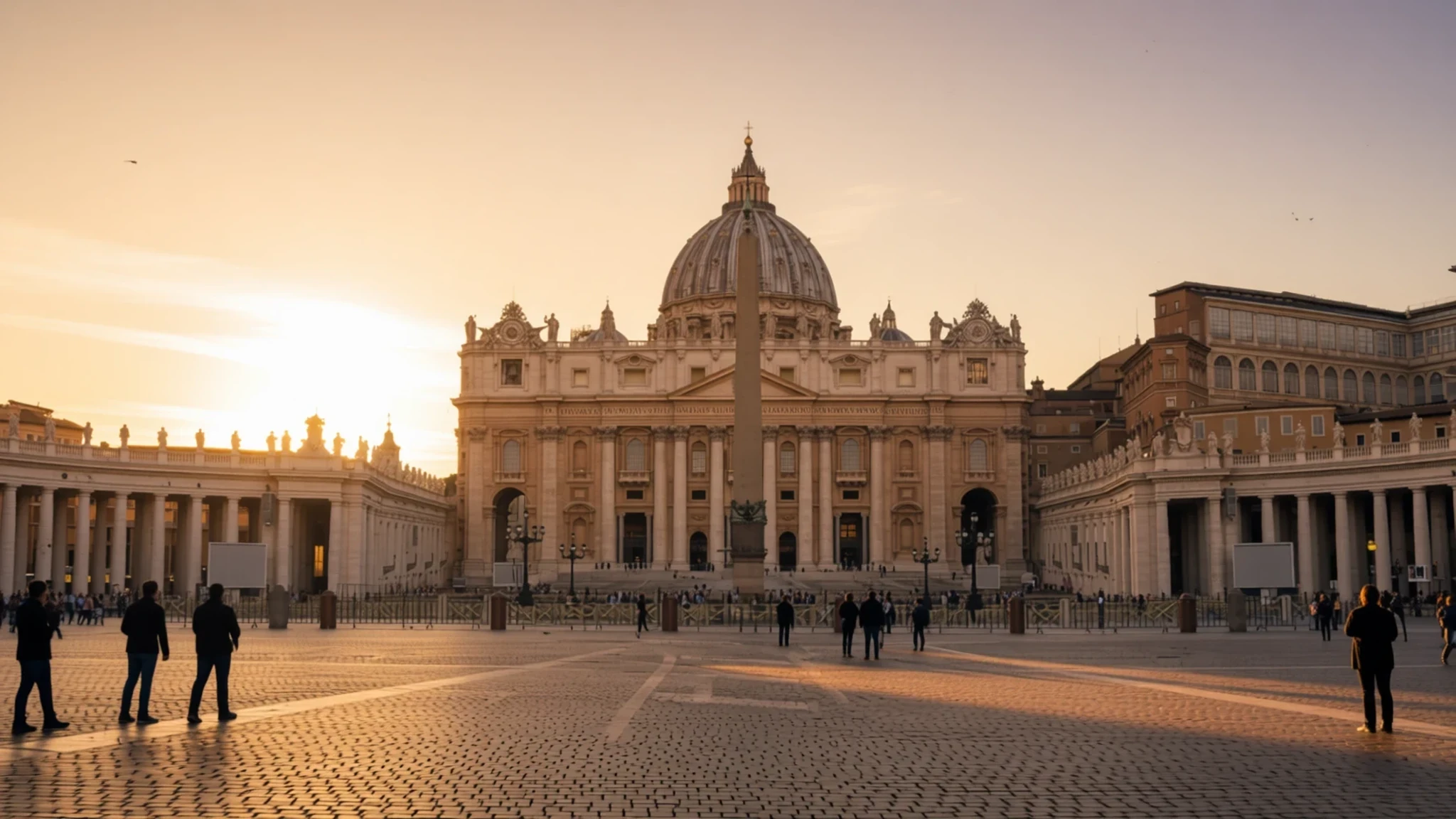
A walled city-state inside Rome, where St Peter's Basilica, the Sistine Chapel and the Vatican Museums sit within walking distance of one another.
The place
Vatican City is the smallest sovereign state in the world by area, a walled enclave of 0.49 square kilometres (0.19 square miles) inside the city of Rome. Its population is about 882, and most residents are clergy or staff of the Holy See, so the place feels more like a palace complex than an ordinary town. The pope is head of state, and the Holy See, the central government of the Catholic Church, runs the state from here. It is landlocked, with Italy on every side, so leaving the state means stepping straight into Rome's streets. Most of the territory is closed to casual visitors. The sights that draw people cluster on two sides: St Peter's Basilica and its square on the east, and the Vatican Museums on the north. Because the distances are short, the highlights can be linked in a morning, although the museums repay a full day. Crowds peak from late morning, particularly around the basilica and the Sistine Chapel. The weather matches Rome's, with hot summers and cooler, wetter winters, so spring, especially April and May, is the easiest season for walking the streets.
Its story
The ground the Vatican occupies was not always a sovereign state, and the name is older than any of its churches. In Roman times, Ager Vaticanus described a marshy stretch on the western bank of the Tiber, across from the city and hemmed in by several hills. The name later narrowed to the Vatican Hill, the rise on which St Peter's Square now stands. Romans regarded the low land as unhealthy, prone to river flooding and close to the Etruscan city of Veii, and it stayed thinly settled for centuries. The poet Martial remarked on the poor quality of the local wine even after the area had been reclaimed. Christian tradition holds that Saint Peter, the apostle considered the first pope, was crucified on the hill in the 1st century AD, and a basilica later rose over the place tradition marks. The Holy See's temporal power took shape through the Papal States, formed on the Italian peninsula after Frankish territory was donated in 756. Popes returned to Rome in 1377, ending the Avignon period, and the Vatican gradually became their principal residence. Italian unification changed everything: Rome fell to the Kingdom of Italy in 1870, and the pope withdrew into the palace grounds, calling himself a captive. That standoff was resolved only in 1929, when the Lateran Treaty created the modern state. UNESCO added the site to its World Heritage List in 1984.
What to see
- St Peter's Basilica — Vatican Hill, eastern side of the state
St Peter's Basilica is the centre of the Catholic world and the setting for many major ceremonies. Its dome, designed in part by Michelangelo, is visible from much of Rome, and the interior is so large that its scale takes time to register. Marble, gilding and sculpture fill the nave, and the tombs of many earlier popes lie in the crypt below the floor. Dress modestly, and expect security checks at the entrance.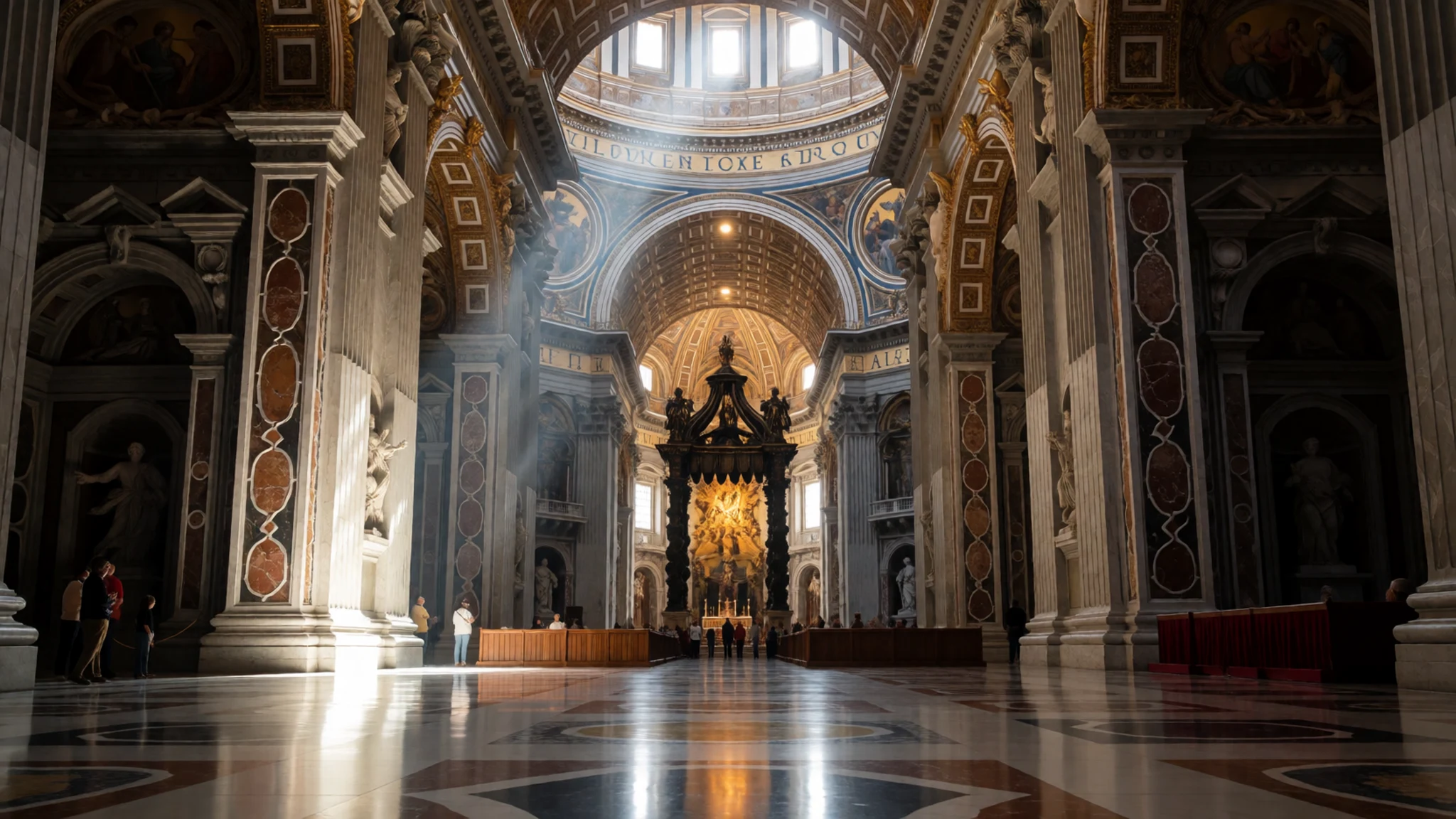
- St Peter's Square — Between the basilica and Via della Conciliazione
Most of the square is an oval, with a smaller rectangular section directly in front of the basilica. Long colonnades curve around the oval, and an obelisk stands at its centre, with a broad opening to Via della Conciliazione facing the basilica. Crowds gather here for public audiences and blessings, so the square is busiest on Wednesdays and Sundays. Arrive early if you want a clear view.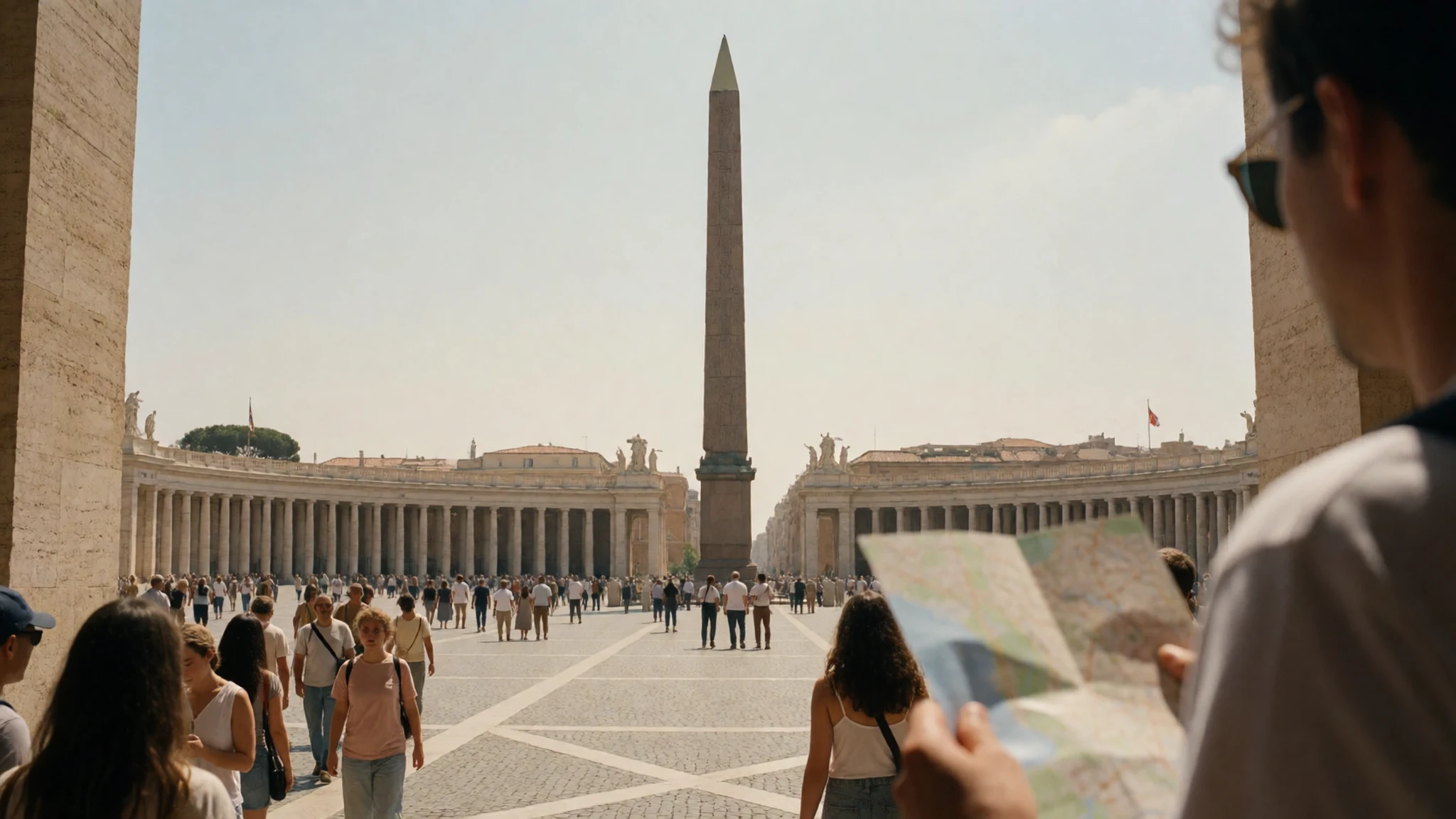
- Vatican Museums — Northern side, reached from the Borgo Pio entrance
The museums hold one of the largest and most varied art collections in Europe, built up by popes over several centuries. The route culminates in the Sistine Chapel, with its ceiling and Last Judgment by Michelangelo, and passes the Raphael Rooms and a famous spiral staircase. The galleries are long and crowded, so plan a route in advance and allow at least three hours.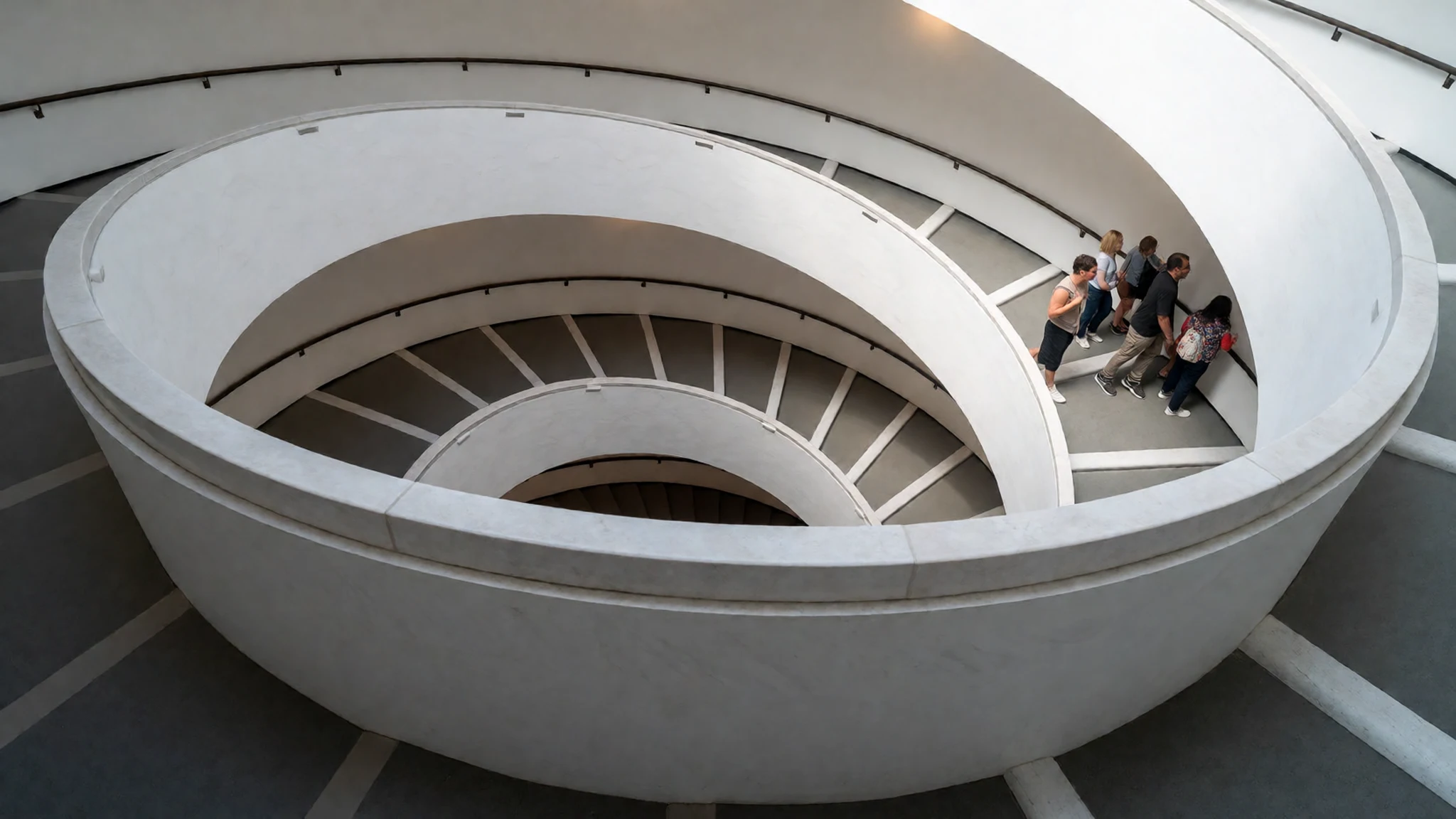
- Swiss Guards — Gates and doorways around St Peter's and the museums
The Swiss Guard is posted at the entrances to the state and protects the pope. Their colourful striped uniforms recall the dress of Renaissance soldiers, which makes them one of the most photographed sights in the state. They stand at gates and doorways rather than performing for the crowds, so ask permission before taking a close portrait and keep a respectful distance.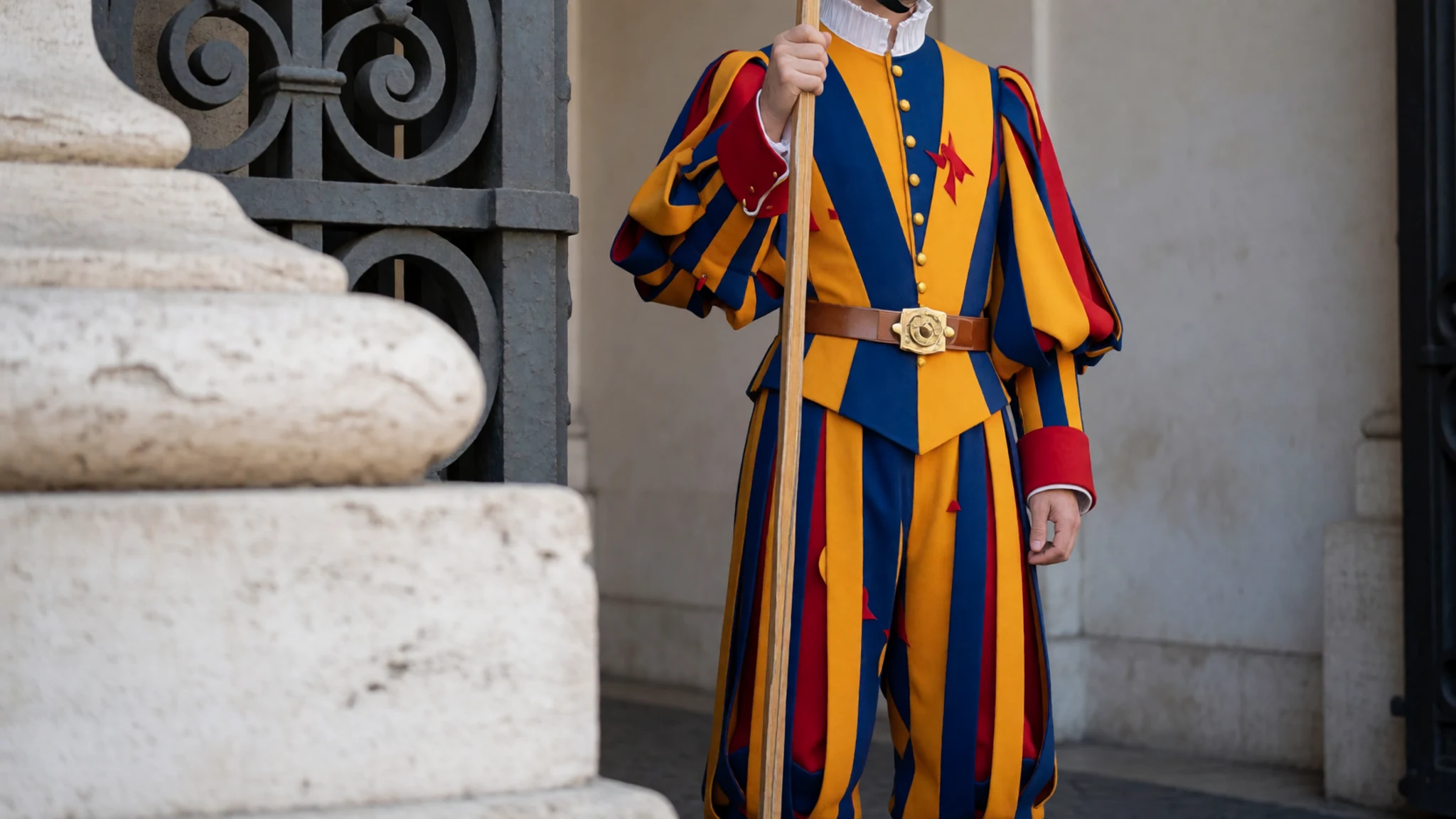
- Castel Sant'Angelo — East bank of the Tiber, Rome, close to the state's boundary
This round fortress lies just outside the Vatican walls, across the river in Rome, and is easy to reach on foot from St Peter's. Its tall brick drum and the statue on its summit can be seen from many points along the Tiber. It began as a imperial tomb and later served as a papal fortress and prison, and its terraces offer good views back over the rooftops toward the basilica.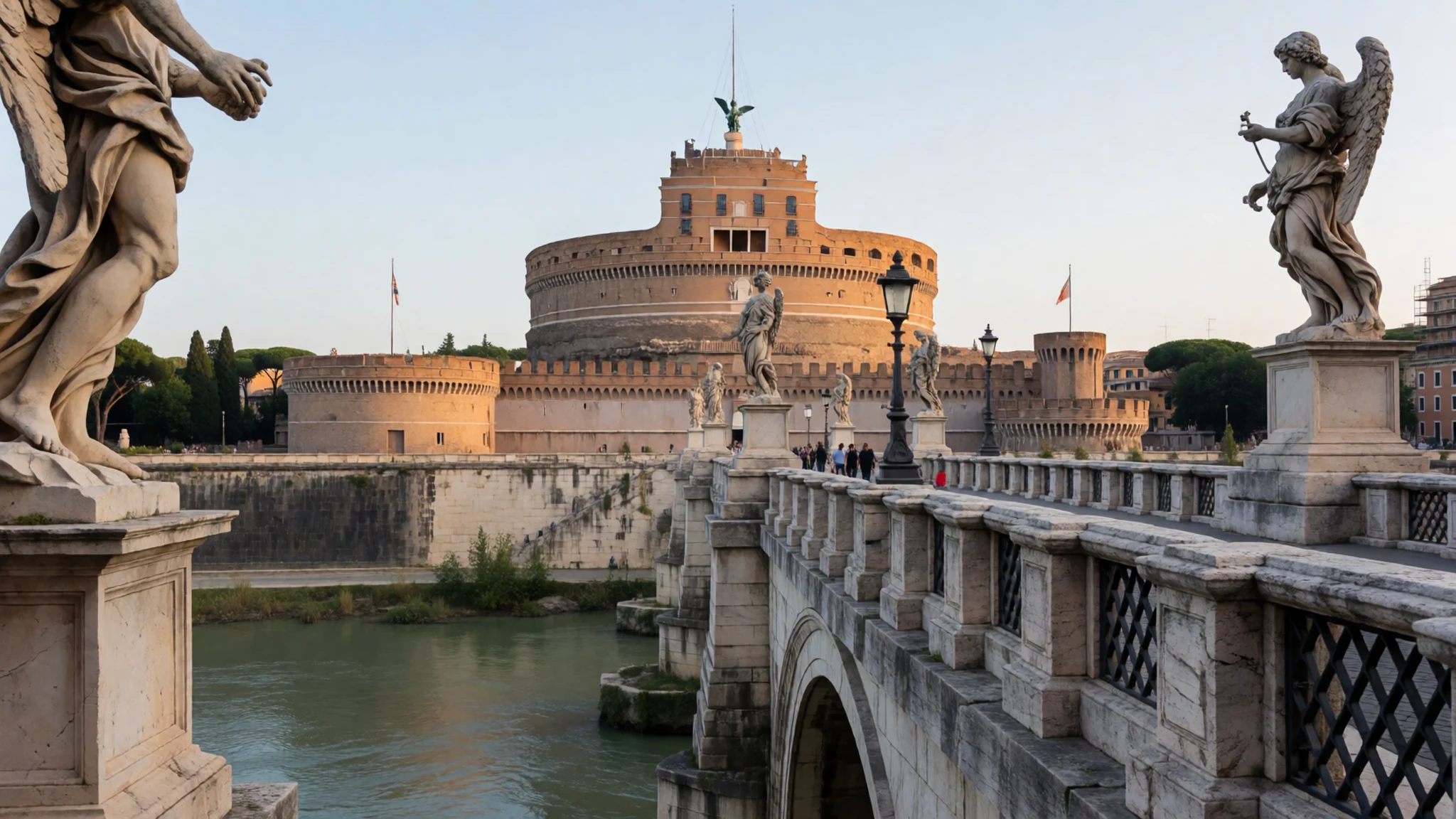
Culture
Vatican City holds some of the best-known art in Western history, and much of it sits inside churches and galleries that remain active places of worship. St Peter's Basilica was shaped by a long line of architects, including Bramante, Michelangelo, Giacomo della Porta, Carlo Maderno and Gian Lorenzo Bernini, and it stands as a major monument of Renaissance and Baroque building. In the Sistine Chapel, frescoes by Perugino, Domenico Ghirlandaio and Sandro Botticelli line the walls, while Michelangelo painted the ceiling and the Last Judgment. Raphael and Fra Angelico also decorated rooms in the papal palaces. The Vatican Apostolic Library and the museum collections are major centres of scholarship. Daily life is tied to the Church, with services held in the basilica and Swiss Guards and clergy moving through the same courtyards as tourists. Silence is expected in the chapels, where photography is banned in the Sistine Chapel and guards ask people to keep their voices down. Keep shoulders and knees covered inside the basilica and museums, and silence phones before entering any chapel.
What to wear
The most recognisable traditional dress is the uniform of the Swiss Guard, the small force that protects the pope. Its striped design in blue, red, yellow and orange is modelled on the clothing of Renaissance-era soldiers, and the guards wear it on duty and for ceremonial occasions. The clergy have their own codes: black cassocks for most priests, purple for bishops, red for cardinals and white for the pope, often with a sash and a small skullcap. Heavy cloth and fine tailoring mark formal robes. What people wear now is largely everyday European clothing. Clergy and Vatican staff dress in dark suits or clerical black, while the Swiss Guards wear their uniform on duty during the day. Visitors arrive in summer clothes, and the mix of tourists and pilgrims makes the dress code look relaxed from the outside. A visitor should dress for religious sites. The basilica and museums expect shoulders and knees covered, and sleeveless tops and shorts can be refused at the entrance, so carry a light scarf or long layer. Summers are hot, so breathable fabrics help, but galleries are cool. Comfortable closed shoes matter most, since the route through the museums and basilica involves a great deal of walking on stone floors.
What to eat
- Pastasciutta — Quick-service pasta counters on the streets beside the Vatican walls
Pastasciutta is simply pasta on a plate, and quick-service counters near the Vatican walls serve it fast and cheaply. Portions are generous, so one plate often makes a full lunch. Ask for tomato and basil or a simple ragù, the classic Roman sauces.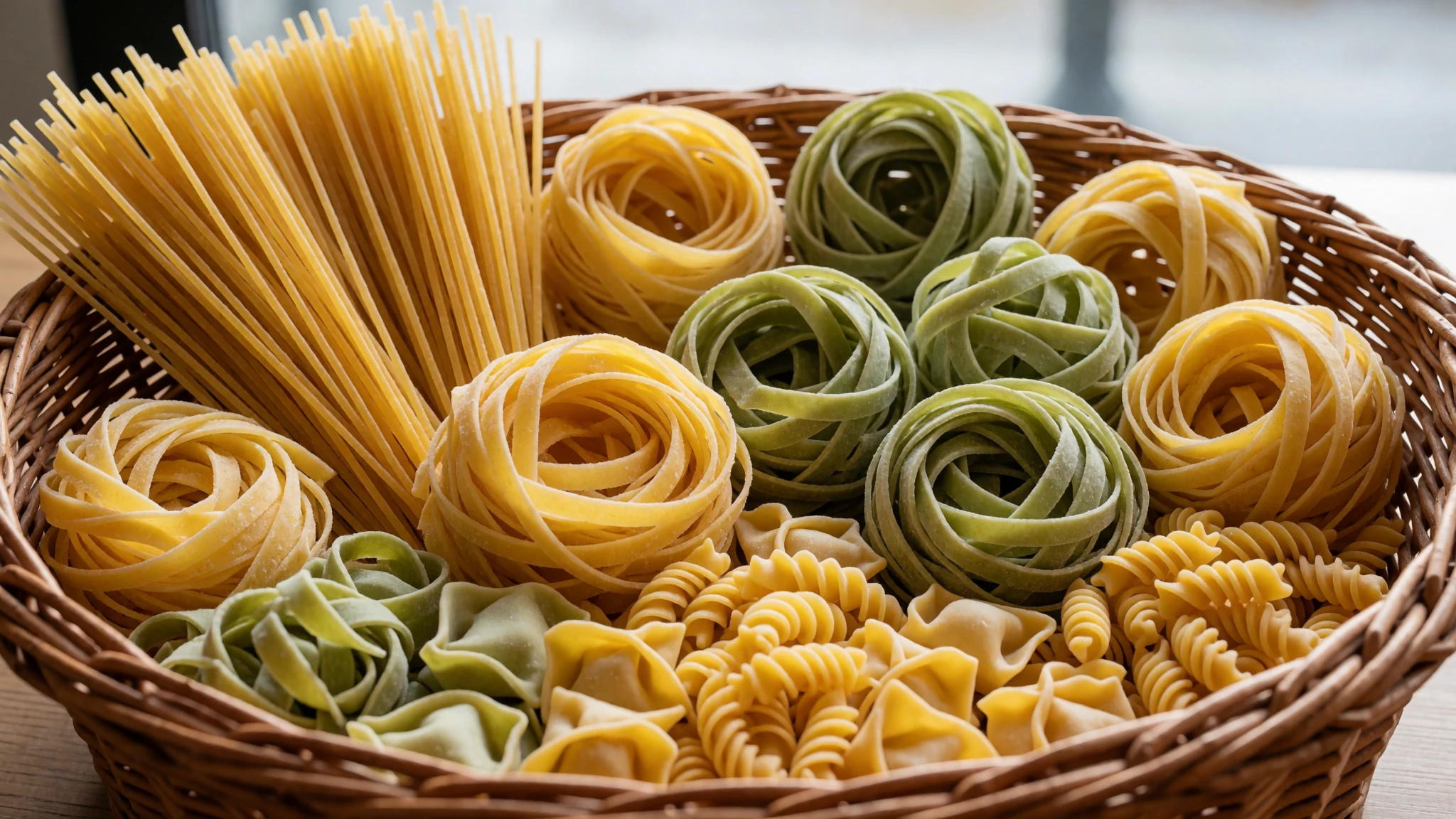
- Pizza al taglio — Bakeries and takeaway counters near the Vatican walls
Pizza al taglio is sold by the slice from long rectangular trays, weighed at the counter so customers pay for what they choose. Bakeries near the walls keep trays out through the day. Potato, courgette and tomato toppings are common, and a slice makes a good walking snack.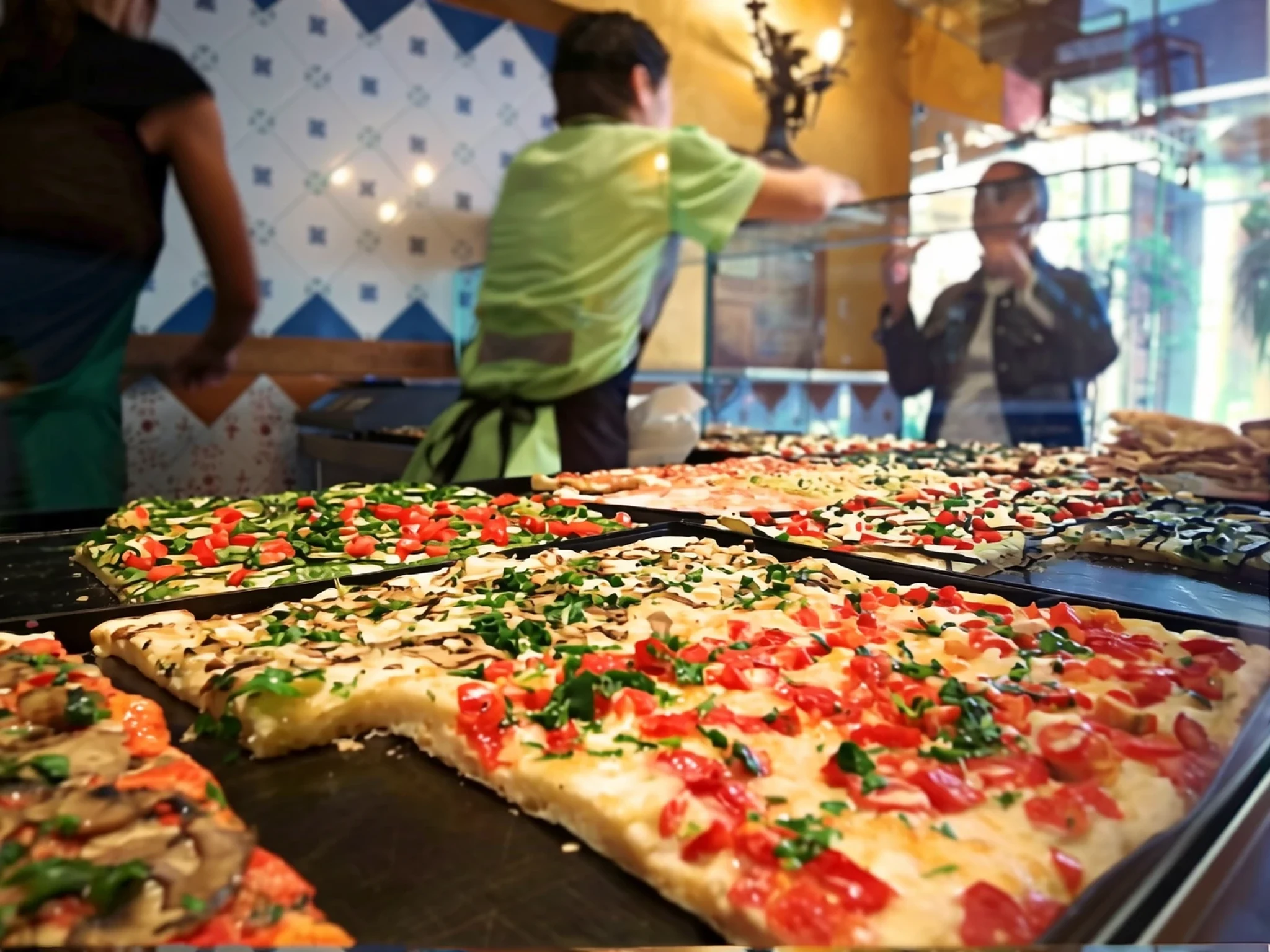
- Gelato — Gelato shops along the Vatican walls on the route to the museums
Gelato is Italian ice cream, served denser and softer than many ice creams. Shops along the wall sell it in cups and cones with flavours such as pistachio, hazelnut and dark chocolate. It is a welcome treat on hot summer afternoons.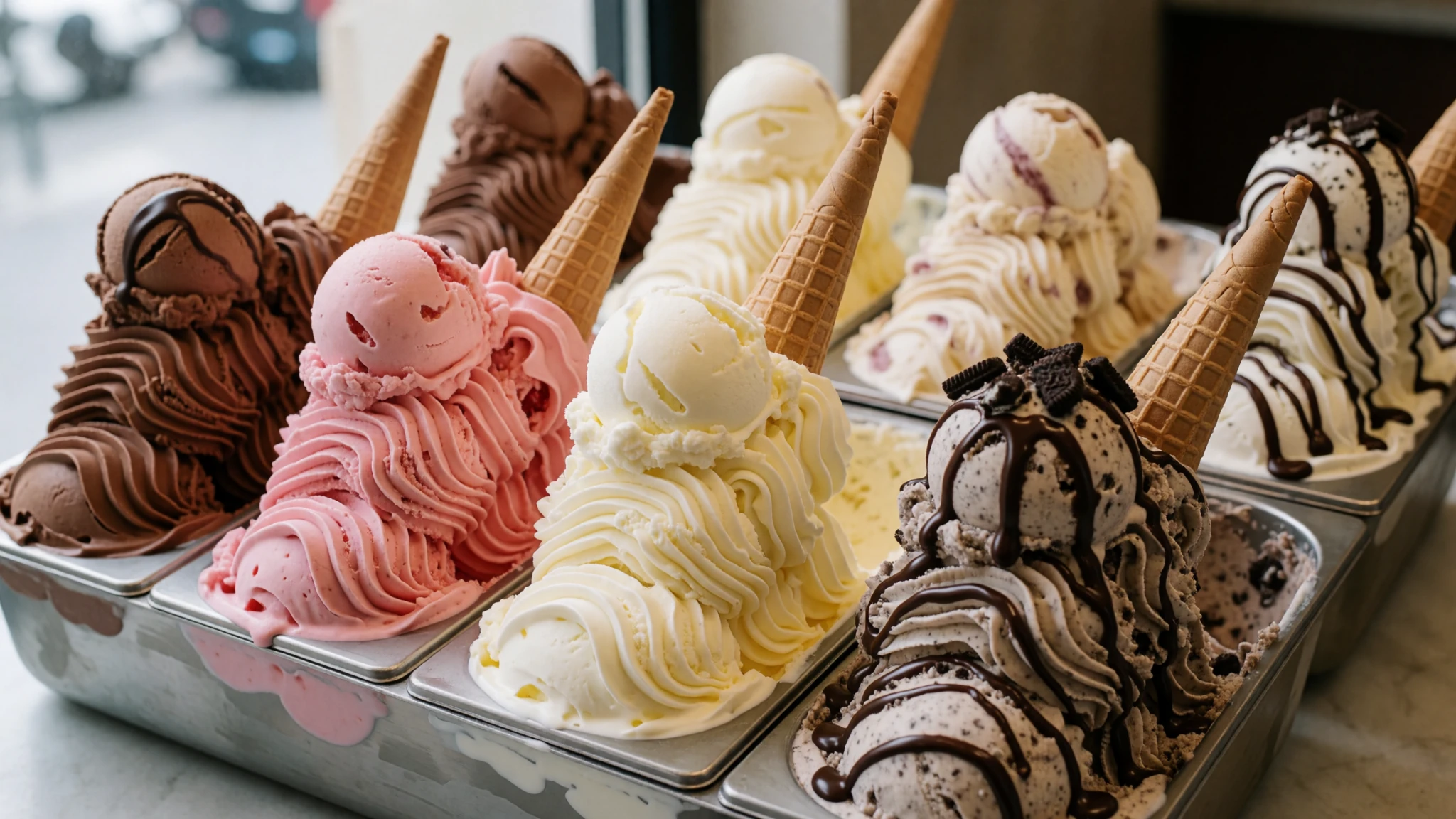
- Trapizzino — Craft beer bars and street counters in the streets beside the walls
Trapizzino is a Roman snack of pizza dough folded into a triangular pocket and filled with slow-cooked stews. Craft beer bars nearby often serve it with a pint, making a light supper. The pocket is easy to carry between sights.
Plan it
Best time. April to May for mild weather and spring colour, with the driest, warmest days in late spring. October to November is the wettest stretch of the year, so pack a coat and an umbrella if you visit then. Summer is hot and busy, and winter can be grey and wet.
How long. 2–3
Getting there. Rome's Fiumicino airport is the main gateway, with trains running into central Rome. From there, take metro line A to Ottaviano for St Peter's or to Cipro for the museums, both a short walk away. Bus 64 from central Rome reaches the southern end of the state.
Budget. mid
Tips
- Book timed entry for the museums and the Sistine Chapel online before you travel
- Arrive early in the morning to beat the worst queues at the basilica and museums
- Expect security checks at the basilica and museums, and keep bags small
- Keep valuables close on bus 64, which is known for pickpockets
- Carry some cash for small purchases, though cards are widely accepted
- Check the official site, vaticanstate.va, for current opening hours and fees
Etiquette
- Cover shoulders and knees for the basilica and museums
- Keep voices low and phones silent in the chapels
- Do not photograph inside the Sistine Chapel
- Stand aside during services and processions rather than walking through them
Nearby
Sources
- Wikidata Q237 (CC0)
- Wikipedia: Vatican City (rev 1382237772) (CC BY-SA 4.0)
- Wikivoyage: Rome/Vatican (rev 5360576) (CC BY-SA 4.0)
- Photo: 0 Basilique Saint-Pierre - Rome (1), Jean-Pol GRANDMONT (CC BY 3.0)
- Photo: Vatikanische Gaerten Museen Rom, Stefan Bauer (CC BY-SA 2.5)
- Photo: Obelisk of St. Peter, Livioandronico2013 (CC BY-SA 4.0)
- Photo: Circus of Nero, Jbribeiro1 (CC BY-SA 4.0)
- Photo: The British Army in Italy 1944 NA16179, No 2 Army Film & Photographic Unit (Public domain)
- Photo: St Peter's Square, Vatican City - April 2007, Diliff (CC BY-SA 1.0)
- Photo: Pano-P7264747-P7264763 (3189867), Wolfgang Manousek (CC BY 2.5)
- Photo: Vatican panorama from St. Peter's Basilica, Marcus Winter (CC BY-SA 2.0)


