Vat Phou
Vat Phou, Laos
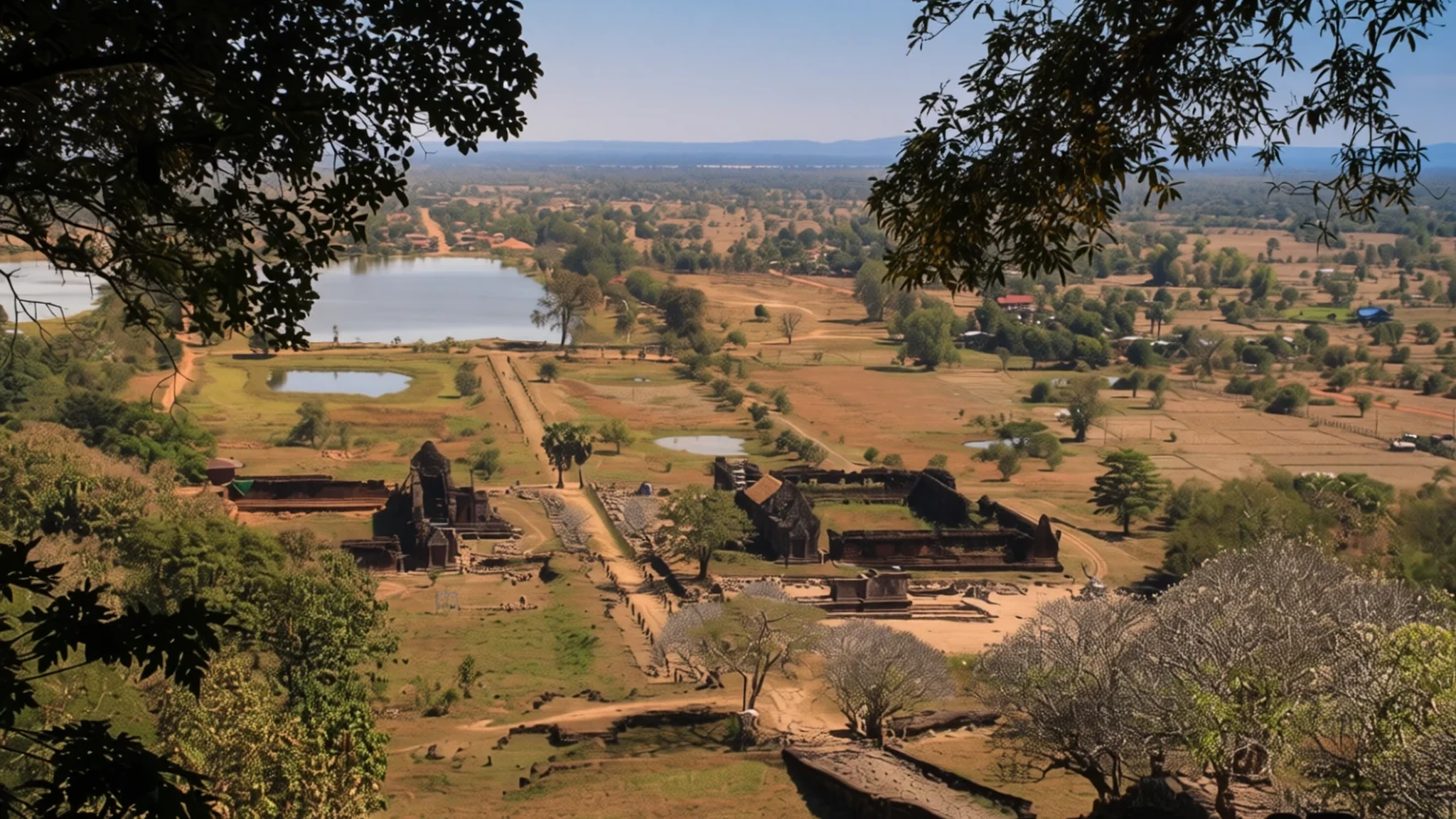
A Khmer-Hindu temple complex climbing a hill in southern Laos, built centuries before the Lao kingdoms arrived in the area.
The place
Vat Phou is a Khmer-Hindu temple complex that now lies in ruins. It stands in southern Laos, on the lower slope of a hill that rises above the Mekong plain. Its stone buildings climb in stages from the valley floor toward a sanctuary set against the hillside, with courtyards, reservoirs and gateways stepping up between them. The sandstone has weathered to grey and green, and forest has grown back around many of the foundations, so the site feels as much like a landscape as a monument.
A paved path runs up through rows of stone pillars that frame the approach. Most of the buildings are now roofless, but enough walls, doorways and carved stonework survive to show how the complex was laid out. Buddhist shrines within the grounds mean the place is still used for worship, so it works as a religious site as well as an archaeological park.
The midday heat is hard going on the open stone, so the mornings are the most comfortable time to walk. The afternoons bring more visitors, and the paths get busier. The late light is the most rewarding, when the ruins turn gold and the forest noise rises around them. Food and drink are available from a few vendors near the entrance, but the setting is best appreciated slowly.
Its story
Vat Phou grew out of a much older sacred place. Before any stone buildings went up, people honoured a spring on the hillside and a spirit thought to protect the land. The earliest megalithic structures were probably raised as early as the second century BCE, and they included stone cells, a carved crocodile and serpent stairs.
The wider area was tied to Shrestapura, a city on the Mekong's bank below Lingaparvata Mountain, now called Phou Khao. Texts and inscriptions connect that kingdom with Chenla and with Champa, and the first structure on the mountain appears to date from this period. The mountain carried weight because of a lingam-shaped rock on its summit. Seen as the home of Shiva, the hill was paired with the river, which stood for the ocean or the Ganges.
The oldest inscription found at the site names a ruler who founded a sacred water place and claimed a string of victories after arriving from far away. Later the land passed into the Khmer Empire, and the temple was rebuilt in the style of Angkor. Over time the Kuy people settled the area, speaking a language related to Khmer. Lao settlers from Vientiane arrived to found Champasak as a kingdom, and it was later overrun by Siam. French control followed, shifting the region's centre to Pakse. Vat Phou was added to the UNESCO World Heritage list in 2001, and a festival still takes place on the site each February.
What to see
- The main path and stone pillars
The paved approach runs between rows of stone pillars that frame the walk into the complex. Walking it slowly shows how the ground rises toward the central sanctuary, and the pillars throw long shadows in the morning. Expect uneven stones and a steady slope, so sturdy shoes make the climb easier.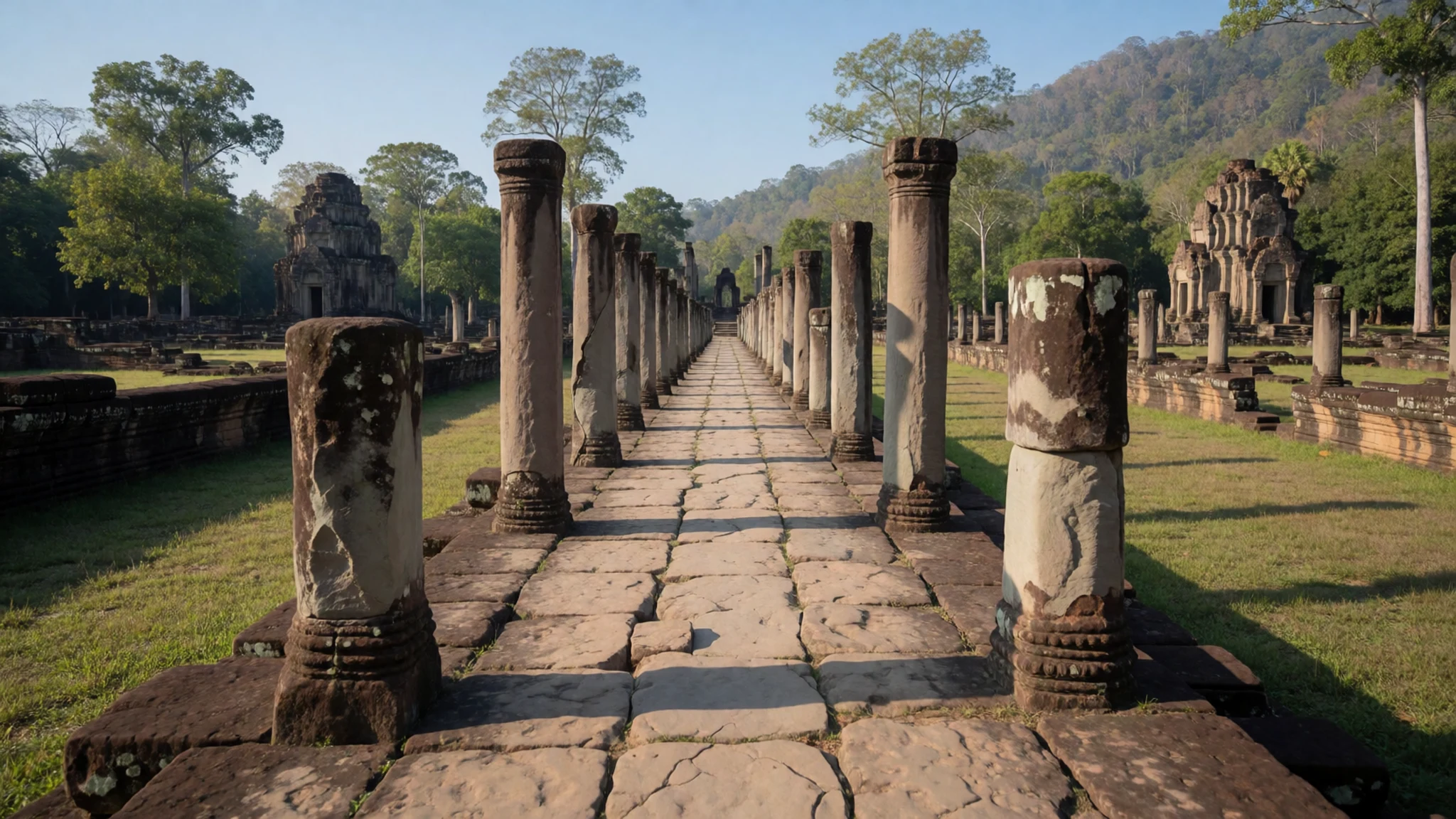
- The ruined northern palace
A roofless range of stone walls and doorways stands north of the main sanctuary, the remains of a residential complex within the temple grounds. The walls are heavily weathered, and some sections have been stabilised with new masonry. It is especially photogenic in late afternoon, when low light catches the sandstone.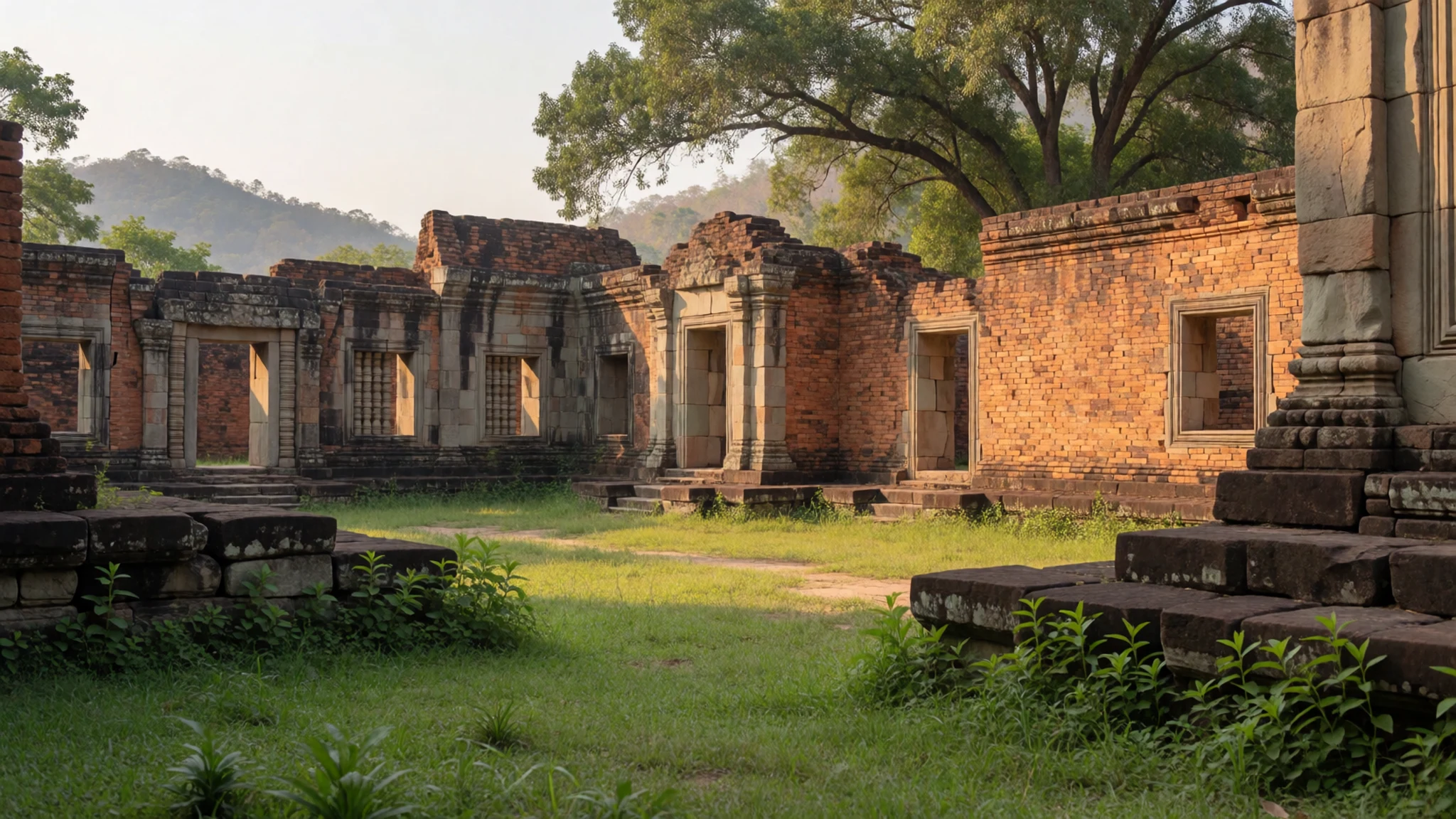
- The Middle Baray
A long rectangular reservoir lies within the complex, part of the water system that served the temple. Its embankments are grassy, and on still days the surface reflects the sky and the trees. It is a good place to pause and think about how carefully water was managed here.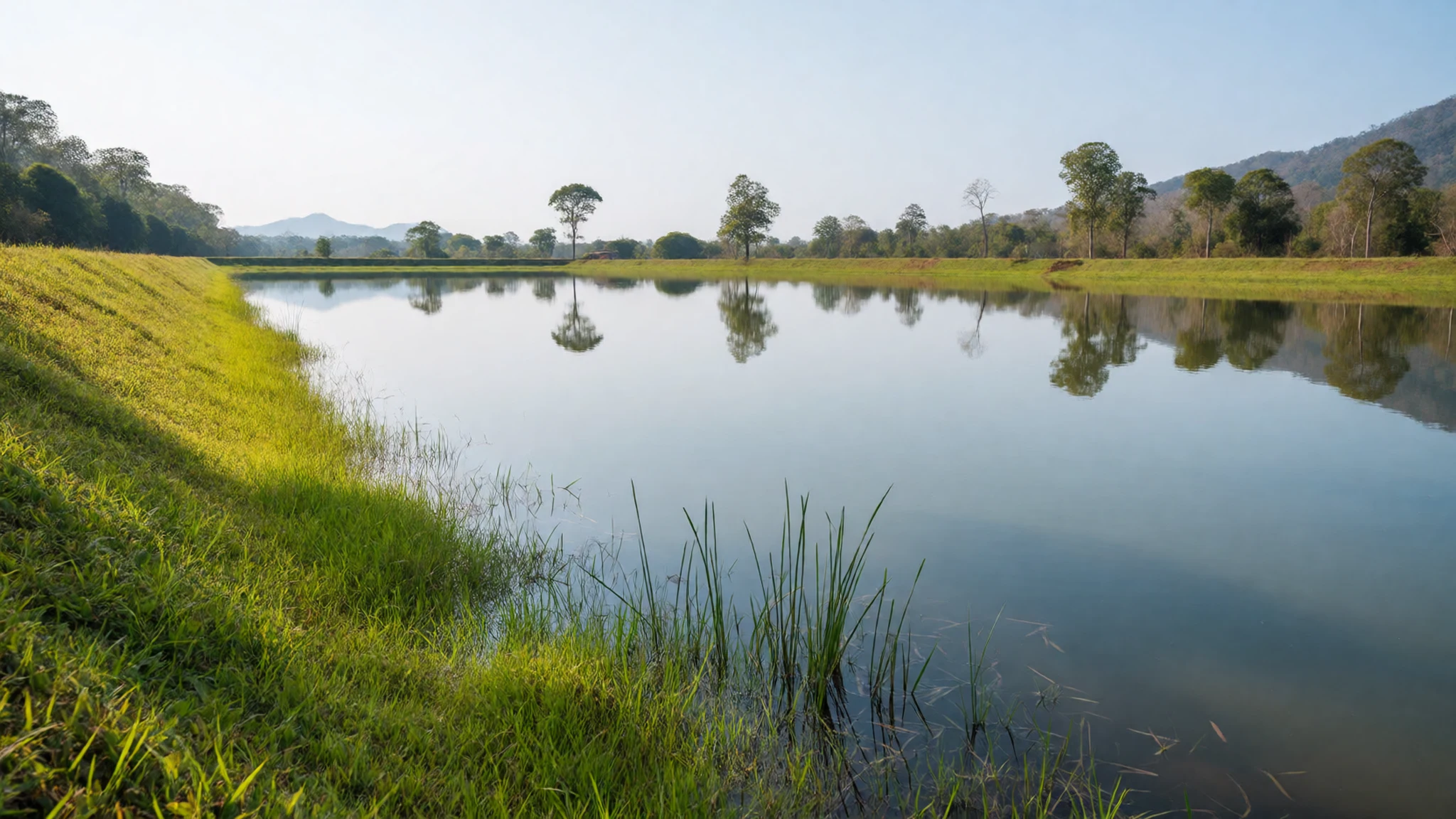
- The summit and the lingam rock
Above the complex, the hill's summit carries the lingam-shaped rock that gave the mountain its spiritual weight. The climb is steep and exposed to the sun, so going early is wise. From the top, the view over the forest and the river plain explains why this hill was chosen for a sanctuary.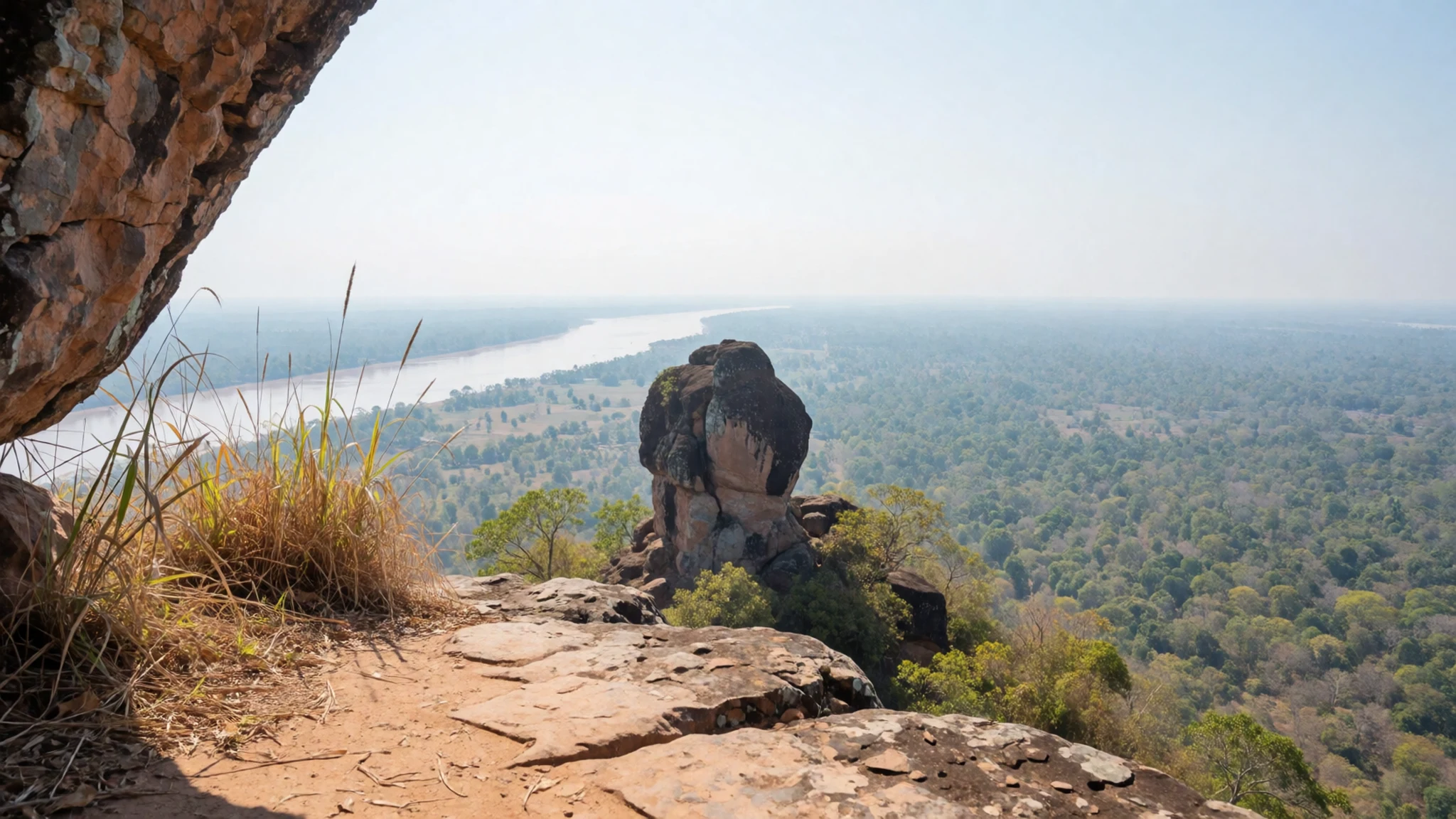
- The site museum
A small museum on the grounds holds carved stones and statues found at the site, including standing Buddha figures. The collection shows how Hindu and Buddhist art overlapped in the region over a long period. Allow time for it before or after the walk, since the displays are compact.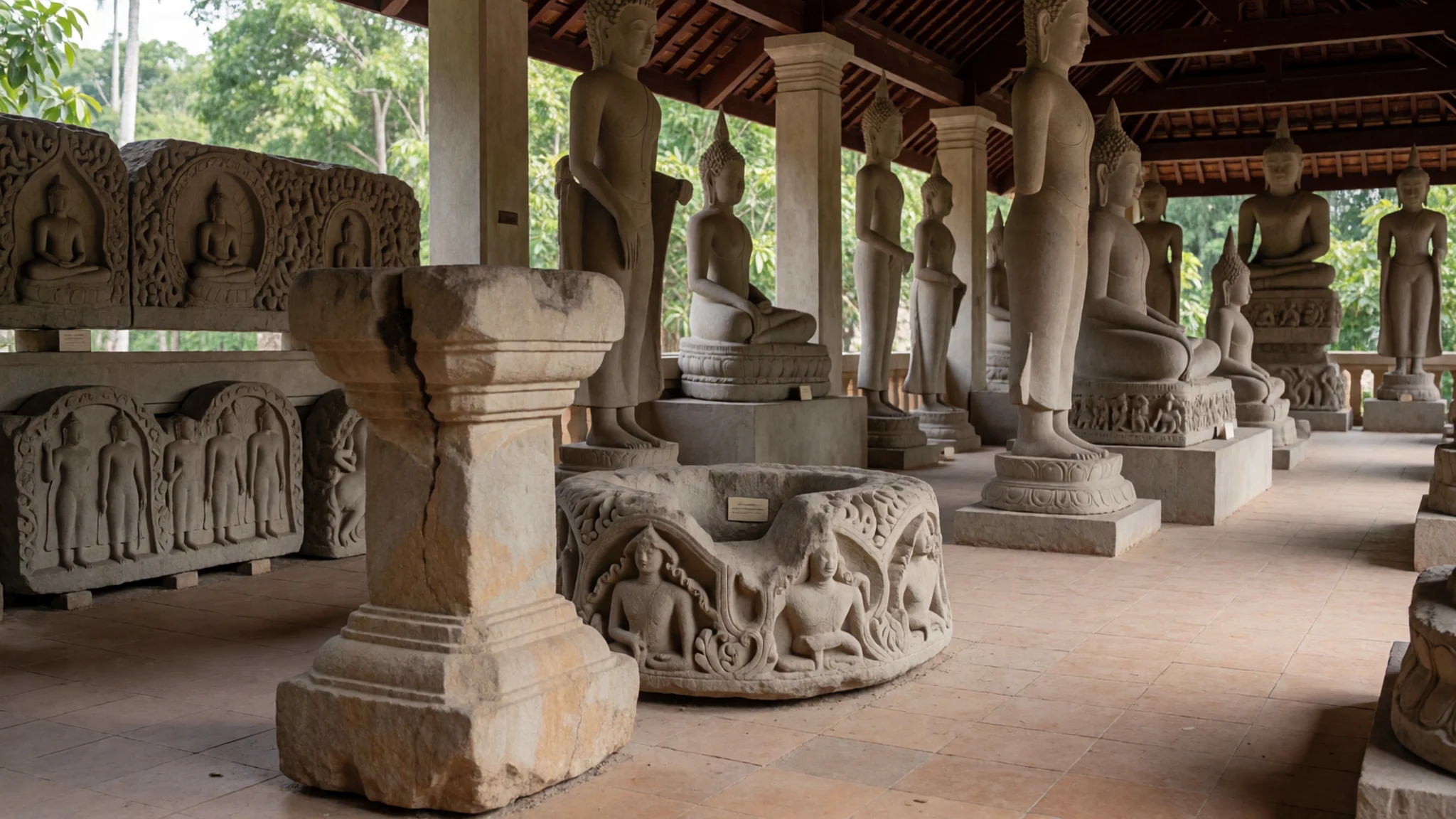
Culture
At Vat Phou, the Hindu-era ruins sit alongside shrines that Buddhist worshippers still use, so the site is a working religious place as well as a heritage area. Monks and local families visit to make offerings, and the mood is calmer and less commercial than at the best-known temples of Angkor. Lao hospitality is gentle and unhurried, and locals are warm towards visitors who make an effort with a simple greeting.
Many people from nearby villages earn a living from the site through food stalls, guiding and small crafts. Buying a drink or a snack from them is a fair way to support the community, and a friendly bargain is usually acceptable. Conversations with vendors often mix Lao, a little English and gestures, so patience goes a long way.
When you visit the shrines, take your shoes off before entering any room with a Buddha image or altar, and cover your shoulders and knees.
What to wear
At Vat Phou, the traditional dress of the Lao people blends older textile customs with everyday clothing. The sinh is a woven wrap skirt, usually made of silk or cotton, with a patterned band at the hem known as the teen. A shoulder cloth, the phaa biang, often completes the outfit on formal occasions. Men traditionally wear a checked cotton wrap, the pakama, sometimes with a Lao-style shirt. These textiles are woven in many local patterns, and the silk ones are used for weddings, New Year and temple festivals.
Everyday dress in the province is much more relaxed. Locals wear jeans, shorts and t-shirts, and young people in towns follow Thai and international styles. The sinh appears on special days rather than in daily life.
For a visit to the temple, choose loose, breathable cotton clothing, with long trousers or a knee-length skirt, and cover your shoulders when you go near the shrines. A wide-brimmed hat and sunglasses are sensible in the sun. Footwear matters on the uneven laterite and sandstone, so pick shoes with good grip that are also easy to slip off at shrine doors.
What to eat
- Laap (minced meat salad) — Street vendors along the road to Wat Phu and village eateries around Champasak
Minced chicken, pork or fish is tossed with lime juice, toasted rice powder, mint, shallots and chilli. It is Lao food at its most typical and is eaten with sticky rice. Find it at street stalls along the road to Wat Phu and in village eateries around Champasak.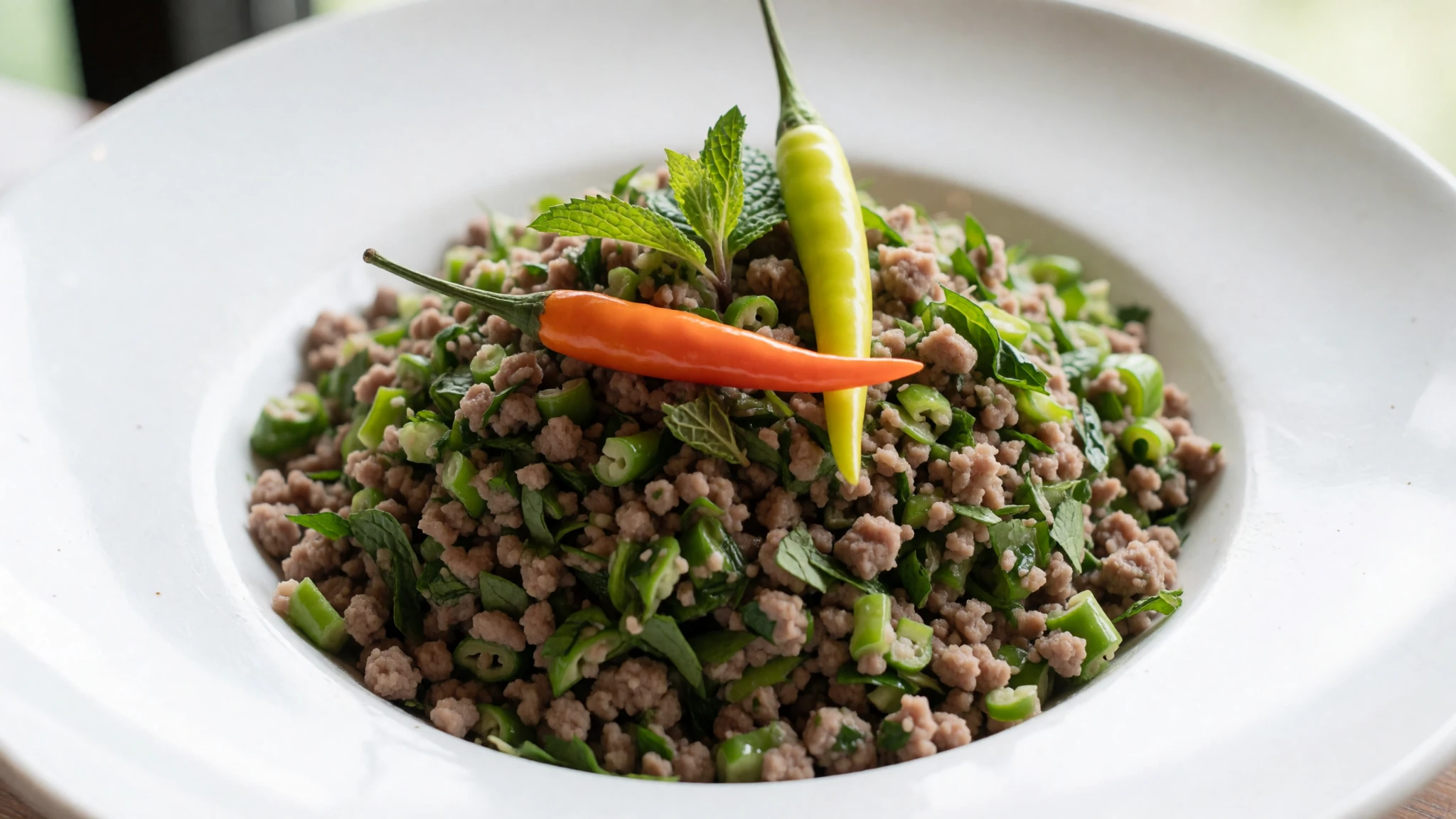
- Khao niao (sticky rice) — Any market stall or family eatery in the Champasak area
Sticky rice is served in woven baskets at almost every meal. You eat it with your hands, pressing small portions into balls and dipping them into sauces or grilled meat. Stalls sell it by the basket, so it is an easy snack to pick up.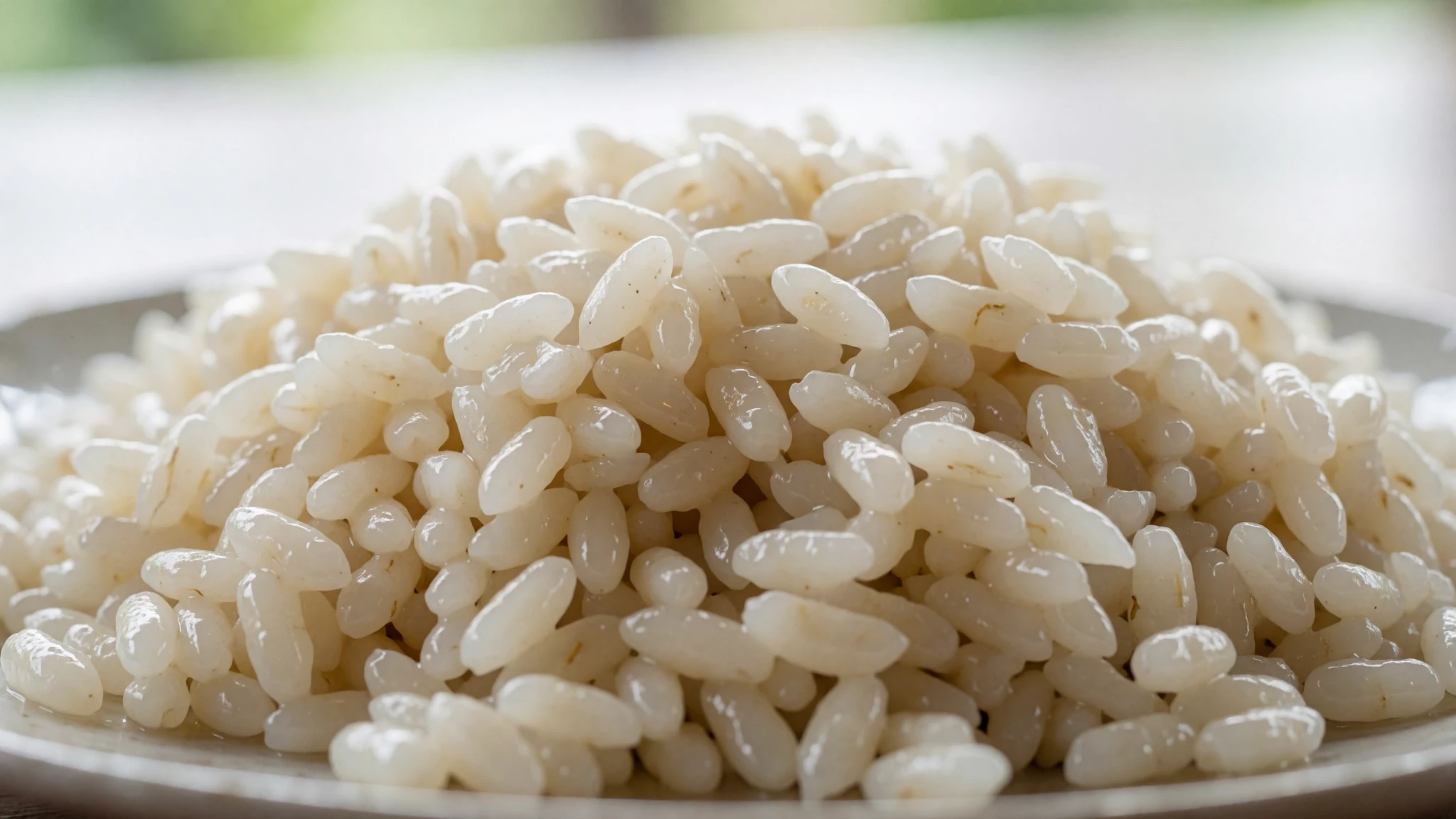
- Grilled river fish — Riverside stalls near the ferry crossing
Mekong fish is split, salted and grilled over charcoal, often wrapped with herbs. It comes with a sharp dipping sauce and a basket of sticky rice. Look for smoke rising from riverside stalls, especially near the ferry crossing. - Som tam (green papaya salad) — Street vendors along the road to Wat Phu
Shredded green papaya is pounded with chilli, lime, garlic, tomato and fish sauce. Ask for it mild if the heat is too much. It is a common snack and is sold by mobile vendors along the road to the temple. - Khao piak sen (noodle soup) — The morning market in Pakse and small noodle shops in Champasak
A clear noodle soup made with chicken or pork broth, herbs and fresh greens is a popular breakfast. It is a good fuel for an early walk up to the temple. Most markets and small noodle shops serve it before mid-morning.
Plan it
Best time. November to April is the drier season and the most comfortable time to walk the stone paths. The hottest weeks come just before the rains, which fall roughly from May to October, bringing humidity and muddy tracks.
How long. 2–3
Getting there. Pakse's small international airport is the nearest, and buses run from Pakse to the south. The last leg is a songthaew from Pakse's southern bus station to Champasak or the river crossing, then a ferry and a walk or ride up the road to the temple. Motorbike hire in Pakse is another option.
Budget. low
Tips
- Start early, when the light is softer and the paths are quieter before the midday heat.
- Carry water and sun protection, as there is little shade on the open stonework.
- Bring small notes of cash for entry, songthaew fares and street food, since small vendors may not take cards.
- If you ride a motorbike, ask for help on the ferry, because the ramp can be tricky.
- Check the official site for current opening hours and fees before you travel.
Etiquette
- Remove shoes before entering any shrine room with a Buddha image or altar.
- Dress modestly, covering shoulders and knees, when visiting the Buddhist shrines.
- Ask before photographing monks or people at prayer.
Nearby
Sources
- Wikidata Q579860 (CC0)
- Wikipedia, Vat Phou (rev 1375639476) (CC BY-SA 4.0)
- Wikivoyage, Champasak (rev 5233611) (CC BY-SA 4.0)
- Main path lined with stone pillars to the ruined Khmer Hindu temple of Wat Phou (Basile Morin) (CC BY-SA 4.0)
- Wat Poo, Champasak (Mattana) (CC BY 3.0)
- Ruined northern palace at sunset (Basile Morin) (CC BY-SA 4.0)
- A tree in Vat Phou (Alexkom000) (CC BY 4.0)
- Middle Baray in Vat Phou 1 (Alexkom000) (CC BY 4.0)
- Middle Baray in Vat Phou 2 (Alexkom000) (CC BY 4.0)
- Middle Baray in Vat Phou 3 (Alexkom000) (CC BY 4.0)
- Middle Baray in Vat Phou 4 (Alexkom000) (CC BY 4.0)


