Vanuatu
Vanuatu, Vanuatu
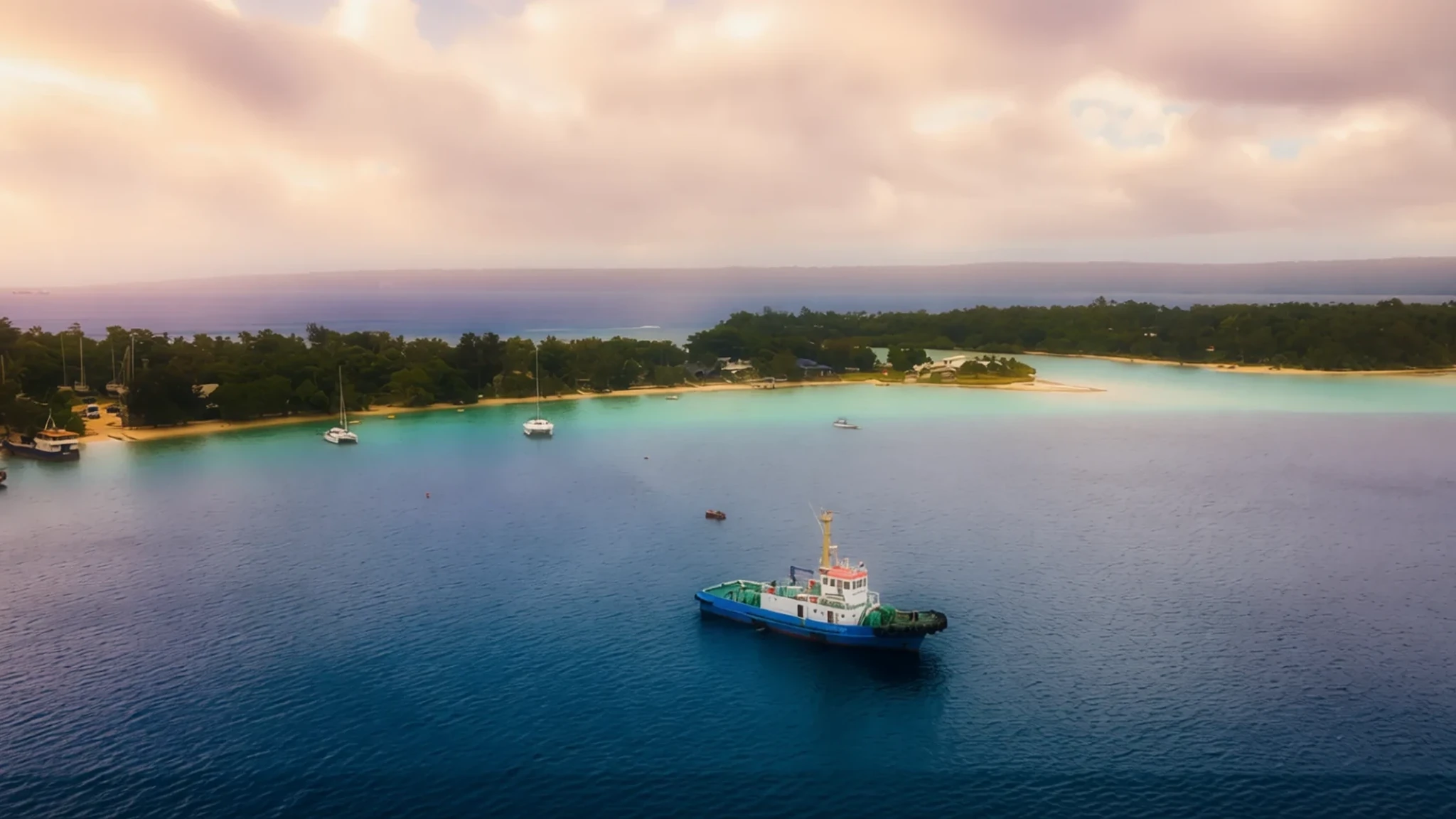
Vanuatu offers volcanoes, reefs and village life across a chain of islands, best reached slowly and with a local host.
The place
Vanuatu is a republic made up of a chain of volcanic islands in the South Pacific, in the Melanesian part of Oceania. Its capital, Port Vila, sits on Efate, the island most visitors reach first, and the country has around 300,000 people. Independence came in 1980, after a movement that grew through the 1970s, so the state is young compared with most of its neighbours, though the island communities are very old.
The islands run in a north–south line, and the landscape changes quickly from one to the next. Some have wide, pale beaches and calm lagoons; others have steep, forested interiors and rough tracks. Volcanic activity is part of daily life on several islands and shapes the soil, the water and where people choose to live. Efate is where most resorts cluster around Port Vila. Tanna, further south, is the island for active volcanoes and village ceremonies. The Banks Islands in the north are quieter and more rugged, with waterfalls and crater lakes.
Expect slow travel. Ferries and small planes keep timetables that often bend, and roads outside Port Vila can be rough. Most visitors come from Australia, and a large share arrive on day cruises, so the capital can feel busy for a few hours and then quiet again. Away from the resorts, life runs on gardens, churches and village meetings, and a visit is richer if you stay somewhere local, even for a night.
Its story
Vanuatu's early past is hard to reconstruct. There are few written records from before European contact, and archaeology has only begun to cover the islands. Volcanic ground and a humid climate have probably buried or destroyed many older sites. Digging since the 1980s shows that people of the Lapita culture were settling these islands roughly three thousand years ago, and that they spread widely, from the northern Banks Islands down to Aneityum in the south. Teouma on Efate holds a large ancient cemetery with the remains of 94 people, and Lapita sites on Malakula and Aore show the same long reach.
Later, the islands of Efate, Lelepa and Eretoka became associated with a chief known as Roy Mata, a leader whose story is still told locally and whose traces remain in the landscape.
European contact began in 1606, when a Spanish expedition under the Portuguese navigator Fernandes de Queirós reached the largest island, Espíritu Santo. Queirós claimed the archipelago for Spain and gave it a grand name, La Austrialia del Espíritu Santo. That claim faded, and the islands were left largely to traders and missionaries.
In the 1880s France and Britain both asserted claims over parts of the group. In 1906 they agreed a joint arrangement, an Anglo-French condominium known as the New Hebrides, which governed the islands together for decades. Independence arrived in 1980 as the Republic of Vanuatu, and the country kept its own languages and island identities within its modern state.
What to see
- Mount Yasur, Tanna — Tanna, southern islands
Mount Yasur is an active volcano on Tanna and the main reason many travellers head south. Guided visits take you to the crater rim, where you can watch the eruptions from close quarters, though activity changes from day to day. Go with a licensed local guide, check conditions on the day, and bring a torch, closed shoes and a cloth to cover your face if the wind turns the smoke your way.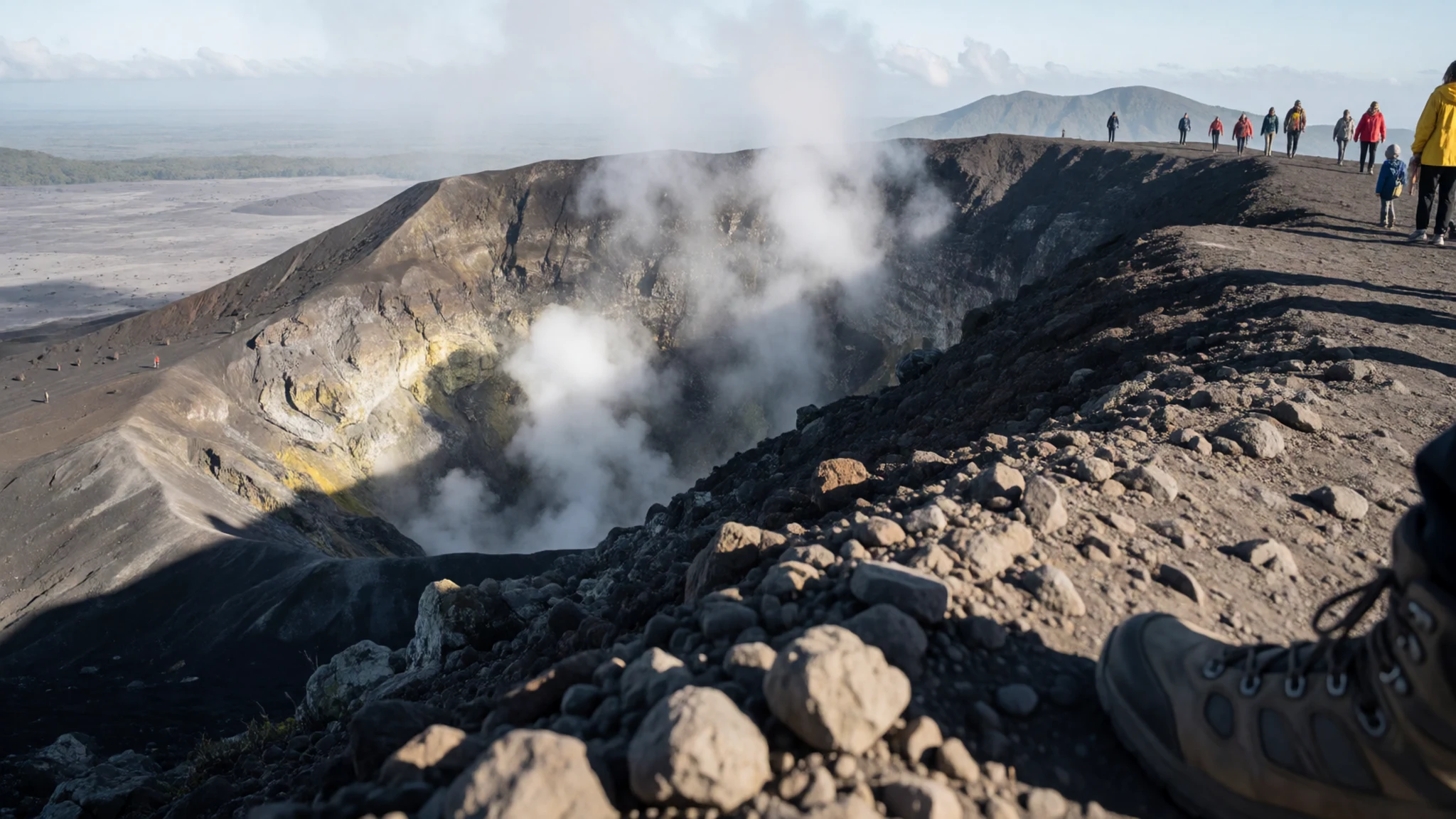
- Siri Waterfall, Gaua — Gaua, Banks Islands
On Gaua, the largest of the Banks Islands, the Siri Waterfall takes its water from Lake Letas, a crater lake. The islands here are rugged rather than resort-led, so you will need a boat or a small flight and a local host to arrange the trip. Pack for wet ground, carry plenty of water and plan a slow day rather than a quick stop.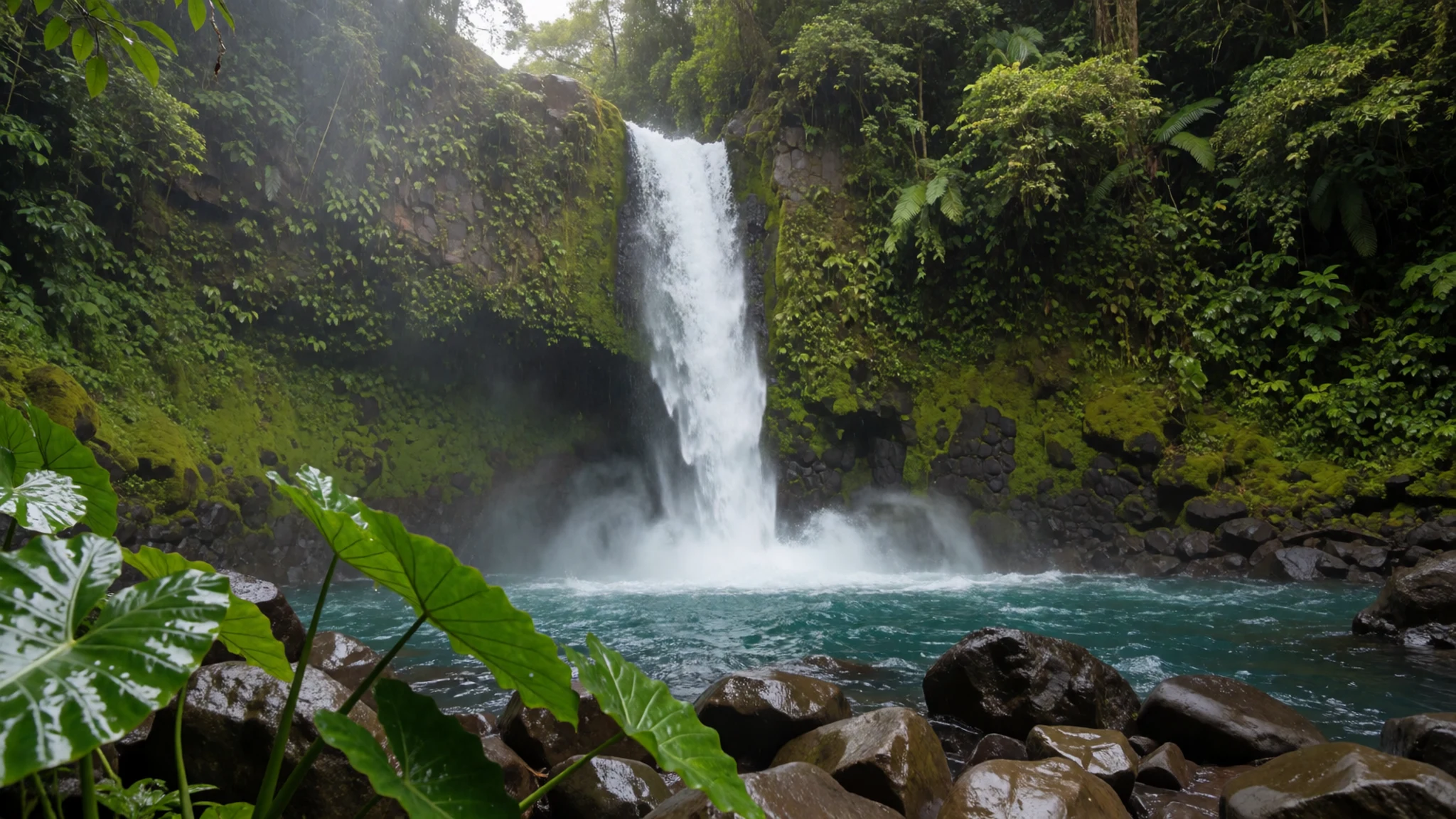
- Fels Cave, Lelepa Island — Lelepa Island, a short boat trip from Efate
Fels Cave on Lelepa Island holds ancient drawings on its walls. Their age is estimated and their meaning is still unclear, so local guides often set community accounts beside the archaeology. Access is by boat from Efate, the cave is dim and damp, and you should ask before photographing any ceremonial spaces.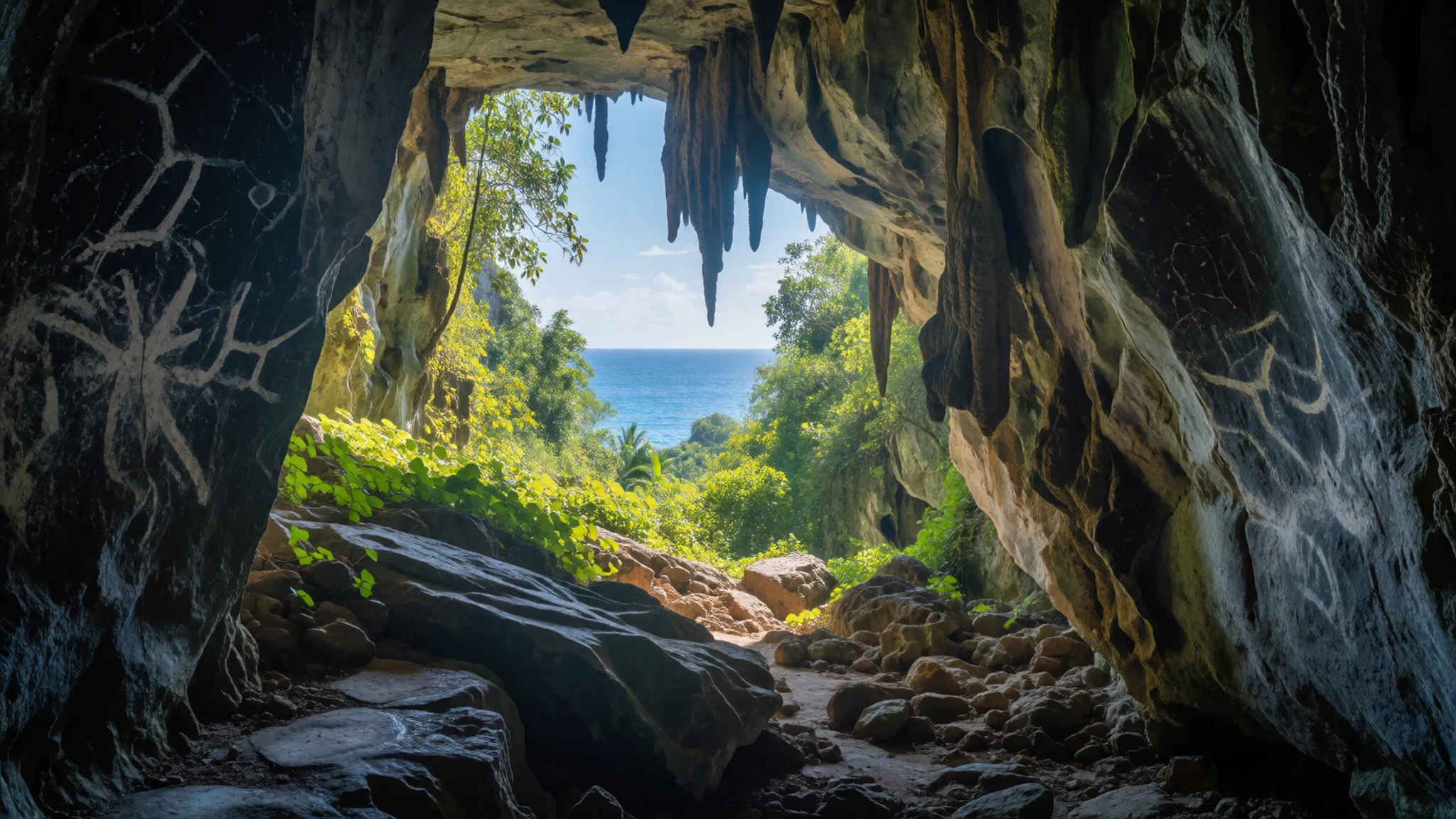
- Erakor Beach, Efate — Erakor, Efate, near Port Vila
Erakor Beach, on the outskirts of Port Vila, is the kind of sandy shore that draws people out of the capital for a day. The lagoon water is usually calm enough for a swim, and a few eateries sit behind the sand. Arrive early for shade and quiet, and take your own water and sun protection, as there is little shade at midday.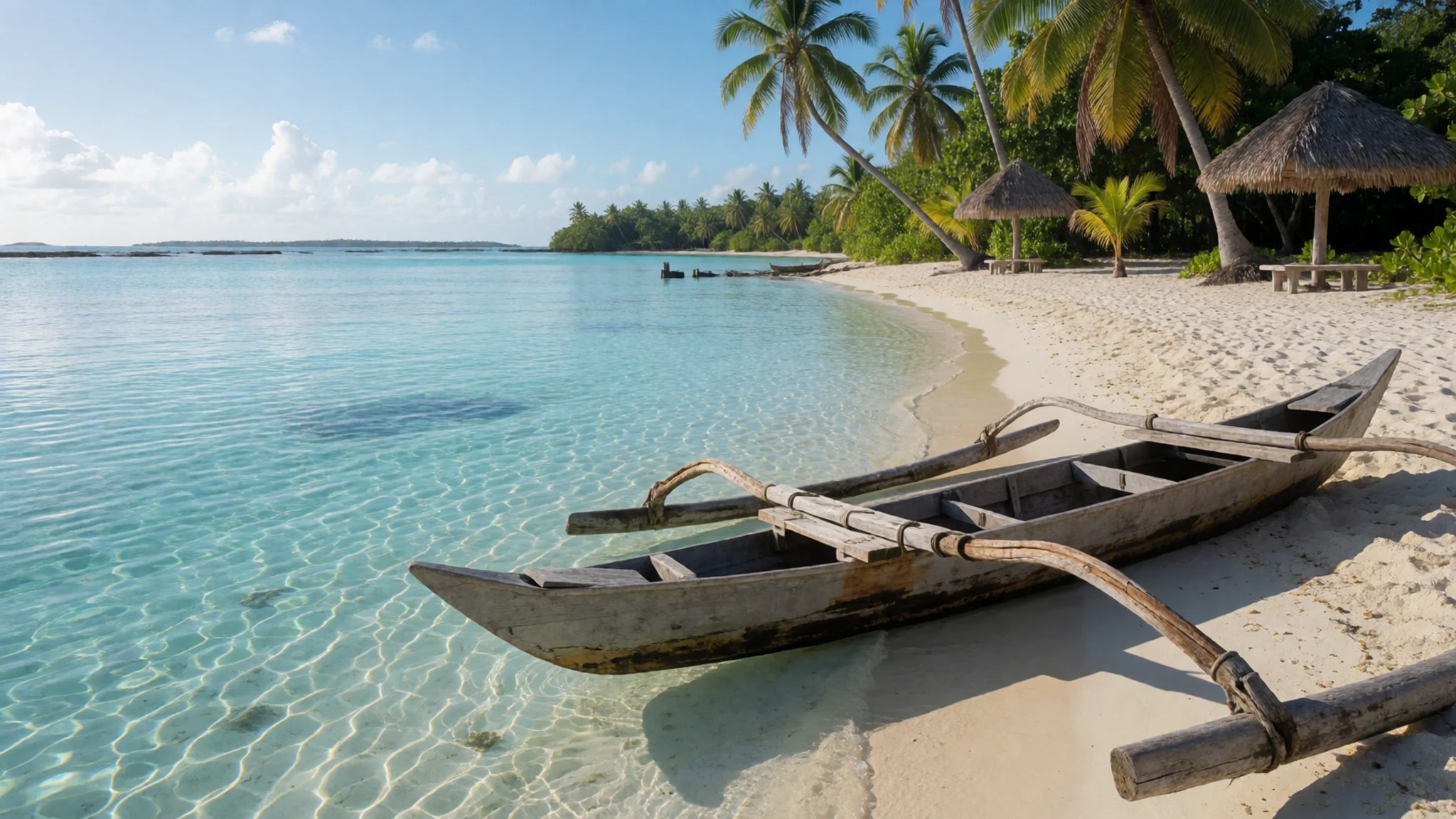
- Parliament building, Port Vila — Central Port Vila, Efate
The Parliament building sits in central Port Vila, close to the waterfront, and is one of the first civic landmarks you will see on a walk around town. Check with the Parliament's office whether visits or tours are possible before you go, and dress neatly if you go in. The market and the waterfront are both an easy walk, and most of the capital's shops and eateries are within a short stroll.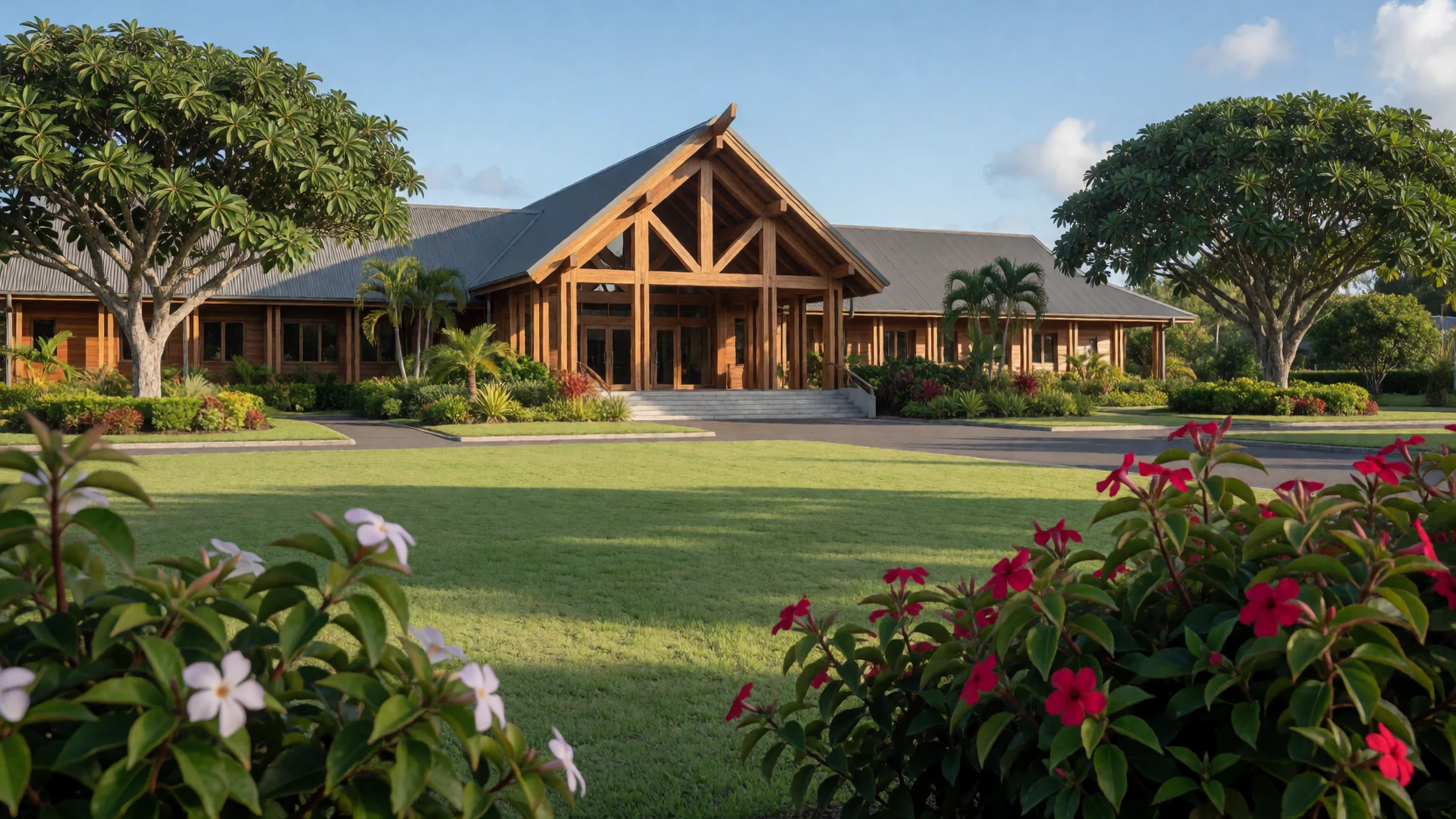
Culture
Vanuatu's culture is not one thing. Broadly, the north is shaped by a grade-taking system in which status comes from giving wealth away, and pigs, particularly those with curled tusks, are a sign of standing across the country. The centre keeps more traditional Melanesian systems at its core, while the south uses titles that carry particular privileges. Young men mark their passage through ceremonies in many communities, and these are often private.
Most villages are organised around a nakamal, a clubhouse where men meet and kava is drunk. Many villages also keep separate spaces for men and for women, with special provision for women during menstruation. These arrangements are part of everyday life rather than a show for visitors, so they are not something to probe or joke about.
Churches are central to village life too, and many communities mark Sunday in a quiet way. If you are invited into a village, follow your host's lead on where to sit and what to say, and do not photograph people, ceremonies or sacred places without asking first.
What to wear
Traditional dress in Vanuatu varies from island to island and is tied to ceremony more than to daily life. On Tanna and other islands, ceremonial dress includes grass skirts and penis wrappings worn for festivals and rituals. Everyday clothing was historically made from plant fibres such as pandanus and coconut leaf, plaited, woven or stitched into mats and skirts. Shell, feathers and carved ornaments mark status and identity where they are used, and these are worn for occasions that matter to a community rather than as costume for visitors.
In Port Vila and the towns, people wear ordinary Western clothing: shirts, skirts, dresses and shorts, with more formal dress for church, government offices and celebrations. In villages, many women wear longer skirts and modest dresses, and many men wear collared shirts and long trousers for meetings. Dress tends to be neat and covered when people are working or in public.
As a visitor, choose light cotton or linen that covers shoulders and knees, especially in villages, churches and the capital. Swimwear belongs on beaches and at resorts. For the volcano and rough tracks, wear closed, grippy shoes, keeping sandals for the beach. A light rain jacket and a hat are useful, and a sarong or scarf lets you cover up quickly for a village visit.
What to eat
- Laplap — The morning market in Port Vila and village markets on the islands
Laplap is a traditional dish of grated root crops, often manioc, taro or sweet potato, wrapped in banana leaf and steamed in an earth oven of hot stones. It is dense and savoury, and you will see it at celebrations as often as on everyday tables. Ask a stallholder at a market for a cut to take away.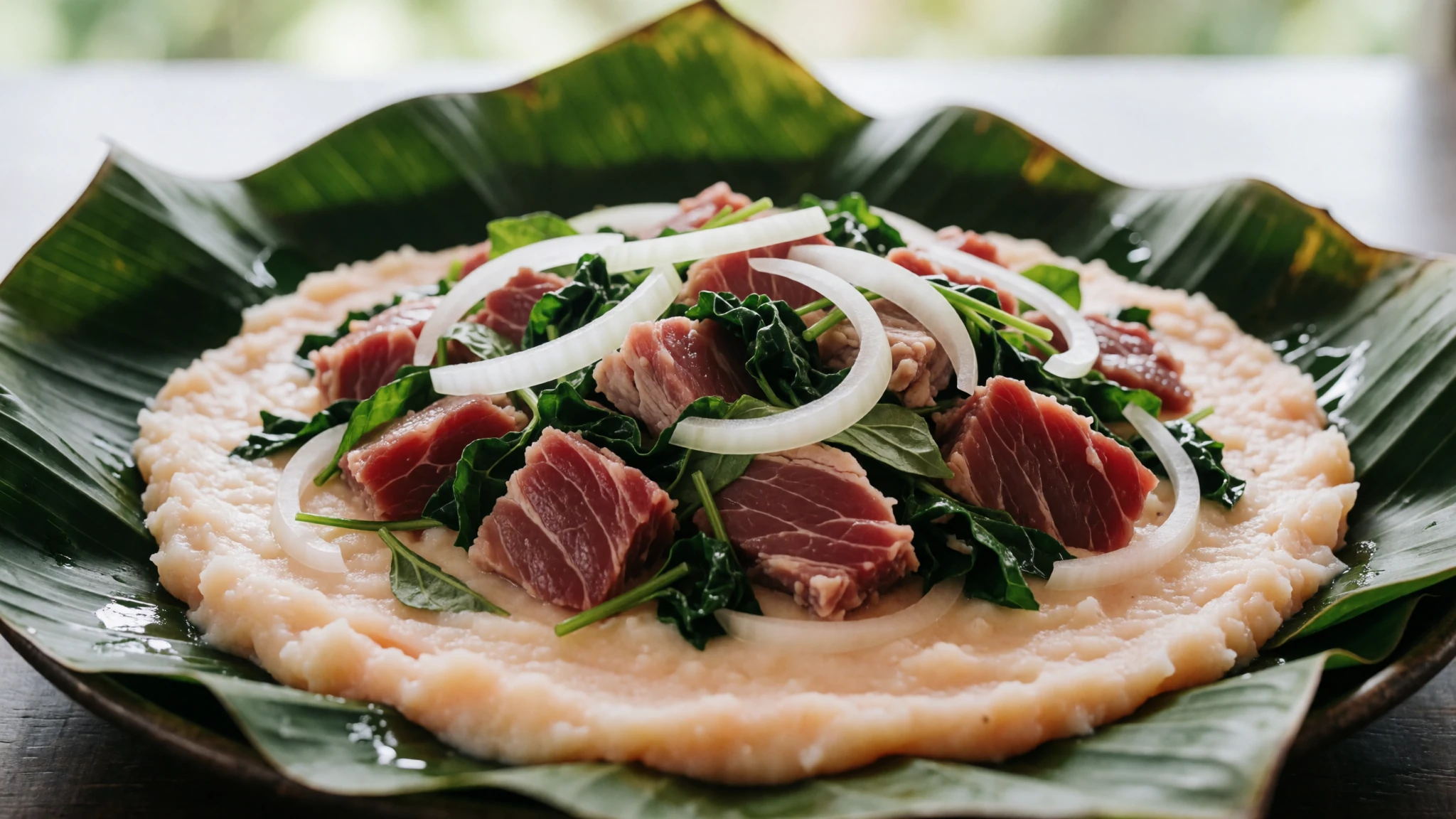
- Root vegetables — Produce stalls at the Port Vila market and roadside stalls on Efate
Traditional food here revolves around tubers, so yam, taro, manioc and sweet potato appear boiled, baked or roasted. Buy them from stalls where growers sell their own harvest, and eat them with fish or greens for a simple, filling meal.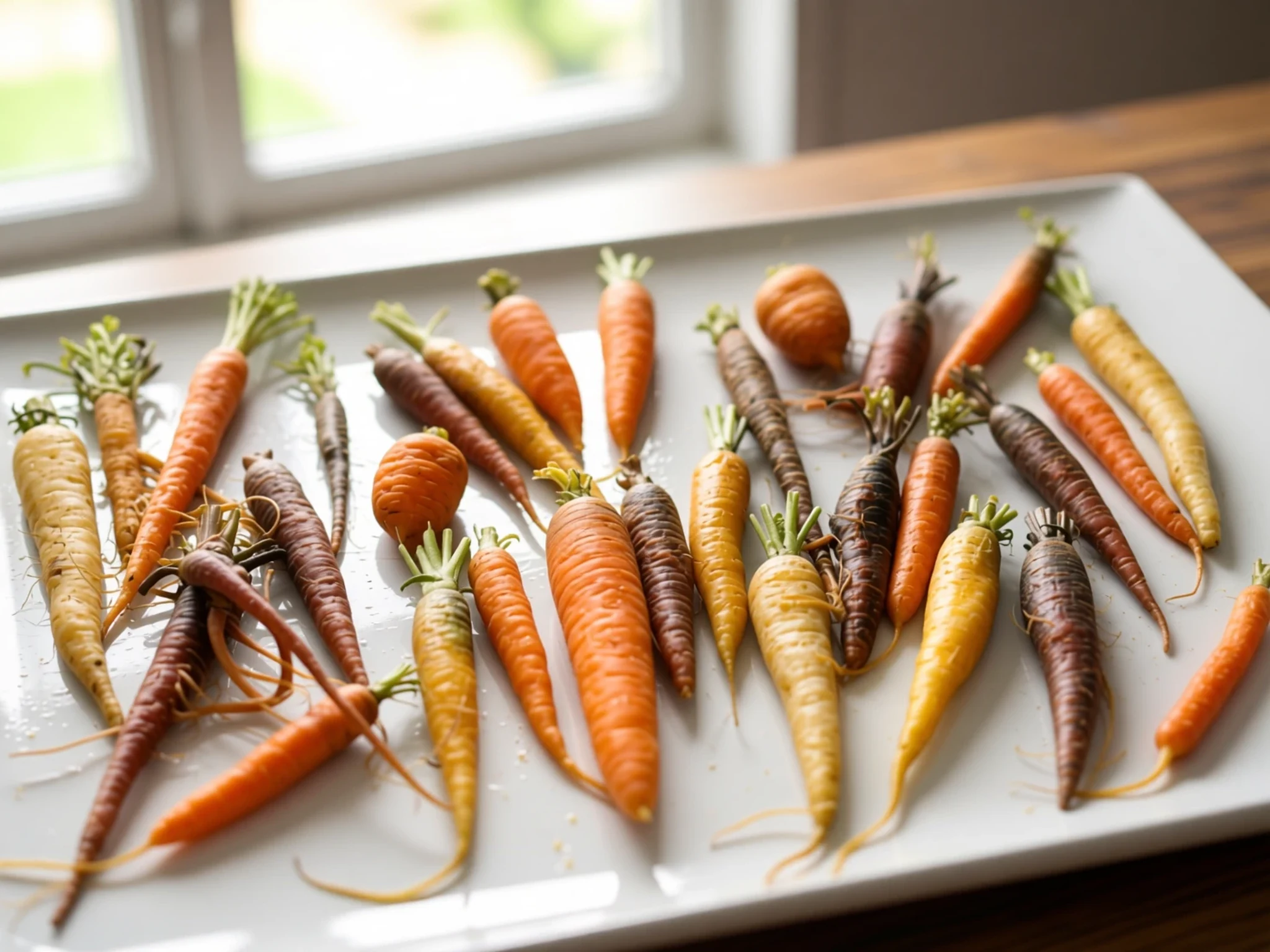
- Grilled fish and seafood — Waterfront and central restaurants in Port Vila
Port Vila has restaurants ranging from smart places serving French-influenced dishes to simple eateries with plastic chairs. Grilled fish and seafood are the common thread, often served with rice or chips and a salad. Ask what came in that morning, and expect service that moves at island pace.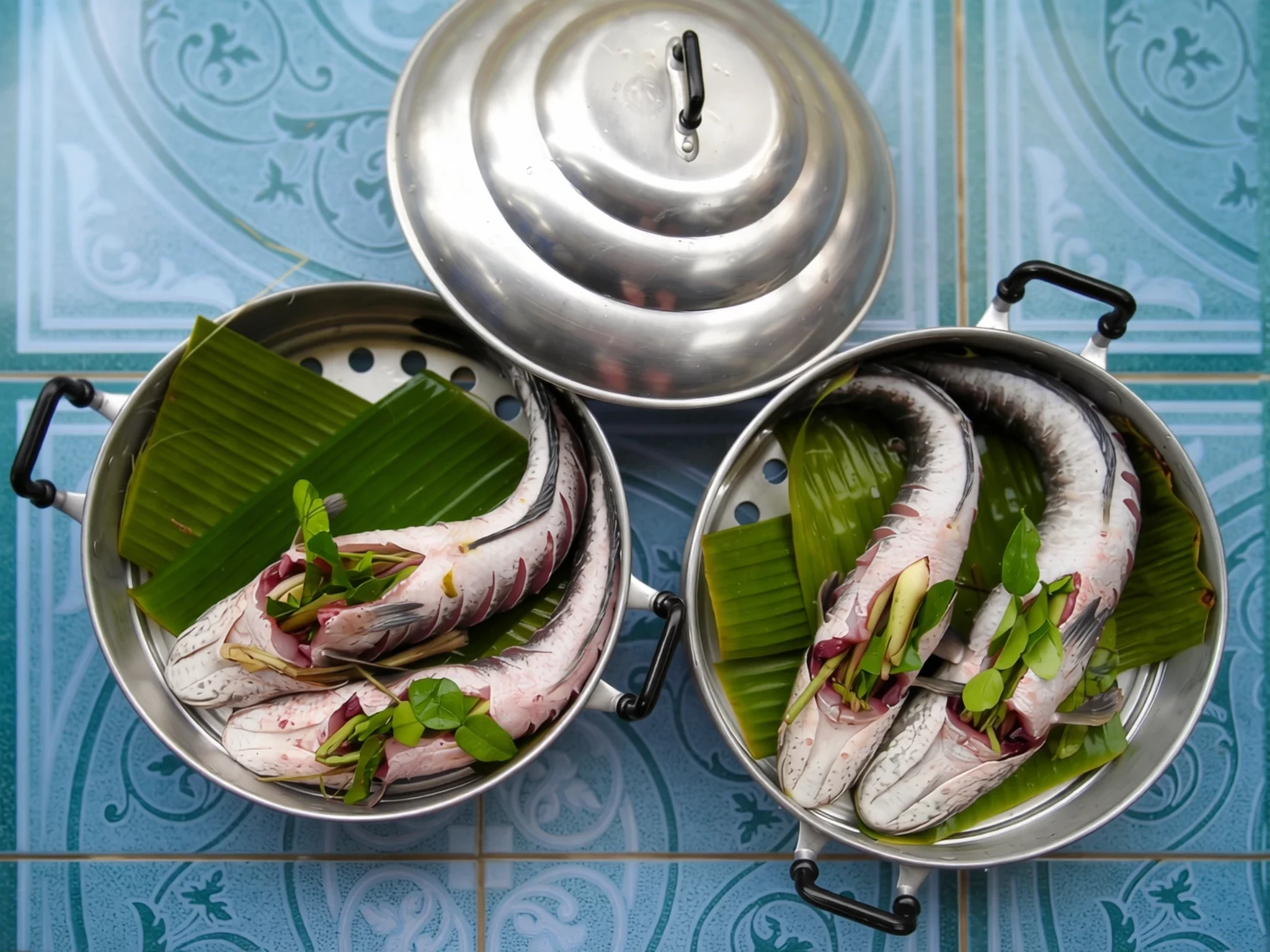
- Fresh fruit juice — Cafés and juice stalls around the Port Vila waterfront
Fresh juice made from local fruit is a refreshing stop after a hot morning of walking. Ask for it freshly squeezed and drink it in the shade. Where ice is served, choose places where you trust the water used to make it. - Kava — A village nakamal, or a kava bar in Port Vila
Kava is a mildly sedating drink made from the root of a pepper plant and is traditionally served at village clubhouses called nakamals. It is a social drink, usually shared among men in a village, and in Port Vila you will find bars that serve it to visitors. Go with a local host, sit quietly and follow how others drink.
Plan it
Best time. The drier months from about May to October are generally the most comfortable for travel. The wetter period from about November to April brings heavy rain and cyclone risk, as the 2015 Cyclone Pam showed.
How long. 5–7
Getting there. Fly into Port Vila's international airport (VLI) on Efate, the main gateway, with flights from Brisbane and other Australian cities. From Port Vila, take a local flight, ferry or boat to the other islands. Tanna and the Banks Islands need a connecting flight or boat, and times change at short notice.
Budget. mid
Tips
- Check entry and passport rules before you book, as visa requirements depend on your nationality
- Carry cash in vatu for markets, village visits and small shops, since cards are not accepted everywhere
- Book internal flights and island trips early, and build spare days into your plan because schedules shift
- Visit Mount Yasur only with a licensed guide, and check conditions the same day
- Carry your own water on island trips and drink only treated or bottled water
Etiquette
- Ask before photographing people, ceremonies or sacred places
- Ask permission before entering a nakamal or any restricted village area, and follow your host
- Dress covered in villages and churches
Nearby
Sources
- Wikidata Q686 (CC0)
- Wikipedia (rev 1382937744) (CC BY-SA 4.0)
- Wikivoyage (rev 5331132) (CC BY-SA 4.0)
- Fels Cave Drawings, Phillip Capper (CC BY 2.5)
- Pedro Fernández de Quirós, unknown author (CC BY 3.0)
- The Landing at Tana, William Hodges (Public domain)
- F6F-3 Hellcats of VF-40, U.S. Navy (Public domain)
- Devastation after Cyclone Pam, Humans of Vanuatu (CC BY 3.0)
- Vanuatu Tanna Yasur, User Bruno.menetrier (Public domain)
- Erakor Beach, Efate, Phillip Capper (CC BY 2.5)
- Vanuatu Parliament, Port Vila, Phillip Capper (CC BY 2.5)


