Valparaíso
Valparaíso, Chile
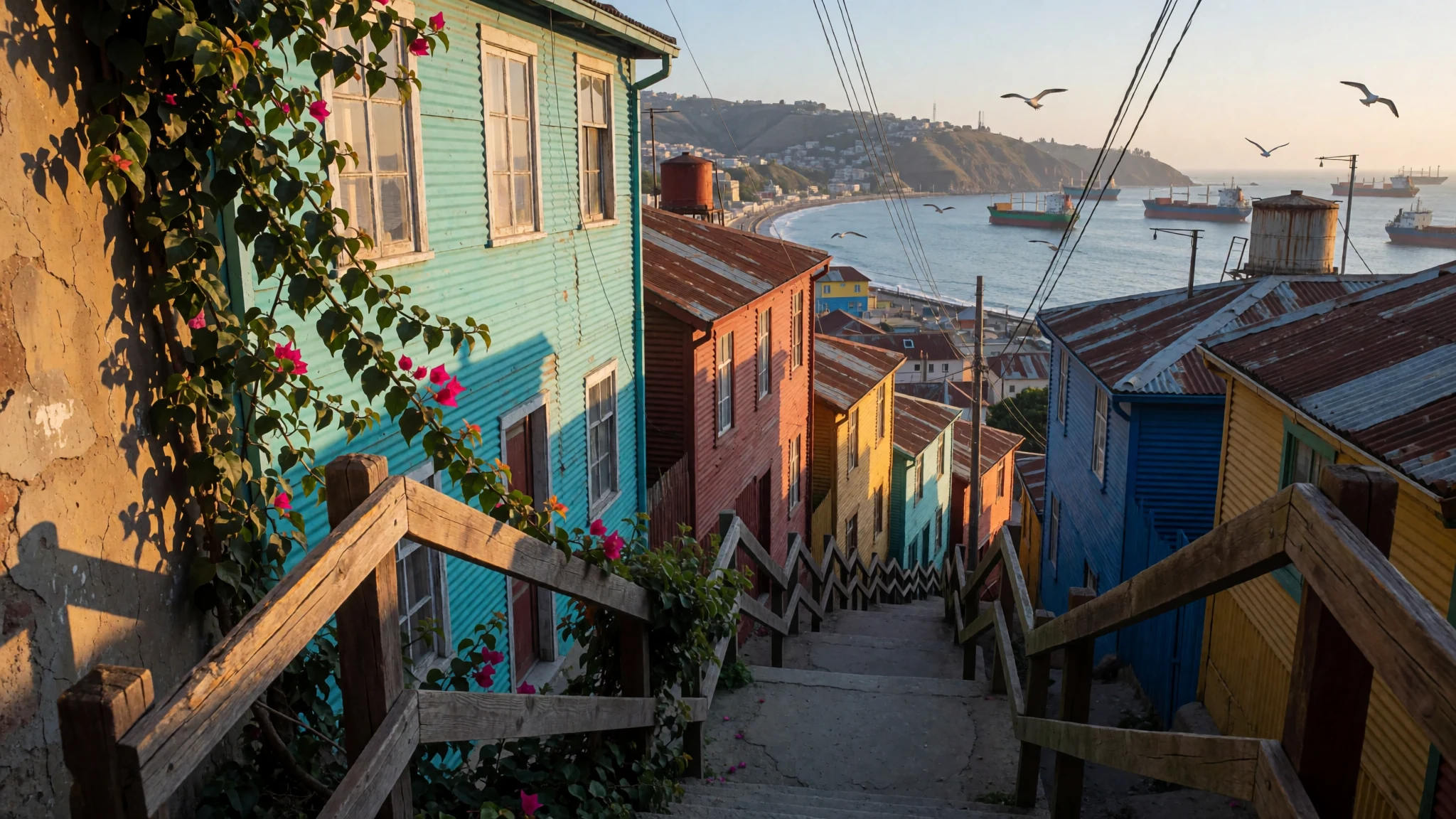
Go to Valparaíso for a working port that has spent two centuries climbing its hills, with painted houses, lively bars and a harbour that still feels like the edge of the world.
The place
Valparaíso is a port city on Chile's Pacific coast, built around a curving bay and up the steep hills behind it. The city has around 297,000 residents and is the capital of the Valparaíso Region, the second most populous region in the country. Its metro area runs into neighbouring Viña del Mar, a resort town along the same shore, so the two are often treated as one urban sprawl.
The centre is best understood as a set of layers. Down by the water sit the port, the customs buildings and the old commercial streets, where many nineteenth-century warehouses and merchant houses have been turned into cafés, galleries and small offices. Above them the hills, or cerros, rise sharply, and their lanes are crowded with wooden houses painted in almost every colour. Stairways link the streets, and short funiculars, known locally as ascensores, still carry people between the lower town and the upper neighbourhoods.
The city is not polished. Walls carry layered murals, buses squeeze through narrow streets, and the weather can swing from fog to sunshine within an hour. Its appeal lies in the mix: a naval base and a parliament sit beside markets, bakeries and bars where the evening starts late. Expect steep walking, a slow pace in the afternoons and a city that rewards wandering without a strict list.
Its story
Valparaíso began as a bay that suited ships far better than farmers. Long before any Spanish arrival, the Picunche people who lived around the bay worked the land and kept small settlements near the shore. In the mid-sixteenth century a Spanish supply ship sent from Diego de Almagro's expedition reached the bay, and its commander named the new settlement after his home village in Spain, Valparaíso de Arriba. The place was then known by an older name, Alimapu o Quintil, which faded from use.
For much of the colonial period the town stayed small, a scatter of houses around a church. Its exposed anchorage made it a target. English privateers raided it more than once, and Francis Drake's attack gave rise to a local legend about a pirate cave that visitors still ask about today. In the early 1800s, a prosperous trader constructed the first pier in the nation's past, and later, land won back from the ocean moved the shoreline several streets inland.
The big change came in the second half of the nineteenth century. Ships rounding South America between the Atlantic and the Pacific called in at Valparaíso, and European merchants and immigrants settled in large numbers. Sailors called it Little San Francisco, and the city gained a stock exchange, a volunteer fire brigade, a public library and a newspaper, El Mercurio de Valparaíso, which still appears today. Those years gave the port its grand buildings and its habit of looking outward, and much of the city's character still traces back to them.
What to see
- Museo Naval y Marítimo — Port district
The naval museum sits close to the port and tells the story of Chile's navy through its battles and seafaring. A large share of the displays concentrate on the war with Peru and Bolivia, and the Chilean victories in it. Allow an hour or so, and go on a weekday if you prefer quieter rooms. Check the official site for current opening times before you set out.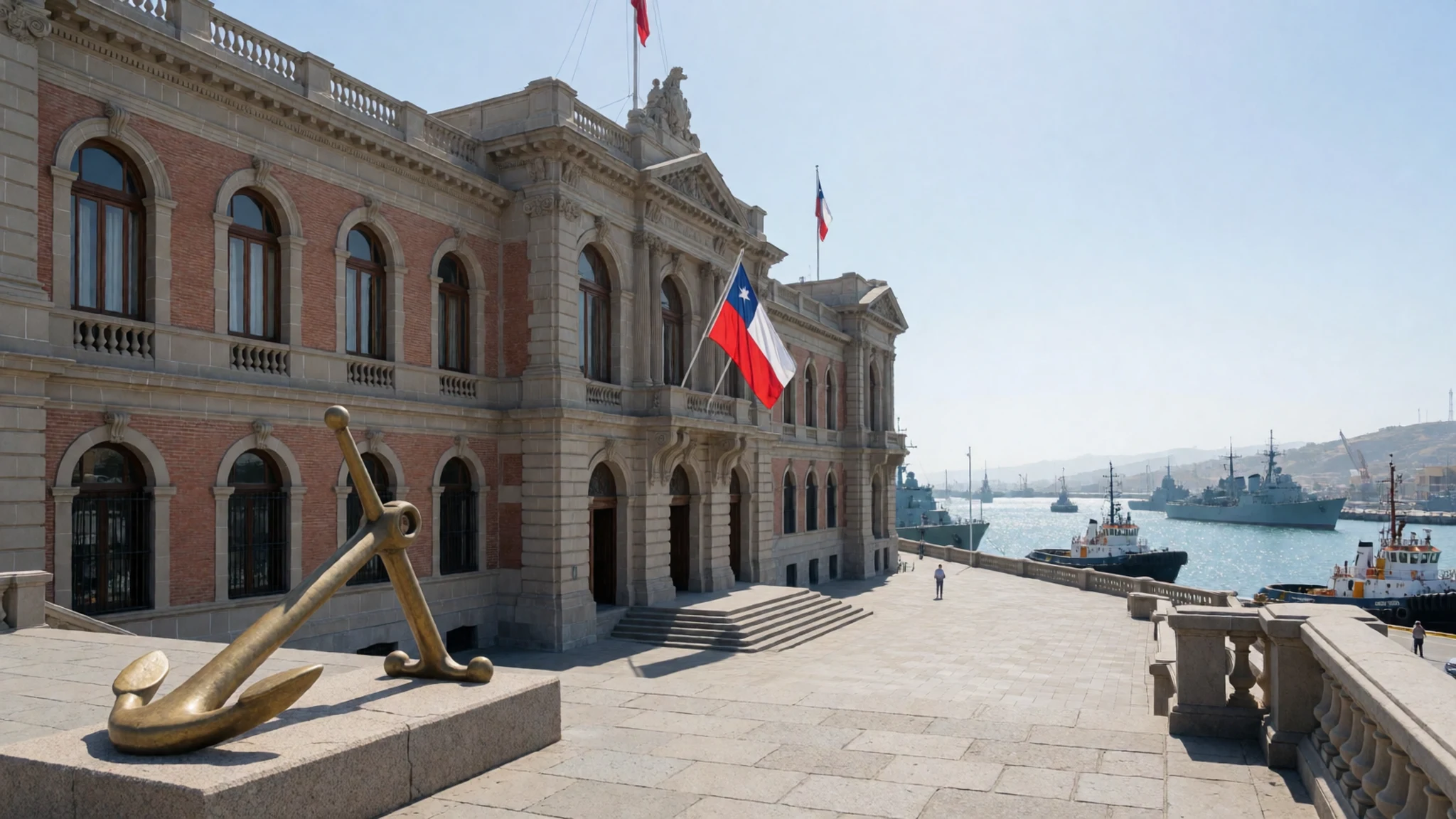
- Plaza Sotomayor — Port district
This central square lies near the port and forms the heart of the old seaport city. It is a practical place to start a walk, with transport links and views back toward the water. Benches and monuments make it a good spot for a pause between the port streets and the hills. Come in daylight if you want to take photographs without crowds.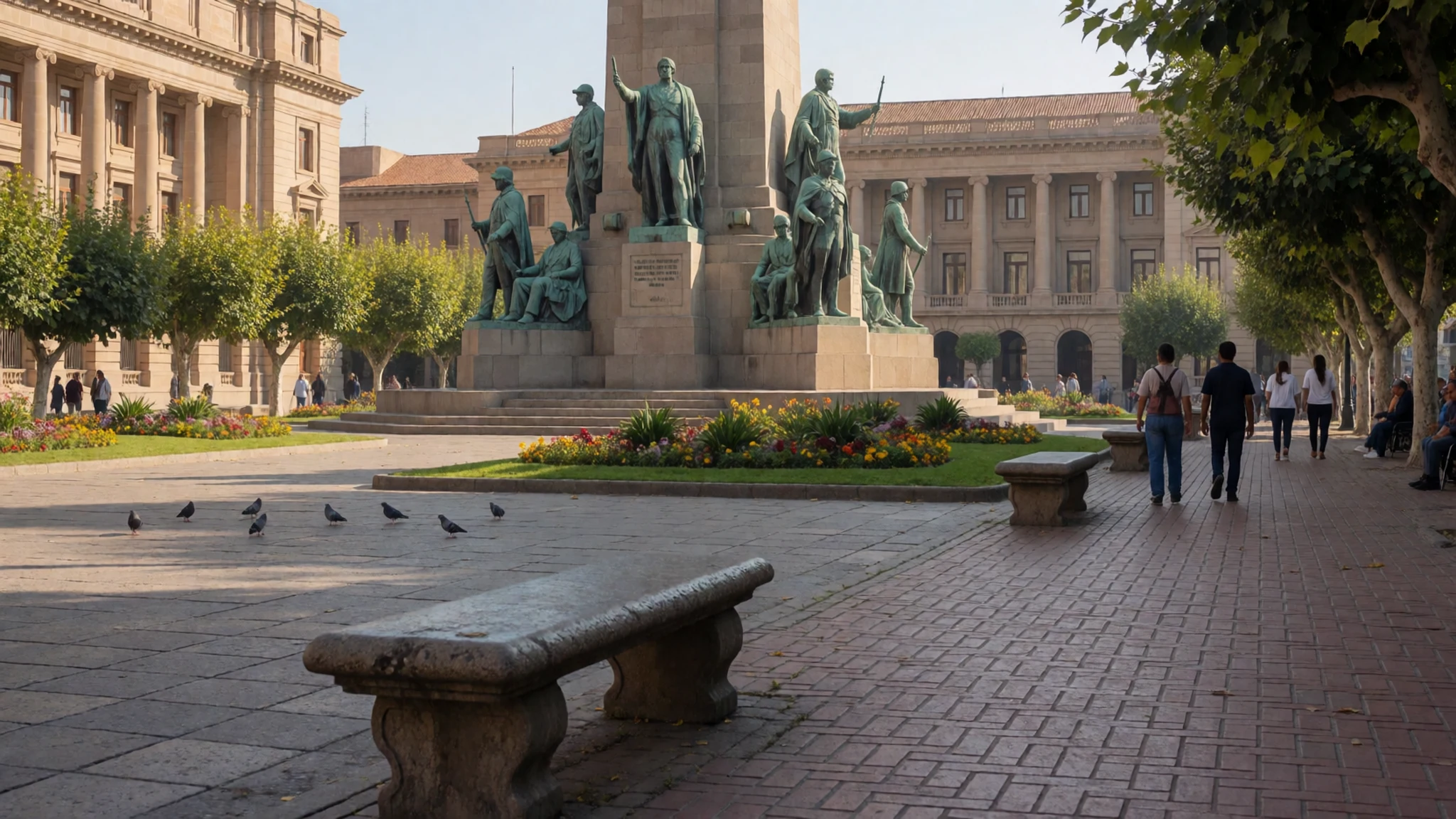
- La Sebastiana — Cerro Bellavista
This hillside house was once home to the poet Pablo Neruda, and it stands among the most visited houses in the city. Its rooms are full of collected objects, and the view across the harbour is the reason many people climb here. An included audioguide explains the house and its owner. Expect steep steps to reach the door, and check the official site for current hours before you go.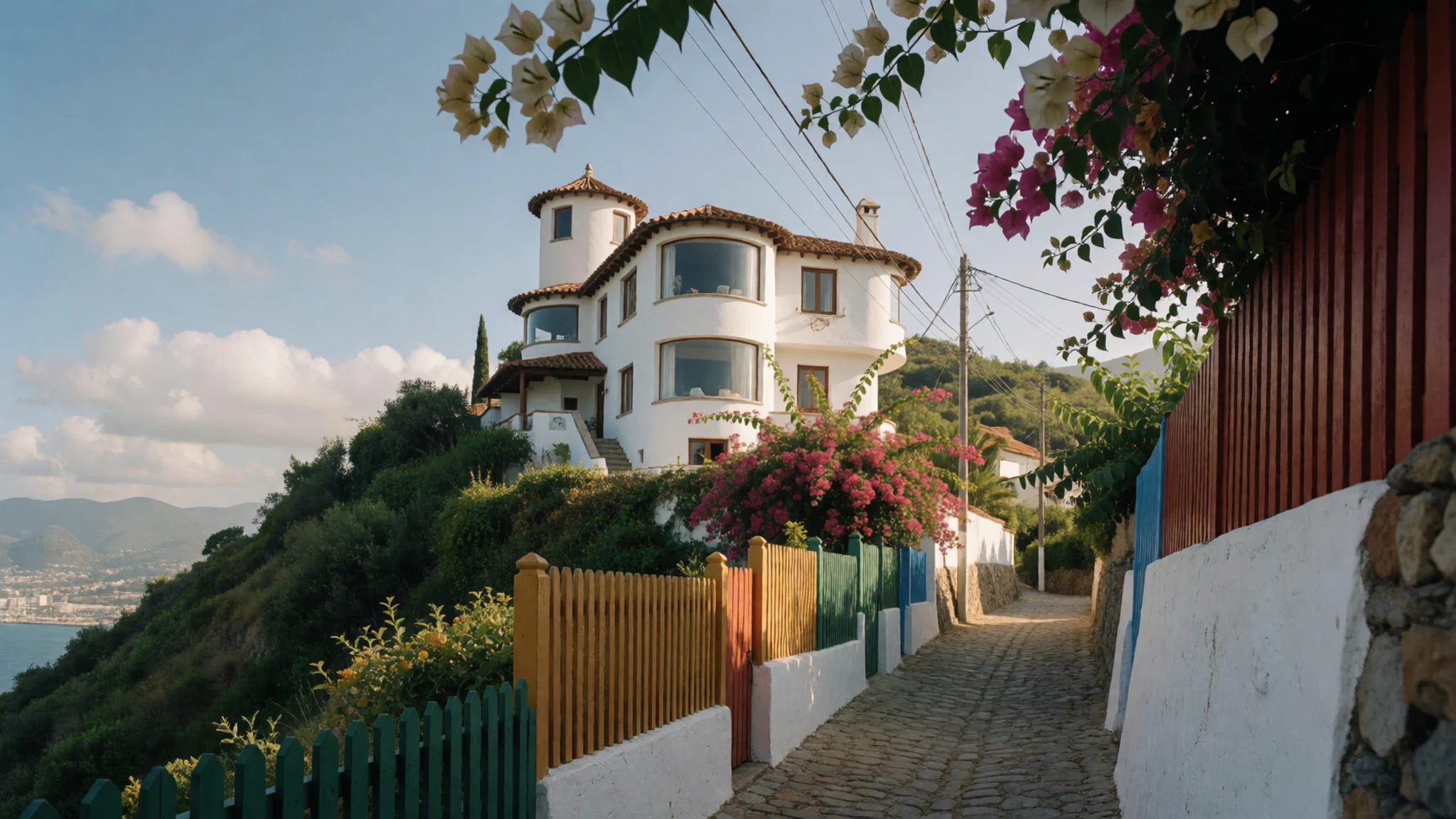
- Palacio Baburizza — Cerro Alegre
The palace is a mansion built for a Croatian businessman, Pascual Baburizza, and it is a sight in its own right. Inside, the fine arts museum shows mostly Chilean painters, with a section on artists of European origin. Rooms are arranged around the house, so the setting adds to the collection. Check the official site for current opening times.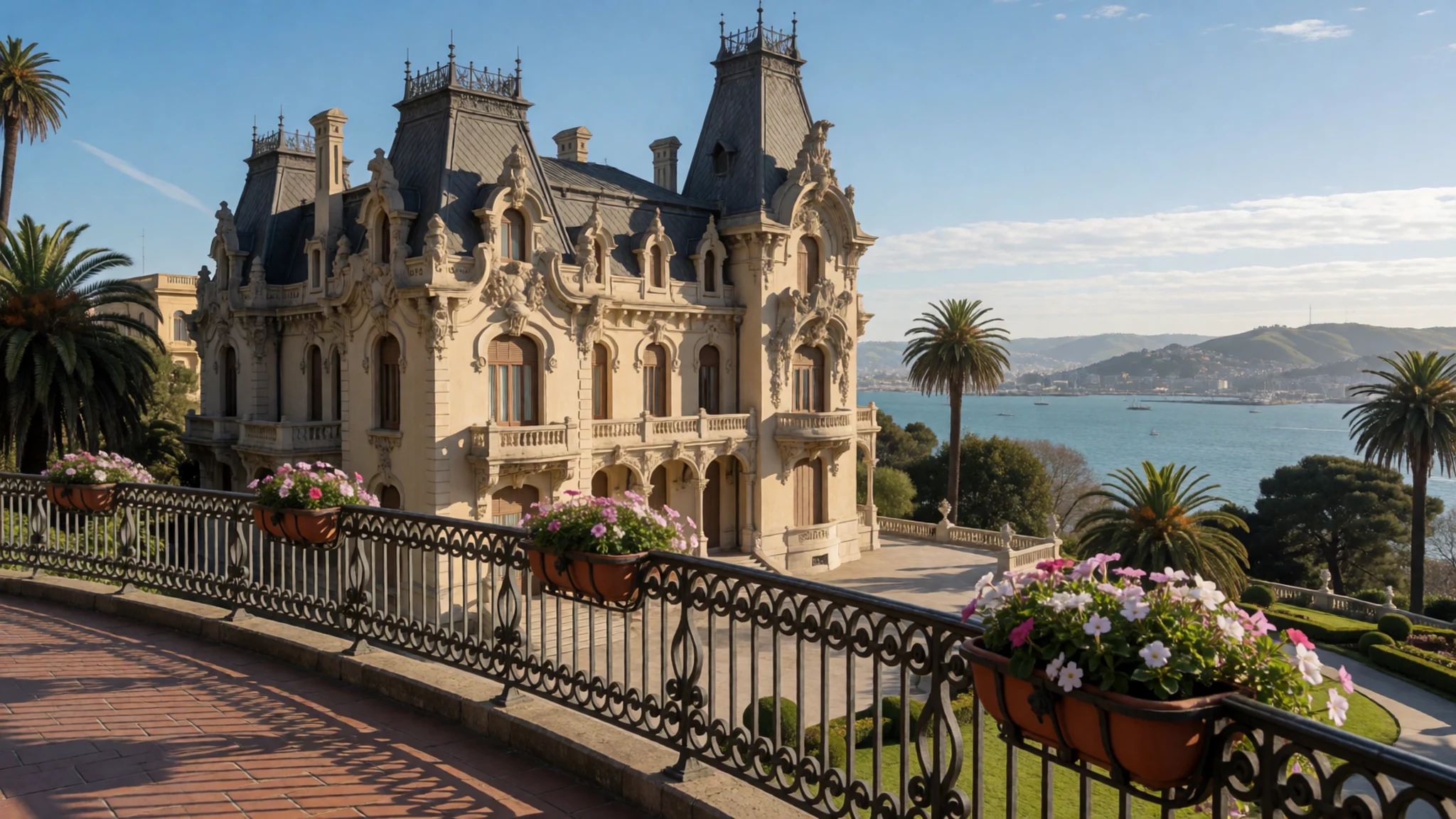
- Mercado El Cardonal — Almendral
This is a lively vegetable market where stallholders call out prices and piles of produce fill the aisles. It is one of the best places to see everyday city life away from the tourist streets. Go in the morning, when stocks are fullest. Bring cash for small purchases and keep bags close in the crowds.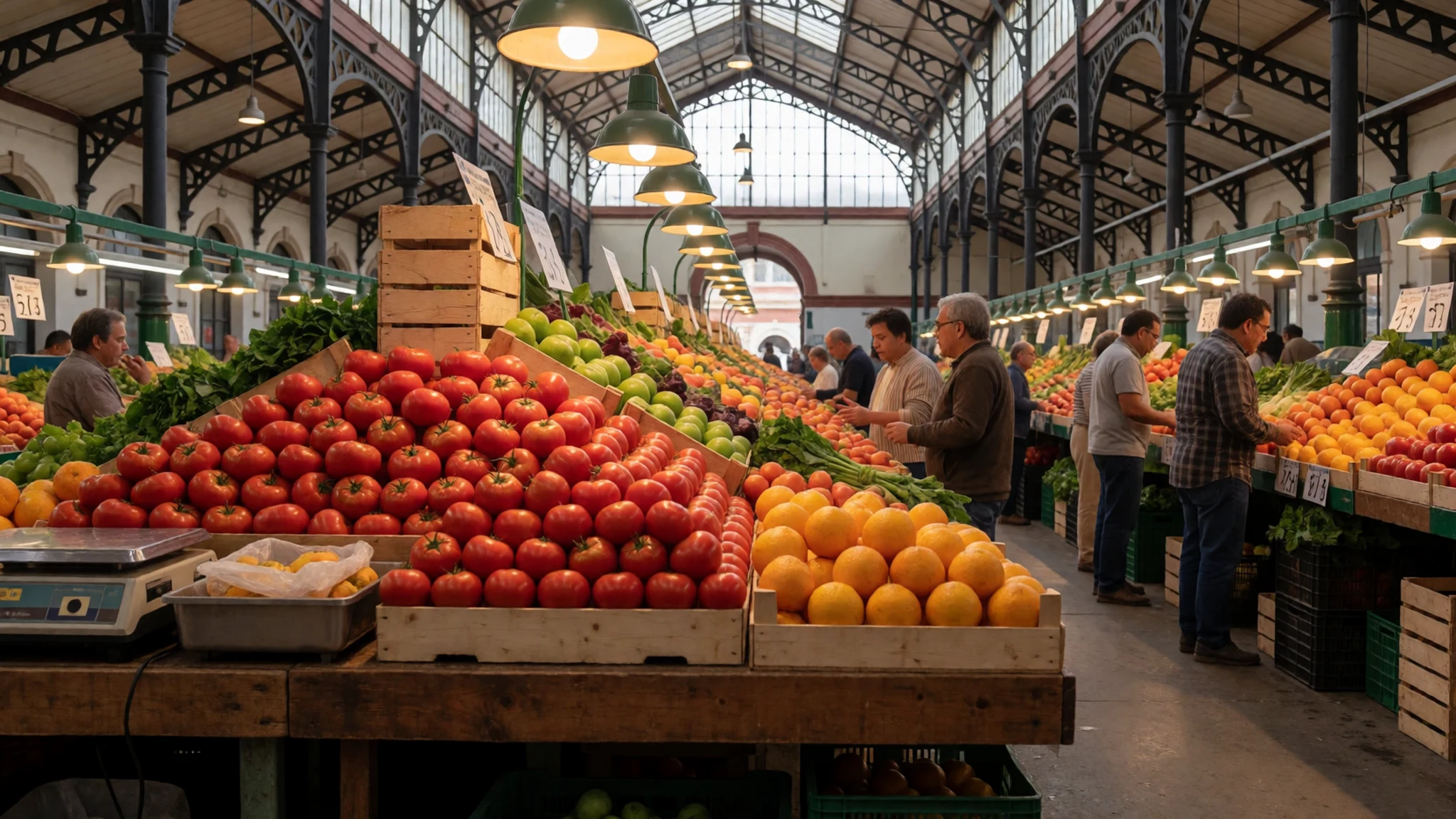
Culture
Porteños, as residents of Valparaíso are called, have a strong sense of their city's independence from Santiago. Life centres on neighbourhood life: corner shops, bakeries on nearly every block, and plazas where people meet after work. The city's pace is relaxed, and many locals still keep the habit of walking up the hills in the cool of the morning. Evenings follow a later rhythm too. On weekends, going out for drinks, which Chileans call salir de carrete, rarely starts before midnight, and it can run into the early hours.
Religion is part of everyday life in many neighbourhoods. Pentecostal churches are a major presence across Chile, and you will see their meeting halls and services in working-class districts, often with congregations singing loudly and joyfully. Catholic churches in the old town remain busy on Sundays. Visitors are welcome at services, but should sit quietly at the back and avoid photographing worshippers.
The city also carries a strong political and artistic identity, expressed in murals, street art and public debate, so conversations can be animated. Ask before photographing vendors or residents in the markets and on the hillside stairways, and keep your voice down in the lanes after dark.
What to wear
Valparaíso's traditional dress is the huaso costume of Chile's rural cattle herders, though it is more often seen in the central valleys than on the city's hills. It includes a wide-brimmed hat, a boot-cut trouser with a fitted jacket, and the chamanto, a heavy woven poncho, traditionally made from sheep wool. Hand-spun wool, leather and silver trim are the main materials, and the outfit appears at rodeos and at national celebrations, where couples dance the cueca in it. You are more likely to see it in festival displays than on a daily basis in the port.
What people wear now is practical and layered. Porteños dress casually: jeans, jackets, knitwear and trainers are normal on the streets, and smart outfits appear mainly on evenings out. Coastal weather changes quickly, with cool breezes off the Pacific and fog that can roll in during the mornings, so layers are the norm. Many locals also carry an umbrella in the wetter months.
For a visitor, pack layers that can handle sea wind, a light waterproof and flat shoes with good grip, because the cobbled lanes, wooden stairs and steep slopes are hard on heels and slippery after rain. Modest clothing is appropriate when you enter churches, and a light scarf or shawl is useful for covering shoulders. Comfortable, breathable clothing will serve you well on the hills, where the climb can warm you quickly.
What to eat
- Chorrillana — Traditional restaurants in the old town, such as J Cruz
This is a generous heap of chips topped with strips of steak, fried onion and fried eggs, often shared between two or three people. It is the classic traditional dish for visitors and tends to be served in bigger, older restaurants that have been feeding locals for years. Come hungry, as portions are large. It makes a substantial lunch after a morning of climbing hills.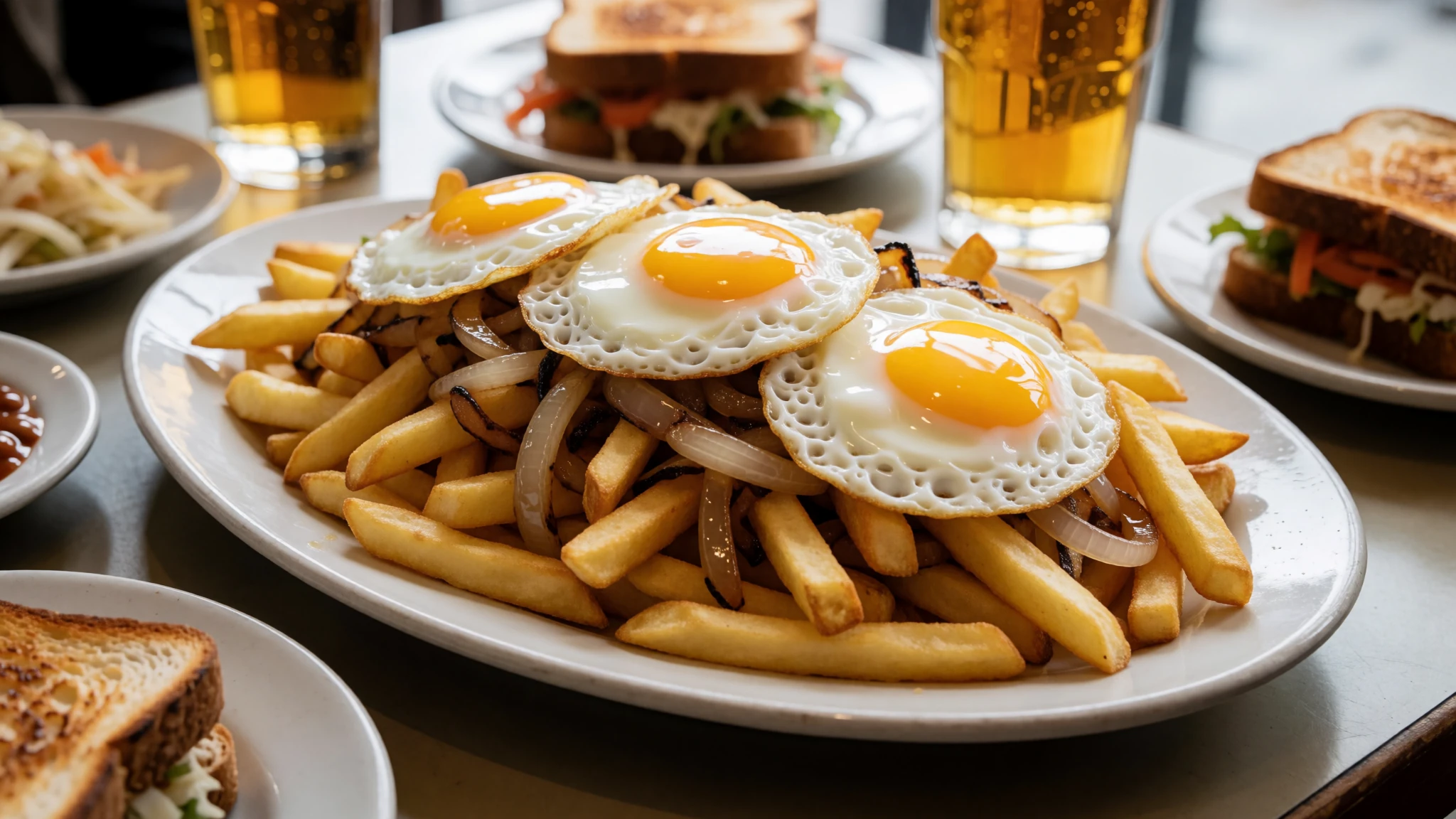
- Fresh seafood — Eateries around the wharf and muelle areas
Fish and shellfish are a strong point in Valparaíso, and the wharf areas are where the choice is widest. Many small restaurants near the port serve the catch of the day with simple sides and lemon. Seafood is a must for anyone who enjoys it. Ask what came in that morning, as the menu changes with the boats.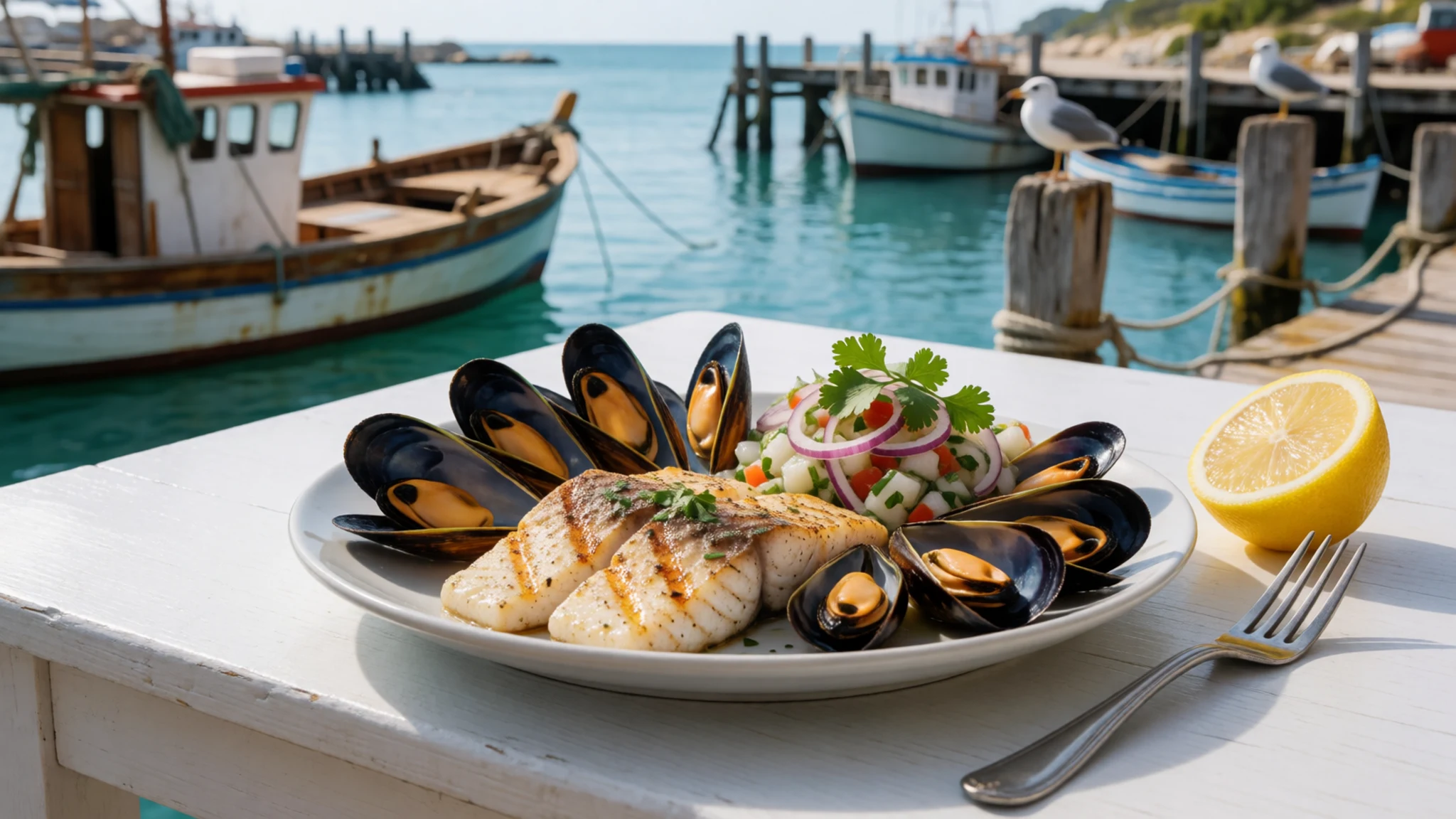
- Bread with palta — Neighbourhood bakeries across the centre and hills
Bakeries appear on almost every block, and their bread is best eaten warm, straight from the oven. Locals spread it generously with palta, the Chilean word for avocado, which is widely grown in the country. It makes an inexpensive snack to eat as you walk. Go in the morning, when the loaves are freshest.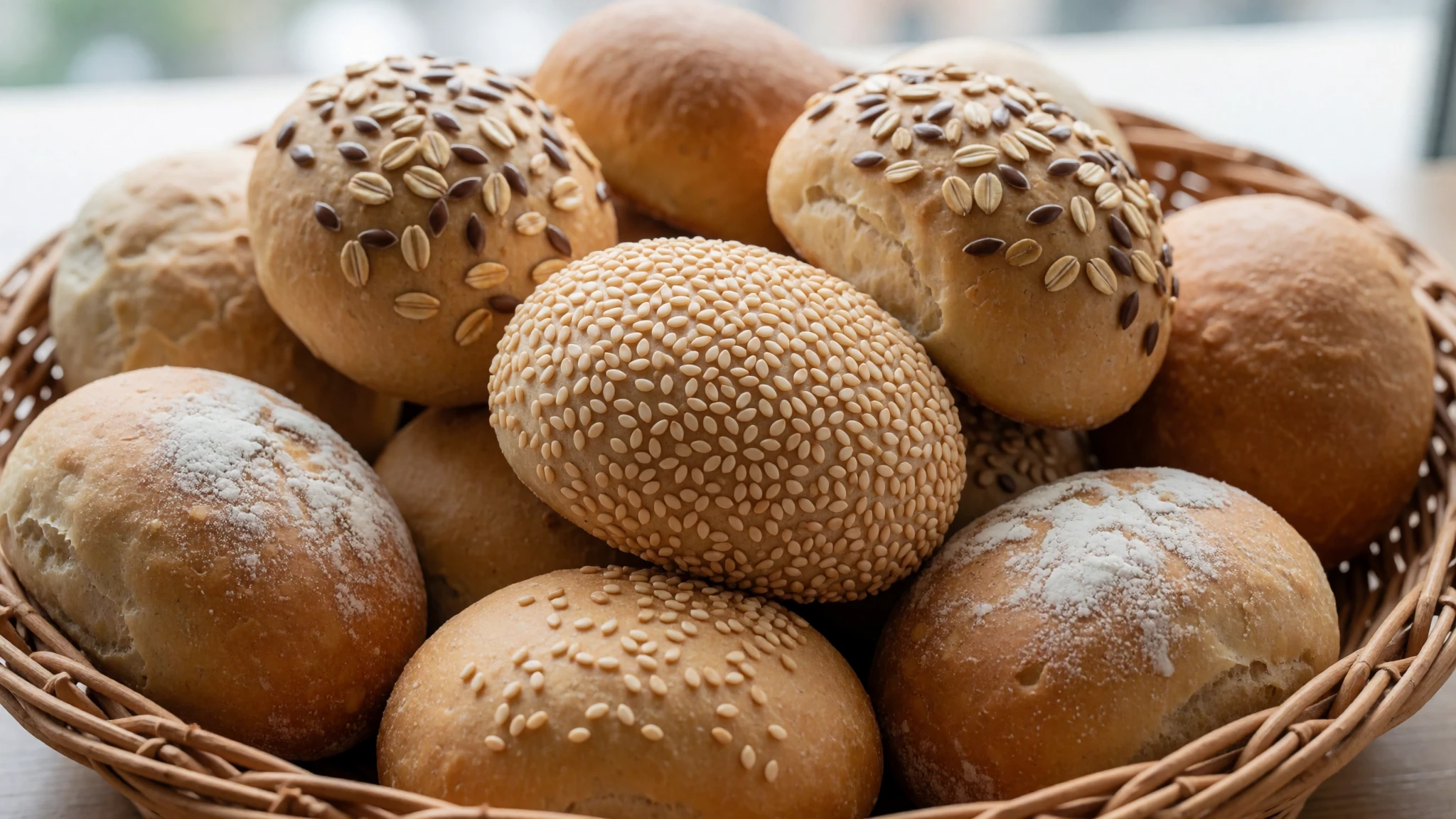
- Empanadas — Bakeries and street stalls in the port and the hills
These flaky pastries come filled with meat or cheese and are an easy, cheap snack for walking the streets. Stalls and small bakeries sell them at most hours of the day. They are a good way to sample local tastes without committing to a full meal. Eat them warm for the best texture. - Lunch at the market — Second floor of Mercado El Cardonal
The upper floor of Mercado El Cardonal has several modest eateries serving inexpensive lunches to market workers and visitors alike. The food is simple and filling, with set plates that change through the day. It is one of the better-value places to eat in the city. Expect a busy atmosphere at midday.
Plan it
Best time. November to April covers the warmest, driest part of the year, with the best chance of clear views over the bay. January and February are warm in the afternoons, with mean highs near 23 C, and summer mornings often bring coastal fog. June to August is the wetter, cooler season, when the old lanes can be slippery and some days are grey.
How long. 2–3
Getting there. Valparaíso has no airport of its own. Fly into Arturo Merino Benítez International Airport in Santiago, then take a bus from the Pajaritos terminal to Valparaíso, a journey of roughly an hour and a half. The Merval train runs between Valparaíso and Limache and serves Viña del Mar, so it is useful for onward trips along the coast. Check the timetables and bus operators before you travel.
Budget. mid
Tips
- Stay on a hill close to a funicular to limit steep walking with luggage, and avoid the port district, which is considered unsafe even in daylight
- Carry cash for markets, small bakeries and some funiculars, as cards are not accepted everywhere
- Start walking the hills early, when the light is good and streets are quieter
- Bring a water bottle and sun protection, as the walk up the hills is warm even on cool days
- Check opening days at museums and houses before you plan, as hours can change
Etiquette
- Ask before photographing people at the market or in residential lanes
- Keep noise down in residential streets late at night
- Dress modestly when entering churches and sit quietly at services
Nearby
Sources
- Wikidata Q33986 (CC0)
- Wikipedia: Valparaíso (CC BY-SA 4.0)
- Wikivoyage: Valparaíso (CC BY-SA 4.0)
- Valparaíso view of the old part (Draceane) (CC BY-SA 4.0)
- Historic Quarter of the Seaport City of Valparaíso (Julia Sumangil) (CC BY-SA 4.0)
- Intendencia (Fflemingl) (CC BY 3.0)
- Monumento a los Héroes de Iquique (Carlos Figueroa) (CC BY-SA 4.0)
- Ascensor Artillería (SebaTomas) (CC BY 3.0)
- Iglesia La Matriz del Salvador (KenPugh) (CC BY 3.0)
- La Sebastiana (Nellu Mazilu) (CC BY 2.5)
- Valparaíso (S. Rae) (CC BY 2.5)


