Vaasa
Vaasa, Finland
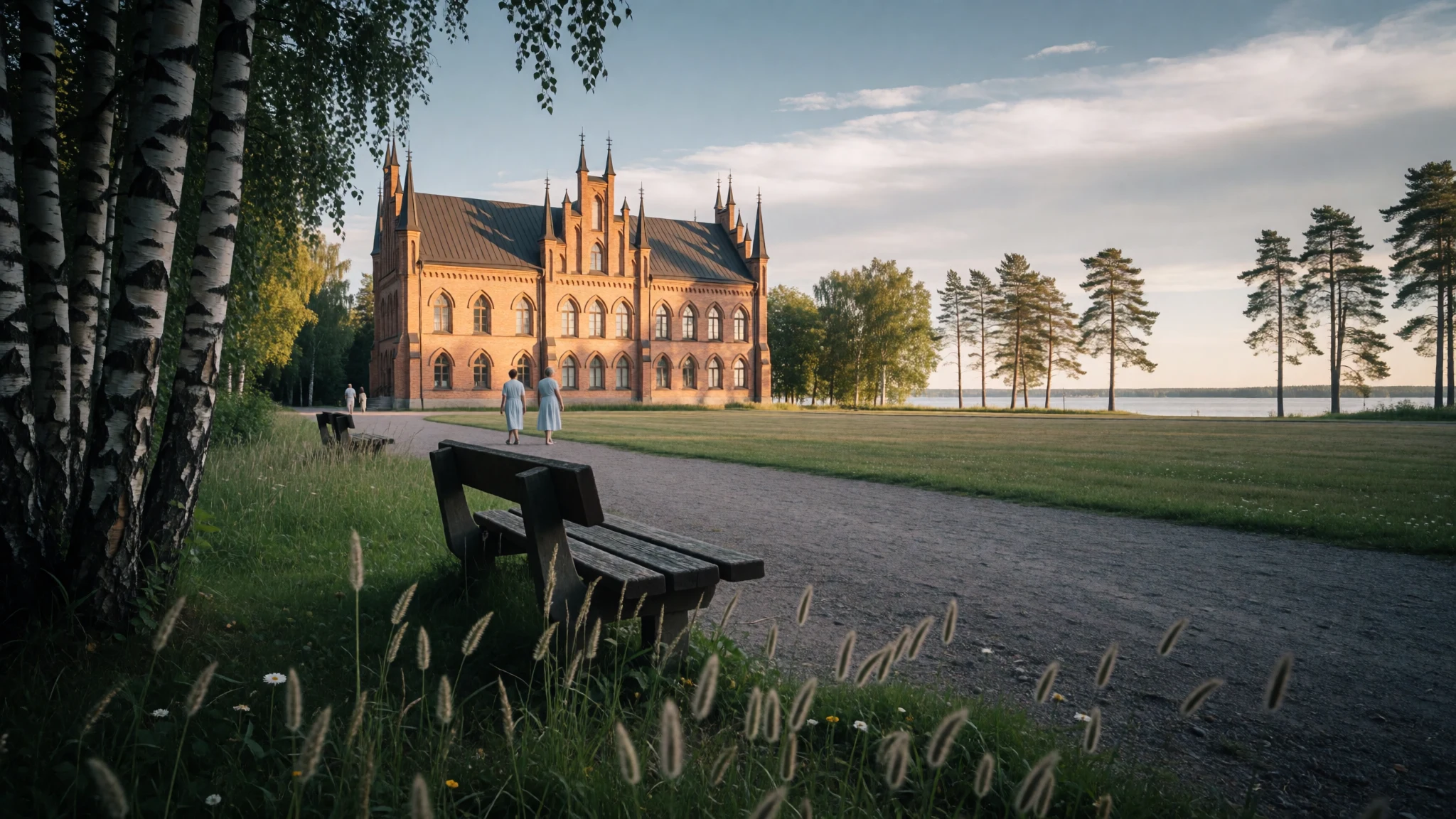
Vaasa is a calm, bilingual Gulf of Bothnia port with sea light, walkable waterfront parks and a layered, much-renamed history.
The place
Vaasa sits on Finland's west coast, on the Gulf of Bothnia, and is the regional capital of Ostrobothnia. About 71,000 people live in the city, and the ground beneath it is flat and low, only about 6 metres above sea level. That shapes everything: wide streets, long views, wind off the water and a great deal of cycling. The centre is compact enough to cross on foot in a few minutes, with the market square at its heart, a strip of waterfront parks to one side and neo-Gothic public buildings dotted between. Vaasa is officially bilingual in Finnish and Swedish. Roughly six in ten residents speak Finnish and about a quarter Swedish, with the rest speaking other languages, while the villages around the city lean strongly Swedish-speaking. Signs carry both names, and Swedish speakers know the city as Vasa. It is also a university town, with several institutions of higher education, which keeps the cafés busy and gives the place a younger feel than its size suggests. The climate deserves an honest word. The latitude is high, but the sea softens the weather, so winters are drier and sunnier than many people expect and summers are mild rather than hot. The yearly average is 4.7 °C. Vaasa is not a city of headline monuments. It suits a slow visit built around water, light, museums and the Nordic habit of being outdoors whatever the weather.
Its story
Vaasa began in 1606 as a settlement near Korsholm, on the coast of what was then the Swedish realm. Within a few years the crown gave it town status and named it after the royal House of Vasa, replacing the older village name. Mustasaari, the Finnish name for Korsholm, survives as the name of the rural municipality that now wraps around the city. The first town stood a little south-east of today's centre. In 1852 a fire destroyed it, and instead of rebuilding on the same ground the townspeople founded a new town closer to the sea. That is why the ruins and the surviving court building, later turned into a church, lie apart in Old Vaasa. Russian rule brought another name. In 1855 the town became Nikolaistad, honouring the recently dead Tsar Nicholas I. Local merchants had petitioned for the change under official pressure, and residents largely ignored it, going on saying Vasa. A later petition to restore the old name failed. The original name returned only after the Russian Revolution, when the council voted to go back to Vaasa. A further turn came in 1918. During the Finnish Civil War the Whites made the city their base, and the Senate worked from here while the south was held by their opponents. A statue of freedom, unveiled in 1938 at the northern end of the market square, recalls that chapter.
What to see
- Market square and Statue of Freedom — City centre
The market square is the everyday centre of Vaasa, where people cross between shops, cafés and the library. At its northern end stands the Statue of Freedom, unveiled in 1938 and tied to the city's role as the Whites' headquarters in 1918. Stop for coffee and watch local life.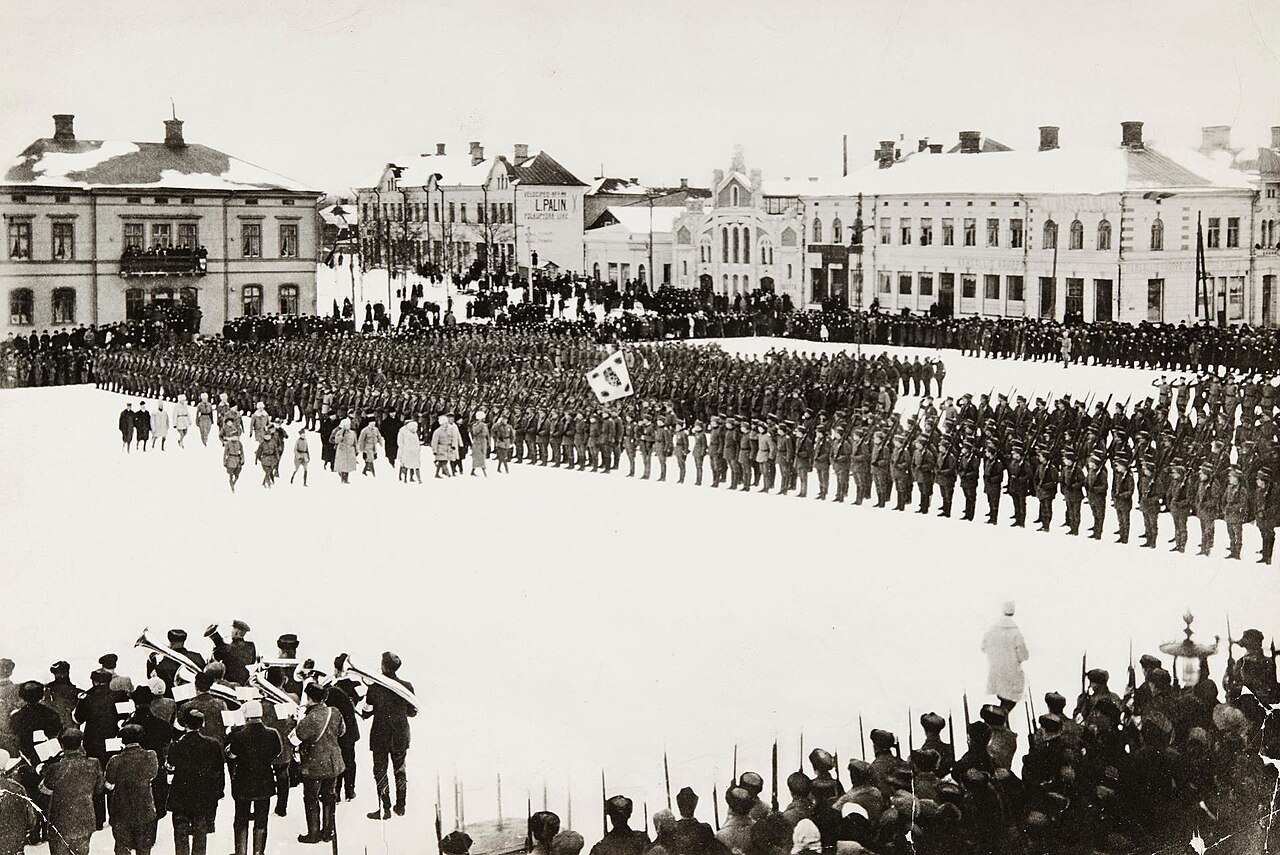
- Old Vaasa — South-east of the centre
Old Vaasa is the site of the first town, which burned down in 1852. Ruins remain, along with an eighteenth-century court building that survived and was reworked into the Church of Korsholm. It is quiet, open ground, good for a bike ride and for understanding why the town moved.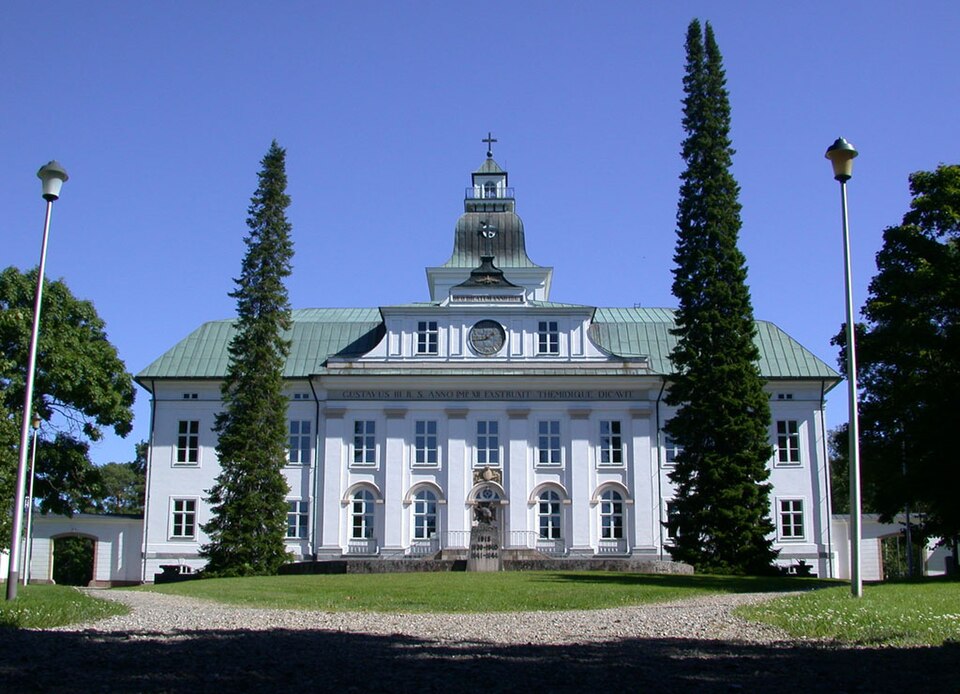
- Waterfront parks — Waterfront
A walk along the park areas by the water links several sights, including the neo-Gothic Court of Appeals and the nineteenth-century prison, which is still in use. The route is flat and easy, with sea air and wide skies, and it works well in the long light of a summer evening.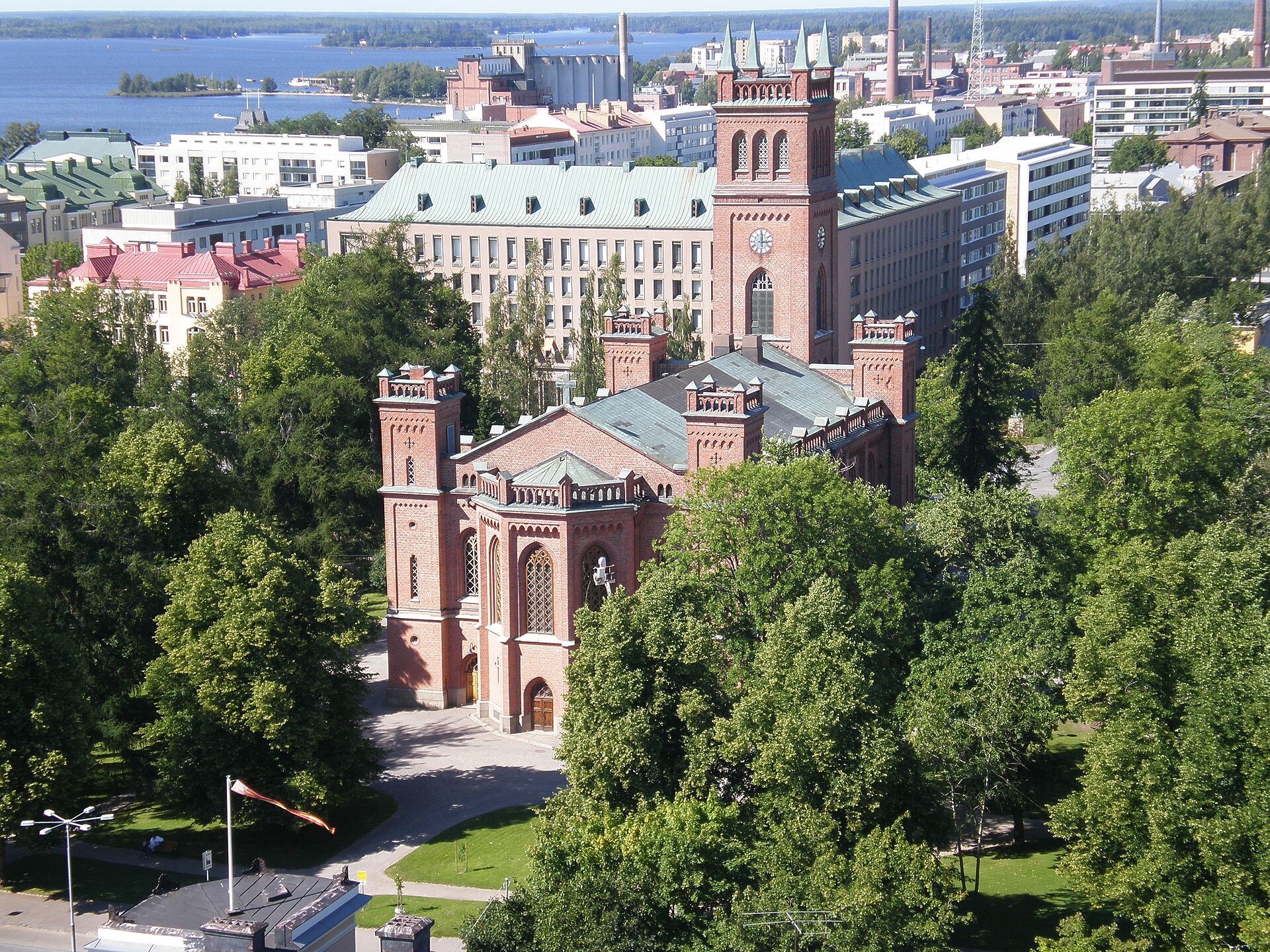
- Trinity Church and City Hall — Central Vaasa
The neo-Gothic Trinity Church anchors a small cluster of civic buildings. City Hall stands close by, and its ground floor houses the tourist office, so it is a practical first stop for maps and local advice before heading toward the market square or the waterfront. - Vaasa's museums — Central Vaasa
The city has an Ostrobothnian Museum, the Kuntsi Museum of Modern Art and a car and motor museum, a mix that suits wet or windy days. Opening days change by season, so check the official city site at https://www.vaasa.fi/ before planning around any of them.
Culture
Vaasa has two official languages, and that colours daily life. Finnish and Swedish sit side by side on signs, in schools and in the arts, and the surrounding countryside is often Swedish-speaking, so a visitor will hear both. Museums are a point of pride, from the Ostrobothnian Museum to the Kuntsi Museum of Modern Art and the car and motor museum. Sport is a social glue too. The local ice hockey side plays in Finland's top league, and the city also has teams in pesäpallo, the Finnish version of baseball, as well as football and rugby. Matches are friendly, low-key occasions and an easy way to meet people. Like elsewhere in Finland, people value quiet, personal space and punctuality. Conversation tends to be unhurried, and silence between sentences is not awkward. Public life runs on trust, so queues are orderly and cycle paths are respected. Saunas are part of ordinary life, in homes, flats and many hotels and swimming halls, and are usually treated as a place to relax rather than to socialise loudly. Summer evenings are long, and parks and the waterfront fill with walkers and families. The history of 1918 and the civil war is remembered with seriousness, so memorials deserve a respectful tone. When visiting a Vaasa church or war memorial, keep your voice low, and ask before photographing people or services.
What to wear
Vaasa has no single everyday costume, and Finland's regional folk dress, made from wool and linen with embroidered details, is now mostly seen at festivals, weddings and cultural events. In Ostrobothnia, where Swedish-speaking communities are strong, such dress is often worn at heritage celebrations and midsummer gatherings. Day to day, people dress practically and neatly. Locals favour layers, good outerwear, wool, waterproof jackets and sturdy shoes, with dark colours and simple cuts common in town. In winter, down coats, hats, scarves and gloves are standard, and many people carry reflectors or wear them on dark roads. In summer, light cotton, jeans and trainers are the norm, and style is understated rather than flashy. Smart casual is enough for most restaurants and theatre evenings. A visitor should plan for changeable weather by the sea. Pack a windproof, water-resistant jacket in every season, plus a warm layer even in summer, as evenings by the water can feel cool. From late autumn to early spring, bring thermal underlayers, insulated boots with good grip, a hat and gloves, since pavements can be icy. In summer, comfortable walking shoes suit the flat terrain, and sunglasses help with the low, bright northern light. There are no strict modesty rules, though churches are best visited in tidy, covered clothing.
What to eat
- Lunch buffet with home-style Finnish food — Lunch restaurants around the centre
Vaasa's lunch restaurants often offer a buffet with plain Finnish home cooking, soup of the day and a salad bar. It is hearty, quick and a sensible way to eat well on a modest budget while sampling everyday local flavours. - Salmon soup (lohikeitto) — Lunch restaurants and cafés in the centre
A creamy soup of salmon, potato and dill is a staple across Finland, and a bowl is an easy choice at a lunch place on a cold or windy coastal day. Rye bread and butter usually come alongside. - Fish by the water — The waterfront
As a port on the Gulf of Bothnia, Vaasa suits a sea-facing meal. A restaurant aboard a lightship on the waterfront offers terrace seating and sea views, and fish and seasonal dishes are a natural choice in summer. - Curries, tandoori and biryani — Indian restaurants in the centre
The city's international side shows in its Indian restaurants, which serve tandoori dishes, curries, biryani and vegetarian options. They are a welcome change from Nordic fare, and useful for travellers who prefer spiced food. - Coffee and a cinnamon bun — Cafés near the market square
Finnish coffee culture is serious, and a pause with a filter coffee and a cardamom or cinnamon bun is a daily ritual. Cafés around the market square are good places to try it and watch the town.
Plan it
Best time. June to August for the longest days, mild weather and the best chance of comfortable waterfront walks; winter is cold but often drier and sunnier than expected, with limited daylight.
How long. 2–3
Getting there. Fly to Vaasa airport or take a train or long-distance coach from Helsinki and Tampere; by car, the main road from Helsinki through Tampere is 419 km. In town, the centre is walkable and the railway station is close by.
Budget. mid
Tips
- Check opening days of museums at https://www.vaasa.fi/ before you go
- Carry a windproof layer even in summer, as the sea breeze can be cool
- Cards are widely accepted, so little cash is needed
- Hire a bicycle, as the flat ground makes cycling easy
- In winter, wear boots with good grip for icy pavements
Etiquette
- Keep your voice low in churches and at memorials
- Respect queues, personal space and cycle lanes
- Ask before photographing people
Nearby
Sources
- Wikidata Q125080 (CC0)
- Wikipedia: Vaasa (rev 1378248185) (CC BY-SA 4.0)
- Wikivoyage: Vaasa (rev 5421569) (CC BY-SA 4.0)
- Photo: Vaasa Church from water tower (Roland Struwe) (CC BY 3.0)
- Photo: Vaasa 2022 montage (Mikkoau) (CC BY 3.0)
- Photo: Gamla Vasa 1840-tal (Public domain)
- Photo: Korsholms kyrka (Matias Ericsson) (CC BY 3.0)
- Photo: Wasa från norr (Johan Knutson) (CC0 1.0)
- Photo: Jaakarit Vaasan torilla (Karl Johan Borlin) (Public domain)
- Photo: Vaasa Vaskiluoto power plant from sea (Htm) (CC BY 3.0)
- Photo: Railwaystation Vaasa (Sorjonen.fi) (CC BY 3.0)


