Ushuaia
Ushuaia, Argentina
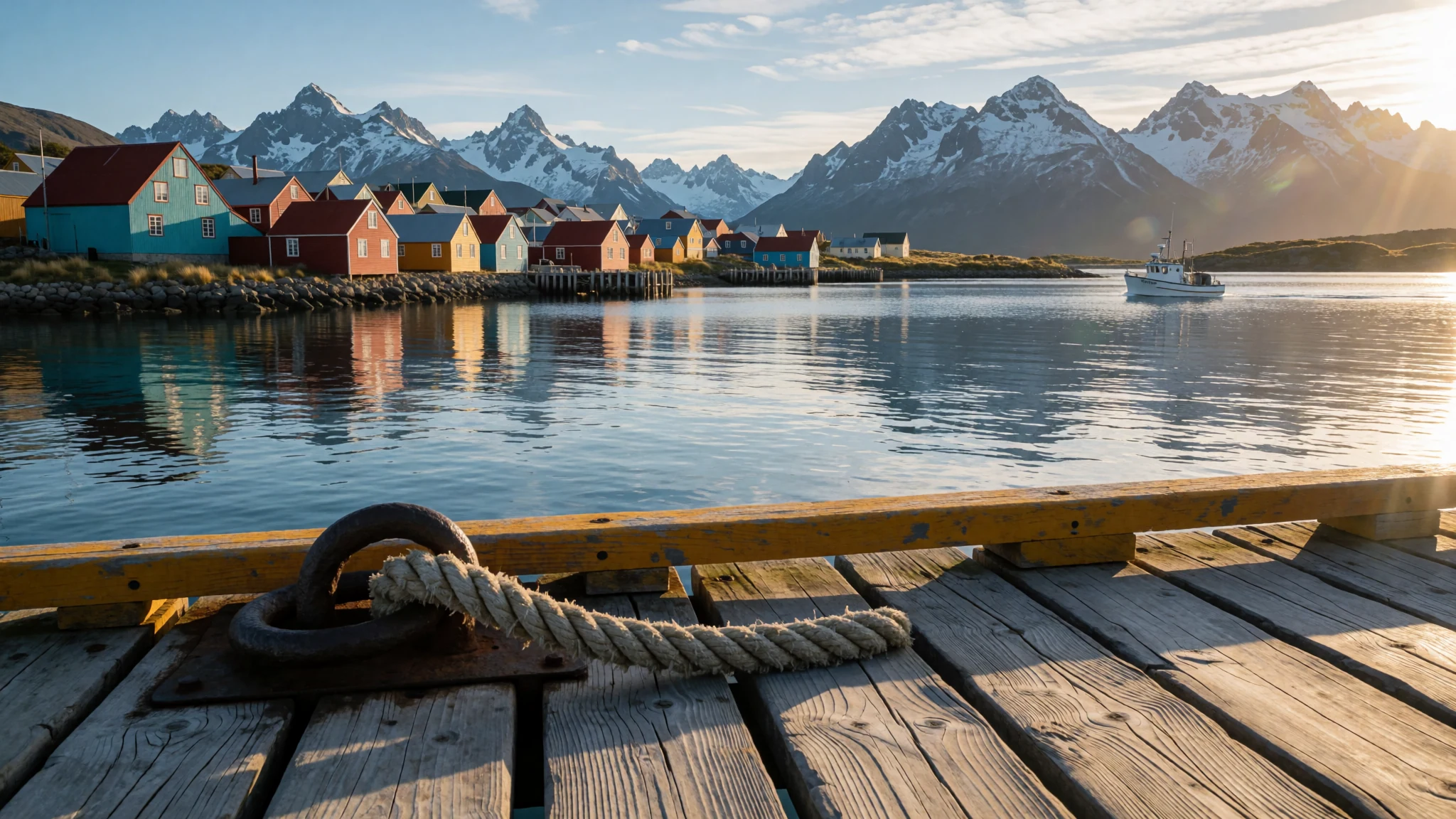
Ushuaia sits on the Beagle Channel as a gateway to Antarctica and a base for boats, hikes and wild Patagonia.
The place
Ushuaia is the capital of Tierra del Fuego province, a harbour town of about 83,000 people on the southern coast of Tierra del Fuego island, facing the Beagle Channel. The town sits in a broad bay at the foot of the Andes Fueguinos, the mountains that wrap it on three sides, and its streets climb the slopes above the water in short, steep blocks. At about 23 metres above sea level, the centre is low enough to walk everywhere, but the hills make the walk back up feel longer than it looks on a map. Ushuaia calls itself the southernmost city in the world, a claim that owes more to geography than to any formal ranking. It is first and foremost an administrative centre, with a light industrial port and a steady stream of visitors heading for the glaciers, the boats and the national park a short drive west. Most of what you will need, from cafés to outfitters, is clustered around the central streets, so plan to stay in or near the centre.
Its story
Ushuaia's human history reaches back long before the town existed. The Selk'nam, often called the Ona, came to Tierra del Fuego thousands of years ago, and the Yaghan (Yámana) people lived along this shore and its channels, moving by canoe and living off what the sea provided. Relations with the northern groups on the island were often tense. The shift that matters most for the town came in the nineteenth century, when the eastern side of the island filled with settlers and missionaries from Britain, well before any Argentine officials had settled there. The earliest written uses of the name Ushuaia, taken from the Yámana word for the area, appear in the papers of the South American Mission Society in England. British surveying had already charted the channel, and the Beagle, under Captain FitzRoy, sailed through on its survey voyage. Argentina then set up its own administration, and the settlement was officially founded in 1884 under Augusto Lasserre. Over the following decades the town built a prison, whose buildings now house the Maritime and Prison Museum. Lucas Bridges's memoir Uttermost Part of the Earth, published in 1948, remains a key account of those early years and of the peoples displaced by them.
What to see
- Museo Marítimo (Maritime and Prison Museum) — Centre, near the waterfront
Housed in the former prison, this museum packs several collections into one site. The maritime displays trace the history of Tierra del Fuego and its seafaring communities, and the prison wings show how the building was used. Allow a couple of hours, and check the official site for opening times before you go.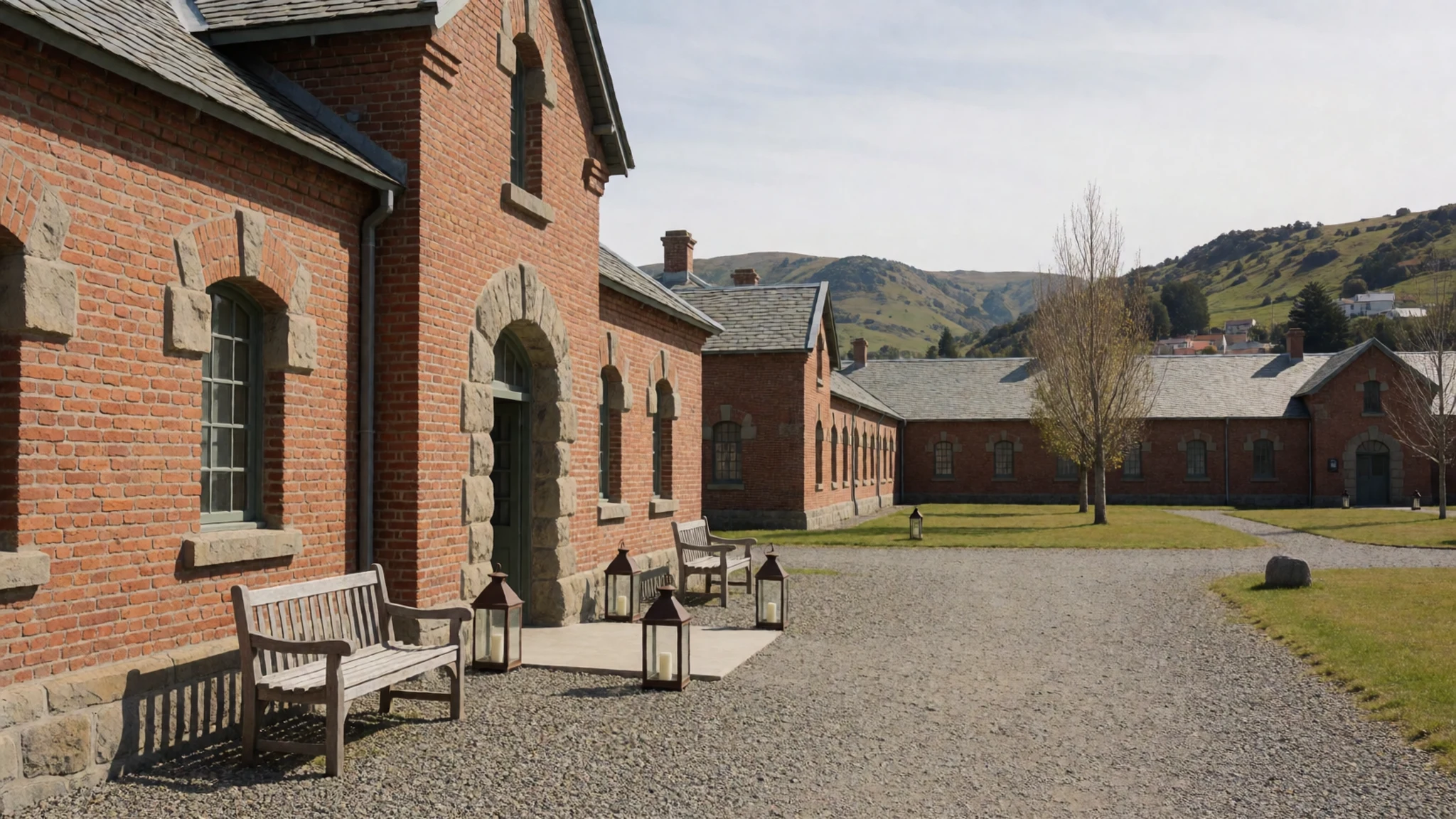
- Museo del Fin del Mundo — Avenida Maipú, central Ushuaia
The museum runs across two separate buildings on Avenida Maipú, a few blocks apart, so plan your route between them. Its exhibits cover the region's history, including the Selk'nam and Yaghan peoples and the early settlement years. One of the buildings dates from the late nineteenth century, a reminder of how young the town still is.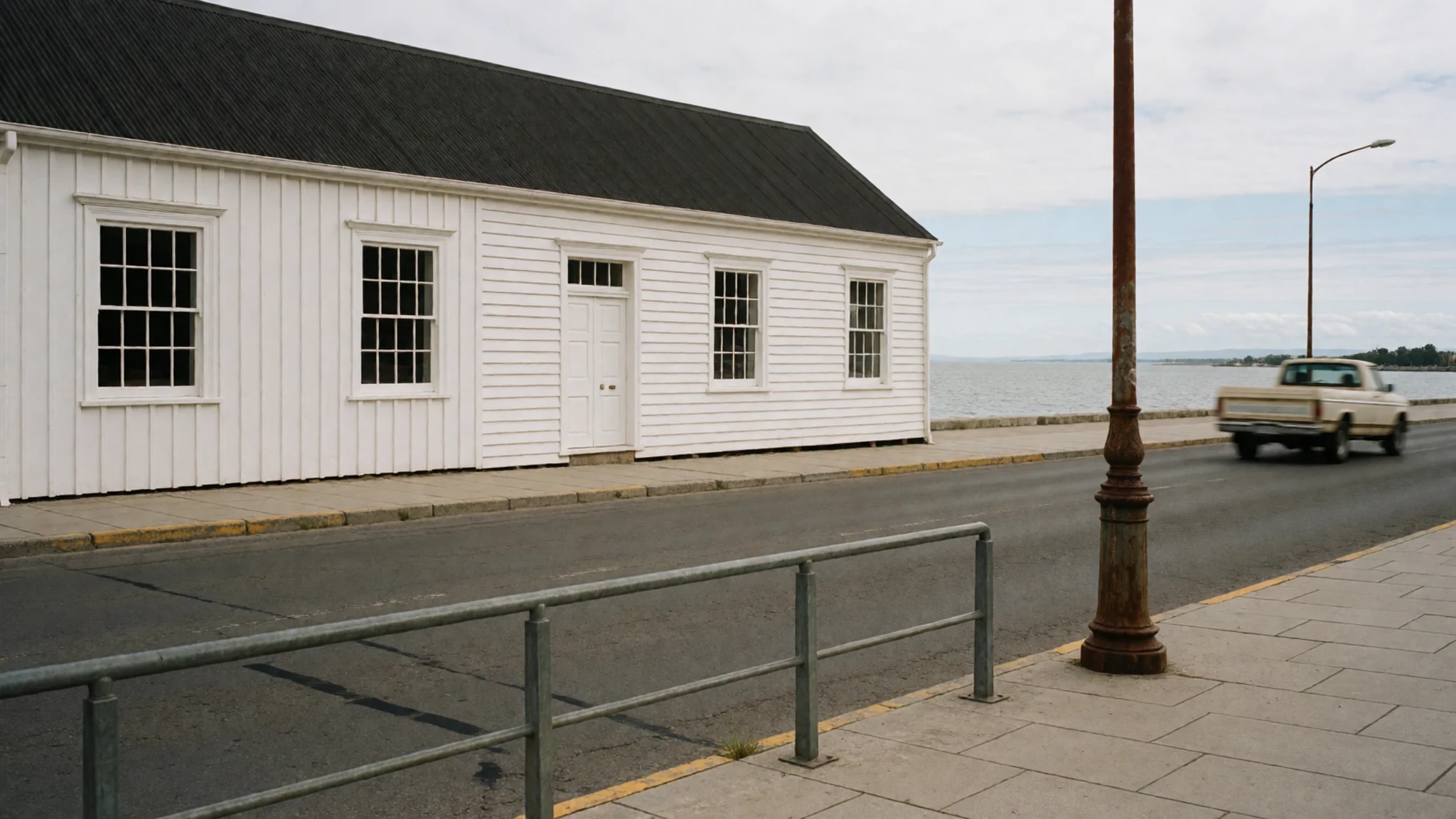
- Les Eclaireurs Lighthouse — Beagle Channel, reached by boat
Reached by a short boat trip from Ushuaia, this lighthouse is a popular goal on the Beagle Channel. It is not the lighthouse Jules Verne described in his novel of the same name, which stands elsewhere in the region. Boat tours pass island wildlife on the way out. Book with a licensed operator and bring a windproof layer, since the crossing can be cold.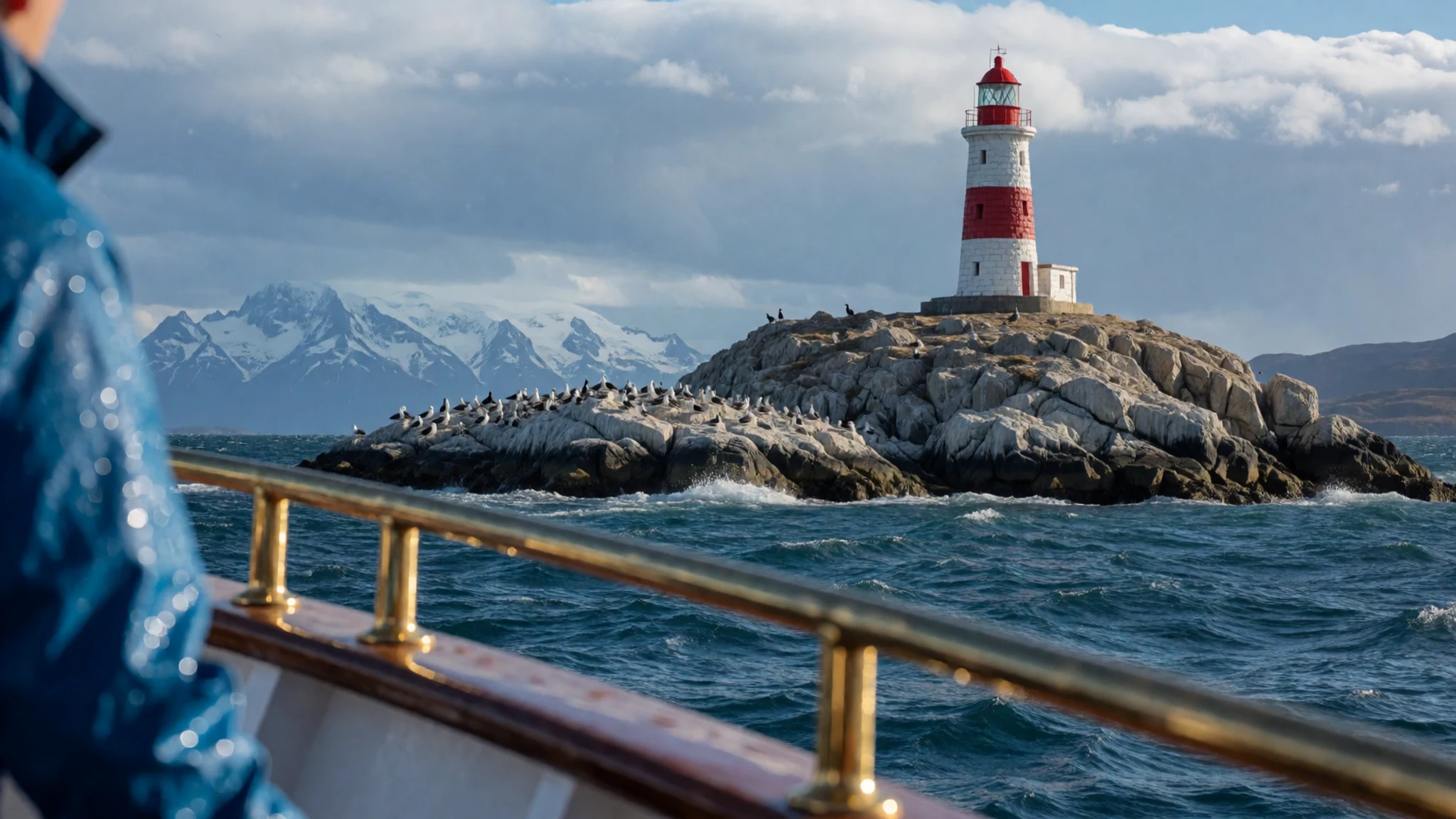
- Petrified Whale — City park, central Ushuaia
A whale sculpture stands inside the city park, and it makes an easy stop on foot from the centre. It is a quick detour rather than a destination, so fold it into a wider walk. Please keep to the paths and do not climb on the sculpture.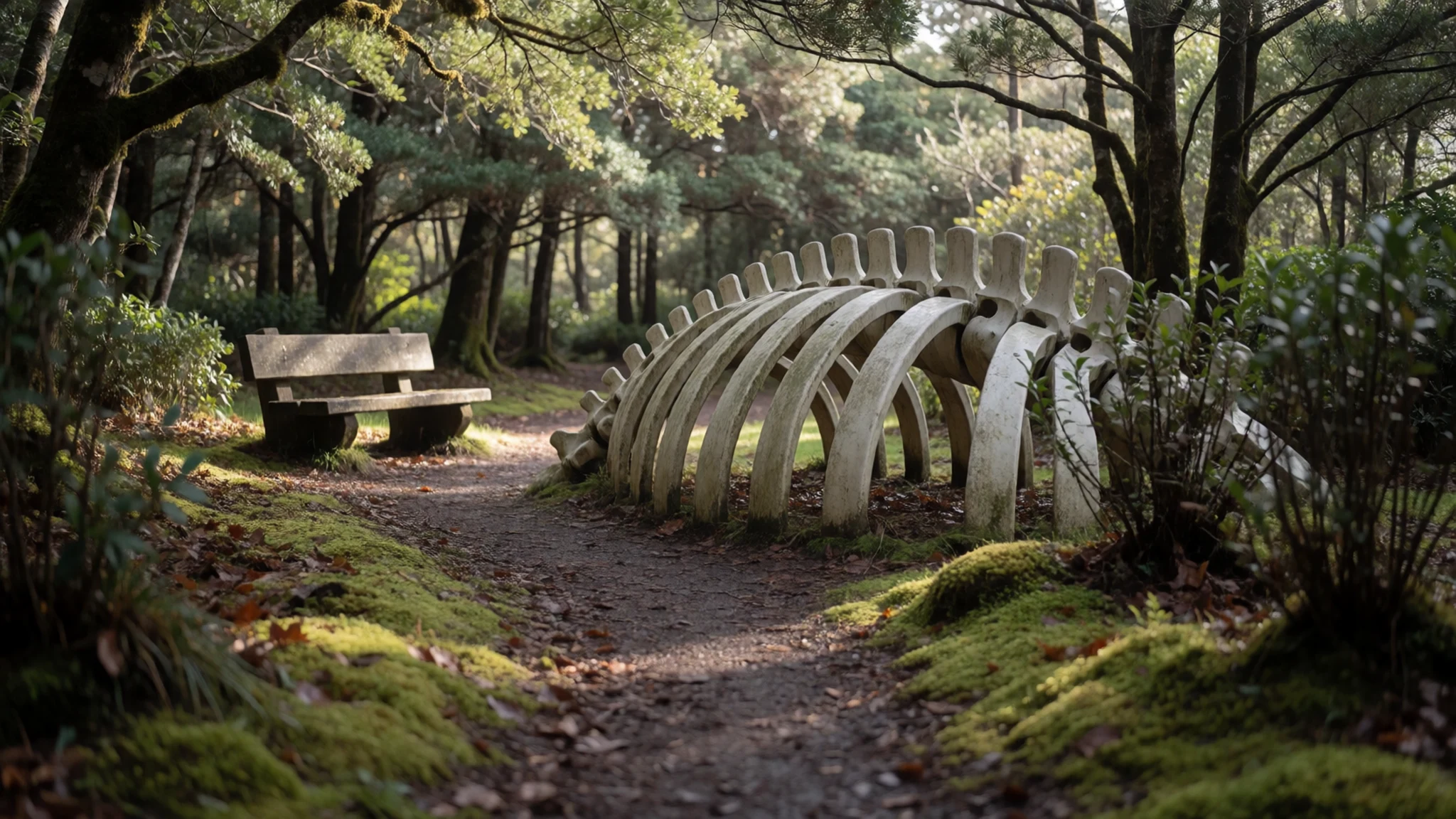
Culture
Ushuaia's cultural life is shaped by its position at the edge of the map. Its best-known event is the Bienal de Arte Contemporáneo del Fin del Mundo, the biennial contemporary art event at the end of the world, created and organised by the Patagonia Arte & Desafío Foundation. Under the rubric "South Pole of the Arts, Sciences, and Ecology", it has brought together more than a hundred artists from five continents, all working on the question of what a different future might look like from here. The biennial also works as an educational project, encouraging students at every level to think about how a better world could be built. For a visitor, the simplest way in is to follow the exhibitions into the city's galleries and museums and to talk to the staff, who are usually glad to explain the work. When you visit a museum or community exhibit, ask before photographing people, and do not touch displayed objects.
What to wear
Ushuaia's traditional dress belongs to the peoples who lived along these shores long before the town was founded. Selk'nam and Yaghan clothing was made from what the land and sea provided, with guanaco skin used for capes and robes against the cold and seal and otter skins worn along the coast, all layered against wind and wet. Those textiles now survive mainly in museum displays and in the work of contemporary Fueguian artists, not on the street. Today people in Ushuaia dress for the weather first. Fleece, waterproof shell jackets, thermal base layers and warm hats are everywhere, and the same gear is worn into a café or a restaurant without fuss. Locals mix outdoor brands with ordinary city clothes, and in summer you may need a t-shirt and a waterproof jacket in the same afternoon. For a visitor, pack layers that cope with rain, wind and sudden sun, a windproof outer layer, and a warm hat and gloves even in summer. Footwear matters more than fashion: waterproof boots with good grip for wet rock, boardwalks and muddy trails, plus a lighter pair for the town. Dress rules are informal at churches and museums, so comfort and dryness come first.
What to eat
- Pizza alemana — Small local eateries in the centre of town
A local oddity that works better than it sounds: a thin pizza base topped with mustard and sausage. It is a regular unconventional pick on menus in town, and it makes a filling, unfussy lunch between walks. Order it with a cold local beer.
- Patagonian lamb — Restaurants serving local cuisine in the centre, some with views
Lamb is the regional highlight, usually cooked slowly over fire and served with potatoes and a simple salad. The best cuts turn up in restaurants that serve local cuisine, and some have seats along large windows that look over the town and the mountains. Ask for one of those seats when you book.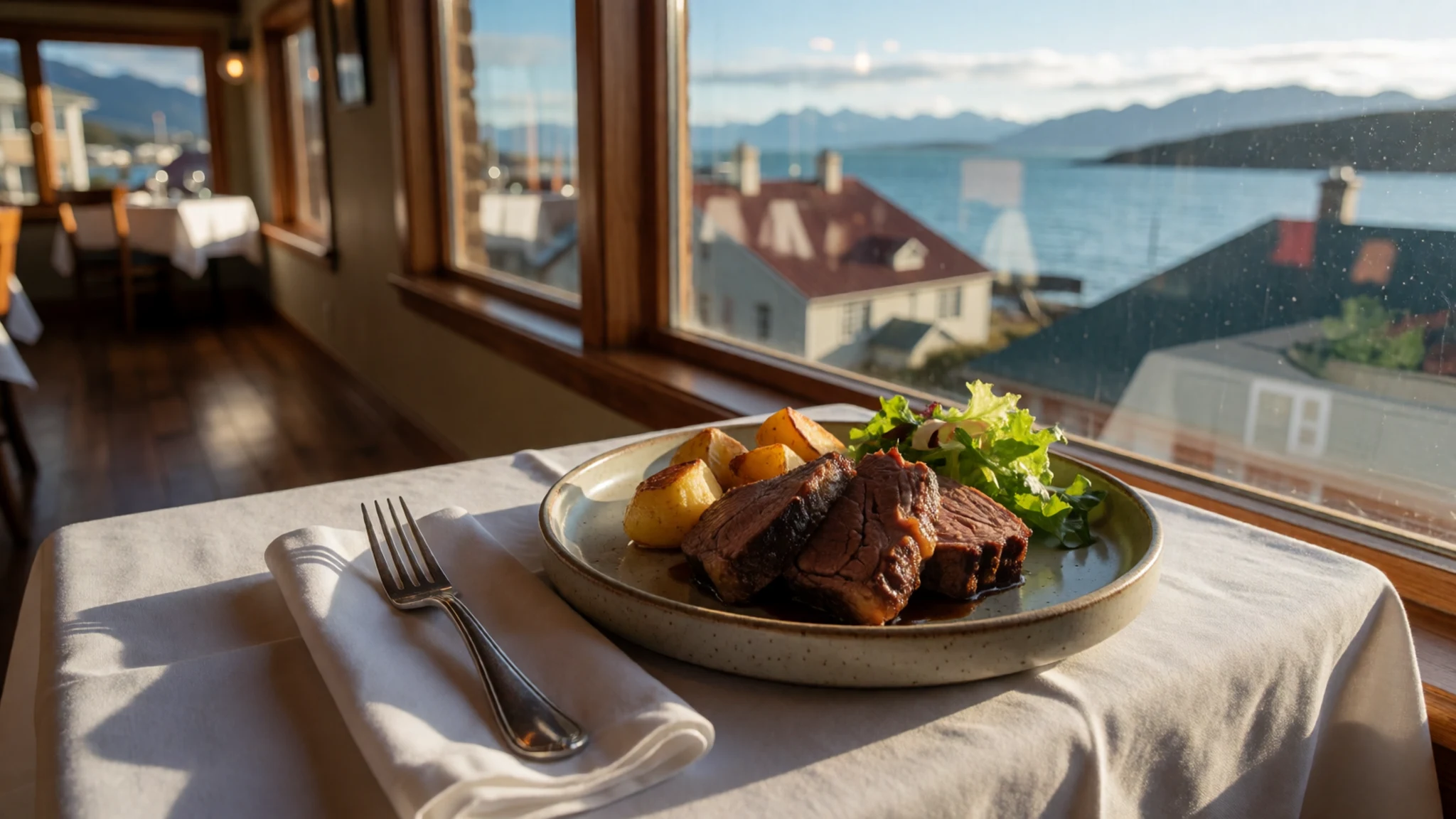
- King crab and seafood — Seafood eateries near the harbour
Crab and other seafood are the other regional highlight, and they are often the freshest thing on the menu. Look for dishes built around king crab and local fish, served with simple sides. Eating near the port, where the boats come in, is the most atmospheric way to enjoy them. - Parrilla — Grill restaurants along San Martín and Maipú
An Argentine parrilla is a grill restaurant where beef, sausages and other cuts arrive sizzling on a shared grill. Some offer all-you-can-eat meat with a self-serve bar of salads and vegetables, which suits a hungry walker. Lunch there is a good way to refuel before or after a boat trip. - Coffee and a toasted sandwich — Cafés on the central streets around San Martín
A café stop is the easiest way to warm up between walks. Expect good coffee, a toasted sandwich or a plate of hot fast food, and in some places a beer or a glass of wine. Two-floor cafés in the centre fill up at lunchtime, so arrive early or go mid-afternoon.
Plan it
Best time. December to March, when the days are longest and temperatures are mildest, though these months are also among the wettest; winter brings cold, wind and short days, and the weather can turn quickly at any time of year.
How long. 2–3
Getting there. Non-stop flights from Buenos Aires take about three and a half hours, and the airport serves the town directly. Overland routes are long: buses run via Rio Gallegos and cross the Magellan Strait by ferry, and the journey often takes much longer than advertised.
Budget. mid
Tips
- Book flights and boat trips early in the summer season, since seats fill quickly
- Pack layers and waterproofs, because the weather can change within an hour
- Plan outdoor days flexibly and keep an indoor option for wet or windy weather
- Carry cash for small eateries and markets, and check card acceptance before you order
- Check the official tourism site for current schedules and opening times
Etiquette
- Keep to marked trails in the national park and take your litter home
- Ask before photographing people, especially at community events
- Book guided trips through licensed operators
Nearby
Sources
- Wikidata Q44254 (CC0)
- Wikipedia: Ushuaia (CC BY-SA 4.0)
- Wikivoyage: Ushuaia (CC BY-SA 4.0)
- Aerial view of the centre of Ushuaia (Deensel) (CC BY 2.5)
- Aerial view of Ushuaia Prison (Un Topo por el Mundo) (CC BY 3.0)
- Ushuaia museu do fim do mundo (Tetraktys) (CC BY 3.0)
- Casa Beban (David Stanley) (CC BY 2.5)
- Vista aérea Puerto de Ushuaia (Data7Noticias) (CC BY 3.0)
- Isla de los Lobos, Beagle (Fernando de Gorocica) (CC BY 3.0)
- Gobernación Provincia de Tierra del Fuego (Albasmalko) (CC BY 3.0)
- Cruzada en La Macarena (galio) (CC BY-SA 2.0)


