Urmia
Urmia, Iran
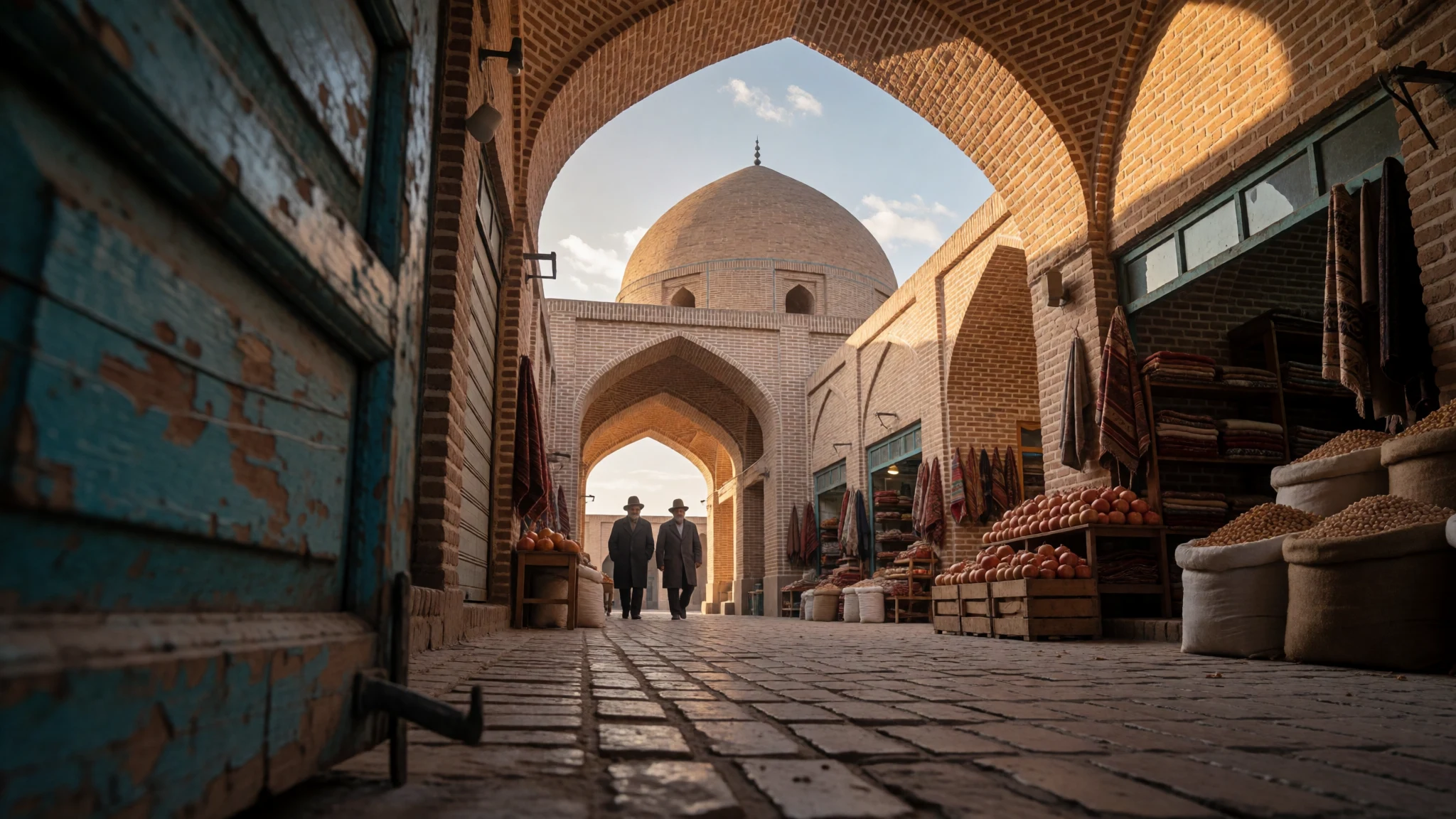
Urmia is a fruit-growing Iranian city beside a shrinking salt lake, where old churches, a brick bazaar and Azerbaijani, Kurdish and Assyrian traditions meet.
The place
Urmia is the capital of West Azerbaijan Province in north-western Iran, a city of about 736,000 people sitting 1,332 metres above sea level on a plain beside the Shahar River. The Turkish border lies to the west and Lake Urmia, a large salt lake, to the east, so the place feels like a hinge between mountains and water. The Iraqi border is not far either, and that closeness has shaped trade and travel here for centuries.
The plain around the city is farmland. Orchards of apples and grapes dominate, tobacco is grown too, and Urmia works as the market town for all of it. Villages such as Lajani and Mafaran sit among the fields, and the bazaar is where the harvest turns into commerce.
Most residents are Muslim, yet the town carries a layered past. Azerbaijanis, Kurds, Persians, Assyrians and Armenians have lived here side by side, and Shia and Sunni Muslims, several Christian denominations, Jews, Baháʼís and Sufis have all been part of the mix at different times. The churches that survive are a quiet reminder of that, and they stand not far from the mosques and the old bazaar.
The climate is what visitors notice first. Winters are cold and snowy, summers hot and dry, and the city is chillier than most of Iran. Spring brings the rain. The modern centre is a grid of apartment blocks and wide roads; the old character survives in pockets around the bazaar, so the best way to read Urmia is on foot, moving between those pockets.
Its story
Urmia's story begins on the plain itself, where farming villages existed several thousand years before the Common Era, within the cultural orbit of the kingdom centred on Van. Excavations near the city have turned up household utensils from that early period. Later the country west of the lake was ruled locally, then absorbed by the Urartian or Mannaean powers, and finally by the Medes.
By the early medieval centuries Urmia was a town of some importance. Its later fortunes were tied to the rivalry between Safavid Persia and the neighbouring Ottoman Empire. The city sat on a contested frontier: Ottoman armies took it more than once, and each time Safavid forces won it back. In the early seventeenth century a nobleman, Qasem Sultan Afshar, left his post as governor of Mosul when plague broke out, settled in this western corner of Azerbaijan, and became the founder of Urmia's Afshar community. From the mid-eighteenth to the mid-nineteenth century the city was the seat of its own khanate.
The Assyrian Christians form a separate thread. Survivors of Timur's attack on Baghdad escaped north through Iraq into the Hakkari mountains west of the lake, and those highlands remained Assyrian heartland for generations. Christians were still a large minority in Urmia around the turn of the twentieth century. During the years after the conflict, the majority were slaughtered—by Turkish soldiers pushing through the area or by local Kurdish attacks—or they fled as soon as the fighting ended. That history lies behind the churches that still stand in a mostly Muslim city.
What to see
- Lake Urmia — East of the city
Lake Urmia lies east of the city, a salt lake whose size has been hit by drought, so the shoreline varies a great deal from year to year. Ask locally about current conditions before making the trip. Where the water is deep enough, the salt lets swimmers float without effort, and the pale shores and salt flats make an odd, quiet landscape for a half-day outing.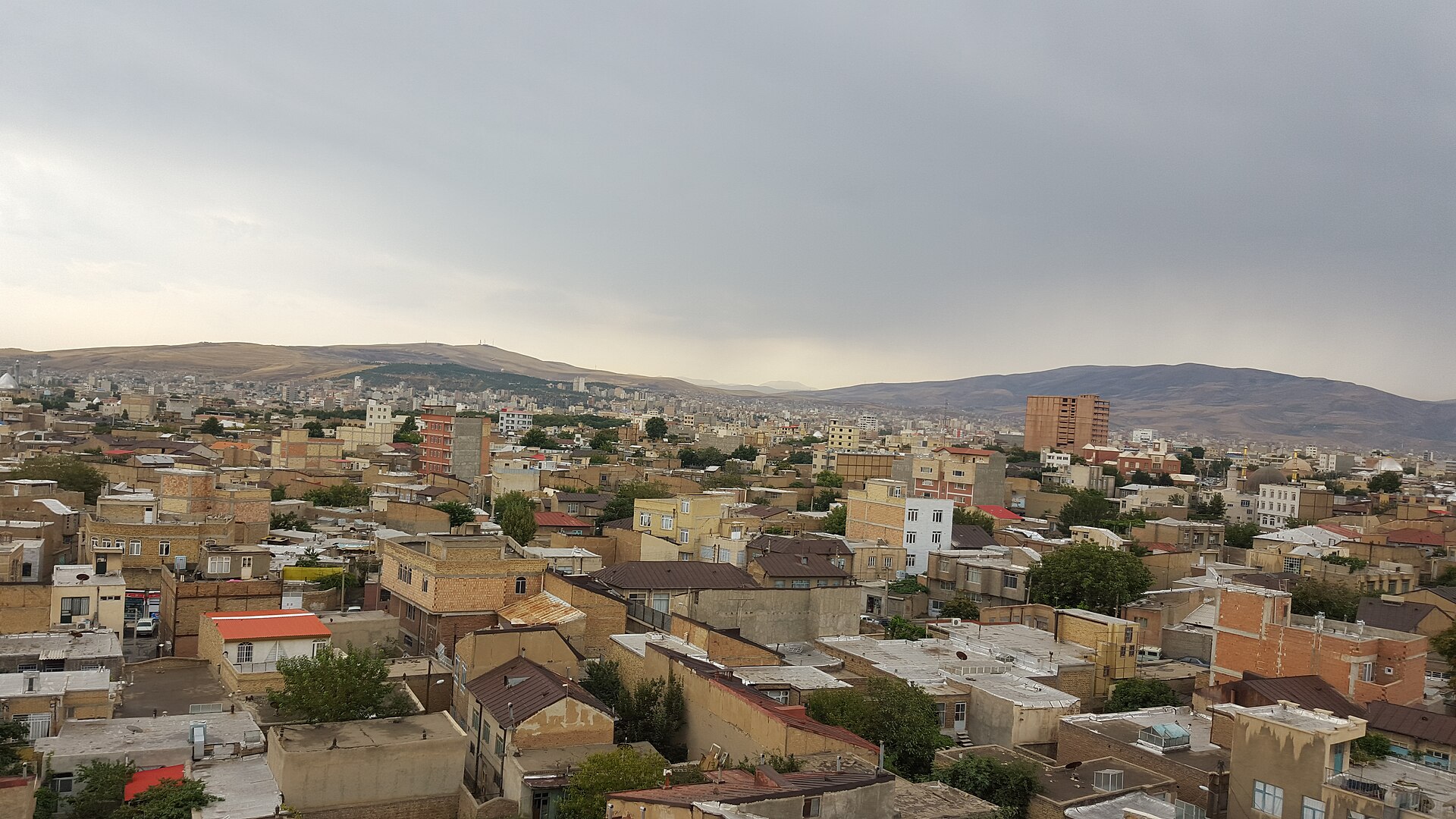
- Church of Naneh Maryam (Saint Mary) — Central Urmia
The Church of Naneh Maryam (Saint Mary) stands near the city centre and is a well-known landmark of Urmia's Christian heritage. Local tradition links it to the magi who travelled to see the infant Christ, a story best treated as legend rather than documented history. It is also a reminder of the Assyrian and Armenian communities who shaped the town. Opening arrangements vary, so check locally.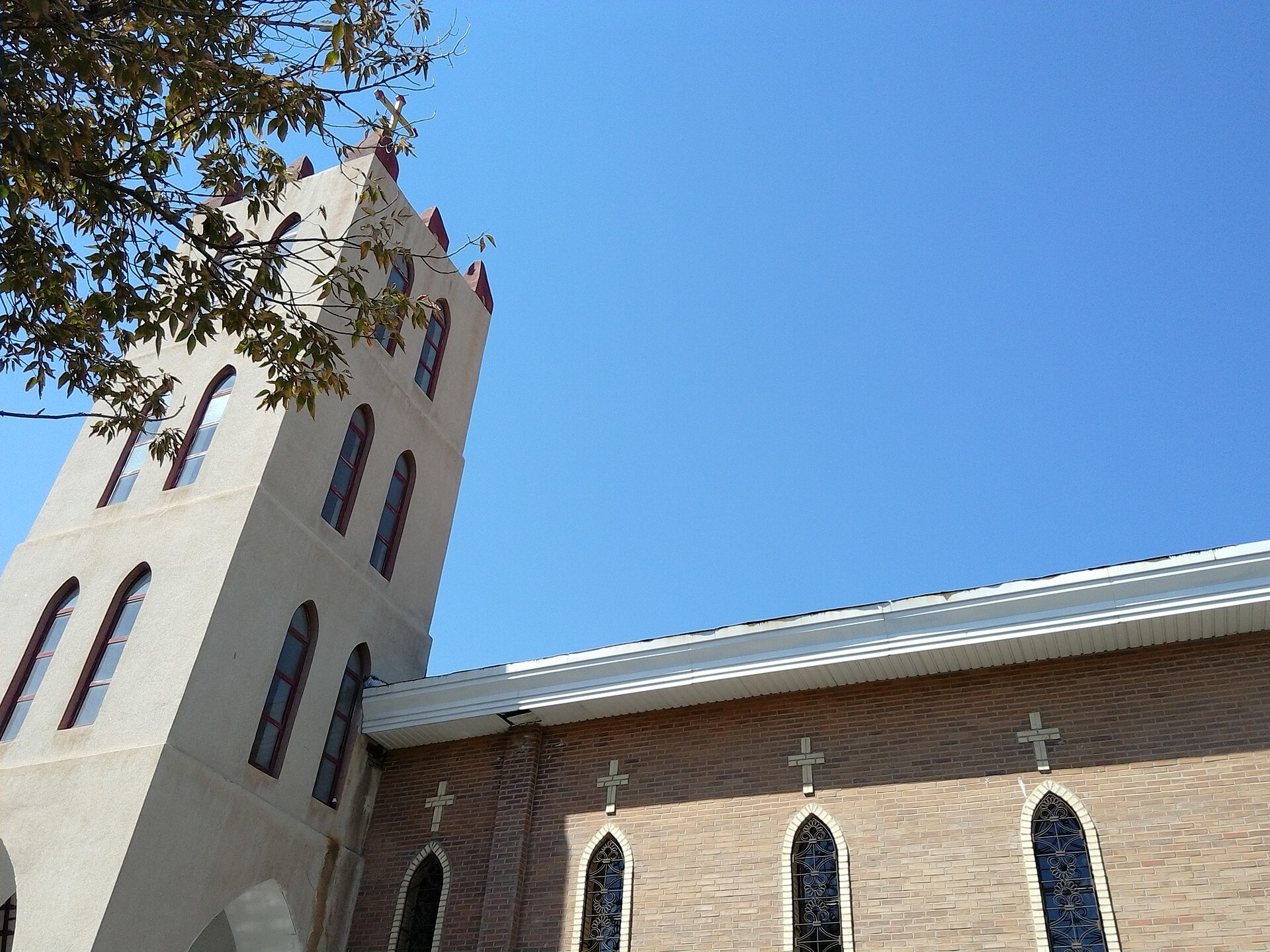
- Se Gonbad (Three Domes Tower) — South-east Urmia
Se Gonbad, the Three Domes Tower, is a historic monument tucked down an alley off Ostad Barzegar Street in the south-east of the city. It is quick to see, rewarding for anyone who likes old architecture, and easy to combine with a walk towards the bazaar. Finding the alley takes a little patience, so a map app or a local pointer helps.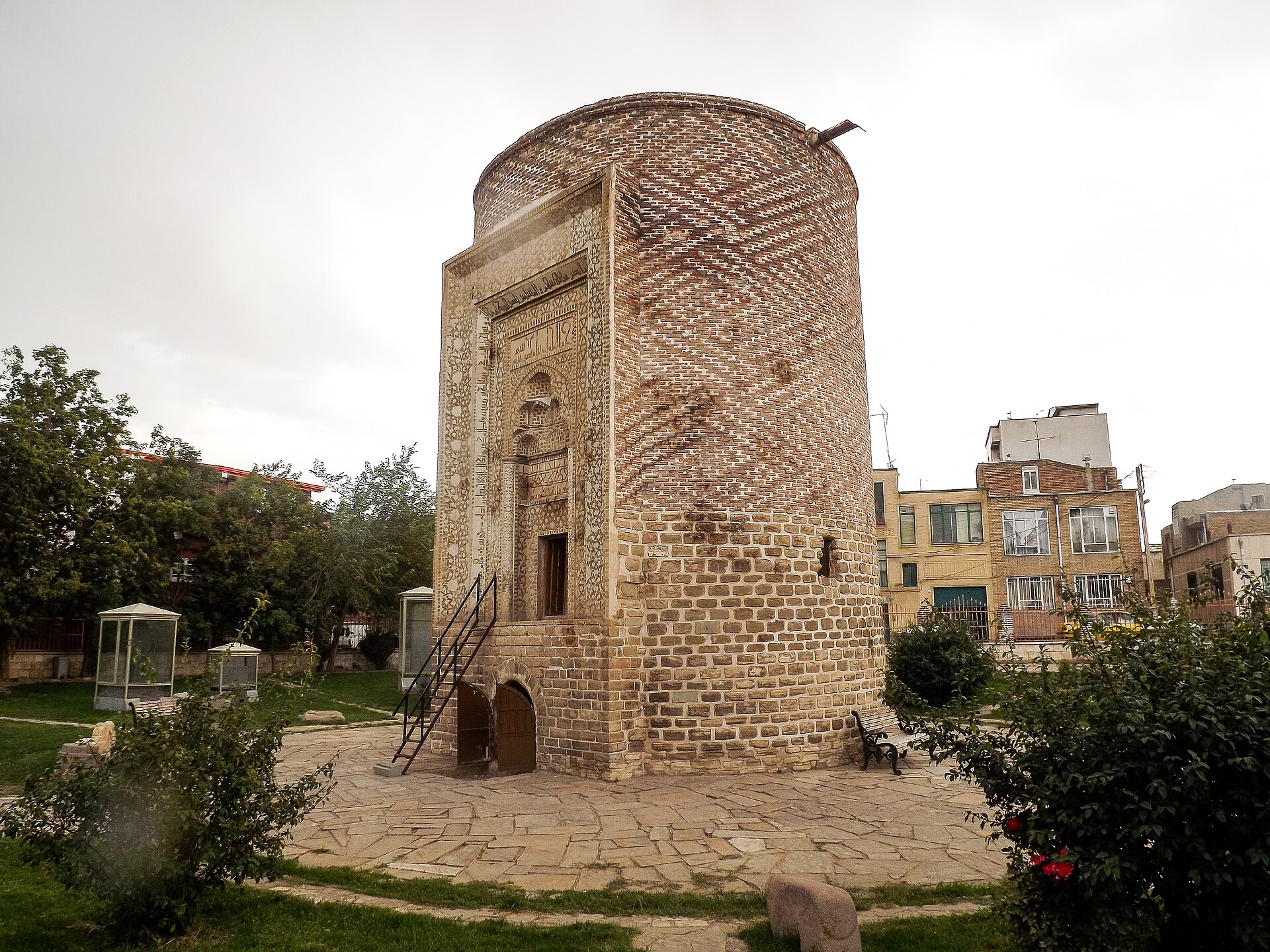
- Jameh Mosque (Friday Mosque) — Inside the bazaar
The Jameh (Friday) Mosque sits in the middle of the Urmia Bazaar, so the walk to it passes through shops and passages. Its broad courtyard opens onto a big brick prayer hall, the shabestan, whose central bay rises into a tall dome. Dress modestly and ask at the entrance before going in.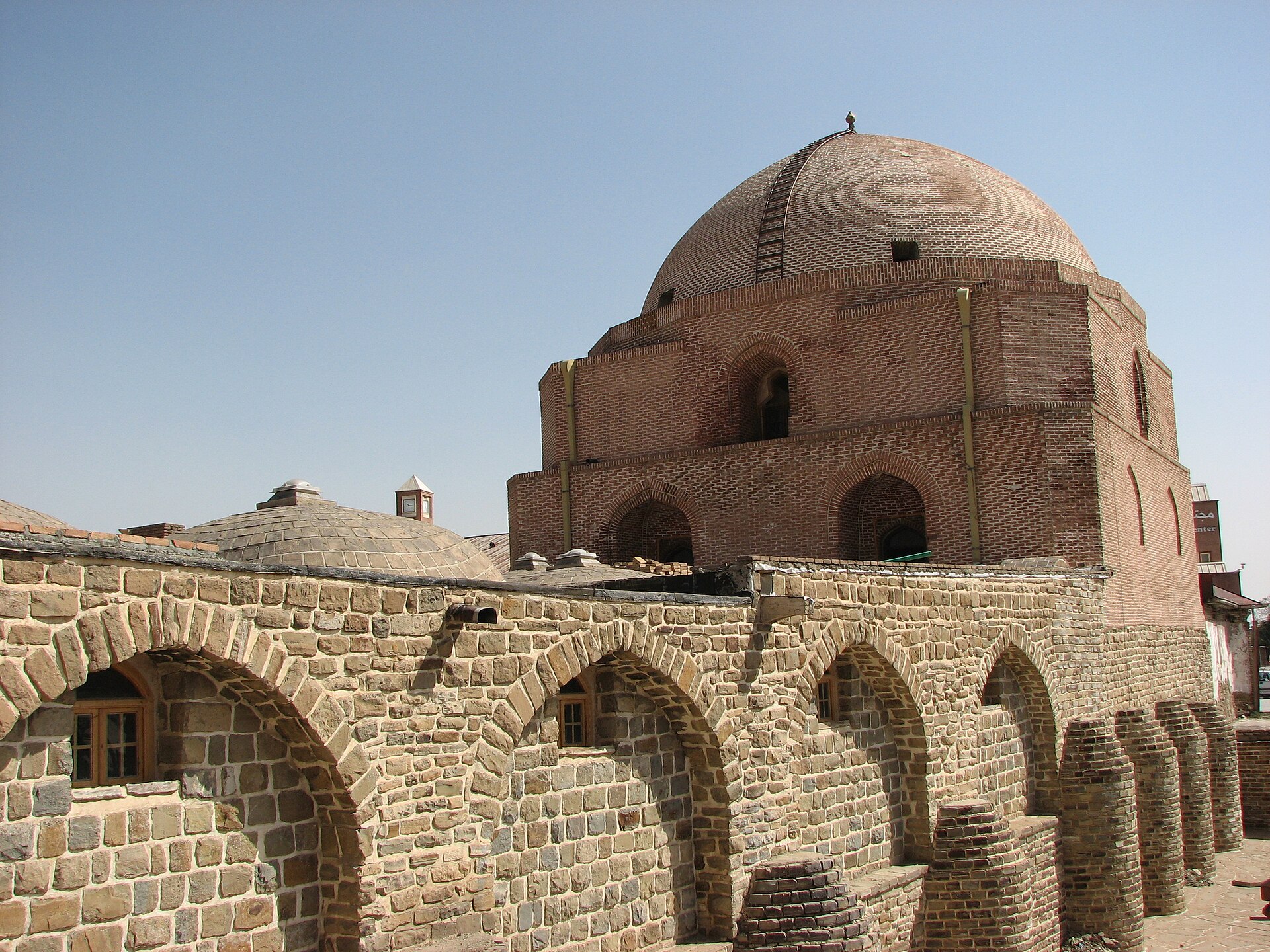
- Old Urmia Bazaar — South-east Urmia
The old Urmia Bazaar fills the south-eastern corner of the city, and its surviving core runs along Imam (Asgarabadi), Eghbal and Mahabad (Montazeri) streets. Passages of small shops sell fruit, dried goods, textiles and household items, and the bazaar is a good place to see how the farmland around the city connects to its people. Mornings are busiest; the pace slows in the afternoon.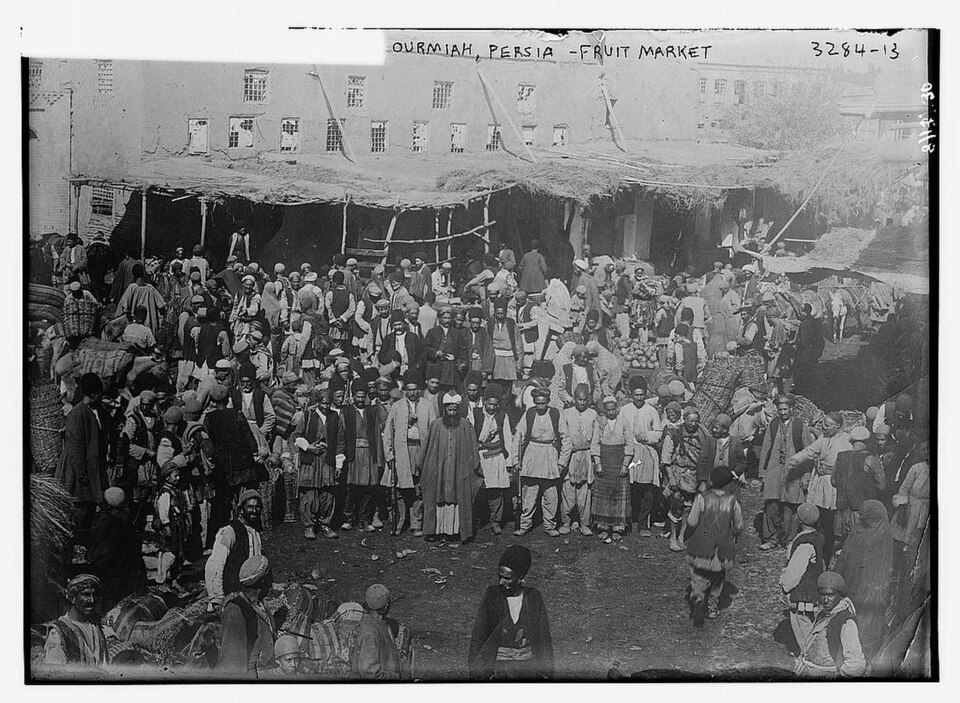
- Marsargiz Church — Countryside south of Urmia
Marsargiz Church (Marserkis) stands in the countryside south of the city and is among the province's notable stone-built structures. It is a reminder that the Christian history of the plain extends well beyond the town itself. A taxi or private car is the practical way to get there, and it combines well with a stop at the village of Band.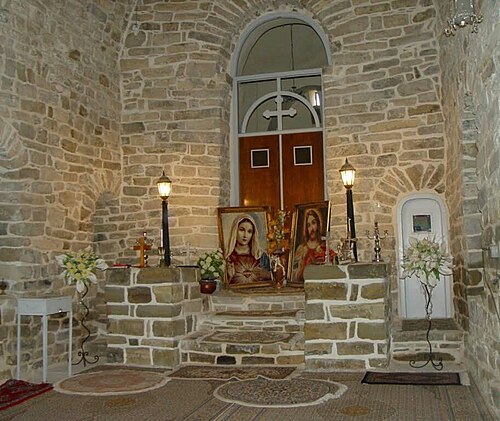
Culture
Urmia's culture is mostly Azerbaijani Turkic, with Kurdish, Persian, Assyrian and Armenian threads running through it. Households here mark Nowruz, the spring new year, and Eid al-Adha much as other Iranian communities do, with small local differences in food, songs and visiting customs. Music is one of the clearest local signatures: ashik, the tradition of travelling bards who sing and play a stringed instrument, has an Urmia variety that is listed in Iran's national heritage. Hearing it live usually depends on a festival, a wedding or a friend's invitation rather than a regular venue, so it pays to ask locally.
Museums give a more structured look at the region. The Urmia Museum is archaeological, and the city also has a natural history museum showing local wildlife, a museum of crafts and classical arts, and an anthropology museum. Opening arrangements vary, so check with the municipality through its website, urmia.ir.
Religion is visible in the cityscape. Mosques serve the Muslim majority, while the surviving churches belong to communities with deep local roots, and talk about that mixed history is generally welcomed when raised with tact. In mosques and churches alike, dress modestly, keep your voice low, and ask before photographing worshippers or anyone's family.
What to wear
Urmia's traditional dress follows its communities. Azerbaijani women have worn gathered, layered skirts with embroidered or patterned headscarves, and men a long coat or jacket with a sheepskin or felt hat. Kurdish villagers favour baggy trousers, a short jacket and a broad sash for men, and long bright dresses over trousers for women. Wool, cotton and felt are the working fabrics, chosen for cold winters, and full outfits now mostly appear at Nowruz, weddings, folk festivals and ashik performances.
Day to day, people in the city dress much as elsewhere in Iran: women in a headscarf with a long tunic or coat over trousers, men in trousers and shirts, with dark coats, boots and hats through the long winter. Younger people lean towards jeans, trainers and bright scarves.
Visitors should follow the same rules. Women need a headscarf, worn or carried, a loose top that covers the hips, and long trousers or a long skirt; men should avoid shorts and sleeveless tops. Pack layers for the cold months and sun protection for summer. Comfortable closed shoes suit the bazaar's uneven floors and the lakeshore, and slip-on pairs are handy for mosque and church thresholds.
What to eat
- Kebab — Band village, or kebab eateries around the centre
Grilled kebab with flatbread, tomato and raw onion is the usual meal out. In summer, families drive to Band, a village on the road towards Piranshahr, for long evenings of kebab and tea. Any busy kebab eatery in town works for lunch. - Dizi (abgoosht) — Traditional eateries around the bazaar
Dizi, also called abgoosht, is a lamb and chickpea stew served in a stone crock; the broth is eaten with torn bread first, then the solids are mashed. It is a hearty cold-weather lunch, found at traditional dizi-serving eateries near the bazaar. - Ash — Family-run soup eateries
Ash is a thick herb-and-pulse soup, often with noodles, beans and a swirl of yoghurt or whey, served hot in the cold months. Local versions vary from house to house. Look for it at modest family-run soup eateries and at home if invited. - Lavash with local cheese and herbs — Neighbourhood bakeries and bazaar stalls
Lavash is thin flatbread, usually baked fresh and eaten folded around local white cheese and a handful of fresh herbs such as tarragon, mint and basil. It makes a light breakfast or snack with tea. Neighbourhood bakeries and the bazaar's food stalls are the places to find it. - Apples, grapes and dried fruit — Urmia Bazaar fruit stalls and roadside sellers
Apples and grapes are the pride of the plain, eaten fresh in season and also sold dried, together with other dried fruit and nuts. Late summer and autumn bring the widest choice. Buy from fruit stalls in the Urmia Bazaar or from roadside sellers on the outskirts.
Plan it
Best time. May–June and September–October. Winters are cold and snowy, summers are hot and dry, and spring brings most of the rain, so the shoulder months give the mildest days for walking the city and visiting the lake.
How long. 2
Getting there. Check current flight options to Urmia, or fly to Tabriz and continue by road; the road across the lake bridge reaches Urmia from Tabriz in about an hour and a half. Daily buses also link the city with Tehran, Tabriz, Van in Turkey and Erbil in Iraq. The city centre and bazaar are compact enough to cover on foot or by short taxi rides.
Budget. low
Tips
- Check your government's current travel advice before planning, as Urmia lies near the Turkish and Iraqi borders
- Foreign bank cards often do not work in Iran, so arrange cash in advance and keep some on you
- Visit the bazaar in the morning, when stalls are fully open and the light is best
- Ask locally about Lake Urmia's current water level before travelling out to it
- Carry warm layers outside summer, as the city is colder than much of Iran
Etiquette
- Women should wear a headscarf and a loose, long top; men should avoid shorts
- Ask before photographing people, especially women, families and worshippers
- Take off shoes where there is a step up to a carpeted area in a mosque or home
Nearby
Sources
- Wikidata Q179665 (CC0)
- Wikipedia: Urmia (rev 1377148518) (CC BY-SA 4.0)
- Wikivoyage: Urmia (rev 5343163) (CC BY-SA 4.0)
- Photo: Urmia from a hotel window (Anna-Freud) (CC BY-SA 4.0)
- Photo: Uromia, Iran, pareeke jangali (✿ Vlinder ✿) (CC BY 3.0)
- Photo: Se Gonbad (Ehsan Danandeh) (CC BY-SA 4.0)
- Photo: Jame Mosque of Urmia (Toni Afshar) (CC BY-SA 4.0)
- Photo: Naneh Maryam Church (MySarnevesht) (CC BY-SA 4.0)
- Photo: Marsargiz Church (Iamsoleimani1) (CC BY-SA 4.0)
- Photo: Ourmiah, Persia - Awaiting the Shah, 1911 (U.S. Government) (Public domain)
- Photo: Ourmiah, Persia - Fruit Market, 1911 (U.S. Government) (Public domain)


