Uppsala
Uppsala, Sweden
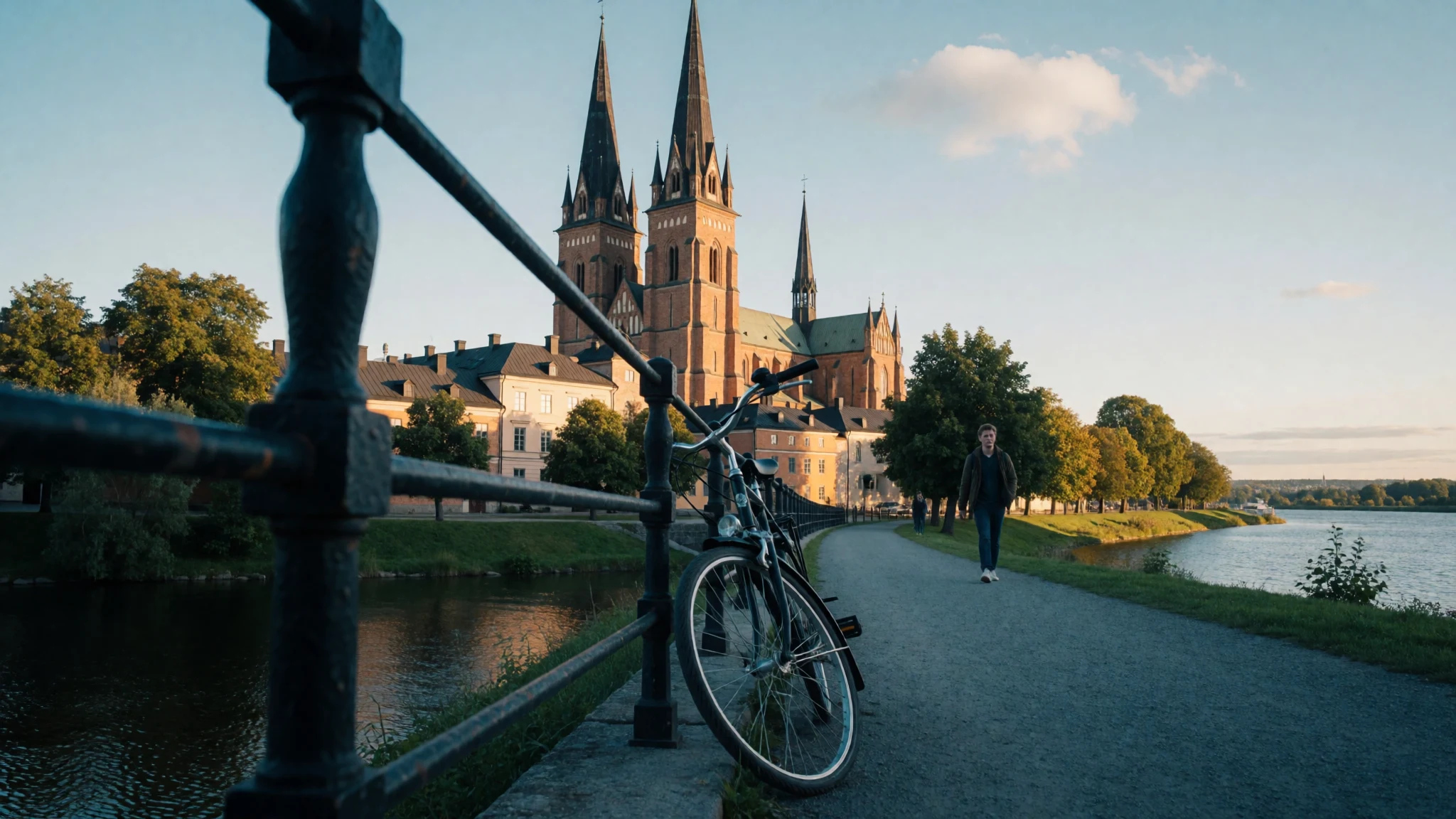
Uppsala is Sweden's old church-and-university city: a cathedral, a Vasa castle and a river, all easy to cover on foot or by bicycle.
The place
Uppsala sits on the flat plain of the River Fyris, north of Stockholm, at about 15 metres above sea level, and is home to about 175,000 people. It is a church and university city first and a tourist stop second, and that shapes the feel of the place. Bicycles outnumber cars on the central streets, students fill the cafés in term time, and the skyline is set by the cathedral rather than by anything modern. The river runs straight through the middle, with embankment walks and bridges that make the centre easy to cross on foot. The main sights sit close together: the cathedral and university quarter on the west bank, the castle on its low hill, and the botanical garden just beyond. Stockholm is a short train ride away, so many visitors come for a day, though the town rewards a slower stay, especially on a long summer evening when the light lingers and the riverside terraces fill up. Uppsala is also the seat of the archbishop of the Church of Sweden, and is the administrative capital of its county. The surrounding countryside is gentle farmland and lake shore, not mountain or coast. Winters are dark, cold and quiet, and the town then feels more like a university campus than a destination. Summer brings more visitors but never real crowding. Uppsala is a place for walking, for cafés, and for reading the history off the buildings.
Its story
Uppsala's name first belonged to a place a few kilometres north of the present centre, now called Gamla Uppsala, or Old Uppsala. The medieval chronicler Adam of Bremen described it as the religious heart of pagan Sweden, with a temple full of images of the Norse gods. The riverside settlement that grew into today's city was a small port called Aros, meaning 'river mouth', where the Fyris reached a bay of Lake Mälaren. It later became Östra Aros, 'East Aros', to separate it from the town now known as Västerås. In the twelfth century a king, Eric Jedvardsson, was murdered beside the town church, and he was afterwards venerated as a saint. Church power followed him: in 1164 Uppsala became the seat of Sweden's archbishop. Around 1274 the cathedral at Gamla Uppsala burned, and the archbishopric and Eric's relics were carried downriver to Östra Aros. A new cathedral rose there over generations and was inaugurated in 1435. The university came in 1477, and with it the town's long habit of scholarship. In the sixteenth century Gustav Vasa built the castle as a royal residence and fortress. Fire damaged its older parts in 1702, but the cathedral, the castle and the old university quarter still shape the town, and Gamla Uppsala remains an open site of burial mounds to the north.
What to see
- Uppsala Cathedral — Cathedral quarter, west bank
Uppsala Cathedral is a Gothic brick church that took generations to finish and dominates the skyline from every approach. Inside, the long nave leads to the shrine associated with Saint Eric. A treasury in the northern tower shows pieces from the church's collection. Check opening times and any service closures before going.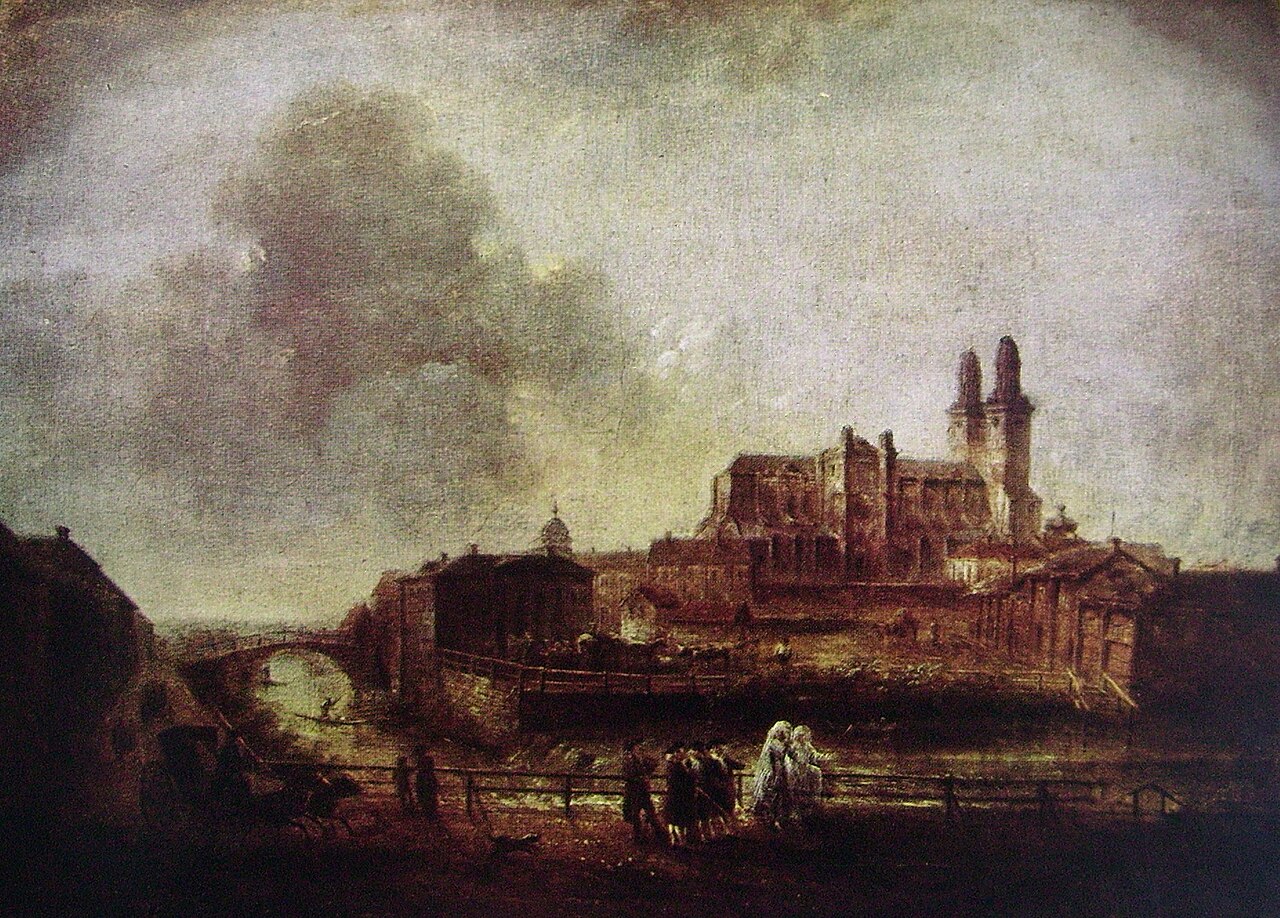
- Uppsala Castle — Castle hill
Uppsala Castle sits on its hill above the river, a pale mass built by the Vasa dynasty as both a royal home and a fortress. It has large halls, paintings and remnants of the earlier building. Today it also houses the governor's residence and several museums, so one visit can easily fill a morning.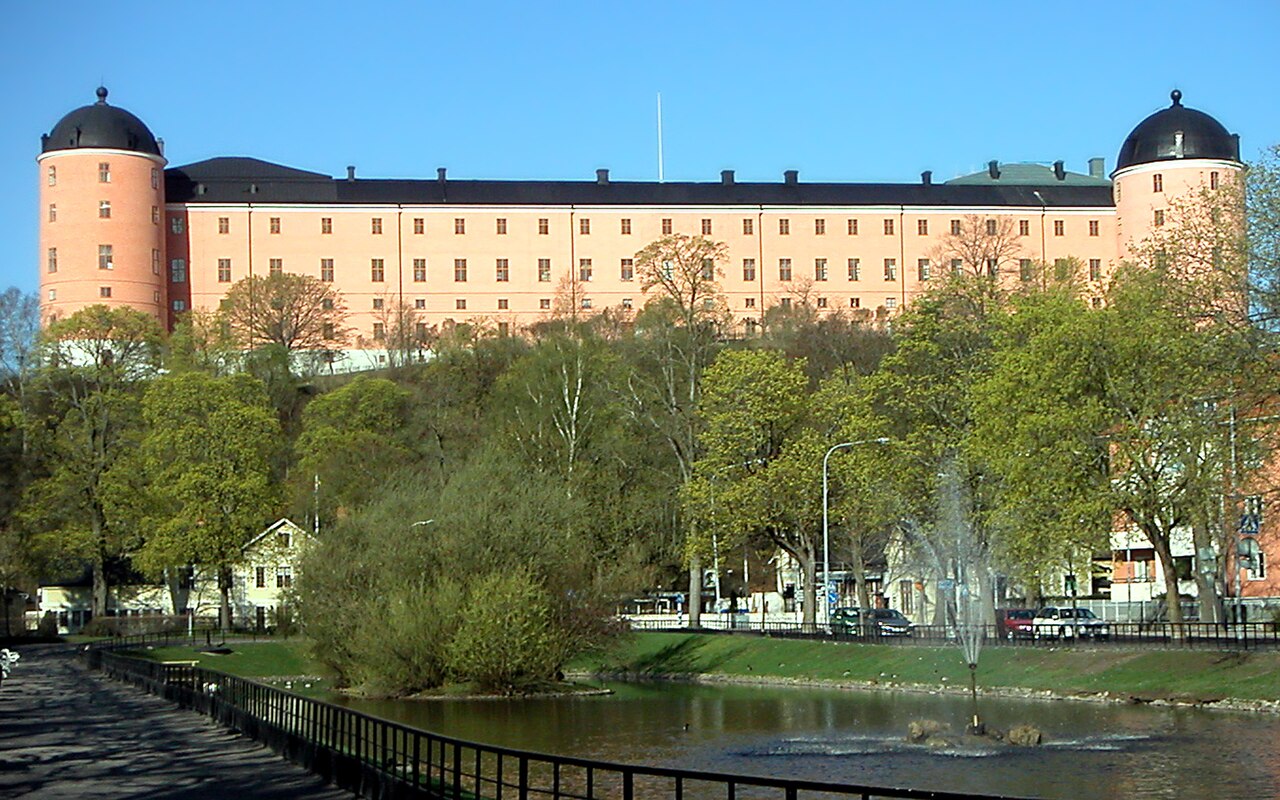
- Vasaborgen — Inside Uppsala Castle
Vasaborgen is the surviving sixteenth-century part of the castle, scarred by the fire of 1702. Its ruins include the dungeons where the Sture murders took place in 1567. It is a sober, atmospheric corner of the castle, best seen on a guided tour; check the official site for current times. - Fredens Hus — Inside Uppsala Castle
Fredens Hus is a small museum in the castle about peace, conflict and human rights. Its permanent exhibition follows the life of Dag Hammarskjöld, the former UN secretary-general, who grew up in the castle. It is thoughtful rather than flashy, and suits a rainy afternoon. - Uppsala Konstmuseum — Inside Uppsala Castle
Uppsala Konstmuseum is the local art museum, with contemporary Swedish and international work and regular temporary shows. It also holds a good deal of Uppsala ceramics, which gives it a local flavour. It is quiet and compact, a useful stop between the cathedral and the castle. - Botanical Garden and Linneanum — Below the castle
Uppsala's botanical garden stretches below the castle and includes the Linneanum orangery, a graceful building with a long scientific heritage. In summer the beds, lawns and glasshouses are a calm place to walk, and the garden makes a pleasant link between the castle and the town centre.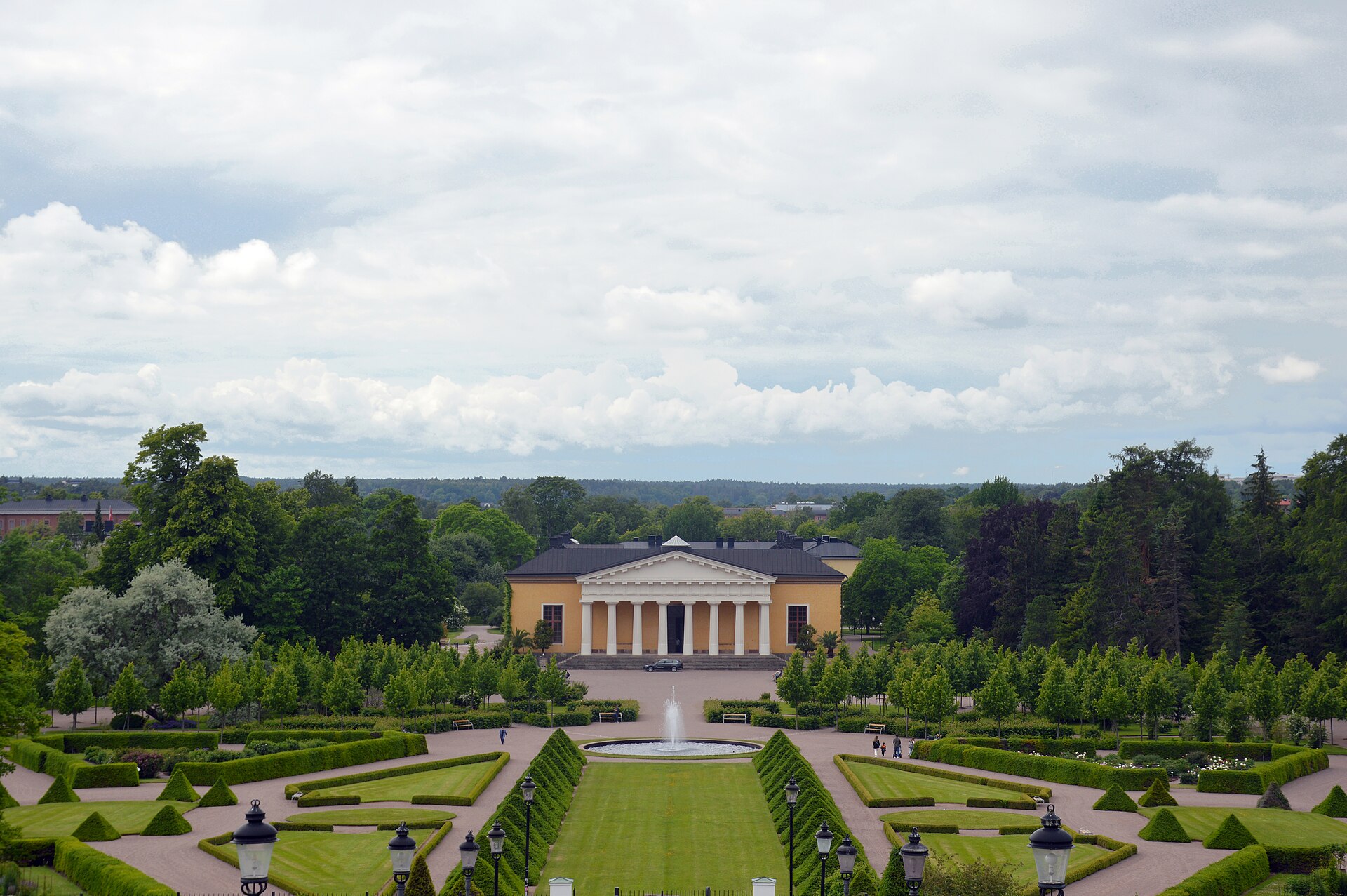
Culture
Uppsala's culture is shaped by its students and its church. The university gives the town a youthful, bookish rhythm: bicycles lean on every railing, the student societies known as nations run clubs, cafés and concerts, and spring brings noisy celebrations in the parks and along the river. Many students wear a white cap on those days, a tradition tied to graduation and spring rather than to everyday life. The cathedral, meanwhile, remains a working church as well as a monument, with services, music and ceremonies that sit alongside the visitors. Swedish habits are visible everywhere. Fika, the unhurried coffee-and-cake break, is close to a social institution, and people queue patiently and keep voices low on public transport. Outdoor life matters too: riverside walks, swimming and skating when conditions allow, and plenty of time in the forests and fields around the town. Daylight shapes the mood. In summer, evenings stretch long and terraces stay busy, while in midwinter the town leans into candles, warm interiors and early nights. Uppsala is also proud of its scientific heritage, and its museums and gardens reflect a culture of curiosity. Manners are informal but quiet, and people value personal space. In the cathedral, keep your voice low, switch off your phone, and do not photograph worshippers or walk around during a service.
What to wear
Traditional dress in Uppland, the region around Uppsala, is the Swedish folkdräkt: regional costume in wool and linen, with embroidered bodices, aprons and caps for women and breeches, waistcoats and jackets for men. It appears on national and local festival days, at weddings and in folk-dance events, rather than in daily life. The white student cap is a more visible local tradition and turns up at graduations and in spring celebrations. Everyday clothing now is practical and understated: dark or neutral colours, simple cuts, good outerwear and shoes that can handle cycling and wet pavements. Students favour casual layers, and smart dress is reserved for dinners and formal events. Visitors should plan around the weather. In summer, light layers, comfortable walking shoes and a rain jacket cover most days, and evenings can turn cool by the river. In winter, a warm coat, hat, gloves and boots with a good grip are needed, since pavements can be icy and daylight is short. At the cathedral, no strict dress code is expected, but covered shoulders and tidy clothing are polite, and hats are best removed inside. Cobbled lanes and the castle hill suit sturdy flat shoes better than heels.
What to eat
- Kanelbulle and fika — Konditori and cafés in the centre and along the river
A cinnamon bun with coffee is the standard Swedish pause. The buns are soft, spiced and sometimes flavoured with cardamom. Stop at a traditional konditori or a café near the river and take the time to sit. - Köttbullar — Neighbourhood restaurants and lunch places in the centre
Swedish meatballs are served with potatoes, a cream sauce and lingonberry jam. They are a staple of home-style cooking and appear on lunch menus in many neighbourhood restaurants. It is simple, filling food and best eaten at a relaxed lunch. - Korv — Hot dog bars and kiosks around the central streets
A hot dog is a fast and cheap Swedish habit, often served with mash, mustard, ketchup or shrimp salad. Uppsala has hot dog bars and kiosks that suit a quick bite between sights, especially after an evening out. - Kebab pizza — Fast-food places near the central station and student areas
Swedish kebab shops serve large portions of kebab with salad and sauce, and local pizza places add their own toppings. It is cheap, filling student food and a normal part of Uppsala's late-night routine. - Thai dishes — Thai restaurants in the central districts
Thai food is popular in Swedish towns, and Uppsala has restaurants serving curries, noodles and stir-fries, often with vegan options. It is a reliable, good-value meal when the weather is poor. - Salad bars — Salad bars and lunch cafés in the town centre
Fresh salad bars suit the town's healthy student crowd, with grains, roasted vegetables, greens and toppings that you assemble yourself. They are handy for a light lunch, and many serve vegetarian and vegan combinations.
Plan it
Best time. Late May to September, when days are long, the river banks and botanical garden are green, and terraces are open. Midsummer evenings stay light very late. Winter is cold and dark, with short days, though the cathedral and museums are quieter then.
How long. 1–2
Getting there. Fly to Stockholm-Arlanda, which is closer to Uppsala than to Stockholm. Trains run from Arlanda Central to Uppsala Central in about 18 minutes, roughly every 30 to 60 minutes. Buy a ticket before boarding. From Stockholm, regular trains go to Uppsala Central, and the town centre is then walkable.
Budget. mid
Tips
- Visit the cathedral early, or check the official site (http://www.uppsala.se) for service times and closures
- Walk or hire a bicycle: the centre is compact and flat
- Cards are accepted almost everywhere, so little cash is needed
- Pack a waterproof layer even in summer, as showers pass quickly
- Use Arlanda Central, not Arlanda South or North, for Uppsala trains
Etiquette
- Keep your voice low in the cathedral and avoid walking around during services
- Queue patiently and give people personal space
- Do not photograph worshippers or private individuals without asking
Nearby
Sources
- Wikidata Q25286 (CC0)
- Wikipedia: Uppsala (rev 1384474604) (CC BY-SA 4.0)
- Wikivoyage: Uppsala (rev 5420881) (CC BY-SA 4.0)
- Photo: Uppsala.jpg (Axebackman) (CC BY-SA 4.0)
- Photo: Uppsala kommunvapen (Vladimir A. Sagerlund) (CC BY 3.0)
- Photo: Charta öfwer Upsala stad no II (Jonas Brolin) (Public domain)
- Photo: Utsikt av Uppsala med domkyrka (Elias Martin) (Public domain)
- Photo: Uppsala by Sentinel-2 (Copernicus, ESA) (CC BY-SA 3.0 igo)
- Photo: Linneanum orangery (DimiTalen) (CC0 1.0)
- Photo: Uppsala slott (David Castor) (Public domain)
- Photo: Bandyfinal 2010 Hammarby celebration (Tompen0000) (Public domain)


