Ulaanbaatar
Ulaanbaatar, Mongolia
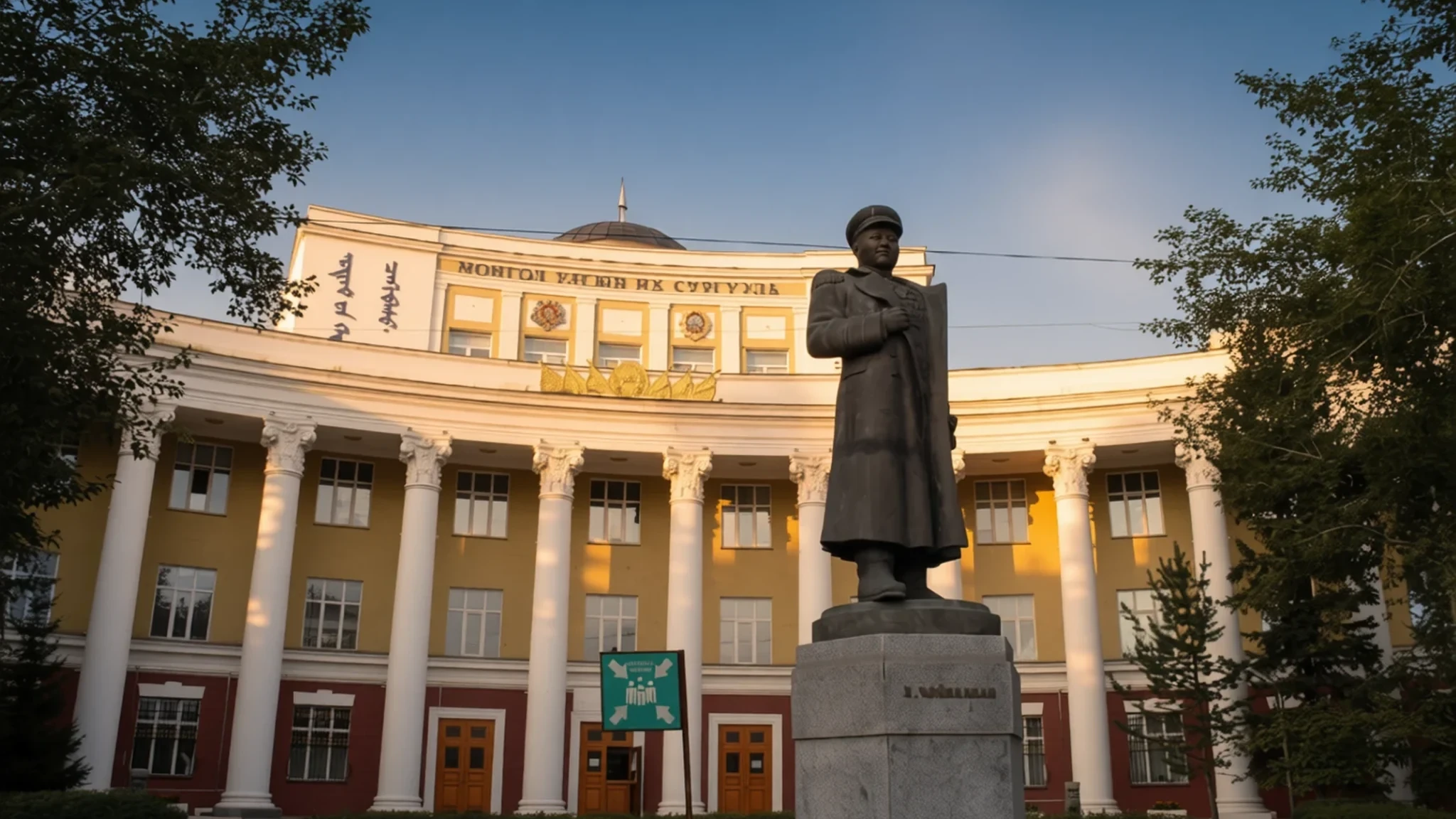
Mongolia's capital sits in a river valley at high altitude, where Buddhist monasteries, Soviet-era blocks and ger districts share the same skyline.
The place
Ulaanbaatar is the capital of Mongolia and, by some distance, its largest city, home to about 1.5 million people. It sits at roughly 1,350 metres in a broad valley beside the Tuul River, ringed by wooded hills and bare mountain ridges. Ulaanbaatar is the world's coldest capital when measured by average yearly temperature, so the first lesson most visitors learn is to pack for winter, even when they arrive in summer.
Walking around the centre, the mix is immediate. Glass office towers and wide avenues sit alongside Soviet-era apartment blocks, and beyond the ring roads the traditional ger districts climb the hillsides, with their felt tents, wooden fences and coal smoke. Monasteries with painted roofs are tucked between shopping malls. For many travellers the city is less a destination in its own right than the gateway to the steppe, where tours, train tickets and supplies are arranged before heading into the countryside.
Two or three days covers the monasteries, a museum or two and a stroll along the river, with a spare afternoon for a day trip out of town. Traffic can be heavy at rush hour, and winter air is often smoky from coal heating, so indoor sights suit the coldest days and outdoor walks suit the clearer ones.
Its story
Ulaanbaatar's history reaches back far beyond its founding date. Stone tools found on the mountains around the valley show people hunting here in the Lower Paleolithic, and the bones of mammoth and woolly rhinoceros still turn up in the hills. Royal tombs from the Xiongnu period lie nearby, a sign that the valley sat within the reach of the nomadic empires that moved across the steppe. A twelfth-century ruler, Wang Khan of the Keraites, is said to have had a palace on the Tuul River and to have banned hunting on the holy mountain Bogd Uul.
The modern city began with religion. In 1639 a Buddhist monastic community was founded as a mobile settlement, and it moved around the steppe many times before settling at its present site in 1778. The camp, known as Örgöö and in older Western writing as Urga, became the main religious centre in Mongolia and the seat of the Jebtsundamba Khutuktu, the spiritual head of the Gelug school of Tibetan Buddhism in the country. Caravans on the trade route between Beijing and the Russian border brought wealth and new influence.
The collapse of the Qing dynasty in 1911 made the city a focus of independence efforts, and the Bogd Khanate was proclaimed under the eighth Jebtsundamba Khutuktu, known as Bogd Khan. Control of the city passed back and forth over the following years. In 1924, with the proclamation of the Mongolian People's Republic, the city was renamed Ulaanbaatar and declared the capital. Planning from the 1950s replaced many of the old ger districts with Soviet-style flats, though the gers have never fully disappeared from the edges of the city.
What to see
- Gandantegchinlen Monastery — Bayangol district
The main monastery in the city holds services in the morning, when monks chant in the halls and visitors can sit quietly at the back. It is one of the few monasteries in Mongolia that survived the purges of the 1930s, so its buildings give a sense of continuity that many other sites lack. Dress modestly, walk clockwise around the prayer wheels and keep your voice low inside the temples. Arriving early gives the best light and the calmest hour.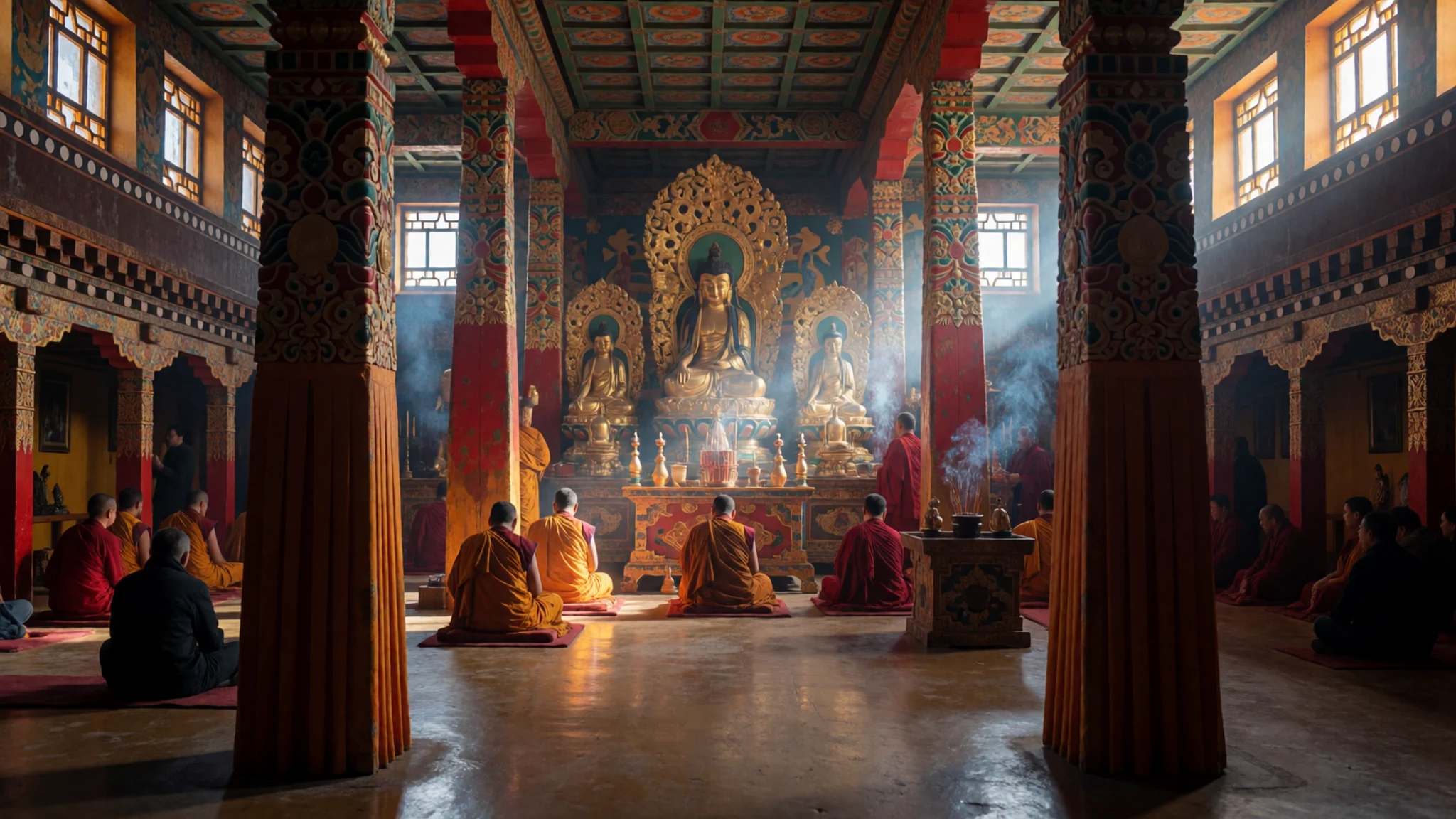
- Choijin Lama Monastery — Central Ulaanbaatar
Five temples and five arched gates make up this complex, which is often described as a showcase of Mongolian Buddhist art and of the faith's history in the country. The buildings were once the residence of a senior lama, and the museum rooms hold religious objects, painted thangka scrolls and ceremonial costumes. Allow an hour or so to take it in properly. Photography rules vary from room to room, so ask before pointing a camera at the altars.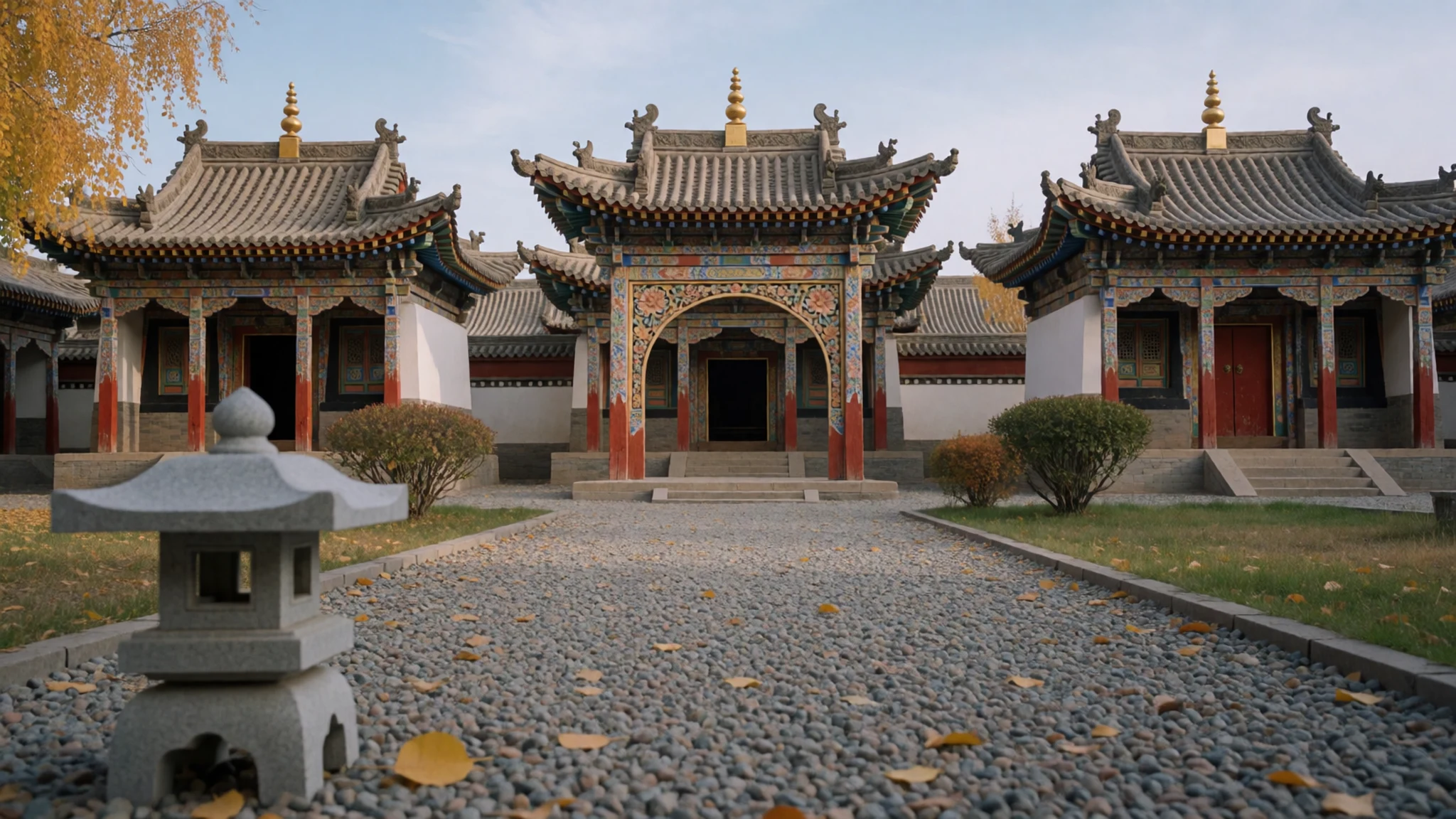
- Bogd Khan Winter Palace Museum — Southern side of the centre
Built between 1893 and 1903 by Mongolian craftsmen, the palace was home to the eighth Bogd Gegeen, head of Tibetan Buddhism in Mongolia, who ruled as khan from 1911 until 1924. Its wooden halls hold his furniture, ritual objects and personal belongings, and the rooms give a clear picture of how the last khan lived. Plan a slow hour here, and check the official site for current opening arrangements.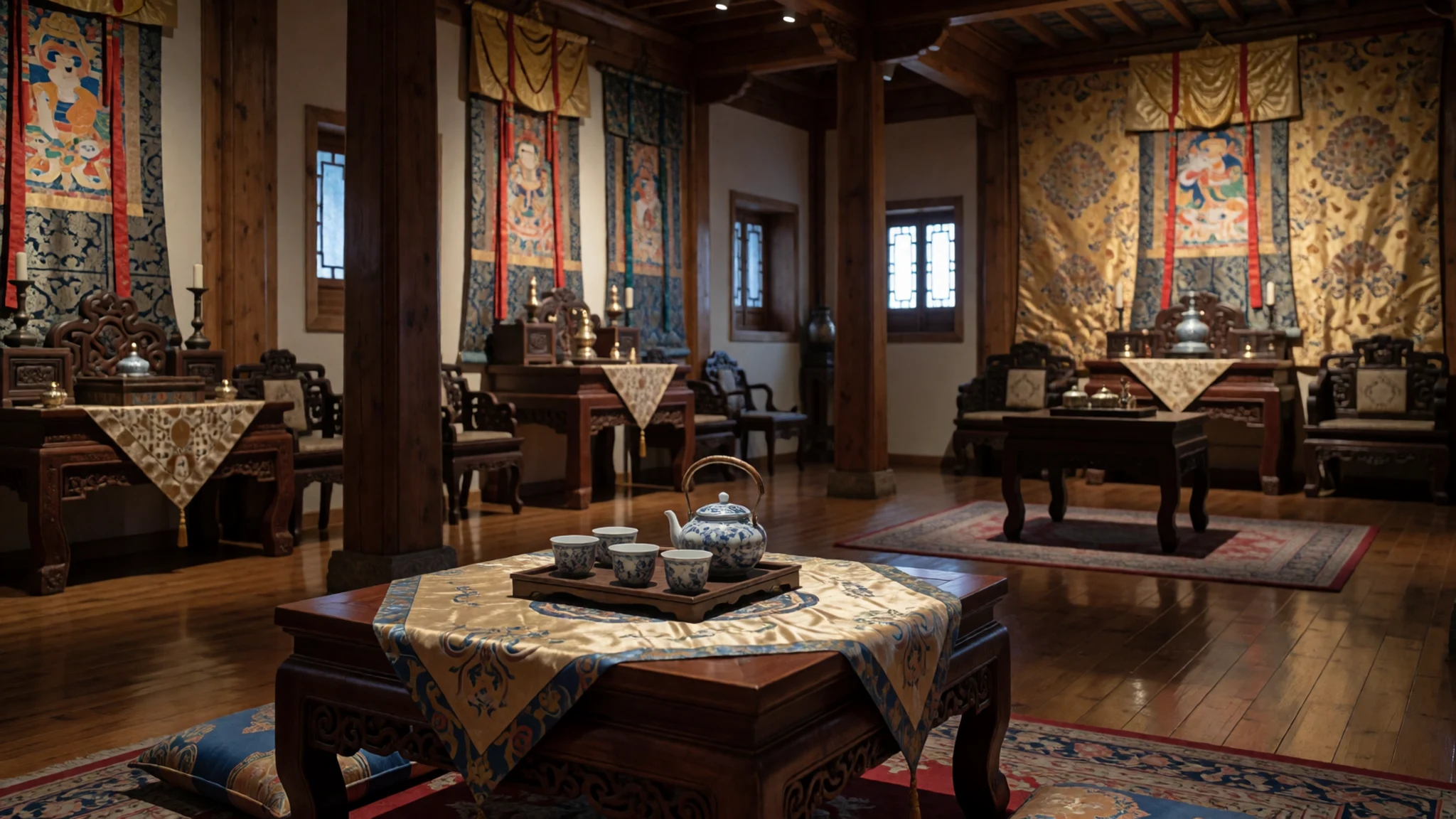
- Chinggis Khaan National Museum — Near the city centre
This modern museum traces Mongolian imperial history from early tribal kingdoms through the age of the great khans to the period when China dominated the region. It makes a useful first stop before a trip to the steppe, because the displays put the names heard on tours into context. Expect a fair number of school groups at weekends. Check the official site for opening times and any changes to ticketing.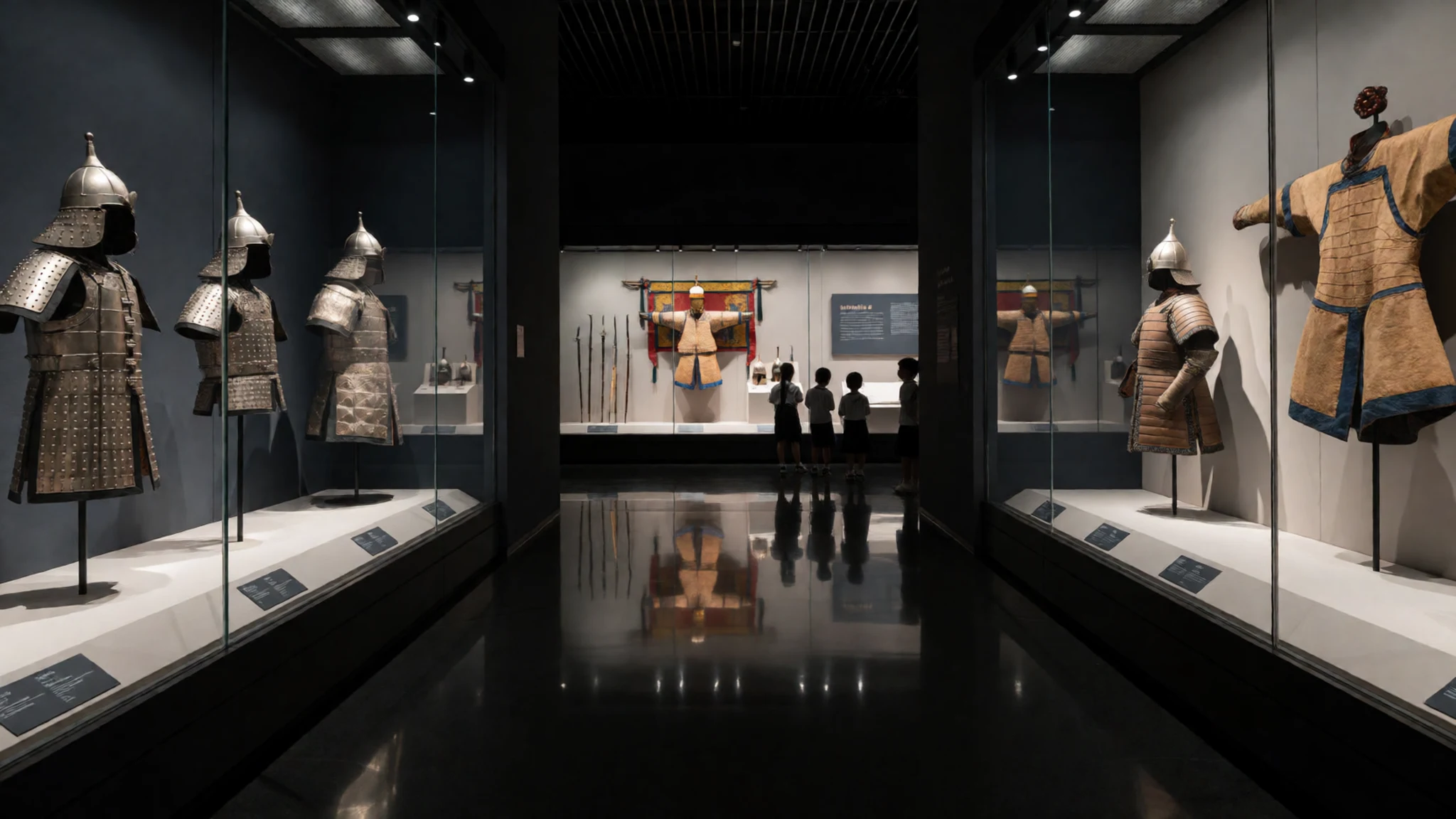
- Zaisan Memorial — Hill on the southern edge of the city
A monument on a hill on the southern edge of the city, reached by a steep walk or a taxi. From the top the view takes in the valley, the apartment blocks and the hills beyond. Go on a clear day, and bring warm layers, because the wind up there is strong even in summer. Early evening light makes the city look its best.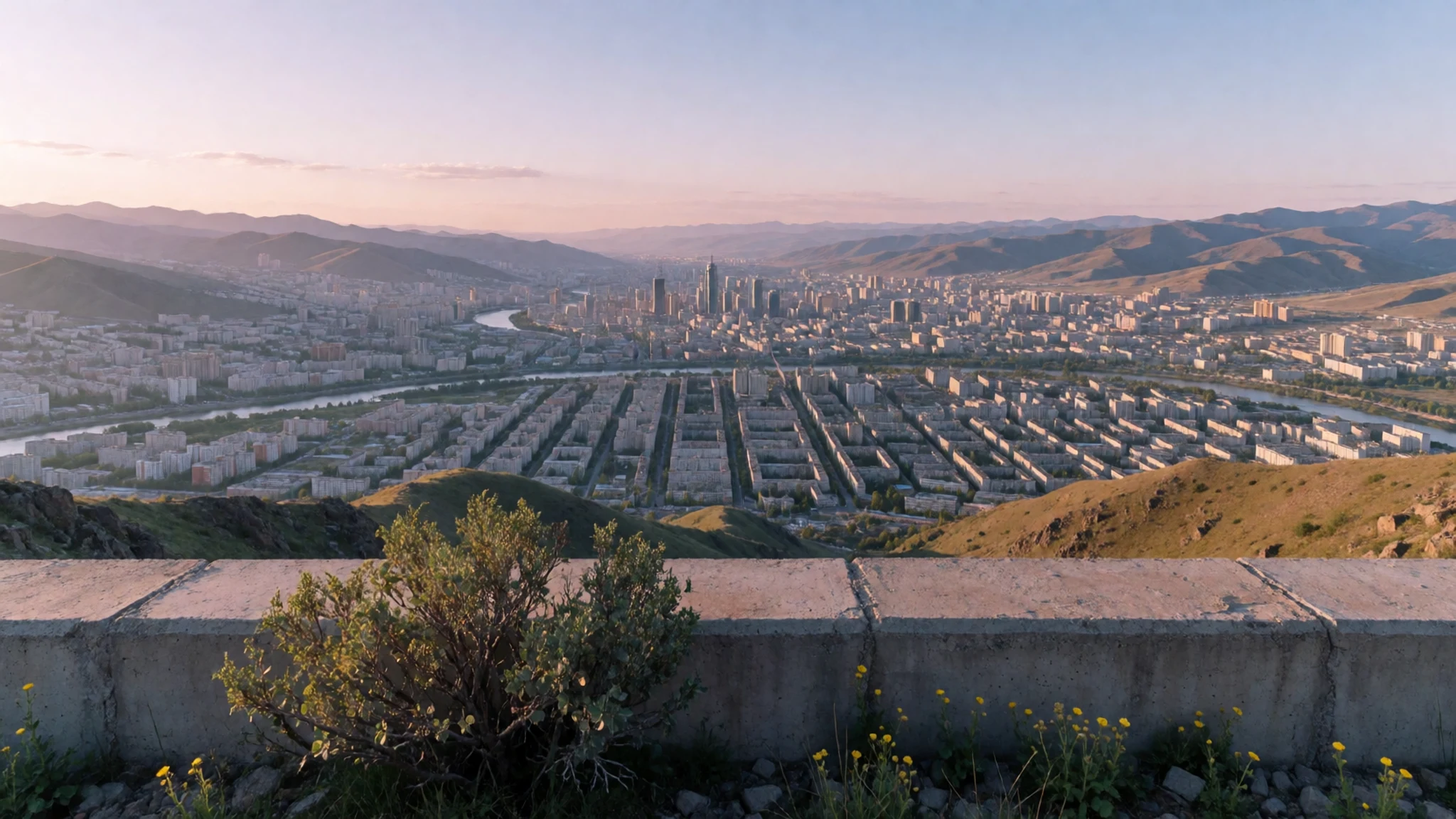
Culture
Ulaanbaatar is a city where Buddhist practice, nomadic custom and Soviet-era habits sit side by side, and the mix feels relaxed rather than formal. Religious life is visible in the monasteries, where monks go about their duties and lay visitors light butter lamps and turn prayer wheels. The performing arts are lively too. The Ulaanbaatar Opera House in the centre stages opera, ballet and concerts, and traditional folk ensembles, some well known on overseas tours, play for audiences at home and abroad. The Mongolian State Grand National Orchestra, founded in 1945, is known for its large ensemble of traditional instruments.
Hospitality matters in the city as much as on the steppe. Guests are often offered airag, fermented mare's milk, or salty milk tea, and accepting at least a small cup is a polite gesture. Handshakes are common, and a small gift of sweets or fruit goes down well when you are invited to a home. When you enter a temple, walk clockwise around the stupas and prayer wheels, and ask before photographing monks or anyone at prayer.
What to wear
In Ulaanbaatar the traditional dress is the deel, a long, wide-sleeved robe with a wrap collar, usually belted at the waist with a sash. Deels are cut from wool, cotton or silk, and richer versions use brocade and embroidered borders, with men's and women's cuts often differing in colour and trim. Traditional clothing comes out for Naadam, weddings and national holidays, and at the Naadam festival you will see many people in their best deels. Everyday dress in the city is Western, with jeans, down jackets and trainers, and fur-trimmed hats and fur-lined boots are common in the cold months.
For a visitor, layers matter more than style. Pack a warm down coat and thermal base layers for winter, and a windproof jacket for the exposed hills, which are windy in every season. Choose covered shoulders and knees for the monasteries, and sturdy shoes with good grip, as pavements can be icy in winter and uneven all year.
What to eat
- Buuz — Steamed-dumpling counters and cafés across the centre; ask for a meatless version at vegan cafés
Large steamed dumplings with a minced meat and onion filling, usually eaten by hand with a little hot sauce. Local families make them for holidays in huge batches. Vegetarian and vegan cafés in the centre often serve a meatless version that is still satisfying.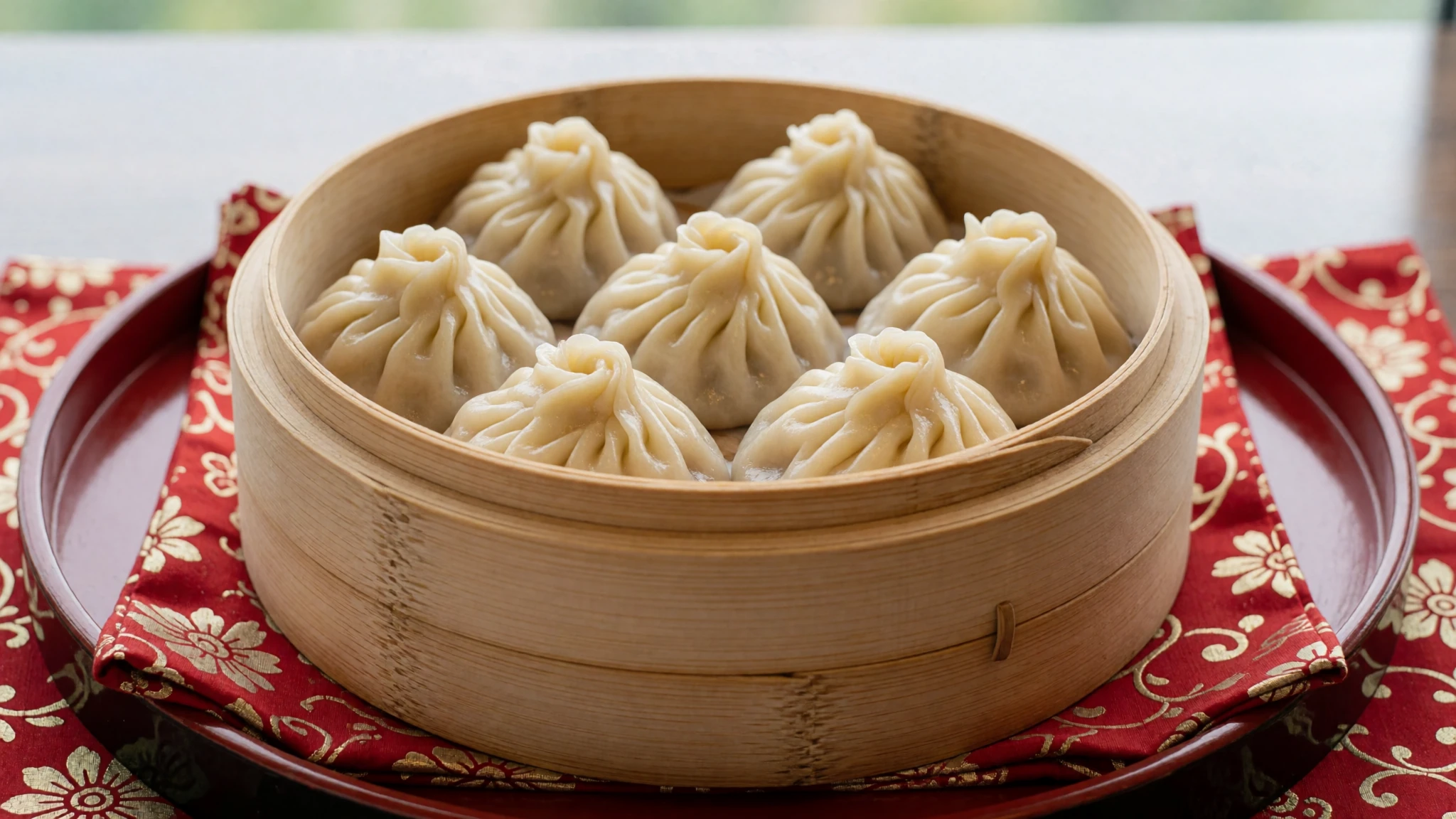
- Khuushuur — Market stalls and street-food stands around the big markets
Deep-fried pastries filled with spiced minced mutton, crisp outside and juicy inside. They make a cheap, filling snack, and you will see them at markets and roadside stands, usually eaten hot straight from the pan.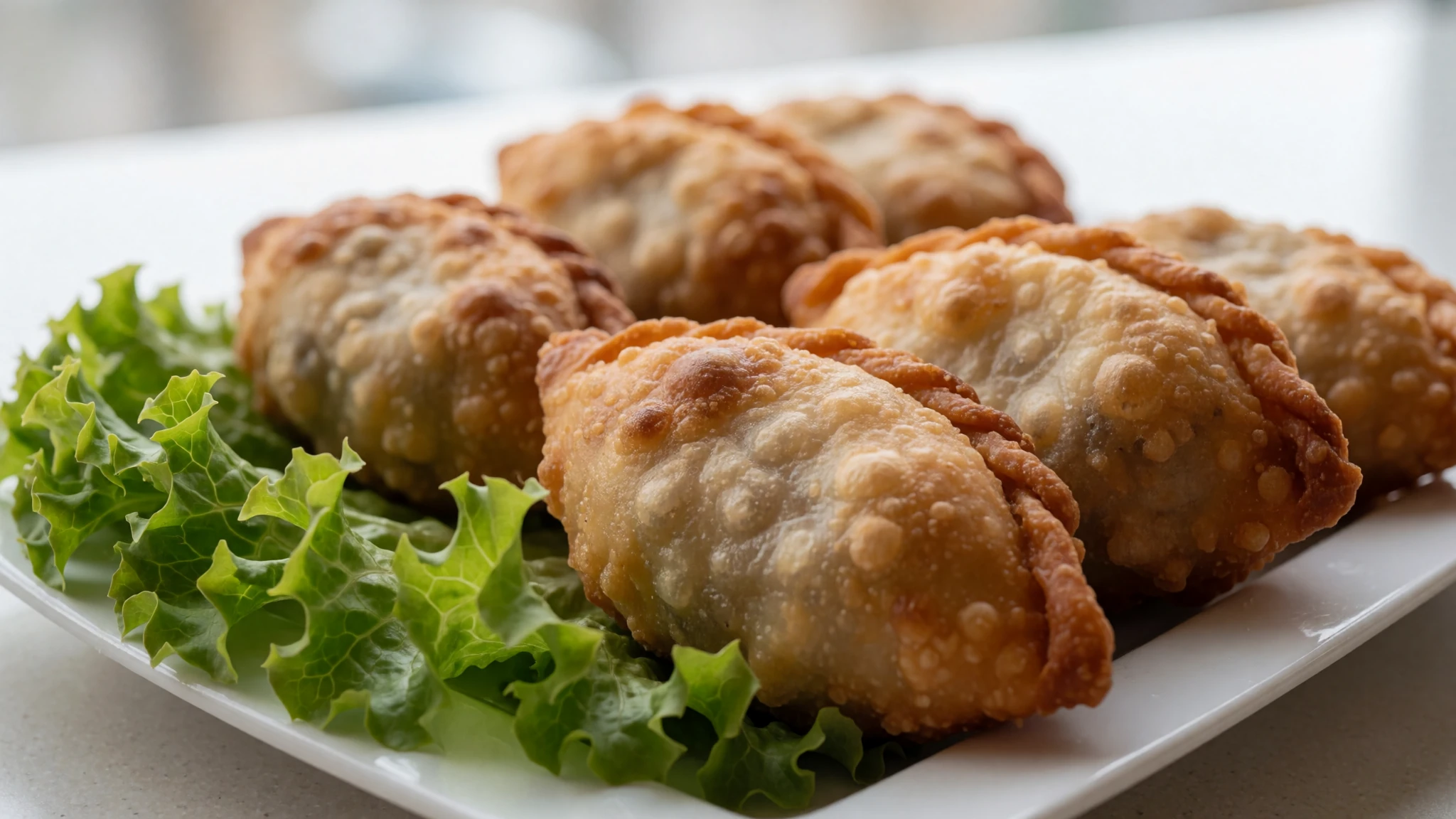
- Tsuivan — Ordinary eateries and canteen-style restaurants in the centre
Hand-cut noodles stir-fried with meat, carrot and onion, a homely dish that appears on many menus. It is comforting after a cold day, and most restaurants serve a version with a generous portion.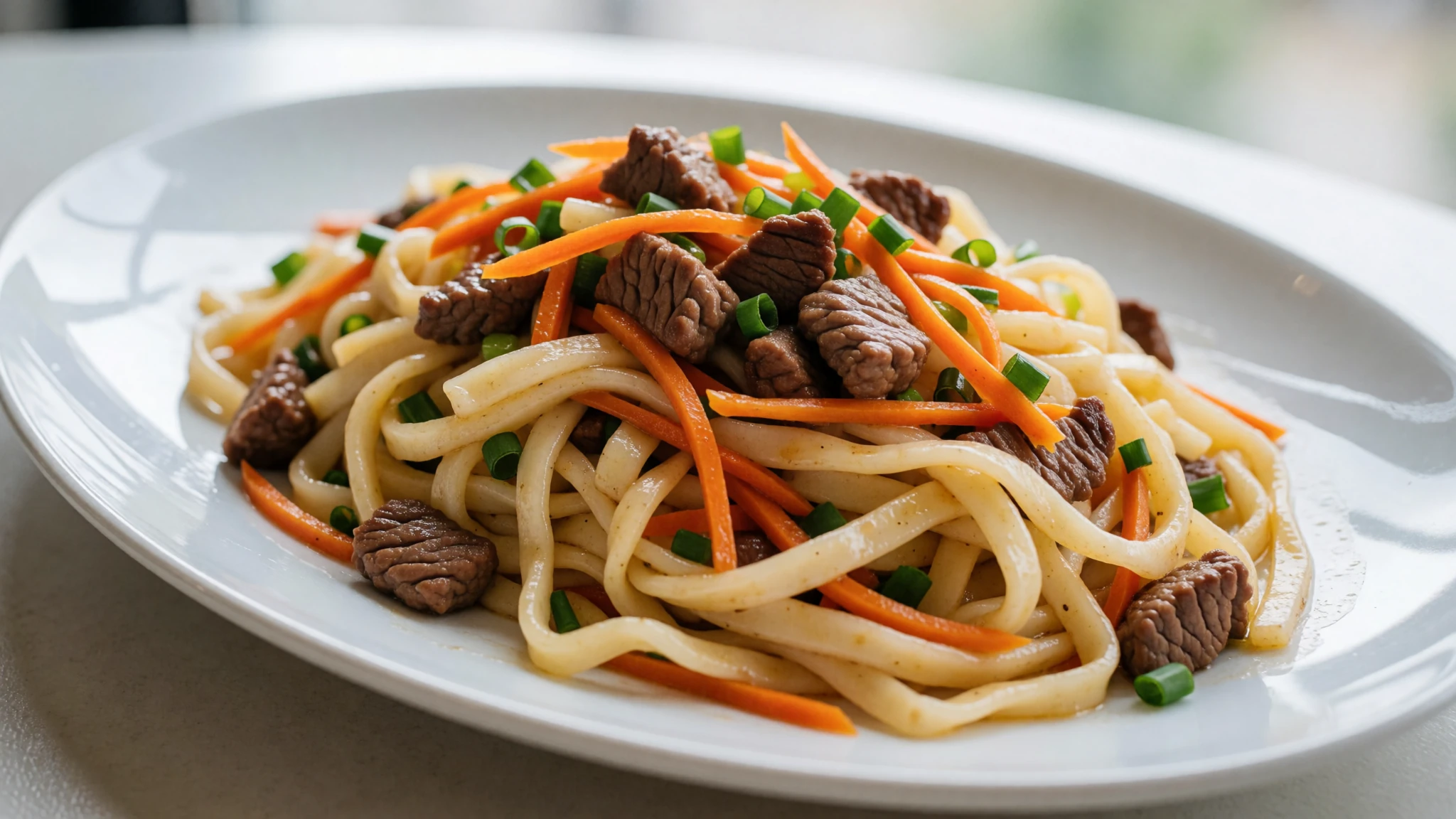
- Suutei tsai — Local cafés and eateries, and any family-run restaurant
Salty milk tea, made with brick tea, milk, water and salt, sometimes with a knob of butter. It is an everyday drink rather than a treat, and is often served with bread or dumplings. Try it at least once, even if the taste is an acquired one. - Vegetarian plates — Vegetarian cafés near the centre and Italian-style restaurants
Meat-free dishes built on noodles, vegetables and dumplings, which are easy to find in Ulaanbaatar. Vegetarian and vegan cafés near the centre serve Mongolian classics with tofu or vegetables, and some Italian eateries also offer solid meat-free options.
Plan it
Best time. July and August are the hottest months, with June close behind, and most of the rain falls from May to September. The rest of the year is far colder, winter brings deep frost and heavy coal smoke, so plan indoor visits then.
How long. 2–3
Getting there. The airport is a fair drive from the centre, roughly an hour and sometimes more in traffic. Taxis are the most reliable option, so agree the fare in advance. Airport shuttle buses leave from central stops such as Sukhbaatar Square, but timetables change, so check before you travel. For a longer journey, the Trans-Mongolian railway links Ulaanbaatar with Moscow and Beijing.
Budget. low
Tips
- Book a taxi or the airport shuttle the day before, and agree the fare in advance
- Plan monastery visits for the morning, when services are held
- Carry cash for small shops and markets, and check which cards are accepted before you pay
- Drink plenty of water, and expect the altitude to tire you quickly on the first day
- In winter, check the air quality forecast before outdoor walks, as coal smoke can hang over the city
- Arrange trips into the countryside through a reputable agency in the city rather than at the last minute
Etiquette
- Ask before photographing people, especially monks and older residents
- Walk clockwise around stupas and prayer wheels
- Keep your voice low inside temples and museums
Nearby
Sources
- Wikidata Q23430 (CC0)
- Wikipedia: Ulaanbaatar (rev 1382969892) (CC BY-SA 4.0)
- Wikivoyage: Ulaanbaatar (rev 5387945) (CC BY-SA 4.0)
- Photo: UB downtown, Zazaa Mongolia (CC BY-SA 4.0)
- Photo: Gandantegchinlen Monastery (2024), Chongkian (CC BY-SA 4.0)
- Photo: Choijin Lama Temple Museum, Zazaa Mongolia (CC BY-SA 4.0)
- Photo: Ger District, Zazaa Mongolia (CC BY-SA 4.0)
- Photo: Ulaanbaatar, Mongolia (34712540843), Christopher Michel (CC BY 2.5)
- Photo: Zaisan Memorial in Ulaanbaatar, Quintin Soloviev (CC0 1.0)
- Photo: Naadam Festival 2024 Opening Ceremony, Chongkian (CC BY-SA 4.0)
- Photo: Wang Khan Ruins, Yastanovog (CC BY 3.0)


