Ubud
Ubud, Indonesia
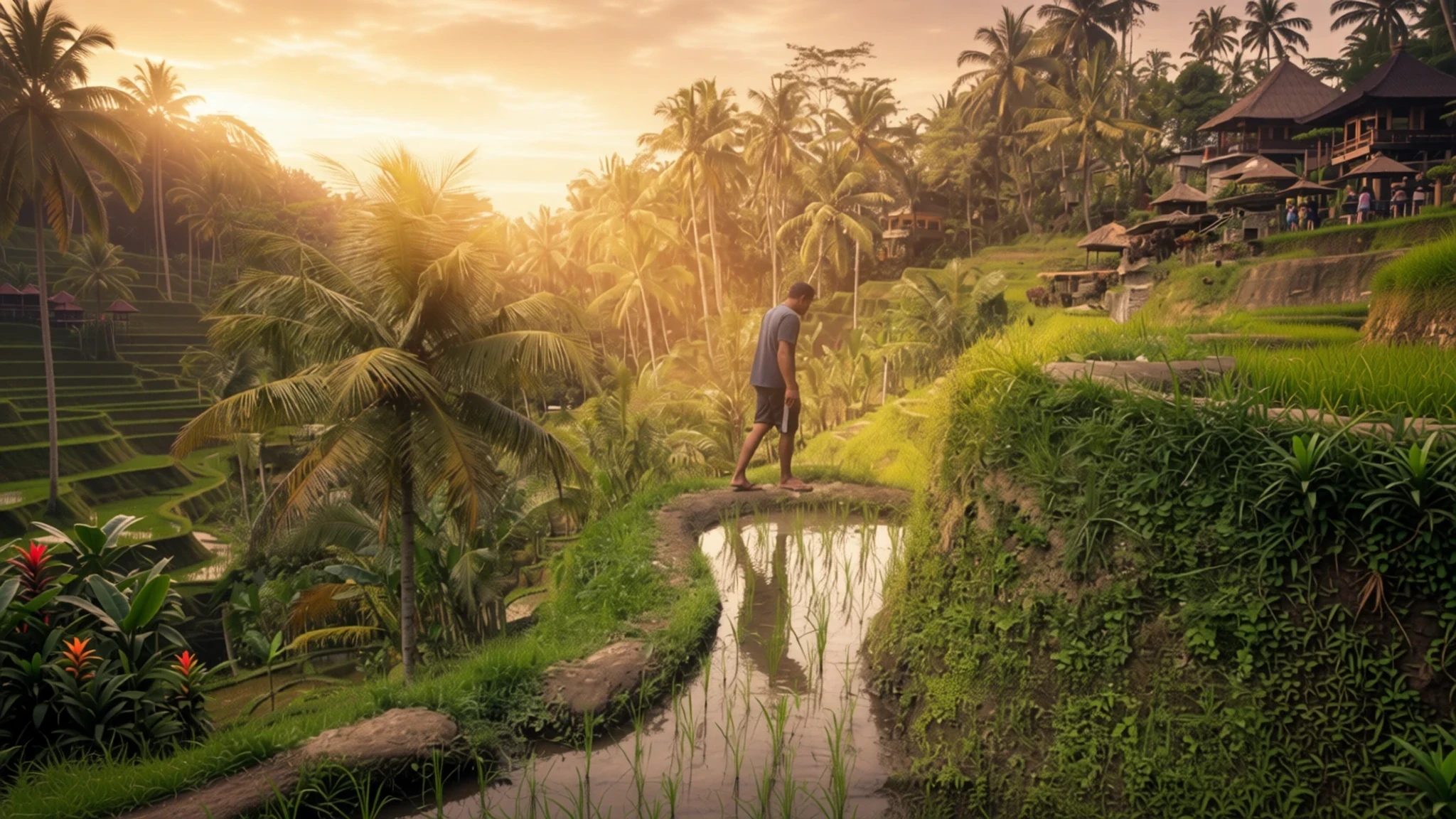
Ubud is Bali's arts heartland, a green town of temples, galleries and rice fields where culture and crowds share the same streets.
The place
Ubud sits in Gianyar Regency, about 210 metres above sea level, inland from Bali's south coast. It is better described as an administrative district than a single town, and it feels like one small place only until you walk a few streets beyond the centre. Locals describe it as fourteen villages, each run by its own village committee. That explains why the core feels busy while the edges stay quiet.
The town has built its reputation on arts and culture. Galleries, dance performances, painters' studios and a literary festival draw visitors who stay longer than a day trip. That has brought a large tourism industry, and the centre shows the strain at busy times, with crowded streets and pavements that struggle to cope. Much of the newer building follows the island's general style rather than strict local design.
Beyond the centre, farms, rice fields and plantations fill the valleys. Paths lead out from the roads, and small shrines appear among the paddies. Accommodation ranges from simple guesthouses to villas set in gardens, which keeps the town spread out. Ubud now draws more visitors than Denpasar, the island's southern capital, and it forms the northern edge of the wider Sarbagita metropolitan area.
For a visitor, the rewards come from slowing down. Mornings are the best time to explore before the heat and traffic build. Give yourself time for the surrounding villages, and expect the pace to change the further you move from the main road.
Its story
Ubud's origins are told as legend. In the eighth century, according to the story, a Javanese priest named Rsi Markandya meditated where two rivers meet at Campuhan, a confluence that is auspicious for Hindus. He founded a temple on the valley floor, Gunung Lebah, which remains a pilgrimage site today.
The name points to an older trade. The place was first known for medicinal herbs and plants, and its name is linked to the Balinese word for medicine. In the late nineteenth century, Ubud became the seat of noble families who answered to the king of Gianyar, then one of the most powerful southern states on Bali. Those rulers supported a community of artists, and their palace became a home for dance and music that still continues.
The modern reputation grew in the twentieth century. The Spanish-American painter Antonio Blanco lived in Ubud from 1952 until his death. A fresh wave of creativity arrived in the 1960s, when Dutch painter Arie Smit settled in the town and the Young Artists Movement took shape. The island's tourist boom from the late 1960s brought significant development, and the town grew quickly.
Ubud's resilience showed after 2002, when bombings across Bali hurt tourism on the whole island, including here. The response was the Ubud Writers and Readers Festival, created to bring visitors back. It remains one of the town's defining events and shows how the place has repeatedly reinvented itself around creativity.
What to see
- Puri Saren Agung — Ubud centre
The residence of Ubud's last ruling monarch, and still home to the royal family. Parts are closed to visitors, but the rest of the complex is free to enter. The pavilion hosts music and dance performances, so ask at the entrance about shows. Dress modestly, since this is a working household as well as a monument.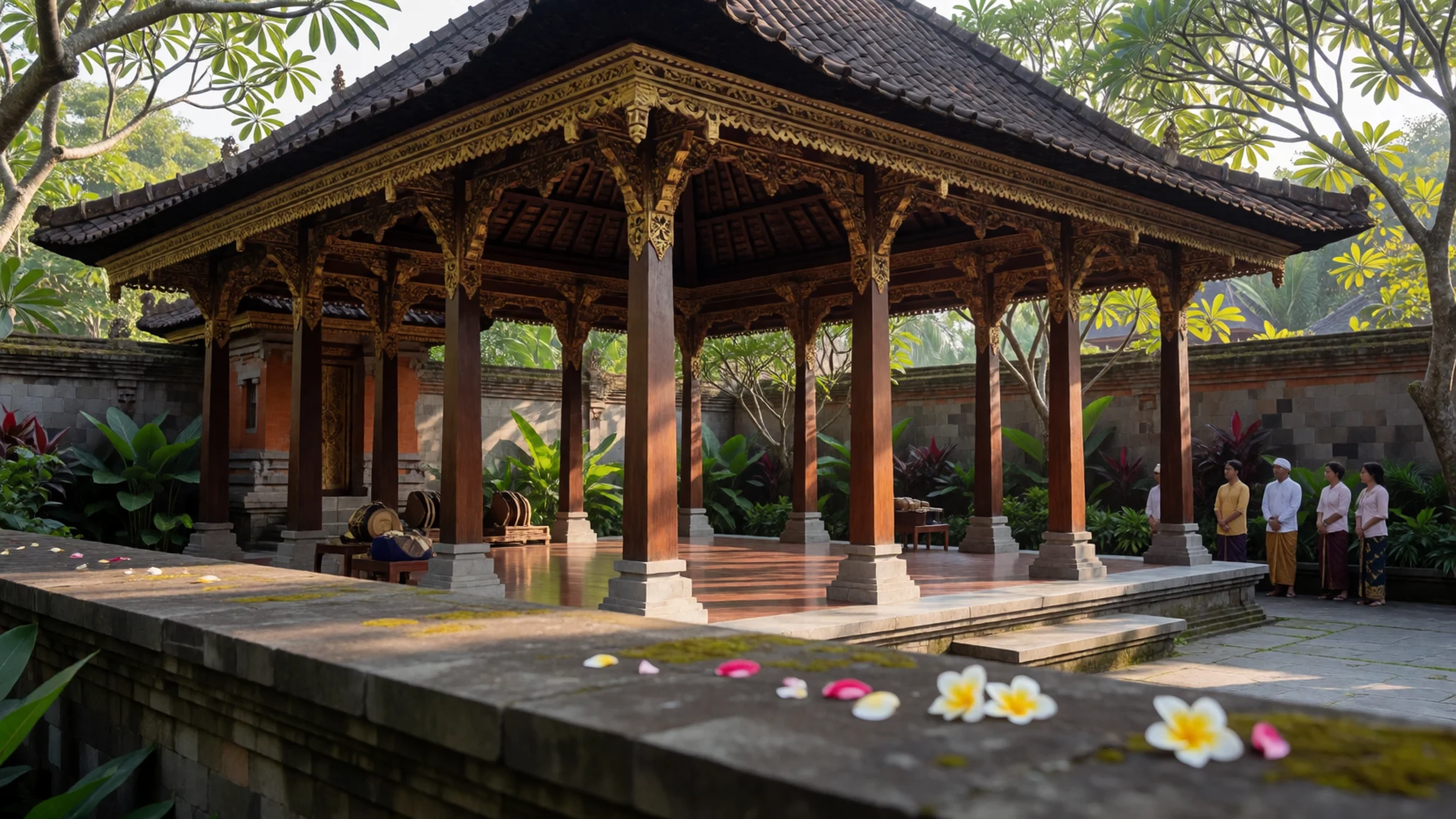
- Goa Gajah — South of Ubud, near Bedulu
A ninth-century cave shrine, approached through a demon's mouth carved in elaborate detail. Inside, fragmentary lingam and yoni statues sit alongside a figure of Ganesha. The site is a short drive east of the centre, near Bedulu, so arrange transport in advance. Go early, when the shaded paths are cooler and quieter.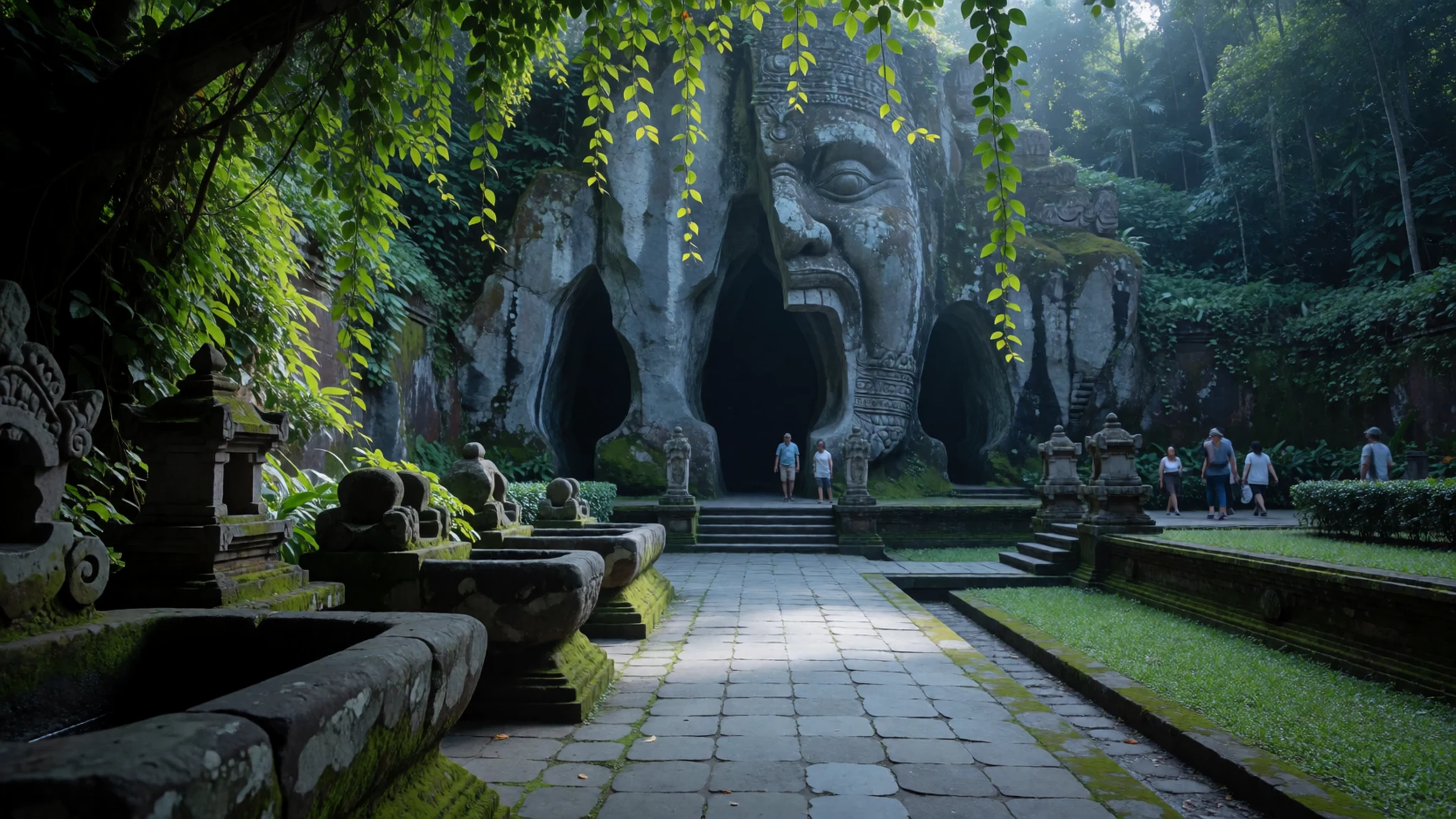
- Gunung Kawi — Tampaksiring, north-east of Ubud
Carved monuments from the eleventh century, presumed to be the burial complex of a king and his many wives. The funerary shrines are cut into the cliff face beside a river, reached by a long staircase. Wear sturdy shoes, since the steps are steep and can be slippery after rain. Keep to the paths between the shrines.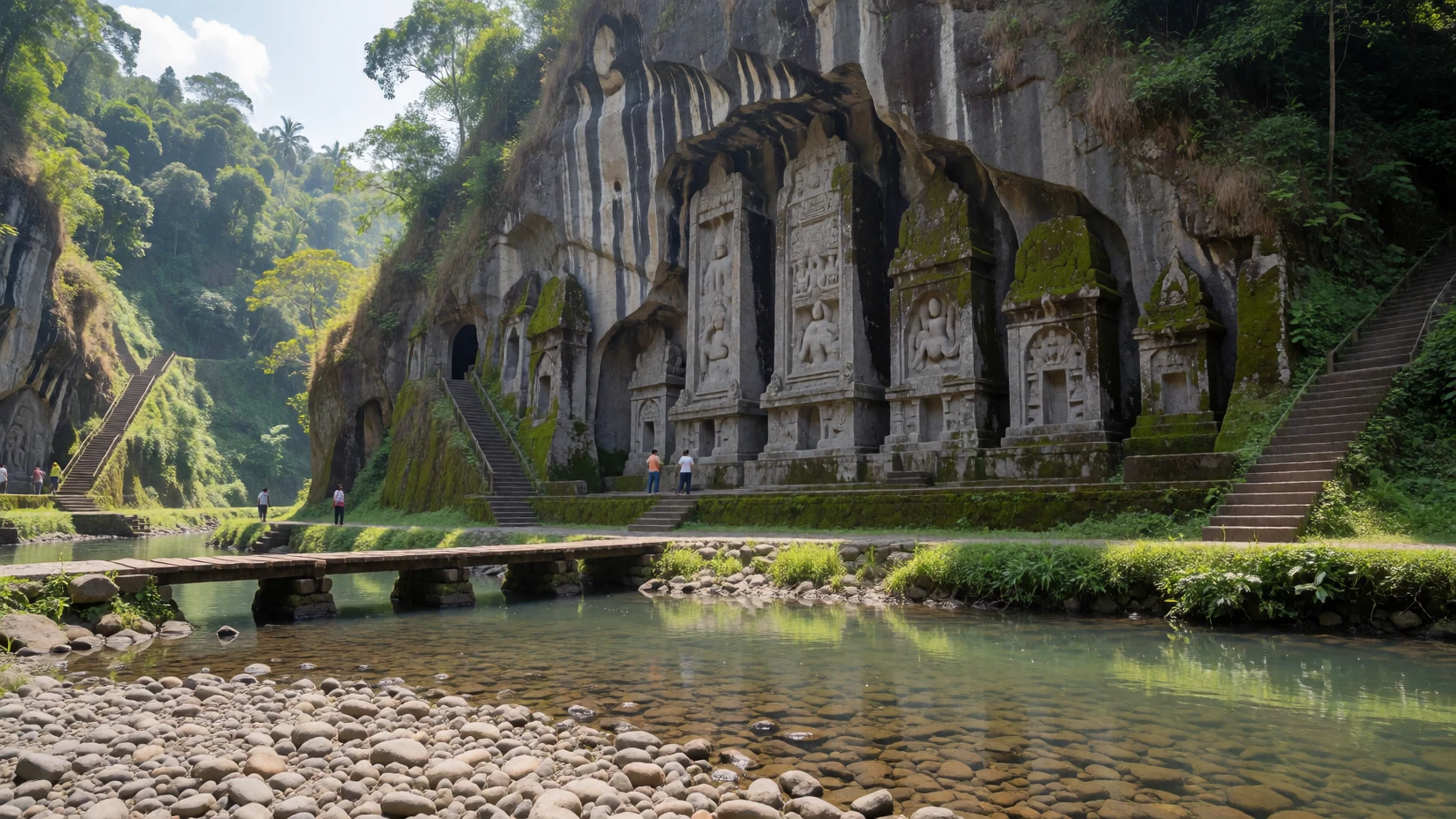
- Tirta Empul — Tampaksiring
Counted among the island's holiest temples, its bathing pools are fed by springs that still bubble in the courtyard. Local worshippers come here to cleanse both body and spirit in the water. Visitors may watch, and in many cases join, dressed modestly and with a sarong, but ask before photographing anyone in the pools. Avoid festival days such as Galungan, when crowds swell.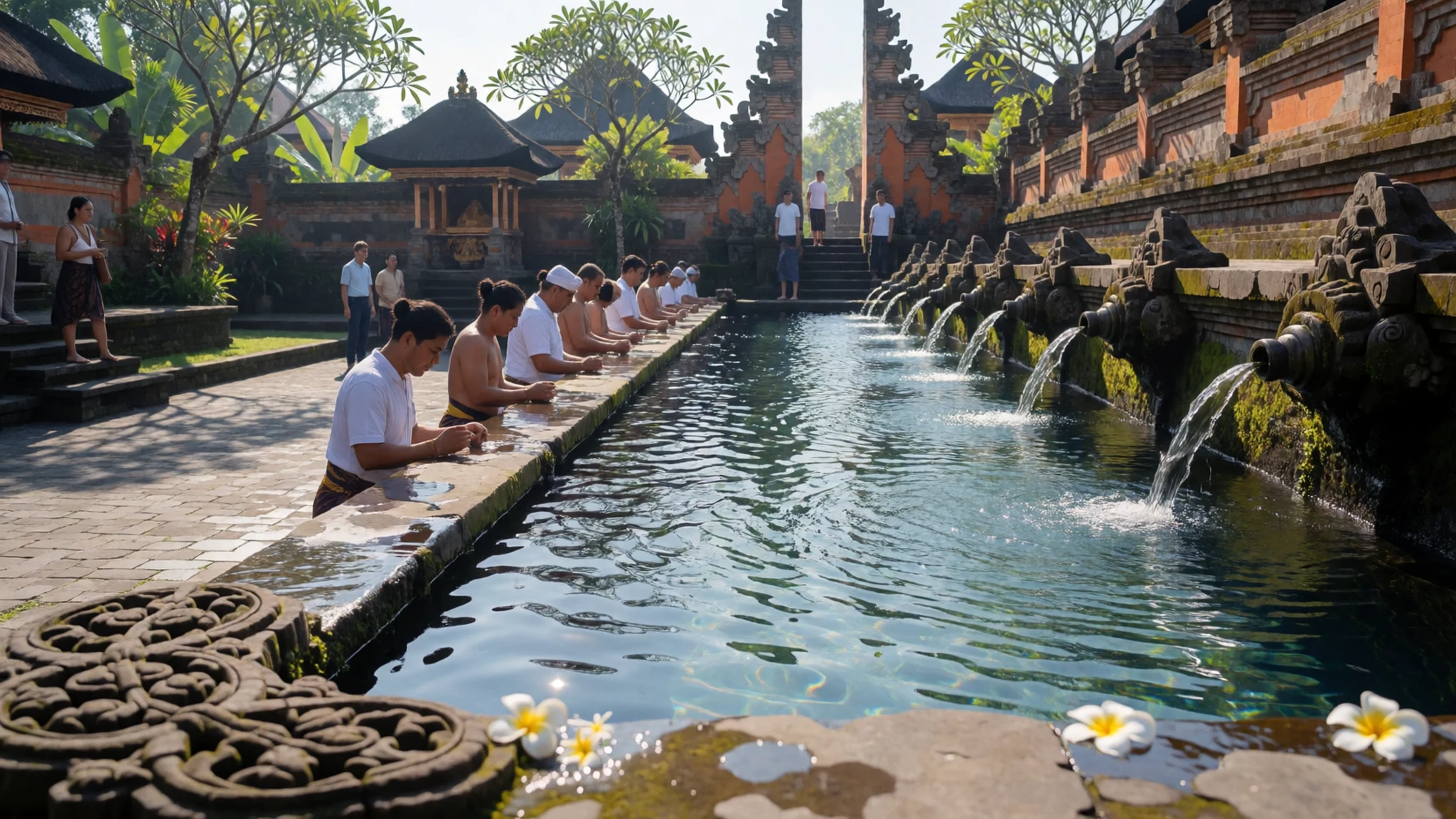
- Yeh Pulu — South of Ubud, near Goa Gajah
Rock carvings sit close to Goa Gajah but attract far fewer visitors, which makes this a good addition to a morning there. The site is open and can be hot by midday, so bring water and a hat. Allow time to look closely, as the carvings reward patience. Check opening times before you go.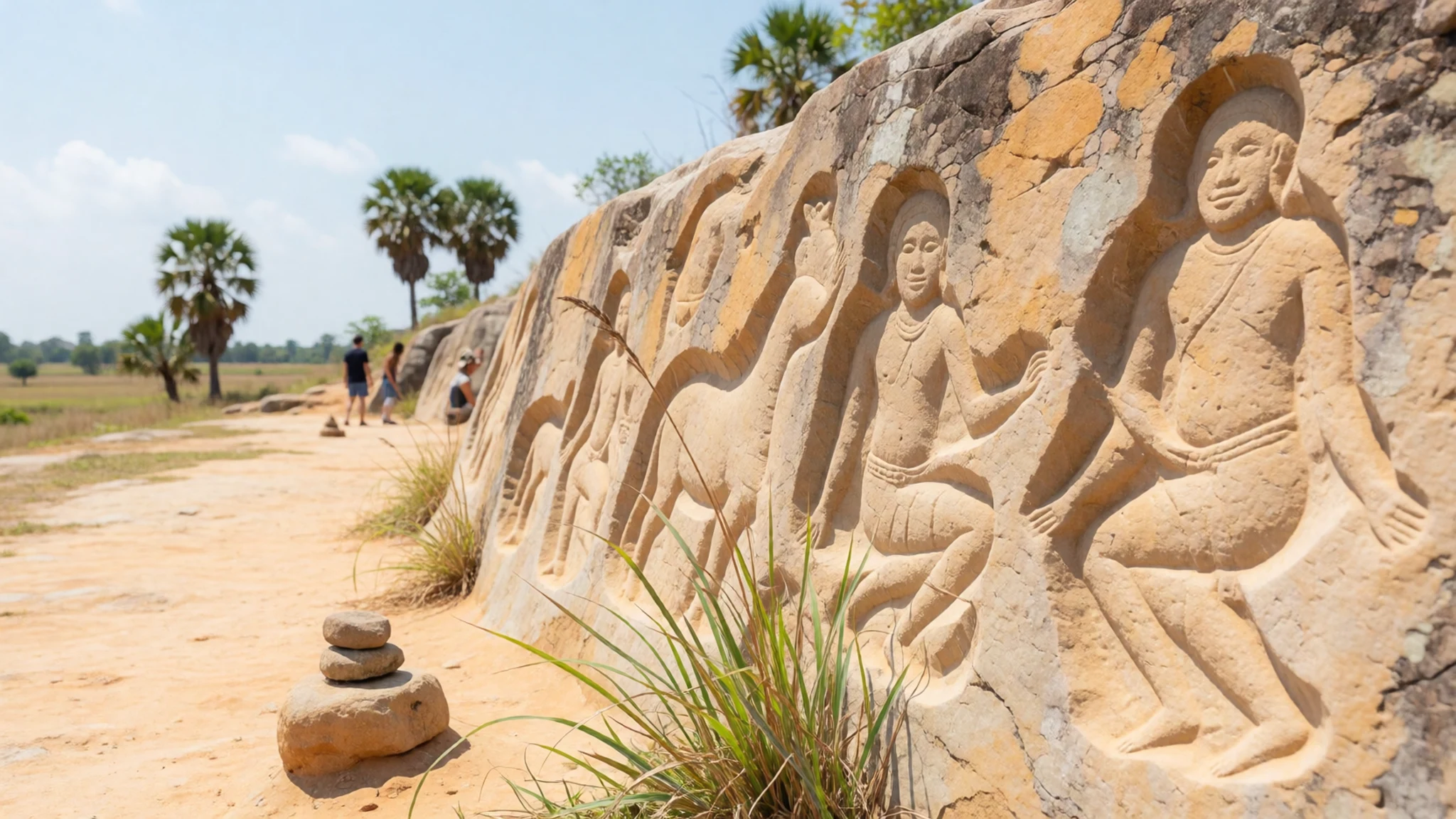
Culture
Ubud's art scene is part of daily life as well as a draw for visitors. The town has several art museums, including the Blanco Renaissance Museum, the Puri Lukisan Museum, the Neka Art Museum and the Agung Rai Museum of Art, with the Museum Rudana in nearby Peliatan. Galleries show local and international crafts, and some care more about conversation between artists than about sales. BIASA ArtSpace, founded by the fashion designer Susanna Perini, is a good example.
Dance is the other thread. The Tek Tok is a traditional Balinese performance built on vocal sounds made by the dancers, combined with body movement. Its story, drawn from the Draupadi Parwa, carries a moral about respect: when a woman of great virtue is mistreated, ruin falls on the realm. Performances take place at the Bali Culture Center in Ubud several times a week, and they reward a quiet audience.
Religion sets the rhythm of the streets. Small shrines sit at house entrances, and temple ceremonies bring processions through town. A cremation procession, if you see one, is a solemn event rather than a spectacle, so treat it with the same care you would give a funeral. When a procession passes, step aside, keep your voice low and ask before photographing people in religious dress.
What to wear
In Ubud, traditional dress is worn mainly for ceremonies and temple visits rather than everyday life. Men wear a sarong with a fitted jacket and a headcloth called udeng, while women wear a kebaya blouse with a long sarong wrapped at the waist and a sash, the selendang, tied at the hip. Cloth is often cotton or silk, and the island's woven textiles, such as ikat, carry patterns with local meaning.
Day to day, people in Ubud dress much like anyone in a warm town. T-shirts, shorts and sandals are common, and many younger people follow global fashion. Ceremony days are the exception, when families dress in white or bright colours and carry offerings through the streets.
For visitors, the climate calls for light cotton or linen that breathes. Shorts and sleeveless tops are fine in the town centre, but cover shoulders and knees at temples, where a sarong and sash are often available to hire or buy at the entrance. Choose footwear you can take off easily at shrines, and sturdy sandals or closed shoes for steps and the paths between paddies. Carry a light layer for air-conditioned galleries and restaurants.
What to eat
- Babi guling — The original Ibu Oka warung, a short walk from Puri Saren Agung
Spit-roasted pig is the dish most visitors come to Ubud for, and the small warung run by Ibu Oka is the one people queue for. The pork is seasoned with a spice paste and roasted slowly until the skin crackles. Go at lunchtime, when it is freshest.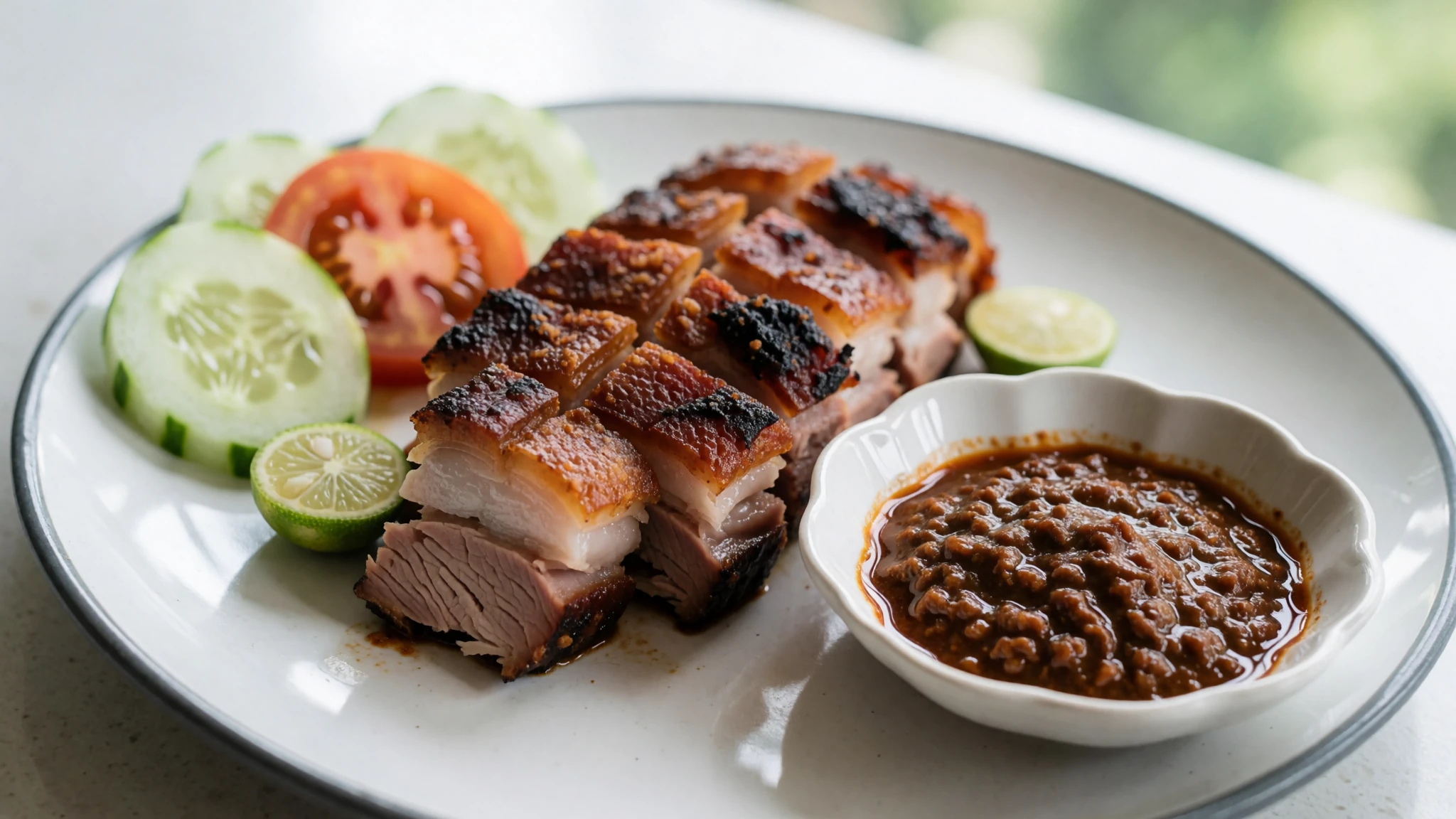
- Nasi campur — Any family warung in the town centre
Nasi campur, a rice plate with small sides, is the everyday lunch of the town. Plates arrive with rice, vegetables, sambal, egg, tofu and a little meat, chosen from the glass counter. Try it at any warung, where you point at what you want and pay at the end.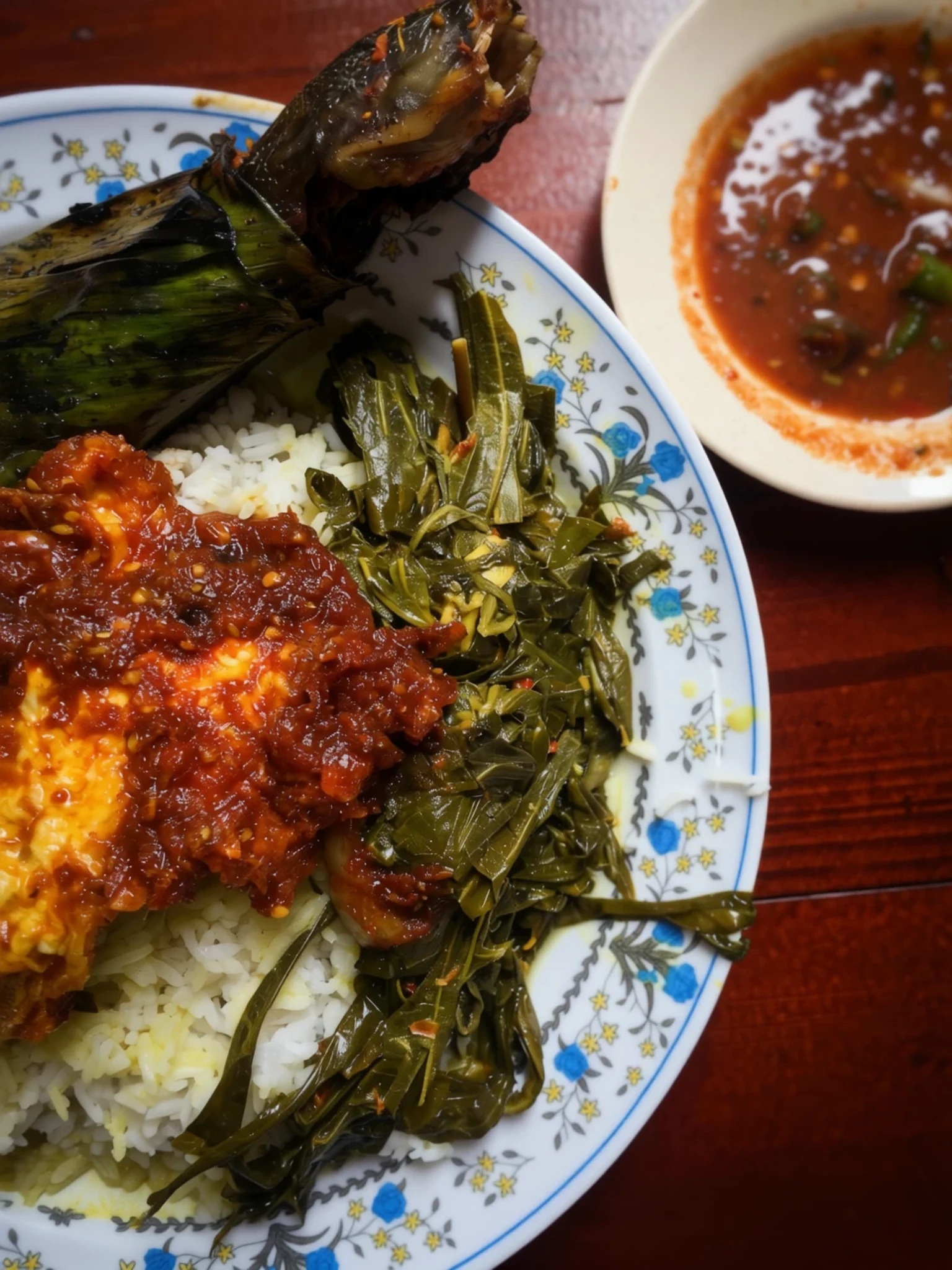
- Bebek goreng — Dewa Warung and similar budget warungs in town
Bebek goreng, fried duck, is a richer order than rice and greens. Dewa Warung is a reliable budget choice in town, serving the usual Balinese and Indonesian plates. Go early, as the small warungs fill up at lunch. - Lawar — Bubu Warung, a healthy Balinese eatery in town
Lawar is a classic Balinese side of finely chopped vegetables mixed with grated coconut and spices, often served with meat in festival meals. Bubu Warung is a good place to find it, and staff will adjust dishes for special requests.
Plan it
Best time. Ubud has a tropical rainforest climate, so it stays warm all year and rain is the main variable. The drier part of the year, roughly mid-year, suits walks through the rice fields. The wetter months bring heavy afternoon showers, so plan outdoor visits for the morning.
How long. 2–3
Getting there. Fly into Denpasar's airport, then take a taxi or a bemo from Batubulan terminal, which takes about an hour. Perama runs transfers to Ubud from Sanur, Kuta and other coastal towns.
Budget. mid
Tips
- Agree a taxi fare before you set off, and consider a return charter to avoid out-of-town surcharges.
- Bemos from Batubulan are easiest in the morning; late in the day they become hard to find, so plan your return early.
- Reach the big sites before mid-morning, when tour groups arrive.
- Carry cash for warungs and small shrines, as not every place takes cards.
- Drink bottled or filtered water and carry some with you on long walks through the paddies.
Etiquette
- Dress modestly at temples and carry a sarong for covering shoulders and knees.
- Step around offerings on the pavement and do not touch them.
- Ask before photographing people during ceremonies.
Nearby
Sources
- Wikidata Q210654 (CC0)
- Wikipedia, Ubud (rev 1377141114) (CC BY-SA 4.0)
- Wikivoyage, Ubud (rev 5371661) (CC BY-SA 4.0)
- Ubud Palace (2022), Chainwit. (CC BY-SA 4.0)
- Ubud (Bali, Indonesia), Jorge Franganillo (CC BY 2.5)
- Performance Stage, Ubud Palace, Bali 1647, Michael Gunther (CC BY-SA 4.0)
- Ubud Cremation Procession 1 (Public domain)
- Kings Tombs, Gunung Kawi, Bali 1631, Michael Gunther (CC BY-SA 4.0)
- 030 Saraswati Temple in Background, Ubud Palaces, Bali, Anandajoti Bhikkhu (CC BY-SA 4.0)
- 031 Banners, Ubud Palaces, Bali, Anandajoti Bhikkhu (CC BY-SA 4.0)
- A school code in Bali, Mx. Granger (CC0 1.0)


