The Twelve Apostles
The Twelve Apostles, Australia
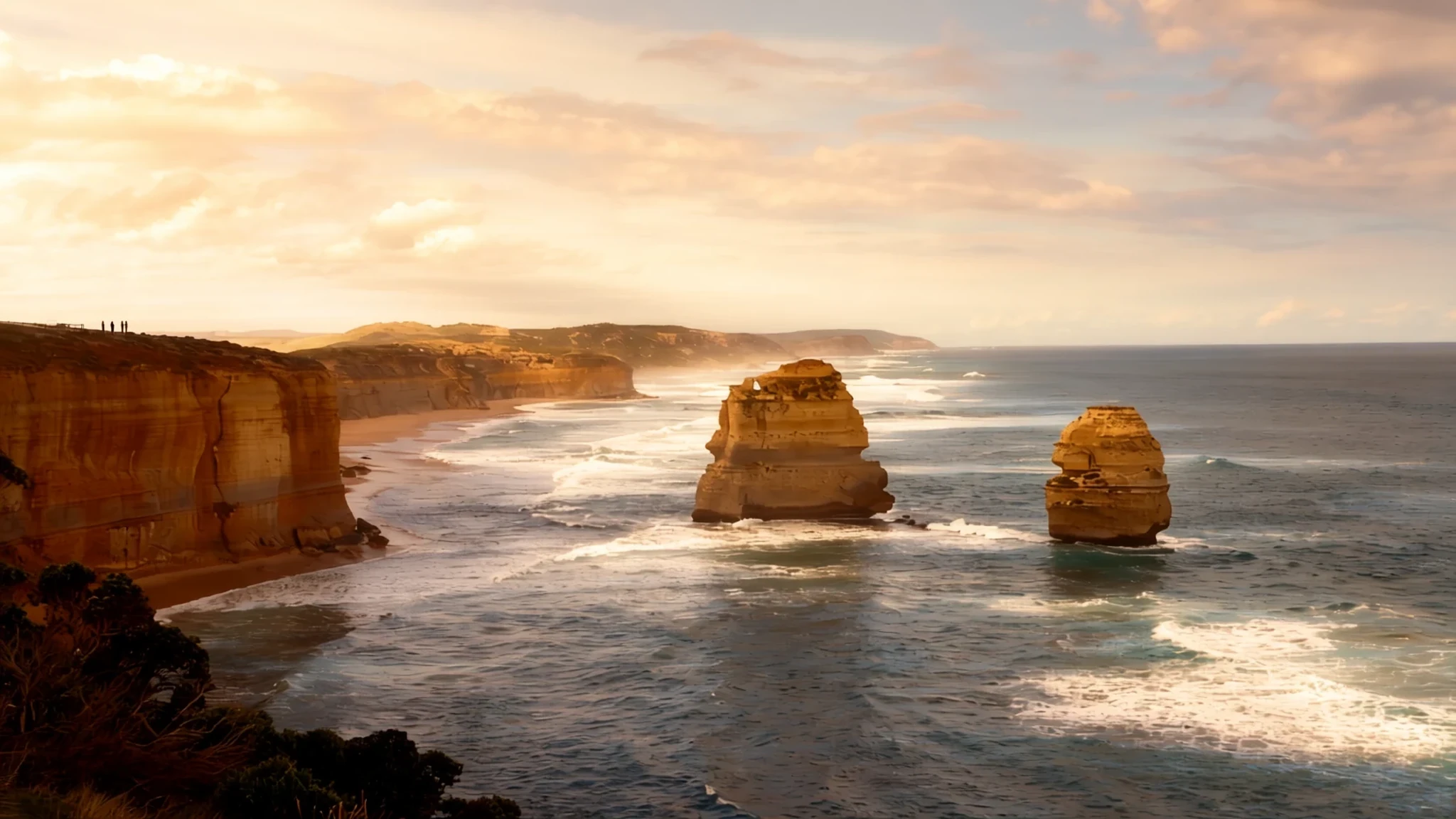
To stand on a cliff edge in Victoria and watch towering limestone stacks rise from the chill Southern Ocean at dawn.
The place
The Twelve Apostles are a collection of limestone sea stacks rising directly from the surface of the Southern Ocean, situated off the coast of Port Campbell National Park in the state of Victoria. Positioned along the famous Great Ocean Road, these rock formations create a dramatic contrast between the pale, weathered stone and the deep blue-green waters below. Visitors often ask why the stacks are named the Twelve Apostles despite fewer than twelve visible pillars, a question rooted in the fact that only some of the original formations still stand intact after centuries of high-energy coastal erosion. Although the name suggests a pair count of twelve, there is historical uncertainty about whether there were twelve pillars, and seven out of the nine described remain standing today. From the main viewpoint, the top formation is seen directly offshore, but the next two land on either side of the road. These geological features are composed of the same rock as the cliffs behind them, formed over millions of years as the sea carved caves into the limestone shelf. These caves eventually collapsed under their own weight, leaving behind isolated pillars that continue to erode, crack, and shift shape with each passing decade. The site sits within a rugged coastal landscape where eucalyptus trees and heath scrub cling to the cliff edges, providing a natural buffer between the visitors' platform and the precipitous drop. The cold waters of the Southern Ocean produce significant wave action, particularly during the winter months, which accelerates the weathering process and keeps the white cliffs looking sharp against the coastline. The climate here is temperate but oceanic, subject to strong, westerly winds and variable conditions that can change rapidly from clear skies to dense sea mist. This environment creates a raw and untamed atmosphere, distinct from the more sheltered beaches found further north in Australia. For those standing on the carved wooden decks and concrete pathways, the view presents an immediate sense of scale, where the immense distance to the horizon emphasizes the age and persistence of the coastal landscape undergoing constant transformation.
Its story
The history of the land surrounding The Twelve Apostles is deeply connected to the first peoples of Australia, who have inhabited the coastline of Victoria for millennia and hold spiritual ties to the coastal ecosystems. The Eastern Maar people are recognised as traditional owners of land including the Twelve Apostles, while the Gunditjmara, Wurundjeri and Boonwurrung also have ties to the wider coast. The arrival of European settlers in the region began in the mid-19th century, part of a broader movement that saw the establishment of new towns and agricultural settlements along the coast. Land clearing and farming activities began to alter the landscape around the park area, though the rugged cliffs themselves remained largely untouched by the agricultural push that transformed the surrounding plains. The Great Ocean Road, a significant engineering project constructed in the 1920s and 1930s, brought global attention to this stretch of coastline. Originally conceived as a war memorial to honour the men of Victoria who served and died in World War I, the road was built by returning soldiers who dug the rock cuts and levelled the approaches by hand. Its construction turned a remote, isolated coastal region into a major tourist destination, with The Twelve Apostles quickly becoming the star attraction along the route. Over the decades, media attention and tourism development have shaped how the site is experienced, focusing heavily on the stacks themselves. The visual identity of the formation has changed due to both natural erosion and the removal of smaller pillars through rockfalls, prompting conservation efforts to manage visitor impact while allowing the natural evolution of the coastline to continue unabated.
What to see
- The Twelve Apostles Main Viewpoint — Port Campbell National Park
Situated at the main turnoff on the Great Ocean Road, this paved platform provides the classic view of the limestone stacks. The viewing area is designed to accommodate large groups, with information boards detailing the geological processes that have shaped the coastline. Early morning offers the best lighting for photography, while sunset often brings dramatic cloudy backgrounds.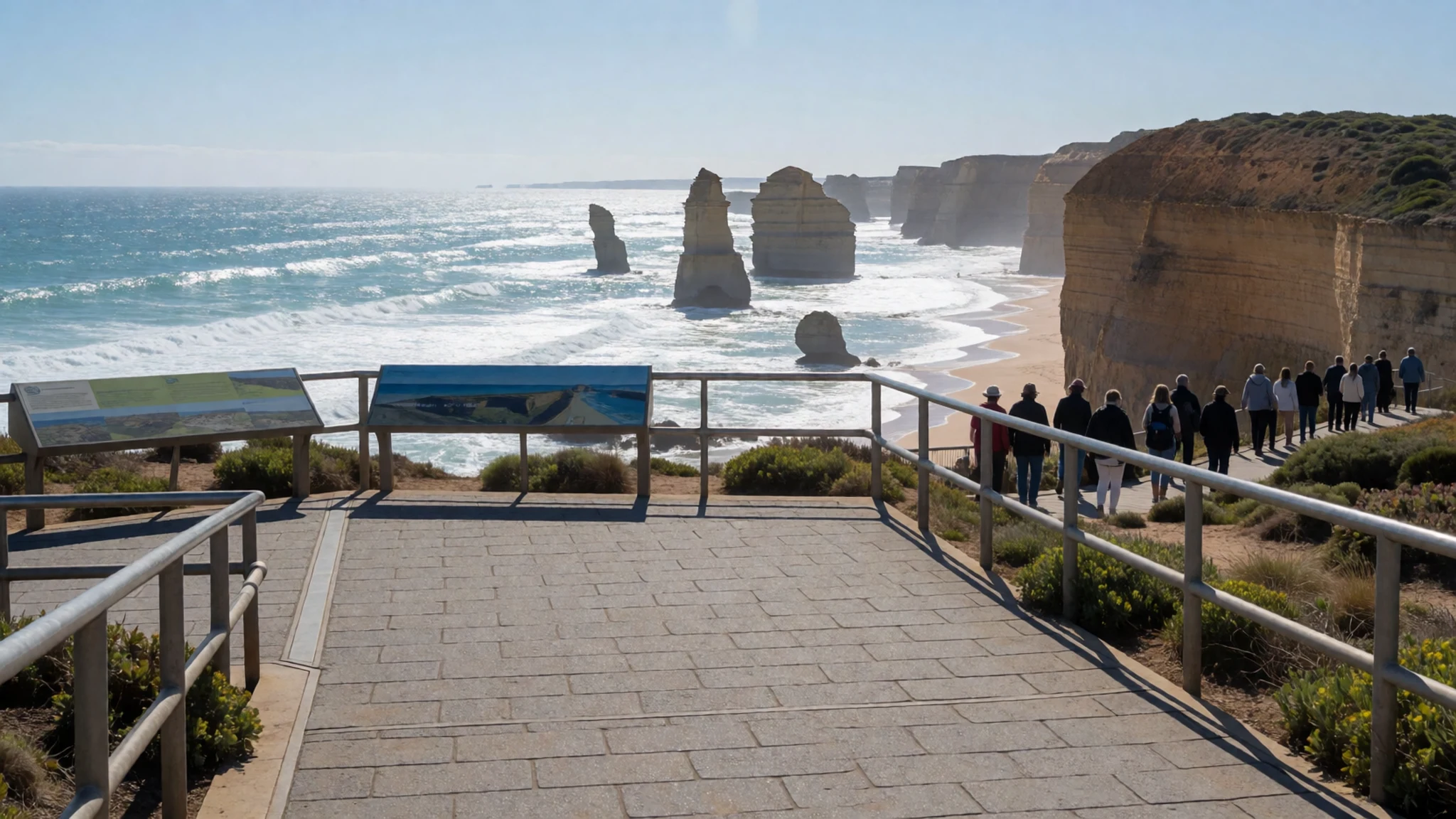
- The Grotto and Arch — Port Campbell National Park
Located a short walk from the main viewing platform, this natural rock arch sits at the base of the cliffs and is accessible at low tide. A grassy hill provides an unobstructed view of the arch from above, which many consider a superior photographic angle to the main viewpoint, especially when combined with surrounding rock formations.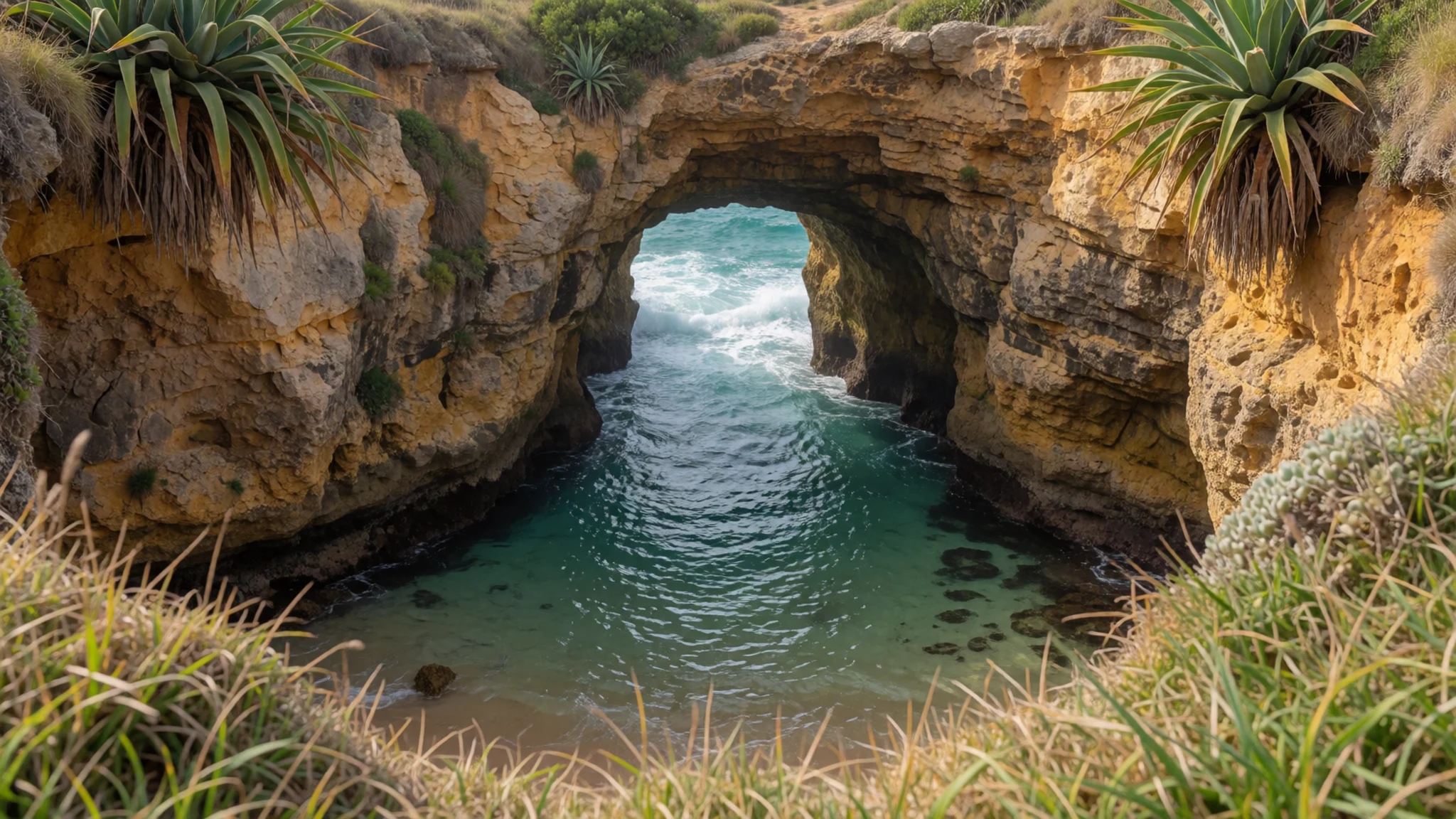
- The Loch Ard Gorge — Port Campbell National Park
Approximately 2.3km along the coast from the main stacks, this deep gorge is famous for the shipwreck of the Loch Ard in 1878, where only two of thirty-two survivors reached land. A set of wooden steps leads down to a lower lookout, offering an intimate perspective on the sheer limestone walls surrounding the bay.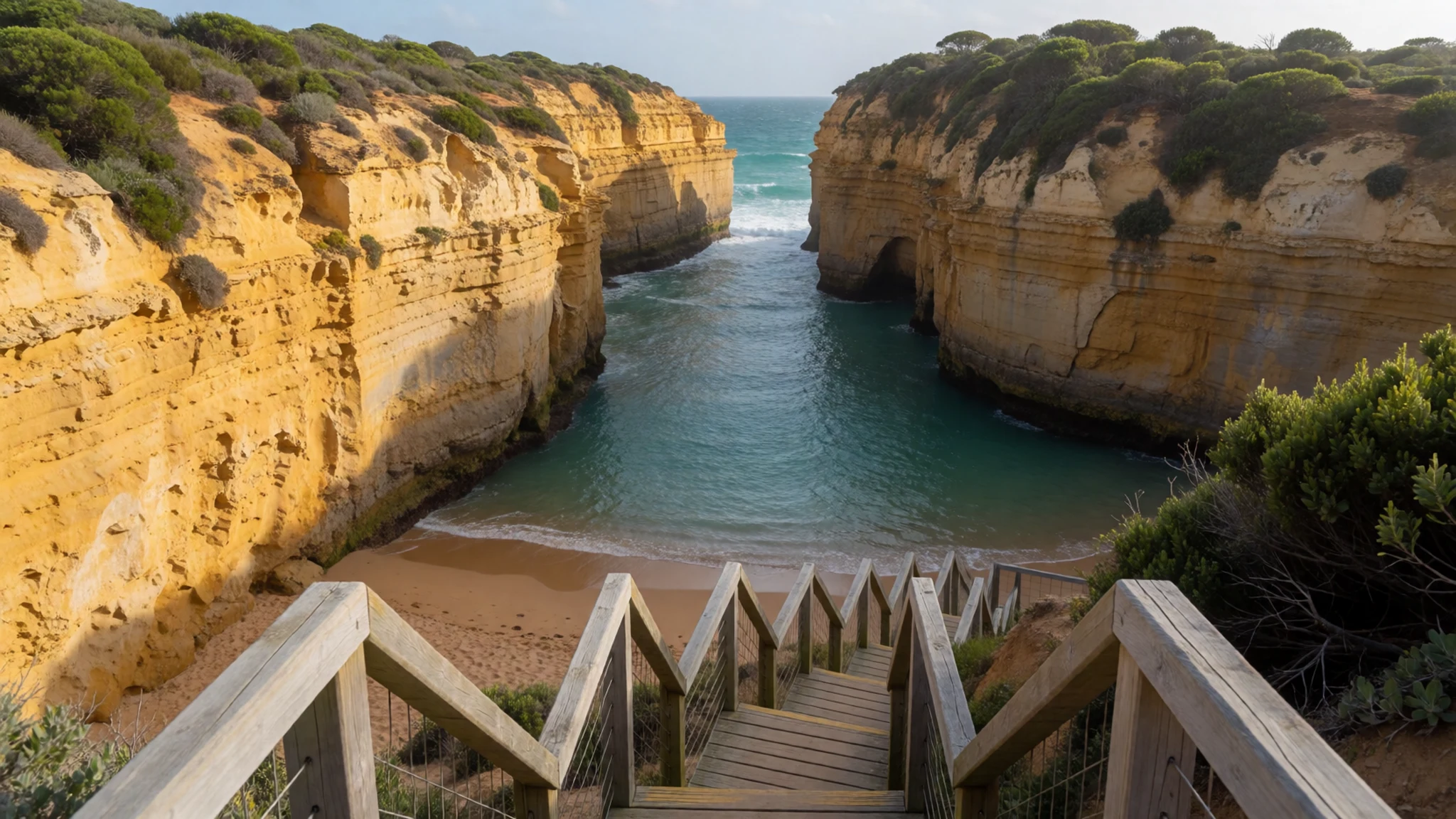
- London Arch — Port Campbell National Park
Further along the coast from the Grotto, this natural sea arch is striking because it is visible in a fully circular shape when the light hits it from a specific angle. Best viewed from a nearby grassy headland, the arch provides a visually distinct landmark for coastal walking and stands out against the rugged terrain.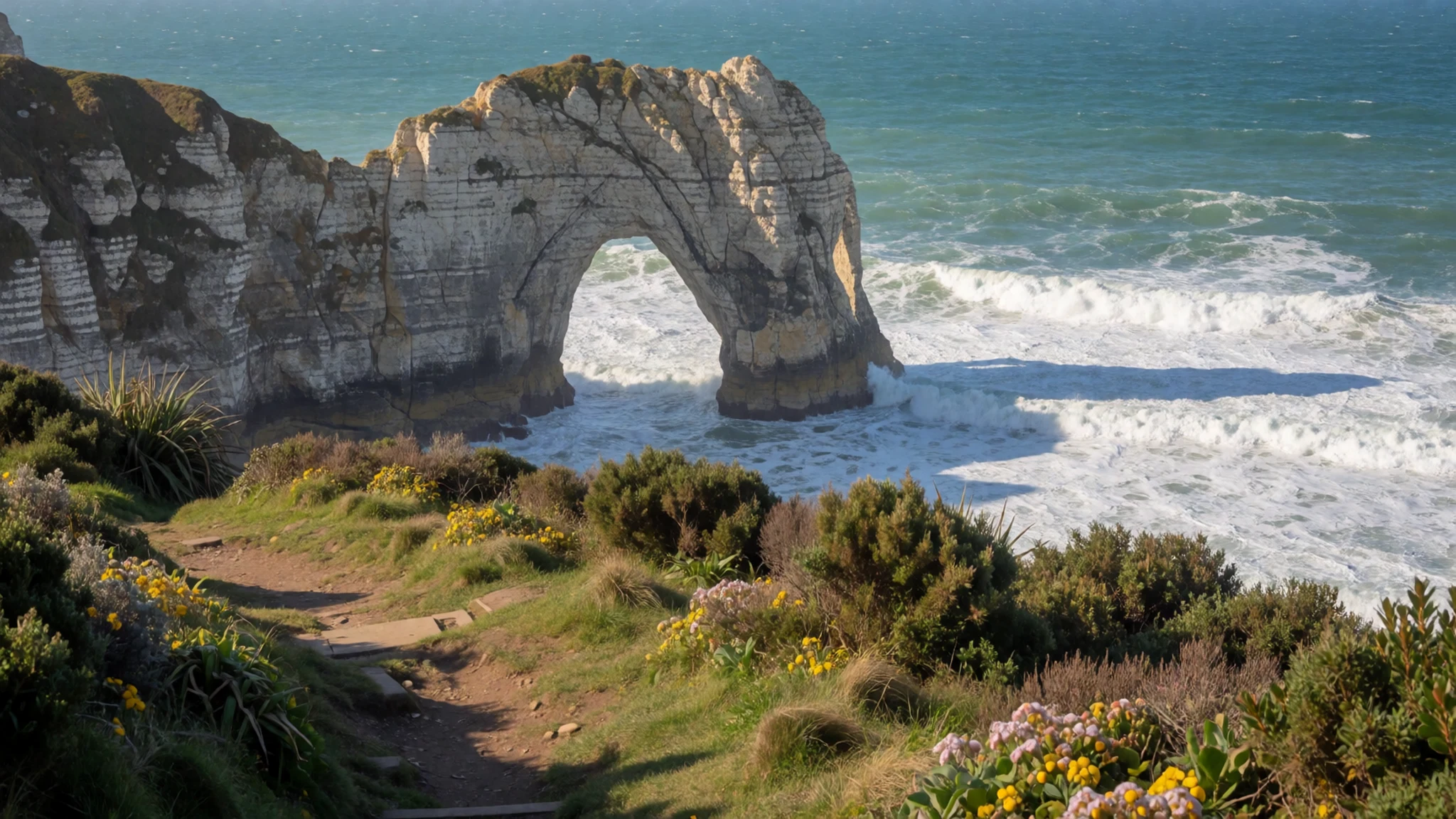
- Port Campbell Village — Portland, Victoria
Located just a few kilometres from the Great Ocean Road, this service town offers accommodation, cafes, and small shops for visitors who need to break their journey along the coast. It serves as a convenient base for exploring the surrounding national park sites and the coastal tracks within the area.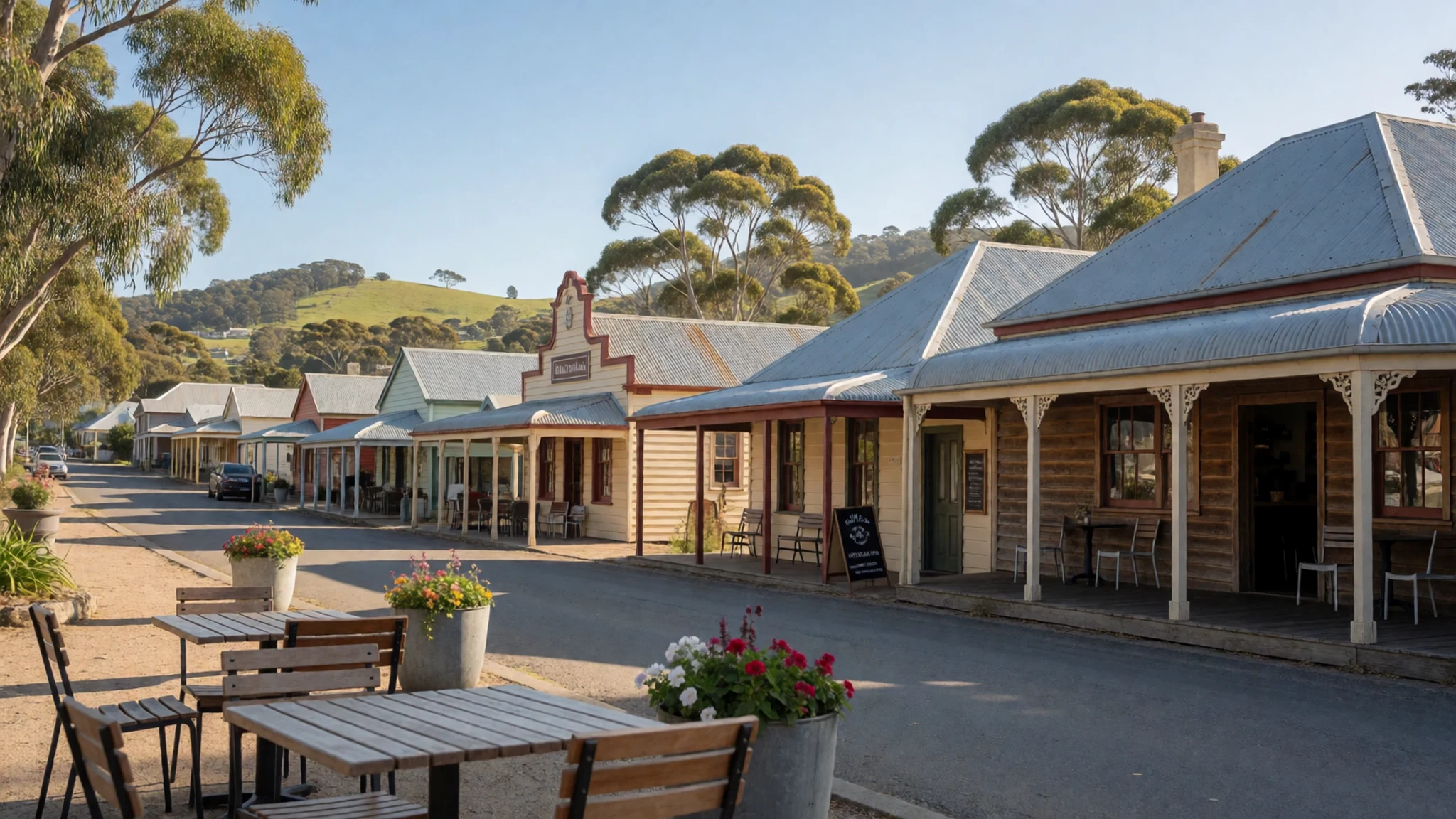
- Koala Walk — Port Campbell National Park
Located near the main viewing area, this short walking track takes visitors through an eucalyptus forest where koalas are frequently seen resting in the high branches. The walk is stroller-friendly and provides a quiet, shaded environment, contrasting sharply with the busy, wind-swept lookouts at the coast.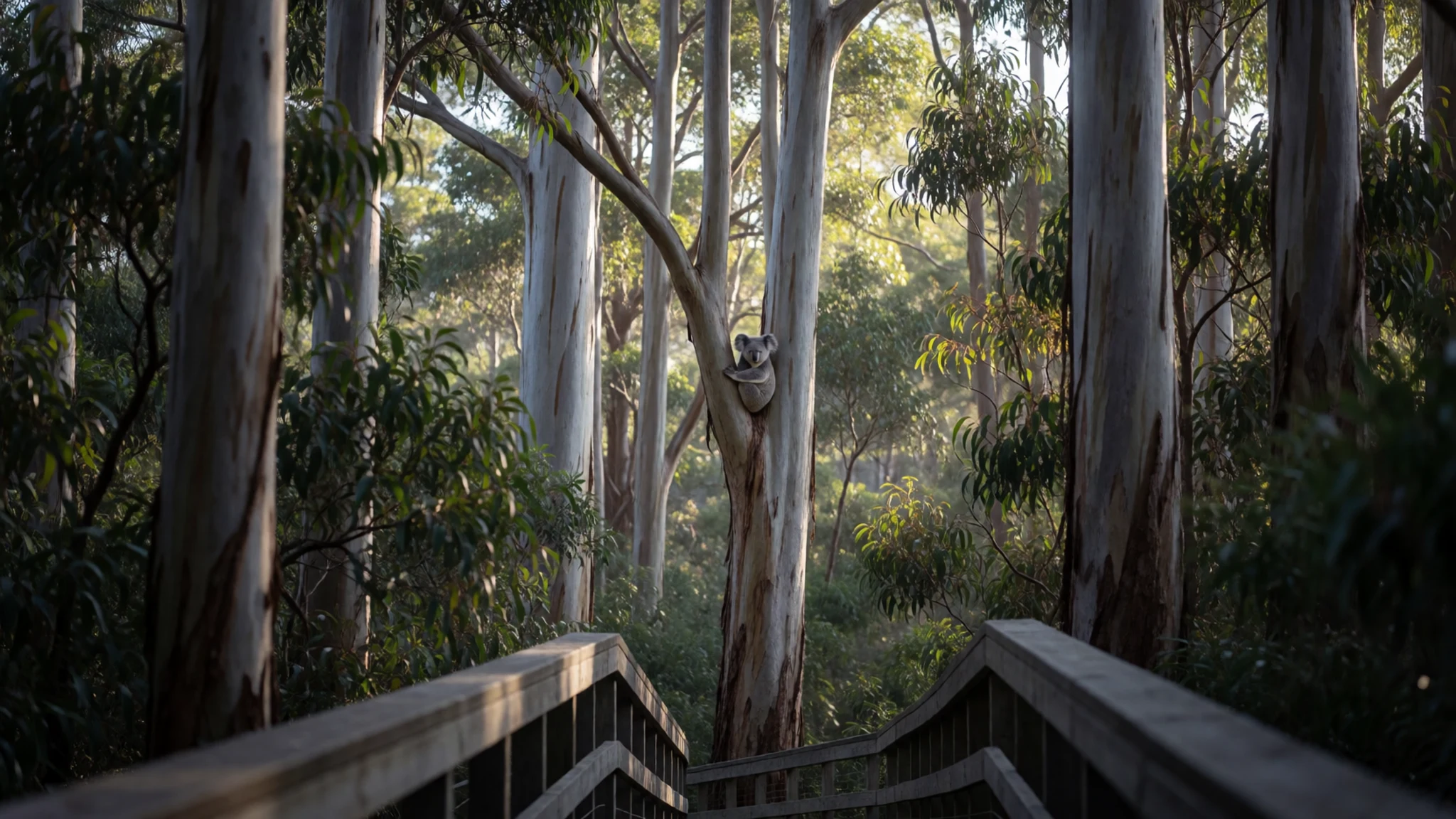
Culture
The cultural landscape of The Twelve Apostles is defined by the intersection of Indigenous heritage and broader Australian coastal culture. The Eastern Maar people maintain a deep spiritual connection to the coastline and its marine resources, and their presence is an essential part of the area's identity. Visitors moving through the park area engage with the history of the Great Ocean Road, which was constructed as a war memorial to honour the efforts and lives of returning soldiers from the First World War. This history is celebrated through the road itself, which reflects the cooperative effort of a nation, as well as through the many roadside monuments and memorials that can be seen along the route. The culture of the surrounding community, particularly in towns like Port Campbell and Lorne, leans towards a rugged, outdoor-oriented way of life centred on the ocean and local hiking trails. The Great Ocean Road has a strong tradition of surfing and fishing, drawing dedicated groups who know the local conditions intimately. Artistic expressions of the landscape can be found in local galleries and through local crafts that reflect the stark beauty of the coastal environment. Always remain near safety barriers when at cliff edges, as the winds can be unpredictable and sudden gusts have caused falls; also respect Aboriginal customary sites by staying on marked walkways.
What to wear
Traditional attire in the region generally aligns with broader Australian outdoor and beachwear, prioritizing practicality for the warm climate and coastal activities. Local farmers and country workers in the nearby hinterlands often wear durable, earth-toned clothing, such as flannel shirts and wide-brimmed cotton or felt hats, for sun protection while working on farms. As the town centres of the area have evolved into more tourist-oriented hubs, contemporary fashion trends often follow broader Australian styles, with a focus on casual, comfortable pieces and relaxed, layered outfits. Visitors to The Twelve Apostles and surrounding coastal areas must pack clothing suitable for temperate oceanic conditions, including layers like windbreakers or waterproof jackets, as temperatures near the coast can fluctuate dramatically. Sturdy, grippy footwear is essential for walking on the uneven and potentially slippery rock surfaces of the cliff lookouts, and warm layers are recommended for the morning and evening hours, even during the summer months. Sun protection, including a wide-brimmed hat and high-factor sunscreen, is non-negotiable due to the high UV index in the region, where there is little to no natural shade at the exposed coastal vantage points.
What to eat
- Marine Parrotfish and Blue Swimmer Crab — Coastal cafes in Port Campbell
Fresh seafood preparation is the culinary hallmark of this coastal stretch, particularly in the town of Port Campbell. Local fishmongers often source their catch directly from the south-eastern waters, utilising a range of in-demand coastal species like blue swimmer crab. A hot, salted crab is a popular order at local eateries, highlighting the area's proximity to the rich fishing grounds of the area.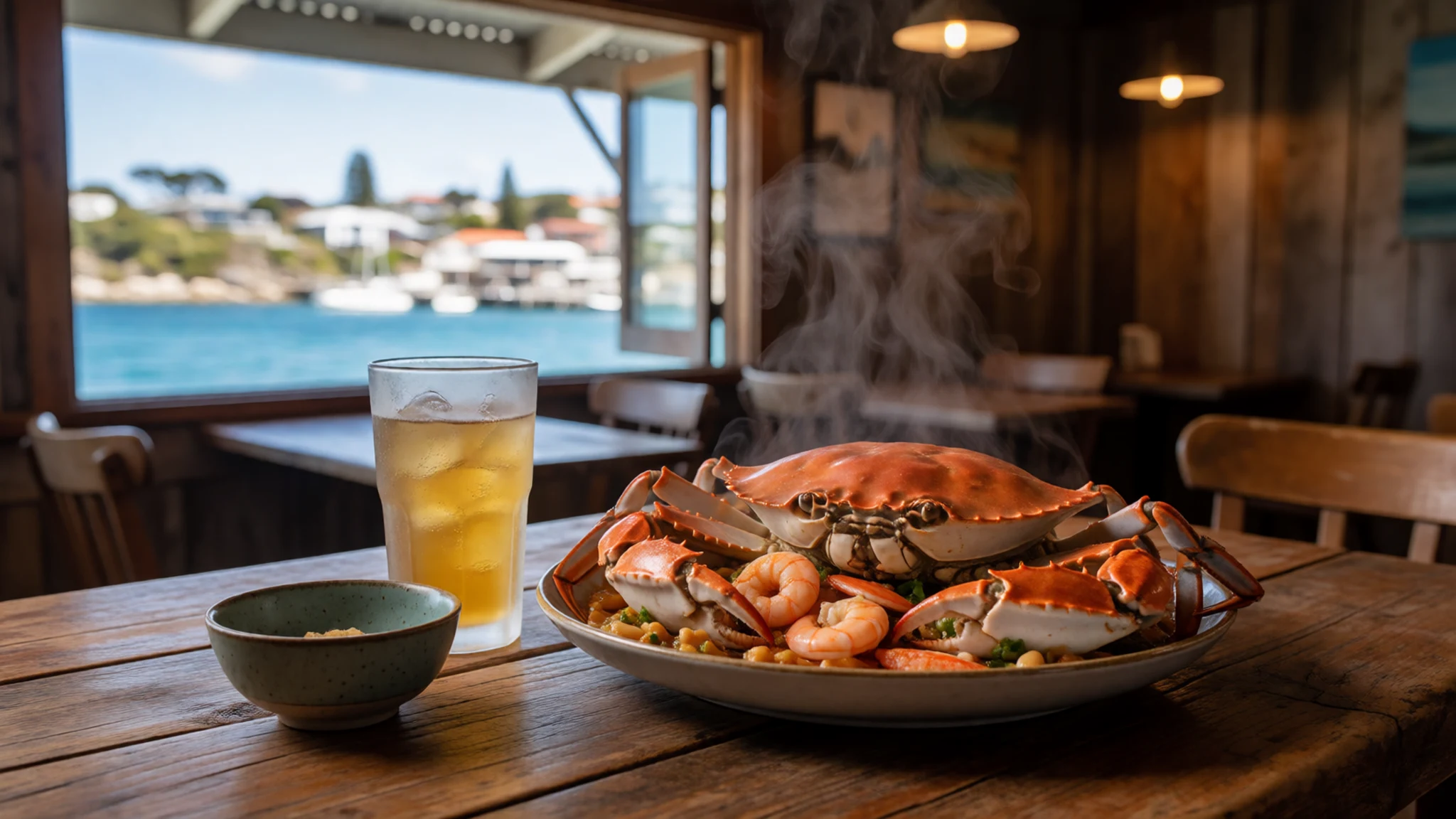
- Yarra Valley Wines — Vineyards in the Yarra Valley hinterland
The Yarra Valley, a separate wine region near Melbourne, is known for its agricultural and wine-producing estates. Visitors travelling the coastal drive often make a separate trip to visit local vineyards, where they can sample classic Victorian grape varieties alongside many others after a long day of exploring the rugged shoreline and its geological wonders.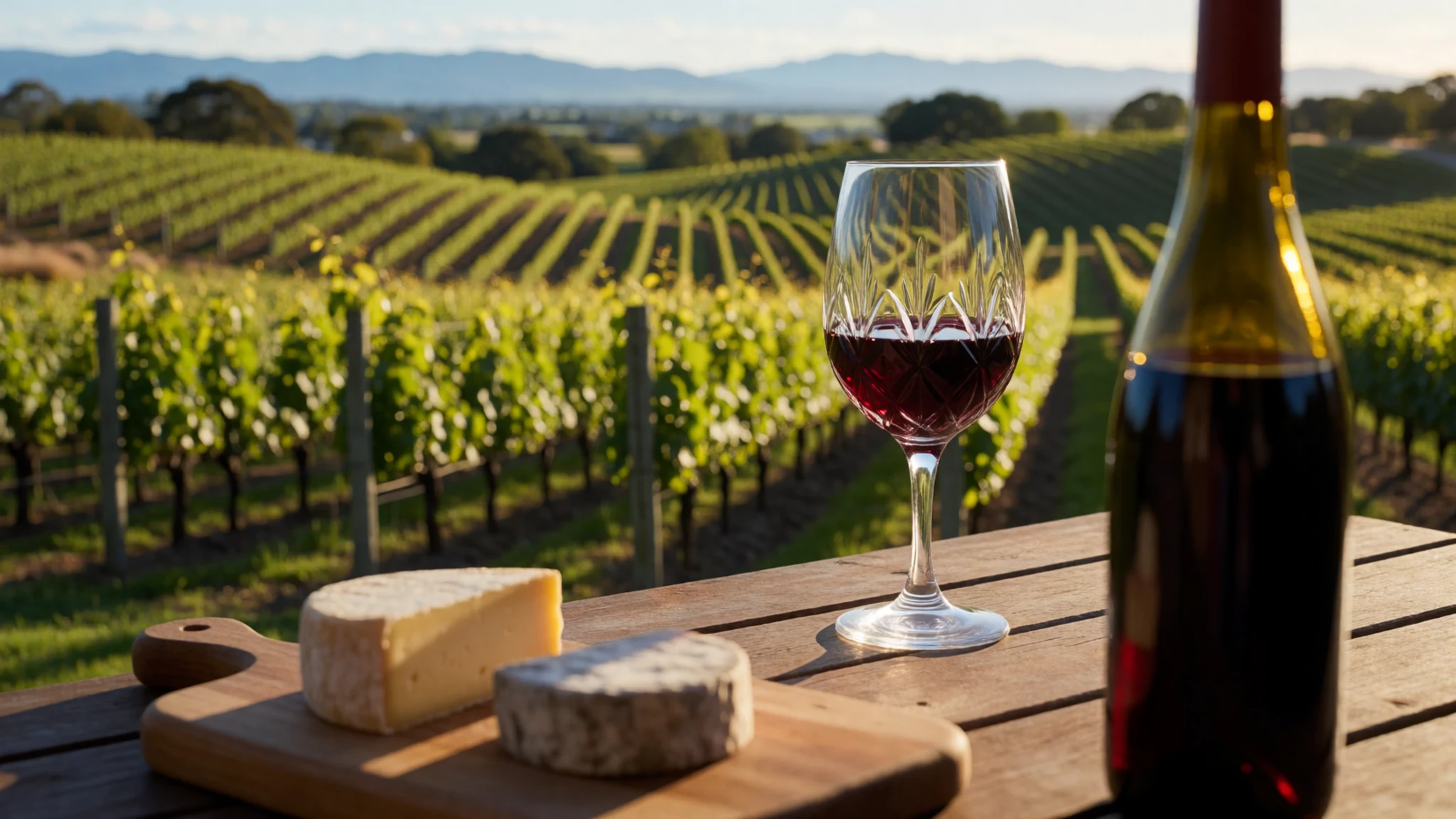
- Australian Pastoral Meats — Regional steakhouses in Port Campbell and Portland
Beef and lamb dishes feature prominently in menus throughout the broader Victorian east coast. The hinterland surrounding the coastline is famous for its dry-aged beef and premium lamb, often served in simple steaks that rely on the highest quality of the raw ingredients as a primary culinary focus. - Traditional Bush Tucker and Local Produce — Street markets and farm shops in the Portland region
The local produce markets serving areas along the Great Ocean Road frequently stock bush foods, offering visitors a taste of native and wild-grown agricultural products. Local berries, nuts, and spice blends add a unique and distinct character to the fresh market fare available from small, family-run stalls in the region.
Plan it
Best time. May and September are the most comfortable months, offering milder temperatures and generally fewer crowds. Summer, particularly January and February, brings the highest visitor numbers and maximum ticket and accommodation prices, while winter brings cooler temperatures, powerful surf, and occasionally shortened road access due to severe high tides or weather.
How long. 1–2
Getting there. Fly into Melbourne Airport (MEL) or Sir Charles Jarvis Regional Airport outside Portland, then rent a car to drive the Great Ocean Road from the east. The road is two-way for most of its length, and the drive is best planned around frequent stops at lookouts. Trains and local buses do not provide direct access to the park itself.
Budget. mid
Tips
- Arrive before opening time to secure parking, as parking in these high-traffic areas is highly limited
- Bring a windproof layer, as coastal conditions are often unpredictable and much cooler than standard summer forecasts
- Check the Victoria State Government website for updated park hours and any seasonal road closures
- Bring clear water and snacks, as commercial facilities near the highest vantage points are limited and often crowded
Etiquette
- Stay within designated viewing areas and do not cross safety barriers to access rougher cliff edges
- Do not disturb coastal wildlife, such as nesting bird colonies, from a distance to protect the ecosystem
- Bin all rubbish, including biodegradable food scraps, to maintain the pristine condition of the park environment
Nearby
Sources
- Wikidata Q475623 (CC0)
- Wikipedia (rev 1367133820) (CC BY-SA 4.0)
- Wikivoyage (rev 5327873) (CC BY-SA 4.0)
- Photo photos/01-12-apostles-victoria-sunset.jpg (CC BY-SA 4.0)
- Photo photos/02-the-twelve-apostles-2011.jpg (CC BY-SA 4.0)
- Photo photos/03-apostles-3-gor.jpg (CC BY-SA 1.0)
- Photo photos/04-twelve-apostles-east-view-20230218-2.jpg (CC BY-SA 4.0)
- Photo photos/05-aus-victoria-the-twelve-apostles-2025-12-10-1.jpg (CC BY 4.0)
- Photo photos/06-aus-victoria-the-twelve-apostles-2025-12-10-2.jpg (CC BY 4.0)
- Photo photos/07-aus-victoria-the-twelve-apostles-2025-12-10-3.jpg (CC BY 4.0)
- Photo photos/08-12-apostles-12051755956.jpg (CC BY 2.5)


