Tuscany
Tuscany, Italy
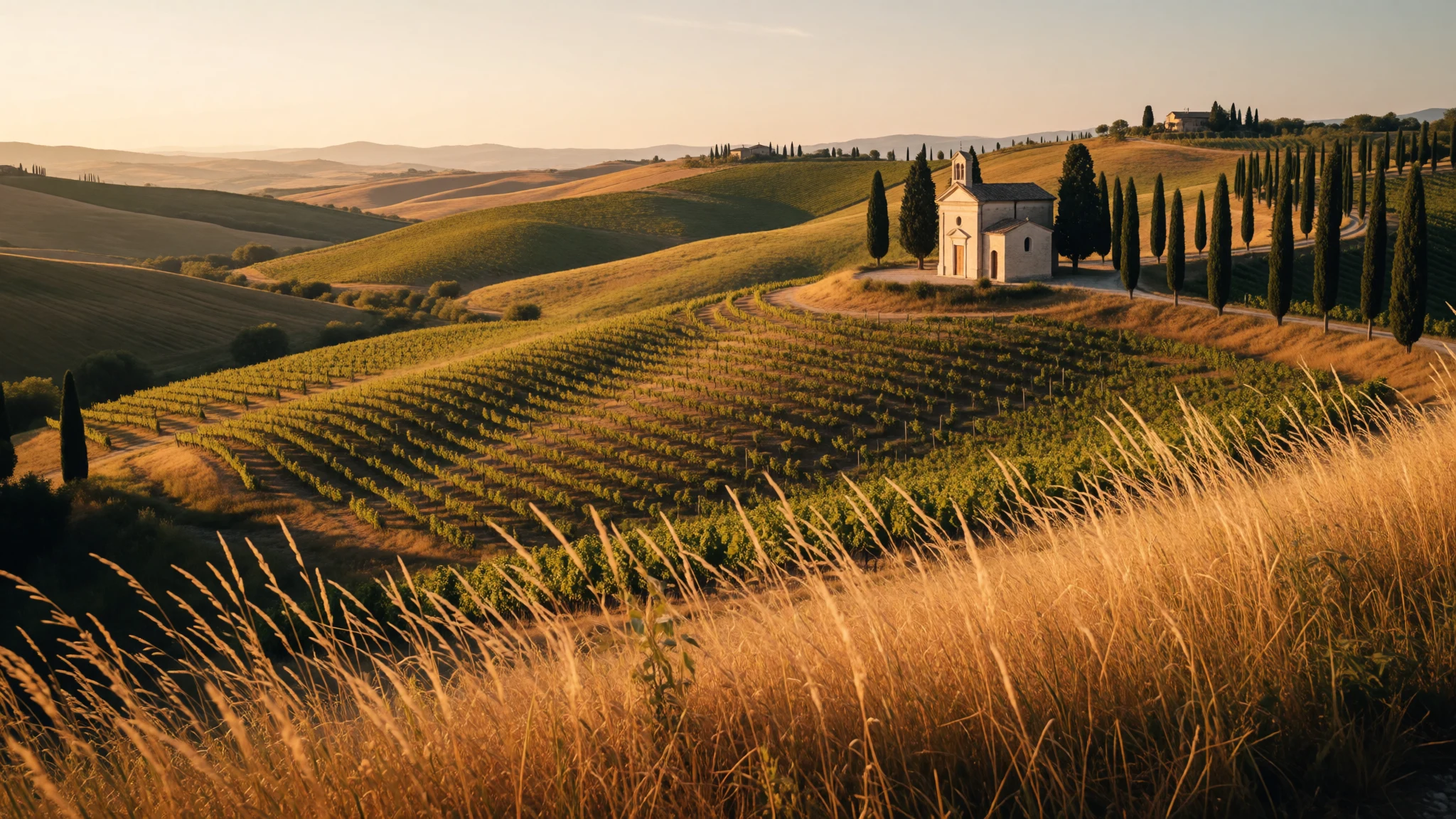
For the golden hills, the Renaissance art, and the honest, earthy food that defines central Italy.
The place
Tuscany is a region in central Italy, best known for its rolling hills, cypress trees, and dense artistic heritage. With a population of about 3.7 million, it is a place where the landscape and the history feel deeply connected. The capital, Florence, is the engine of the region’s culture, but the countryside offers a slower pace. The hills are often covered in vineyards and olive groves, creating a patchwork view that changes with the light. Visitors often describe the heat as direct, with summers being hot and dry, while interior winters are harsh, with nights well below freezing and the heaviest rain in October and November. The region is home to several national parks, including the Tuscan Archipelago, which protects islands off the coast. The architecture shifts from medieval stone walls in hilltop towns like San Gimignano to the grand palaces of the cities. Tuscany is not just about the famous museums; it is also about the daily rhythm of farm life. The food is simple, relying on high-quality local ingredients rather than complex sauces. Whether in the busily crowded piazzas or the quiet farms, the sense of place is strong. The air smells of woodsmoke and fresh bread in the mornings. It is a destination that rewards taking time to walk and observe. The light here, particularly in the afternoons, casts long shadows that highlight the texture of the stone buildings. This is a region of contrasts, where ancient history meets modern tourism, and where the natural beauty is as significant as the human-made wonders.
Its story
Tuscany’s history stretches back to prehistory, where Apennine culture peoples inhabited the area before the Etruscans arrived. The Etruscans established the first major civilization in the region, developing early forms of art and infrastructure. Their legacy includes bronze sculptures and tombs that still stand today. The region became a centre of power when the Medici family, a banking dynasty, rose to prominence in the 15th century. They used their wealth to fund artists and architects, sparking the Renaissance. Florence became a hub for thinkers like Machiavelli, who wrote about politics and power. The region’s dialect, known as Tuscan, became the standard for the Italian language, largely due to the literary works of Dante and Petrarch. This linguistic standardised the writing of poetry and prose across Italy. The history is visible in the streets, where old doors and frescoes tell the story of the families who built them. The conflicts between rival families, such as the Medici and the Pazzi, shaped the political landscape. Today, the region remembers its past through its monuments and museums, which house the treasures of that era. The story of Tuscany is one of art, power, and the enduring human desire to create beauty.
What to see
- National Park of the Tuscan Archipelago — Coastal islands
This park protects the islands off the coast, including Elba and Giglio. It was established to preserve the marine environment and the unique flora of the islands. Visitors can explore the rocky shores and the clear waters. The park covers a large area of sea and land, offering opportunities for hiking and diving. The islands have a distinct character, with white-washed buildings and a slower pace of life. It is a good place to escape the crowds of the mainland. The views from the cliffs are dramatic, looking out over the Tyrrhenian Sea. The park is a reminder of the region’s coastal significance.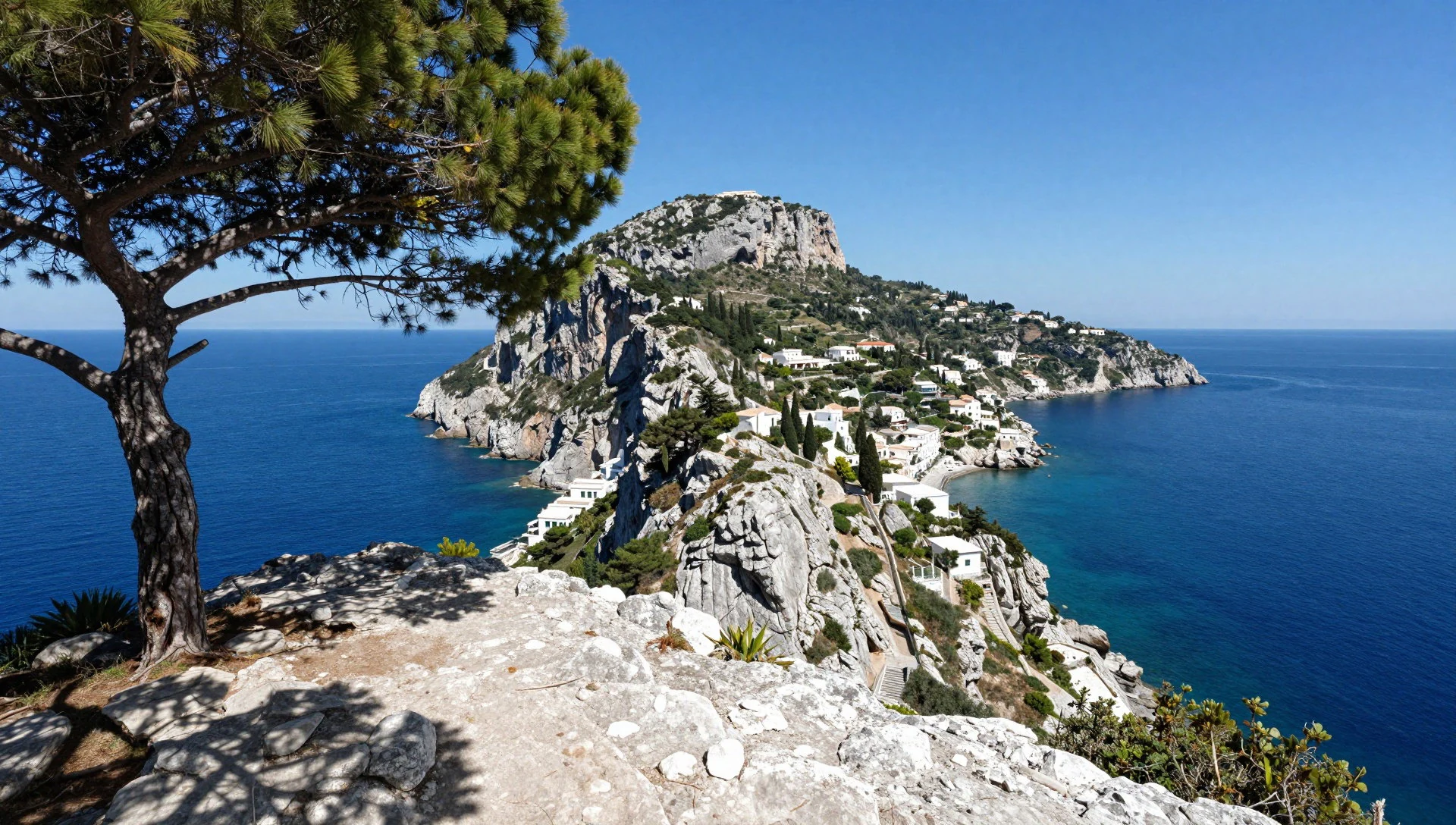
- National Park of the Foreste Casentinesi — Northern mountains
Located in the mountains to the north of Florence, this park features the Monte Falterona massif. It is known for its dense forests and the source of the Arno river. The landscape here is rugged and wild, unlike the more cultivated hills further south. Hiking trails offer views of the pine forests and the mountain peaks. The park is a protected area where nature is allowed to reclaim the land. It is a quieter destination, appealing to those who prefer the mountains over the cities. The air is cooler, and the paths are less crowded. It is a good place to see the natural side of Tuscany.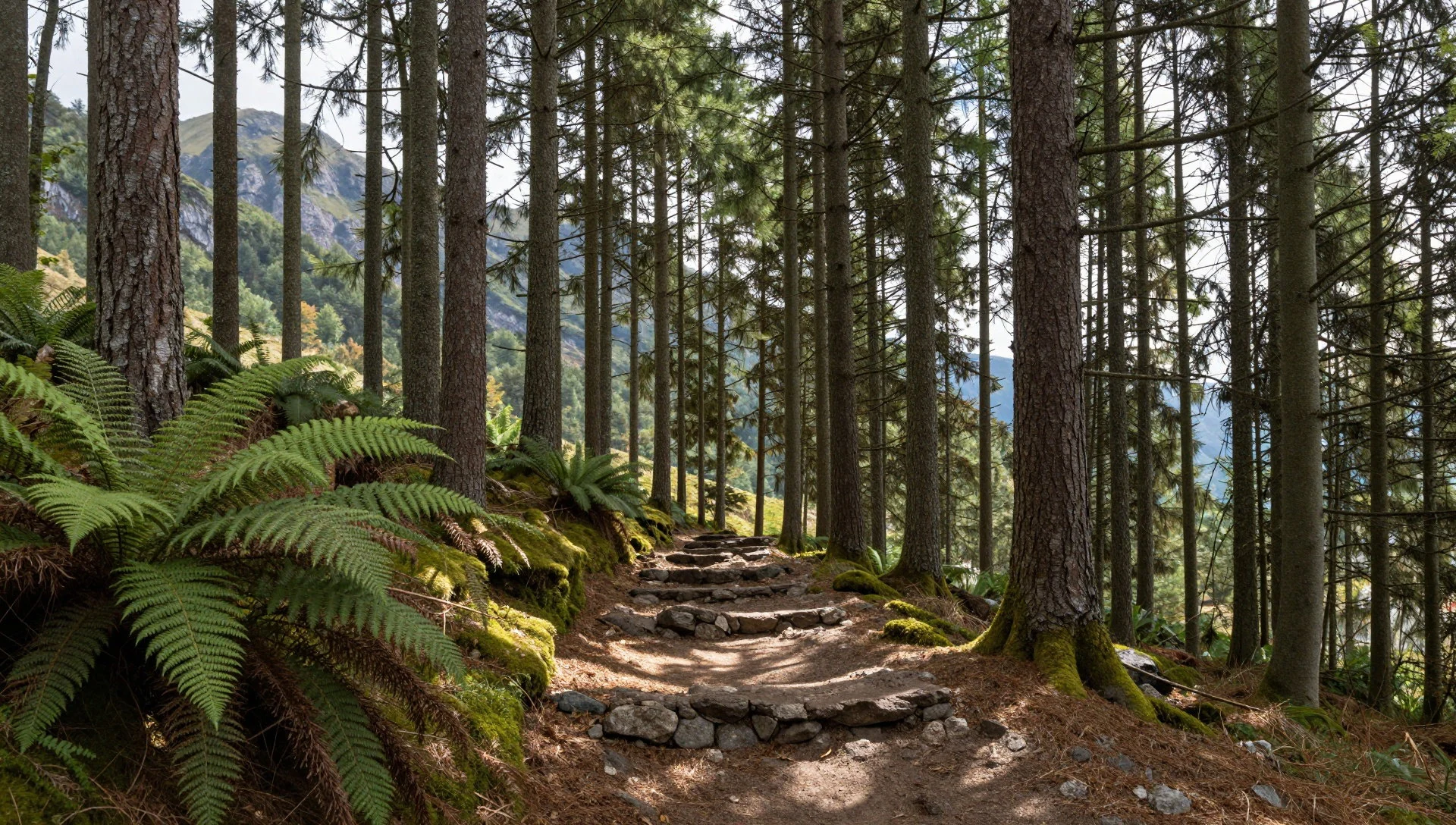
- Maremma Regional Park — Coastal marshes
This park lies along the coast near Grosseto, protecting the marshlands and the sea. It is known for its wildlife, including wild horses and birds. The landscape is open and windswept, with wide beaches and sandy paths. The park offers a different experience from the hilly interior, focusing on the coast and the marshes. It is a place for walking and birdwatching. The light here is soft, and the atmosphere is calm. The park is a protected area that preserves the natural habitat of the region. It is a good choice for those who want to see the wild side of Tuscany.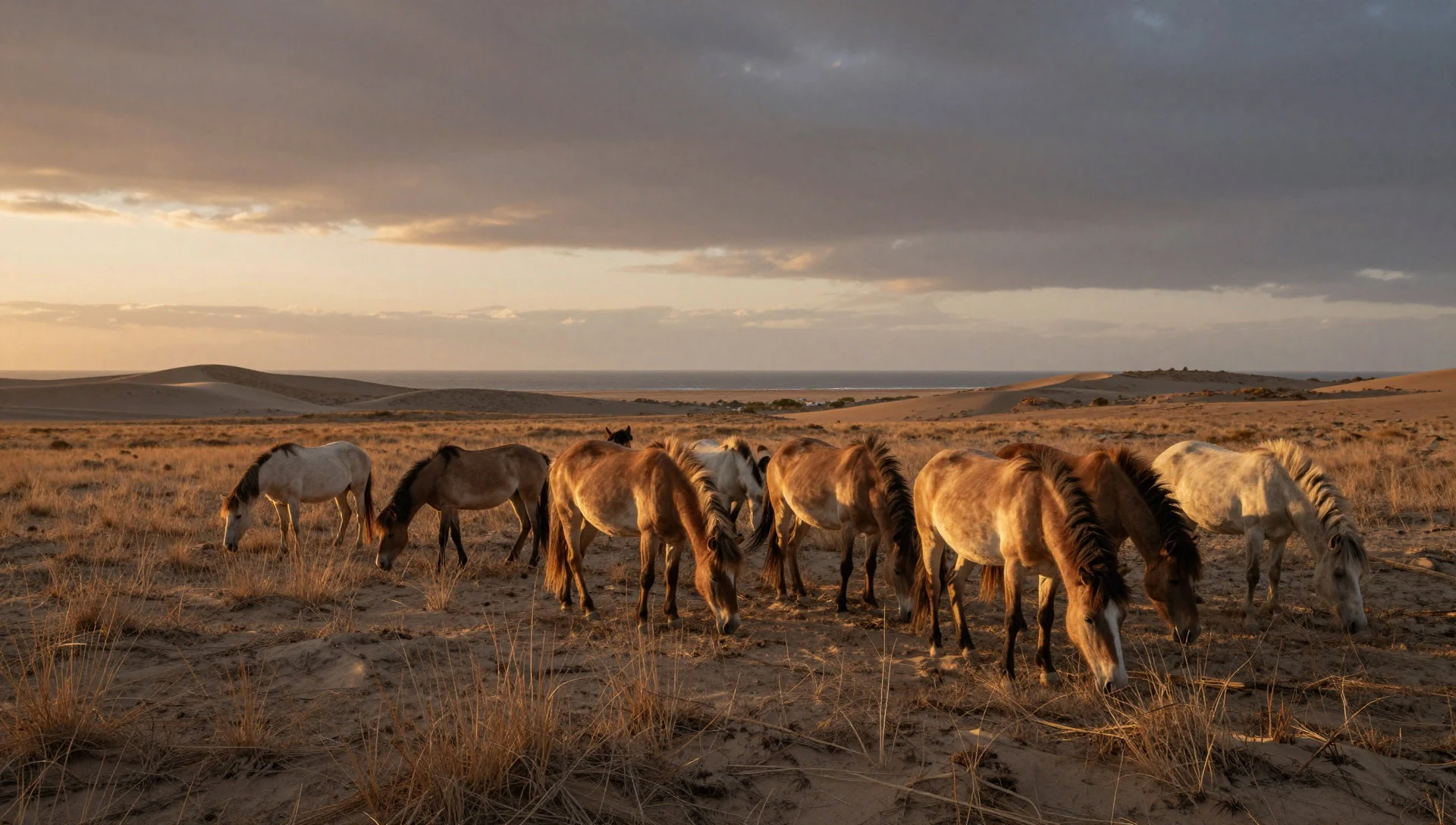
- Park of Migliarino, San Rossore and Massaciuccoli — Northern coast
Located near Pisa and Viareggio, this park covers a large area of wetlands and forests. It is a protected reserve where visitors can explore the natural environment. The park is known for its lakes and the variety of birds that live there. It is a good place for cycling and walking, with paths that wind through the pine trees. The park is close to the coast, offering views of the sea and the marshlands. It is a quiet place, away from the noise of the cities. The park is a reminder of the importance of preserving the natural environment.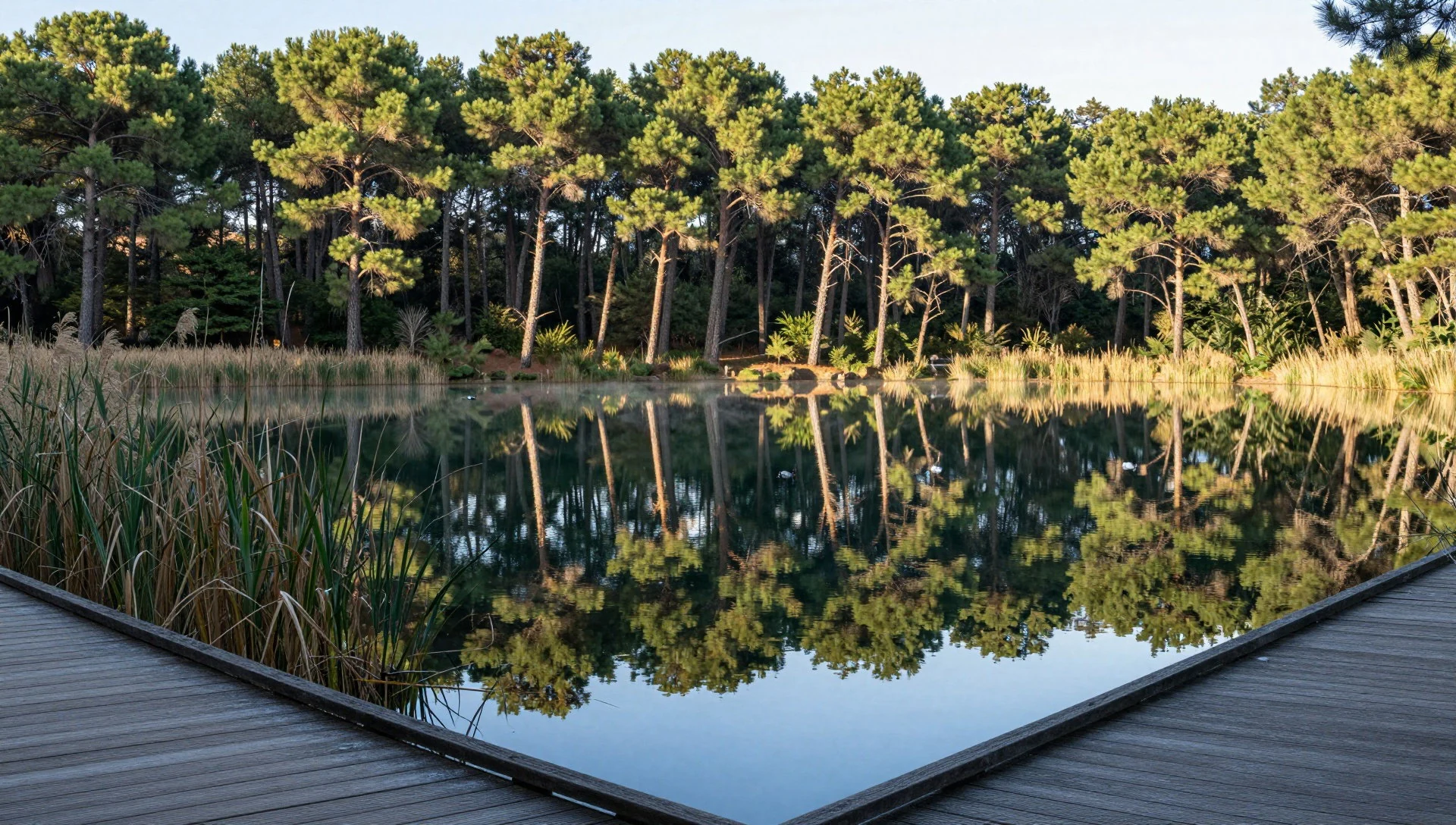
Culture
Tuscan culture is deep-rooted in its artistic and historical legacy. The region is home to some of the most important museums in the world, housing works by Botticelli and other Renaissance masters. The piazzas are designed for social gathering, with fountains and coffee houses inviting people to linger. The architecture is often built in stone, from the hill towns to the palaces of the cities. The culture is one of pride, with a strong sense of local identity. The language is distinct, with a dialect that is still spoken in many parts of the region. The food culture is integral to the social life, with meals often taking several hours. The etiquette is relaxed, but there is a respect for tradition. Visitors should be mindful of the noise levels in the historic centres, as the quiet is appreciated. It is a place where the past is not just displayed, but lived. The culture is visible in the festivals, the markets, and the daily interactions. It is a rich and rewarding experience for the traveller. The etiquette line: Always ask for permission before photographing people in their private spaces.
What to wear
Tuscany’s traditional dress is largely historical now, but the influence of the region’s textiles remains. The wool and linen fabrics were once central to the local economy, and the styles were practical for the climate. Today, people in Tuscany dress in a smart-casual manner that reflects the warm weather. In the cities, the style is polished, with tailored clothing and comfortable shoes. In the countryside, the dress is more relaxed, suitable for walking and exploring. The climate is hot in the summer, so light fabrics are essential. In the winter, the days are cool, and a good coat is necessary. For visitors, the key is comfort and respect. The terrain can be uneven, so sturdy footwear is recommended for the hills. The religious sites require modest dress, covering shoulders and knees. The style is understated, reflecting the local taste for quality over excess. The colour palette often includes earthy tones, such as beige, brown, and blue. The fashion is a reflection of the environment, practical and elegant. It is a good idea to pack layers, as the weather can change quickly. The local shops offer high-quality clothing, made with care and craftsmanship. The fashion scene is vibrant, but not flashy. It is a place where style is about feeling at home in the landscape.
What to eat
- Bistecca alla Fiorentina — Trattorias in Florence
A large, bone-in steak, grilled to perfection. It is the signature dish of Florence, often shared between two people. The meat is aged for several weeks, giving it a deep flavour. It is usually served with rosemary and olive oil. The portion is generous, so it is best to order it only if you are very hungry. It is a simple dish, but the quality of the meat is essential.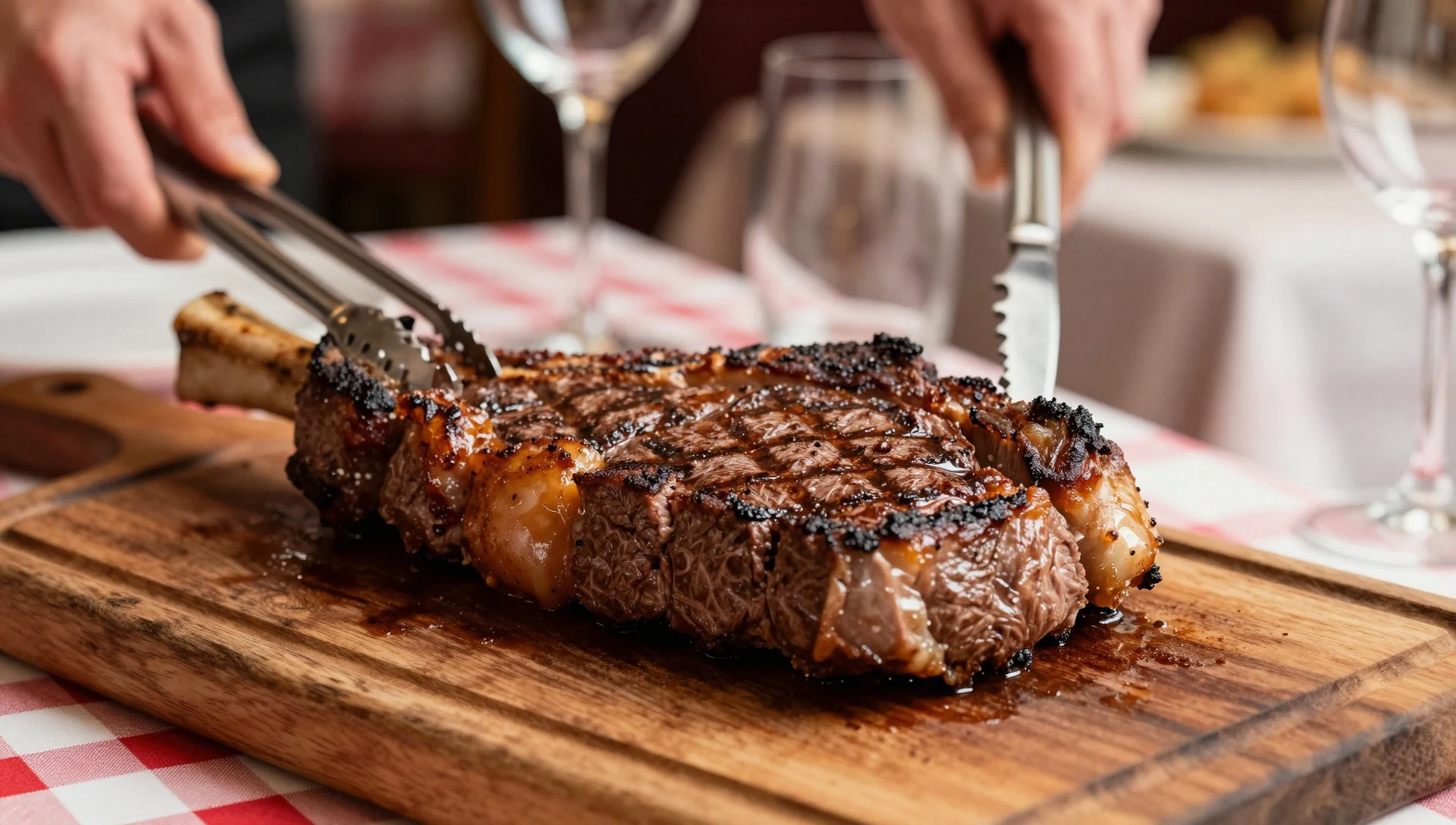
- Ribollita — Farmhouse restaurants
A thick soup made with bread, vegetables, and beans. It is a staple of Tuscan cuisine, often eaten as a first course. The soup is hearty and warming, perfect for the cooler months. The bread is soaked in the broth, giving it a soft texture. It is a humble dish, but it is full of flavour. The ingredients are simple, but the preparation takes time. It is a true taste of the countryside.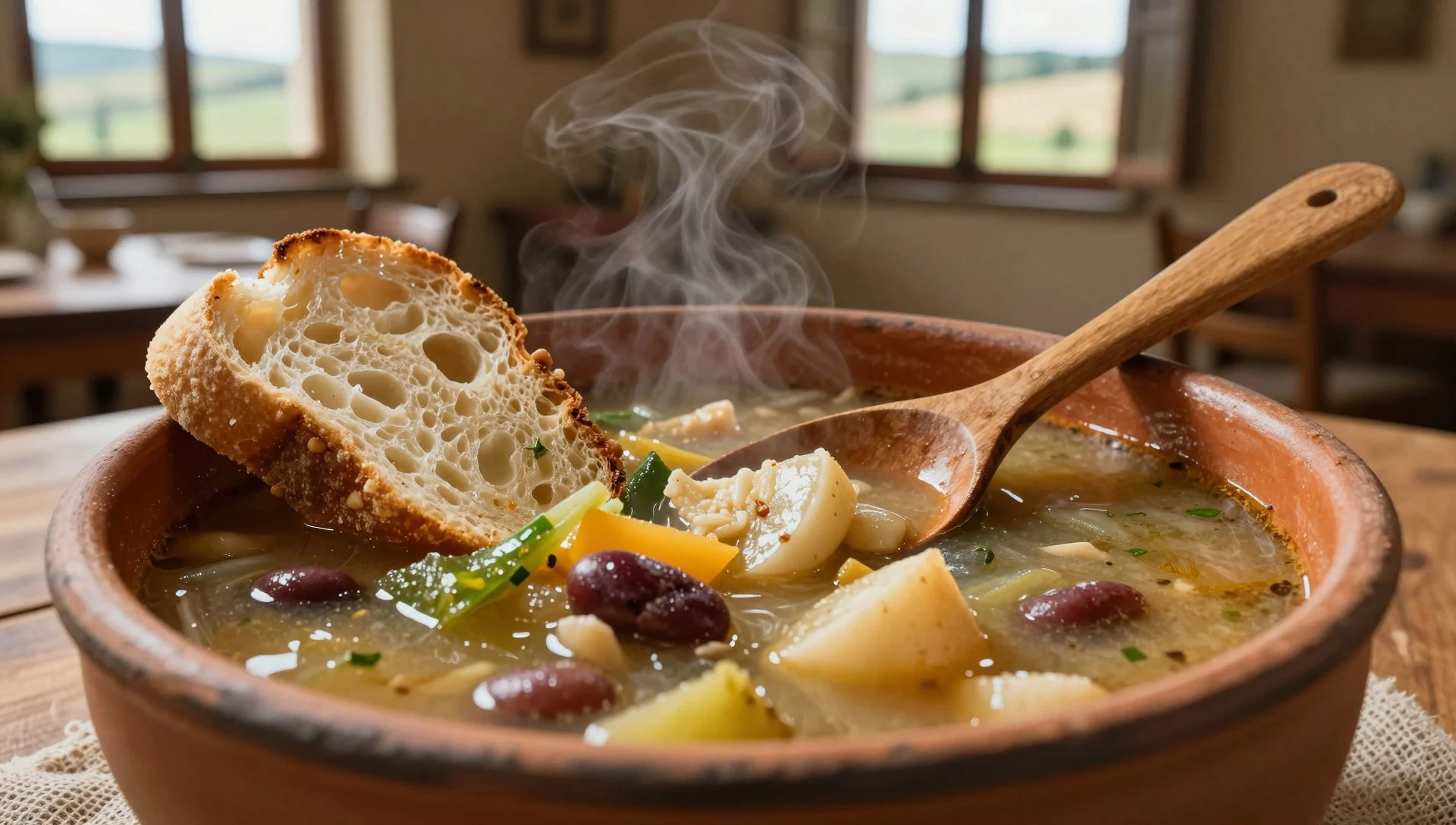
- Pici — Trattorias in Siena
Thick, hand-rolled pasta, similar to spaghetti but wider. It is usually served with a tomato and lamb sauce. The texture is soft and chewy, absorbing the sauce well. It is a regional specialty, found mainly in the area around Siena. The pasta is made fresh, often in small family-run places. It is a comforting dish, perfect for a cold day. The sauce is rich, but the pasta keeps it balanced. - Prosciutto Toscano — Delis and markets
A dry-cured ham, aged for several months. It is a delicacy, often served as a carpaccio. The meat is lean and flavourful, with a slight sweetness. It is a protected product, meaning it is only made in Tuscany. The ham is sliced thin, revealing the marbling. It is a good snack, or a starter. The taste is subtle, but the quality is high. It is a symbol of the region’s culinary heritage. - Pasta e Fagioli — Street food stalls
Pasta with beans, a simple but satisfying dish. It is often served as a soup, with the broth used to cook the pasta. The beans are soft, and the pasta is small, like ditali. It is a rustic dish, full of grain. The ingredients are basic, but the flavour is deep. It is a good choice for a light meal. The dish is warming, and it is easy to digest. It is a staple of the Tuscan diet.
Plan it
Best time. May and September for the most comfortable weather and fewer crowds, outside the heat of July and August and the wettest months, October and November.
How long. 5–7
Getting there. Fly into Florence or Pisa, then take a train or taxi to your base. Cars are useful for the countryside, but avoid the city centres due to restricted zones.
Budget. mid
Tips
- Book accommodation in advance, especially in the summer.
- Walk to see the best views, as the hills offer panoramic perspectives.
- Try the local wines, which pair well with the food.
- Use public transport in the cities to avoid parking issues.
- Carry cash for small shops and markets, as cards are not always accepted.
Etiquette
- Be quiet in the churches and museums.
- Do not feed the pigeons in the piazzas.
- Respect the local customs and dress appropriately for religious sites.
Nearby
Sources
- Wikidata Q1273 (CC0)
- Wikipedia (rev 1376167314) (CC BY-SA 4.0)
- Wikivoyage (rev 5420688) (CC BY-SA 4.0)