Turku Castle
Turku Castle, Finland
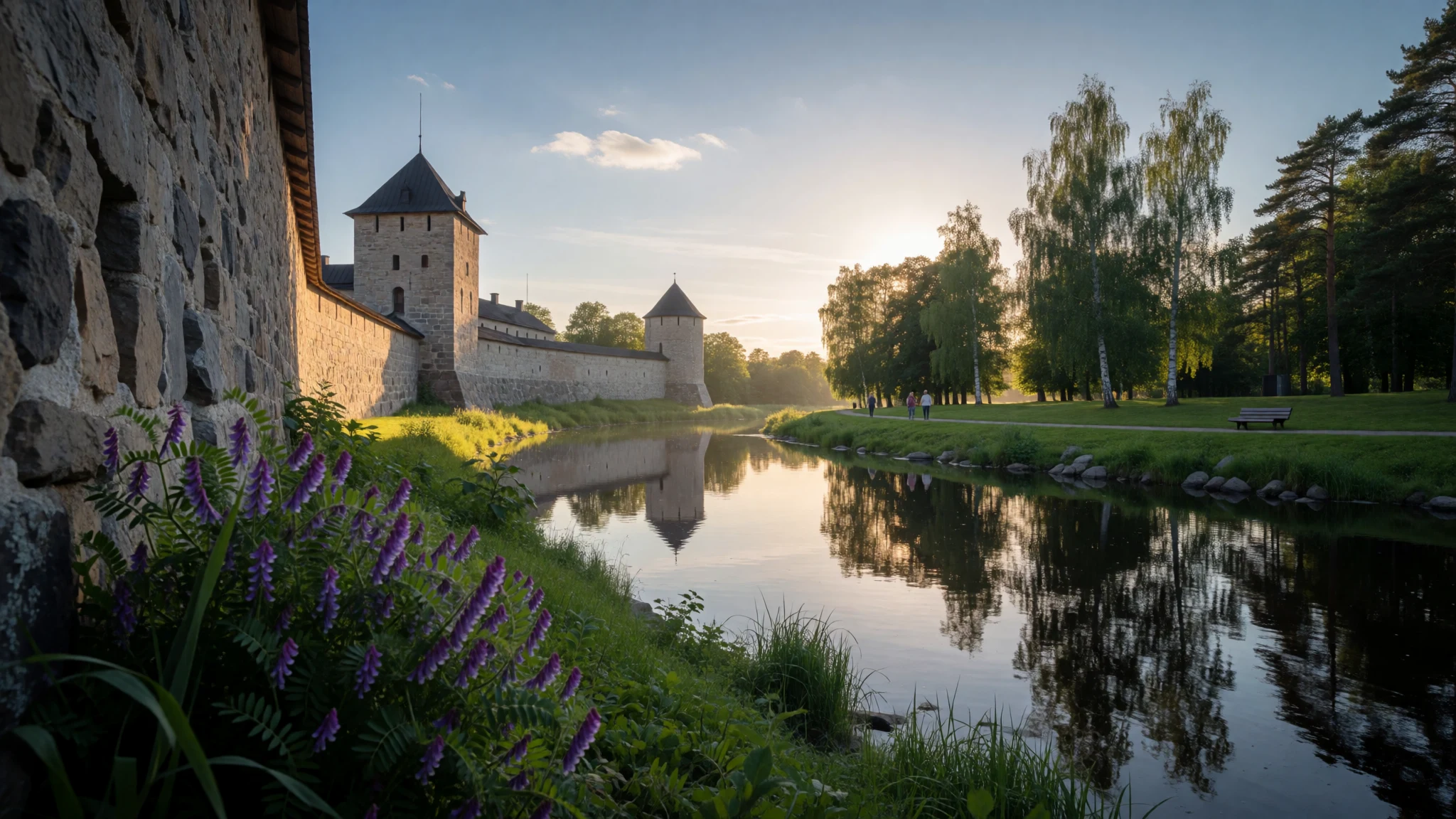
Turku Castle is a medieval stone fortress by the Aura River, with centuries of Finnish and Swedish history in its rooms.
The place
Turku Castle (Turun linna in Finnish, Åbo slott in Swedish) stands beside the Aura River where it meets the sea, on flat ground about 12 metres above sea level, at the edge of Turku's working port. Work began around 1300, and the building has been altered ever since: heavy medieval stone at the core, a Renaissance wing added later, and a courtyard tying the two together. It is both a castle and a museum, and a few rooms are still used for city functions, so it has never quite settled into being a monument. Wikipedia describes it as the largest surviving medieval building in Finland, and it draws well over a hundred thousand visitors a year. For centuries it was the seat of government for Finland under the Swedish crown, which is why many rooms feel like offices and reception halls as much as defences. The surroundings are less martial now. Ferries to Sweden and Åland leave nearby, and a flat riverside path runs towards the town centre. Inside, the layout is a tangle of stairs, vaulted halls and narrow passages, so half a day goes quickly if the exhibitions are read properly. Summer brings the long Nordic daylight and the biggest crowds; winter is quiet, dark and cold, and the thick walls hold that chill. Turku Castle rewards slow visiting more than a quick tick-box.
Its story
Turku Castle began as a Swedish military outpost, built to hold the region the Swedes then called Österland, which is now Finland. Over the next two centuries the defences were strengthened and living quarters were added, and the fortress doubled as the Crown's administrative centre in the east. Its history was not orderly: it was pulled into the power struggles of the Kalmar Union, withstood sieges, and saw fighting outside its walls. Around the turn of the fifteenth century the Victual Brothers, a band of privateers drifting into piracy, may have used it as a base, apparently with the blessing of its commander, Knut Bosson Grip, amid trade politics across the Baltic. The grandest chapter came in the sixteenth century. After Gustav Vasa took the Swedish throne, his son John became duke of Finland and ran the province from here, with his wife Catherine Jagellon. The castle was enlarged and made more comfortable, and a tower was added at the south-east corner; after that, almost all work has been repair and reconstruction rather than new building. The decline was gradual. Once Per Brahe's time as governor-general ended in the seventeenth century, the castle lost its role as an administrative hub. What remains is a solid record of how Finland was governed in the Swedish era, set in stone, brick and later restoration.
What to see
- Turku Castle courtyard and state rooms — Turku Castle, port area
Turku Castle's inner courtyard is where the medieval core meets the later Renaissance wing, so the building's growth is easy to read in the stonework. Rooms off it include the Southern Hall and a space with a carved pulpit. The displays cover court life and the castle's long role in running Finland.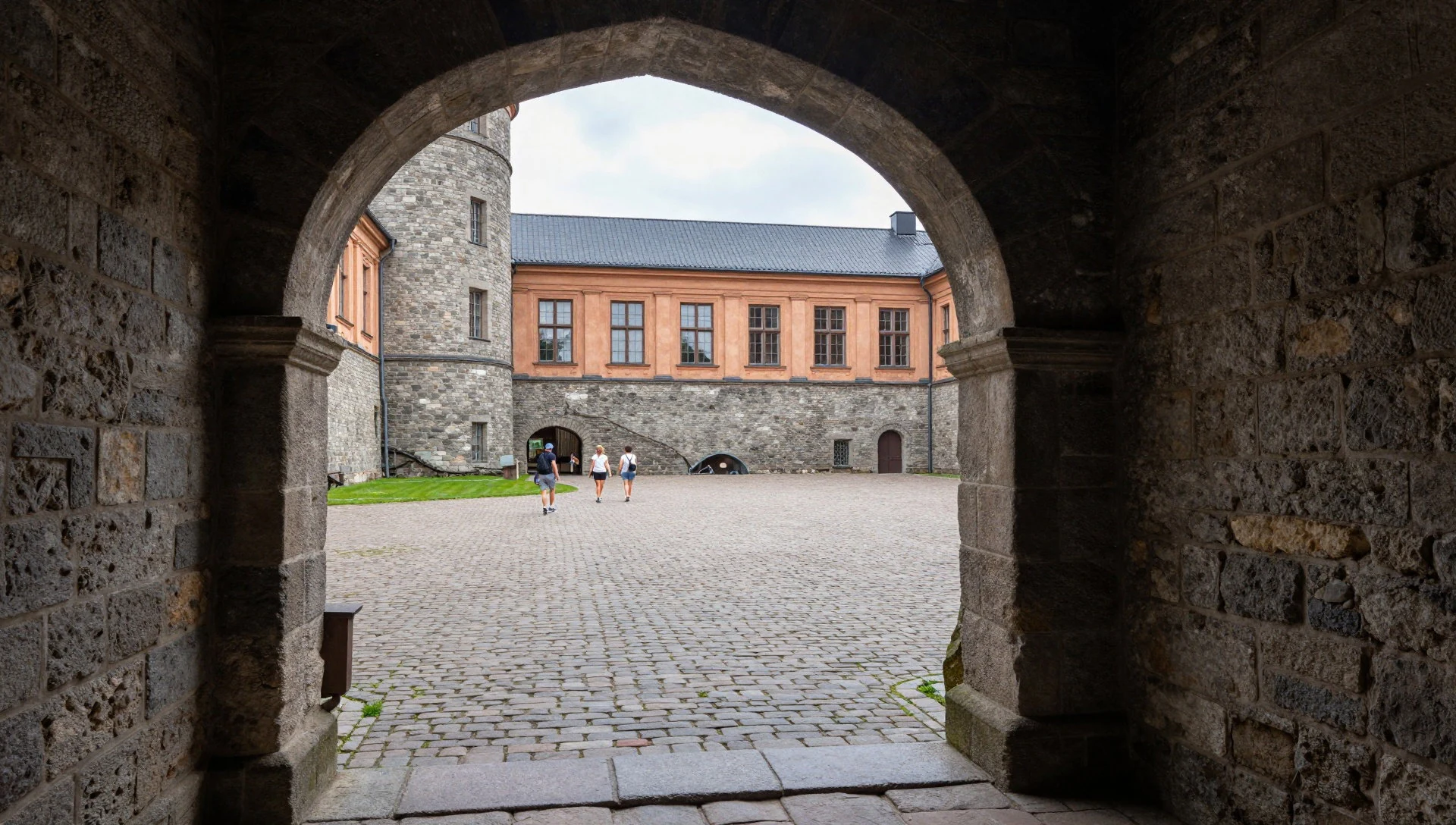
- Aboa Vetus & Ars Nova — Central Turku, by the river
Aboa Vetus & Ars Nova pairs an archaeology museum with a modern art gallery in the centre of Turku. The archaeology side tells the story of the town's past and works well with children, while the art side offers a change of tone. Useful on a wet or very cold day.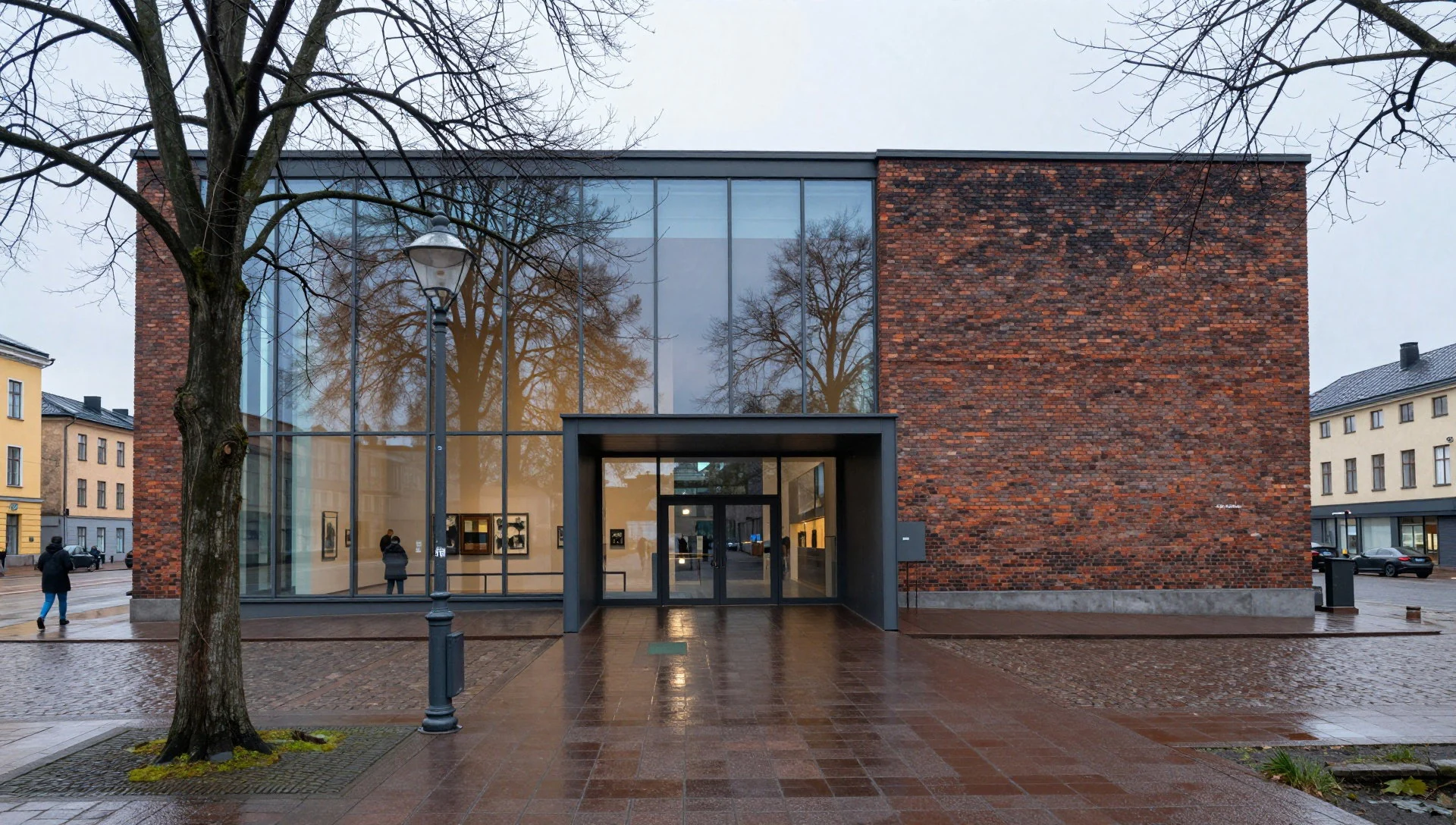
- Biological Museum — Western side of central Turku
The Biological Museum occupies a wooden Art Nouveau building and shows Finnish wildlife in thirteen painted dioramas, running from the archipelago to the northern fells. It is old-fashioned in the best way, and a good short stop for anyone curious about the landscapes beyond the city.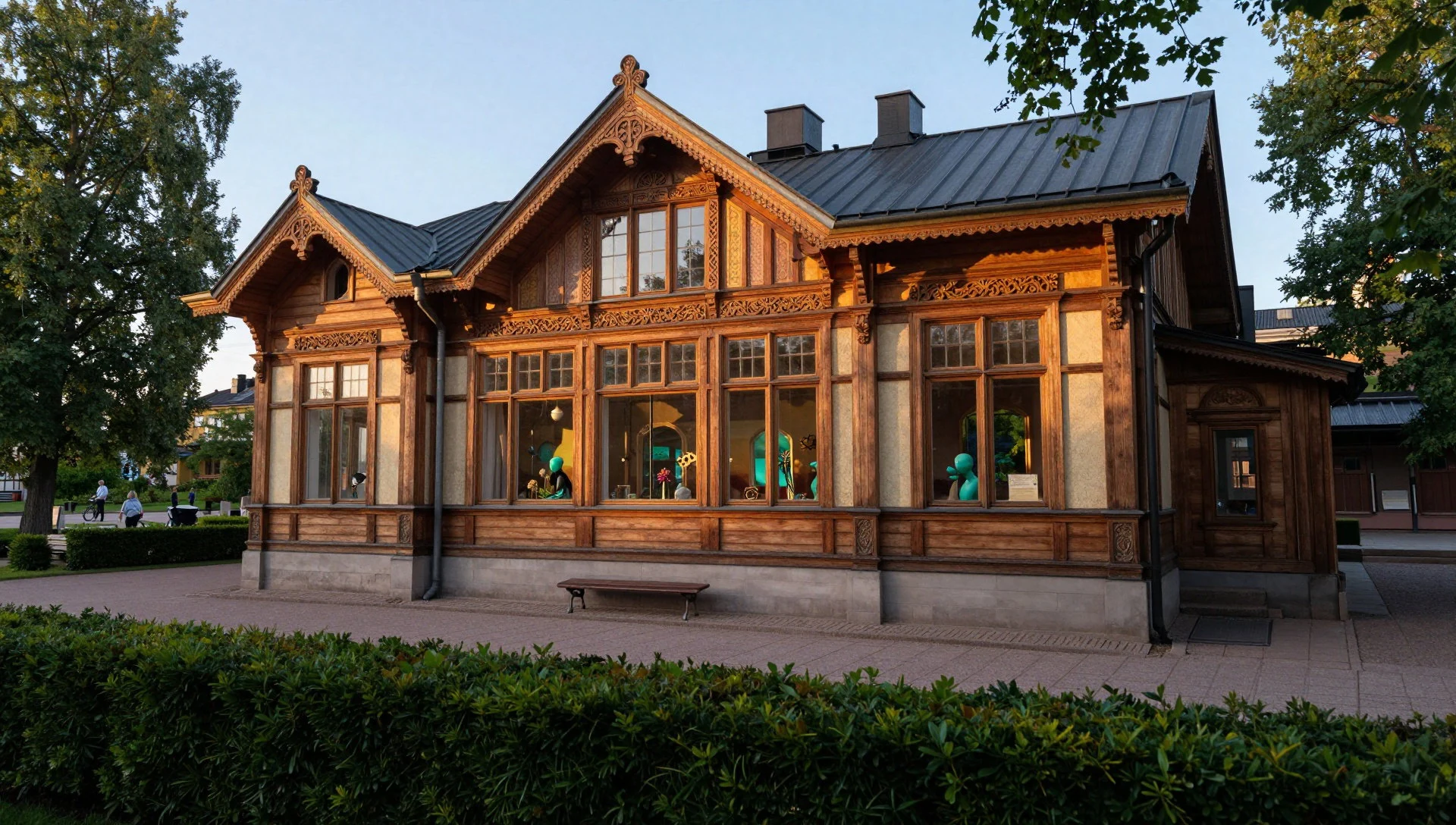
- Turku University Botanical Garden — Ruissalo island, west of the centre
The Botanical Garden on the island of Ruissalo is a research site that is also open to the public as a plant showcase. It suits a slow summer afternoon, and Ruissalo's seaside woods and paths make the trip from the centre feel like a proper escape.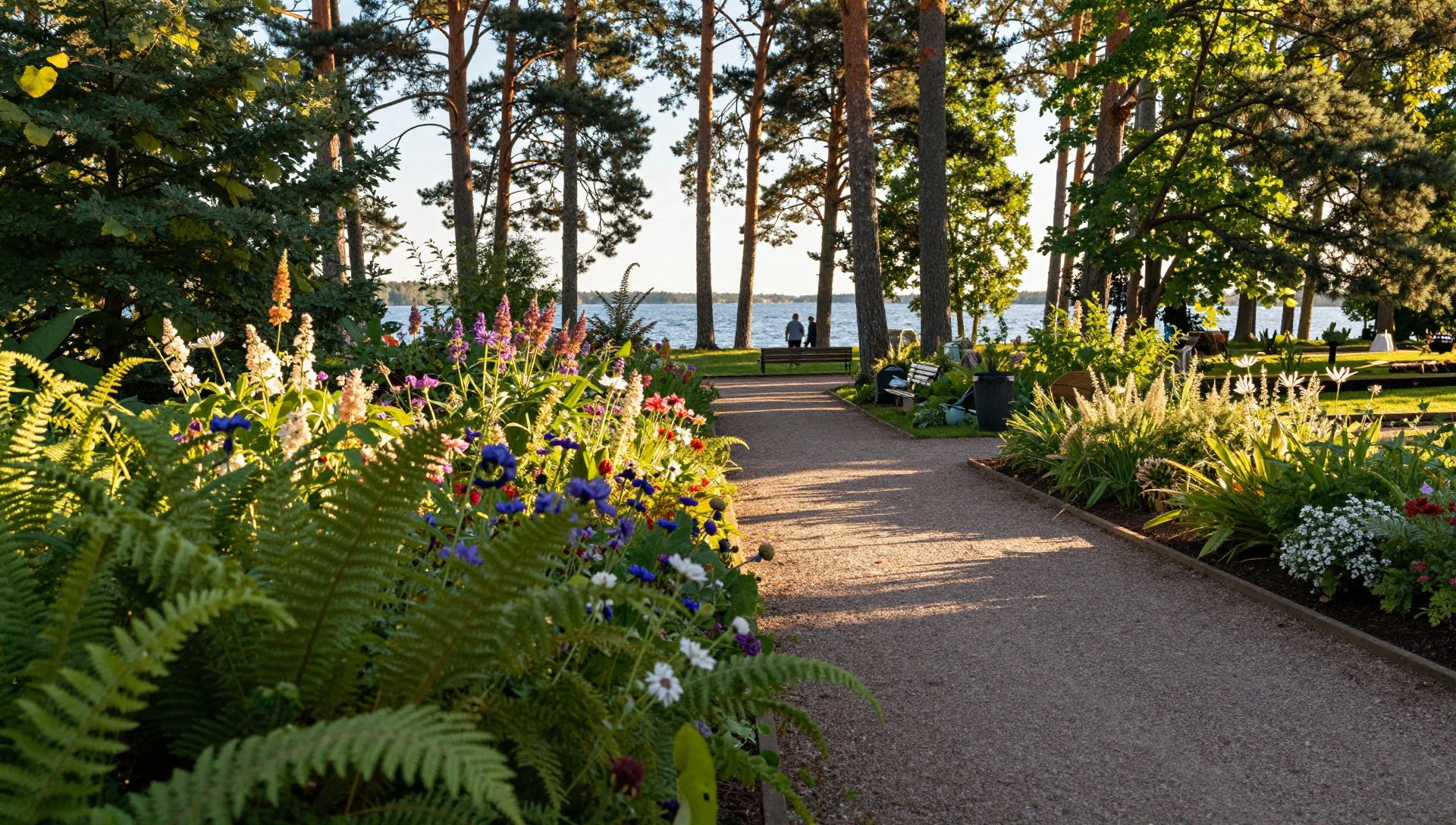
- Ett Hem — Eastern side of central Turku
Ett Hem is a nineteenth-century house left by Alfred and Hélène Jacobsson to Åbo Akademi, the Swedish-language university in Turku, and now run as a museum. It suits a visitor who wants domestic detail after the castle's grand halls: rooms kept as a home rather than a display case.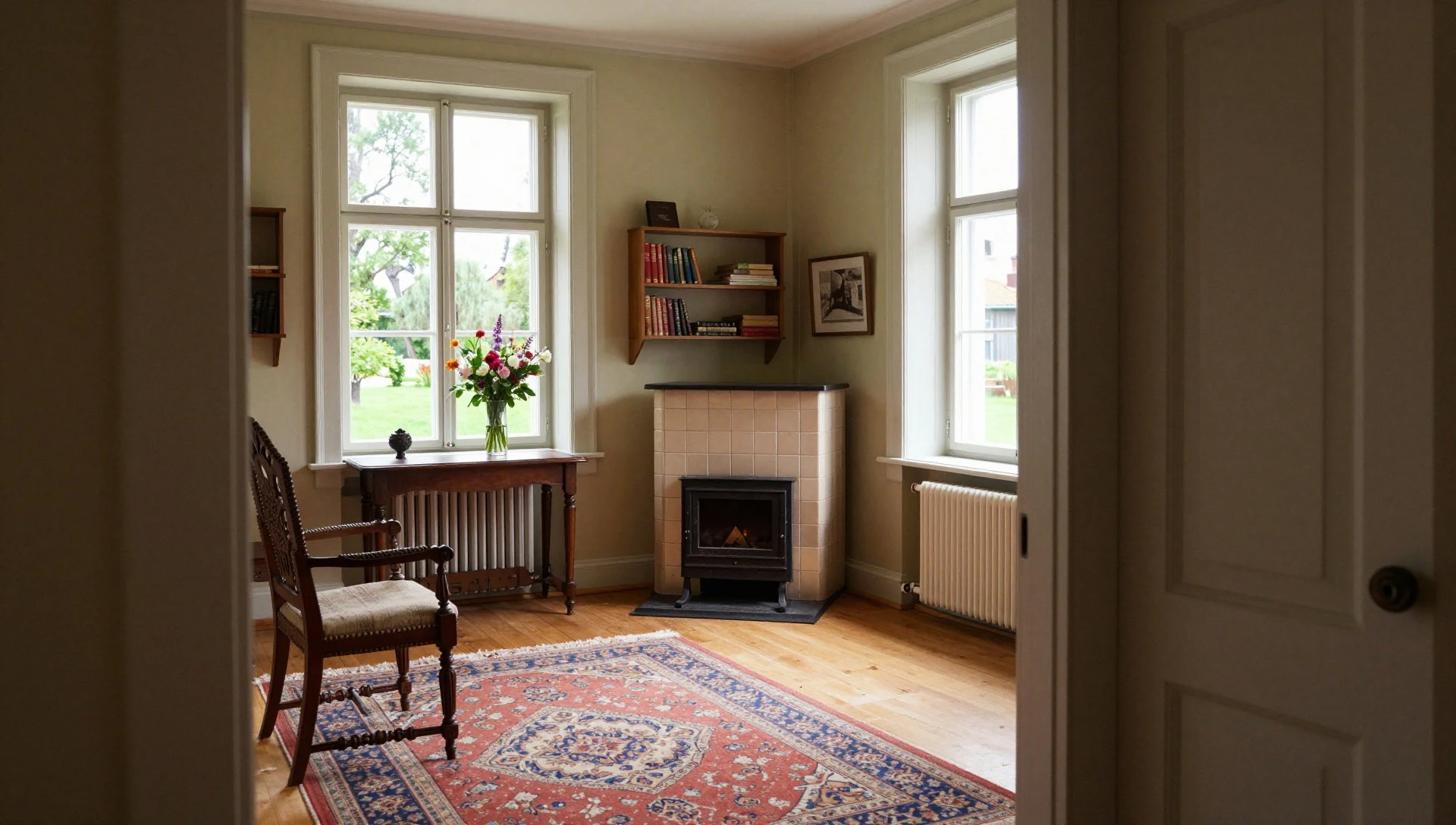
- Brinkhall Manor — Kakskerta island, south of Turku
Brinkhall Manor, on the island of Kakskerta south of the centre, goes back to the sixteenth century. It is a cluster of about twenty buildings set in parkland, gardens, fields and forest by the sea. A half-day outing for countryside after the town; check the official listing before going.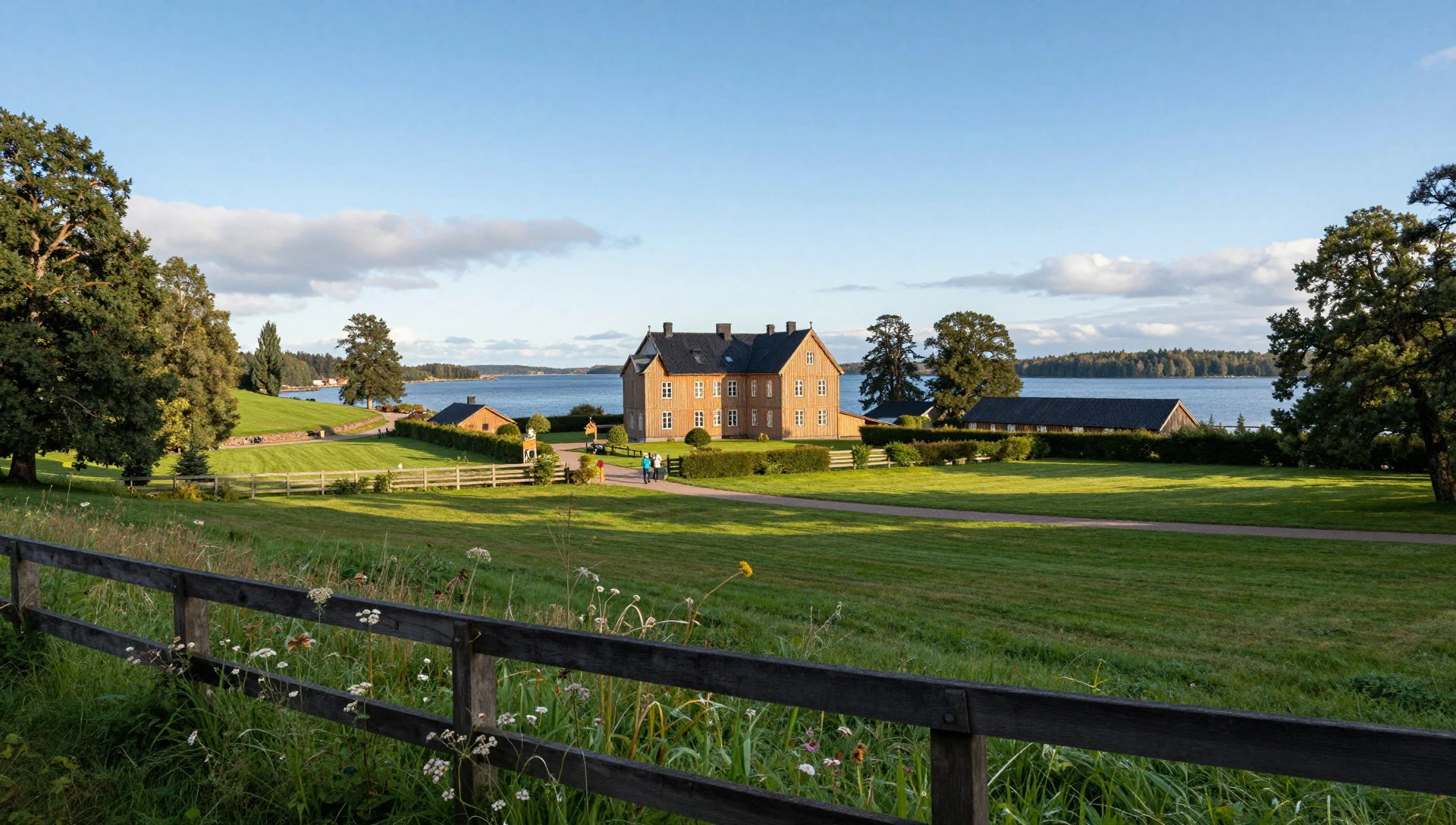
Culture
Turku Castle sits in a city that has been bilingual for centuries, and Finnish and Swedish names appear side by side on signs, as Turun linna and Åbo slott do here. Everyday manners in Finland are quiet and practical. Personal space matters, conversation is unhurried, and silence is not awkward. Queuing is taken seriously: Finns do not jump queues, and in many places a numbered ticket from a machine decides the order, so it is worth checking before standing in a line that is not one. The riverside paths near the castle are shared by walkers and cyclists, with marked cycleways that sometimes run right beside the pavement, so it is easy to wander into one without noticing. Cyclists in turn are expected to slow down near children, dogs and unsteady walkers. Seagulls around the port and town centre are bold and will take an ice cream or sandwich straight from a hand; feeding them is officially discouraged in many areas, which only makes the problem worse. Parts of the castle are still working municipal spaces, so a low, respectful voice is the norm indoors. Keep out of the marked cycle lanes on the riverside path, and do not feed the gulls, however hard they beg.
What to wear
Finland's traditional dress is the kansallispuku, a family of regional costumes made mostly from wool and linen, with silk ribbons, embroidery, silver brooches and bodices or aprons that vary by parish. Turku and the south-west have their own versions. They are worn today for weddings, folk dances, national celebrations and Midsummer events rather than daily. Everyday clothing in Turku is plain and practical: dark or muted layers, wool knitwear, windproof jackets and sturdy shoes, with the care going into cut and quality rather than loud colour. Sportswear and outdoor gear are fine almost anywhere, including cafés. For a visit to Turku Castle, comfort comes first. The stone halls stay cool even in summer, so a warm layer is sensible, and a rain shell is useful in any month. Shoes need grip for worn steps, courtyard cobbles and uneven floors; heels and thin soles are poor choices. Winter needs a proper coat, hat, gloves and boots with tread, since the riverside path can be icy and the wind off the water cuts. There is no strict dress code for the castle, and modesty norms are relaxed, though covered shoulders are a sensible habit if a church visit is added.
What to eat
- Korvapuusti — Bakery cafés in the centre and near the castle
A cardamom-scented cinnamon bun, soft and slightly sticky, and the standard companion to a coffee. It is the pastry most Finns reach for first, and it is best eaten fresh from the tray rather than after sitting in a display case.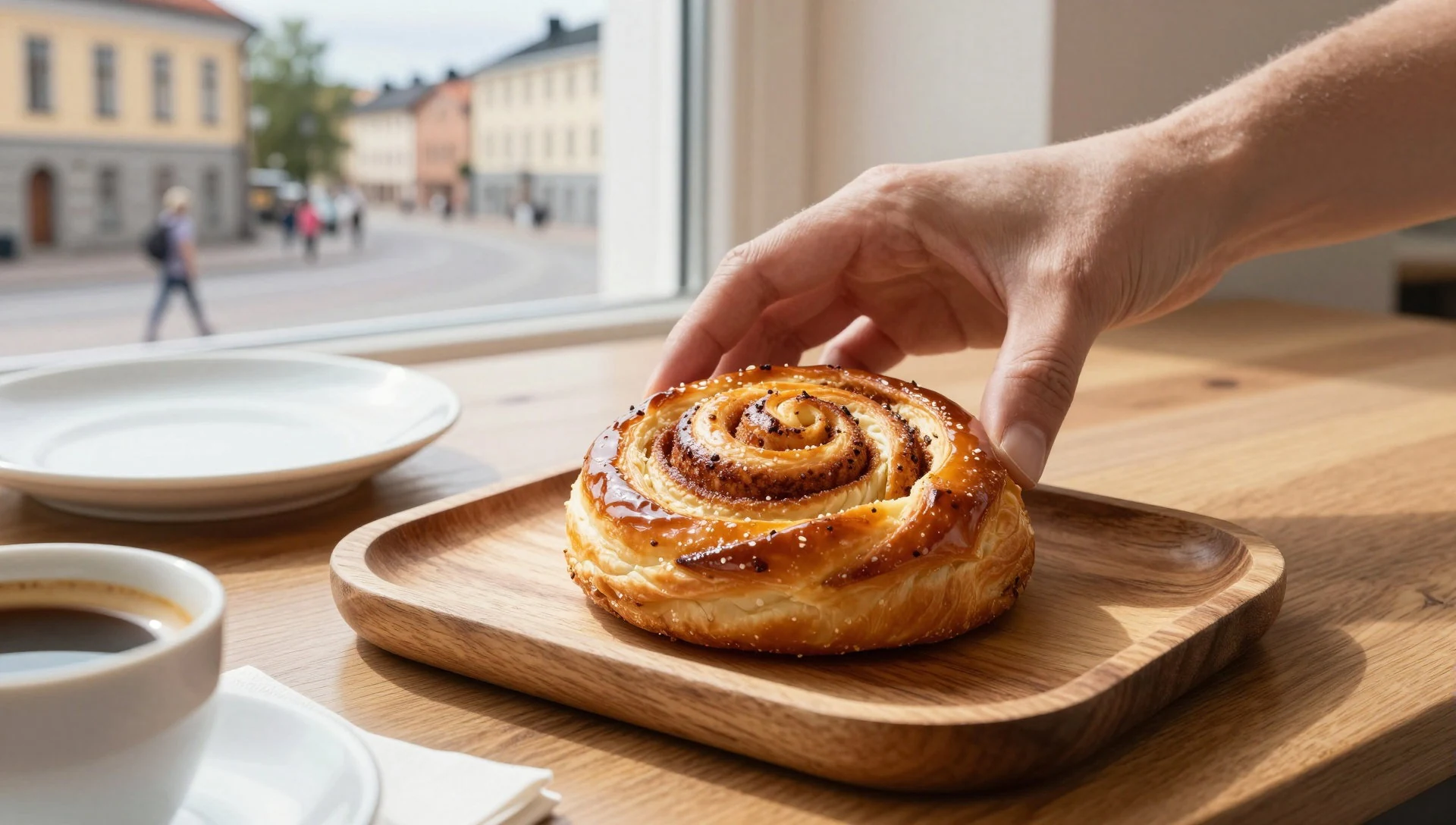
- Karjalanpiirakka — Café counters and Karelian-style cabin eateries, including Ruissalo island
A Karelian pie: a thin rye crust folded around rice porridge, usually eaten warm with egg butter on top. Plain, filling and cheap by Finnish standards, it makes a good light lunch before the castle.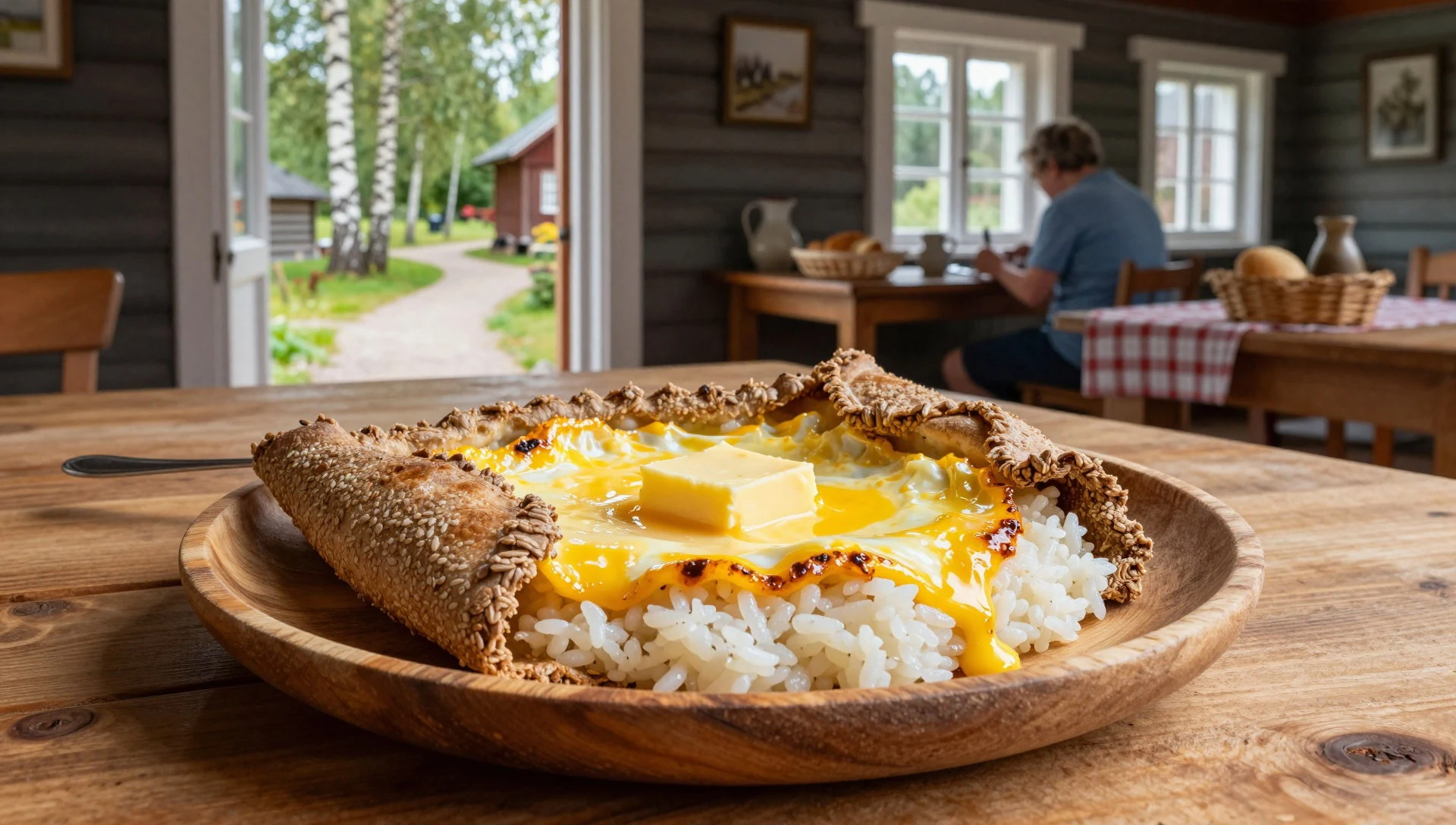
- Lohikeitto — Weekday lunch restaurants and student restaurants in the university area behind the cathedral
Salmon soup with potato, leeks or onion and cream, often served with rye bread. It is the dish to order on a cold day, and it appears on many weekday lunch menus in a home-cooking style. - Voileipäkakku — Bakery cafés with weekend brunch
A sandwich cake: layers of soft bread bound with creamy fillings such as shrimp, ham or cucumber, and decorated like a dessert. It is a Finnish party staple and turns up at weekend brunch counters. - Silakka — The market hall and harbour-side stalls in the warmer months
Baltic herring, fried, pickled or smoked, and a plain taste of the nearby sea. It is simple, salty and best with new potatoes in summer, when the harbour comes alive.
Plan it
Best time. June to August for long daylight and the mildest weather; May and September are quieter and cooler. Winter is cold and dark, and the stone interiors hold the chill, so check the official site for seasonal arrangements.
How long. 1–2
Getting there. Turku Airport (TKU) has regular flights from Stockholm, Copenhagen and Mariehamn, among others. Bus line 1 runs every 20 minutes from the airport via the centre to the Port of Turku, which is close to the castle. Ferries arrive from Åland and Sweden, and rail and road link Turku with the rest of Finland.
Budget. mid
Tips
- Check the official site (https://www.turku.fi/turunlinna) for opening times, tickets and any guided tours before travelling
- Go early in summer, when daylight is long but the castle gets busiest later in the day
- Bring a warm layer even in July, as the stone halls stay cool
- Contactless cards work on the airport bus; carry a little cash as a back-up
Etiquette
- Do not jump queues; if unsure whether a line is real, ask
- Keep out of marked cycle lanes on the riverside path
- Do not feed gulls or pigeons
Nearby
Sources
- Wikidata Q136893 (CC0)
- Wikipedia: Turku Castle (rev 1345451415) (CC BY-SA 4.0)
- Wikivoyage: Turku (rev 5427083) (CC BY-SA 4.0)
- Photo: Turku Castle, Turku, Finland (Christian David) (CC BY-SA 4.0)
- Photo: Turkucastle edit (Otto Jula) (CC BY 3.0)
- Photo: Castle of Turku, courtyard renaissance part (raisin bun) (CC BY-SA 2.0)
- Photo: Castle of Turku, larger room (raisin bun) (CC BY-SA 2.0)
- Photo: Åbo Slott, lithograph (Johan Knutson) (CC0 1.0)
- Photo: Pulpit, Turunlinna (Daniel Stone) (CC BY-SA 2.0)
- Photo: Åbo slott 1900 (unknown author) (Public domain)
- Photo: Turku castle inside 3 (Henri Sivonen) (CC BY 2.5)


