Tubbataha Reef
Tubbataha Reef, Philippines
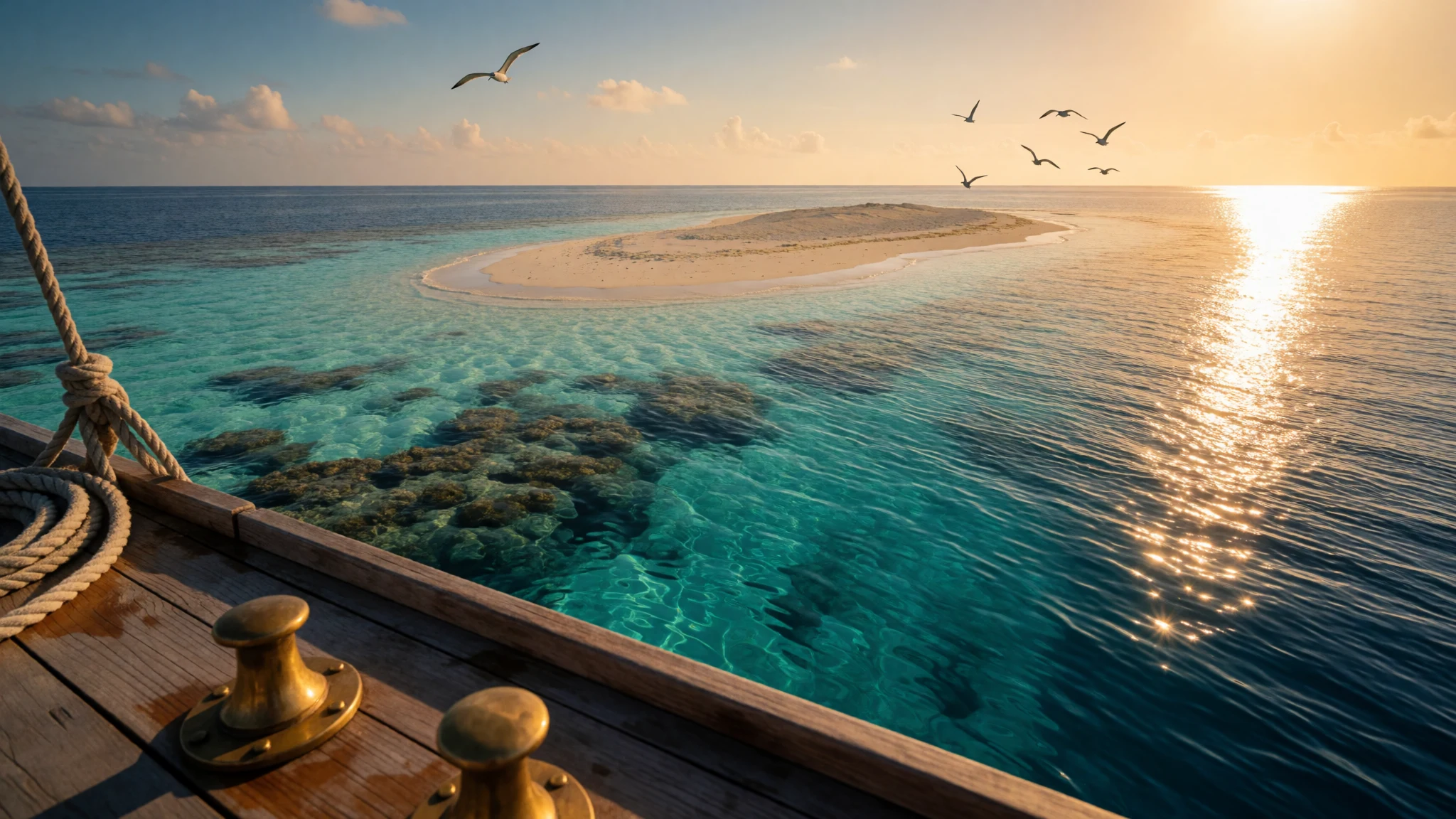
Tubbataha Reef is a remote marine sanctuary where clear water, healthy coral, and big-life encounters make scuba feel effortless.
The place
Tubbataha Reef (Tubbataha Reefs Natural Park) sits in the middle of the Sulu Sea, far from land, so the journey is part of the experience. The park is made up of two large atolls—North Atoll and South Atoll—plus the smaller Jessie Beazley Reef. It’s a protected area managed as a natural park, and visitors typically reach it only by boat rather than from any nearby resort. The practical upside is that the reefs stay remarkably intact; the downside is that this isn’t a place you can “drop into” casually.
What people come for is the structure: atolls surrounded by lagoons and coral islands, with reef walls that drop down sharply. That steep underwater geometry helps explain why sightings can feel so immediate once you’re on the right dive. On the surface, you’re dealing with open water and island logistics; underwater, you’re in a system that supports reef fish, sharks, and sea turtles alongside nesting birds on the islets.
The island side is also important for understanding the rules of the place. Some visitors are simply snorkelling or filming, but many arrive as divers on liveaboard boats because there’s nowhere to stay on land. The park’s isolation has helped protect wildlife, but the same isolation means there’s limited capacity—so planning and timing matter.
If you’re hoping for a “beach holiday”, Tubbataha is the wrong vibe. If you’re happy living on a boat for a few days with kit, briefings, and saltwater swims, it’s one of the Philippines’ most focused wildlife destinations.
Its story
Tubbataha’s story begins with movement. Sama–Bajau communities historically visited the reef at intervals, using the local vessel “banka” and sailing and fishing on “Gusong” (their name for Tubbataha). The word “tubbataha” itself is described as a combination meaning “a long reef exposed at low tide”, which hints at how closely people read the shoreline and the sea conditions.
That human relationship changed as fishing pressure increased. As motorised bangkas became common, more fishermen were able to reach the reef, and decline elsewhere pushed people towards Tubbataha. The danger wasn’t only more boats—it was destructive methods such as cyanide and dynamite fishing, which can damage coral and disrupt breeding and feeding cycles.
Protection efforts gathered momentum through divers and environmentalists who campaigned for a national marine park. The wider political story is that the reef became part of official conservation through presidential proclamation, and the protected area was later enlarged to include the Jessie Beazley Reef. Park management also evolved from early, simple rangers’ accommodation to more stable facilities, reflecting how serious enforcement had to become.
Even today, Tubbataha’s isolation is a key character. The two islets have no source of freshwater, so they don’t support permanent habitation, and the reef’s distance from population centres reduced easy access for everyday fishing. For visitors, that translates to a straightforward but strict reality: the underwater world is the headline, and the rules are there to keep it that way.
What to see
- North Atoll — North Atoll
North Atoll is the big reef framework where diving often focuses on reef walls, lagoons, and coral-rich zones. Expect to read the shape of the underwater landscape as you move between depths, with plenty of fish life close to the structures.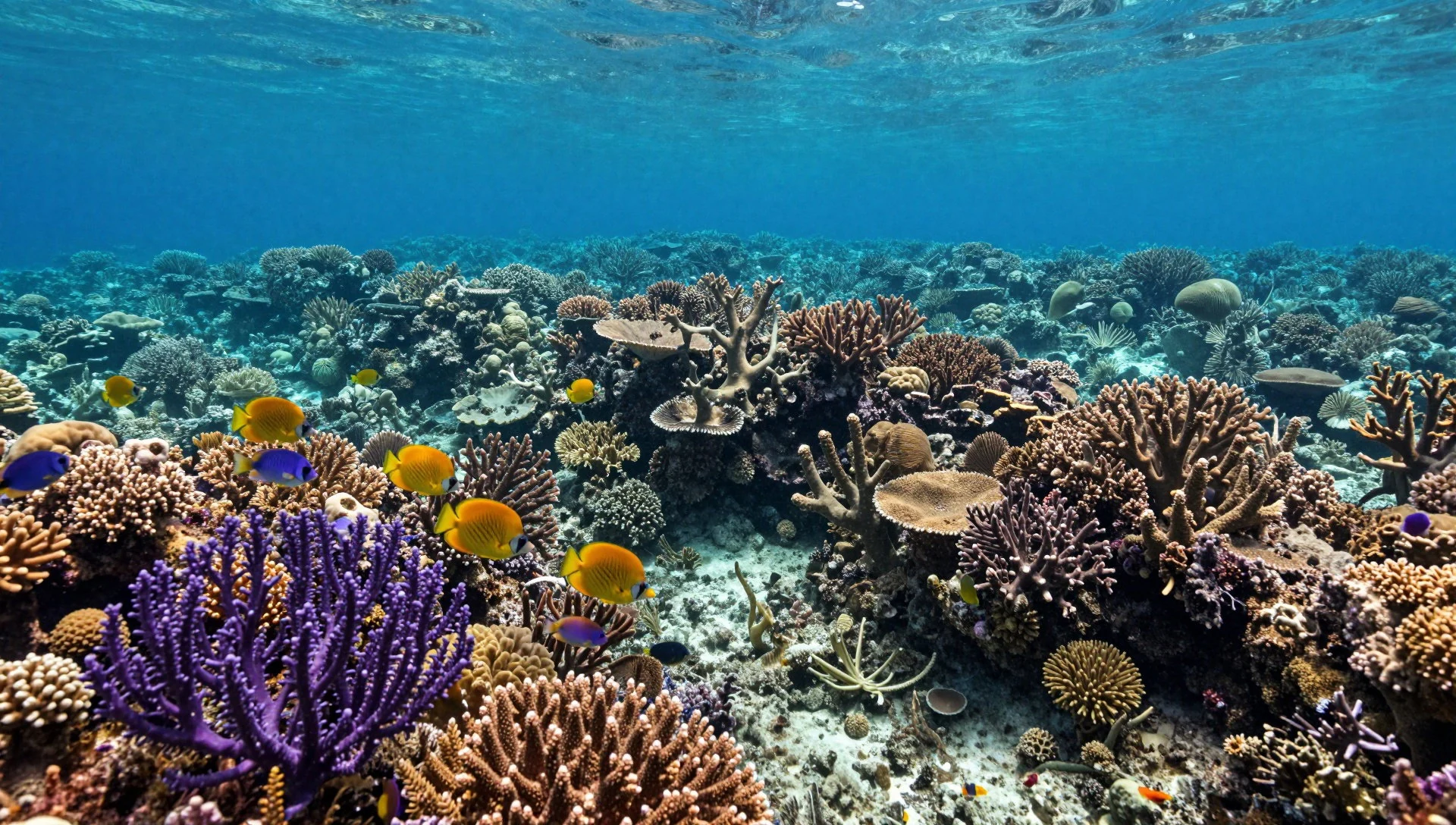
- South Atoll — South Atoll
South Atoll complements the North with its own mix of reef habitats around the atoll system. Many visitors describe the experience as moving between sheltered lagoon conditions and more exposed reef edges, depending on the dive plan set onboard.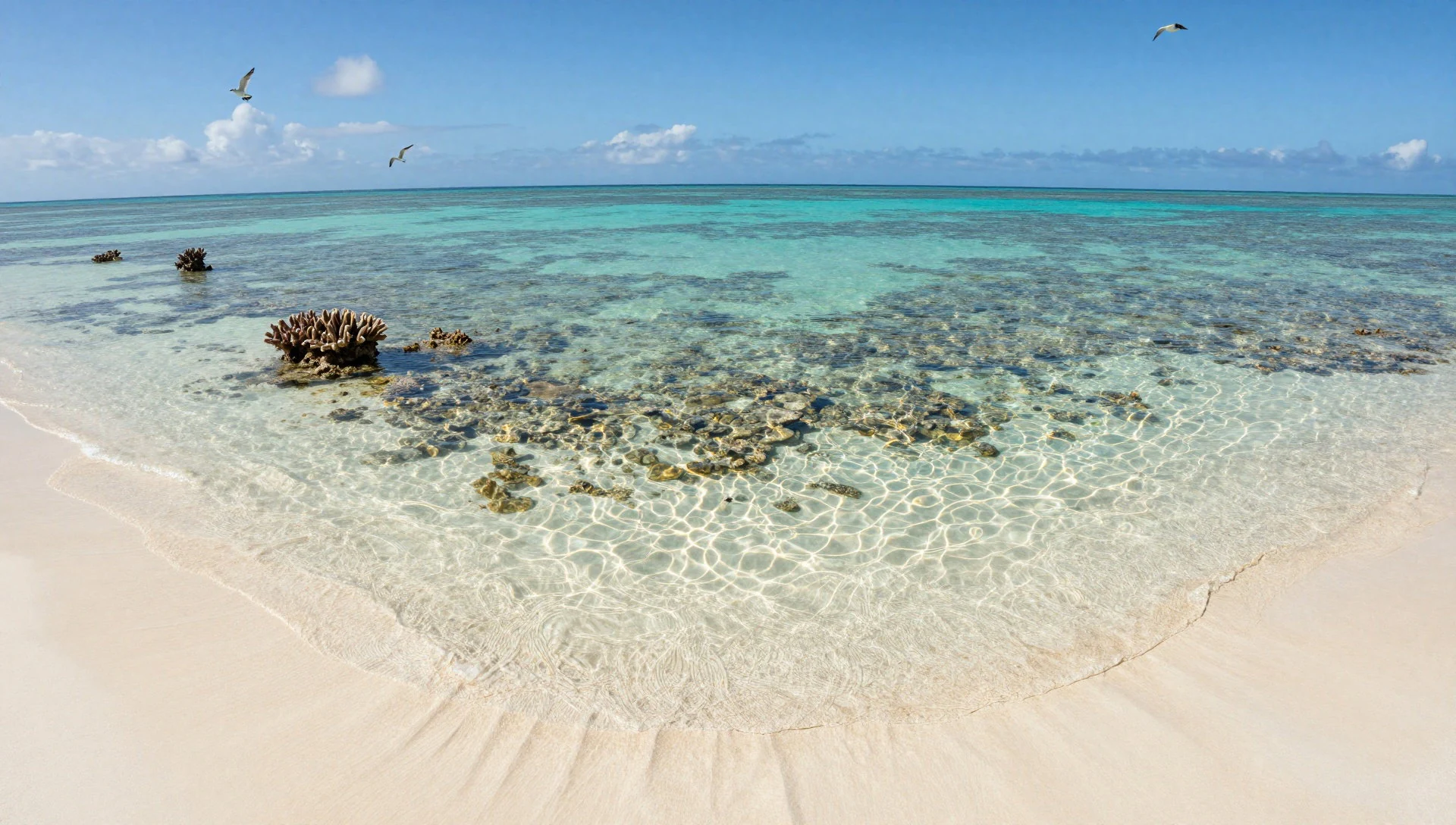
- Jessie Beazley Reef — Jessie Beazley Reef
Jessie Beazley Reef is the smaller third component of the protected area, located separately from the two main atolls. It’s a useful reminder that Tubbataha is more than one spot: it’s a network of reefs and shallow areas that together support wildlife.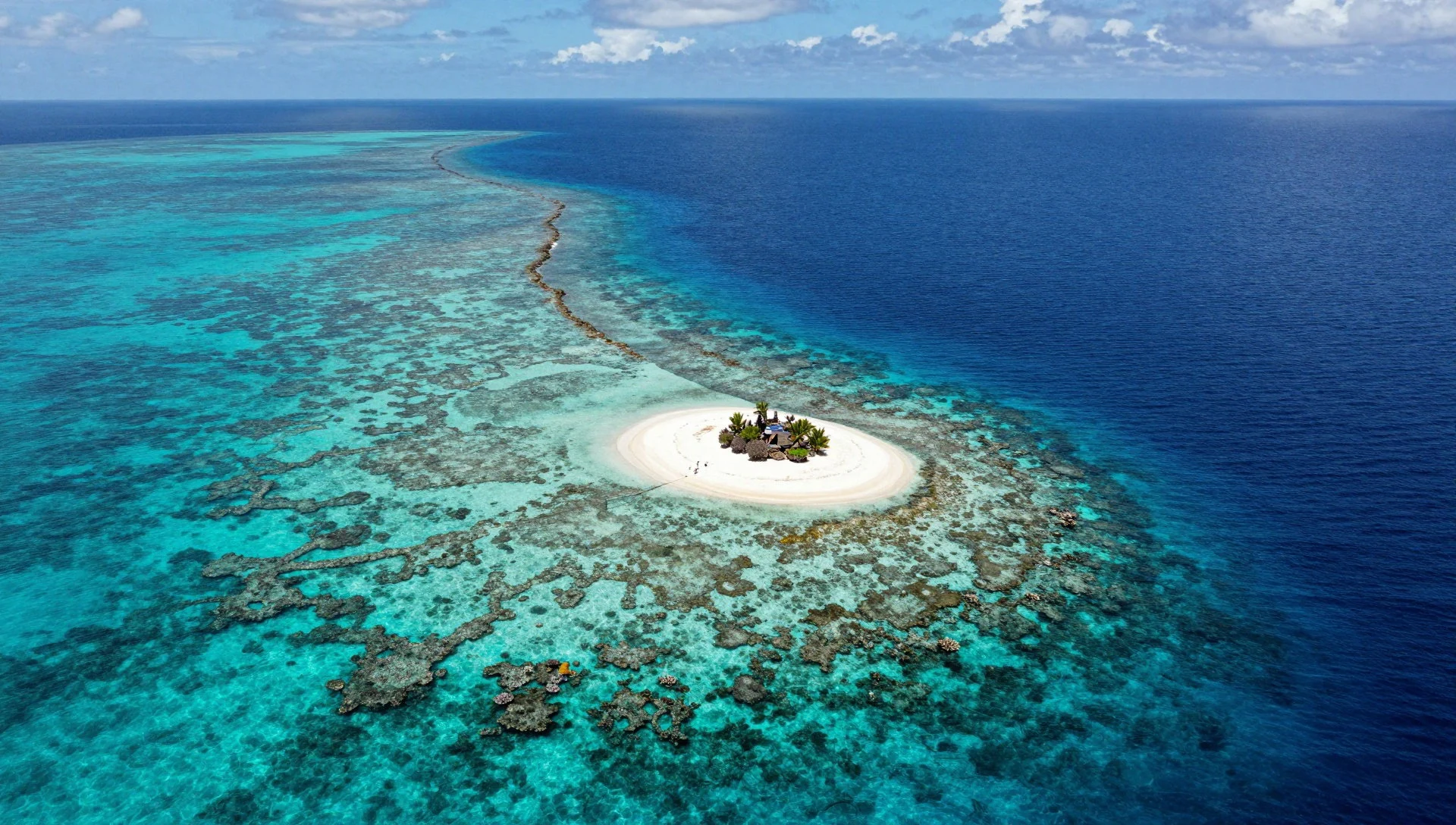
- Coral wall drop-offs and lagoons — Between atolls and lagoon edges
Tubbataha is known for steep coral reef walls and extensive lagoons. Those vertical changes can bring you from big open-water visibility down into close, structured coral gardens where small fish and larger pelagic life appear in the same field of view.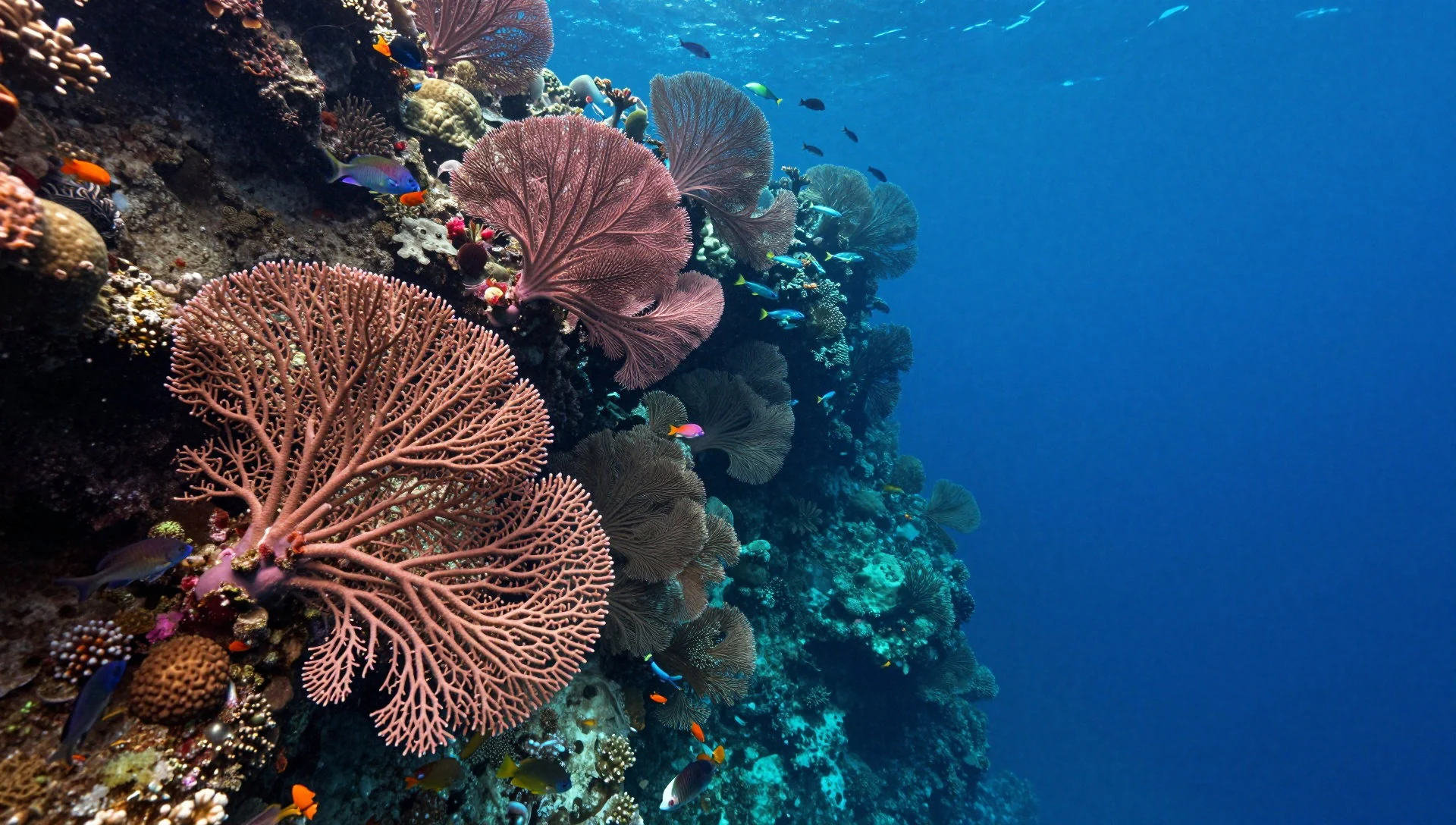
- Marine wildlife encounters — Around the atolls’ reef structures
Tubbataha Reef is a sanctuary for marine species, including sharks, dolphins and whales, and sea turtles. With the right dive conditions, you can watch turtles glide over coral and see reef fish and larger animals use the same routes around the reef structures.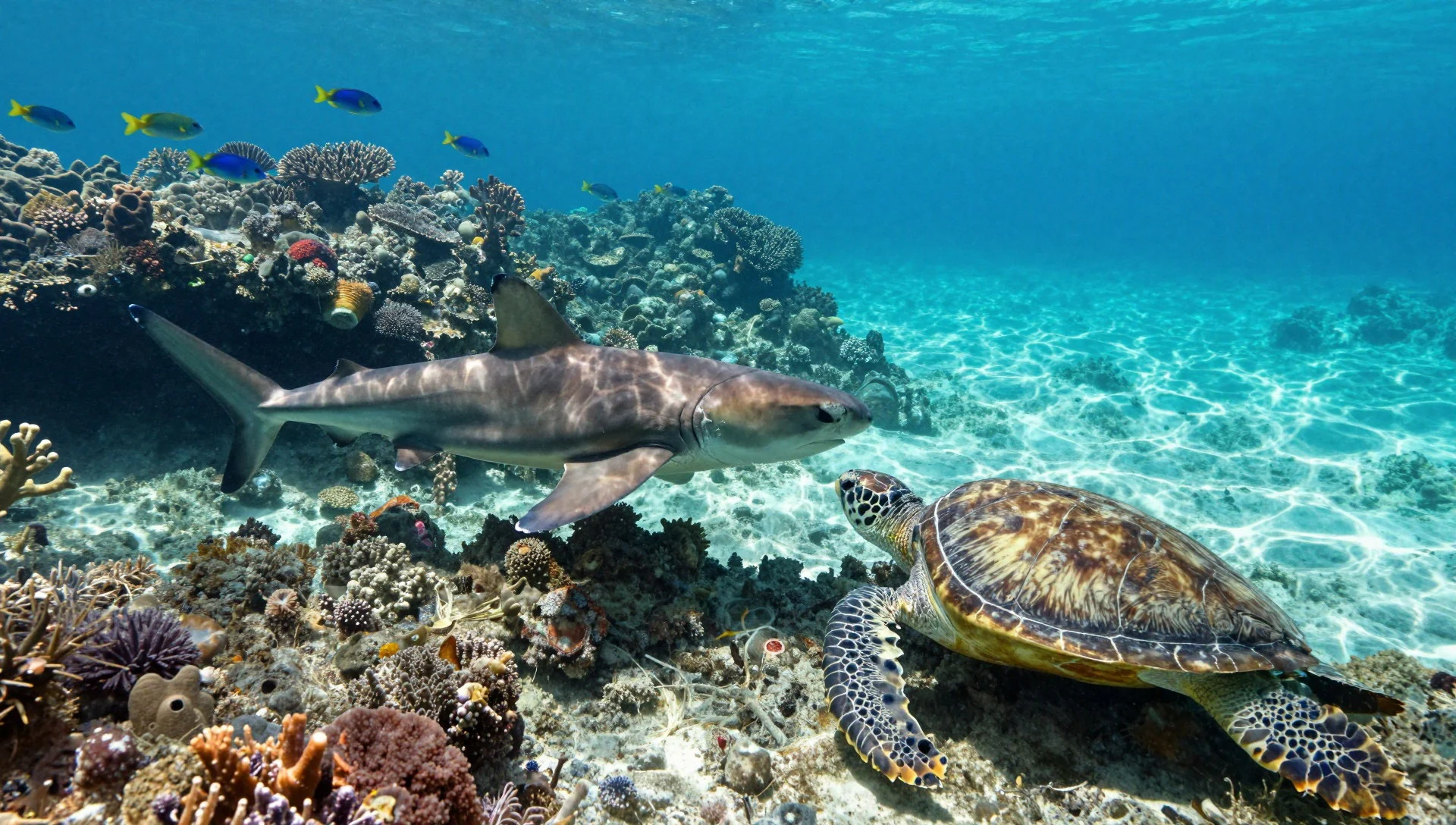
Culture
Tubbataha Reef runs on guidelines rather than wandering. The park is managed by the Tubbataha Management Office, and visitors are expected to follow a set of rules designed to minimise impact on coral and to keep people safe on open water. That includes how divers handle equipment, how close they move to wildlife, and how they behave around ranger areas on the islets.
A big part of the “culture” here is conservation thinking. The reef’s reputation is built on long-term protection of an isolated system in the Sulu Sea, and the park’s biodiversity is fragile—so the best way to respect the place is to act like it matters underwater, not just on the boat deck.
Crowds are a real consideration, because liveaboard slots are limited and places tend to sell out around peak windows. The upside is that most visitors share the same mindset: take the briefings seriously, keep buoyancy controlled, and treat coral like it’s glass.
Visitor etiquette: Follow the park and dive guidelines at all times, keep off the coral with your hands and fins, and stay within the areas your crew tells you are safe.
What to wear
There isn’t a “local outfit” to dress up in at Tubbataha—this is an on-water trip where practical clothing matters. Traditional dress in the Philippines isn’t the point here; you’ll mostly be wearing what works for sun, salt air, and getting in and out of water.
What people actually wear onboard is a mix of functional swimwear and quick-dry layers: rash guards or swim tops for sun protection, lightweight shorts or boardshorts, and a long-sleeve layer or light jacket for evenings when sea air cools things down. For downtime on deck, people often add a cap, sunglasses and reef-safe sunscreen. Footwear tends to be sandals or flip-flops for movement around the boat, plus closed-toe options when the deck is wet or equipment is being moved.
What a visitor should wear: bring a rash guard, a hat with good coverage, and swimwear you’re happy to rinse and reuse. Pack a thin, breathable layer for wind, and choose footwear with grip for boarding and unloading. If you’re diving, your kit will dictate comfort—just make sure your non-diving clothes dry quickly so you’re not shivering in damp gear.
What to eat
- Boat meals with staples — On the liveaboard boat, during the trip
On liveaboard trips to Tubbataha, meals are typically simple and repeatable: rice and filling mains meant for long days on the water and after dives.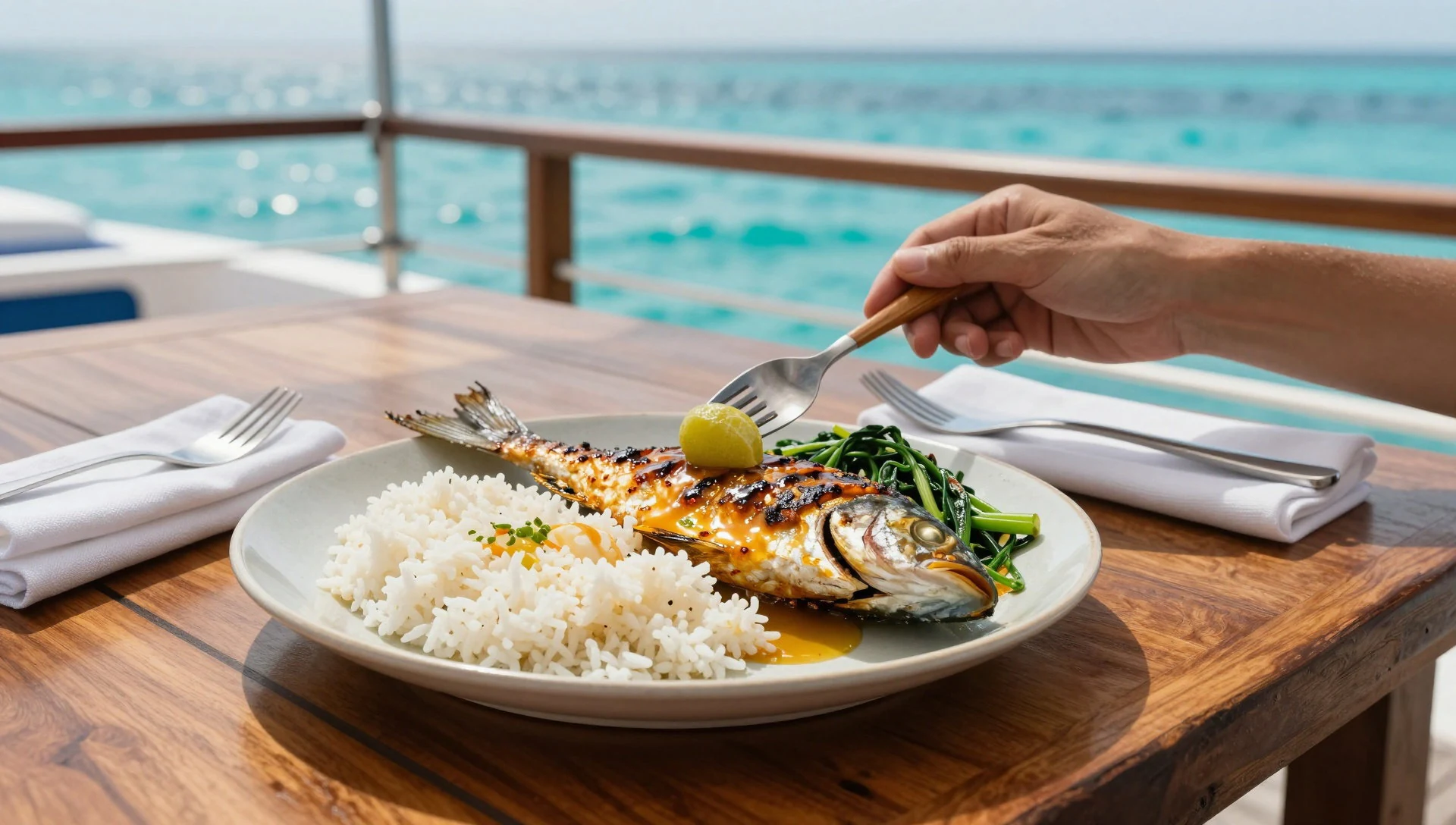
- Fresh fruit and snacks — Common areas onboard, around meal times
With sea days and saltwater thirst, you’ll usually find fruit and snackable items available around meal breaks to keep energy steady between dives.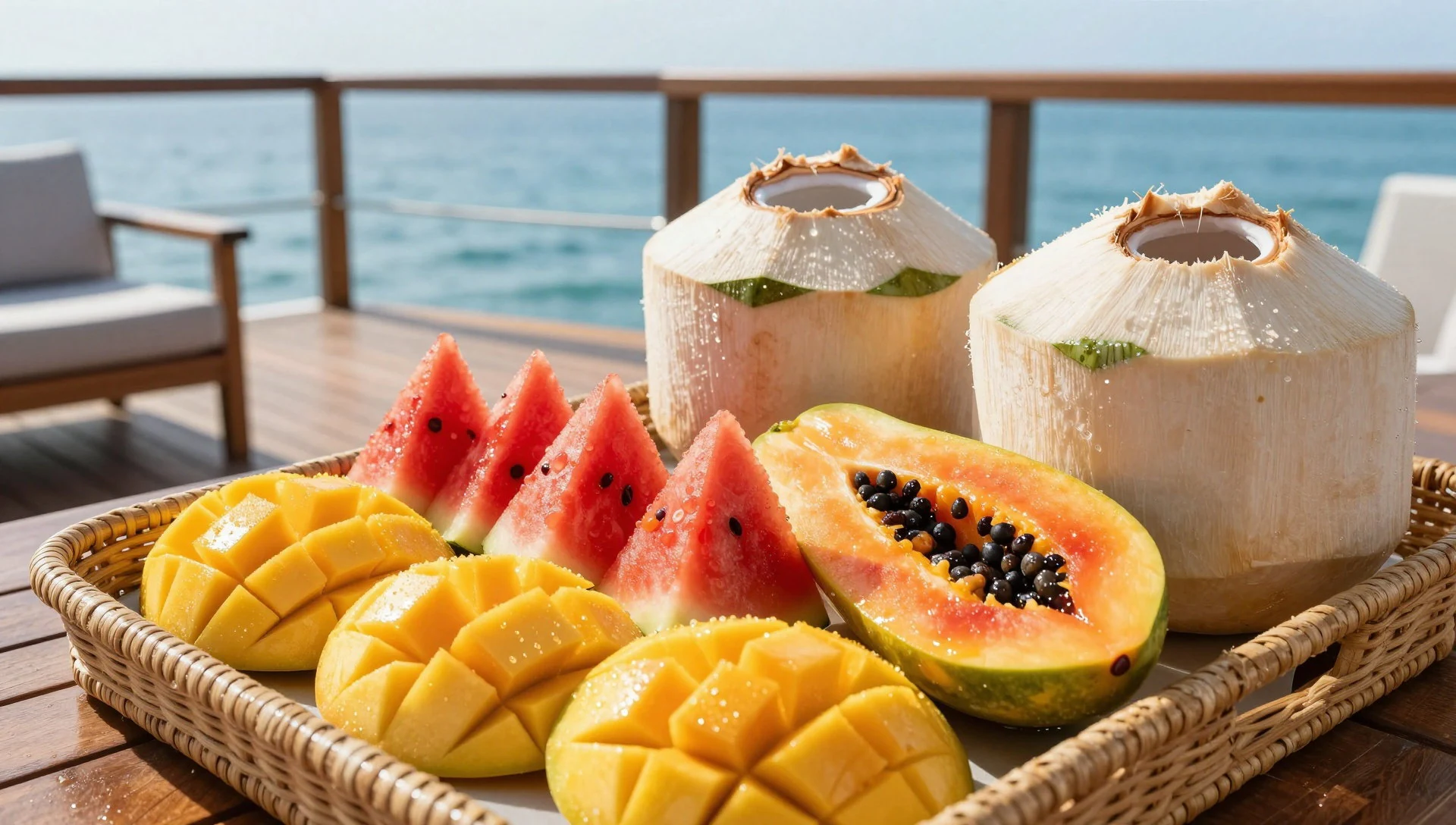
- Seafood and grilled options — On the liveaboard boat, at dinner or lunch
Because you’re travelling in a marine region, boat menus often lean on fish-based dishes and grilled or stewed seafood, balanced with rice and simple sides. - Tea and coffee breaks — Onboard galley or dining area
Tea and coffee are common onboard comforts during the calmer stretches between briefings and after returning to the boat from dives. - Local-style rice and mains — On the liveaboard boat, during lunch and dinner
Expect local-style rice and hearty mains that are designed to travel well and be easy for crews to serve consistently on multi-day voyages.
Plan it
Best time. Mid-March to mid-June is the diving season, with calmer seas, clearer skies, and about 30 to 45 metres of water visibility; the most comfortable months tend to be April and May, when rain is lighter, and early booking still matters because trips sell out quickly.
How long. 3–4
Getting there. Travel to Puerto Princesa, then take a boat transfer to the reef; the ride is about ten hours from the city, and visits are vessel-based (liveaboard), since there’s no accommodation on the islands.
Budget. high
Tips
- Book well ahead for mid-March to mid-June, especially around Easter and other Asian holidays
- Plan for a boat-centred trip: you’ll stay onboard while you’re in the park
- Bring water, sun protection, and dry layers for the ship schedule between dives
- Listen closely to the dive briefings and follow the park guidelines to minimise impact
Etiquette
- Keep your buoyancy controlled and don’t touch coral or wildlife
- Follow ranger and crew instructions around islets and protected areas
- Use the gear checks and safety rules exactly as your crew sets them
Nearby
Sources
- Wikidata Q927108 (CC0)
- Wikipedia (Tubbataha Reef, rev 1366157184) (CC BY-SA 4.0)
- Wikivoyage (Tubbataha Reefs Natural Park, rev 5105622) (CC BY-SA 4.0)
- Photo photos/01-tubbataha-shark.jpg (CC BY 3.0)
- Photo photos/02-tubbataha-reefs-natural-park-112055.jpg (CC BY-SA 3.0 igo)
- Photo photos/03-tubbataha-park-ranger-station.jpg (CC BY-SA 4.0)
- Photo photos/04-tubbataha-reefs-natural-park-112049.jpg (CC BY-SA 3.0 igo)
- Photo photos/05-tubbataha-reefs-natural-park-112043.jpg (CC BY-SA 3.0 igo)
- Photo photos/06-tubbataha-reefs-natural-park-112053.jpg (CC BY-SA 3.0 igo)
- Photo photos/07-tubbataha-reefs-natural-park-112047.jpg (CC BY-SA 3.0 igo)
- Photo photos/08-uss-guardian-aground-in-january-2013.jpg (Public domain)


