Tsingy de Bemaraha Strict Nature Reserve
Tsingy de Bemaraha Strict Nature Reserve, Madagascar
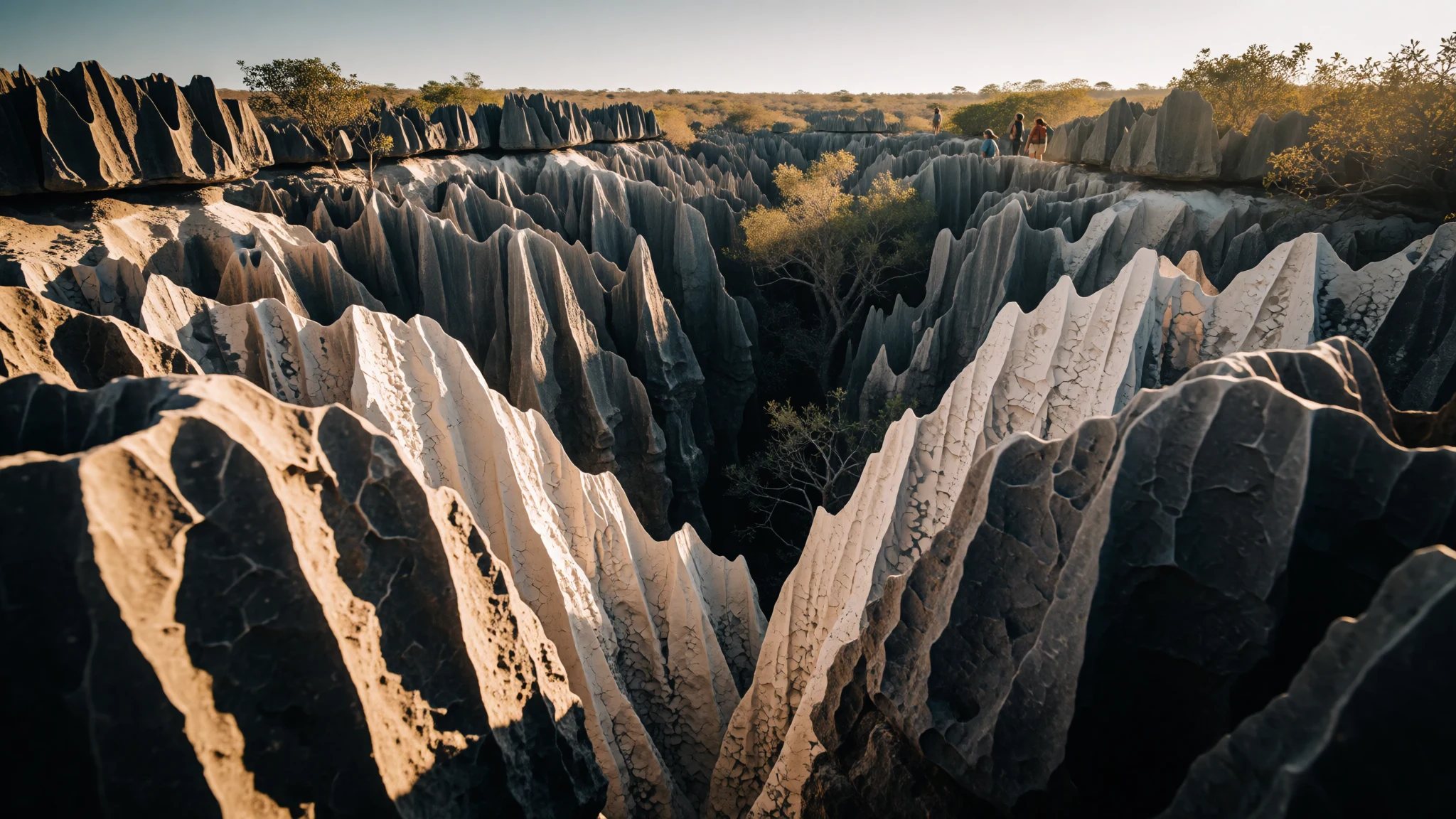
Go to Tsingy de Bemaraha for limestone ‘tsingy’ labyrinths, mangroves, and wildlife where the landscape feels sharper than anywhere else.
The place
Tsingy de Bemaraha Strict Nature Reserve sits on the western side of Madagascar, close to the coast, in Melaky Region. The reserve is part of a wider natural complex where a national park and the stricter protected area meet, but the Strict Nature Reserve is the more tightly controlled end of that landscape.
What makes Bemaraha feel unlike most parks is the karst geology. Across the area, erosion has carved the limestone into jagged spires and knife-edge ridges—the “tsingy”—so dense and irregular that it looks almost engineered by wind and time. When the light hits the stone, the colour shifts from pale chalky whites to greys and darker seams, and the ground can go from open space to sudden, vertical walls.
The reserve’s importance isn’t only scenic. It is connected to mangrove habitats and to living communities of birds and lemurs, all protected by the strict status of this northern section. The overall protected area is recognised as a UNESCO World Heritage Site (the listing ties to the unique geography and the conservation value of surrounding habitats).
In practice, visits tend to be organised around routes that make sense for the terrain and the access points used by tour operators. Crowds are typically nothing like a European national park peak, but the experience can still be busy at key times when several groups line up for the same circuit. The big limiter is how remote everything feels: heat, insects, rough tracks, and the amount of planning needed to reach the right trailheads.
Its story
Tsingy de Bemaraha Strict Nature Reserve starts with an odd kind of contrast: Madagascar’s west coast can feel flat and dry, and then the land changes abruptly into a world of limestone blades. Arriving in the region, the travel days often have a “rough edges” feel—dust on the road, long distances between services, and the sense that your plans depend on how the day’s transport works out. That’s part of the character here: the reserve doesn’t feel designed for effortless sightseeing.
Once you’re at the beginning of a circuit, the story becomes about movement. The tsingy aren’t gentle. Limestone towers can force you into narrow paths, and the surfaces demand careful footing and a willingness to slow down. Even when routes are planned, it still feels like walking on a natural sculpture garden where every step has consequences.
The strict nature of the reserve also shapes the mood. This is not just a “stand and look” landscape; it’s about controlled access and staying on routes. That restriction, honestly, makes the experience better—less wandering, fewer reckless shortcuts, and more chance to notice the details: the texture of the stone, the way shadows gather in cracks, and how wind moves through the sharper sections.
And then there’s wildlife, which is where patience pays off. Birds can be active at different times of day, and lemurs—Madagascar’s iconic jumpers—fit into the reserve’s rhythms rather than a visitor’s schedule. Some days will feel like you’re spotting everything; other days will be quieter. Either way, the reserve’s “story” lingers because the land does most of the talking.
What to see
- Big Tsingy viewpoints — Big Tsingy area
Look for the moments where the limestone suddenly drops away into complex patterns. From viewpoints, the tsingy can look like a frozen wave of rock blades. The best photos come with low sun angles, when shadows carve depth into the ‘maze’ feeling.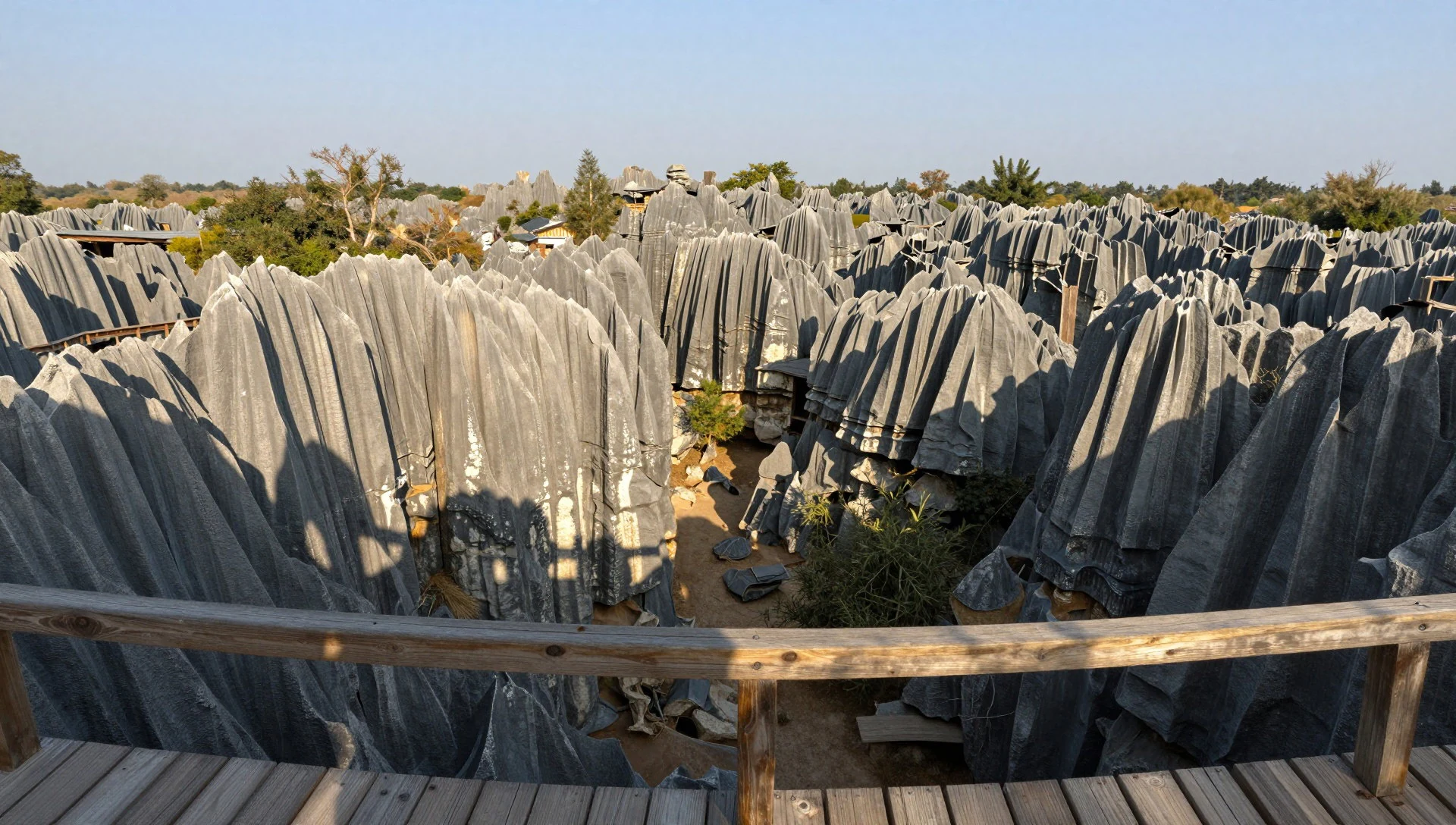
- Andamozavaky circuit — Circuit Andamozavaky area
The Andamozavaky circuit helps you read the terrain: narrow passages, uneven footing, and sudden open pockets. It’s the kind of route where you’ll keep looking down and then, a few minutes later, snap your head up at the scale again.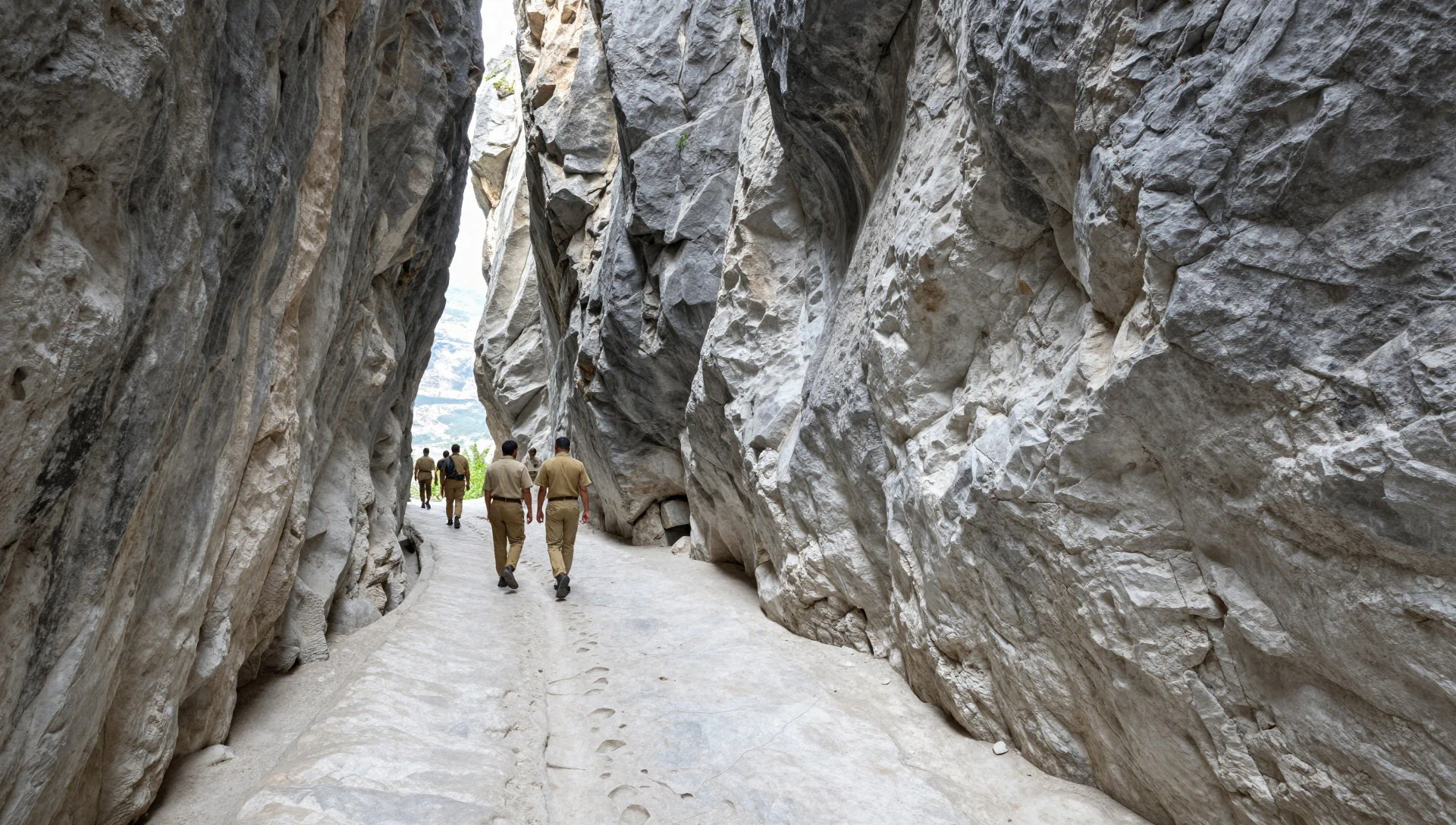
- Little Tsingy close-ups — Little Tsingy area
Little Tsingy is where the geology becomes almost intimate. Up close, you can see the contrast between pale limestone and darker areas, plus how cracks and edges create a ‘sculpted’ surface. A slow pace helps you notice details.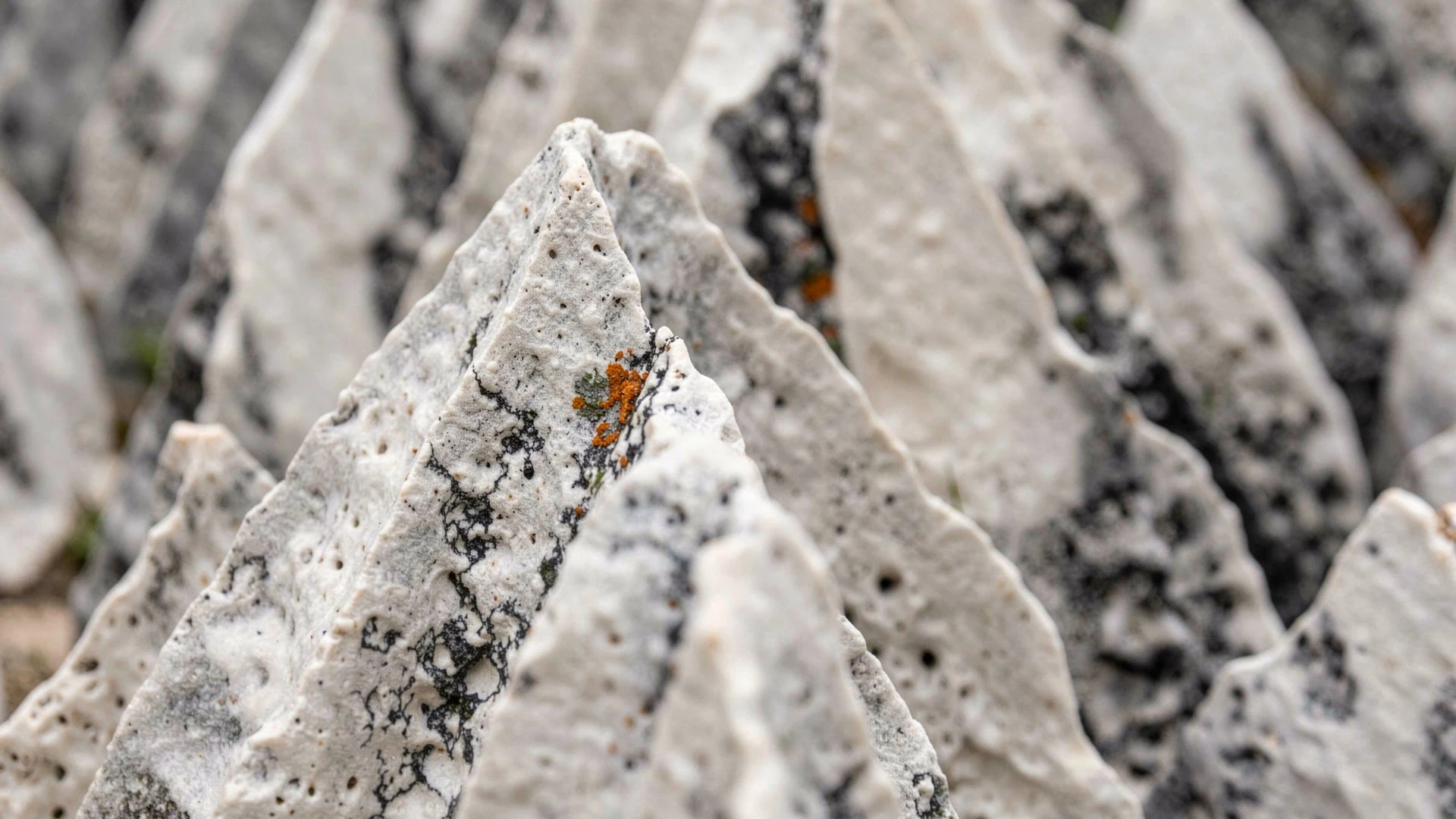
- Karst limestone textures — Throughout the tsingy landscape
Even outside the most dramatic sections, the reserve’s limestone is visually distinctive: sharp ridges, weathered seams, and stark colour changes. If a group is moving quickly, carve out a few minutes to stand still and watch the light shift across the rock.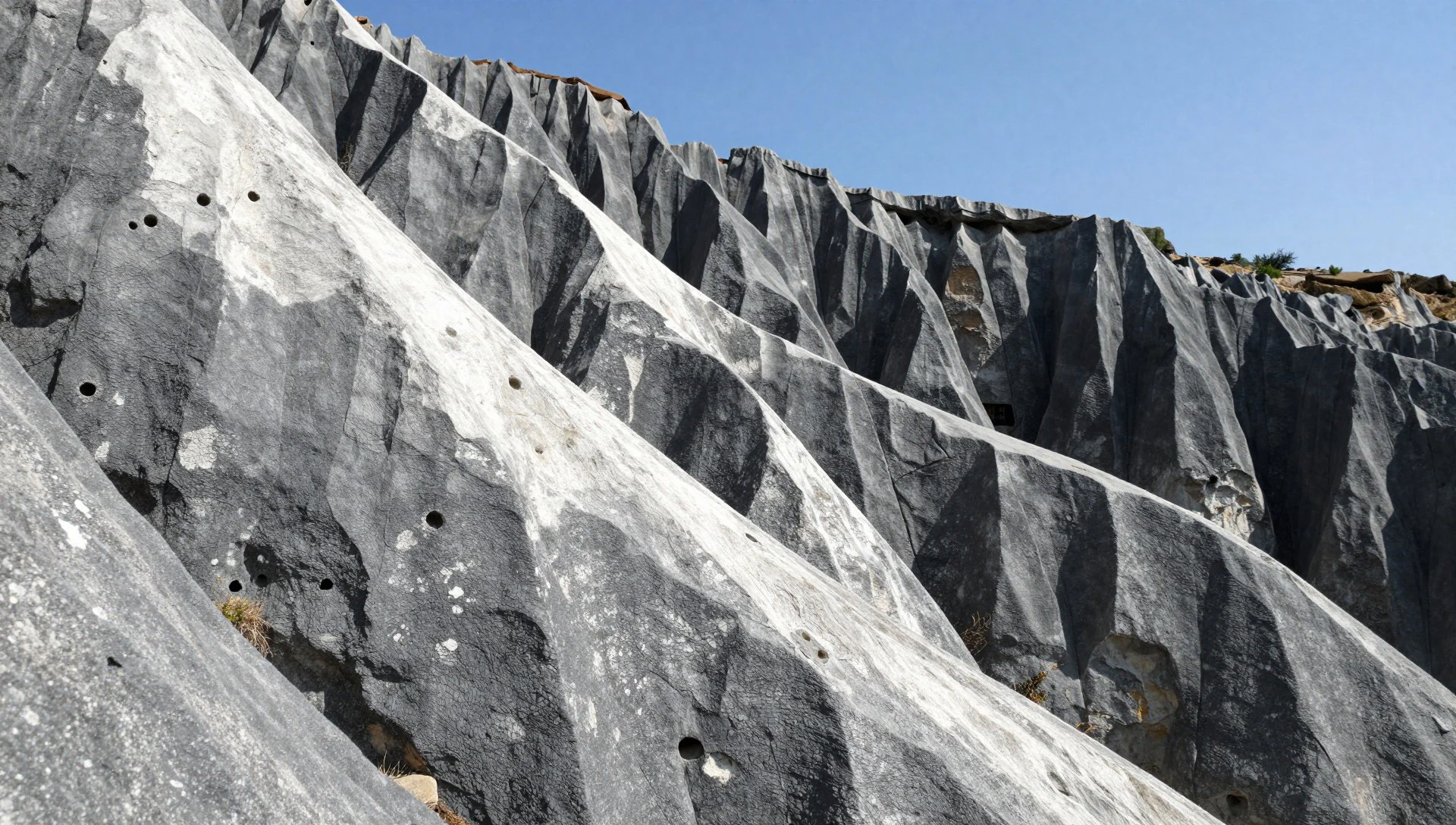
- Mangrove-adjacent habitats (viewing windows) — Western coast edge of the protected area
Near the western coast, mangrove habitats connect with the reserve’s broader ecological value. Wildlife encounters often depend on timing, but the environment itself is part of the experience—think humid edge zones, bird calls, and a greener feel compared with the tsingy.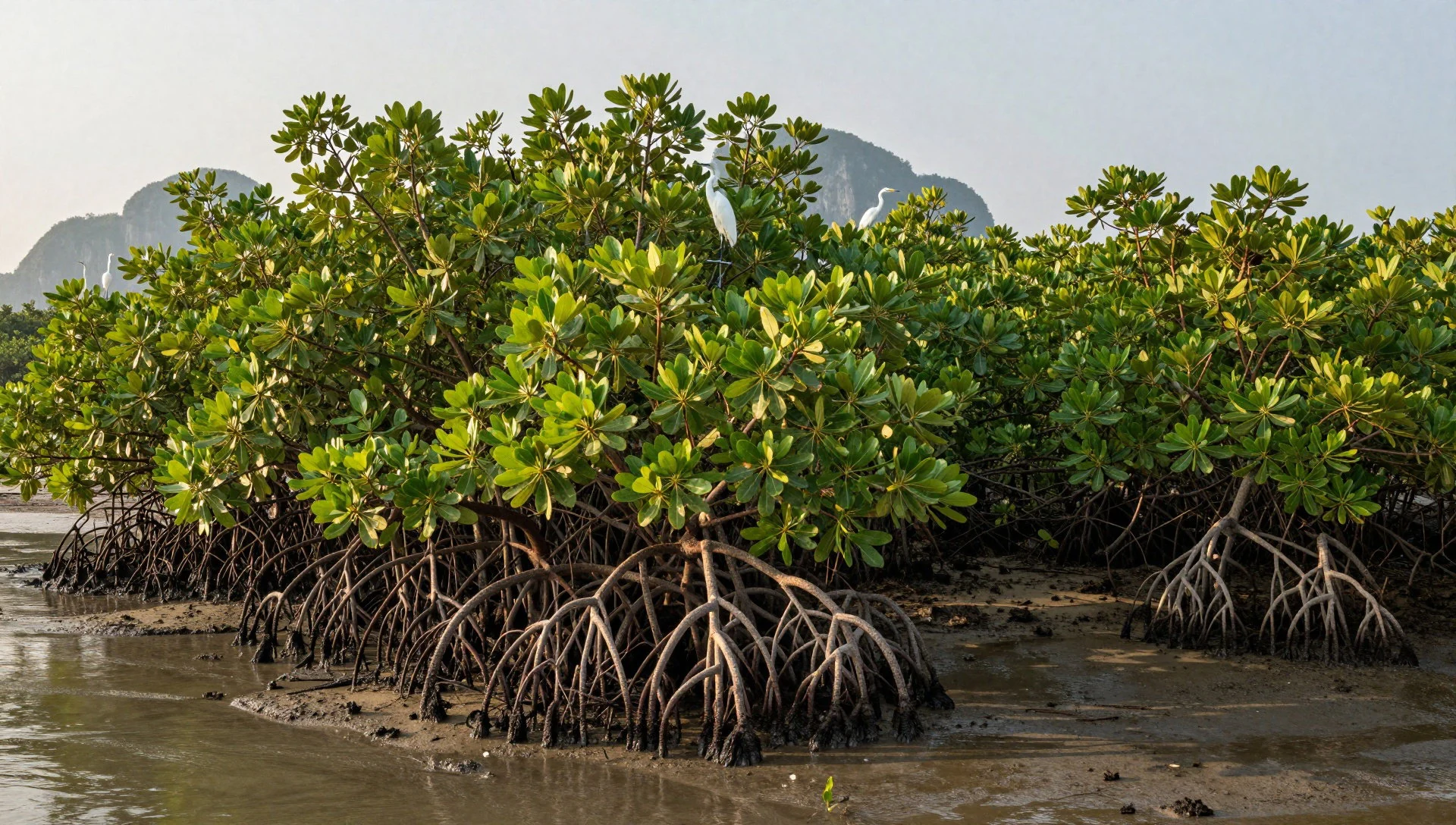
Culture
Tsingy de Bemaraha Strict Nature Reserve is Madagascar’s strict-protection version of the Bemaraha landscape, and that status shows up in the rules around where you walk and how you behave in the field. The reserve is managed to reduce damage to fragile surfaces and to protect habitats that support wildlife, so guides and local operators tend to steer visitors firmly along the planned route.
In practice, that means the “culture” here is less about villages and more about field etiquette: moving quietly enough to hear birds, keeping to paths so you don’t erode limestone edges, and accepting that wildlife doesn’t perform on demand. The best moments often come when the group slows down, waits for a signal from the guide, and gives the landscape space.
The reserve is remote, so you’ll likely be sharing the route with other small groups rather than a huge crowd. Still, you can feel the pressure of time on a circuit—people rushing, phones out, shoes scrambling—so it helps to stay calm and focus on careful movement. Keep to the marked route at all times and pause quietly for wildlife rather than stepping off-track for photos.
What to wear
Tsingy de Bemaraha Strict Nature Reserve doesn’t demand “traditional dress”, but it does demand practical clothing for uneven limestone. In the tsingy areas, the ground can be jagged and slippery in places, so sturdy footwear is the non-negotiable: closed-toe walking shoes or boots with good grip. Light layers work better than heavy clothing because Madagascar’s west can bring heat, and you’ll be moving on exposed terrain.
What people wear day to day in rural Madagascar varies by region and personal style, but visitors generally look for breathable fabrics—cotton or moisture-wicking tops—because you’ll be outside for stretches of time. Carrying a light rain layer is sensible, too, since conditions can shift.
For religious or community encounters near the wider area (if your trip includes any), modesty matters: cover shoulders and avoid very short clothing. Even if the reserve itself is about geology and ecology, you’ll still likely interact with guides and drivers in settings where respectful dressing is appreciated.
A practical packing checklist: long trousers to protect legs from sharp edges, a hat for sun, sunglasses, and socks that won’t slide. Keep a small daypack for water and essentials—small enough to manoeuvre comfortably when the terrain narrows.
What to eat
- Rice with local stews — Roadside eateries near access towns
Look for simple rice plates topped with local stews at roadside eateries around the access towns used for Bemaraha trips. It’s filling, works in warm conditions, and is usually available in straightforward form.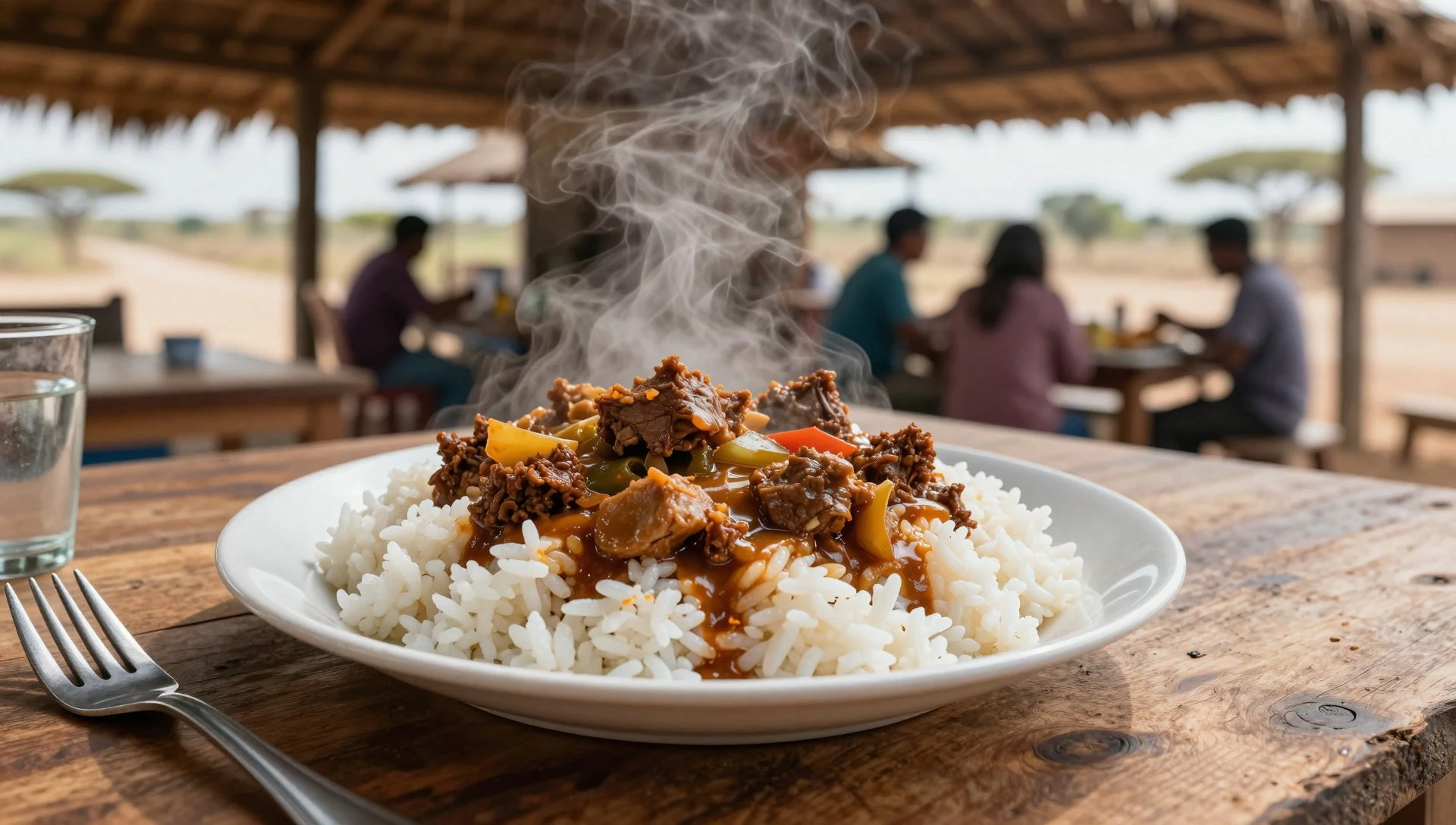
- Freshly prepared seafood (when available) — Coastal-side markets and restaurants
Near the western coast, seafood can show up in meal menus—grilled fish or lighter preparations served with rice. Availability depends on what’s caught and day-to-day supplies.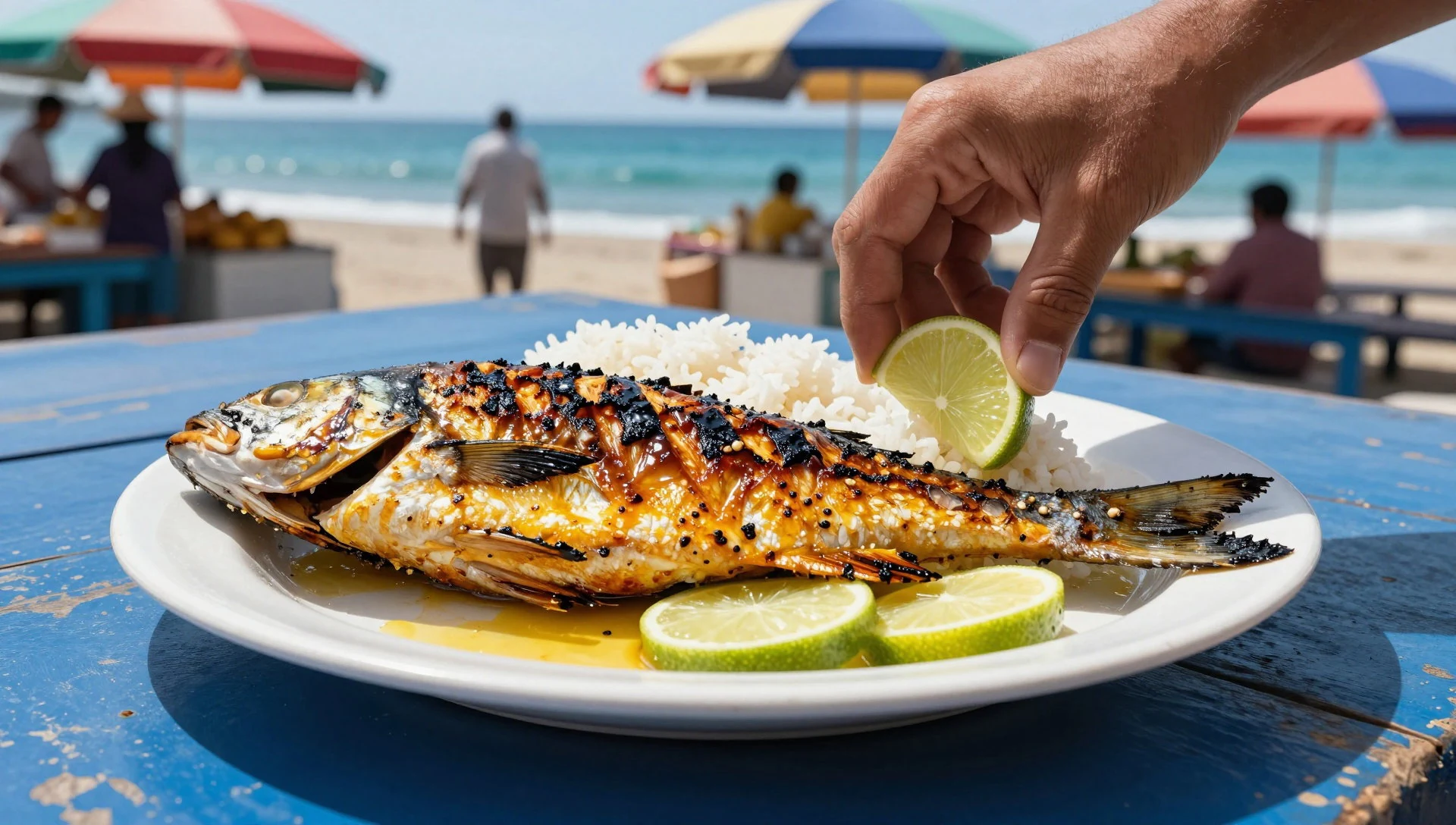
- Zebu-style grilled meat — Local eateries in regional towns
Grilled zebu meat is a common comfort food style in Madagascar, often served with a starchy base and a simple sauce. It’s a good option when you want something hearty after a walking circuit. - Street-style grilled snacks — Any market or roadside grilling stop
Expect small, shareable snack foods from informal grilling stands: quick bites alongside drinks. It’s a practical way to eat between transport legs without making the day drag. - Fruit and simple drinks — Market stalls and small shops
Fresh fruit and lightly sweetened drinks can be the easiest energy boost during hot hours. Aim for fruit you can see being handled carefully, and choose drinks from places that look clean and consistent.
Plan it
Best time. April, May, and October–December tend to be the most comfortable for walking, with the gentlest heat; June to September are much drier overall, while the wettest months are January, December, and February—when rain and slick ground can make routes and transfers feel tougher.
How long. 3–4
Getting there. Fly into Madagascar and plan the ground legs around the reserve area. You can drive to the park from Morondava, which sits 150 km to the south, or access it via Antsalova, a town you can fly to from either Antananarivo or Mahajanga.
Budget. mid
Tips
- Build in a buffer day for transport—reaching the access towns can take longer than expected
- Use a reputable guide/operator for route planning in the tsingy terrain
- Start early for the circuits to reduce heat stress and make the limestone easier to navigate
- Carry water and a basic first-aid kit; the terrain is unforgiving if footwear fails
- Check the latest guidance from your operator for permitted routes and current access conditions
Etiquette
- Stay on the planned paths and follow your guide’s instructions in the tsingy sections
- Keep noise down so birds and other wildlife are more likely to be heard and spotted
- Handle phones and cameras carefully—don’t step off stable footing for a better shot
Nearby
Sources
- Wikidata Q1405154 (CC0)
- Wikipedia (rev 1382685182) (CC BY-SA 4.0)
- Wikivoyage (rev 4526309) (CC BY-SA 4.0)
- Photo photos/01-tsingy-de-bemaraha-strict-nature-reserve.jpg (Public domain)
- Photo photos/02-bemaraha-tsingy-madagascar.jpg (CC BY-SA 2.0)
- Photo photos/03-big-tsingy-madagascar-20915441580.jpg (CC BY-SA 2.0)
- Photo photos/04-big-tsingy-madagascar-23822944469.jpg (CC BY-SA 2.0)
- Photo photos/05-big-tsingy-madagascar-24082669822-cropped.jpg (CC BY-SA 2.0)
- Photo photos/06-big-tsingy-madagascar-24082669822.jpg (CC BY-SA 2.0)
- Photo photos/07-circuit-andamozavaky-tsingy-de-bemaraha-madagascar.jpg (CC BY-SA 4.0)
- Photo photos/08-close-up-of-little-tsingy.jpg (CC BY 3.0)


