Tromsø
Tromsø, Norway
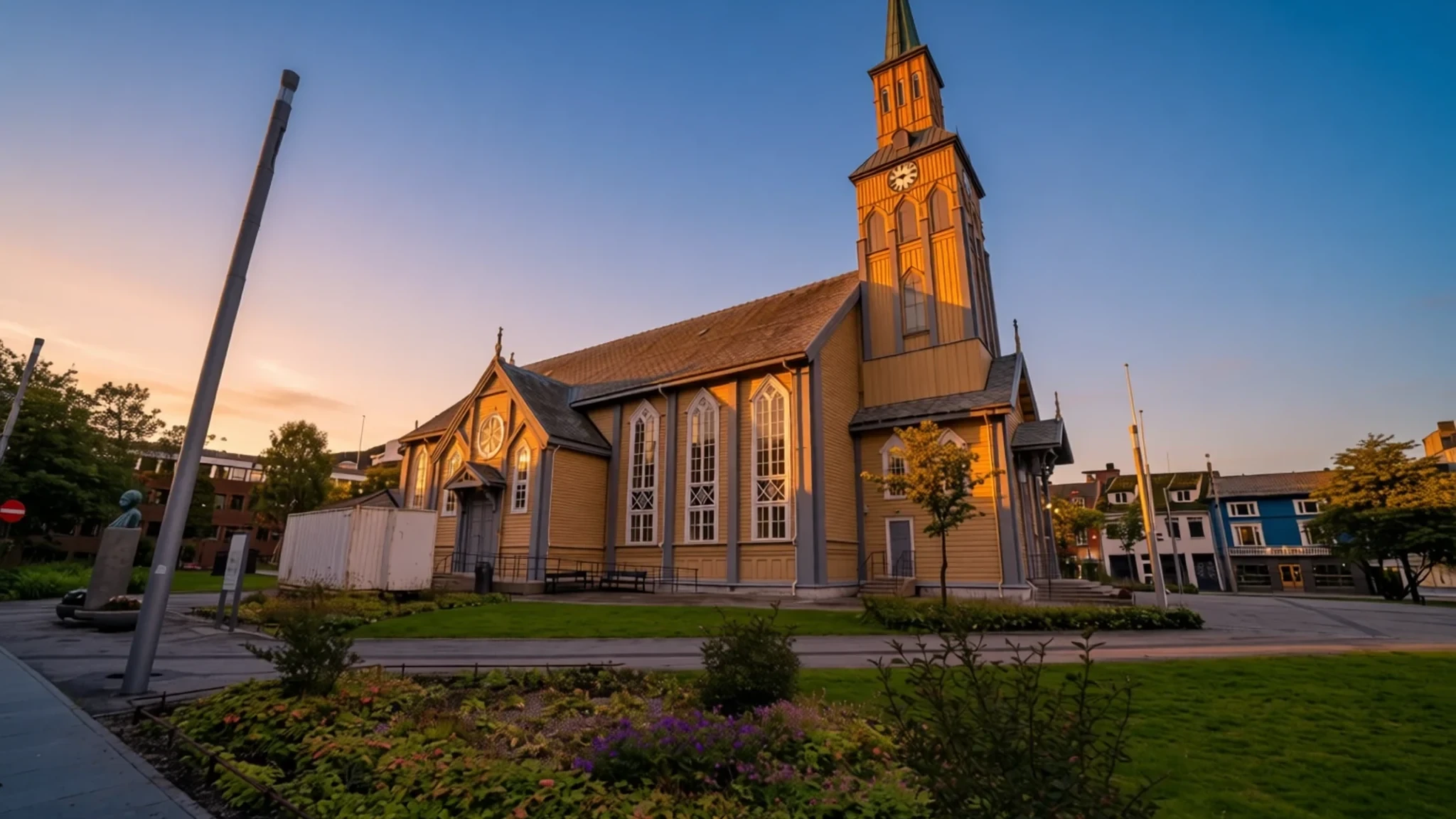
Go for the Arctic light, the old wooden town and a city that stays lively through the long winter nights.
The place
Tromsø sits on Tromsøya, an island in the strait of the same name, just off the Norwegian mainland in the far north. A tunnel and bridge link it to the mainland suburb of Tromsdalen, and a further bridge connects it to the suburbs on Kvaløya. The town is small by most standards, with a population of about 39,000, and it has the feel of a place where people know one another by sight. Its centre keeps more old timber houses than anywhere else in northern Norway, some dating back to the late 1700s, and they give the streets a painted, lived-in look that is strongest on a cold, clear evening.
As the regional capital, Tromsø has the things a northern city needs: a university, a theatre company and the Norwegian Arctic Philharmonic Orchestra performing at the Cultural Centre. Summer brings a run of festivals. Winter brings the dark. From late autumn into early spring the sun barely clears the horizon, which is why many visitors come for the northern lights and stay for the cafés. In summer the sun stays up for weeks, and the city keeps going late into the night.
The weather is more mixed than the latitude suggests. Winters are surprisingly mild for the Arctic, because the sea stays ice-free and warm Atlantic air reaches the coast. Summers are the warmest part of the year, with July the hottest, though rain is steady and some years bring long bright spells. Pack for rain whatever the month. The city lies six metres above sea level, so it is compact and most sights are a walk apart, with the cable car up Fjellheisen as the main climb.
Its story
People have lived on this stretch of coast since the ice retreated. Excavations at Tønsvika have uncovered buildings and tools estimated to be 9,000 to 10,000 years old, so the settlement history runs far deeper than the town itself. Keep that in mind when the streets feel new.
In the Viking age, the land north of the fjords was a frontier. A Norse chieftain called Ohthere, active in the 890s, is thought to have lived in the southern part of what is now the municipality. He described himself as living further north than any other Norwegian, with the Sámi beyond him. Medieval sources describe the Malangen fjord, south of here, as a dividing line between Norse and Sámi coastal communities. The island itself shows Viking presence too. A burial and settlement near the present airport yielded a sword, combat gear and household tools, and one of northern Norway's largest Viking treasure finds also came from the island.
The modern town grew from trade and fishing. Timber houses lined the waterfront, and the oldest surviving examples date from the late 1700s. Churches followed in the 19th century, and the two cathedrals built in 1861 reflected a northern outpost that had become a regional centre. In more recent times the town has spilled across the strait onto the mainland, joined by bridges and a tunnel, while keeping its old core on the island.
What to see
- Arctic Cathedral (Ishavskatedralen)
The city's most photographed building is the Arctic Cathedral, a striking modern church completed in 1965. It holds one of the biggest stained-glass windows in northern Europe. It stands on the mainland in Tromsdalen, opposite the city centre, so you can reach it on foot across the bridge or by bus. Check the official site for service and concert times before you plan a visit.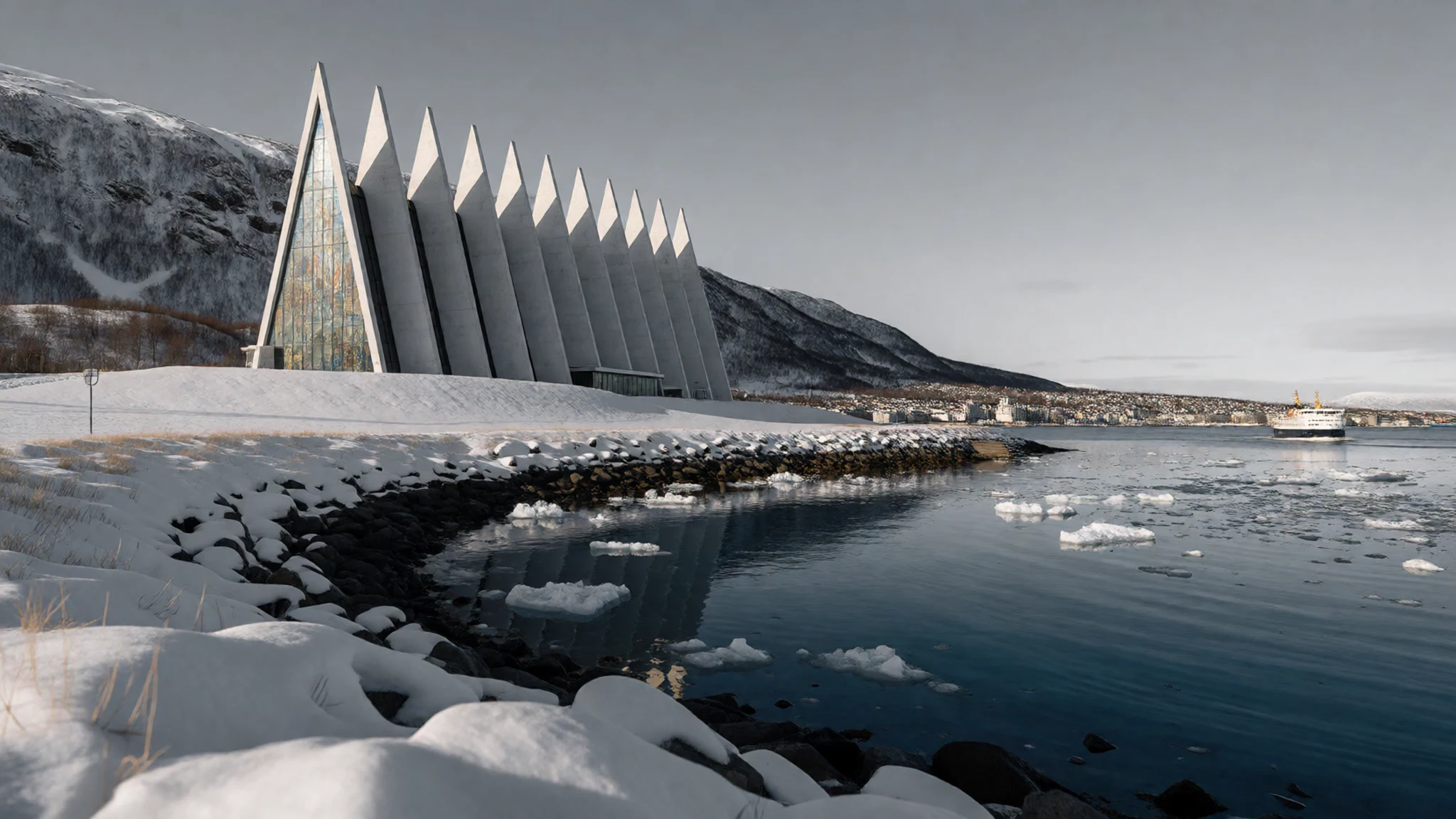
- Tromsø Cathedral (Lutheran)
This is the world's northernmost Protestant cathedral, built in 1861 and one of Norway's major wooden churches. It seats around 800, so it can feel generous inside even on a busy day. The wooden interior is worth a quiet look, and the building is a short walk from the old town. Check the official site for opening hours, since they change with services and events.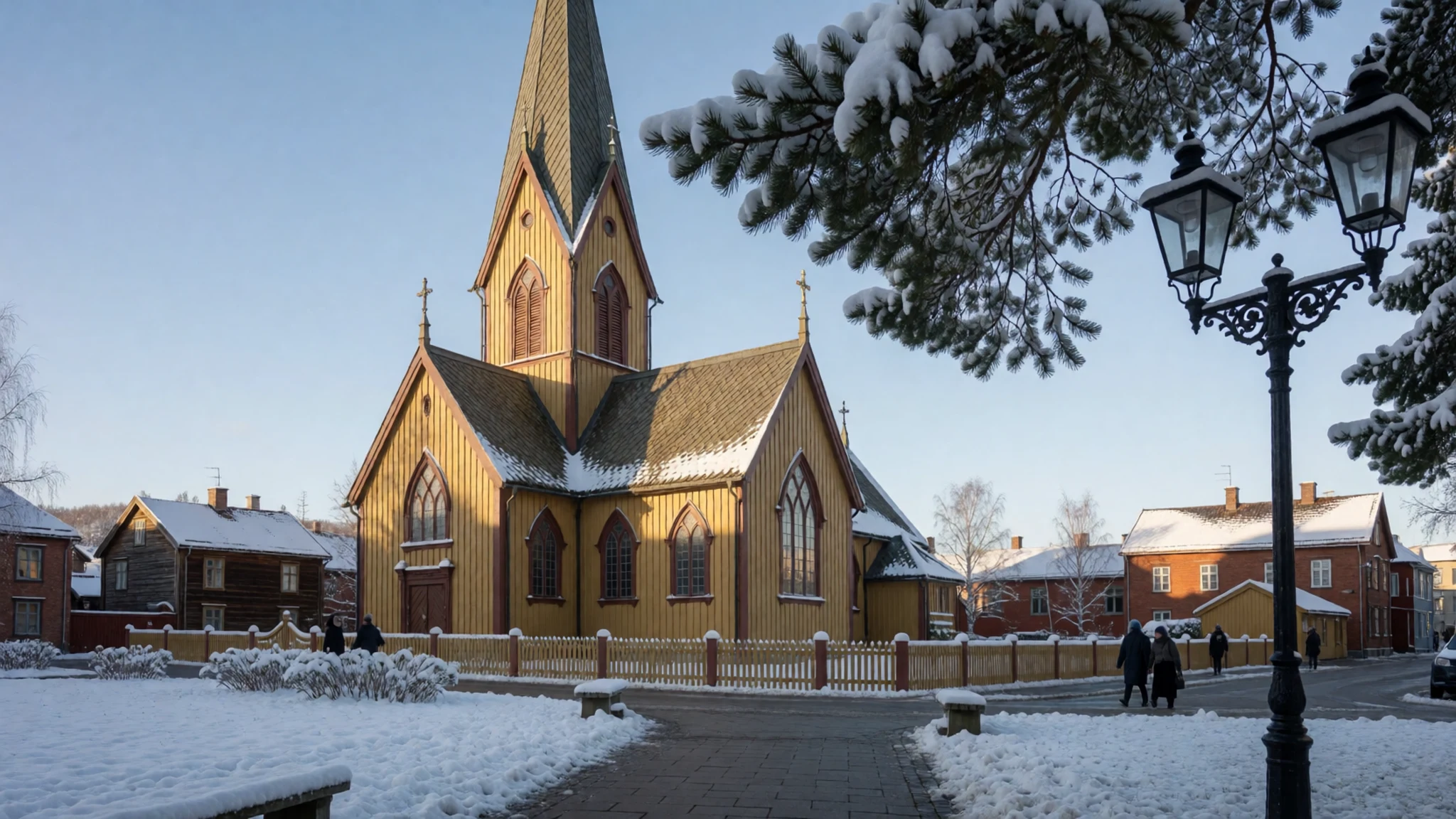
- Cathedral of Our Lady
Small and easy to miss, this Catholic church is the seat of the world's northernmost Catholic bishop. It also dates from 1861, and its compact interior has a calm, almost domestic feel compared with the big Lutheran church nearby. Visit on a weekday if you want quiet, and keep your voice low when others are praying.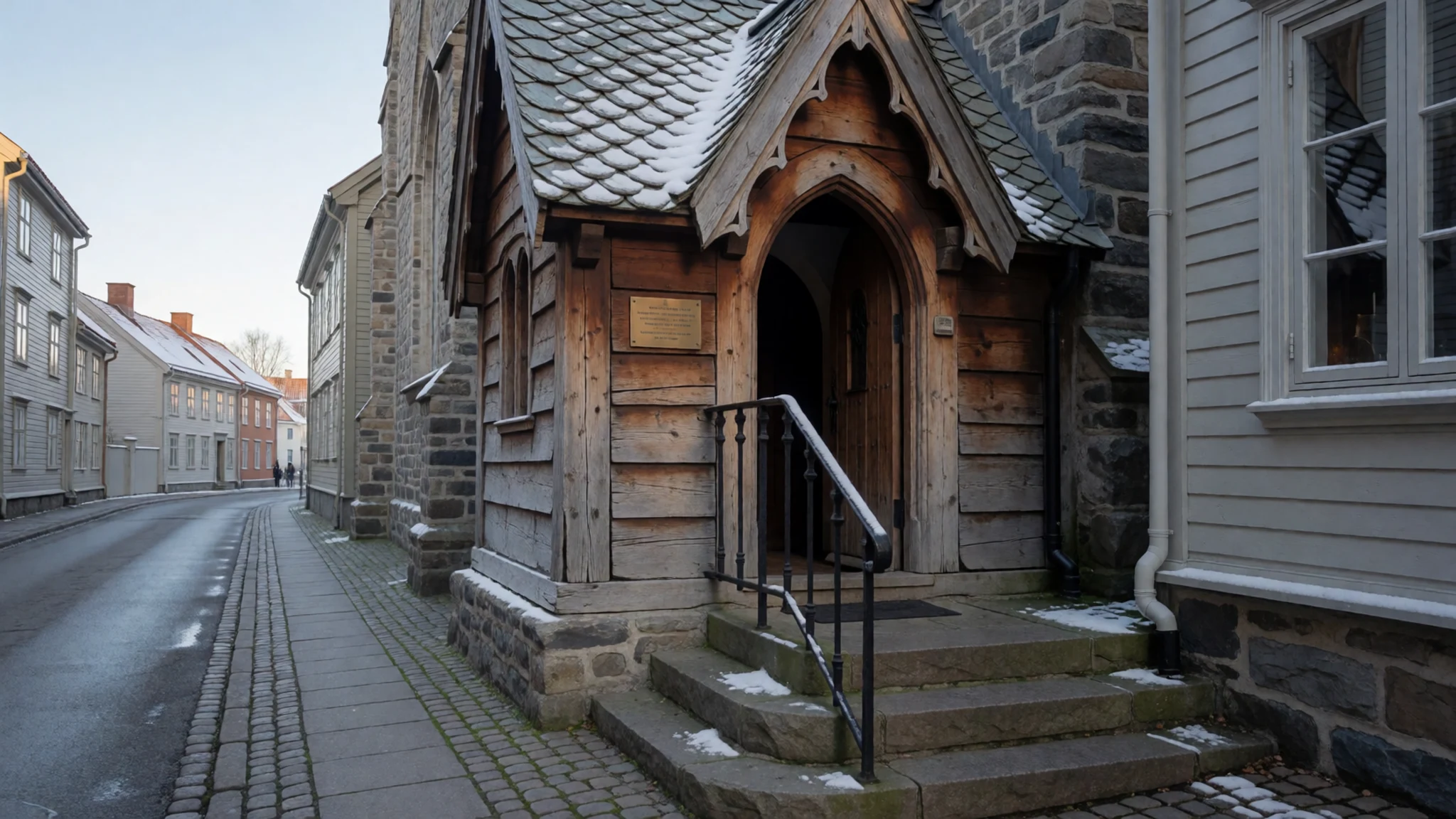
- Tromsø Museum
This large museum covers many aspects of the North, from natural history to the cultures of the Arctic. It makes a good wet-weather stop, and the displays help explain why the region developed the way it did. Allow a few hours, and check the official site for current exhibitions and opening times before you go.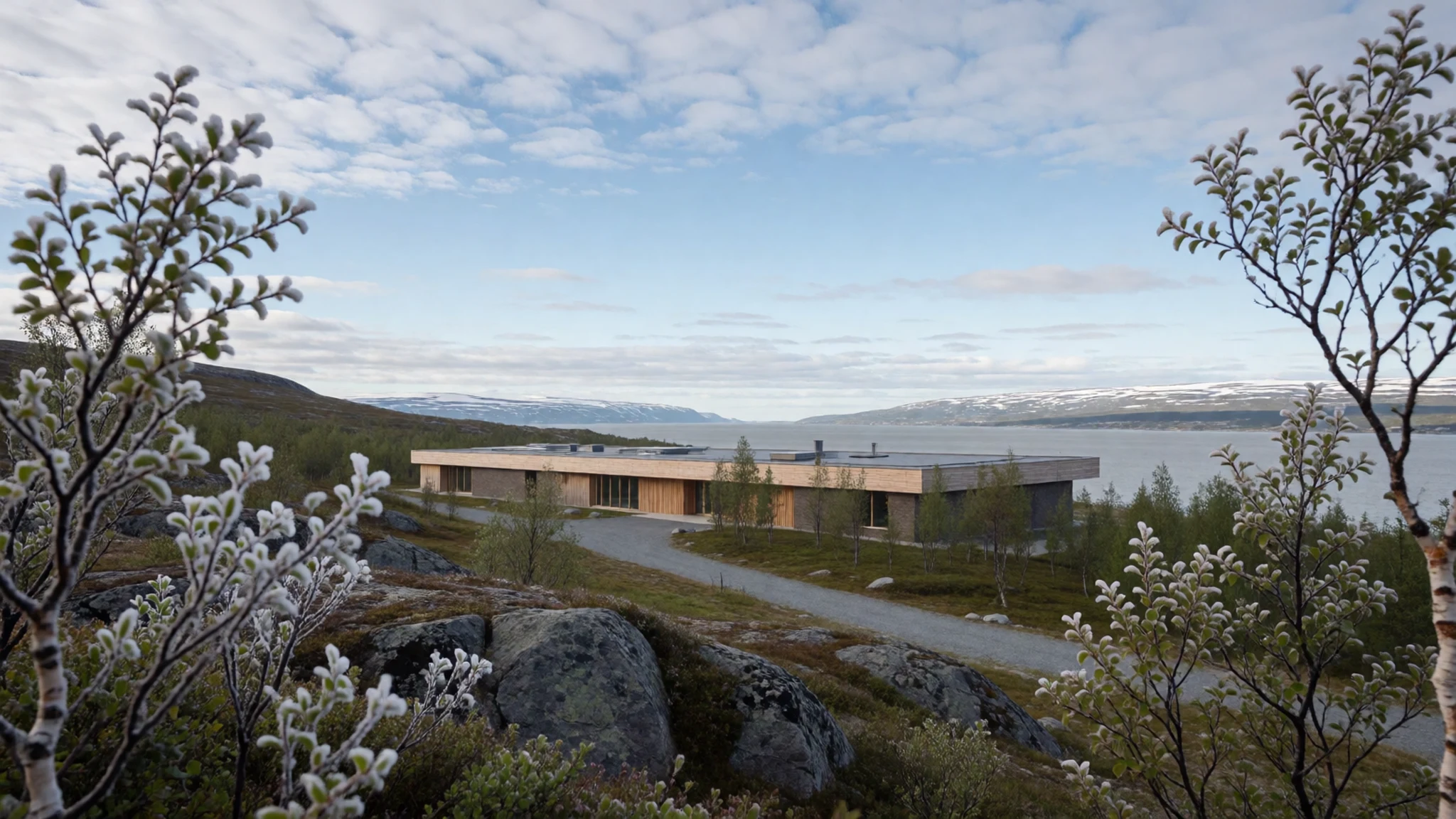
- Fjellheisen cable car
The cable car climbs from the city to a viewpoint above the town, giving the best overview of Tromsø's islands, bridges and fjord. The view is the reason to go, so choose a clear day if you can and bring a warm layer, because the top is windy. Check the official site for timetables, which vary by season.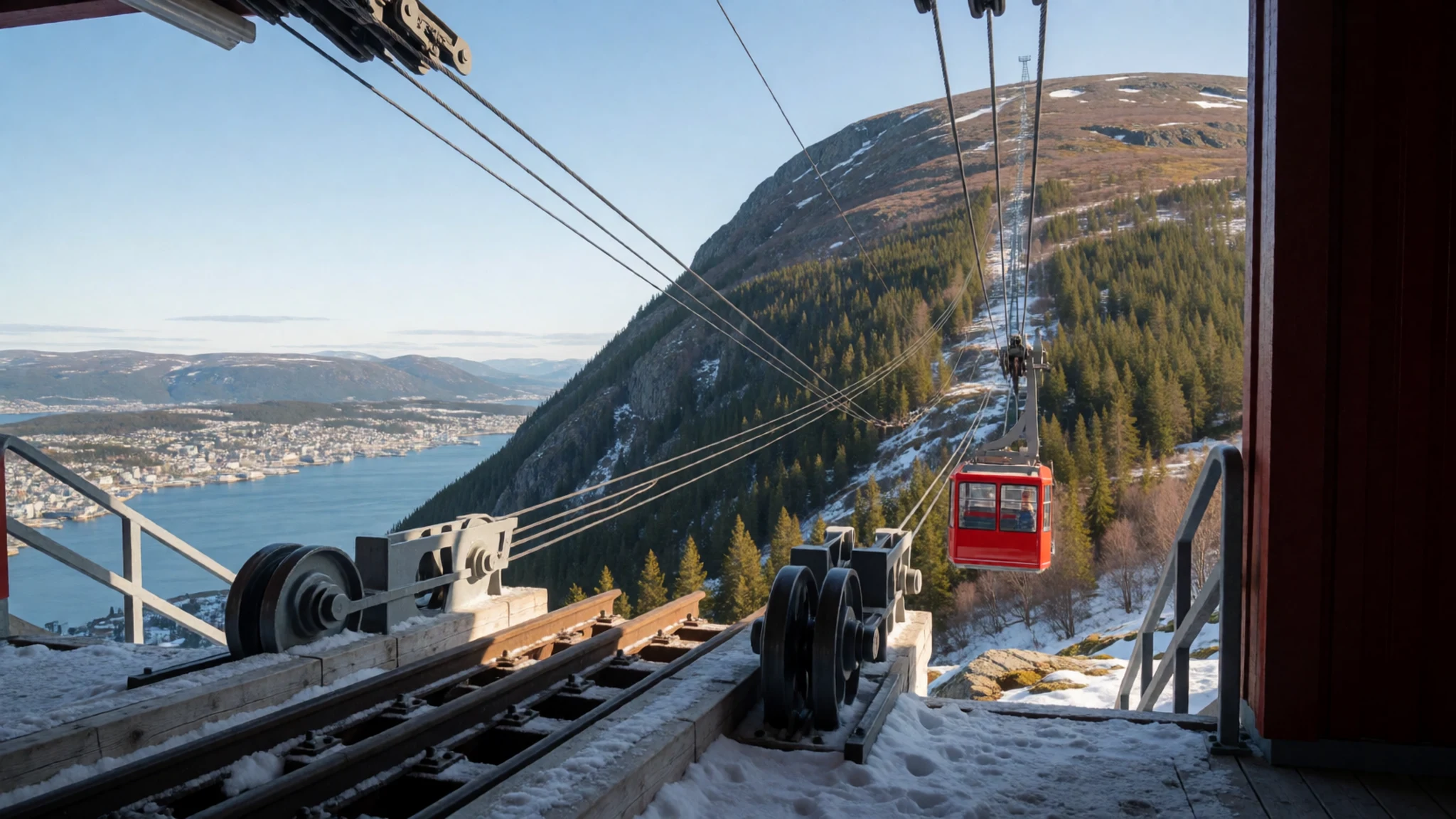
Culture
Tromsø punches above its size when it comes to culture. The Cultural Centre, known as Kulturhuset, hosts concerts, including performances by the Norwegian Arctic Philharmonic Orchestra, and the professional theatre company Hålogaland Teater has worked from its new building since 2005. Music runs deep here: the electronic duo Röyksopp and the singer Lene Marlin both grew up in the city and began their careers in it. In summer, festivals fill the calendar and the streets are busy with students and visiting musicians.
Church life is part of the everyday fabric too. The Lutheran Cathedral and the Catholic Cathedral of Our Lady both date from 1861, and the Carmel nuns have recorded several CDs, so their services draw both the devout and the curious. Norwegians are generally informal and reserved in public. Greet people plainly, queue without fuss and keep conversation low on buses and in cafés.
Visitors should step quietly in churches and chapels, where worship may be under way, and ask permission before photographing anyone at prayer or in traditional dress.
What to wear
Traditional dress in Tromsø belongs to the wider Sámi and Norwegian heritage of the north. The Sámi gákti is a tailored, tunic-style dress worn for festivals, weddings and formal occasions. Its colours and woven bands signal the wearer's home region, and it is often finished with pewter or silver jewellery. Norwegian bunad, the regional folk costume, appears at national celebrations, typically in wool with embroidery and metal fastenings. Both are most often seen at events, not on the city's everyday streets.
What people wear now is practical and understated. Locals dress for weather first, so waterproof jackets, wool and fleece layers and sturdy boots are common all year. A knitted sweater is worn without ceremony, and winter brings darker colours to cafés and offices, much as in any other Scandinavian town.
For a visit, bring layers that work from a windy harbour to a warm museum. Rain is common in summer, so a waterproof shell matters more than a heavy coat. In winter, pack insulated boots with good grip for icy pavements, along with warm gloves and a hat. Dress is relaxed almost everywhere, but neat, modest clothing suits church visits, and at a Sámi event, dress respectfully and ask before taking a photograph.
What to eat
- Burgers with fried potato skins — a burger restaurant in the city centre
Burgers are a local favourite, and Blå Rock is known for them, along with its crisp fried potato skins. The skins are rich and easy to share between two. The place is a relaxed choice after a long walk, when a simple, filling meal is what you want.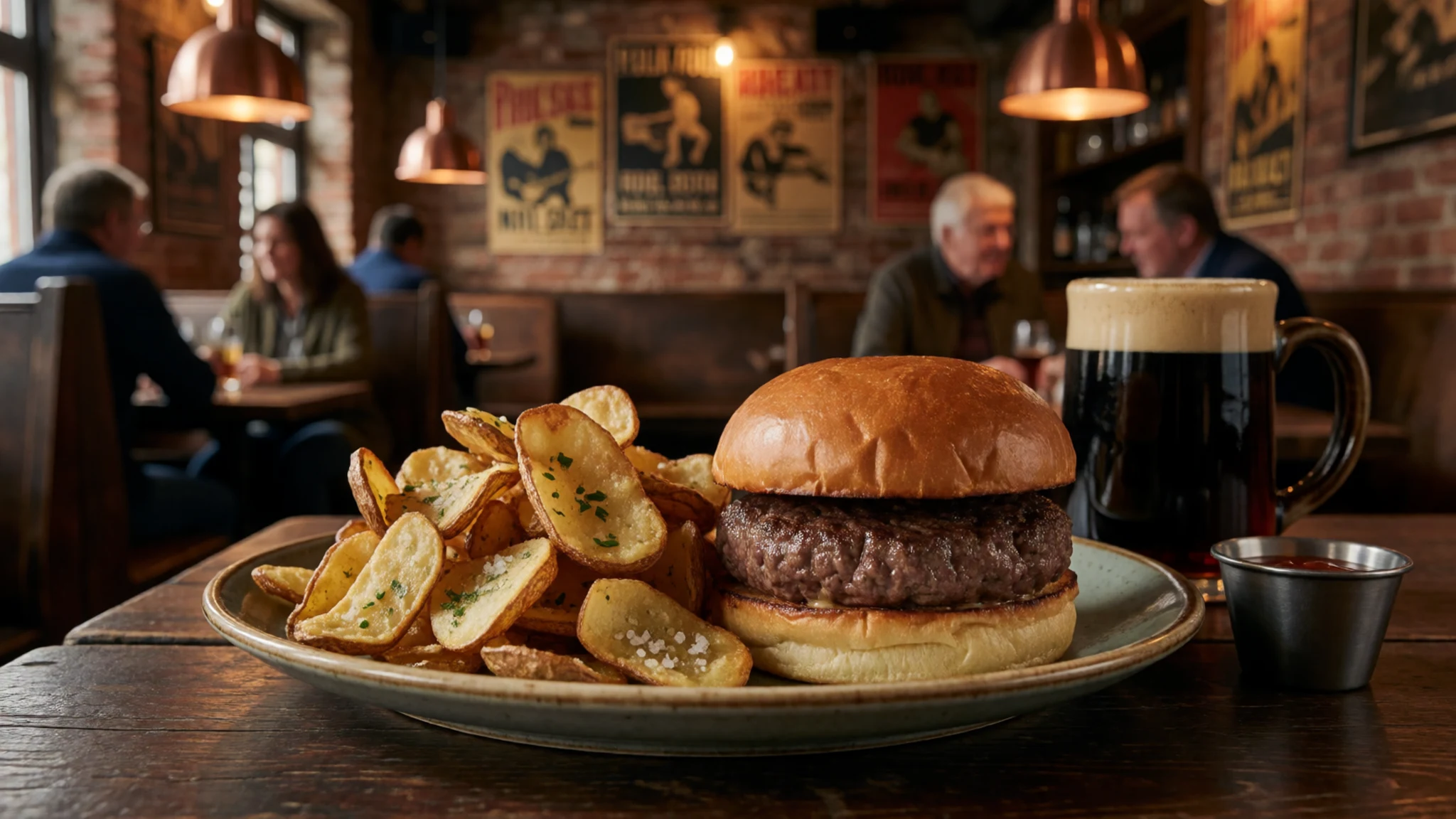
- Fish casserole — a fish restaurant in the old town centre
Skarven serves fish casseroles and other regional specialities, the kind of plain, filling food that suits a cold evening. Ask the server what fish is good that day. The dishes lean on what comes from local waters.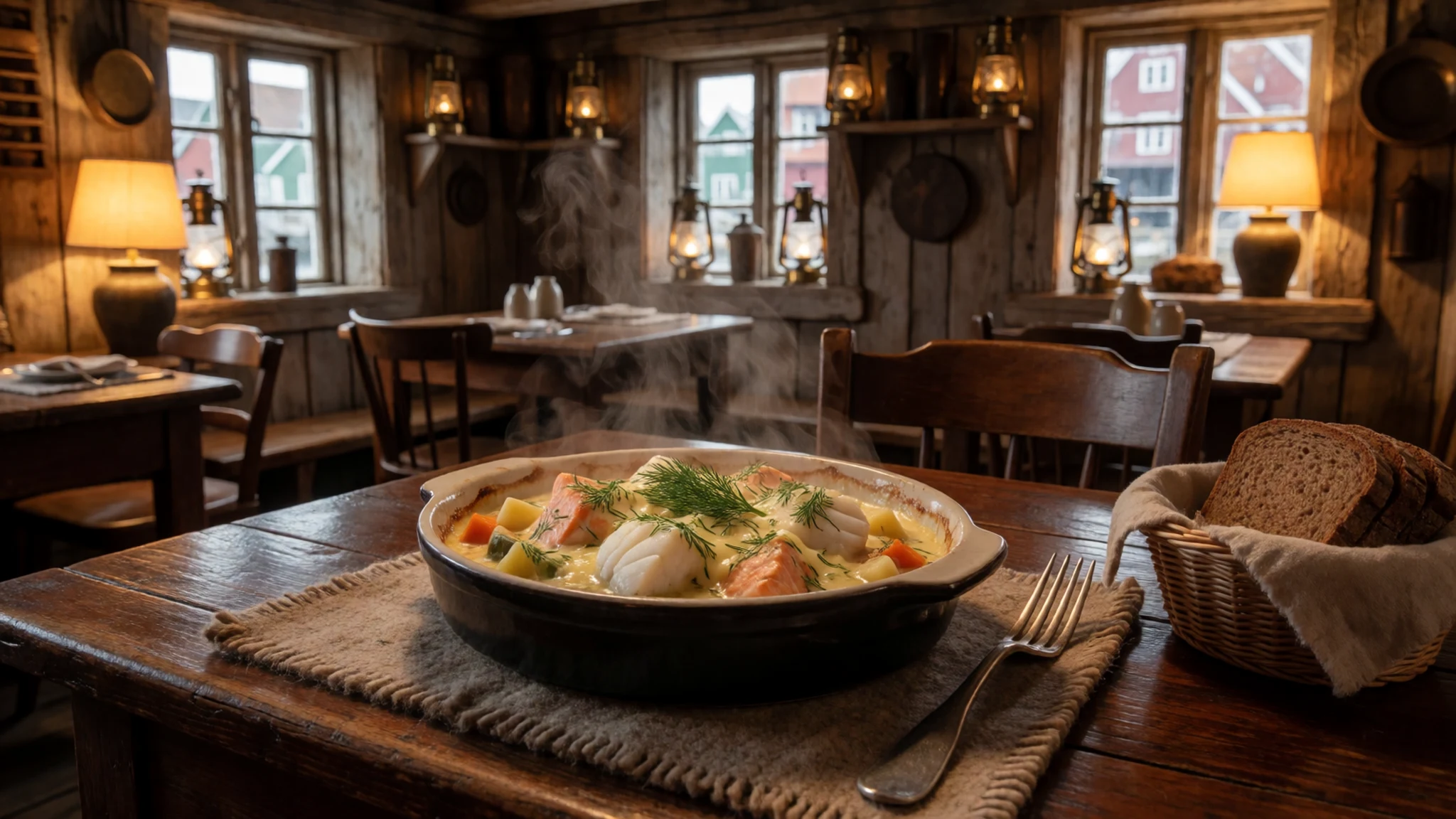
- Local fish plates — a fish-focused restaurant in the centre
Arctandria puts local fish at the centre of its menu, and the menu is written with a light, teasing tone. It is a good place to try several small seafood dishes in one sitting. Go hungry, and expect fish cooked simply. - Deep-pan pizza and taco pizza — a pizzeria near the centre
Yonas makes deep-pan pizza in the American style, a welcome change after a day of seafood. Look for the taco pizza, a local-style version topped with shredded cabbage and a mustard dressing. It is an unusual combination, and it is the reason many people go. - Thin Italian-style pizza — a pizzeria just east of the centre
Allegro makes thin, Italian-style pizzas, a lighter option when you want something other than fish or burgers. It is a good choice for a relaxed sit-down meal with friends, especially after a museum visit or a cable car ride.
Plan it
Best time. Late May to late July brings the midnight sun, though July is the warmest month and rain falls steadily all year, so expect variable weather. October to March brings the northern lights and long dark evenings, and winters are milder than the latitude suggests. Shoulder months are a good compromise, and the city is lively in every season.
How long. 2–3
Getting there. Tromsø Airport lies a short ride from the city centre, and the last leg is usually a bus or taxi. Check the airline for connections, since flights from southern Norway are frequent.
Budget. mid
Tips
- Book accommodation early for the northern lights season, when the city fills up
- Check the cloud forecast before a night out for the aurora, since clear sky matters more than darkness
- Dress in layers and bring a waterproof shell, because the weather changes quickly
- Pick a clear day for the cable car, and allow time for the windy top
- Check the official site for opening hours of churches and museums, which change with services and seasons
Etiquette
- Step quietly in churches and chapels, where worship may be under way
- Ask permission before photographing people at prayer or in traditional dress
- Queue in turn at cafés and shops, as people here do
Nearby
Sources
- Wikidata Q42328401 (CC0)
- Wikipedia, Tromsø (rev 1382074554) (CC BY-SA 4.0)
- Wikivoyage, Tromsø (rev 5406202) (CC BY-SA 4.0)
- Downtown Tromsø, CC BY 2.5, via Wikimedia Commons (CC BY 2.5)
- Tromso burial, CC BY 3.0, via Wikimedia Commons (CC BY 3.0)
- Skansen medieval fortress, CC BY 4.0, via Wikimedia Commons (CC BY 4.0)
- Panorama over Tromsø from Fjellheisen, CC BY-SA 4.0, via Wikimedia Commons (CC BY-SA 4.0)
- Fjellheisen, Tromsø 2019, CC BY-SA 2.0, via Wikimedia Commons (CC BY-SA 2.0)
- Reindeer on Kvaløya, CC0 1.0, via Wikimedia Commons (CC0 1.0)
- Southwest from Gråtinden, Kvaløya, CC BY 3.0, via Wikimedia Commons (CC BY 3.0)
- Citycamp Guesthouse Hostel, CC BY 3.0, via Wikimedia Commons (CC BY 3.0)


