Trabzon
Trabzon, Turkey
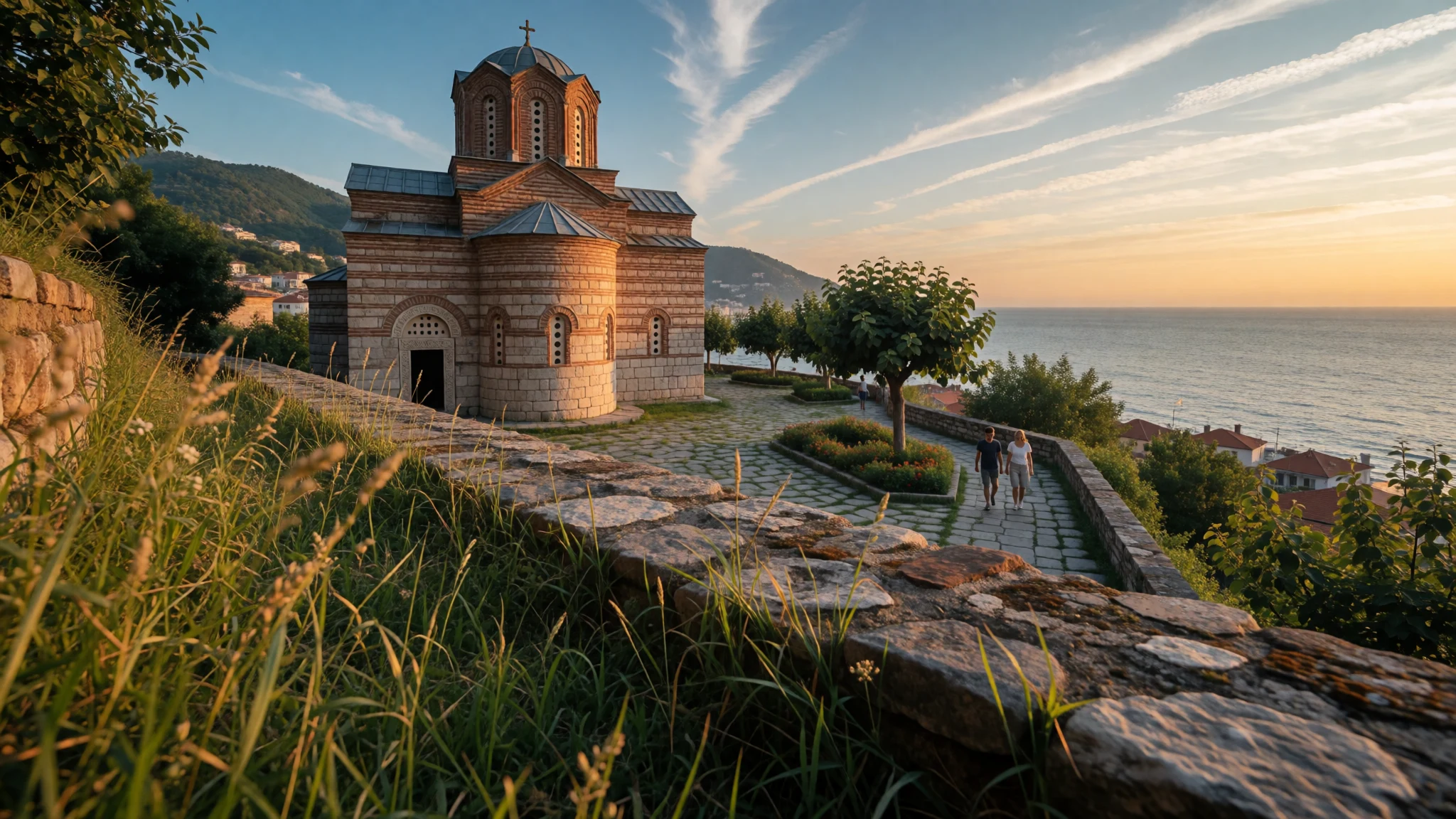
Trabzon is a Black Sea port where Greek, Byzantine, Genoese and Ottoman layers sit between steep green mountains and the sea.
The place
Trabzon is a port city on the Black Sea coast of north-eastern Turkey, and the capital of the province that bears its name. The metropolitan area holds about 824,000 people. Behind the waterfront the land climbs quickly. The Pontic Mountains run through the province, most of it is hills rather than flat ground, and high plateaus are used for summer grazing. That geography shapes everything. Roads hug the coast or twist inland over passes, houses cling to slopes, and the sea is rarely out of sight. The city centre is compact and walkable, organised around a large open square usually called Meydan, with older quarters spreading down towards the harbour and out along the shore. Boztepe, the hill above town, gives the clearest sense of the layout: a ribbon of buildings between green slopes and grey-blue water. Trabzon has no railway, which surprises many arrivals, so people come by air, by road or along the coast highway, and the port still matters for freight. For centuries sailors treated the city as a landmark in bad weather, and it later became a trading gateway towards Persia and the Caucasus. Today it feels like a working regional capital rather than a resort: students, shipping offices, tea houses, football talk and a busy market district. Most visitors use it as a base for monasteries, highland villages and mountain lakes such as Uzungöl, and the weather is part of the bargain, because the coast is this green precisely because it is wet.
Its story
Trabzon began as a Greek trading colony. Settlers from Miletus, arriving by way of Sinope, founded it in 756 BC and called it Trapezous. Before that the coast belonged to local peoples, among them Colchian and Chaldian groups, and Greek writers later named neighbours such as the Macrones and the Chalybes. The newcomers formed a small Greek enclave rather than a state of their own, and for a time paid tribute to Sinope. A silver drachma from the fourth century BC, now in the British Museum, suggests that money-changing was already part of daily business. The city later passed under Achaemenid rule after Cyrus the Great, then into the Kingdom of Pontus, which stood up to Rome until 68 BC, and then into the Roman and Byzantine worlds. Its grandest chapter followed the Fourth Crusade in 1204, when Trebizond became the capital of its own empire, one of the states that carried Byzantine tradition forward. The Genoese rebuilt the fortress in 1306 and named it for its beauty, though little of that survives. In 1461 the Ottomans took the city, and the port again carried trade towards Persia and the Caucasus. In 1845 Italian Capuchin monks, expelled from Tbilisi, founded the Catholic church that still holds services. The result is a layered town where churches became mosques, a Genoese ruin sits above Ottoman streets, and the Greek name Trapezous still lies behind the modern one.
What to see
- Hagia Sophia — Western seafront, above the shore
Trabzon's Hagia Sophia is a Byzantine church that has been restored and stands on a terrace above the sea, west of the centre. The visit is about architecture and setting: carved stonework outside, faded painted surfaces inside, and a garden with a view over the water. Check opening arrangements locally before going.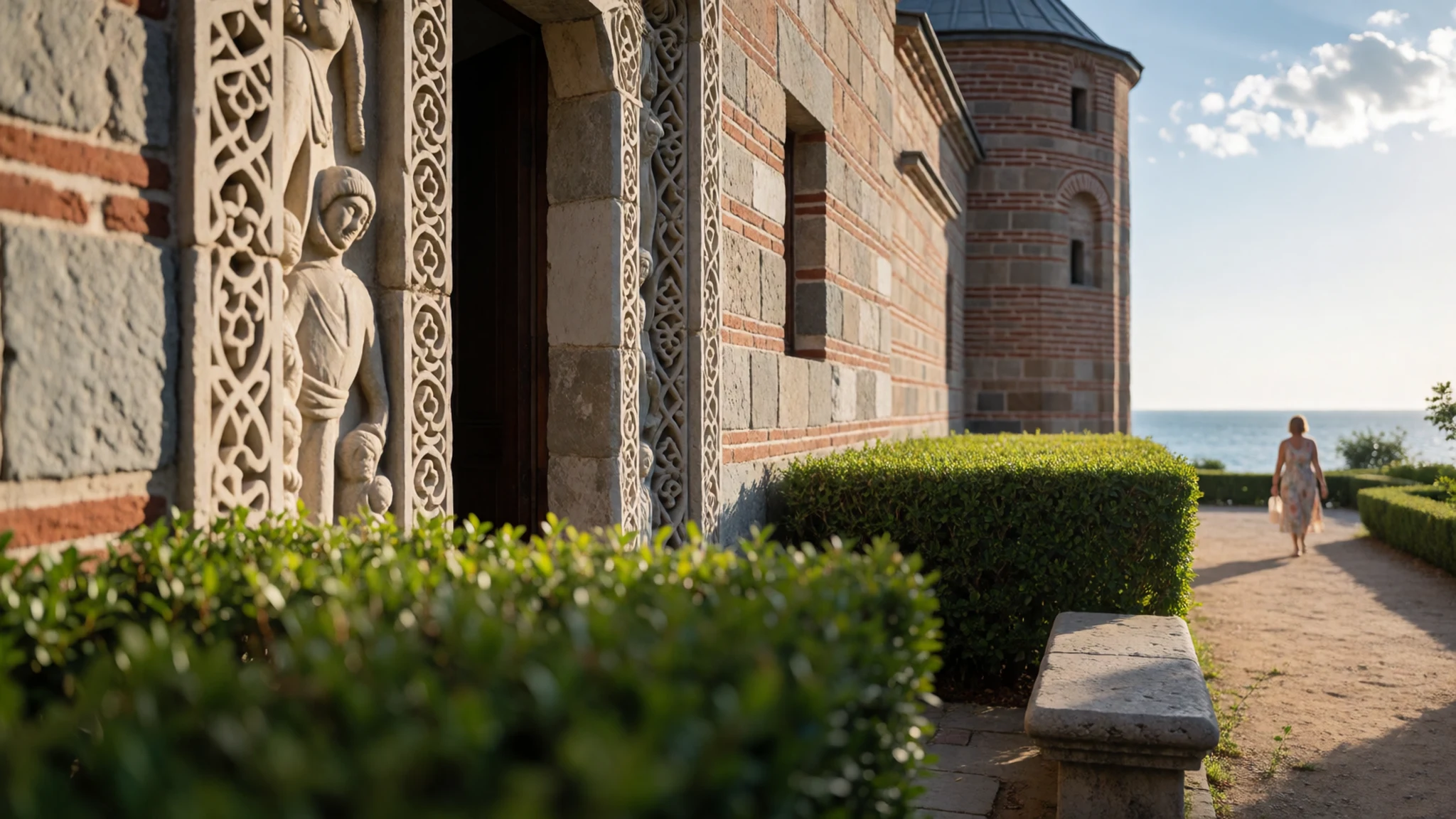
- Fatih Mosque — Old town
Fatih Mosque was once the church of the Panagia Chrysokephalos, the Virgin of the Golden Head, and still reads as a Byzantine building from the street. It is a good example of how Trabzon's churches were repurposed after the Ottoman conquest, and it remains in use for prayer, so visit outside prayer times.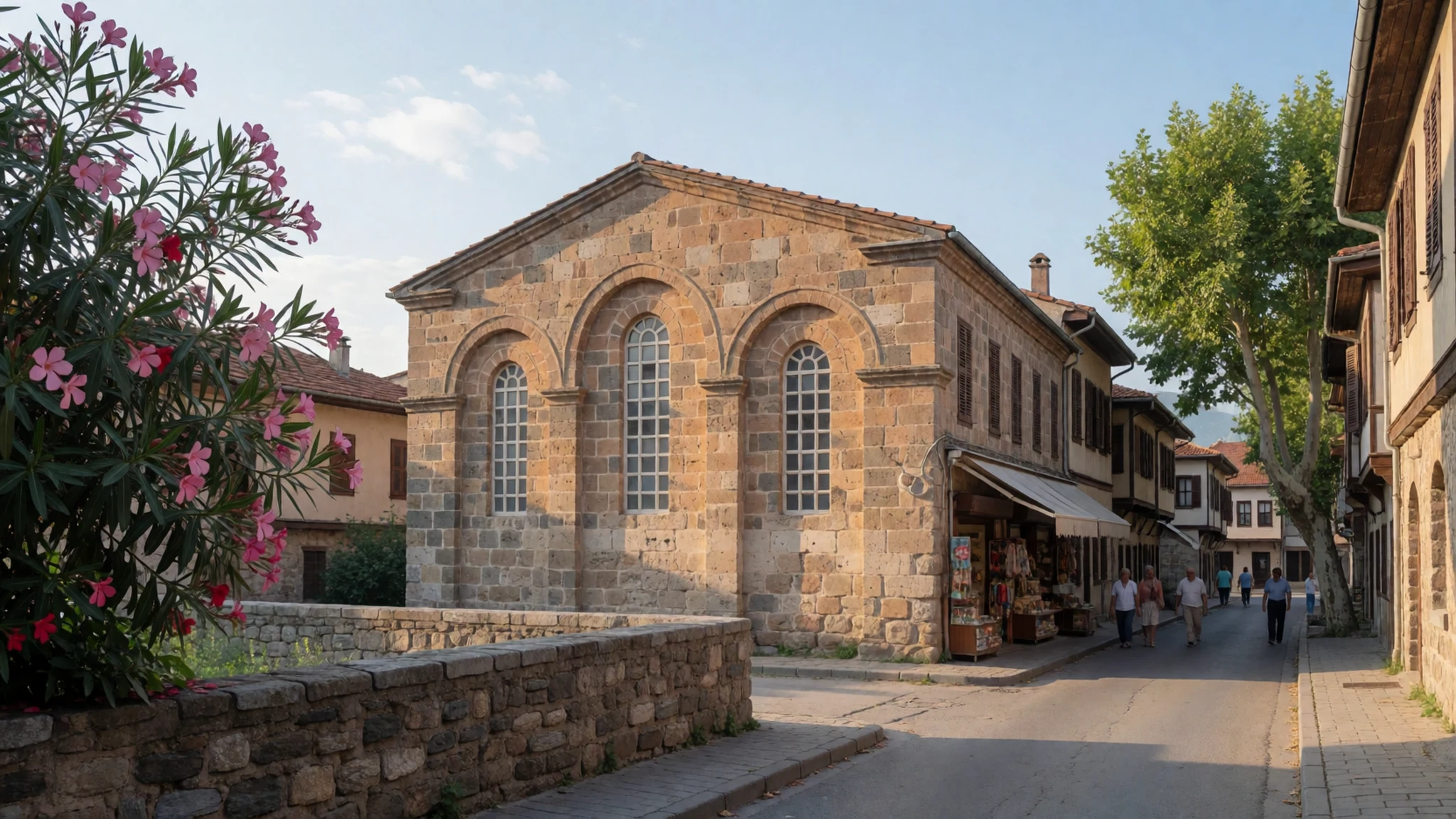
- Kalepark Fortress — Old town, near the Meydan area
Kalepark occupies the old fortress site, rebuilt by the Genoese, who called it Leonkastron, or Güzelhisar in Turkish. Today it is a ruin and a park rather than an intact castle, so come for the setting, the sense of the old defensive line and the view over rooftops.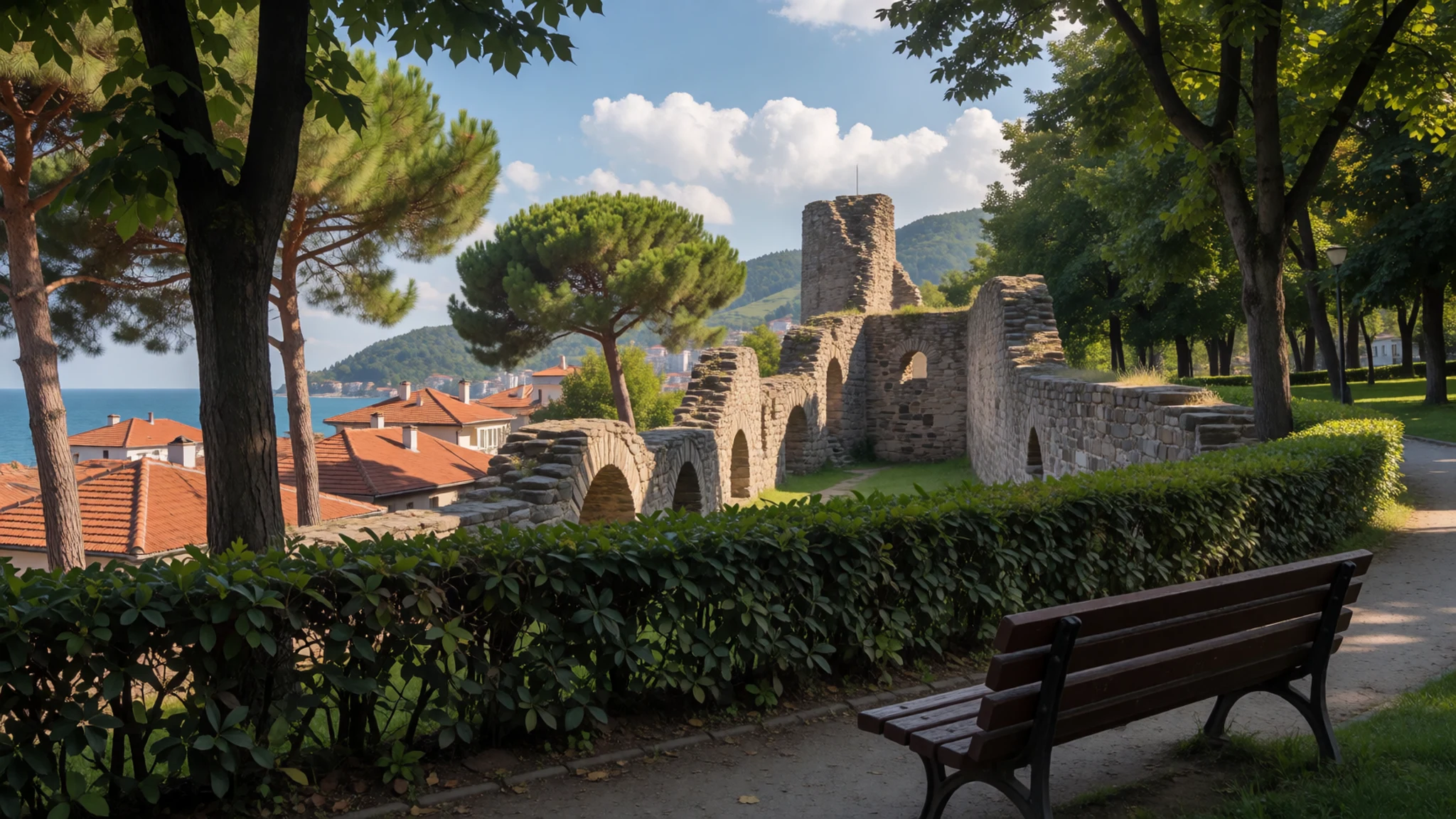
- Kudrettin Mosque — Old quarter
Kudrettin Mosque began life as the church of St Philip, was enlarged into a cathedral after the Ottoman conquest and later converted to a mosque. The history is written into its fabric, which makes it a quiet, compact stop in the old quarter. Dress modestly and check prayer times.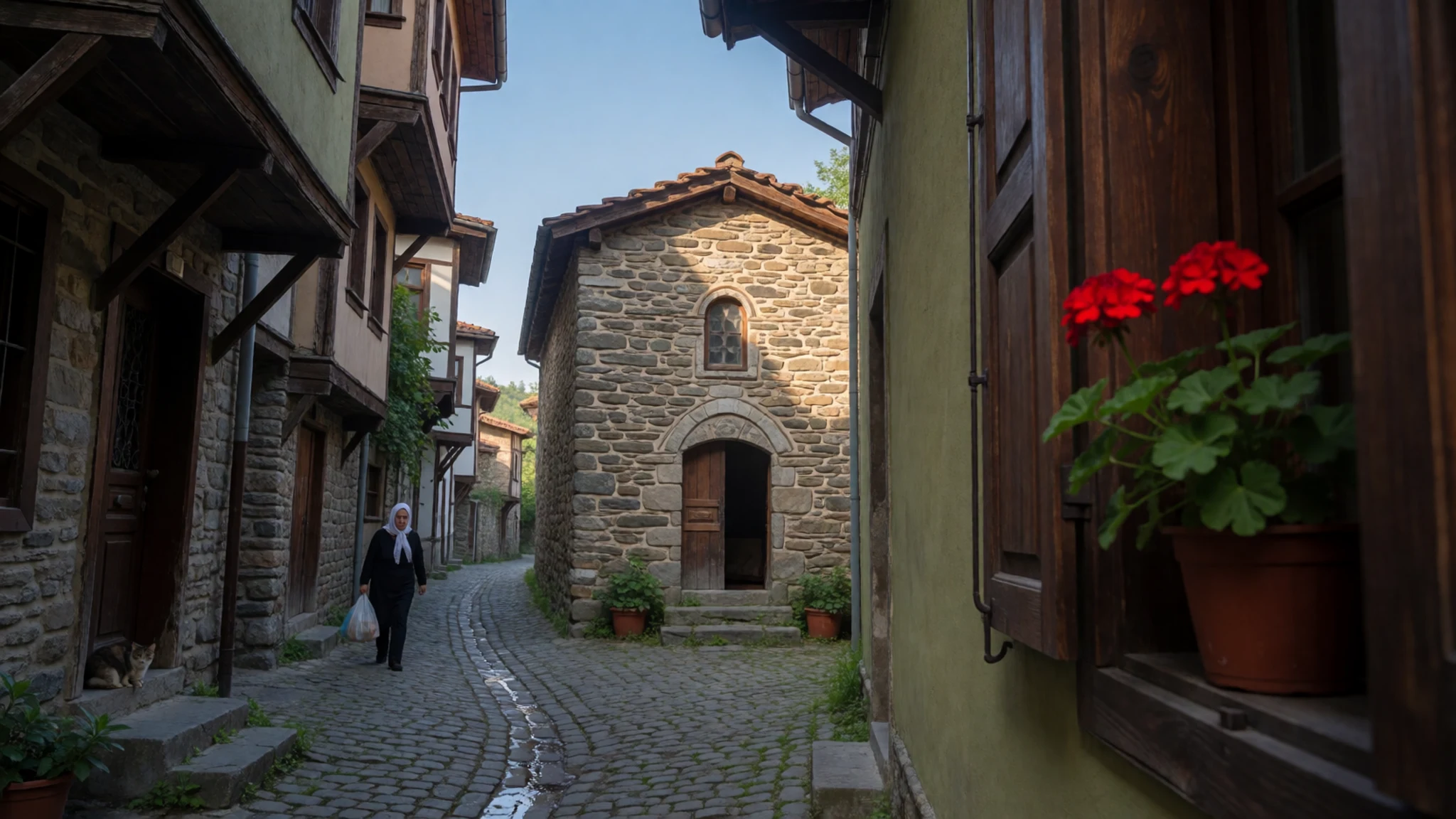
- Santa Maria Church — Near the old town and harbour
Santa Maria is the only church in Trabzon that still holds regular Roman Catholic masses. Italian Capuchin monks founded it after being expelled from Tbilisi, and its small, quiet interior contrasts with the busy streets nearby. Visit respectfully, and ask before photographing during services.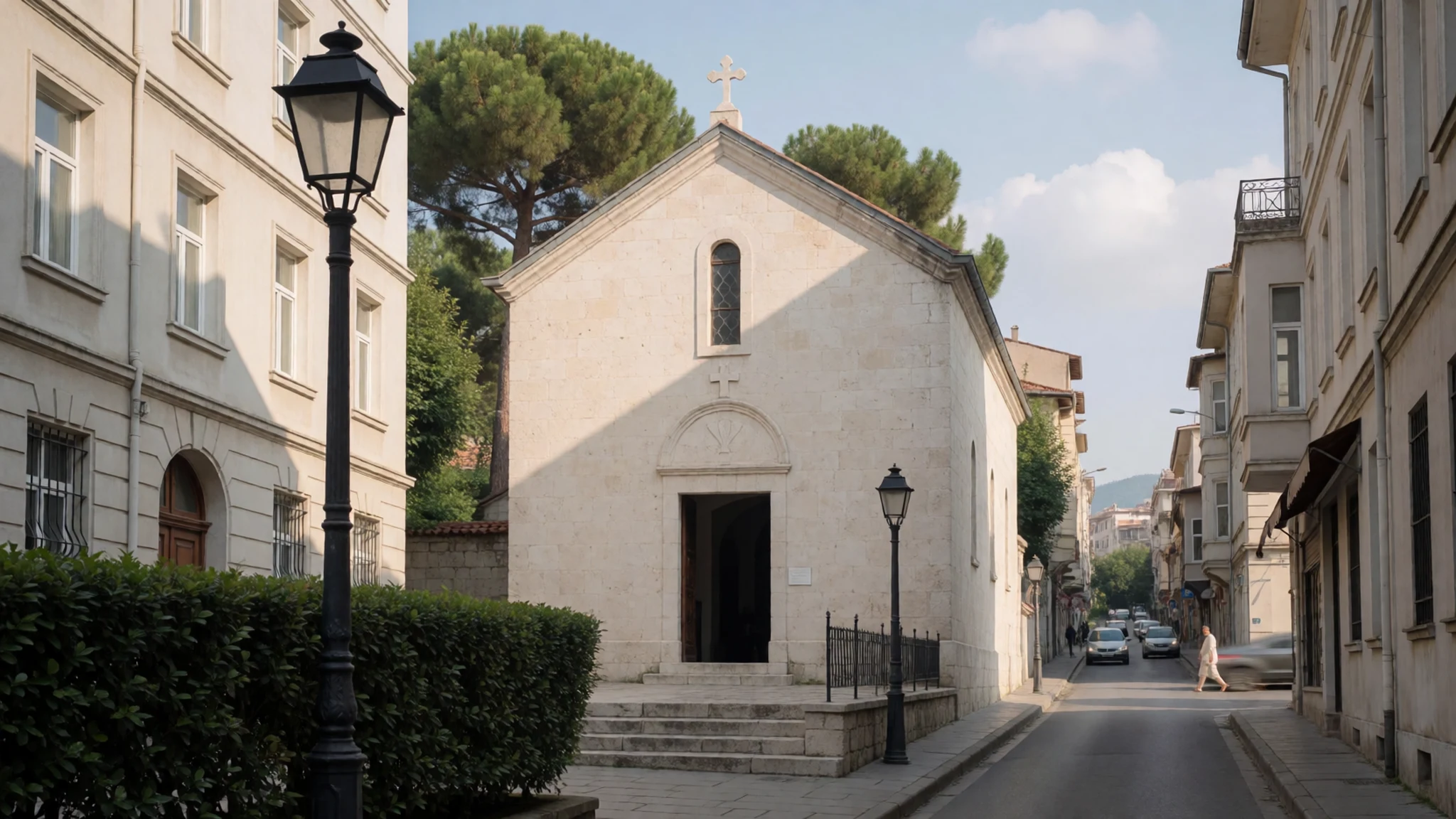
- City Museum — Central Trabzon
The City Museum follows Trabzon from its Greek foundation to Ottoman times, with natural history and ethnography alongside. Labels are only in Turkish, so a translation app helps. It is a good first stop for putting the layered history in order before walking the old town.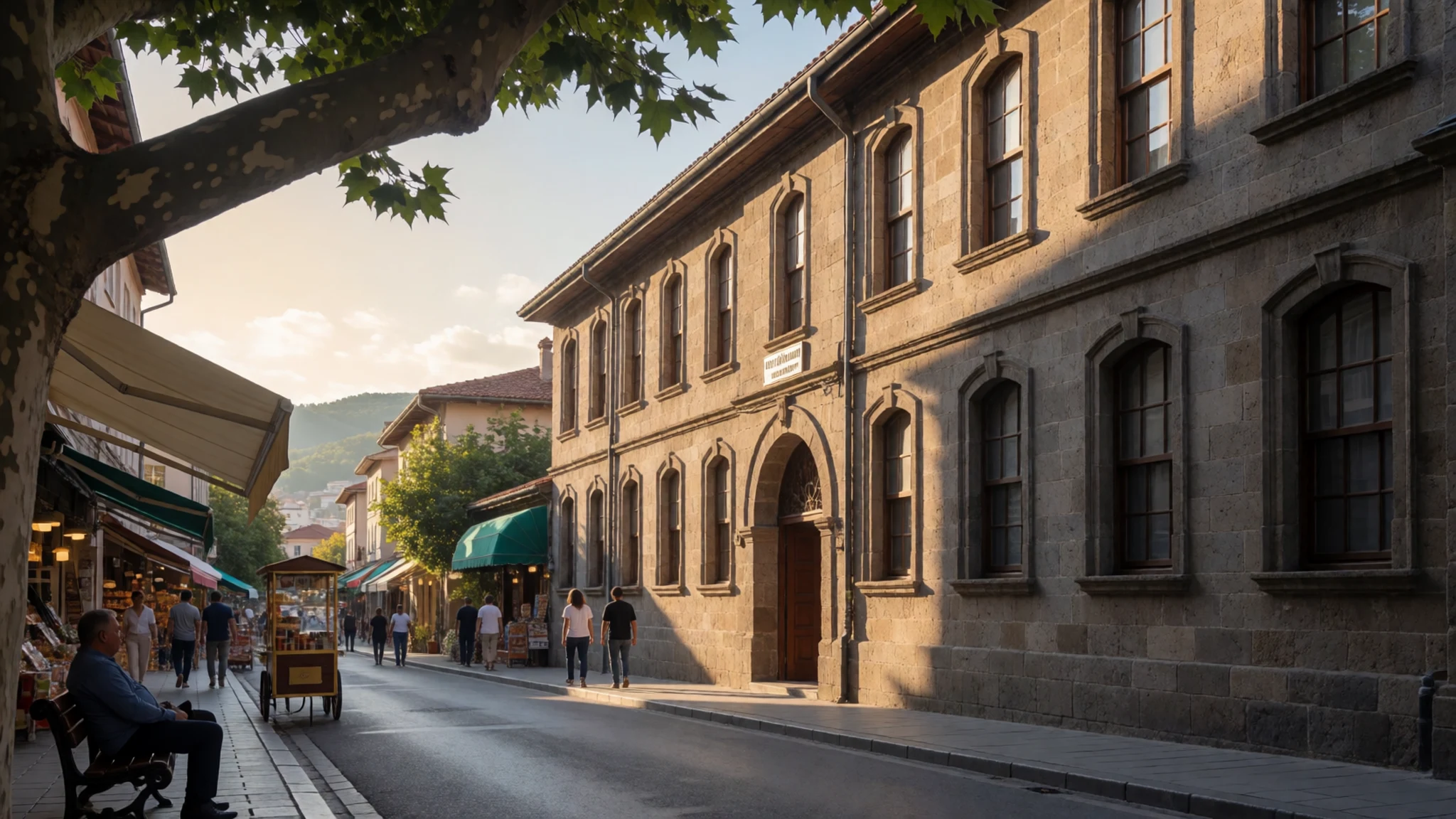
Culture
Trabzon sits in the eastern Black Sea region, where folk music and dance are still part of ordinary celebration. The best-known dance is the horon, performed in a tight line or circle by men, women, young and old, at weddings, festivals and harvest gatherings. It is quick, shoulder-to-shoulder and driven by the high-pitched sound of the local fiddle-like kemençe. Researchers link it to the eastern Black Sea rather than to any outside tradition, and locals treat it as their own. Trabzonites have a reputation for being religiously conservative, patriotic and fiercely loyal to family, friends and country, and outside the urban centre the rhythms of village life from the hills remain strong. Football is nearly a second religion here, and Trabzonspor shirts in the club's colours are everywhere on match days. Hospitality is real but unfussy: expect tea, plain speech and a certain dry humour. The city's history shows in its buildings, since former churches are now mosques and a small Catholic congregation still worships in the old town. Religion is a living part of daily life rather than a museum subject. Keep voices low when entering a mosque or church, remove your shoes at mosque doors, and cover shoulders and knees, women also carrying a scarf for the head, whenever you enter a place of worship.
What to wear
Trabzon's traditional dress belongs to the wider eastern Black Sea style, made from wool, cotton and woven cloth suited to a wet, hilly climate. Women's village dress traditionally features striped or checked woven cloths, such as the fota wrapped at the waist or head, with layered skirts and aprons. Men's festive dress for the horon is dark and fitted, often with braided trim and a sash. These outfits now appear mainly at weddings, folk festivals and dance performances rather than daily life. On the street, Trabzon looks like a conventional Turkish city. Men wear jeans, jackets and football shirts, younger women dress in a range of modern styles, and many older and more religious women choose long coats and headscarves. In rural areas and in the mosque district clothing is noticeably more conservative than on the coast of the Aegean or Mediterranean. A visitor should dress for rain first: a light waterproof, quick-drying layers and shoes with a good grip for wet cobbles and steep paths. Summer is mild enough for short sleeves, but carry a jumper for the highlands. For mosques and churches, cover shoulders and knees, and women should carry a light scarf for the head. Smart-casual is fine in restaurants and tea gardens, and modest swimwear is the norm on public beaches.
What to eat
- Kuymak (muhlama) — Breakfast cafés and Black Sea eateries in the centre
Kuymak, also called muhlama, is a hot, stretchy cheese-and-cornmeal dish from the highlands, traditionally eaten with bread. It is rich and filling, so it suits a cold, wet morning. Look for it at breakfast spots and in restaurants serving Black Sea cooking.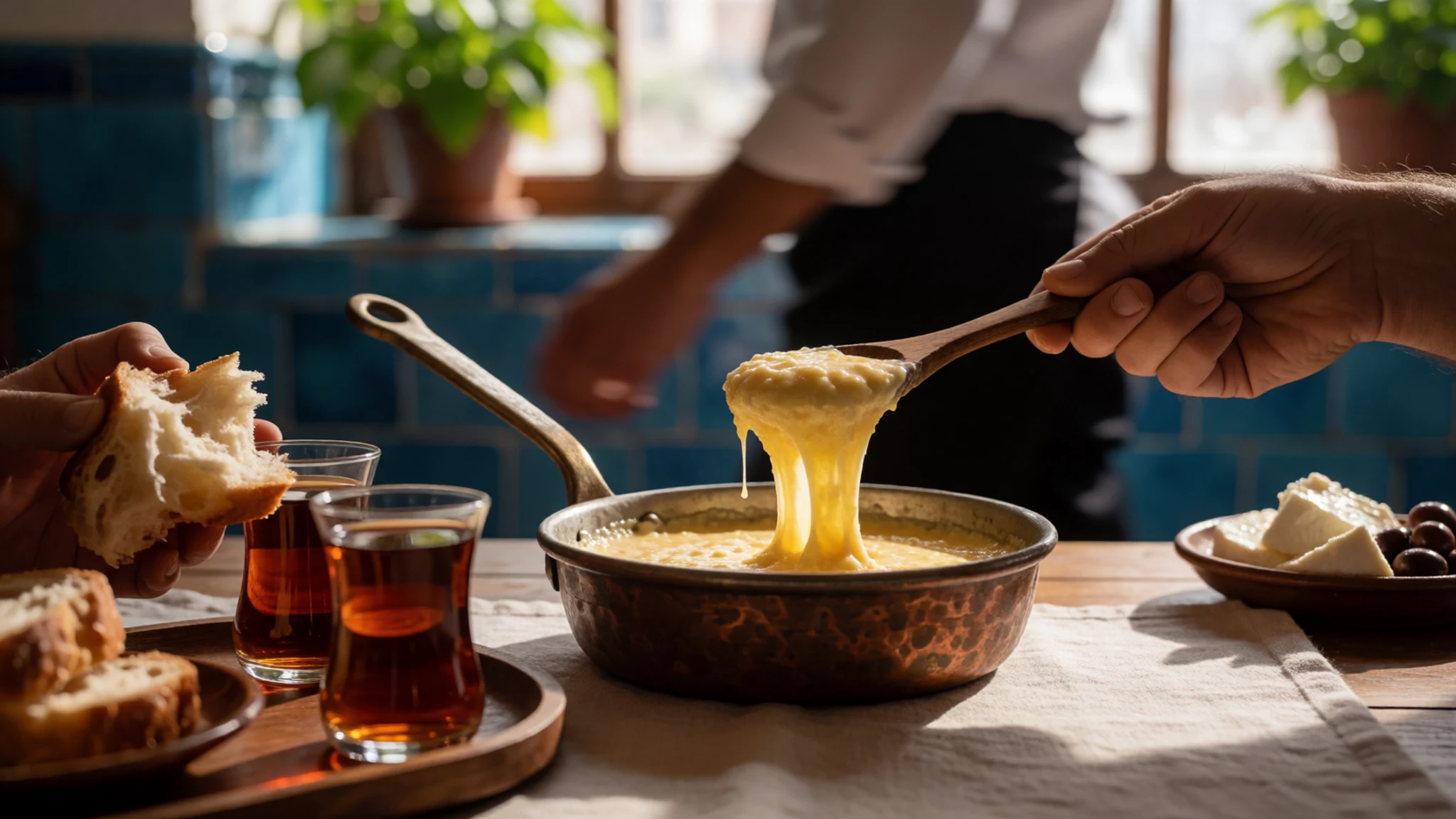
- Trabzon pide — Pide shops around the Meydan square and side streets
Trabzon pide is a boat-shaped baked bread topped with cheese and egg, a local relative of pizza. It comes straight from the oven, so it arrives hot and bubbling, and it is cheap and quick for lunch. Pide ovens are easy to spot by the queue.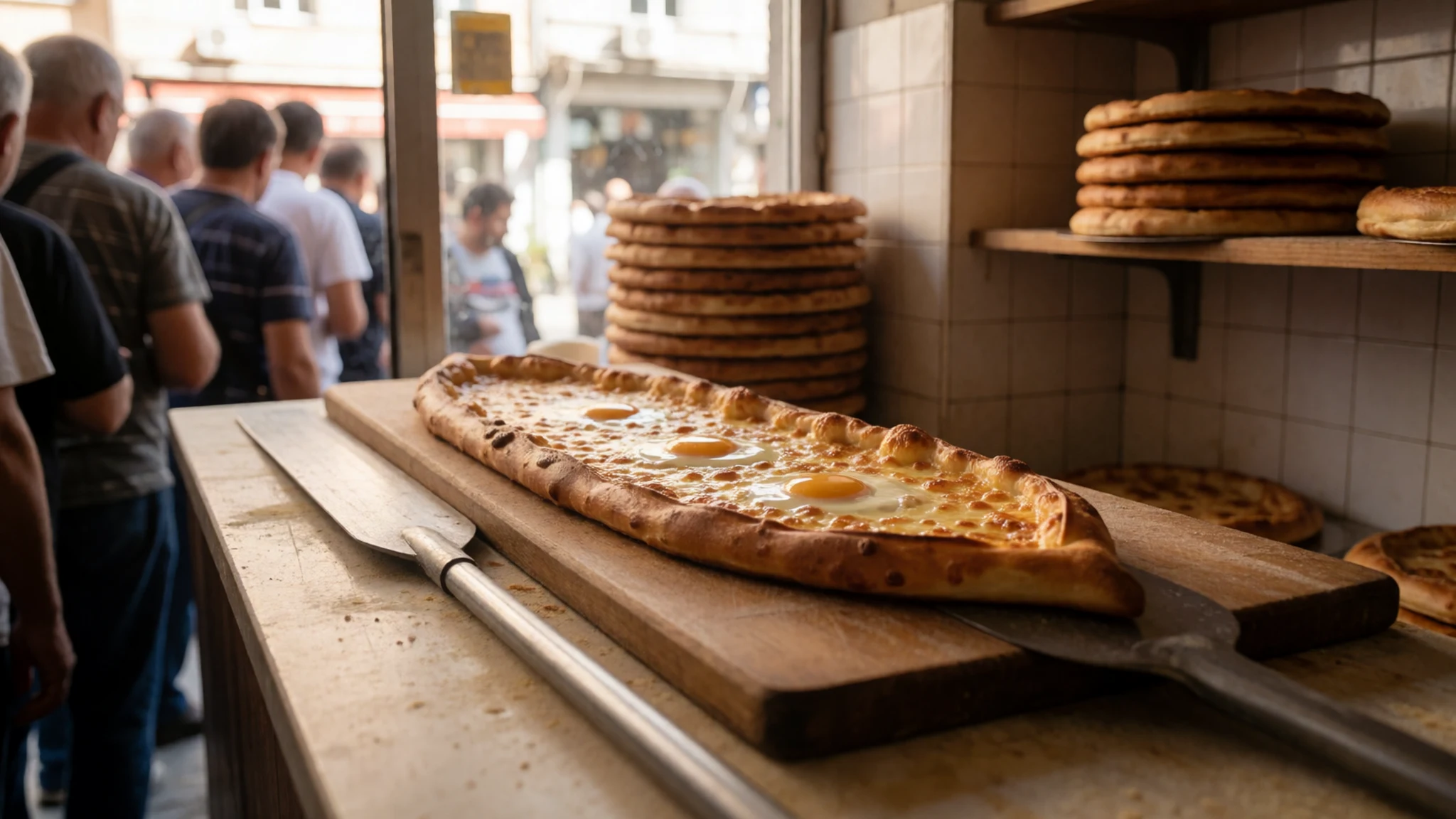
- Local köfte — Grill houses and lokantas in the centre
The köfte here, grilled meatballs, have a distinctive local flavour and are usually served with bread and a simple salad. They are a lunchtime staple and a good test of any grill house. Ask for the local style and the house bread alongside. - Vakfıkebir bread — Bakeries and markets along the coast east and west of town
Vakfıkebir bread is a big sourdough loaf, baked in a stone oven, with a chewy crust and a slightly sour crumb, not unlike an Italian country loaf. Buy it fresh from bakeries along the coast road and eat it with local cheese. - Pilav — Old-town pilav restaurants, such as Tarihi Kalkanoğlu Pilavı
Traditional pilav is a point of pride in Trabzon, and one well-known restaurant in the city has been serving it since the nineteenth century. Expect rice cooked to a fluffy, buttery finish, usually with chicken or meat alongside. - Fresh Black Sea fish — Small fish restaurants near the harbour
Black Sea fish, notably hamsi (anchovy) in season, appears fried, grilled or baked in simple, inexpensive eateries near the harbour. The catch changes with the weather and the time of year, so ask what is fresh that day.
Plan it
Best time. July and August are the warmest and driest months for reaching the highland pastures and lakes, although spring is mild and dry while autumn brings heavy rain. Winter can close mountain roads, and the inland D915 should not be attempted then.
How long. 2–3
Getting there. Fly to Trabzon's airport and take a taxi or bus into the centre. There is no railway and no regular passenger ferry. By road, the coastal D010 highway runs from the Georgian border at Sarp (about 2½ hours) and from Samsun (about 4½ hours). Buses from Istanbul take about 18 hours; from Erzurum about 4 hours.
Budget. mid
Tips
- Carry a light waterproof year-round, as showers can arrive suddenly
- Start highland trips early, since mountain weather often clouds over by afternoon
- Check opening arrangements for churches and museums locally, as some are closed for renovation
- Carry some cash for small eateries, market stalls and dolmuş minibuses
- Take the inland D915 slowly, and avoid it in winter
Etiquette
- Remove shoes before entering mosques and cover shoulders and knees
- Ask permission before photographing people, especially women and older villagers
- Keep voices low and avoid walking in front of people at prayer
Nearby
Sources
- Wikidata Q45301 (CC0)
- Wikipedia: Trabzon (rev 1384697681) (CC BY-SA 4.0)
- Wikivoyage: Trabzon (rev 5420452) (CC BY-SA 4.0)
- Trabzon, harbour — Bertramz (CC BY 3.0)
- Fatih Mosque, Trabzon — Francesco Bini (CC BY-SA 4.0)
- Atatürkköskü, Trabzon — Korkut Tas (CC BY 3.0)
- Uzungöl Lake — Ozbakanelwan (CC BY-SA 4.0)
- Hagia Sophia, Trabzon — İhsan Deniz Kılıçoğlu (CC BY 3.0)
- Trabzon, Atatürk Alani — Bertramz (CC BY 3.0)
- Panorama of Trabzon from Boztepe — Nezih Durmazlar (CC BY-SA 2.0)
- Silver drachma from Trapezus — Kensai (Public domain)


