Timna Valley
Timna Valley, Israel
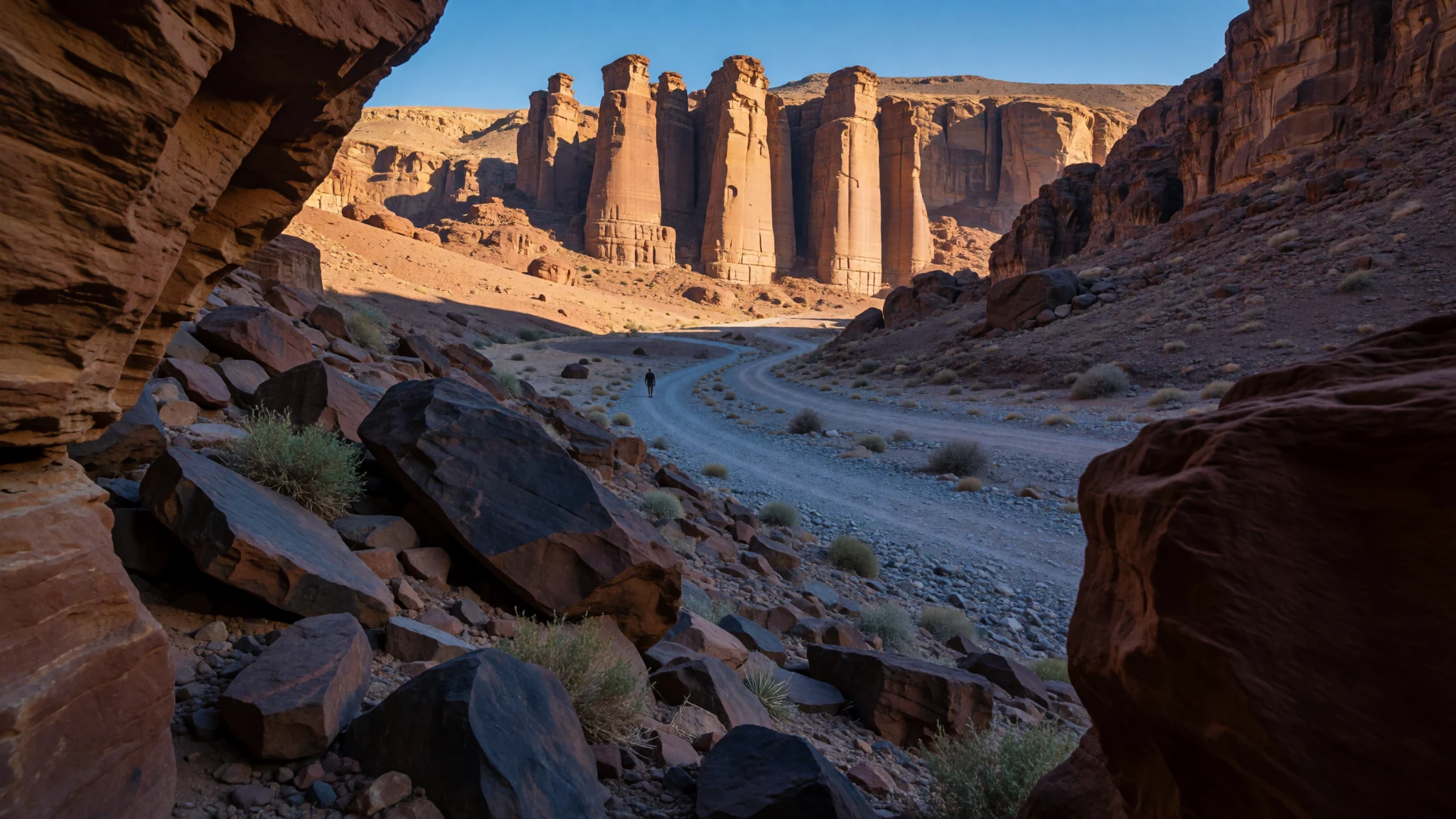
Timna Valley offers vast desert canyons, ancient copper mines, and wind-sculpted geological wonders set within the dramatic landscapes of the southern Aravah.
The place
Timna Valley sits in the southwestern Aravah desert within southern Israel, stretching out as a horseshoe-shaped depression enclosed by steep cliffs of sandstone and granite. Located within a protected recreation park, the landscape is defined by millennia of intense wind and water erosion that have carved the underlying mineral strata into extraordinary geometries. Copper ore seams run through the geological layers, giving the terrain its characteristic earthy palette of rust reds, ochres, pale creams, and deep browns. Sparse desert scrub clings to the valley floor, while sharp peaks and dry riverbeds create a stark, remote atmosphere. The area experiences intense heat for much of the year, tempered slightly by dry desert air that causes temperatures to plummet rapidly after sunset. A large portion of the territory is set aside as an archaeological and natural park, allowing visitors to traverse graded tracks that wind past monumental rock formations and ancient industrial remnants. Though wild and seemingly inhospitable, the terrain reveals hidden springs and sheltered alcoves that have sustained human activity since prehistoric times. Travellers arriving in the region find themselves surrounded by silence, broken only by the whistling of desert winds through canyon walls. The geography bridges the mountainous terrain of the northern Negev with the low-lying rift valley, creating a distinct microclimate and a striking visual canvas that feels entirely detached from the rest of the country.
Its story
Timna Valley holds some of the oldest documented copper extraction sites in human history, with mining operations stretching back to the Neolithic era. Ancient artisans recognised the rich mineral veins embedded in the sandstone and began extracting ore to cast into ornaments and primitive tools, long before the rise of classical empires. Egyptian expeditions later arrived to control the lucrative trade, establishing permanent mining camps and erecting a dedicated sanctuary to honour the goddess Hathor near the canyon floor. Recent archaeological excavations at smelting camps like Slaves' Hill have challenged previous historical assumptions, demonstrating that industrial-scale production continued into later antiquity under regional polities such as the Kingdom of Edom. These discoveries shifted scholarly perspectives on the capabilities of ancient nomadic societies, proving they possessed sophisticated metallurgical technologies and complex administrative networks. Throughout the centuries, control over the valley shifted among various regional powers, leaving behind petroglyphs, pottery shards, and ruined fortifications that document a continuous human struggle to harvest the desert's hidden wealth. The industrial heritage of the valley intersects with biblical traditions, sparking ongoing academic debates regarding whether these remote desert smelters operated during the legendary era of King Solomon. Today, the ruined furnaces and abandoned shafts serve as an open-air archive of early human engineering, preserved under layers of desert dust and baking sun.
What to see
- The Mushroom — Central Timna Park
The Mushroom stands as one of the valley's most famous natural rock sculptures, created when differential erosion carved away the softer sandstone base while leaving a wider cap intact. This remarkable geological formation rises dramatically from the valley floor, displaying distinct mineral bands that trace the ancient sedimentation of the seabed.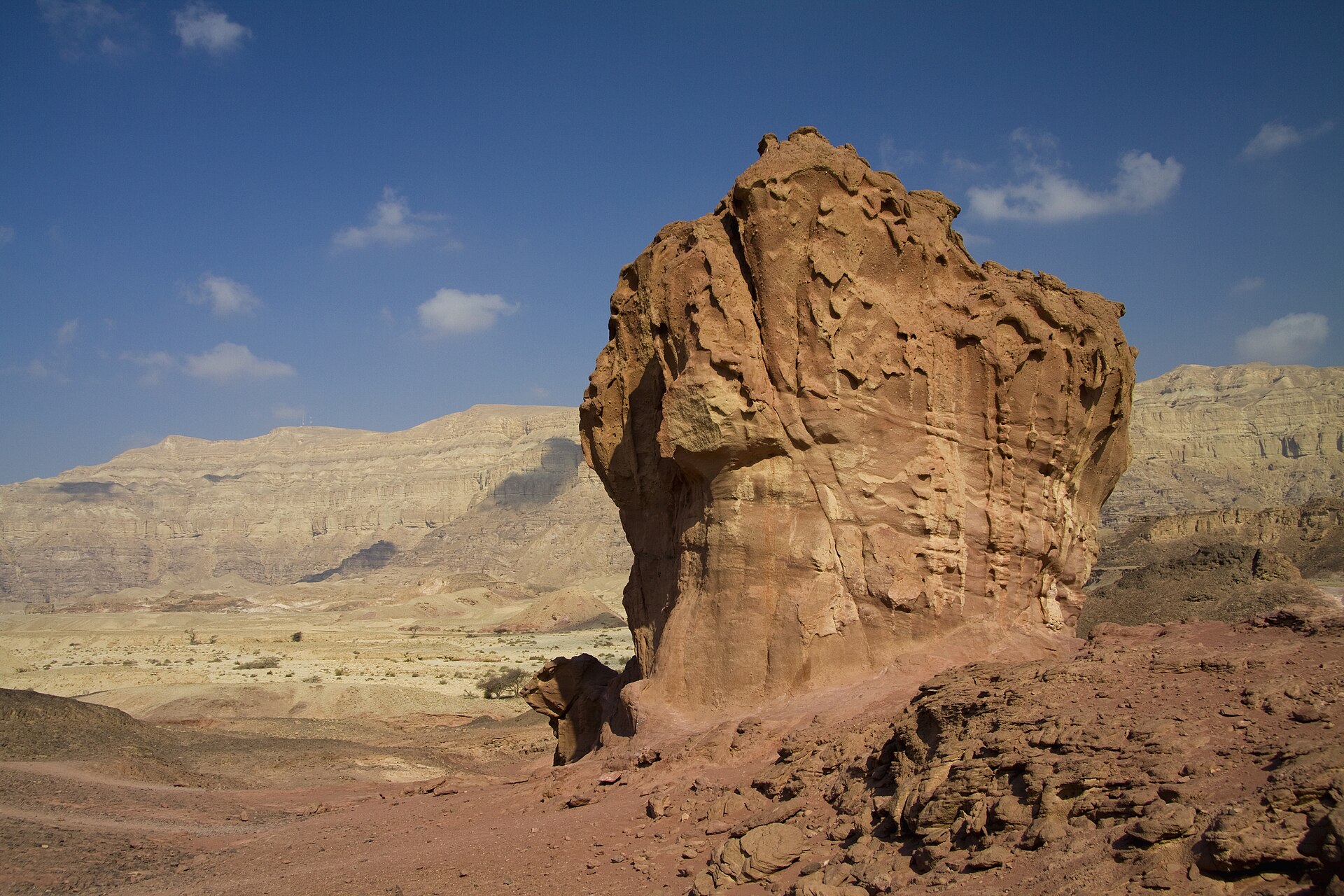
- Solomon's Pillars — Southern Valley Area
Solomon's Pillars are a series of towering, vertical sandstone cliffs carved by water runoff from ancient flash floods that cut through the canyon walls. These majestic natural monoliths frame an amphitheatre of red rock, presenting a formidable facade that bears witness to the immense geological forces that shaped the region over countless millennia. - Temple of Hathor — Near the Mushroom formation
The Temple of Hathor marks an ancient Egyptian sanctuary site where miners once left votive offerings, stone carvings, and inscriptions dedicated to the goddess of copper. Although little more than stone foundations and carved niches remain today, the location highlights the far-reaching influence of ancient pharaonic expeditions into the southern desert.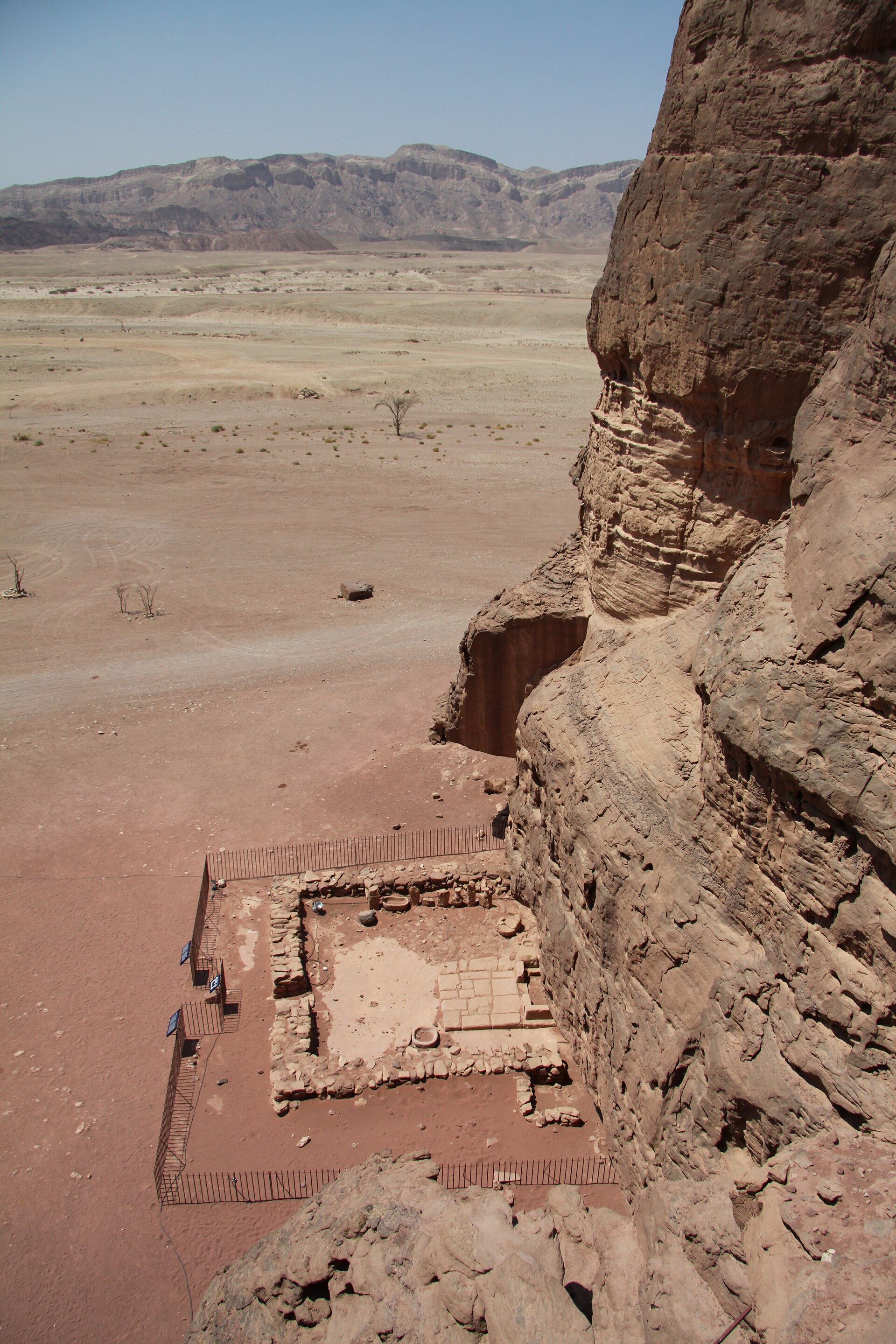
- The Arches — Western Cliff Sector
The Arches trail leads visitors to delicate natural sandstone bridges formed when wind and moisture weathered narrow fins of rock from both sides until they breached. These fragile spans high up on the cliffside showcase the sculptural power of desert weather, offering a rewarding trek across uneven terrain with panoramic views.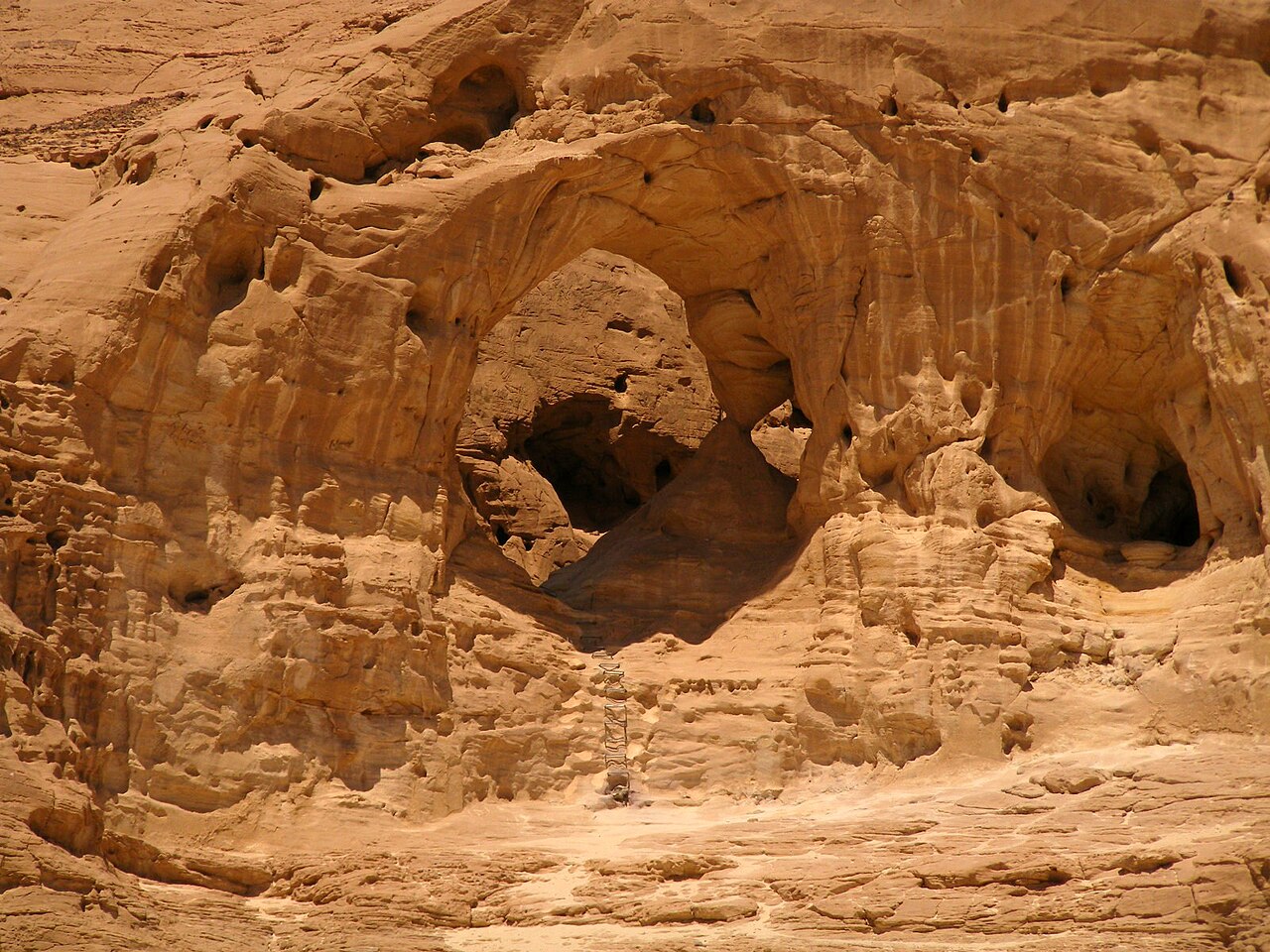
- Egyptian Chariot Rock Art — Canyon Wall Sites
Egyptian Chariot Rock Art features ancient petroglyphs pecked into the dark patina of canyon walls, illustrating hunting scenes, human figures, and wheeled vehicles. These weathered engravings provide a fascinating visual record left by travellers, soldiers, and merchants who traversed the trade routes of the Aravah desert centuries ago.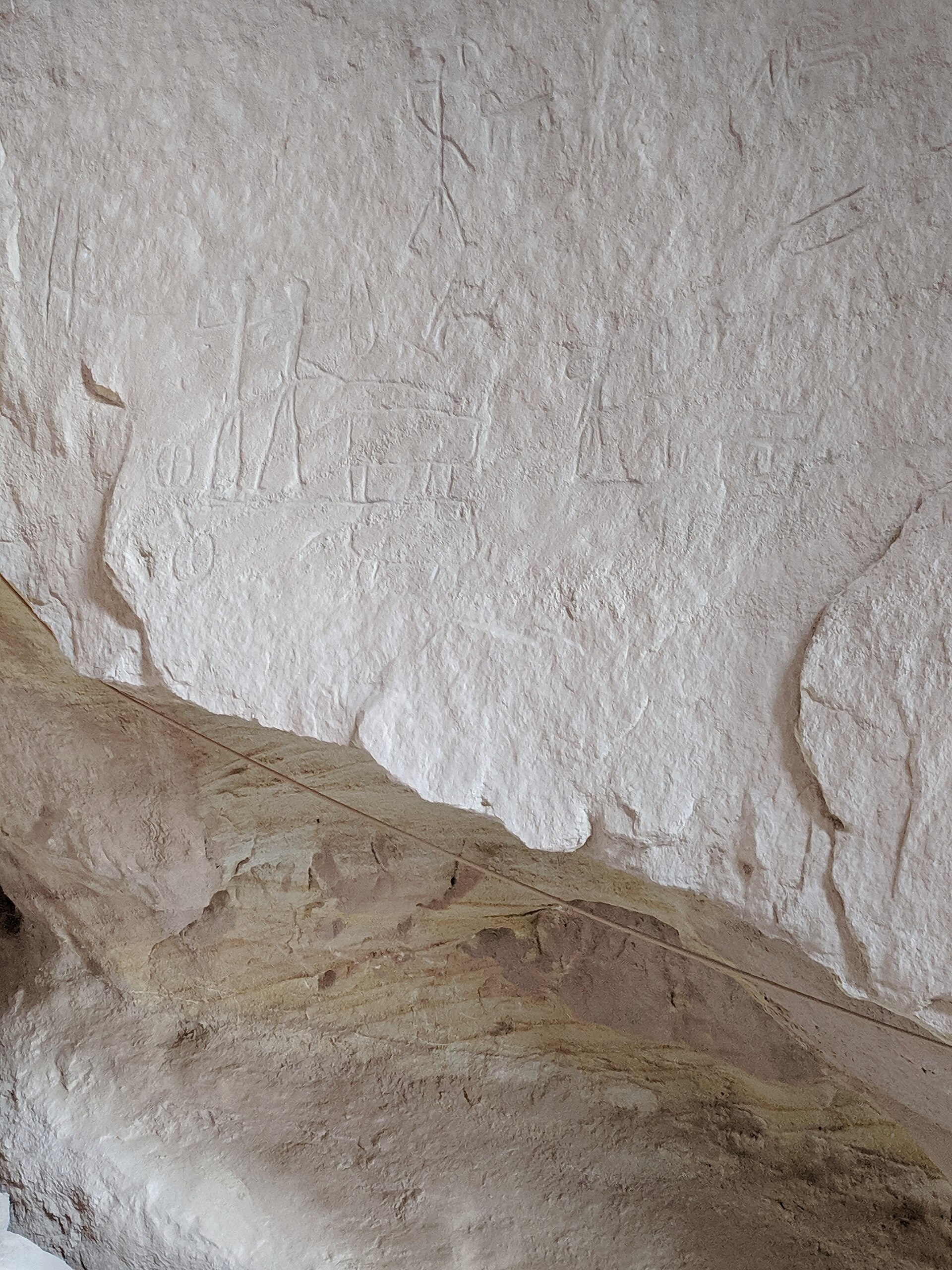
Culture
Timna Valley sits within a region characterised by a vibrant mix of Middle Eastern traditions and a modern, western-oriented outlook on daily life. Visitors will find that locals across the country are remarkably direct communicators, a cultural trait known locally as dugriut that values blunt honesty over elaborate pleasantries. While this straightforward manner can occasionally feel abrupt or confrontational to newcomers, it rarely carries any hostile intent and reflects a societal preference for transparency. Hospitality remains deeply ingrained, and strangers are often eager to offer assistance, share advice, or strike up enthusiastic conversations about background and travel plans. Subordinates feel entirely comfortable challenging superiors in professional settings, and social hierarchies are generally relaxed and informal. When visiting Timna Valley or travelling through the surrounding desert communities, always carry adequate water supplies and respect local park regulations regarding trail safety.
What to wear
Timna Valley visitors will notice that contemporary dress across the region is casual, practical, and heavily influenced by the warm climate and outdoor lifestyle. Everyday attire for locals consists of lightweight cotton shirts, shorts, jeans, and comfortable walking shoes or sandals suitable for urban streets and coastal promenades. Traditional clothing survives primarily within specific religious and ethnic communities, featuring modest garments, head coverings, and woven textiles that reflect centuries of heritage. For a journey into the rugged terrain of Timna Valley, practicality is essential rather than fashion. Visitors should pack sturdy hiking boots to handle sharp stones and loose sand, breathable long trousers to protect against sun and scrub, a wide-brimmed hat, and polarized sunglasses to cut through the intense desert glare. Layers are also important, as temperatures drop sharply once the sun sets behind the canyon walls. When transitioning from outdoor exploration to urban eateries or sacred sites, a simple change into casual smart wear and a light jacket ensures comfort and cultural ease.
What to eat
- Shakshuka — Local roadside cafés and breakfast eateries
Shakshuka features gently poached eggs resting in a simmering, spiced sauce of ripe tomatoes, peppers, onions, and garlic, often served with crusty bread for dipping. It is widely enjoyed as a hearty morning meal at neighbourhood cafés and roadside eateries. - Hummus — Specialised hummus bars and street-side stalls
Hummus is a smooth, velvety paste made from blended chickpeas, tahini, lemon juice, and garlic, typically crowned with olive oil, whole chickpeas, and cumin. It can be found at specialized hummus shops and traditional markets across the country. - Falafel — Street-side windows and neighbourhood lunch counters
Falafel consists of crispy, deep-fried balls or patties crafted from spiced chickpeas or fava beans, tucked inside warm pita bread alongside fresh salads and pickles. This ubiquitous snack is served fresh from street-side windows and casual neighborhood lunch counters. - Sabich — Bustling urban food stands and market stalls
Sabich is a popular sandwich comprising fried aubergine, hard-boiled eggs, tahini, amba mango sauce, and salad stuffed snugly into a fresh pita. It is a favourite midday meal served at bustling urban food stands and market stalls. - Bourekas — Local neighborhood bakeries and morning markets
Bourekas are flaky, baked pastries made from thin layers of phyllo dough wrapped around savory fillings such as salty cheese, mashed potato, or spinach. They are a staple bakery item enjoyed warm throughout the morning hours.
Plan it
Best time. February–April and November–December offer pleasant daytime temperatures ideal for desert hiking, while summer months bring intense, punishing heat.
How long. 1–2
Getting there. Fly into Ramon Airport situated right near the entrance to Timna Valley, or travel by road from Eilat via the Arava Highway.
Budget. mid
Tips
- Check the official park website for current opening hours and ticket information
- Arrive early in the morning to beat the midday desert heat
- Carry at least three litres of water per person for any extended walk
- Wear sturdy footwear suitable for rocky and uneven terrain
Etiquette
- Respect local park regulations and stay on marked hiking trails at all times
- Keep noise levels down to preserve the quiet natural atmosphere of the canyon
Nearby
Sources
- Wikidata Q1973199 (CC0)
- Wikipedia (CC BY-SA 4.0)
- Wikivoyage (CC BY-SA 4.0)