Timbuktu
Timbuktu, Mali
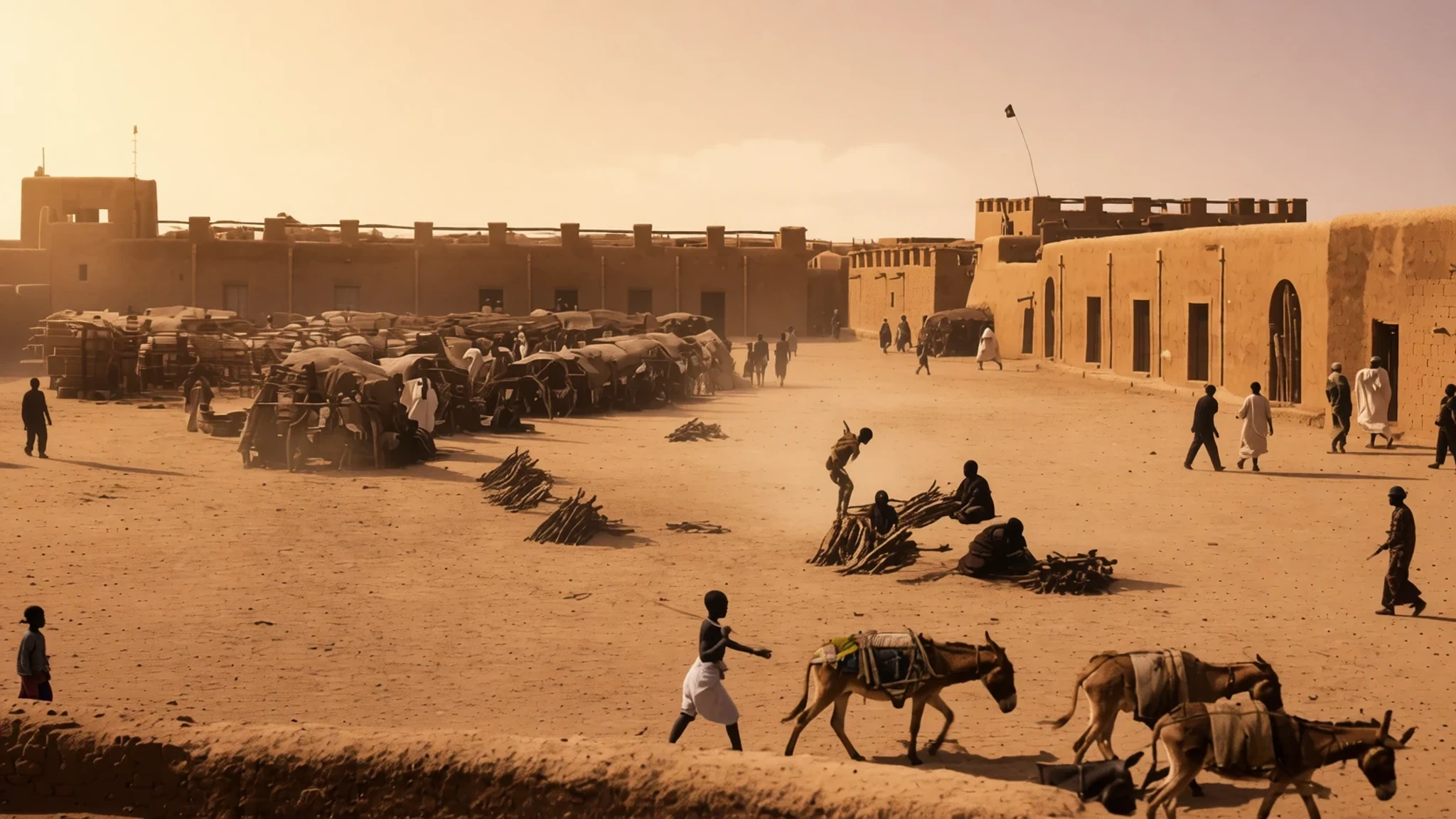
Timbuktu stands as a legendary beacon of medieval scholarship and trans-Saharan trade at the edge of the desert dunes.
The place
Timbuktu sits in the African nation of Mali, positioned just north of the great Niger River. Surrounded by dry expanses and shifting desert sands, the city developed as a vital crossroads where caravans met river barges. Archaeological traces indicate that people inhabited the area long before the urban centre gained renown for Islamic scholarship and commerce. Originally functioning as a seasonal nomadic camp, the settlement became permanent, expanding rapidly after trade routes shifted across the region.
Throughout its history, control of Timbuktu shifted through successive empires and regional powers, including the Mali Empire, the Tuareg people, and the Songhai Empire, followed later by Moroccan forces and the Arma ruling class. Each era left distinct imprints on the urban fabric, blending architectural styles of baked earth and timber beams. Today, the town lies fifteen to twenty kilometres north of the Niger and still meets the desert, with the port of Kabara eight kilometres south usable only in December and January and boats otherwise docking at Korioumé, eighteen kilometres away by road. Donkeys pick their way through dusty lanes past sun-baked walls, while daily life unfolds around busy local markets and residential quarters. Despite enduring modern conflicts and the relentless encroachment of sand dunes from the Sahara, the settlement preserves its historic character and deep intellectual legacy. Visitors find a place where ancient mud-brick minarets pierce the pale sky, testifying to centuries of endurance at the desert edge.
Its story
Timbuktu occupies a mythic place in the Western imagination, symbolising a distant, unreachable frontier of mystery. Yet this reputation conceals a remarkably sophisticated history as a medieval intellectual capital. During its golden age under great imperial rulers, the city drew brilliant thinkers, jurists, and theologians from across the Islamic world. Scholars gathered in vast courtyards to study grammar, law, astronomy, mathematics, and medicine, creating libraries filled with thousands of handwritten manuscripts that survive to this day.
Wealth flowed into Timbuktu from multiple directions. Caravan routes brought precious gold, salt blocks, ivory, and other commodities from distant mines and Mediterranean shores. Salt from northern deposits was traded across the region, while gold captured the imagination of monarchs and travelers alike. Its location near the great river provided agricultural sustenance and facilitated vital water transport. Famous royal pilgrimages drew wide attention to the realm, inspiring chroniclers to record tales of fabulous wealth and scholarly attainment. European explorers later endured arduous, perilous desert journeys simply to set eyes on the fabled settlement. Many perished or struggled for years across the dunes before reaching its gates, cementing the city's enduring aura of romance, discovery, and legendary isolation in global lore.
What to see
- Djinguereber Mosque — Southern quarter
Constructed under imperial patronage, this monumental structure is the largest and most impressive of the city's ancient mud-brick mosques. Its striking earthen pillars and protruding wooden scaffolding beams showcase classic Sudano-Sahelian architecture. Visitors should observe the exterior and surrounding neighbourhood with caution due to nearby military presence.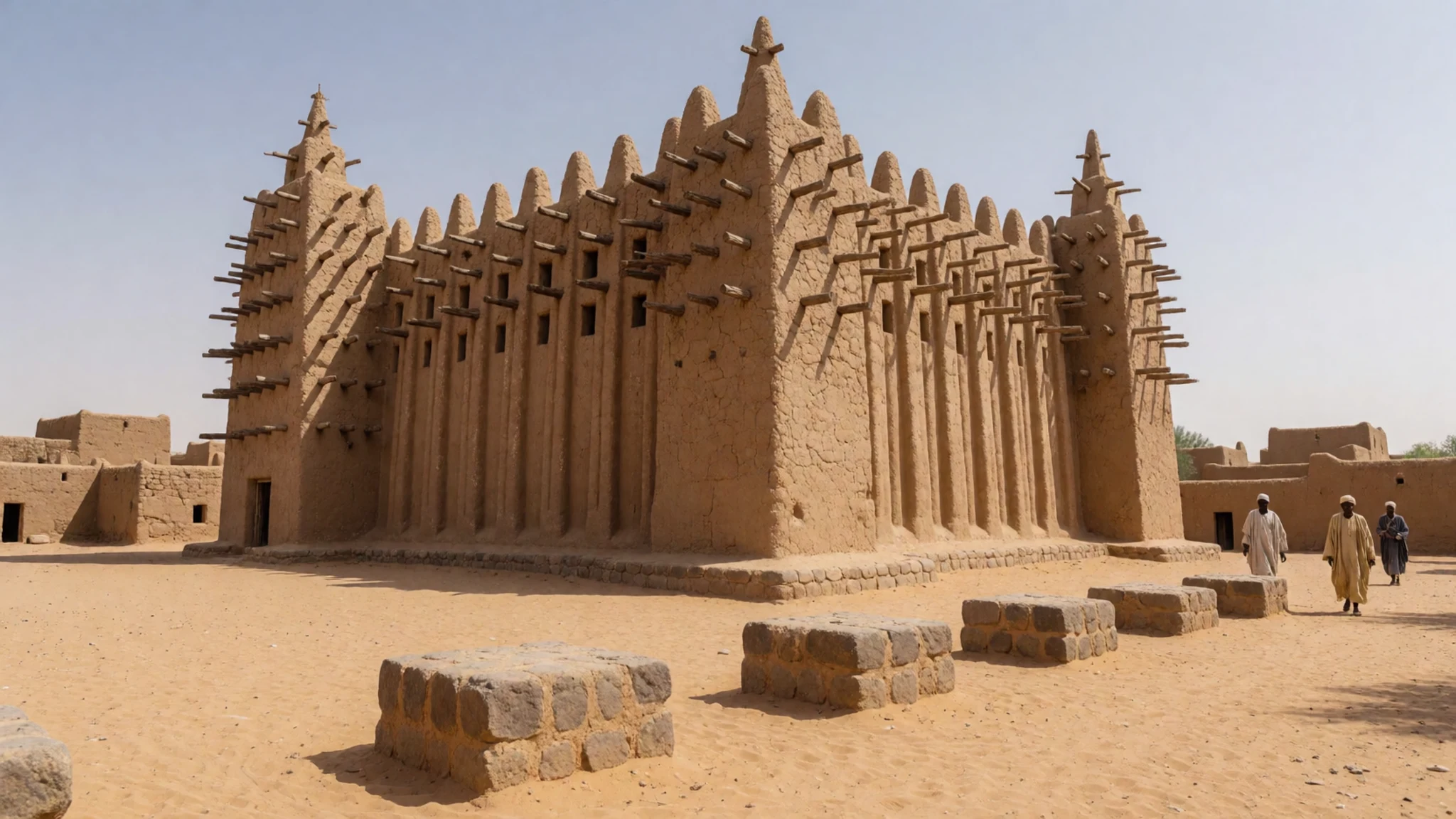
- Sankore Mosque — University district
This historic institution served simultaneously as a house of prayer and a renowned madrasah where scholars taught generations of students. Its distinctive minaret rises above surrounding rooftops, marking a site that once anchored a vast network of scholarly manuscripts, theological debate, and higher learning across the region.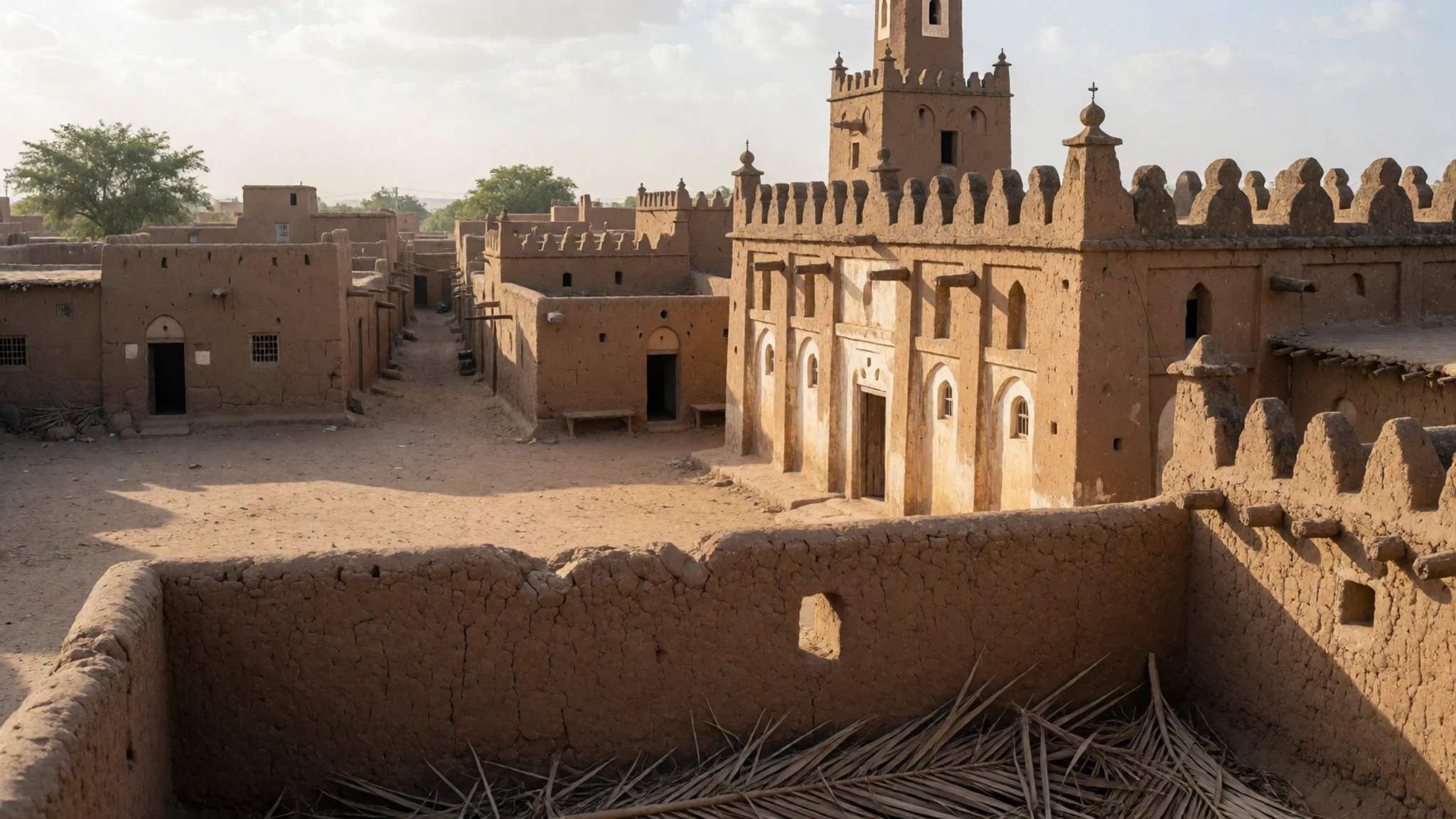
- Sidi Yahya Mosque — Central quarter
Founded by local leaders, this sacred landmark holds deep religious and mystical significance for the community. Named after its first spiritual leader, the mosque features remarkable earthen masonry that has been carefully restored following past damage, maintaining its architectural integrity and spiritual role.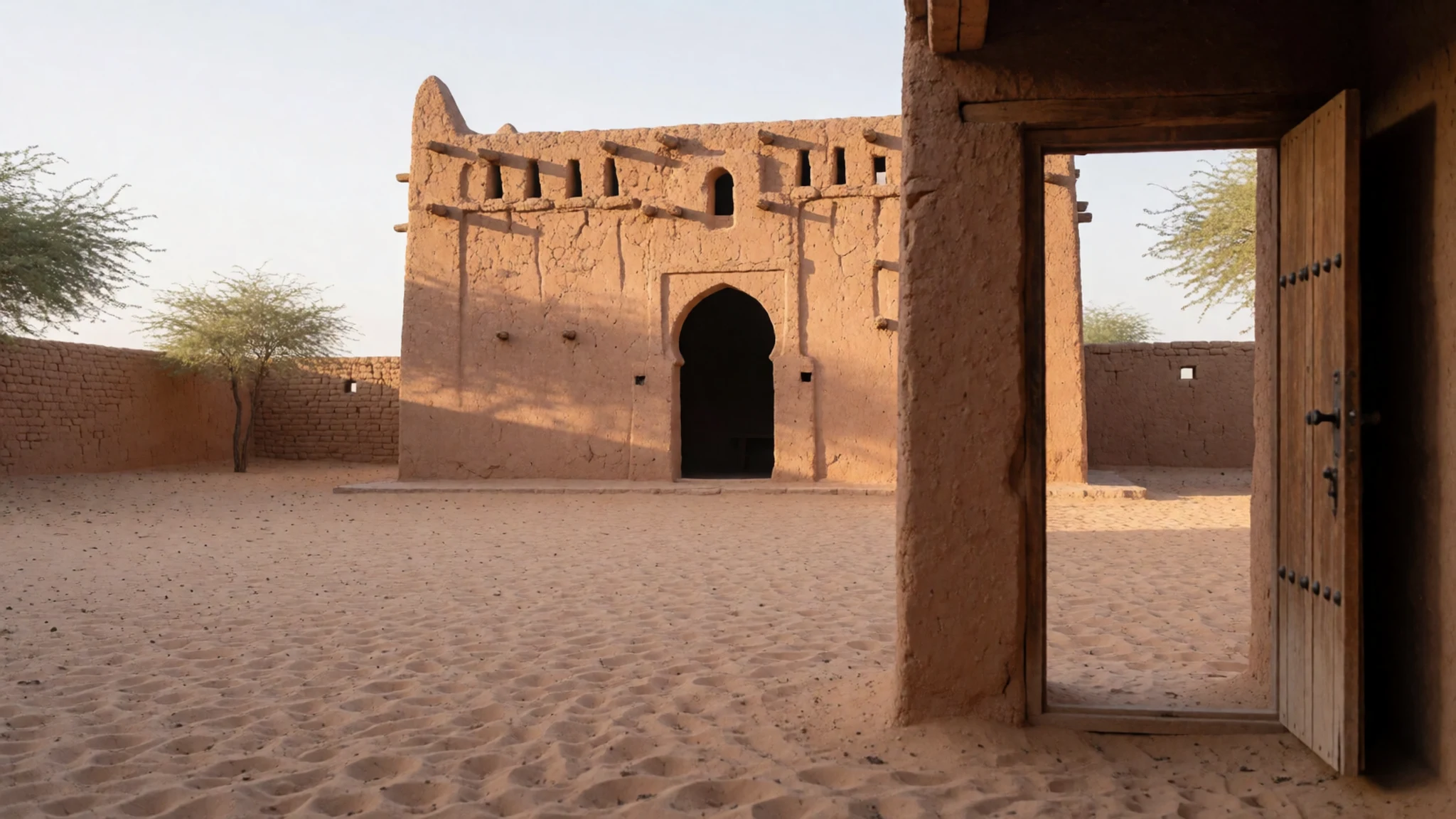
- Heinrich Barth's House — Old town centre
German explorer Heinrich Barth spent years traversing the Sahara before arriving in the nineteenth century, documenting local life and customs in meticulous detail. The house tied to his stay is a private home with a plaque, as with the lodgings of other early Western visitors.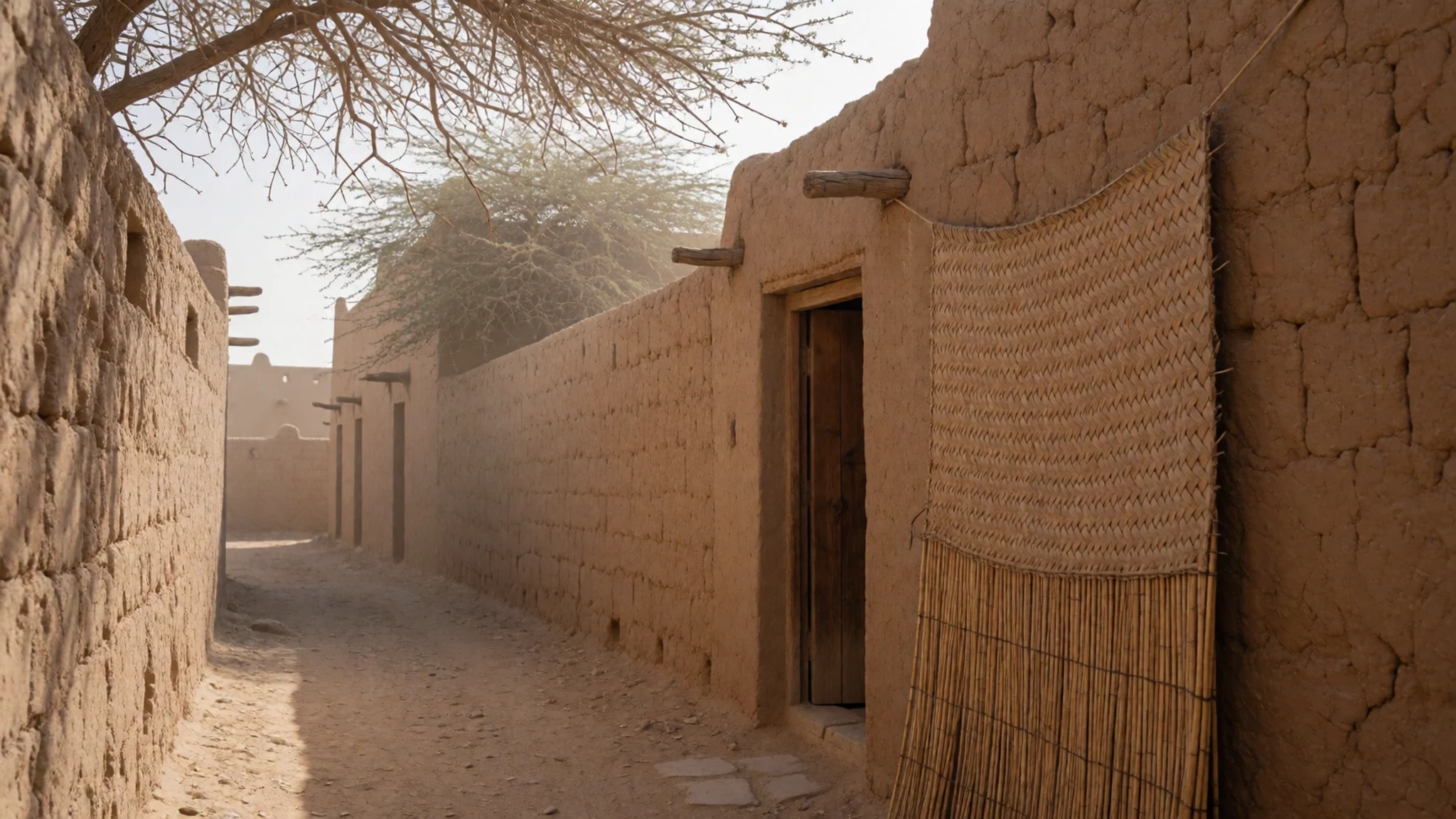
- Flame of Peace Monument — Northern approach
Erected to mark a historic turning point, this memorial commemorates the 29 March 2007 burning of three thousand weapons, a ceremony honouring the peace that followed the end of the Tuareg rebellion in 1996. The monument stands as a powerful public reminder of reconciliation and lasting peace.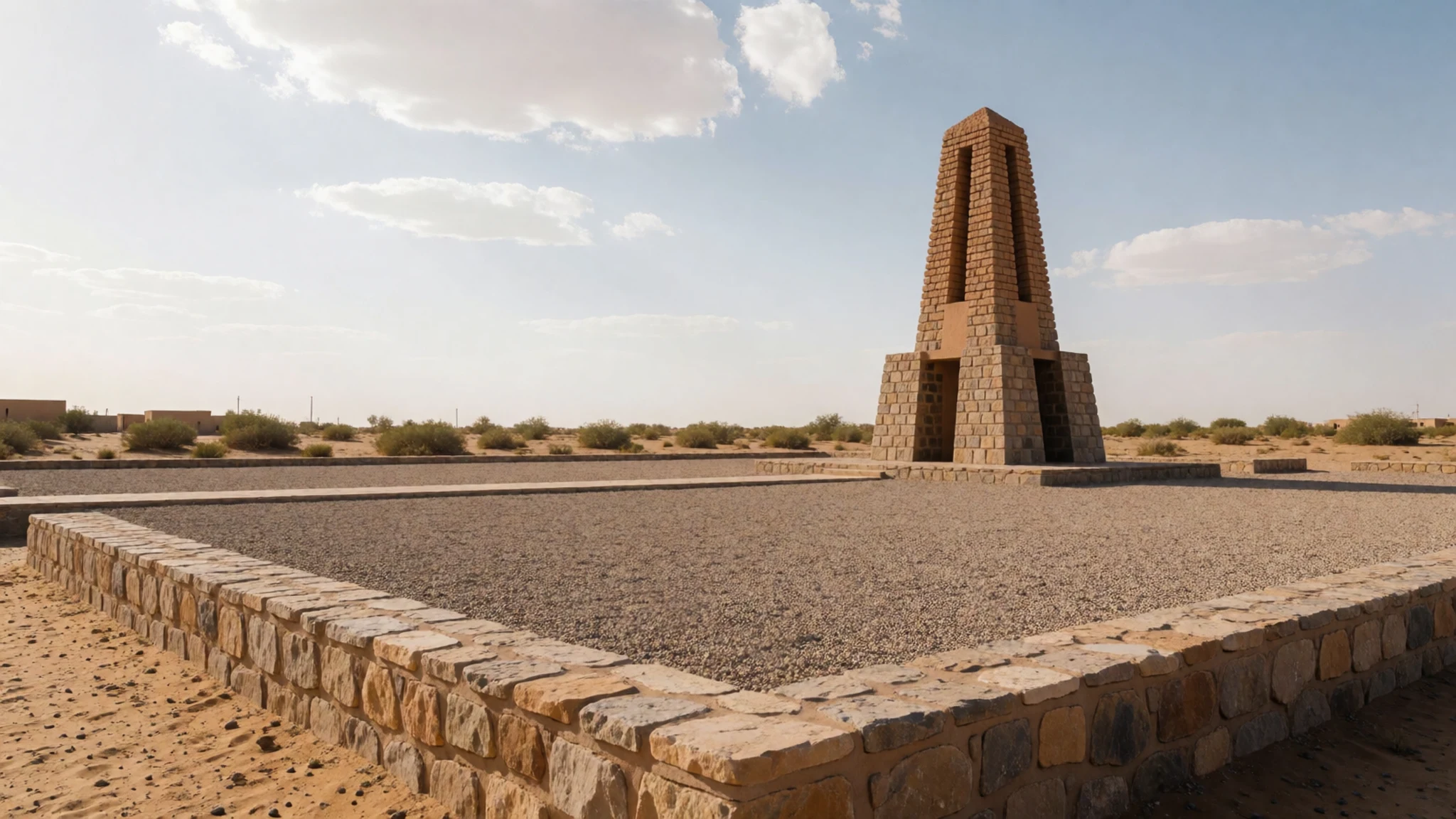
Culture
Timbuktu possesses a rich cultural fabric shaped by centuries of interaction between nomadic desert communities, river-dwelling traders, and scholars from across North Africa and the wider Sahel. Society here is deeply traditional, anchored by Islamic values, communal hospitality, and strong family networks. Music, oral poetry, and storytelling play central roles in daily gatherings, preserving ancient genealogies and historical epics through generations of griots and elders. Markets function as vibrant social hubs where people exchange news, craft goods, and traditional medicines alongside everyday provisions. Craftsmanship remains highly regarded, particularly leatherworking, silversmithing, and the preservation of ancient parchment manuscripts that testify to the city's enduring intellectual pride. Visitors are welcomed with customary warmth and the unhurried etiquette of shared tea ceremonies, where patience is valued above all schedules. Always ask permission before photographing local residents, particularly market sellers and elders.
What to wear
Traditional dress in Timbuktu reflects the harsh demands of the desert climate and the heritage of nomadic and pastoral peoples. Local attire commonly features flowing garments crafted from breathable cotton fabrics, designed to shield the body from intense heat and blowing dust. Men frequently wear grand boubous paired with embroidered trousers and wrapped turbans or headscarves, which provide essential protection against the sun and sandstorms. Women drape themselves in vibrant, colourful wraps and head ties dyed in rich indigo or patterned prints, often accented with traditional silver jewellery. In contemporary daily life, urban residents blend these classic styles with practical modern garments, though traditional robes remain standard for formal occasions, Friday prayers, and community celebrations. For visitors exploring Timbuktu, lightweight, loose-fitting clothing made from natural fibres such as cotton or linen is strongly recommended to manage the soaring temperatures. Modesty is essential in this conservative Islamic community; both men and women should ensure their shoulders and knees remain covered when walking through town or visiting religious sites. Sturdy, enclosed footwear is also essential to navigate sandy lanes, dusty pathways, and rough terrain safely.
What to eat
- Malian Peanut Stew — Local eateries around the Grand Marché
A rich and comforting dish made with tender meat or fish simmered in a thick peanut paste sauce, seasoned with tomatoes, onions, and local spices, typically served over a generous portion of locally grown rice.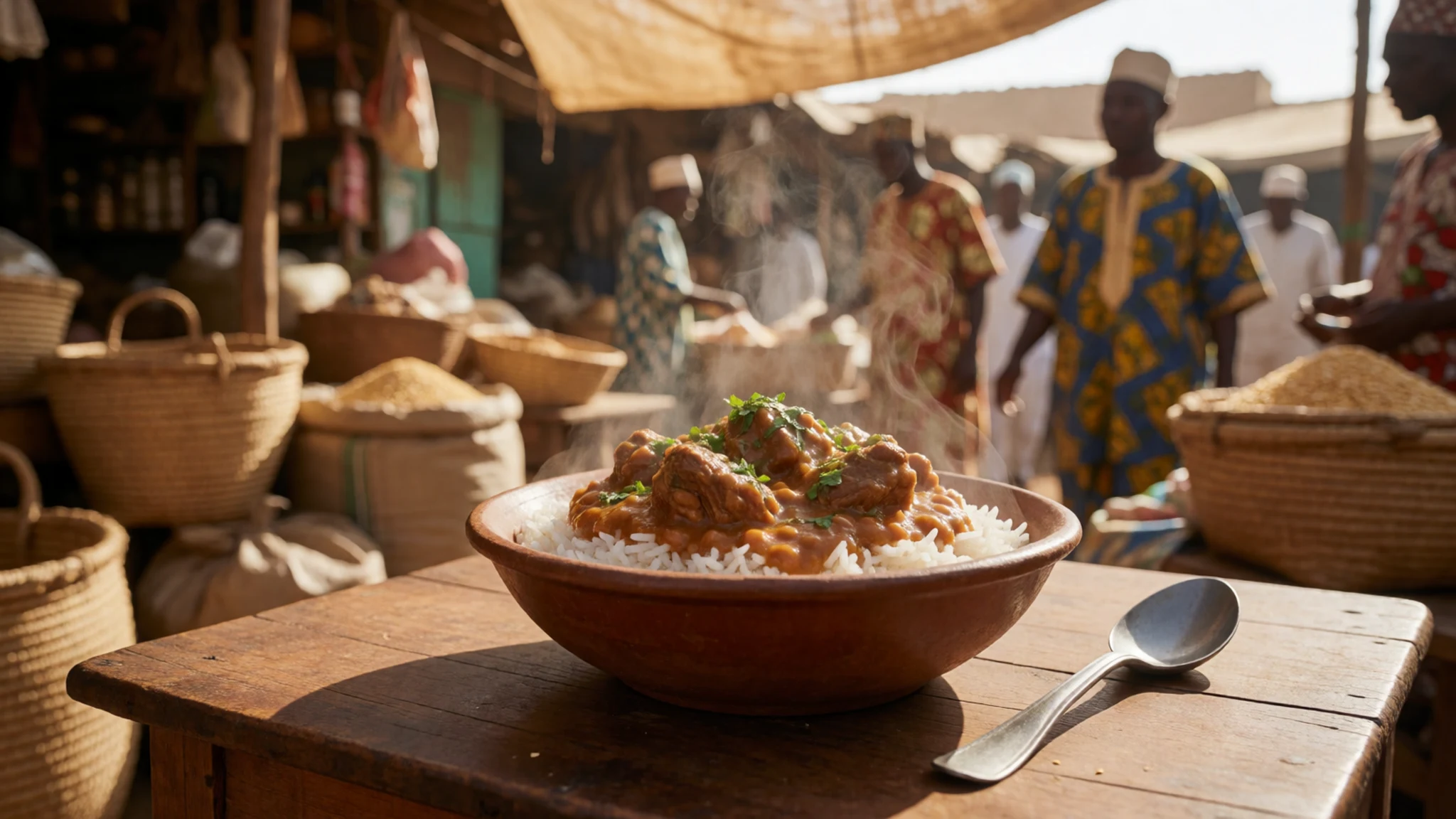
- Grilled River Fish — Stalls near the riverbanks and market food stands
Fresh catch from the nearby Niger River, seasoned with local herbs and spices before being grilled over open coals, offering a smoky flavour that highlights regional culinary traditions.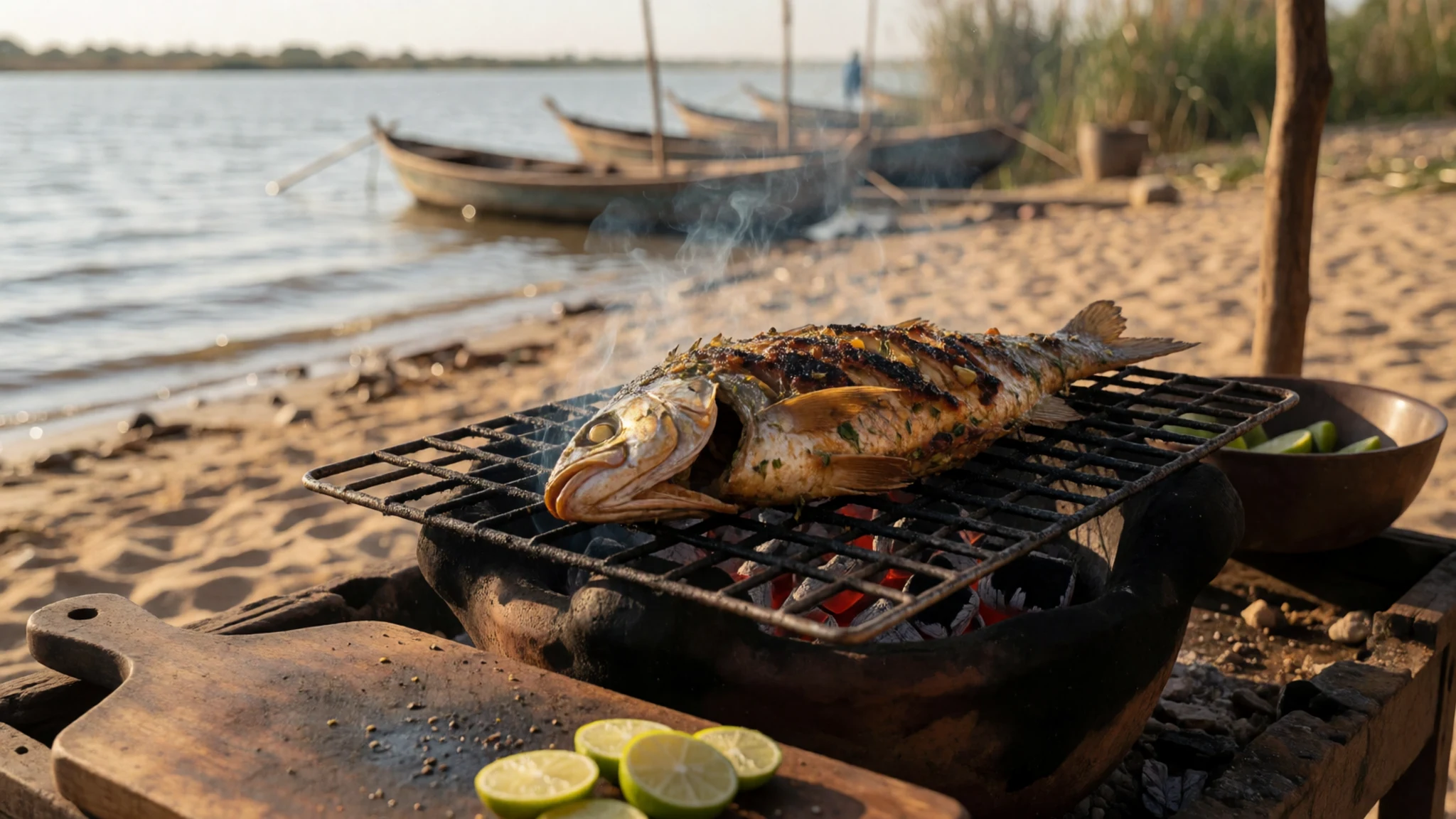
- Tiguadèguadji — Traditional family kitchens and neighborhood eateries
A traditional local delicacy combining meat and vegetables in a savory peanut sauce, prized for its hearty preparation and deep, satisfying flavours. - Saharan Mint Tea — Tea stalls and merchant shops across the town
A ritualistic beverage brewed with strong green tea and copious amounts of sugar, poured repeatedly from height to create a frothy crown, symbolising hospitality and welcome.
Plan it
Best time. December and January are the most comfortable months, June is the hottest, and August is the wettest, while the rest of the year brings extreme, punishing heat.
How long. 3–4
Getting there. Arrive via limited domestic flights from Bamako or Gao using regional air services, or undertake overland desert routes and river transport by boat from Mopti.
Budget. mid
Tips
- Drink only bottled water and carry supplies with you constantly
- Protect yourself from extreme sun with hats, scarves, and loose clothing
- Carry sufficient local cash as card payment facilities are absent
- Check security conditions and official travel advisories before planning your journey
Etiquette
- Dress modestly with covered shoulders and knees at all times
- Ask permission before photographing local people and market vendors
Nearby
Sources
- Wikidata Q9427 (CC0)
- Wikipedia Timbuktu (CC BY-SA 4.0)
- Wikivoyage Timbuktu (CC BY-SA 4.0)