Tijuana
Tijuana, Mexico
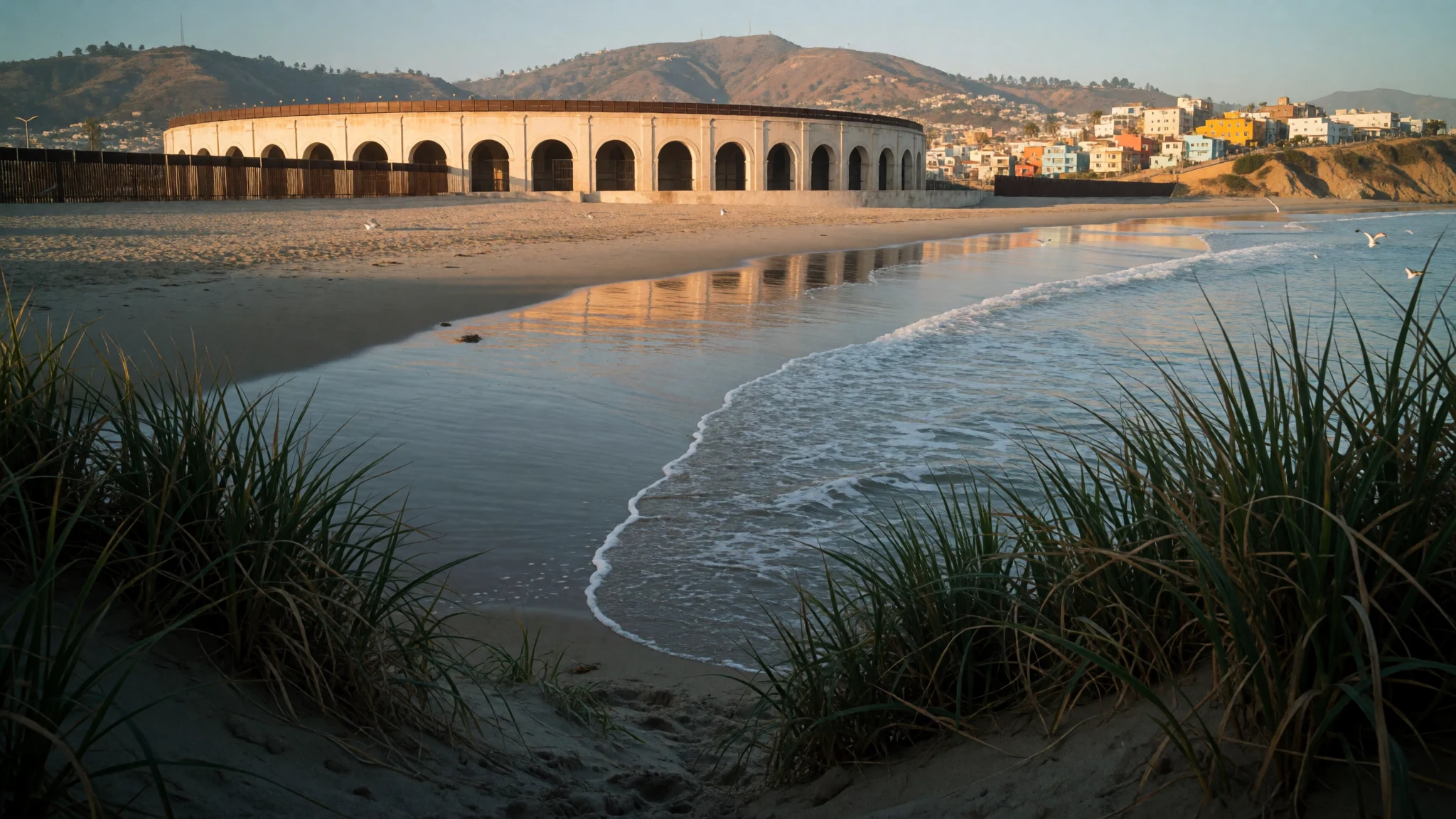
Tijuana is a working border city with its own cooking, art and nightlife, best taken slowly and seen beyond the Revolución strip.
The place
Tijuana sits on Mexico's Pacific coast in the state of Baja California, pressed up against the border with California. About 1.8 million people live in the city, at an elevation of about 20 metres, and its built-up area runs straight into San Diego's on the far side of the fence. The two cities behave like one lopsided metropolis with two currencies, two languages and a long queue in between. Tijuana was founded in 1889, but the century that followed shaped it far more than its first decades did. The Zona Centro and Avenida Revolución cater mostly to day-trippers, while the Zona Río, a short taxi ride east, holds the broad Paseo de los Héroes, banks, malls, the cultural centre and much of the evening scene. Hills crowd in on every side, and neighbourhoods climb them in patches of bright paint and bare concrete. Towers keep going up, so the skyline looks different from one visit to the next. Anyone expecting only a border-town cliché finds a city of factories, universities, families from every part of Mexico and returning deportees, with a food and art culture of its own. It is not a beach resort, though the sea is close: Playas de Tijuana lies at the western end beside the border wall, and the coastal towns of Rosarito and Ensenada are a short drive south. The weather is mild by Mexican standards. Weekends are the busiest, and the main thing to plan around is the border crossing itself.
Its story
Tijuana's story starts with the Kumeyaay, Yuman-speaking hunter-gatherers who lived across this stretch of coast long before any map existed. Spanish ships reached the area in 1542 under Juan Rodríguez Cabrillo, and Sebastián Vizcaíno charted the coastline in 1602. By 1769 the explorer Juan Crespí was recording details of what later became known as the Valley of Tijuana. In 1829 the governor of the Californias granted a huge cattle ranch, Rancho Tía Juana, to Santiago Argüello. The name looks like Spanish for 'Aunt Jane', but it more likely adapts a Kumeyaay place name, Tihuan, whose meaning is still argued over. The decisive change came in 1848. After the Mexican–American War, Mexico lost Alta California, and the new line between the two Californias ran just north of Tijuana. Some Spanish-speaking families moved south to stay inside Mexico, and the settlement suddenly had a different role as a place on an international border. The town was formally founded in 1889. Photographs from the 1920s show a small, tourism-minded border town, and the pattern of visitors crossing for entertainment set in early. Over the following decades migrants arrived from across Mexico, factories followed, and a modest settlement became a major city. That layering of Indigenous, ranching, border and migrant history is still visible in the city's mix of accents, foods and neighbourhoods.
What to see
- Avenida Revolución — Zona Centro
Avenida Revolución is the best-known strip in Tijuana and the part most day-trippers see first. Expect souvenir shops, bars, touts and music. It is lively and sometimes rowdy, so go in daylight or early evening, then move on to quieter streets for a calmer meal. - CECUT, the Tijuana Cultural Centre — Zona Río
The cultural centre opened in 1982 and marked Tijuana's shift from tourist stop to serious city. Its spherical cinema is the landmark; inside are exhibitions, concerts and a gallery space. Check the official site for current programmes before making the trip across town.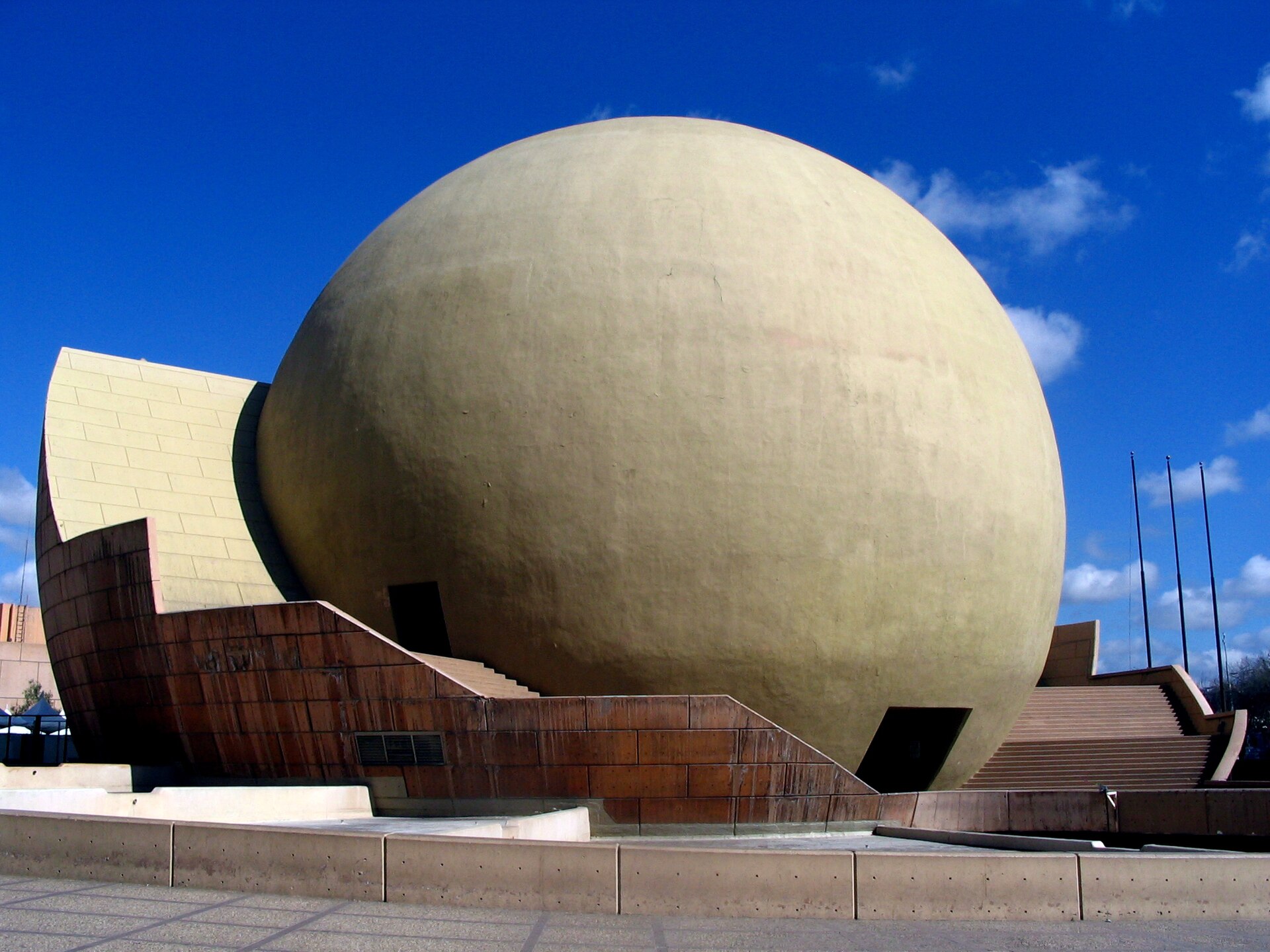
- Paseo de los Héroes and the Zona Río — Zona Río
The Zona Río is the modern, planned district, built around the wide Paseo de los Héroes with its statues and roundabouts. It is easy walking, full of cafés and clubs that locals favour over the Revolución strip, and gives a fair idea of how middle-class Tijuana lives.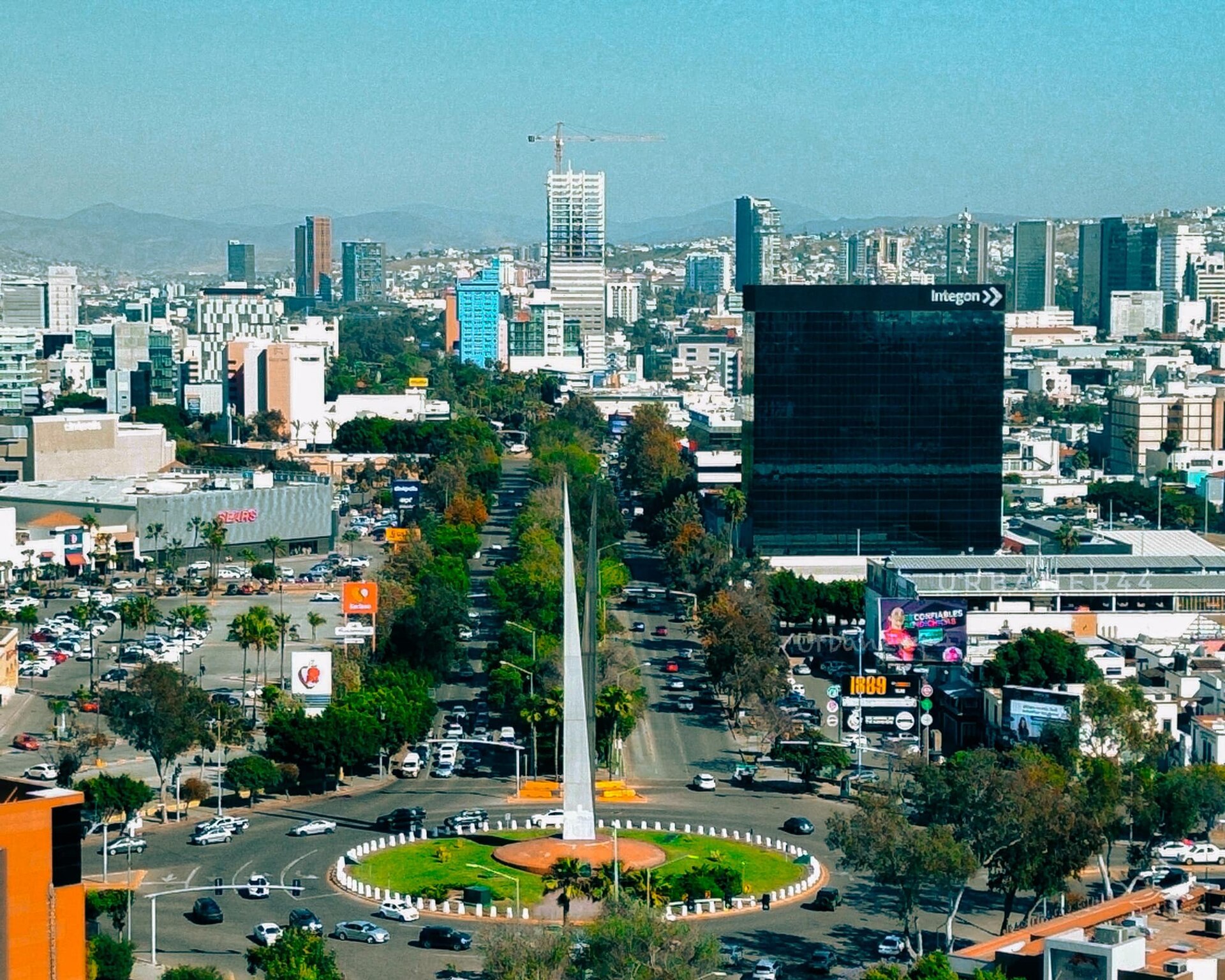
- Playas de Tijuana — Western edge, beside the border
Playas de Tijuana is the city's seafront, a long sandy stretch that ends at the border wall. Families come at weekends, children play at sunset, and the bullring on the headland holds fights on summer Sundays. Check the ring's own website for schedules.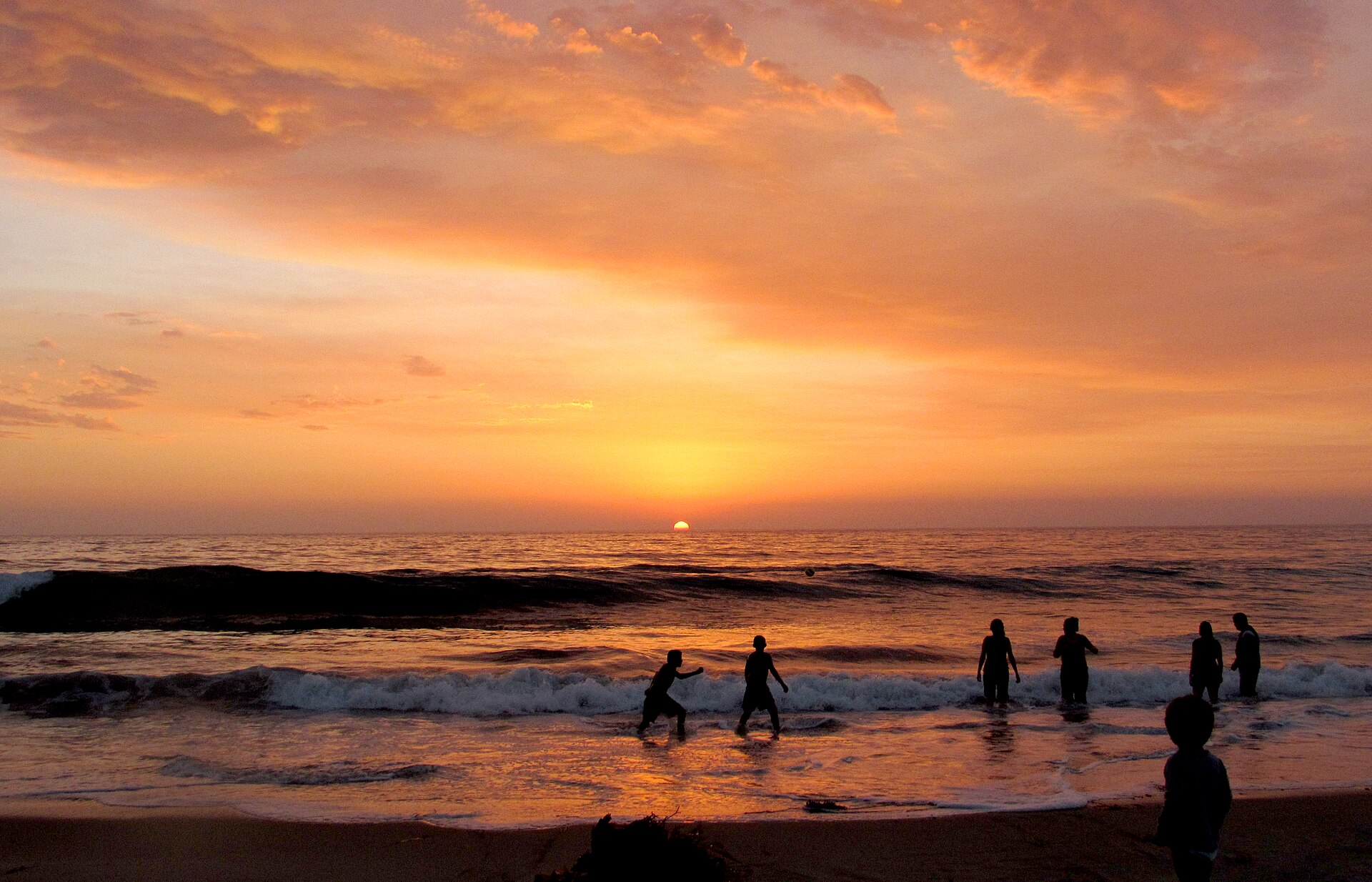
- El Popo Market — Central Tijuana
El Popo is a local market, useful for seeing what Tijuana buys and eats on an ordinary day. Fruit, snacks, household goods and small food counters make it a gentler, more everyday stop than the tourist avenue. Go in the morning, carry small cash and keep bags closed.
Culture
Tijuana has long drawn visitors across the border for music, drinking, dancing and bargain shopping, and that reputation still shapes how outsiders see it. Locals tend to steer clear of the busiest part of Avenida Revolución, preferring clubs and bars in the Zona Río, where there is less marketing pressure and less rowdiness. The city's identity runs deeper than nightlife, though. Mexicans from every state have settled here, so regional food, accents and traditions sit side by side, and Tijuana people tend to be proud of building something new rather than preserving something old. The Tijuana Cultural Centre, opened in 1982, anchors the arts scene, with exhibitions, concerts and film. Neighbourhood parks, such as Parque Morelos with its small zoo and Parque Teniente Guerrero with its library and weekend clowns, show family life away from the strip. Murals and street art run across the hillsides and along the border wall, and many are explicit about migration, family separation and belonging. At restaurants, wandering mariachi and other bands play for tips, and a polite refusal is perfectly acceptable. Spanish is the everyday language, English is widely understood near the border, and a few words of greeting go a long way. Ask before photographing people, especially at markets, and agree the fare or insist on the meter before getting into a taxi.
What to wear
Tijuana is a modern border city, so its traditional dress appears mostly at celebrations rather than on the street. The best-known Mexican formal outfits are the charro suit and the mariachi uniform, both of wool or heavy cotton, with silver buttons and embroidery, worn for music, weddings and national holidays. Women's festival dress across Mexico often uses embroidered cotton blouses and the rebozo, a long woven shawl. The Kumeyaay, the Indigenous people of this coast, are known for baskets coiled from local grasses and willow, and for beadwork, which turn up in craft shops and cultural events more than in daily wear. What people actually wear now is close to what is seen in San Diego: jeans, trainers, football shirts, work uniforms, and smarter shirts and dresses for the Zona Río evenings. Baseball caps and sports-team jerseys, from both sides of the border, are everywhere. Visitors should dress for a mild coastal climate, which means layers: a light jacket for evenings, sea breezes and the cooler months, and breathable cotton for sunny afternoons. Comfortable, closed shoes are best, since pavements are uneven, hills are steep and there is plenty of walking at the border crossing. Dress modestly and plainly, without flashy jewellery or expensive watches, and carry bags that close. Beachwear belongs at Playas de Tijuana, not in the city centre.
What to eat
- Carne asada tacos — Filled-taco shops across the city, from street stalls to sit-down places
Grilled beef on small corn or flour tortillas, topped with onion, coriander and salsa, is the dish most locals will point to first. Dedicated taco shops do it well, and prices are usually kinder than those in tourist-facing places. - Fish tacos — Seafood stalls and casual restaurants near the coast
Battered or grilled white fish in a tortilla with cabbage, creamy sauce and lime is a staple of the Baja coast. Order at a busy stall where the turnover is high, and add salsa to taste. - Birria tacos — Specialist birria stands and taquerías, often open late
Slow-cooked, spiced meat, typically beef or goat, is folded into tortillas crisped in its own fat and served with a small cup of broth for dipping. It is rich, messy and a popular late-night choice. - Street hot dogs — Pushcarts near nightlife areas, mostly in the evening
Tijuana's street version is usually wrapped in bacon and grilled, then loaded with beans, onions, tomato and sauces. It is a cheap, filling after-dark snack, best bought from a busy cart with a visible grill. - Churros — Street vendors around Zona Centro and popular parks
Fried dough sticks, rolled in sugar and sometimes filled with caramel or chocolate, are sold fresh from vendors' carts. Eat them warm, straight from the oil, as a sweet end to a walk.
Plan it
Best time. April–May and October–November, when days are mild and dry along the coast; winter can be cool and damp, and early summer mornings are often overcast at the shore.
How long. 2–3
Getting there. Tijuana has its own airport with a main terminal for domestic and some international flights, and a pedestrian bridge links it to the Cross Border Xpress terminal on the San Diego side. Most visitors from the United States cross on foot, by bus or by car at San Ysidro. Check the official site, https://magicaltowns.mx/baja-california/tijuana/, for local information.
Budget. mid
Tips
- Carry your passport at all times, and check the entry rules for Mexico, plus United States rules if you plan to re-enter from San Diego
- Allow generous time for the return crossing, as queues can be long, especially on Sunday evenings and holidays
- Use cards in larger shops and restaurants, but carry small cash for markets, street stalls and tips
- Drink bottled or filtered water and choose busy food stalls to lower the risk of an upset stomach
- Use licensed taxis or ride-hailing apps, and keep the Zona Centro and Revolución for daytime or early evening
Etiquette
- Greet shopkeepers and waiting staff before asking questions or ordering
- Ask before photographing people, especially at markets and in neighbourhood streets
- Keep a polite, firm tone when refusing touts or musicians; a smile and 'no, gracias' is enough
Nearby
Sources
- Wikidata Q124739 (CC0)
- Wikipedia: Tijuana (rev 1383717066) (CC BY-SA 4.0)
- Wikivoyage: Tijuana (rev 5420154) (CC BY-SA 4.0)
- Photo: Vista Aérea del Paseo de los Héroes — Urbaner44 (CC BY-SA 4.0)
- Photo: The constantly changing city skyline — Urbaner44 (CC BY-SA 4.0)
- Photo: The Tijuana Temple — Isai Armenta (CC BY 4.0)
- Photo: Monumental Clock — PedroEmiliano (CC BY-SA 4.0)
- Photo: Cecut Imax theater — Cbojorquez75 (CC BY-SA 4.0)
- Photo: Kids playing at sunset in Playas de Tijuana — Cbojorquez75 (CC BY-SA 4.0)
- Photo: Tijuana in the 1920's — Unknown (Public domain)
- Photo: Agua Caliente Tower, Tijuana 1951 — Los Angeles County Arboretum (CC BY 2.5)


