Tianjin
Tianjin, People's Republic of China
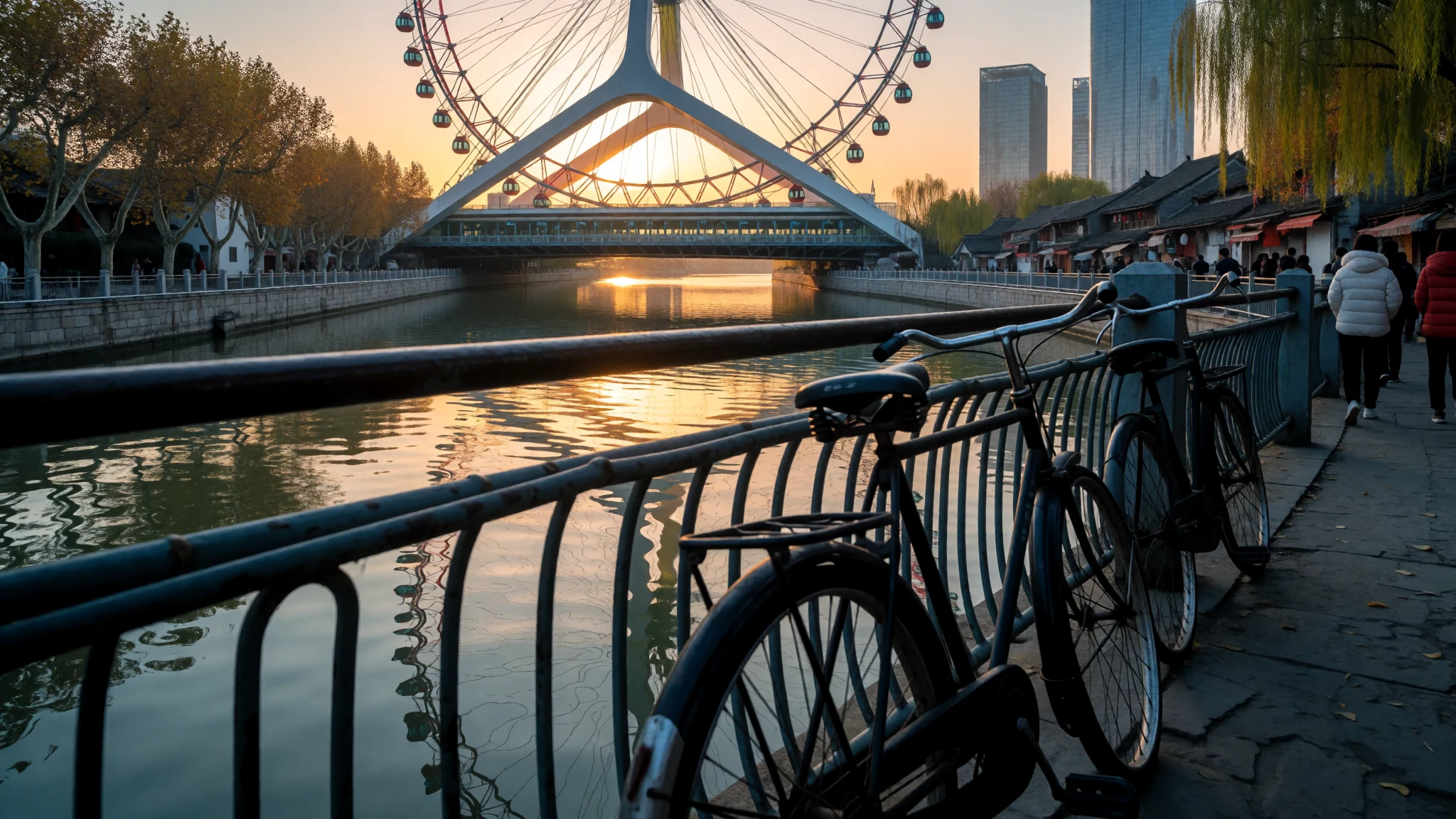
Tianjin is a northern Chinese port city where treaty-port mansions, a lively snack culture and a local comic tradition sit close to Beijing.
The place
Tianjin is a port municipality on the western shore of the Bohai Sea, home to about 13.9 million people and governed directly from the centre rather than through a province. The ground is flat river delta, at an elevation of about 5 m, and Hebei Province wraps around its landward sides, with Beijing close to the north-west. That closeness shapes the city's character. Tianjin has long been the sea door to the capital, and today it forms one corner of the Jing-Jin-Ji urban region alongside Beijing and Hebei. Yet it does not feel like a satellite. The Tianjin dialect of Mandarin has its own rhythm, distinct from Beijing speech, the humour is local, and the food is its own. The old centre is a mix of lanes, river bends and European-style buildings left from the treaty-port years, while newer districts nearer the coast are glass towers and wide boulevards. A Ferris wheel built over a river bridge is the easy landmark for getting oriented. Most visitors come for a day or a single night from Beijing, which is a pity, because the city rewards a slower look at its streets, snack stalls and comedy theatres. Expect flat walking, long distances between districts and the metro doing most of the work. Winters are cold and dry, summers are humid, and the sea breeze helps less than the map suggests.
Its story
Tianjin exists because of water. Silt carried down by rivers, the Yellow River among them, slowly built up the delta land, and the Grand Canal gave the place a purpose. By 609 CE the canal linked Hangzhou with the Beijing–Tianjin region, and southern grain travelled north along it for dynasties afterwards. Under the Yuan, Tianjin became a storage and transhipment point. Under the Ming it was a garrison town and shipping station, and a walled city was raised in 1404. By the seventeenth century it was a commercial centre. The Qing made it a prefecture and then a county seat, and it served as a relay post under the Viceroy of Zhili. The nineteenth century changed everything. After a quarrel over a ship called the Arrow in 1856, foreign powers pressed in, and from 1860 Tianjin was a treaty port. Concessions grew up along the river, each with its own architecture, and some of those mansions and banks still stand. During the Boxer Rebellion the city briefly had a provisional government of its own. In the People's Republic, central policy and then the 1976 Tangshan earthquake left Tianjin in a long slump. Recovery has been steady in recent decades, with new waterfront districts and a renewed interest in the old concession streets.
What to see
- Tianjin Eye — Along the Hai River, city centre
The Ferris wheel on a river bridge is Tianjin's simplest landmark. Riding it gives a flat, wide view over the Hai River, the bridges and the mix of old and new rooftops. Evening is better, when the river lights come on and the heat eases.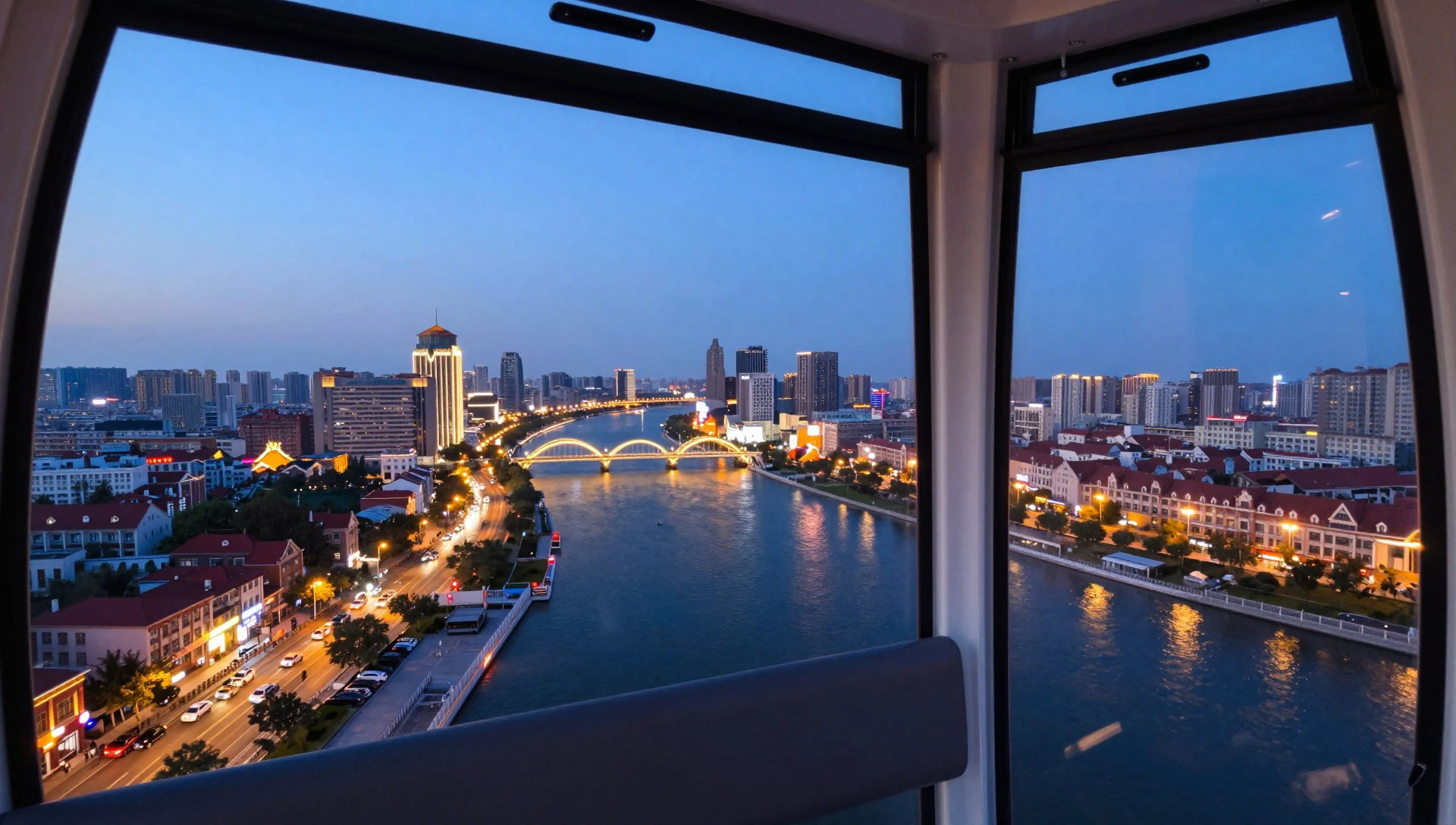
- Italian Style Town — Hebei District, north of the river
A cluster of former concession buildings with pastel façades, courtyards and cafés, set around the river. It is the easiest place to see how treaty-port Tianjin looked and why architects still visit. Weekends draw crowds, so a weekday morning is calmer.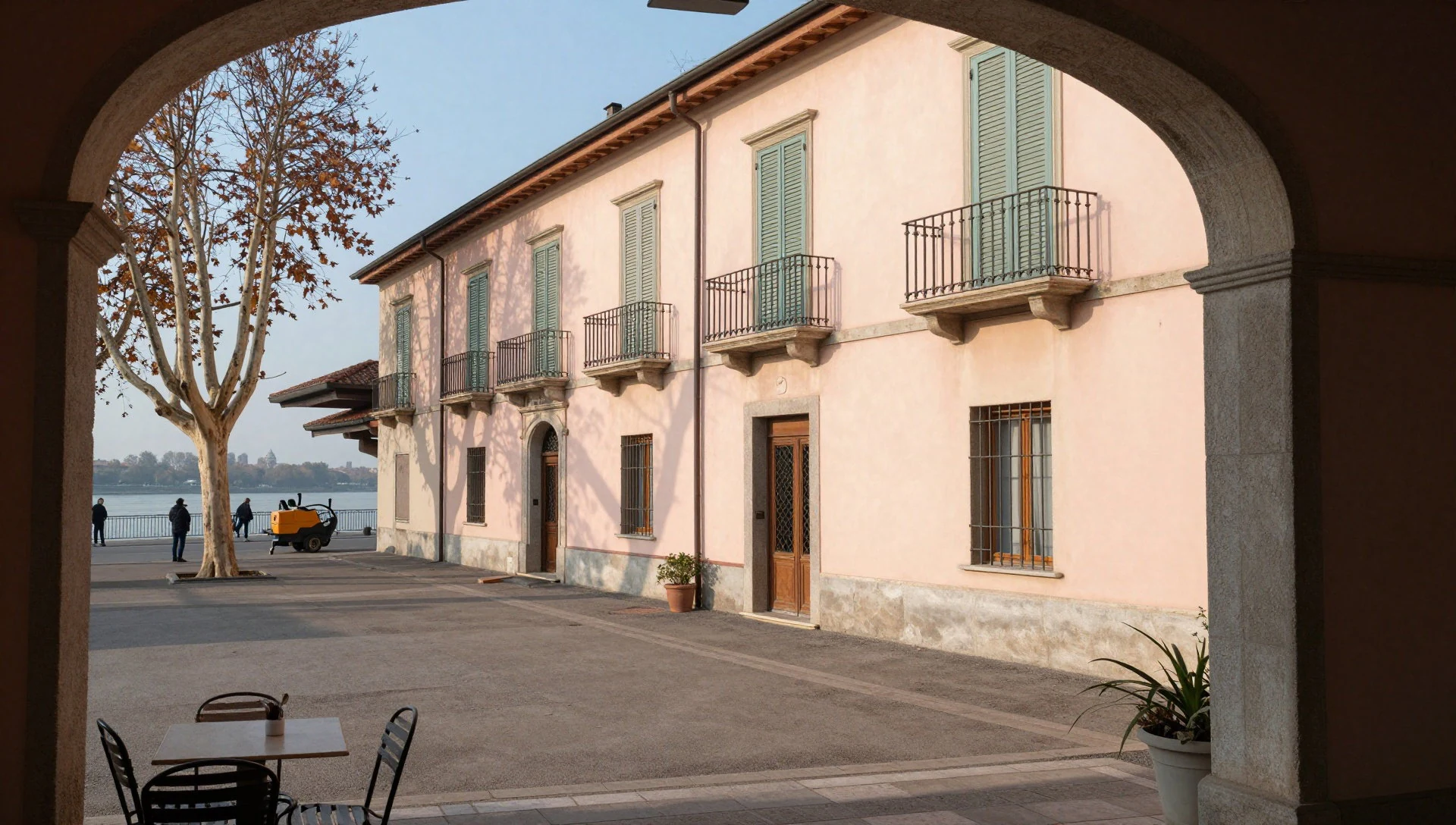
- Ancient Culture Street — Nankai District, old walled-city area
A pedestrian lane of reconstructed old-style shopfronts selling local crafts. This is a good place to look for Yangliuqing prints, Zhang clay figurines and Wei's kites, all Tianjin specialities. Prices are tourist prices, so compare stalls before buying.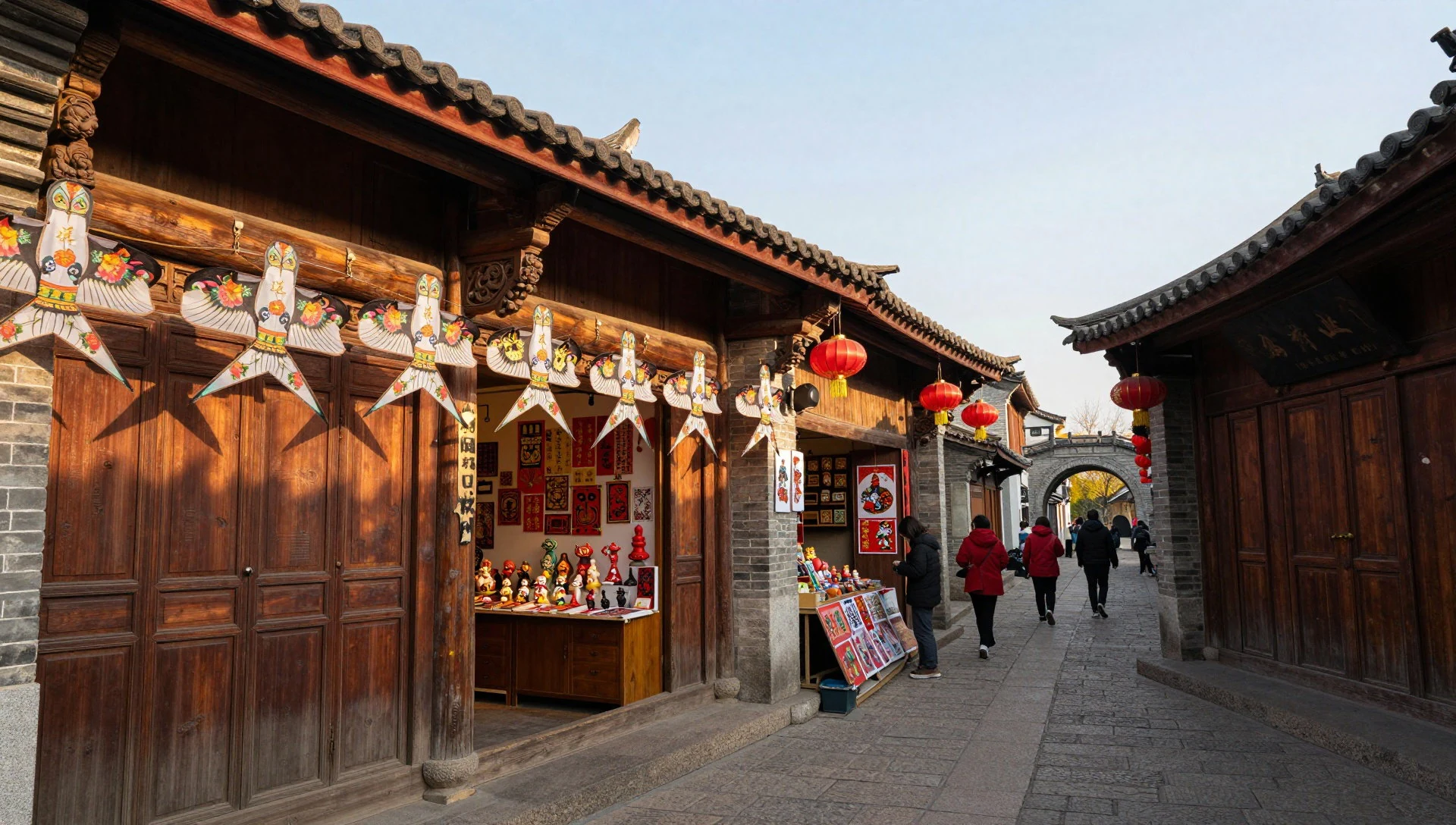
- Dule Temple — Jizhou District, far north of the city
A Buddhist temple with a tall wooden pavilion sheltering a large statue of Guanyin. It lies well outside the urban core and needs a half-day, but it is the best reminder that Tianjin's history stretches far beyond the treaty-port era.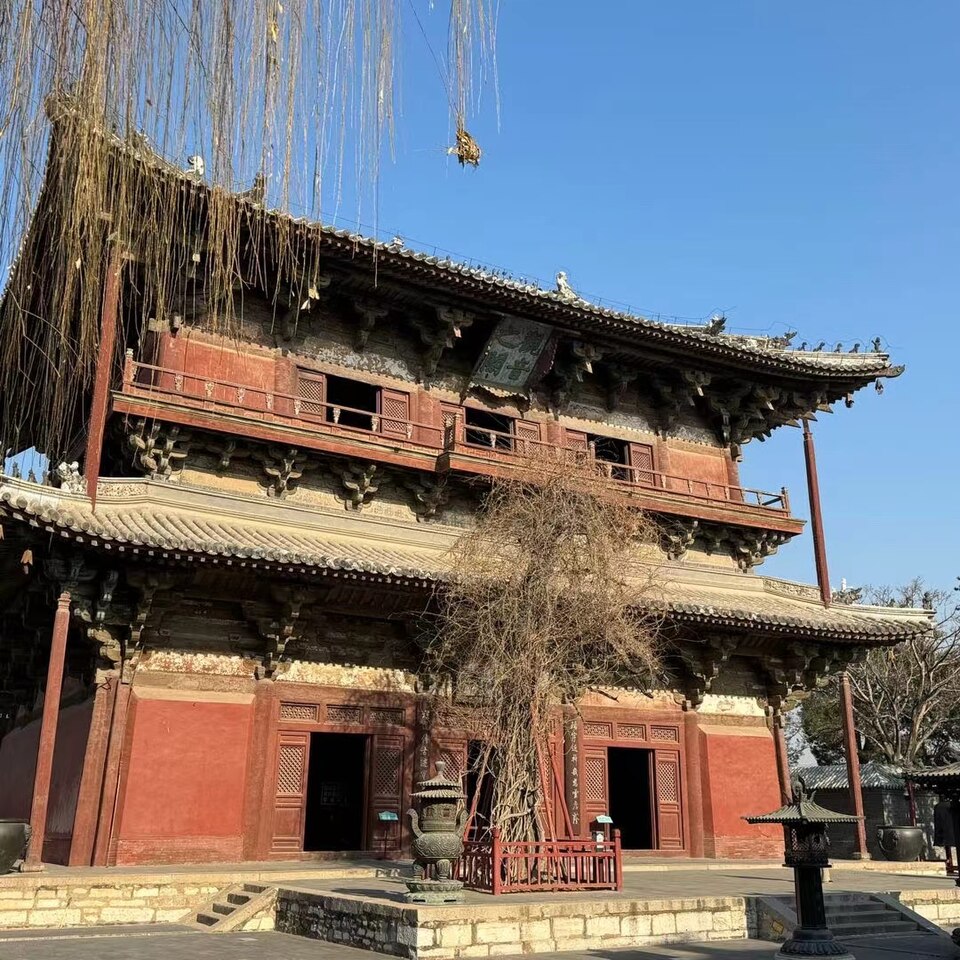
- Yujiabao financial district — Binhai New Area, near the coast
A planned waterfront district of glass towers near the coast, reached by high-speed rail. It is worth an hour for the contrast with the old concessions, and for the scale of the new Tianjin. Walk the riverside paths rather than hunting for individual buildings.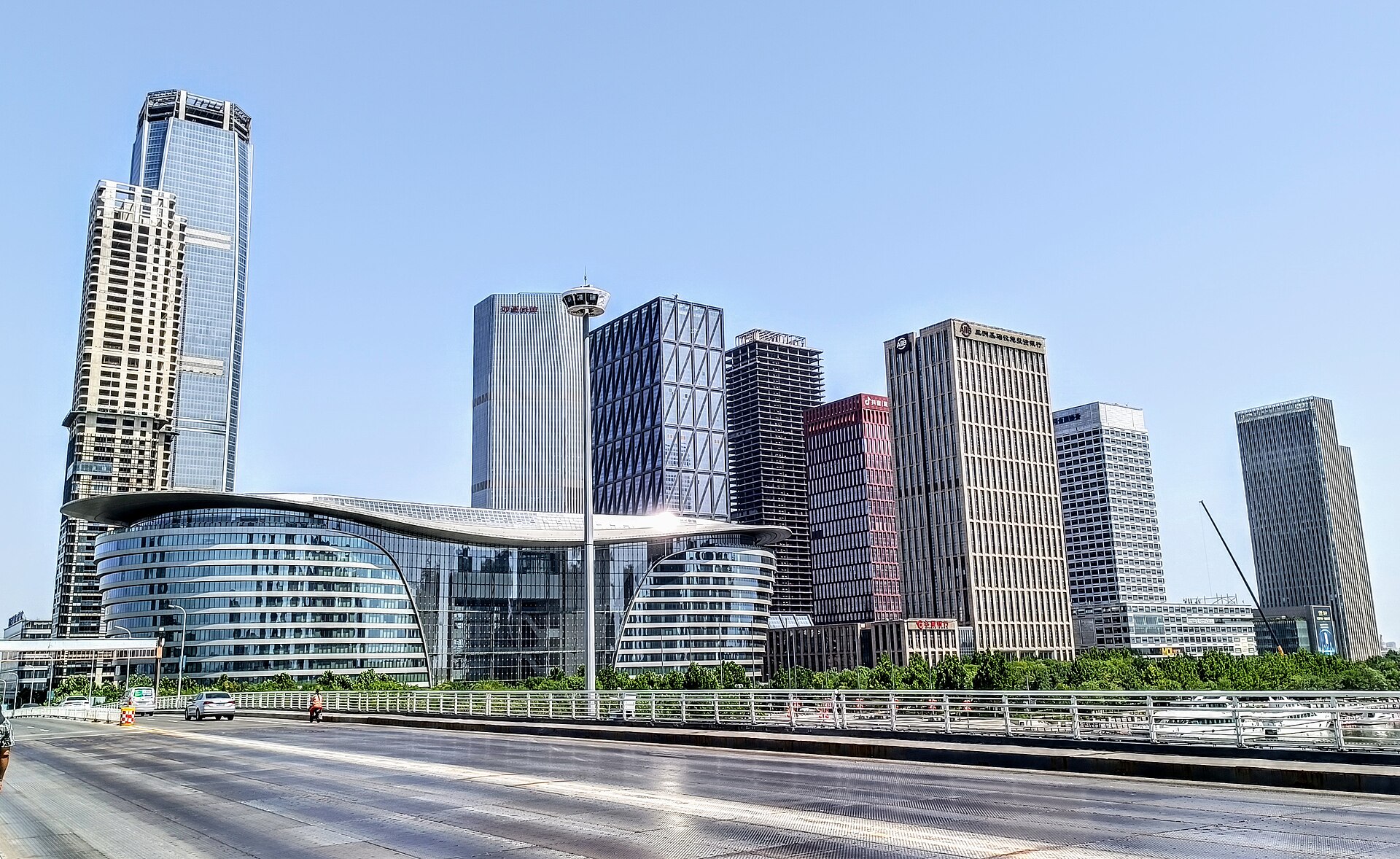
Culture
Tianjin has a cultural life that is distinct from Beijing's, despite the short distance between them. The local dialect of Mandarin is quick and rhythmic, and locals are proud of it. The city is a home base for Beijing opera, and it is closely tied to xiangsheng, a form of comic dialogue that resembles stand-up. Performers such as the Hui comedian Ma Sanli built careers here, sometimes delivering routines in the Tianjin dialect, and clappers of bamboo called kuaiban often keep the rhythm. Small theatres and teahouses are the best places to catch a show, even if the language is a barrier. Crafts are another strand. Yangliuqing, a town west of the urban area, is known for colourful New Year woodblock-and-wash paintings, and Tianjin is also known for hand-painted Zhang clay figurines and Wei's kites, which fold down small enough to carry. These are real local trades rather than souvenirs invented for visitors, though quality varies at tourist stalls. Tianjin's Hui Muslim community adds another thread, visible in halal eateries and neighbourhood mosques. Day to day, the city is direct and chatty; strangers will often talk to a visitor on the metro or at a food stall, usually out of curiosity. At a theatre or teahouse performance, keep your phone silent and ask before filming performers or the audience.
What to wear
Tianjin has no single regional costume of the kind a visitor might expect. Traditional Chinese dress here follows northern Han patterns: the long changpao gown for men and the close-fitting qipao for women, in silk, cotton and padded cotton for the cold months. These appear now mainly at weddings, stage performances, Lunar New Year events and in photo studios. The city's Hui community has its own markers, including white brimless caps worn by some men, especially around mosques and on Fridays. Textiles also appear in folk art, where Yangliuqing prints show festive clothing in strong reds and greens. Everyday wear is practical and modern. Most people dress in jeans, trainers, quilted jackets in winter and light cotton in the humid summer, with younger crowds in the Binjiang Dao shopping district following current Asian street fashion. For a visitor, comfortable walking shoes matter most, because distances are long and the ground is flat but hard. Pack layers and a proper coat for the cold, dry winter, and light, breathable clothes plus a hat for summer. Temples and mosques do not enforce strict dress codes for visitors, but covered shoulders and knees are polite, and a light scarf is useful. Nothing in the city calls for formal wear.
What to eat
- Goubuli baozi — Branches across the old centre and shopping streets
A famous Tianjin brand of steamed stuffed buns with a juicy pork filling and thin, pleated skins. The original name is on shopfronts in the old centre and in many food courts, and ordering a steamer of mixed fillings is the usual way. - Jianbing guozi — Breakfast carts and stalls near metro stations
A street-breakfast crepe cooked on a round griddle with egg, sauce and a crisp fried dough sheet folded inside. It is cheap, quick and eaten on the walk. Watch the cook at a morning stall and ask for sauces on the side if unsure. - Guifaxiang mahua — Specialist snack shops and station gift counters
Twisted fried dough, crisp and sweet, with a nutty flavour and a long shelf life, so it makes a practical gift. Tianjin people treat it as a classic snack, and shops sell it in boxes for visitors heading home. - Erduoyan zhagao — Snack shops in the old city and food streets
Fried rice-flour cakes with a sweet bean filling, crisp outside and sticky within. Best eaten hot from the pan, since they turn heavy as they cool. The name refers to an alley whose shop made them famous. - Guobacai — Local breakfast eateries, early in the morning
A breakfast dish of mung bean pancake strips in a thick, savoury sauce, often topped with sesame paste and pickles. It is an acquired taste for many visitors, but it is among the most distinctly Tianjin things to try. - Bohai seafood — Seafood restaurants near the coast and Binhai area
Fish, crab and shellfish from the Bohai Gulf, cooked by braising, steaming or stir-frying. Freshness varies, so choose busy places where locals queue. Seafood restaurants in the coastal districts are the best bet for a proper sit-down meal.
Plan it
Best time. October–November is the most comfortable time, mild and dry, while March–April is windy and dusty. Summers are hot and humid, and winters are cold and dry, so plan layers if travelling then.
How long. 1–2
Getting there. Tianjin Binhai airport is linked to Tianjin Railway Station by Metro Line 2. From Beijing, the high-speed train from Beijing South takes about half an hour. From Beijing Daxing airport, an intercity train reaches the city in under 75 minutes, and Beijing Capital airport works too, via the Airport Express and a change in Beijing.
Budget. mid
Tips
- Use the metro for the old centre and the river, and high-speed rail for the coast and the far north.
- Check train times in advance, especially in the evening, when services thin out.
- Visit the Italian-style streets on a weekday morning to avoid the weekend crowds.
- Carry some cash and a mobile payment option, since small snack stalls may not take foreign cards.
- Drink bottled or boiled water in summer heat and carry sun protection.
Etiquette
- Keep your voice low in teahouses, theatres and mosques.
- Ask before photographing stallholders or performers.
- Follow the queue at popular snack shops, and pay at the counter before you eat if asked.
Nearby
Sources
- Wikidata Q11736 (CC0)
- Wikipedia — Tianjin (rev 1384833017) (CC BY-SA 4.0)
- Wikivoyage — Tianjin (rev 5410565) (CC BY-SA 4.0)
- Photo: Tianjin skyline — KangTyngrwey (CC BY-SA 4.0)
- Photo: 于家堡金融区 — KangTyngrwey (CC BY-SA 4.0)
- Photo: 天津城市天际线 — Tyngrwey (CC0 1.0)
- Photo: 天津滨江道 — H2v5o68z (CC0 1.0)
- Photo: Tianjin Railway Station — David Dong (CC BY 2.5)
- Photo: 21471-Tianjin — xiquinhosilva (CC BY 2.5)
- Photo: 21336-Tianjin — xiquinhosilva (CC BY 2.5)
- Photo: 独乐寺观音阁 — Patrick20242023 (CC BY-SA 4.0)


