Terracotta Army
Terracotta Army, People's Republic of China
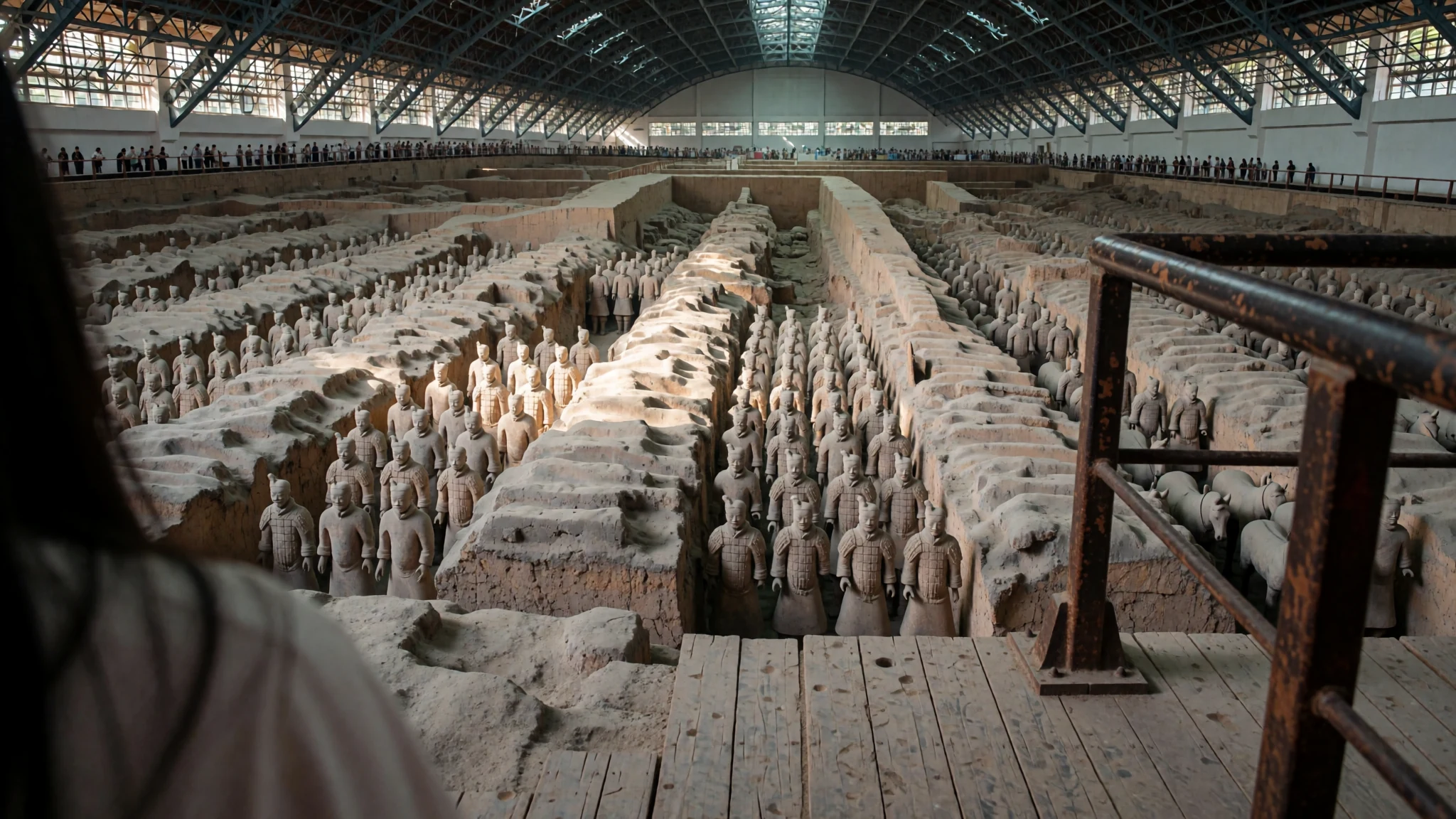
Descend into the vast underground pits of the Terracotta Army to walk among thousands of life-sized ancient soldiers guarding China's first emperor.
The place
The Terracotta Army stands as an astonishing testament to imperial ambition, situated in Lintong County just outside Xi'an in Shaanxi, China. This monumental archaeological site consists of an extensive collection of terracotta sculptures depicting the military forces of the first emperor, built to accompany him into the afterlife following his passing. Discovered by local farmers in the seventies, the expansive subterranean vaults shelter rows upon rows of infantrymen, archers, cavalry horses and chariots moulded from local clay. Each individual statue displays distinct facial expressions, hairstyles and armour, reflecting the vast hierarchical structure of an ancient military campaign. While the leading figures tower above the ordinary ranks, the sheer scale of the discovery continues to captivate visitors who peer down from elevated walkways into the cavernous excavation halls. Beyond the famous military pits, the wider mausoleum complex houses non-military figures including musicians, acrobats and administrative officials, all crafted to serve the sovereign eternally. Walking through the protective hangars offers a rare direct encounter with a bygone era, bringing travellers face to face with the meticulous craftsmanship of ancient artisans who shaped these silent sentinels millennia ago. The surrounding area connects deeply with the ancient roots of Chinese civilisation, serving as a reminder of the monumental heritage embedded beneath the soil of Shaanxi province.
Its story
The story of the Terracotta Army begins in ancient times when the region was known as Chang'an, a flourishing centre that served as the capital for numerous dynasties over many centuries. Historical accounts written centuries after the mausoleum's creation describe how the construction of the vast underground complex began soon after the ruler ascended the throne in his youth. Conscripted labourers numbering in their hundreds of thousands laboured on the subterranean palace and its surrounding chambers, creating an elaborate subterranean replica of the imperial realm. Writers from antiquity recorded that the sovereign was interred alongside representations of palaces, towers, rare artefacts and flowing rivers simulated using liquid metal beneath a celestial ceiling. Over the ages, memories of the immense tomb faded into local folklore until agricultural workers stumbled upon the hardened clay figures while digging for water. Subsequent archaeological excavations slowly revealed the true extent of the subterranean army, transforming a local legend into one of the most significant archaeological discoveries of the modern era. Today, ongoing conservation work in the pits requires delicate preservation techniques to protect the fragile colours that originally coated the clay figures before their exposure to air. This careful scientific dedication ensures that the historical legacy of the ancient dynastic capital remains intact for future generations of scholars and travellers to study and appreciate.
What to see
- Shaanxi History Museum — Southern district, Xi'an
Located in the southern district of Xi'an, this prominent cultural institution houses a remarkable collection of local artefacts spanning the region's long heritage from Neolithic times through the Qing dynasty. Visitors can explore jade ornaments, bronze vessels, and pottery that illuminate the evolution of Chinese culture.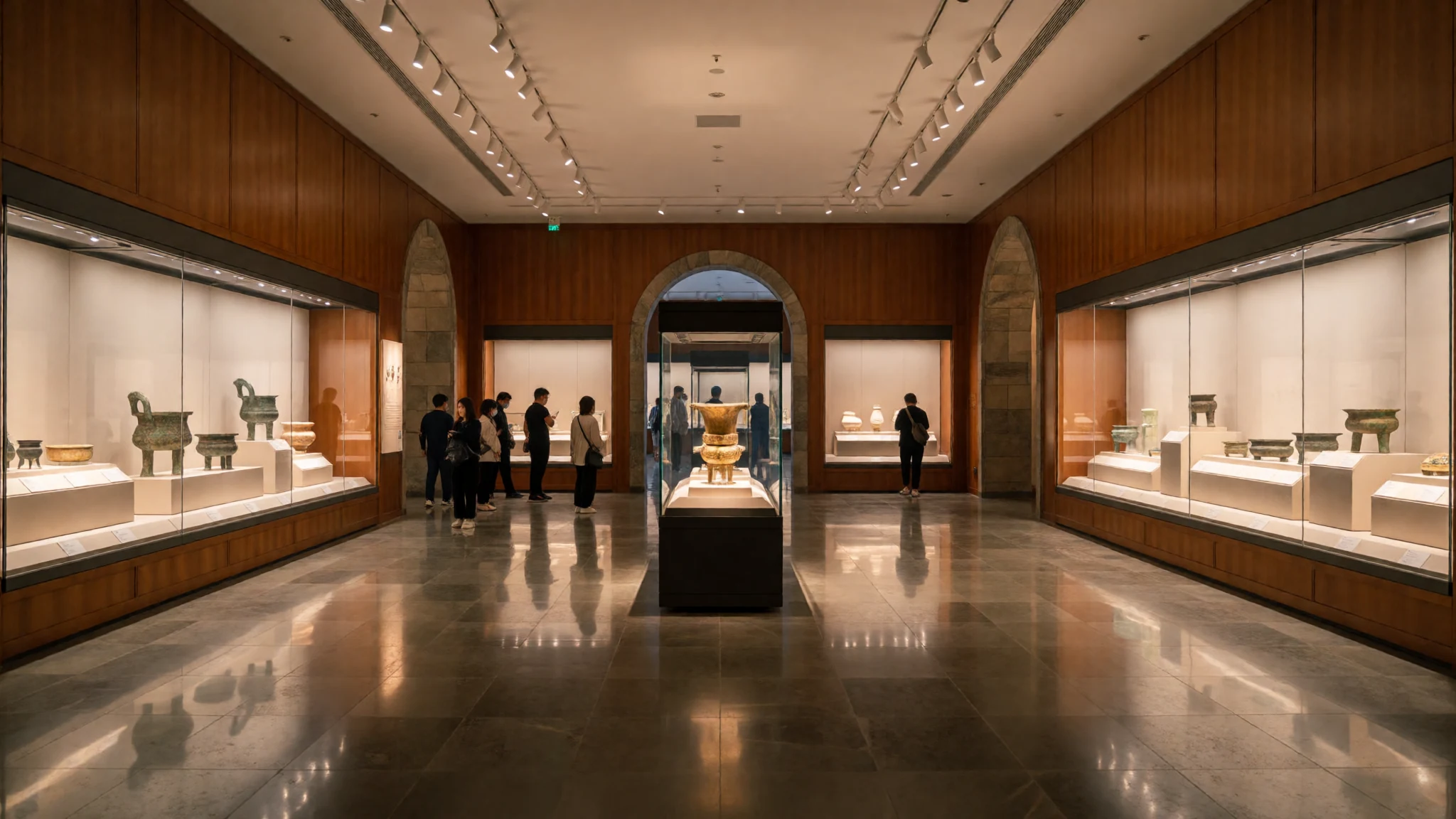
- Beilin Museum — Walled city centre, Xi'an
Also known as the Stele Museum, this site preserves an extensive collection of inscribed stone tablets within historical temple buildings. The carved slabs record classic texts, poetry, historical triumphs, and scholarly scriptures, offering a fascinating glimpse into ancient Chinese literacy and epigraphy.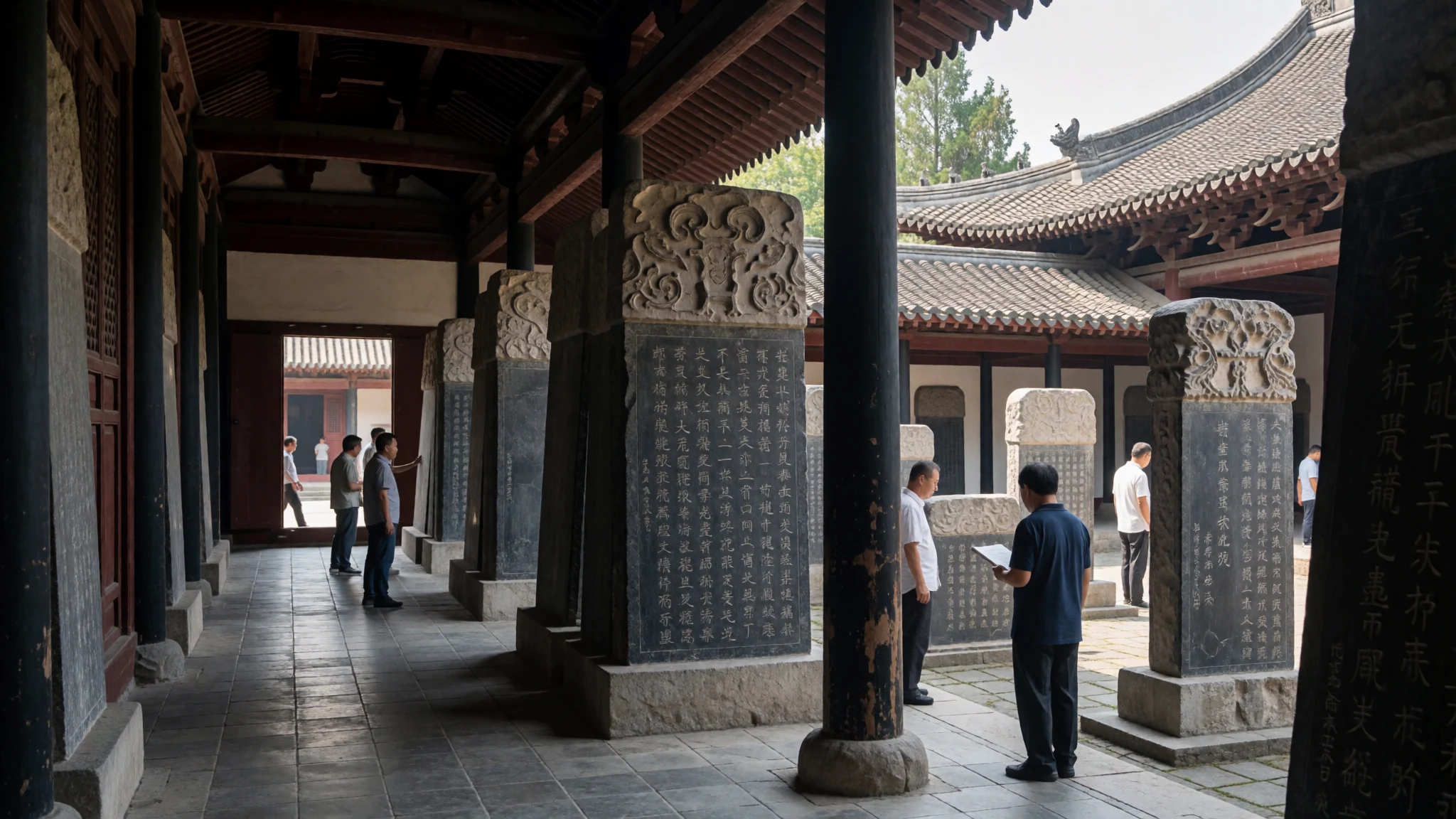
- Shaanxi Art Museum — City centre, Xi'an
Situated near the heart of the city, this smaller cultural venue focuses primarily on traditional Chinese painting and classical calligraphy. Exhibitions showcase works by regional artists, providing a quiet space to appreciate modern and historical ink techniques away from the larger archaeological crowds.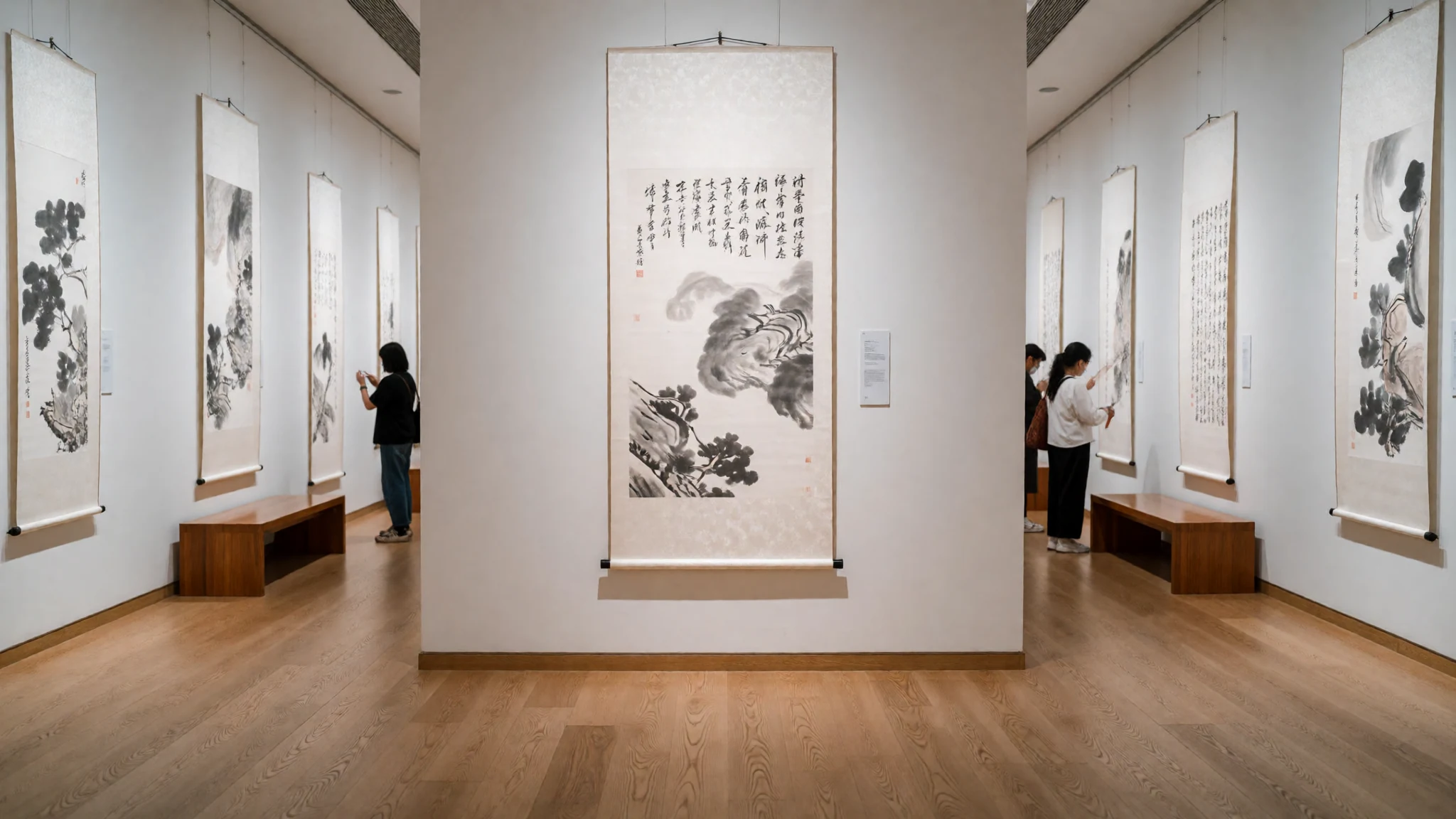
- Shaanxi Nature Museum — Southern suburbs, Xi'an
Positioned further south in the metropolitan area, this modern facility offers diverse educational exhibitions covering regional natural history, earth sciences, and technological development. A dedicated industrial hall highlights the local coal sector alongside multi-screen cinema spaces for visitors.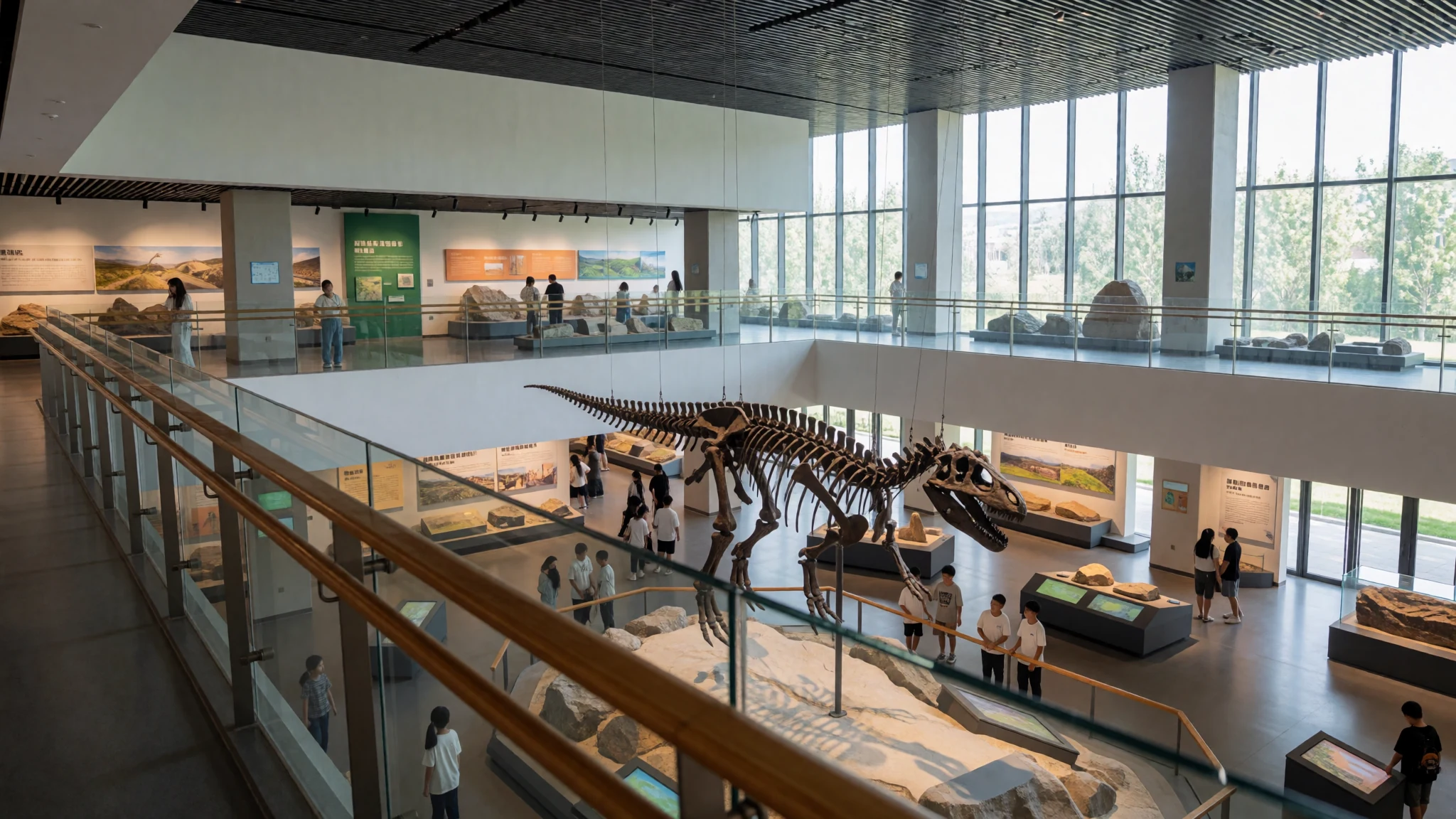
- Shaanxi Science and Technology Museum — Central district, Xi'an
Spread across multiple structured floors in the central district, this interactive museum traces the progression of human ingenuity and technological innovation. Hands-on exhibits engage visitors with scientific principles, mechanical displays, and digital experiments suitable for all ages.
Culture
The cultural fabric of the Terracotta Army region is deeply intertwined with the ancient traditions of Shaanxi province, where long-standing customs shape daily life, hospitality and community gatherings. Local residents take immense pride in their status as custodians of an imperial cradle, valuing courtesy, respect for elders, and communal harmony above all else. Traditional arts such as shadow puppetry, paper-cutting and folk opera continue to thrive in rural townships surrounding the historical capital, passed down through generations of local families. When exploring cultural sites, eateries and markets, a polite nod and a friendly attitude go a long way in bridging any language barrier with local vendors. Visitors should approach sacred or historical monuments with quiet reverence, acknowledging the deep spiritual significance that these ancient burial grounds hold for the local population. When entering temples or traditional residential courtyards in the surrounding area, always remove your hat and sunglasses as a sign of respect.
What to wear
Fashion around the Terracotta Army and the wider Xi'an region reflects a practical blend of modern urban style and seasonal weather adaptations. Traditional attire such as the flowing Hanfu robes is occasionally worn by locals during cultural festivals or by tourists visiting historical monuments for commemorative photography, crafted from lightweight silks and cottons. In everyday life, residents dress in contemporary casual clothing, ranging from comfortable denim and knitwear to smart-casual jackets suited for the fluctuating continental climate. Travellers visiting the archaeological pits should prioritise functional, weather-appropriate clothing and sturdy walking shoes, as the expansive exhibition halls involve navigating long concrete ramps and polished stone walkways. Modest dress that covers the shoulders and knees is appreciated when visiting local temples or rural shrines outside the main tourist zones. Layering is advisable during spring and autumn when daytime warmth gives way to brisk evening breezes.
What to eat
- Yangrou Paomo — Lao Sun Jia and local noodle houses
A signature local speciality consisting of a rich, flavourful mutton soup served with torn-up unleavened flatbread soaked inside. Diners break the bread by hand before the broth is added, creating a hearty and warming dish found in traditional eateries across the city.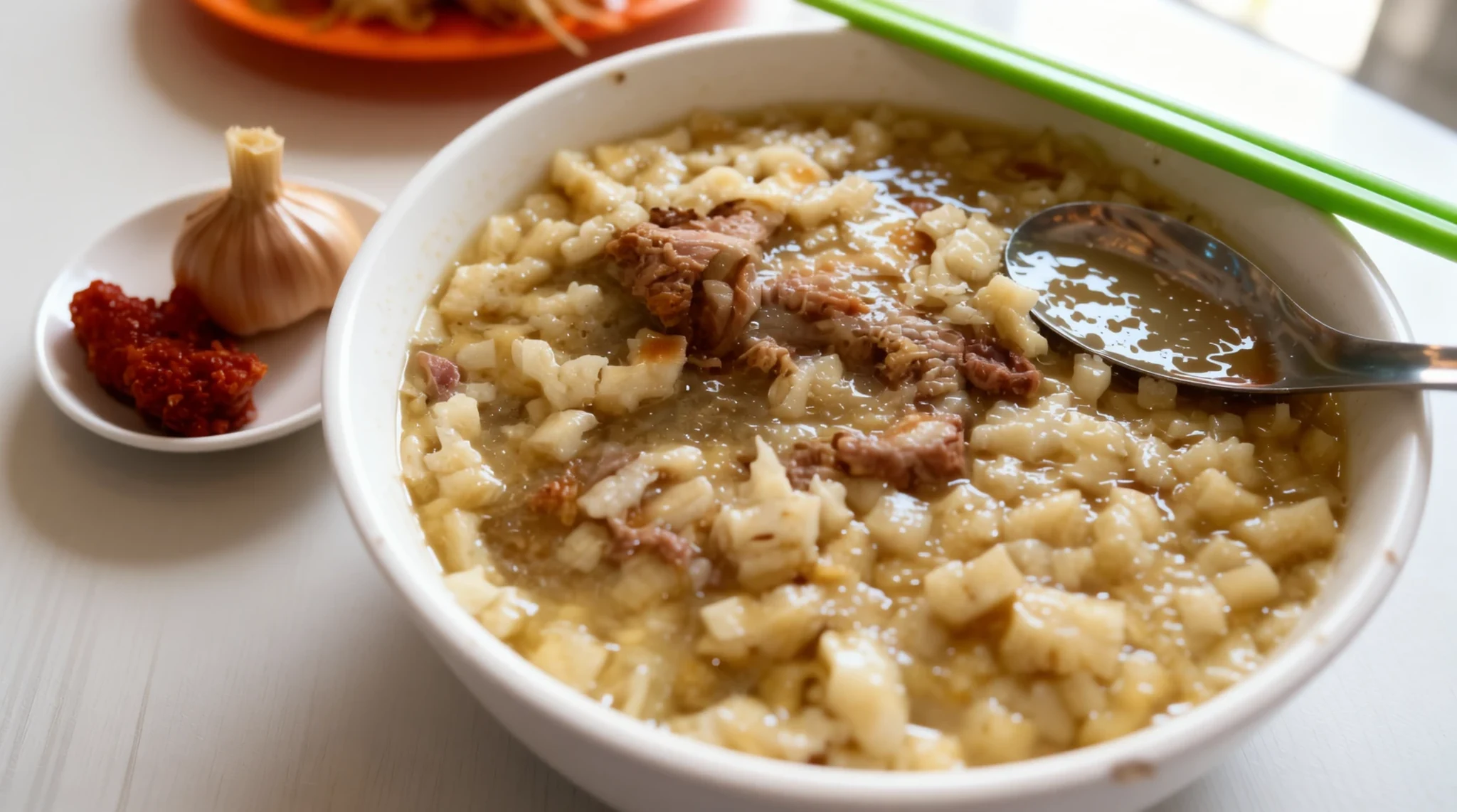
- Jiaozi Dumplings — Wen Xin Jiaozi Guan and neighbourhood alleyways
Traditional Chinese dumplings filled with seasoned meats or vegetables, served steamed, boiled or pan-fried in endless varieties. Local dumpling houses often serve them freshly made in communal dining rooms with accompanying dipping vinegars.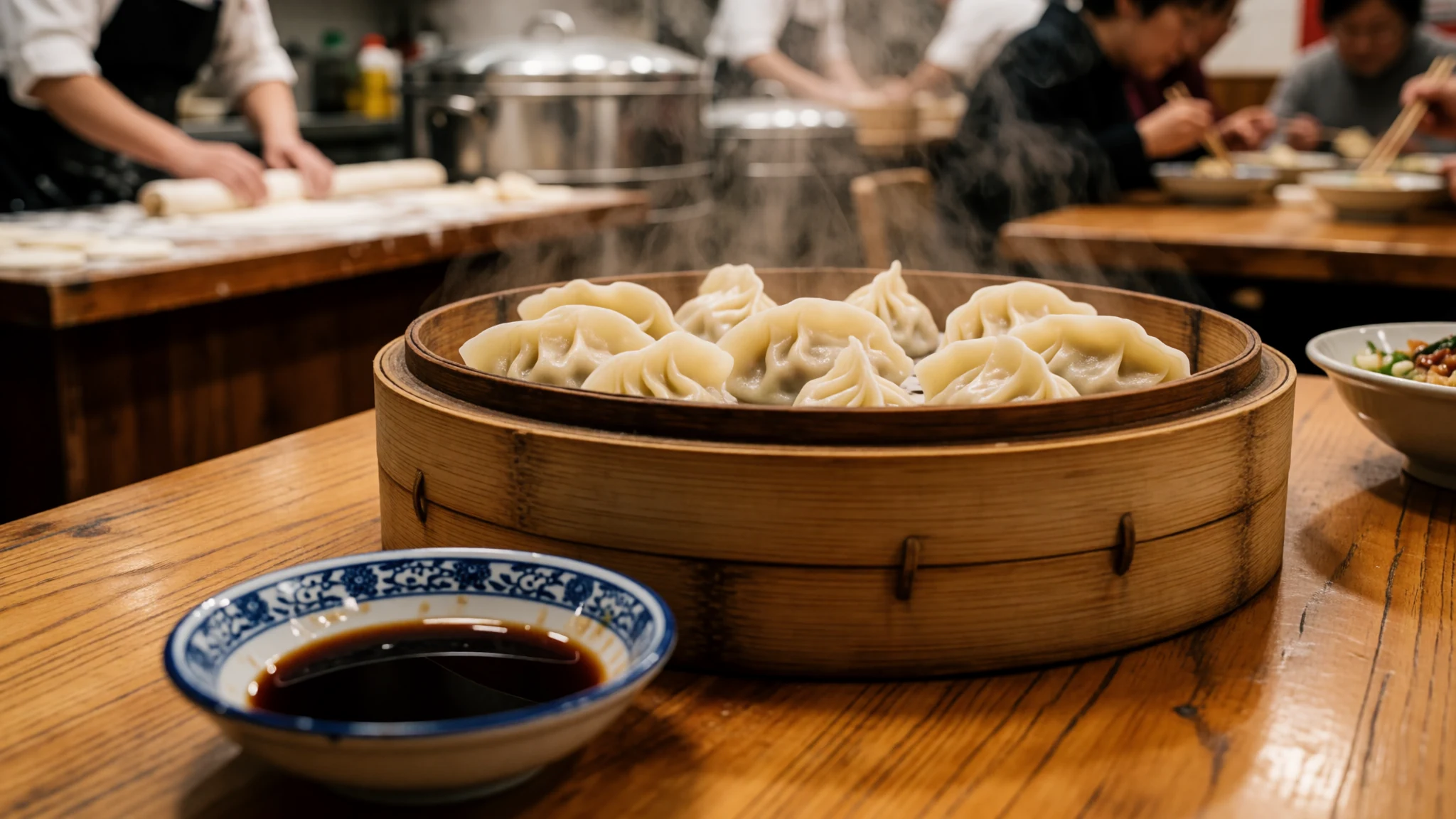
- Guotie Potstickers — Li Ming's Dumpling House and local street stalls
Crispy-bottomed pan-fried dumplings boasting savoury fillings crafted from secret family recipes. These golden parcels are a favourite morning and evening snack among locals who frequent tiny, family-run food stalls. - Baozi Steamed Buns — Morning markets and neighbourhood bakeries
Soft, fluffy yeast-dough buns encasing spiced pork or vegetable mixtures, steamed to perfection in bamboo baskets. They are a staple breakfast item purchased fresh from roadside vendors across the urban districts. - Night Market Delicacies — Yong Xing Fang and Nanliu Alley night markets
Vibrant evening food alleys offering grilled skewers, spicy noodles, roasted meats and regional sweets cooked over open flames. These bustling night markets provide an energetic atmosphere to sample diverse Shaanxi street food specialities.
Plan it
Best time. March to April for pleasant spring blossoms and mild temperatures, or October to November for clear autumn skies; avoid the humid summer peak and chilly winter months.
How long. 2–3
Getting there. Fly into Xi'an Xianyang International Airport, then take an airport bus or taxi into the city centre; local buses or regional rail connect the downtown area directly to Lintong for the archaeological site.
Budget. mid
Tips
- Book tickets to the archaeological site well in advance online
- Arrive early in the morning before the large tour groups descend on the pits
- Carry a mixture of mobile payment apps and cash for small market vendors
- Wear comfortable walking shoes for the extensive exhibition hangars
- Check the official website for updated opening hours before travelling
Etiquette
- Always ask permission before photographing local craftspeople or residents
- Keep your voice low when walking through enclosed exhibition halls and burial vaults


