Ternopil
Ternopil, Ukraine
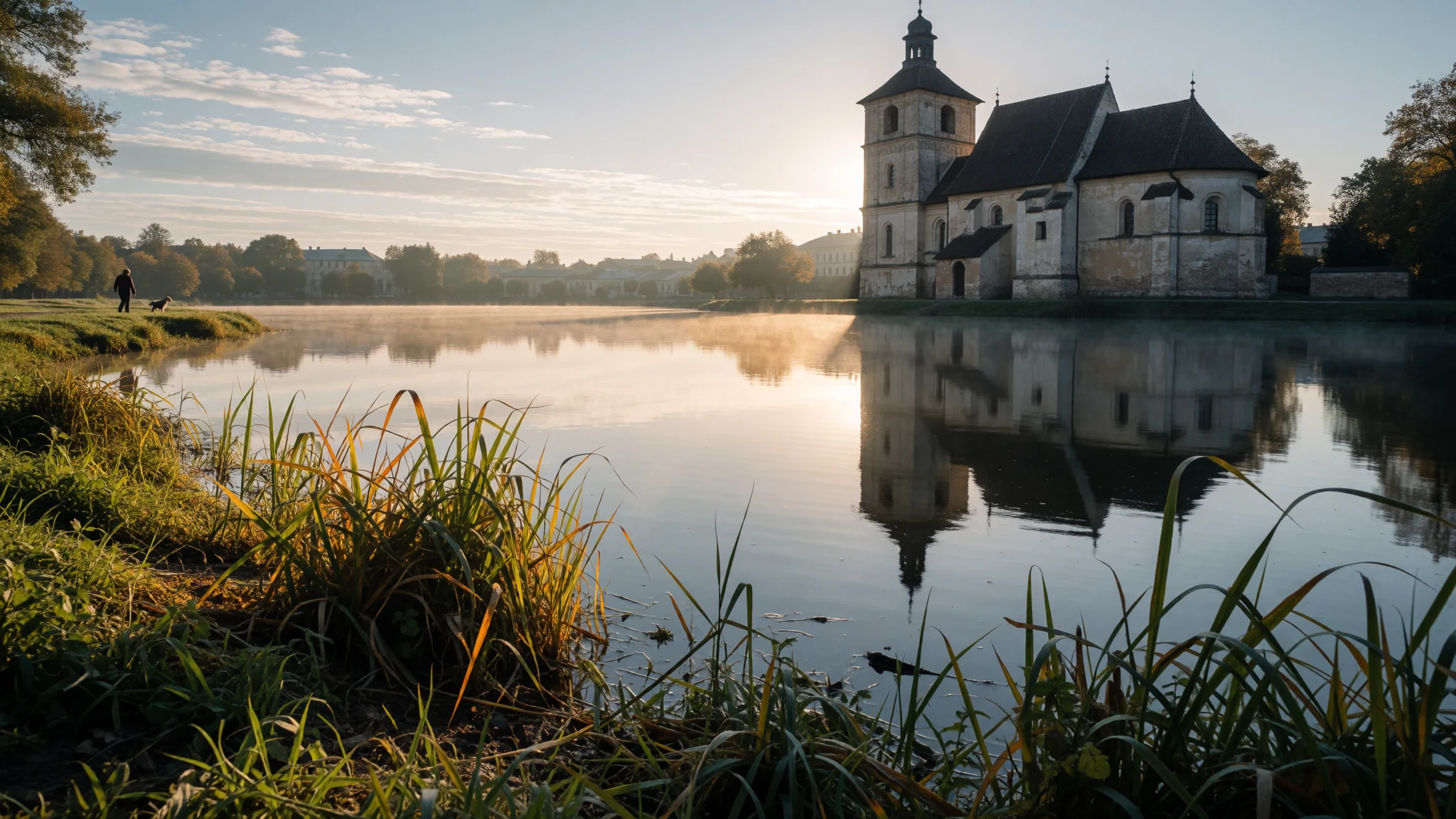
Ternopil offers a scenic western Ukrainian escape centred around a vast central pond, historic fortified architecture, and a lively café culture.
The place
Ternopil stretches across the banks of the Seret River in western Ukraine, anchoring the historic regions of Galicia and Podolia. The urban landscape is defined by the expansive Ternopil Pond, an enormous body of water right beside the historic quarter that draws residents and visitors for waterside promenades throughout the warmer months. As the administrative heart of the surrounding region, Ternopil balances its deep historical roots with the energetic atmosphere of a major provincial hub. Tree-lined streets, leafy parks, and pedestrian zones shape the central districts, where preserved European architecture sits alongside modern storefronts and open-air terraces. Unlike busier tourist capitals, Ternopil moves at a more measured pace, offering travellers an authentic window into everyday life in western Ukraine. The climate brings warm summers well-suited for exploring the lake shores and surrounding green spaces, while winters introduce cold temperatures and occasional snow that blanket the old stone buildings. Navigating the city is straightforward on foot or using local transport networks that connect the residential quarters to the central sights.
Its story
Ternopil was established as a defensive border fortress for the Kingdom of Poland, created to protect eastern trade routes and settlements from frequent Tatar incursions. Noble families governed the settlement through successive centuries, overseeing its growth into a regional hub for commerce alongside periods of devastating conflict and rebuilding. Throughout its complex past, the city experienced multiple shifts in sovereignty, passing through Austrian administration, periods of upheaval during major European conflicts, and subsequent incorporation into administrative structures that shaped its modern identity. Despite facing destruction during various military campaigns, the community repeatedly restored its civic structures, preserving architectural layers from its Renaissance origins and subsequent eras of development. Today, these historical milestones remain embedded in the urban fabric, visible in the surviving stone churches, defensive remnants, and the enduring layout of the old town centre.
What to see
- Exaltation of the Holy Cross Church — Near Ternopil Pond
Perched above the picturesque Ternopil Pond, this venerable religious structure stands as the oldest surviving church in the city. Built in the Renaissance style, its origins trace back to early land grants from noble leaders, featuring a robust front tower that once doubled as a defensive bell tower. - Church of the Immaculate Conception — Central District
This striking historic temple features elaborate baroque architectural details and a commanding presence within the urban landscape. Visitors frequently admire its intricate stone carvings, vaulted interiors, and the way the golden hour light catches the ornate facade during late afternoon strolls. - St. Josaphat's Church — City District
Dedicated in honour of a revered religious figure born in nearby Lutsk, this active parish building serves as an important spiritual landmark. The interior hosts traditional icons and quiet spaces for reflection, drawing worshippers and architectural enthusiasts alike into its peaceful nave. - Valovaya Street Historic Houses — Valovaya Street
This charming historic street preserves rows of classic brick townhouses and residential facades that reflect provincial European building styles from earlier centuries. Walking along the pavement reveals intricate doorways, decorative ironwork, and a quieter side of the city's architectural heritage. - Mykulynets Cemetery Chapel — Mykulynets Cemetery
Situated within the historic Mykulynets cemetery grounds, this stone Roman Catholic chapel dates back to the nineteenth century. The atmospheric site showcases weathered funerary sculpture, solemn stone crosses, and mature trees framing the historical monuments.
Culture
Cultural life in Ternopil thrives on a blend of regional traditions and contemporary creative energy, highlighted by events such as the annual Faine Misto open-air music festival that attracts crowds for multi-day gatherings during the summer months. Residents take pride in their local heritage, literature, and arts, maintaining a welcoming atmosphere for visitors interested in exploring regional customs. Traditional crafts, community celebrations, and local artistic expressions remain integral to daily life, alongside a burgeoning coffee and youth culture found in independent bars and bakeries across the centre. When entering churches or religious sites, dress modestly with shoulders and knees covered, and keep voices low out of respect for worshippers.
What to wear
Traditional attire in western Ukraine features embroidered linen garments known as vyshyvanka, distinguished by intricate geometric or floral threadwork in rich red, black, and blue tones that carry distinct regional symbolism. While these handcrafted garments are typically reserved for national holidays, festivals, and formal family celebrations, everyday fashion in Ternopil follows modern European casual trends. Local residents dress comfortably and practically, favouring tailored coats, jeans, and knitwear during colder months, and lighter fabrics during warm summers. Visitors should pack comfortable walking shoes suited for old cobblestone streets and uneven pavements, alongside weather-appropriate outerwear depending on the season. When visiting sacred spaces or attending formal cultural events, conservative attire is appreciated, though standard casual wear is entirely acceptable for exploring cafes and public parks.
What to eat
- Artisan Green Tea and Cakes — Soltoii Dukat, City Centre
Enjoy a quiet break with speciality green teas and freshly baked sweet pastries served in a cosy subterranean cellar setting in the city centre, complete with relaxed seating and internet access. - Traditional Regional Fare — Dykanka Resting House
Sample hearty classic Ukrainian dishes, including savoury dumplings, broths, and roasted meats inspired by centuries of local culinary tradition, served in a rustic dining atmosphere. - Student Craft Beverages and Snacks — Koza Bar
Experience the vibrant local youth scene at a popular student bar offering craft drinks, casual bites, and a lively social atmosphere in the heart of town.
Plan it
Best time. May through September brings pleasant warm weather ideal for walking around the central pond and exploring outdoor sights, while winter brings cold temperatures and snow.
How long. 2–3
Getting there. Regional bus routes and train connections link Ternopil with major hubs across western Ukraine. Civil aviation in Ukraine is currently closed.
Budget. mid
Tips
- Wear comfortable footwear for walking along the lake paths and historic streets
- Carry cards and some local cash for small cafes and market stalls
- Check opening hours for churches and historic sites before visiting
- Plan your time around the central pond for the best sunset views
Etiquette
- Dress modestly with covered shoulders when entering churches
- Remove hats upon stepping inside places of worship
- Greet locals politely when entering small shops and cafes
Nearby
Sources
- Wikidata Q156743 (CC0)
- Wikipedia (rev 1384423132) (CC BY-SA 4.0)
- Wikivoyage (rev 5419821) (CC BY-SA 4.0)