Terceira
Terceira, Portugal
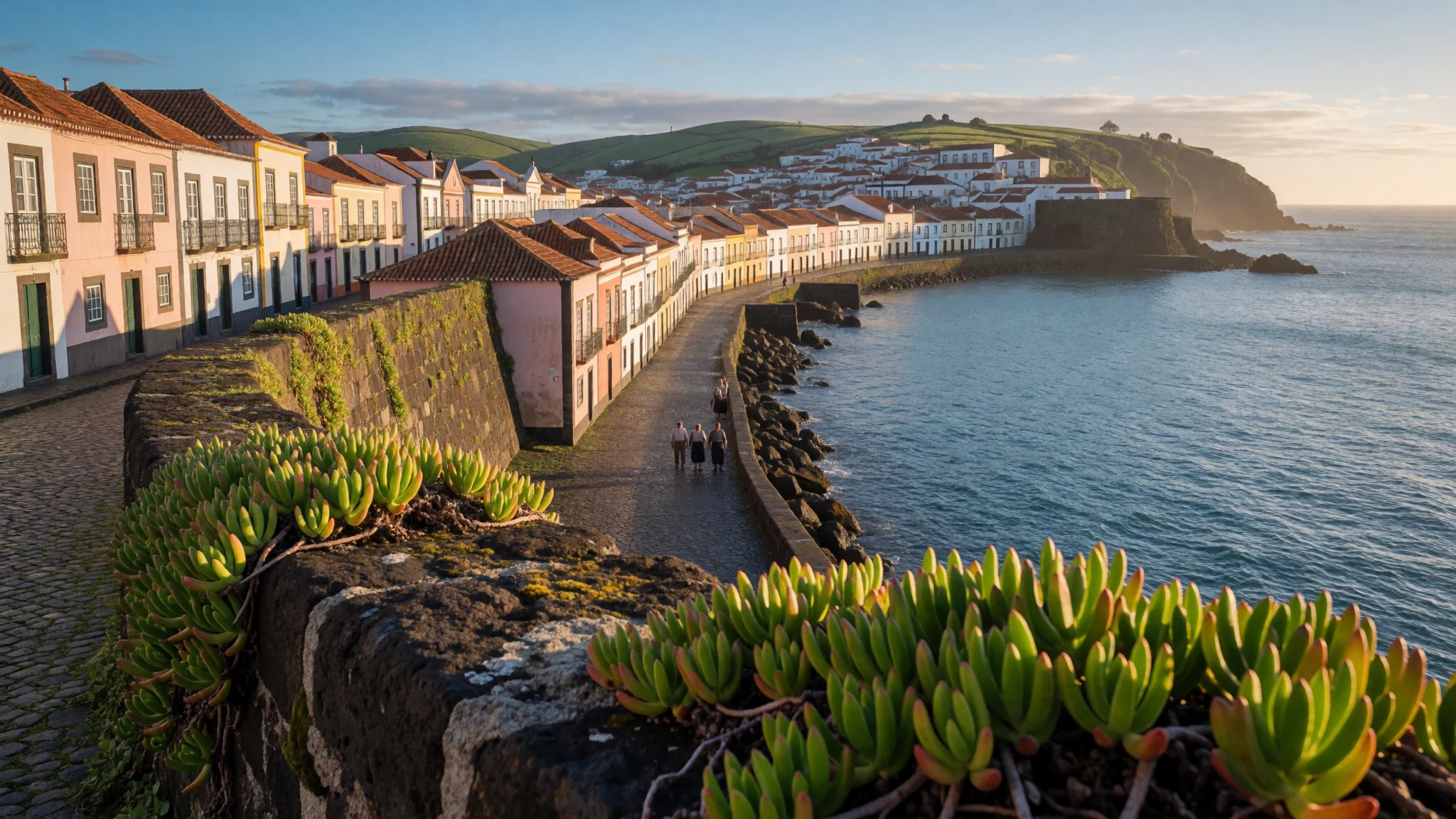
Terceira offers dramatic volcanic interiors, UNESCO-listed Renaissance heritage, and vibrant local street bullfights across a rugged Atlantic landscape.
The place
Terceira rises dramatically from the Atlantic as a volcanic island defined by ancient calderas, fertile green pastures, and steep coastal cliffs. Located in the central group of the archipelago, the island is built over a complex geologic meeting point where tectonic plates separate, leaving behind a scarred interior of lava tubes, bubbling fumaroles, and fertile crater floors. The highest point reaches a summit at the dormant Santa Barbara volcano, wrapped in native forest and drifting mists that nourish the surrounding dairy lands.
Human settlement clusters primarily along the sheltered coastal shelves. Angra do Heroísmo, the historical capital, commands a sweeping southern bay with pastel-painted townhouses, cobblestone squares, and robust defensive walls built during the era of maritime exploration. Further east, Praia da Vitória anchors a wider coastal plain with sandy stretches and commercial docks. Between these hubs, rural parishes are connected by winding lanes bordered by hydrangeas and volcanic stone walls, where cattle graze on rolling green hills that drop abruptly into the deep blue ocean. The climate remains maritime and changeable, swinging rapidly from warm sunshine to misty downpours that keep the island intensely verdant throughout the year. Life here moves to an insular rhythm shaped by the ocean swells, seasonal agricultural cycles, and centuries-old community festivals that animate the village squares.
Its story
Long before official Portuguese colonisation, medieval cartographers sketched mysterious landmasses in the western Atlantic, frequently labelling islands in this region with legendary names such as the Island of Brasil or the Fortunate Isles. These mythical tracts captured the imagination of European sailors navigating the uncharted ocean wastes, serving as symbolic stepping stones towards the unknown.
The recorded history of the island began as Portuguese caravels pushed further into the Atlantic during the age of discovery. Assigned its name as the third island discovered in the archipelago, Terceira quickly assumed a vital strategic position for galleons returning from the Americas and the Indies. Angra flourished as a central Atlantic port, acting as a provisioning station, administrative hub, and refuge for treasure fleets.
Over subsequent centuries, the island weathered foreign sieges, pirate raids, and dramatic political shifts, serving at various times as a royal sanctuary and a focal point for liberal resistance during Portuguese dynastic conflicts. Its massive defensive fortifications, including sprawling bastions overlooking the harbour, bear witness to its historical importance as a heavily contested naval stronghold. Today, that legacy endures in the preserved architecture of its historic quarters and the resilient spirit of its communities, who maintain customs forged during centuries of relative isolation at the crossroads of maritime empires.
What to see
- Angra do Heroísmo — South coast
This historic capital is a UNESCO World Heritage Site defined by Renaissance grid systems, twin defensive fortresses, and pastel-coloured mansions. Wander through quiet public gardens, visit centuries-old churches adorned with carved wood and azulejos, and explore harbour battlements that once guarded returning treasure fleets from across the Atlantic ocean.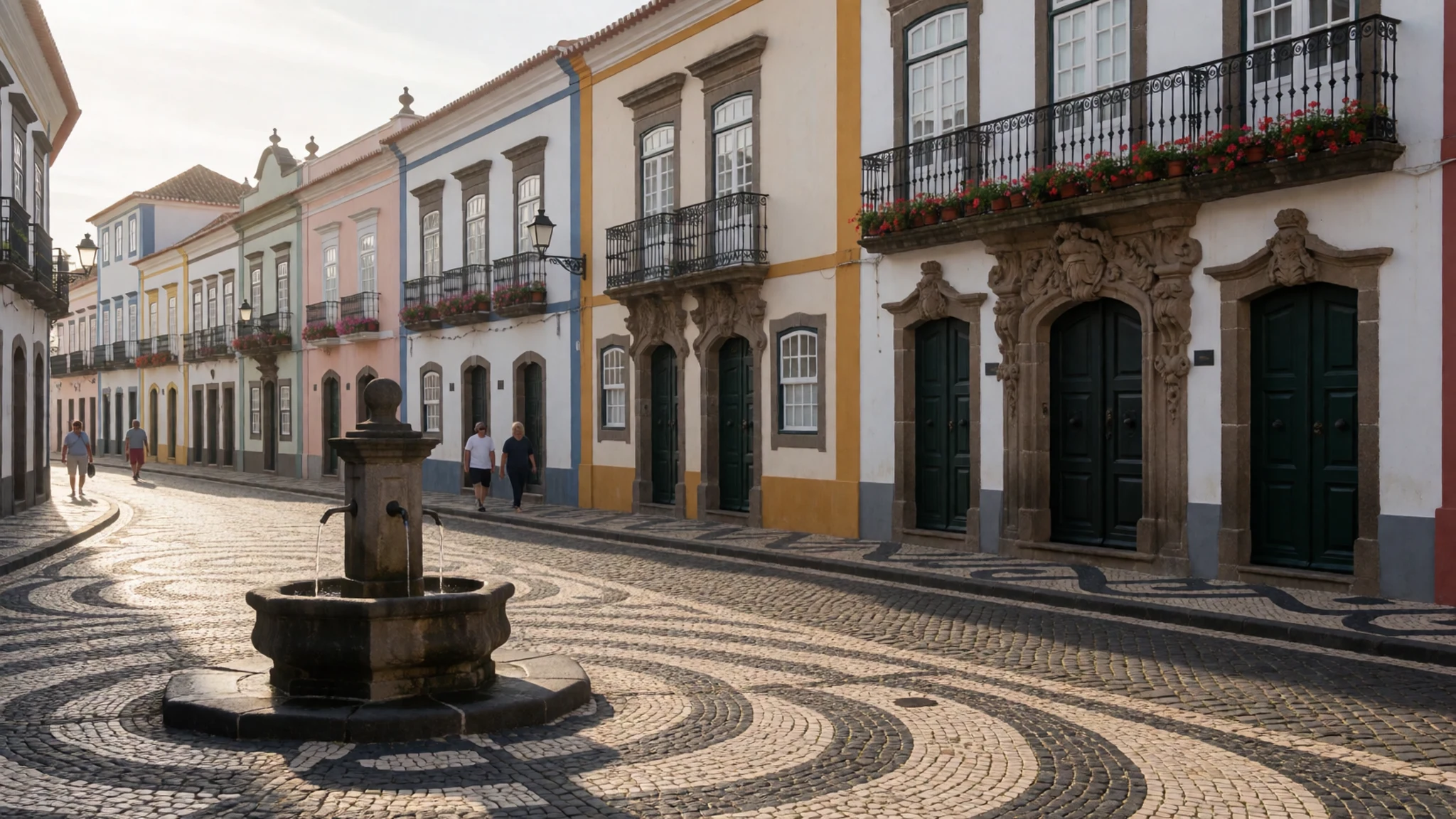
- Algar do Carvão — Central interior
Descend deep into the heart of an ancient volcano through a specialized reinforced tunnel that leads into a vast subterranean magma chamber. Towering stone walls streaked with silica and iron minerals loom over a subterranean rainwater lagoon, offering a rare glimpse into the raw geological forces that shaped the entire island archipelago.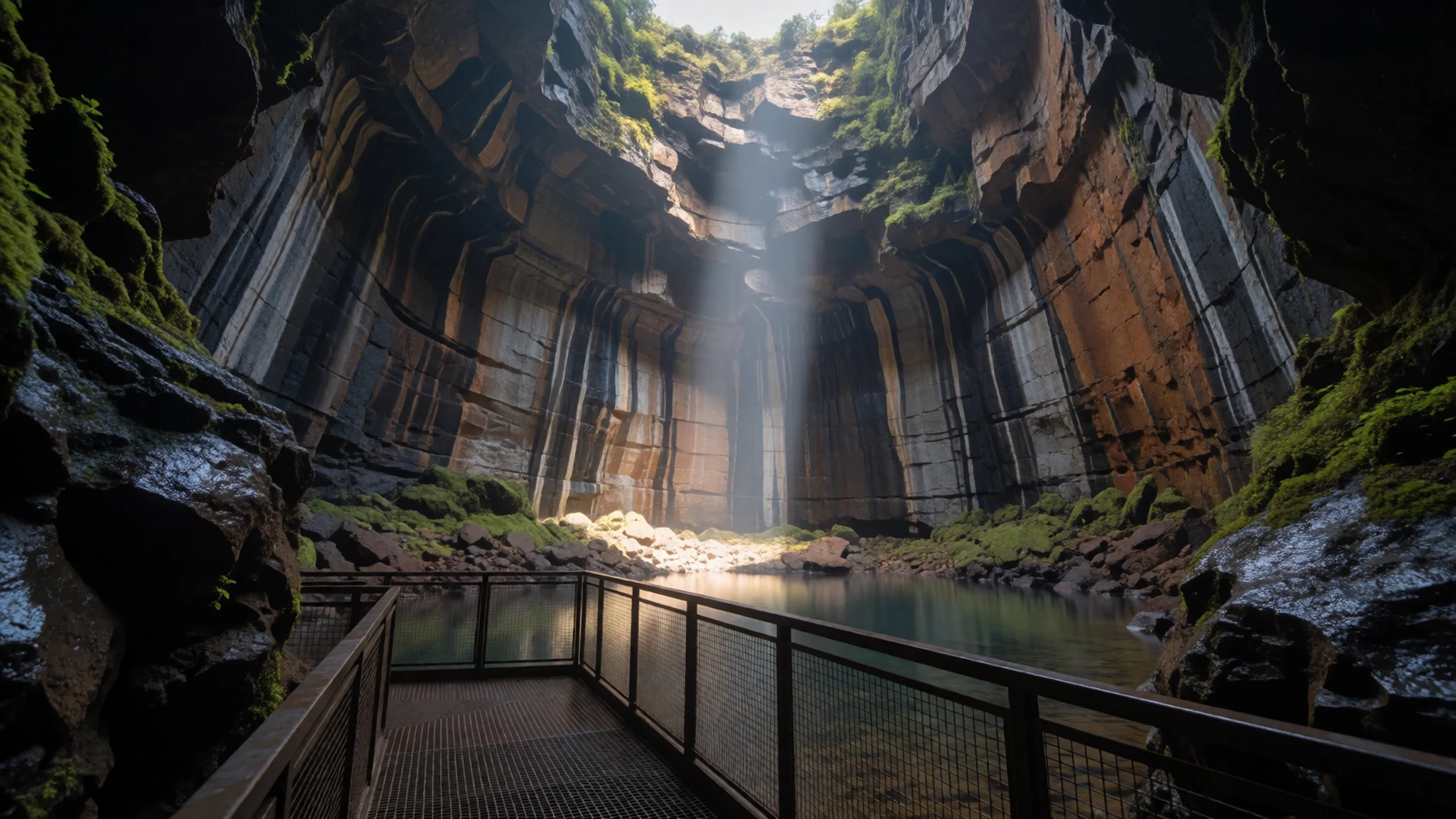
- Gruta do Natal — Central highlands
This extensive lava tube system snakes through the volcanic bedrock, created when flowing molten rock drained away from its cooler outer crust. Walking through the dimly lit basalt corridors reveals fascinating geological formations, smooth lava benches, and low ceilings that showcase the complex pathways of prehistoric subterranean eruptions.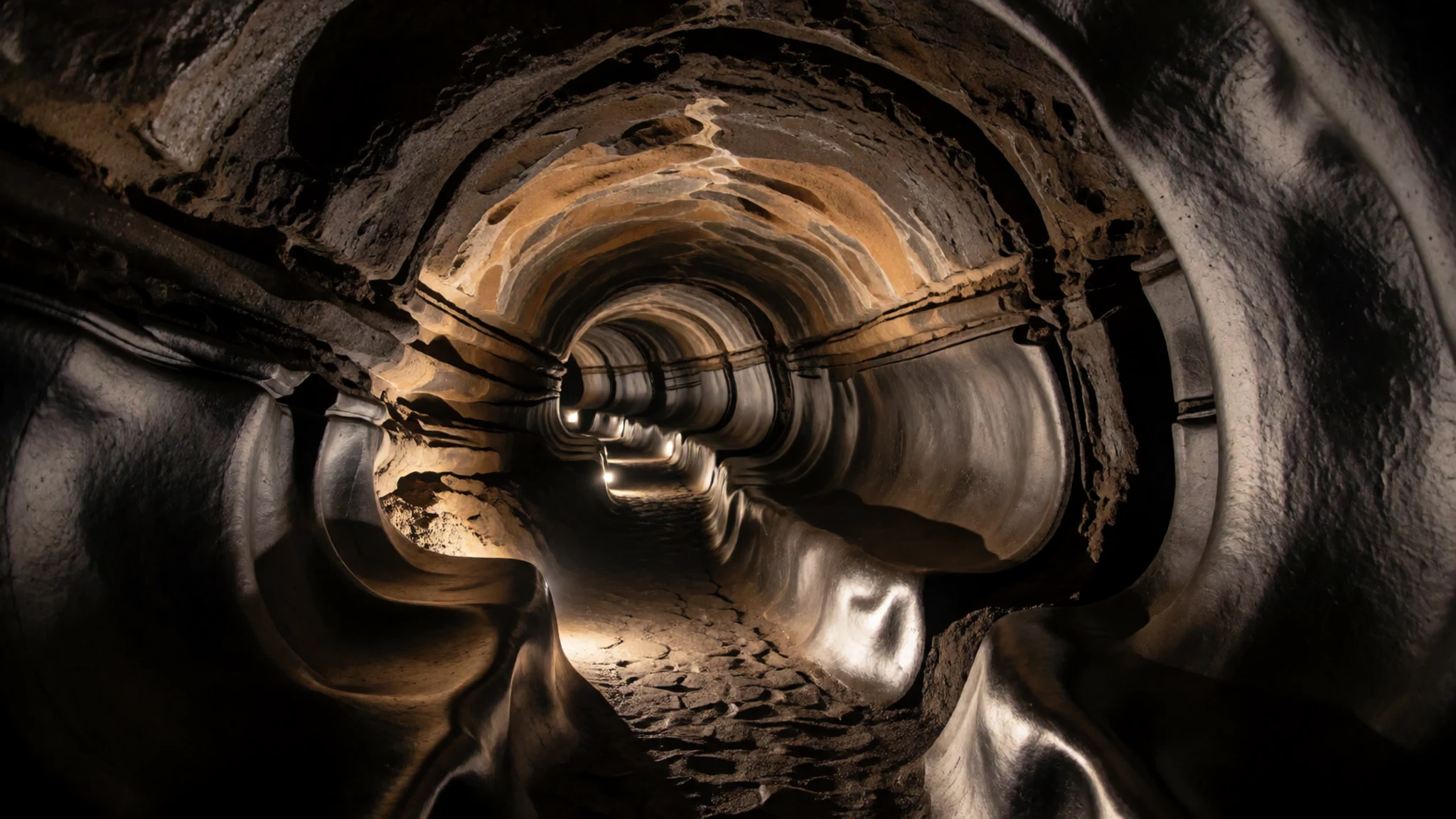
- Praia da Vitória — East coast
Relax along the sandy curve of this coastal town, sheltered by a wide bay on the eastern side of the island. The waterfront features a lively promenade, colourful fishing boats bobbing near the marina, and historic churches that reflect the maritime heritage and resilient community spirit of the local residents.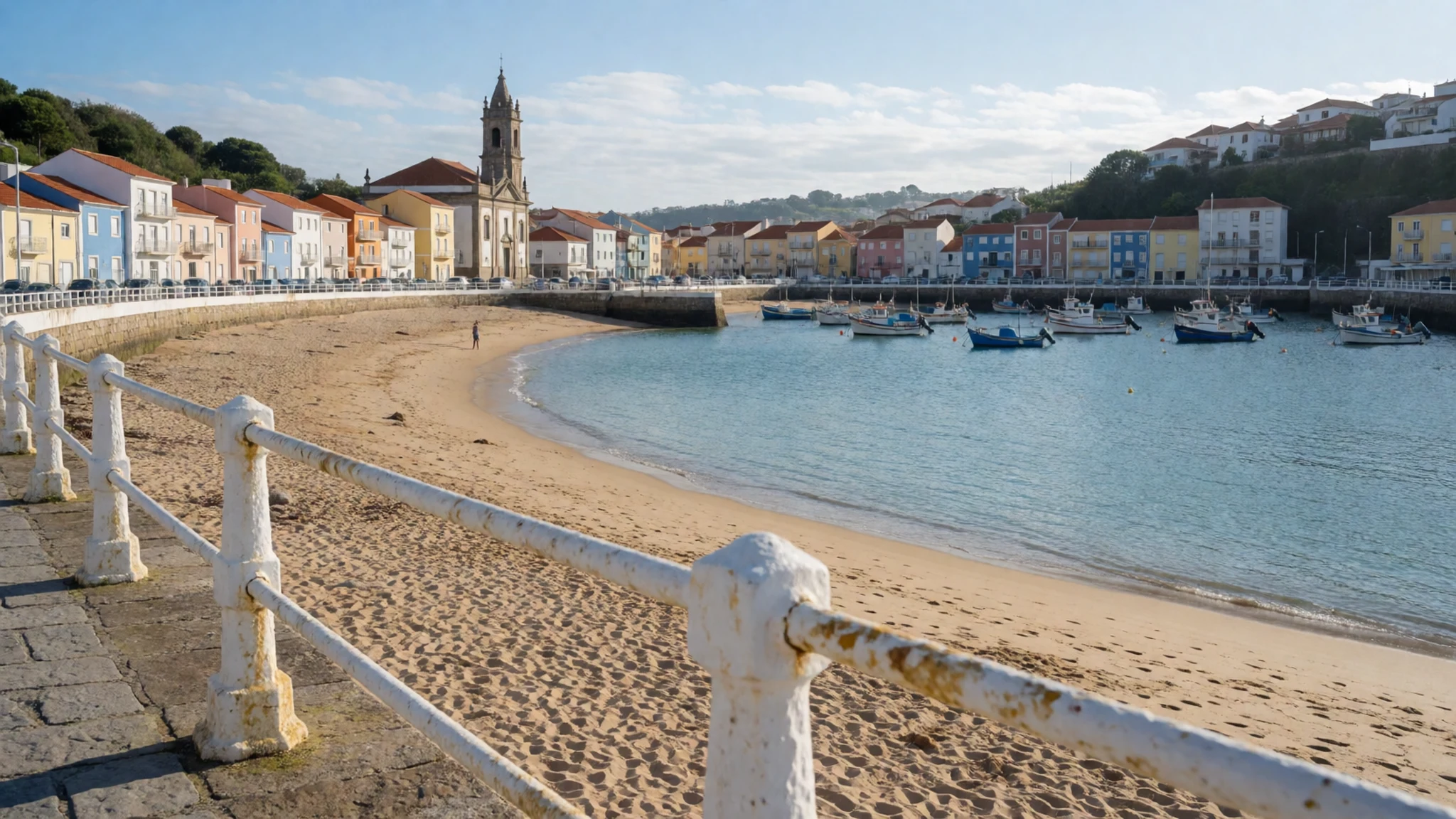
Culture
Community life on the island revolves around deeply rooted religious festivals, agricultural traditions, and passionate displays of local heritage. From spring through late autumn, village squares come alive with communal meals, elaborate processions, and traditional music. The most distinctive cultural expression is the tourada à corda, a traditional street event held in villages across the island where a bull is led through public roads secured by a long rope held by experienced handlers. Spectators gather behind barriers and walls to test their nerve as the animal moves through the neighbourhood, blending elements of rural folklore with communal spectacle. Traditional handicrafts, including intricate embroidery and painted ceramics, are passed down through generations, maintaining ties to early settler techniques. Visitors should always maintain a safe distance behind protective barriers and respect local instructions during street bullfights.
What to wear
Traditional ceremonial attire on the island features heavy wool garments, embroidered shawls, and structured hats historically worn during religious festivals and folk dances, reflecting centuries of mainland Portuguese influence adapted to an insular climate. Today, everyday dress among residents is casual and practical, prioritising comfort for damp or windy conditions. Visitors should pack layered clothing, sturdy walking boots for uneven volcanic terrain, and a windproof waterproof jacket to handle sudden coastal showers and misty highland weather. Modest attire is appreciated when visiting churches and rural chapels.
What to eat
- Fresh Seafood — Harbourfront restaurants in Angra do Heroísmo and Praia da Vitória
Savour catches from the surrounding Atlantic waters, including grilled limpets seasoned with garlic and butter, fresh octopus, and locally sourced fish served simply with boiled potatoes in coastal seaside taverns.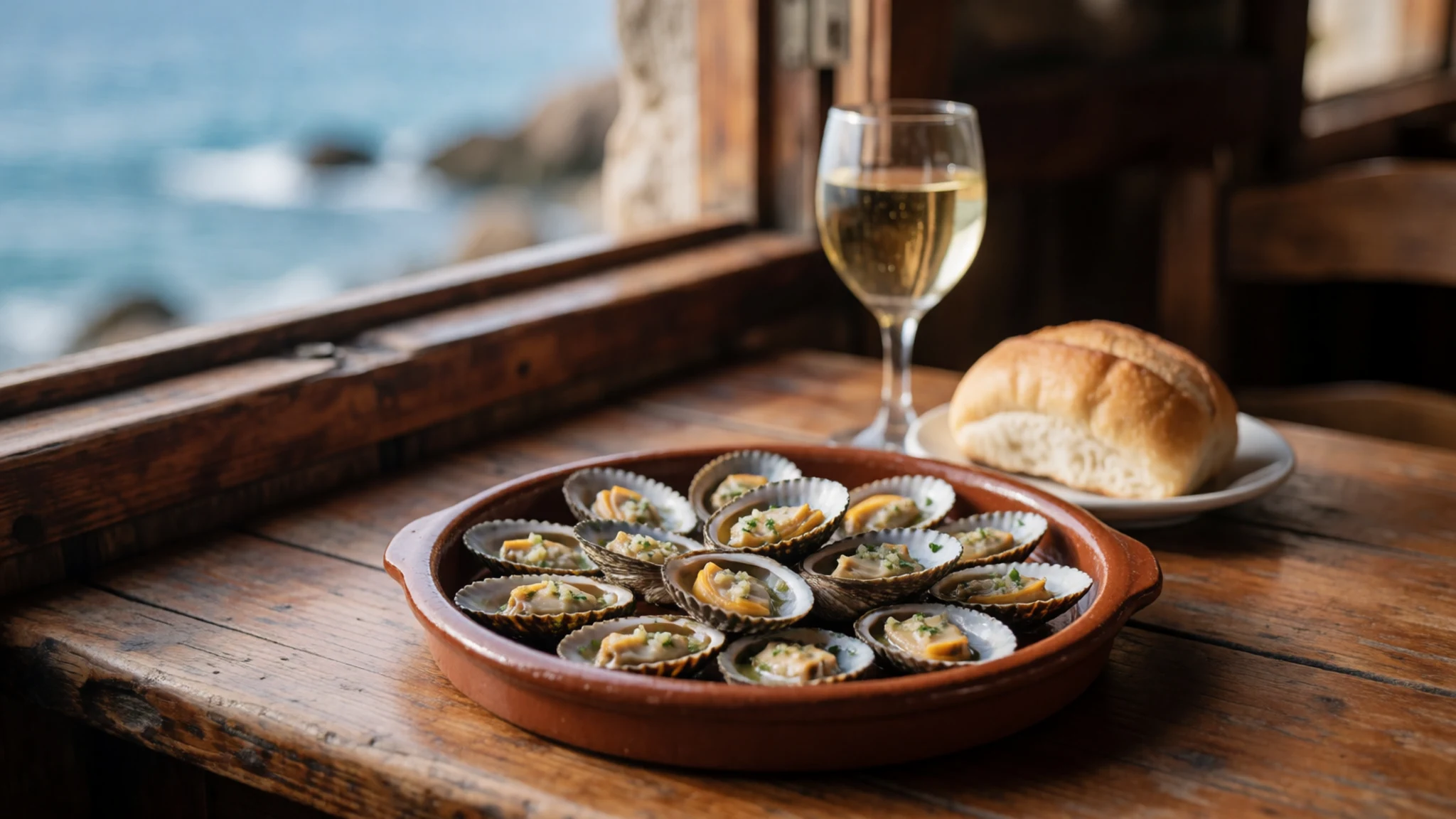
- Açoriano Cheese — Local markets and traditional dairy shops across rural parishes
Sample semi-hard artisanal cheeses produced from the island's abundant dairy herds, offering a rich, robust flavour profile that pairs exceptionally well with local bread and regional honey.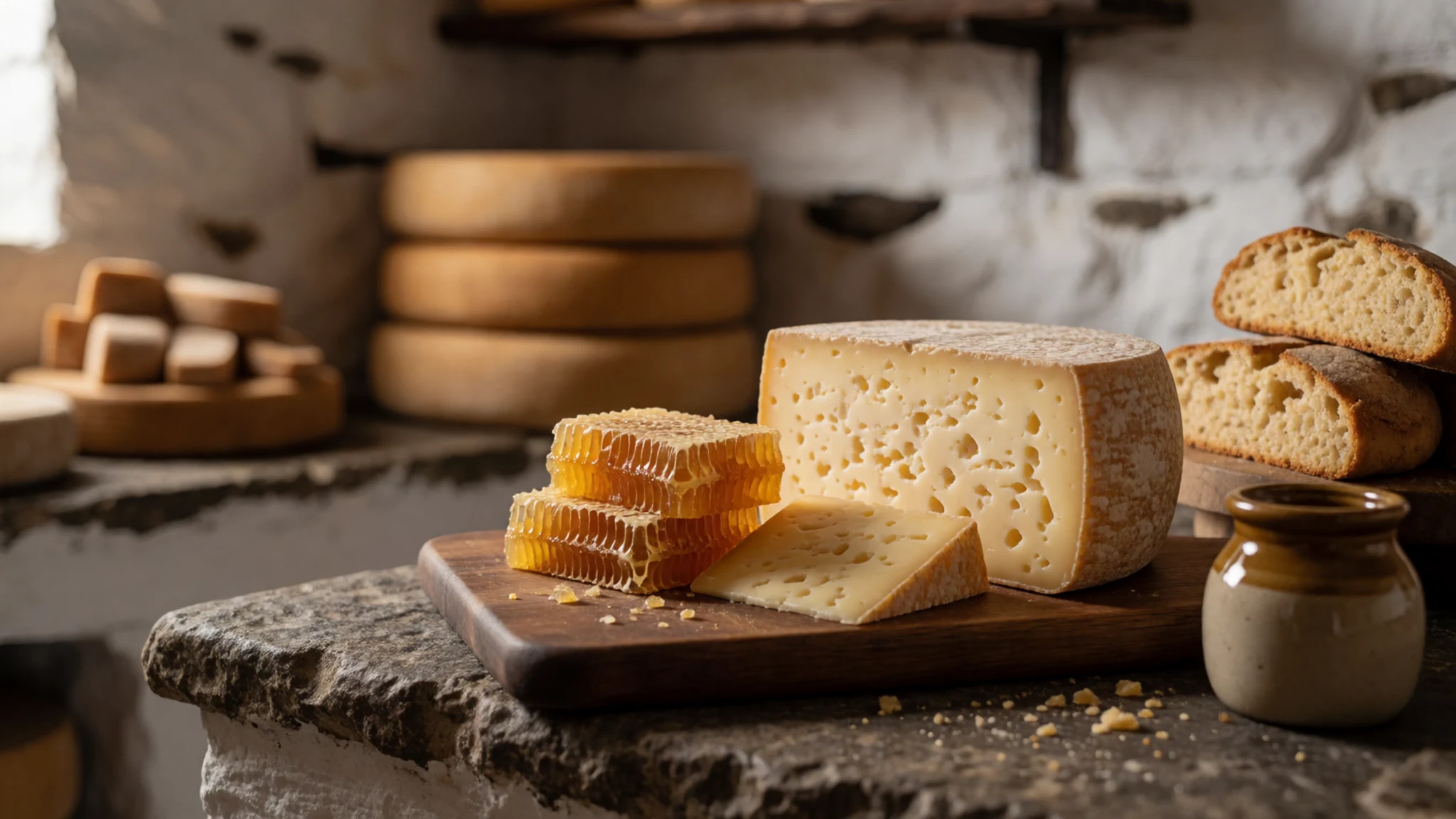
- Vinho Verdelho — Vineyard cellars and wine bars in Biscoitos and Angra
Taste unique regional white wines cultivated in walled vineyard plots along the rocky northern coast at Biscoitos, benefiting from volcanic soils and maritime microclimates. - Alcatra — Traditional family-run restaurants throughout the island
Indulge in this slow-cooked beef stew prepared in a porous clay pot with red wine, garlic, bacon, and aromatic spices, traditionally simmered for hours in village kitchens.
Plan it
Best time. May to September offers the most stable weather, warmest ocean temperatures, and a full calendar of traditional village festivals and street events.
How long. 3–4
Getting there. Fly into Lajes Airport on the island from Lisbon or other European hubs, or arrive by regional ferry connections linking the Azorean islands during summer.
Budget. mid
Tips
- Rent a car to explore remote viewpoints and volcanic interiors independently
- Book accommodation well in advance if visiting during peak summer festival months
- Keep a waterproof jacket handy as mountain weather changes rapidly
- Carry some cash for small rural shops and village bakeries
Etiquette
- Stay securely behind protective barriers during street bullfights
- Dress respectfully with covered shoulders and knees when entering churches
- Greet shopkeepers and locals politely in Portuguese when entering establishments
Nearby
Sources
- Wikidata Q215074 (CC0)
- Wikipedia (rev 1384140866) (CC BY-SA 4.0)
- Wikivoyage (rev 5357165) (CC BY-SA 4.0)