Tepoztlán
Tepoztlán, Mexico
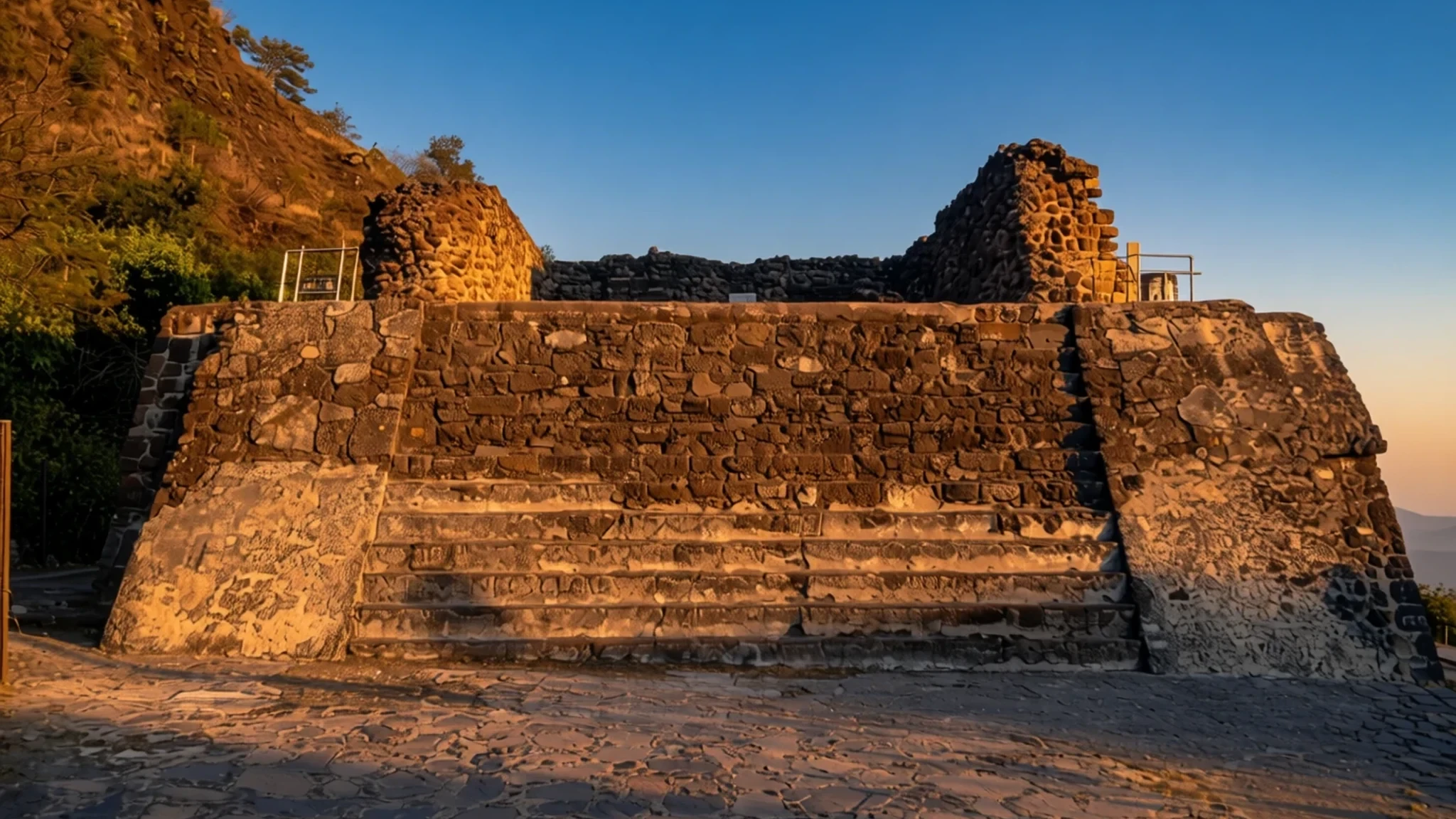
Tepoztlán offers dramatic cliffside hiking, ancient pyramid ruins, legendary ice cream, and a distinct spiritual atmosphere in the mountains of Morelos.
The place
Tepoztlán sits firmly within the central Mexican state of Morelos, cradled by a striking valley surrounded by sheer volcanic cliffs and dramatic mountain ranges. As the municipal seat, this town draws travellers from the nearby capital who seek cooler mountain air and a distinct change of pace from urban life. The valley floor creates a microclimate that supports lush local flora, including unique fig trees that cling precariously to rock faces. Tepoztlán maintains a reputation as a vibrant cultural hub, attracting alternative practitioners, artists, and independent thinkers from across the globe who contribute to its eccentric, mystical character. Wandering through the town reveals cobblestone lanes flanked by colourful facades, traditional open-air markets, and small plazas where local residents gather beneath heavy shade trees. Street vendors sell regional snacks and handmade crafts, while the air carries the scent of roasted corn and copal incense. The dramatic backdrop of the Tepozteco mountain looms over every corner of the settlement, drawing hikers upward toward its ancient summit. Despite modern tourism, the town preserves its distinct provincial identity and slow rhythm, inviting visitors to observe daily life unfold against an extraordinary geological canvas.
Its story
Tepoztlán carries a deep historical and mythical narrative stretching back centuries before the arrival of European explorers. Local tradition holds that nearby Amatlán served as the birthplace of Ce Acatl, the historical figure linked to the feathered serpent deity Quetzalcoatl. Archaeological finds demonstrate that human settlement in the valley dates back to early agricultural periods, with ancient ceramic fragments uncovering centuries of continuous habitation. High above the town on the steep mountain ridge, the small stone sanctuary of El Tepozteco honours Ometochtli-Tepoztēcatl, the ancient deity associated with pulque, the traditional fermented agave beverage. During the Post-Classic Period, the settlement was integrated into the expanding Aztec Empire under imperial rulers, functioning as a regional center that supplied cotton and other materials. When Spanish forces arrived, chroniclers recorded dramatic conflicts and the subsequent razing of the settlement following local resistance to colonial authority. Religious control soon followed military conquest, marked by the construction of a massive Dominican monastery complex during the sixteenth century. This architectural landmark later earned international recognition as a protected world heritage site, anchoring the town's colonial legacy alongside its older indigenous heritage.
What to see
- El Tepozteco Pyramid — Mountaintop peak
Climb the steep stone trail rising high above Tepoztlán to reach this ancient mountaintop sanctuary dedicated to the pulque deity. The demanding trek rewards visitors with sweeping panoramic views across the entire valley, though hikers must watch out for curious local coatis roaming the archaeological zone.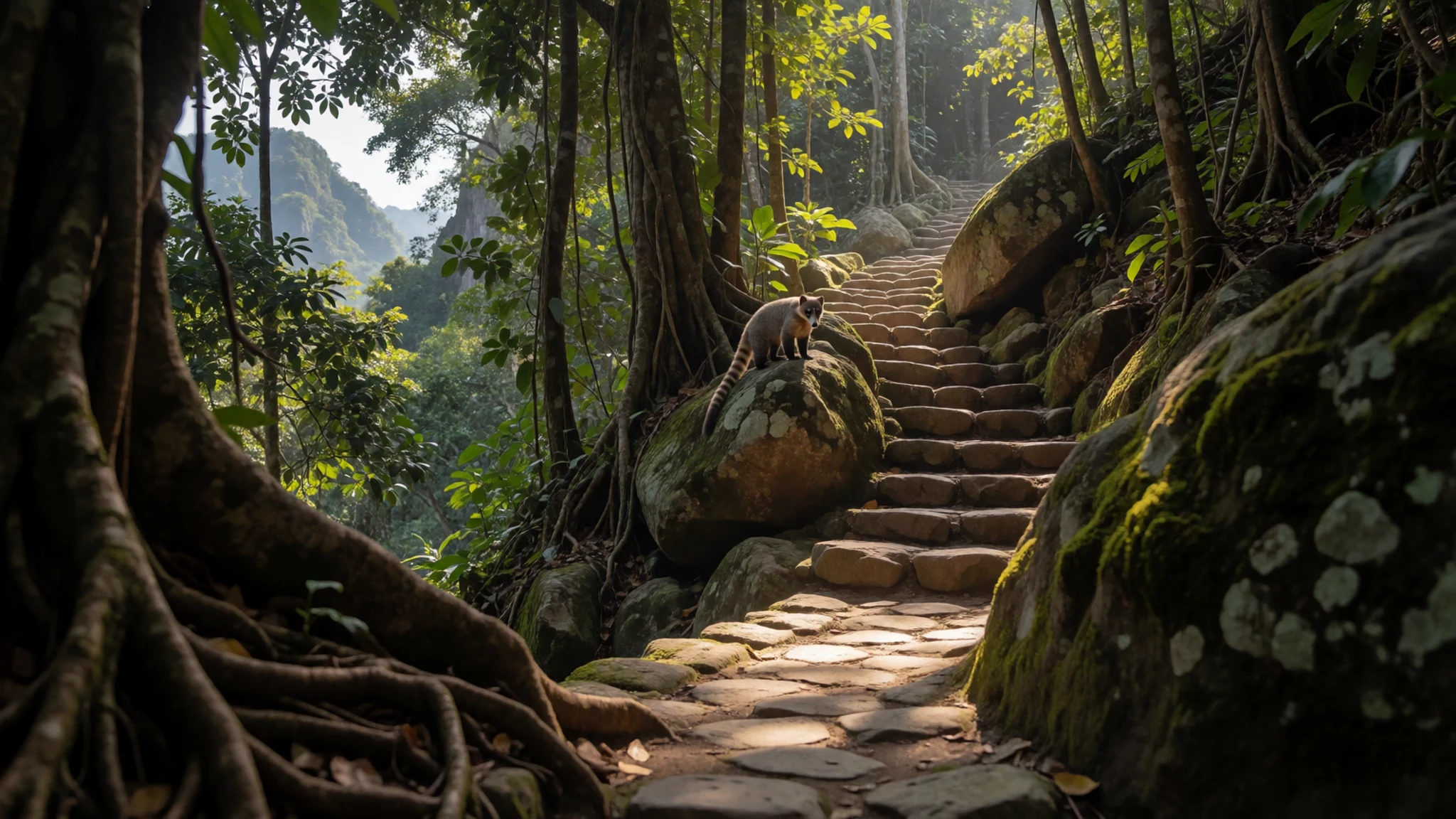
- Ex-Convento de la Natividad — Central town square
Located near the central square, this historic sixteenth-century monastery complex was built by Dominican friars using local indigenous labour. Visitors can wander through expansive stone cloisters, view remarkably preserved wall murals crafted from organic materials, and admire the quiet courtyards reflecting centuries of religious history.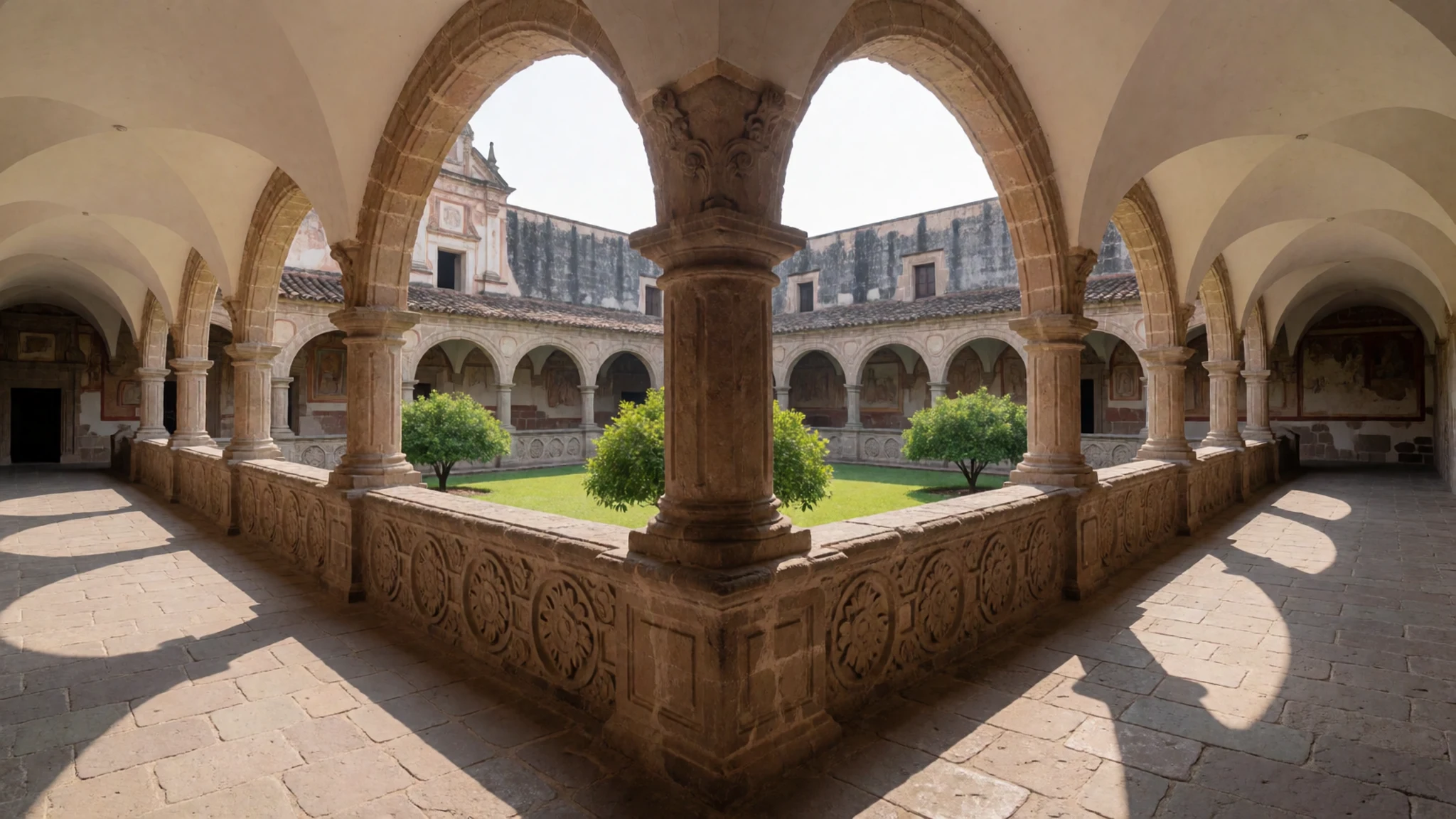
- Municipal Market — Town centre
Step inside this bustling community trading hall to experience the daily culinary heartbeat of Tepoztlán. Stalls overflow with fresh tropical fruits, regional herbs, handmade clay cookware, and steaming earthenware pots filled with traditional stews prepared by generational cooks using age-old family recipes.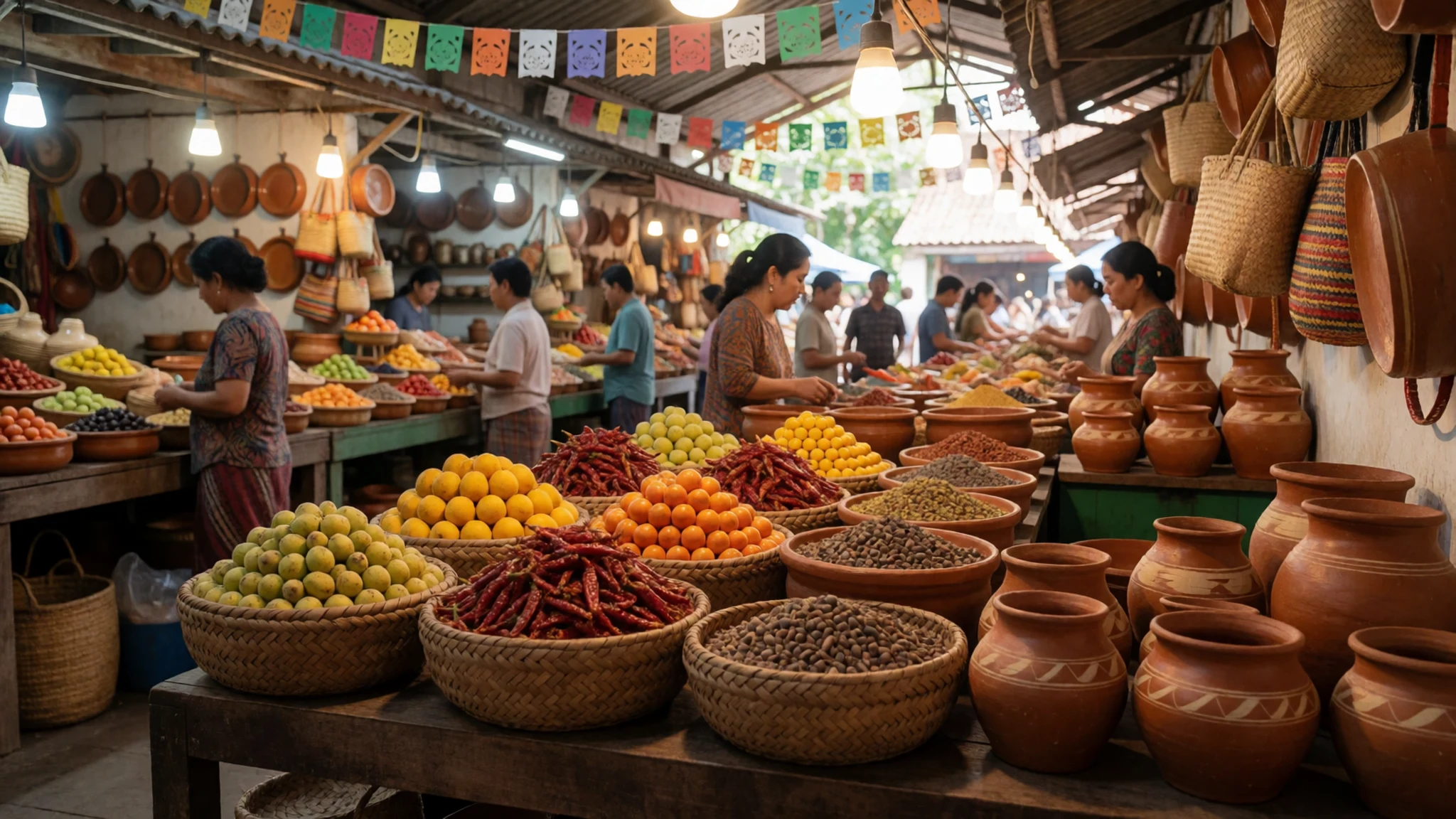
- Amatlán de Quetzalcoatl — Eastern valley
Venture just east of the main town to discover this quiet, picturesque village steeped in local mythology and tranquil landscapes. Surrounded by jagged rock walls, it offers peaceful walking paths, traditional rural eateries, and a serene atmosphere removed from the busier tourist zones.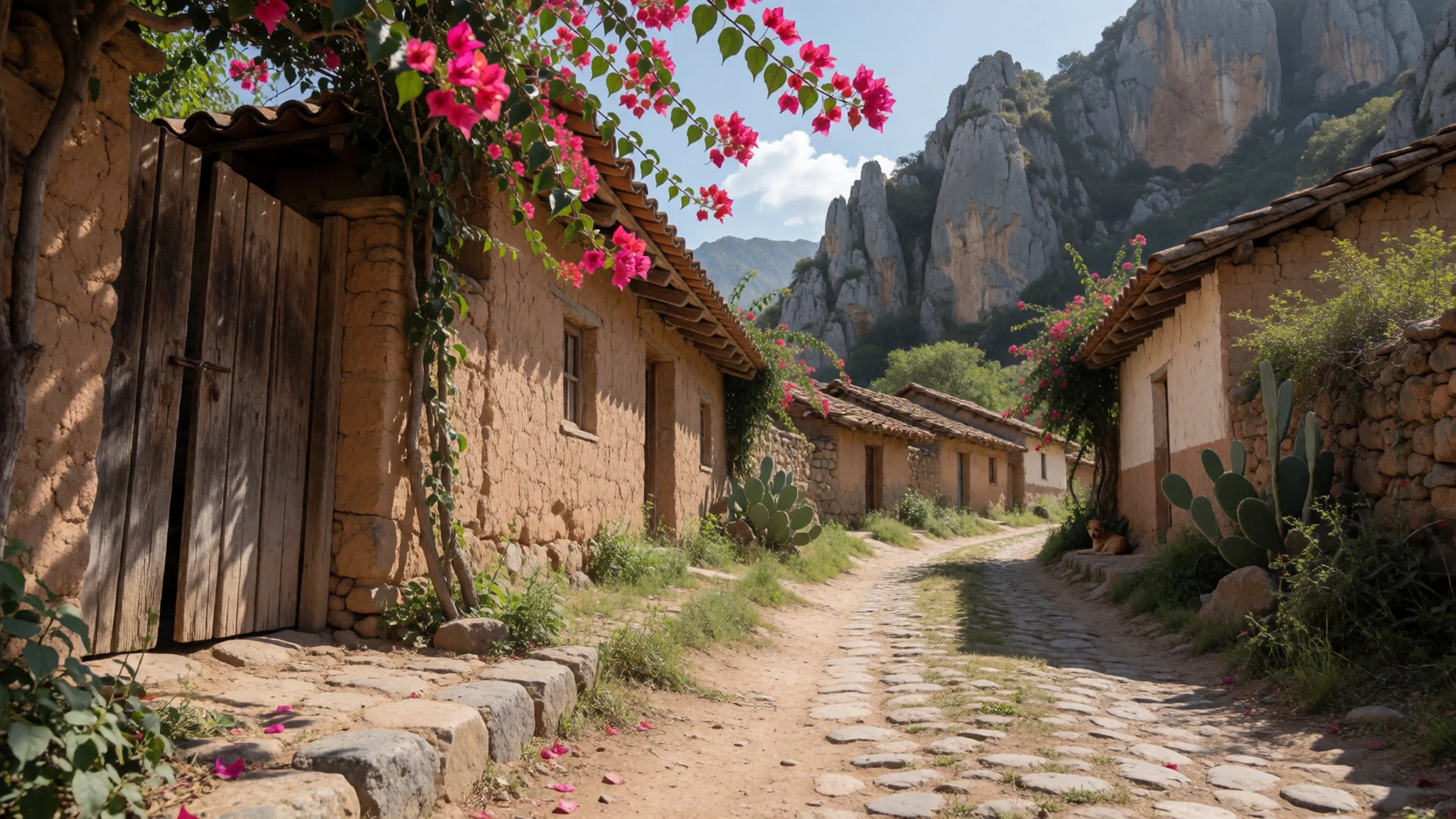
Culture
Tepoztlán functions as a unique convergence point for traditional indigenous customs, Catholicism, and global alternative spiritual movements. Local residents maintain a strong community identity rooted in Nahua heritage, celebrating traditional festivals with elaborate dance performances, traditional music, and intricate artwork made from seeds and coloured sands. The town is widely known across Mexico as a haven for holistic practitioners, crystal healers, and meditation circles, giving it a distinctive philosophical character that influences local shops and community gatherings. Traditional community governance still plays an active role in civic life, balancing modern tourism with the preservation of ancestral lands and communal rituals. Visitors should respect local spiritual beliefs and community customs by asking permission before photographing residents participating in traditional ceremonies or spiritual gatherings.
What to wear
Tepoztlán displays a relaxed, bohemian sartorial style that reflects its artistic and spiritual community. Traditional dress survives primarily during festive occasions and community celebrations, where local artisans wear embroidered cotton garments, woven belts, and textiles dyed with natural pigments derived from local plants and minerals. Everyday wear among residents and long-term visitors leans toward comfortable, practical clothing suited for warm weather and outdoor walking, including lightweight cotton shirts, linen trousers, and sturdy walking shoes or sandals for navigating uneven cobblestone lanes. Because the terrain involves steep inclines, rocky mountain paths, and sudden afternoon downpours during the rainy season, travellers should pack durable footwear with good tread, a lightweight waterproof jacket, and layered clothing that adapts easily to shifting mountain temperatures. Modest attire is appreciated when visiting local churches, religious sites, and traditional residential neighbourhoods.
What to eat
- Tepoznieves — Avenida 5 de Mayo
This famous local ice cream institution offers dozens of creative and exotic flavours ranging from traditional tropical fruits to adventurous herbal and spicy combinations, all served from their flagship storefront locations around the central avenues of Tepoztlán.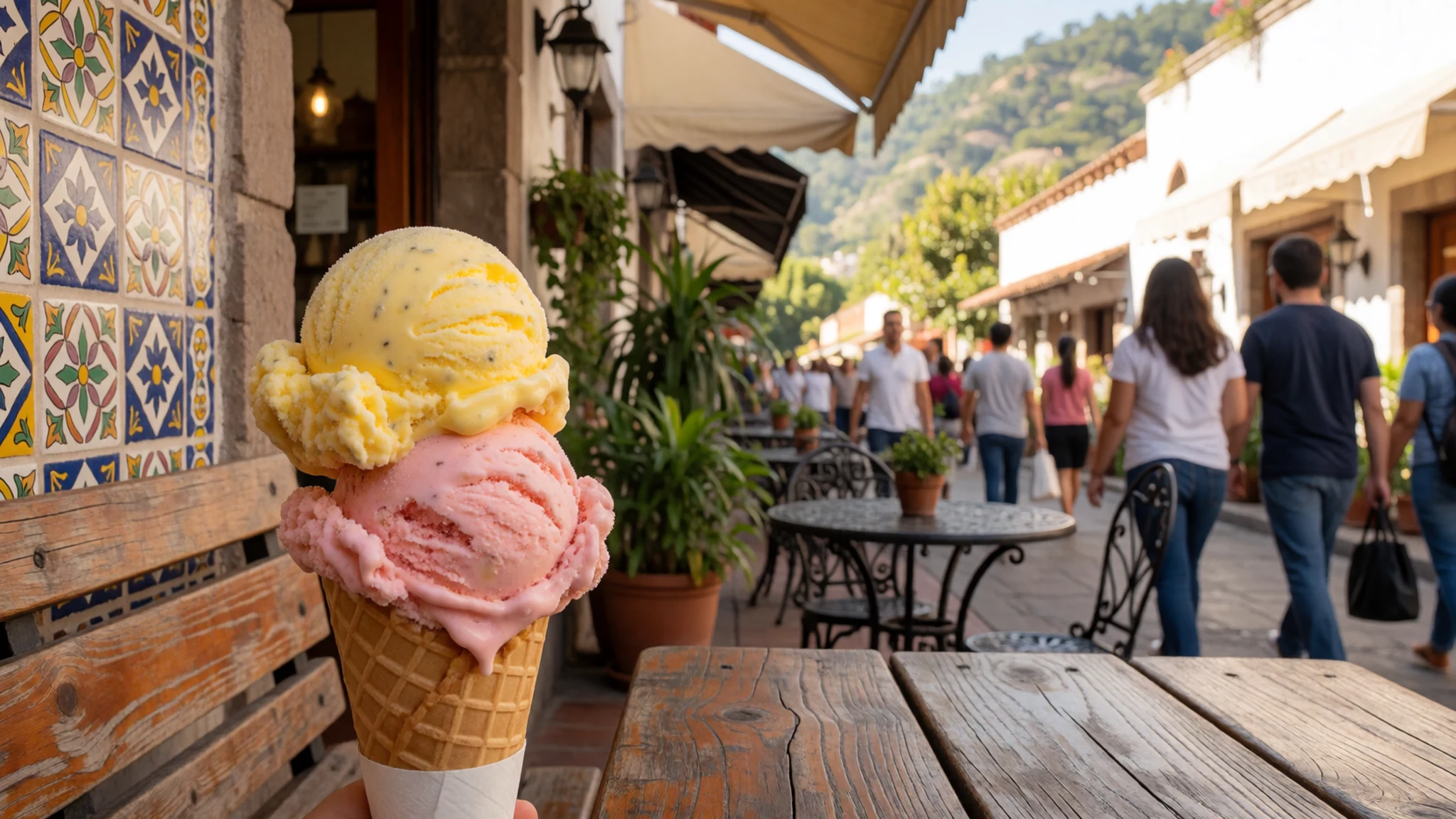
- Sopa de Cuitlacoche — Cuatecomate restaurant
A deeply earthy and savoury soup prepared with corn smut, a traditional maize fungus treasured in Mexican gastronomy for its rich, mushroom-like flavour profile, simmered slowly with garlic, onion, and fresh epazote herbs at local heritage eateries.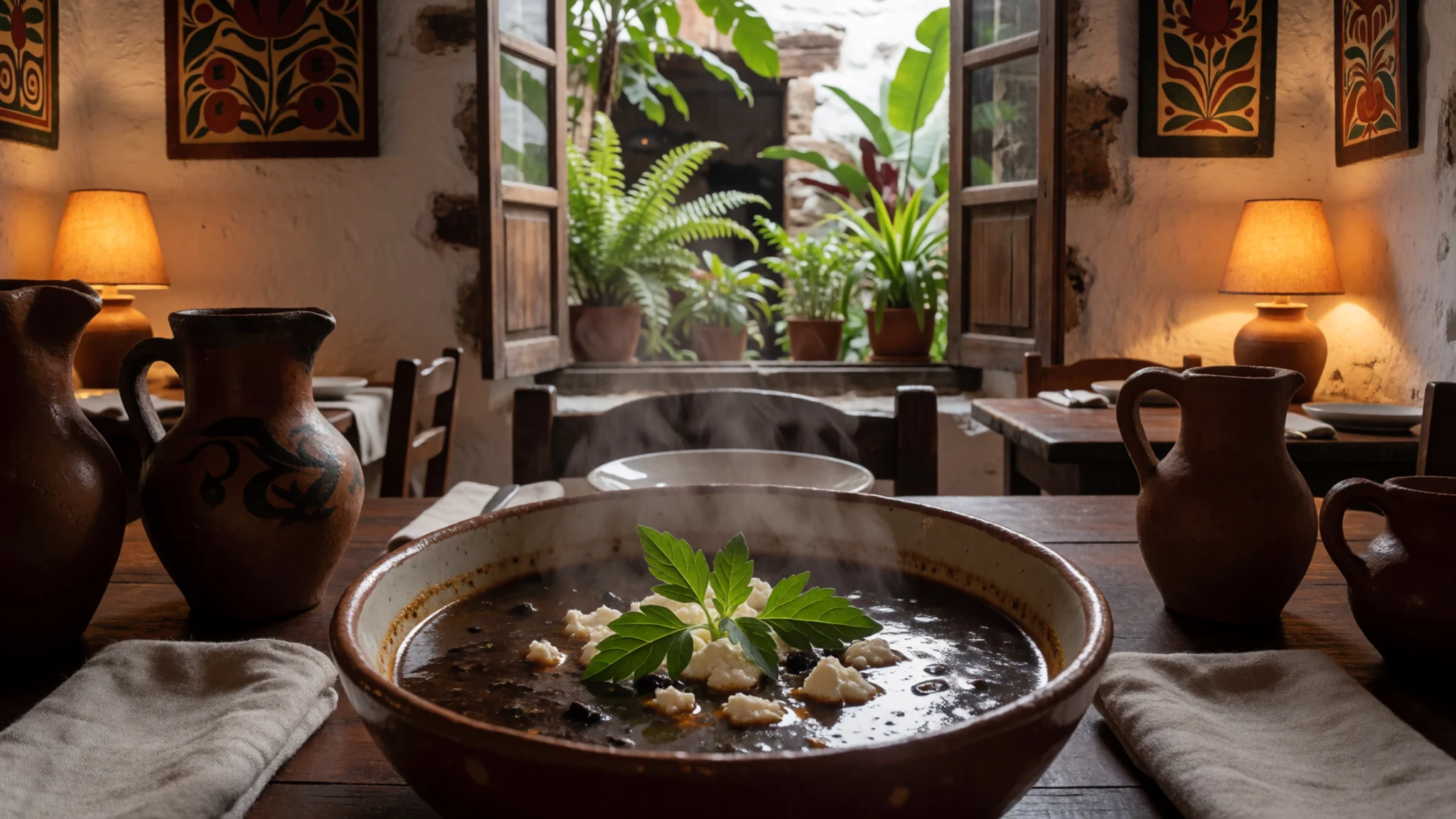
- Tlatlequeadas — El Ciruelo restaurant
Thick, flavourful traditional patties crafted from local seasonal greens, beans, and native spices, shaped by hand and cooked on a traditional clay griddle until golden and crisp, found at traditional rural kitchens throughout the valley. - Cecina Tepoztlanense — Municipal Market
Thinly sliced, salted beef that is cured and dried before being lightly grilled to order, typically served alongside fresh handmade corn tortillas, creamy local cheese, avocado slices, and fiery regional salsas at bustling market stalls. - Pulque — Traditional cantinas near the central square
An ancient, viscous fermented alcoholic beverage extracted from the sap of the agave plant, enjoyed plain or flavoured with fruit juices, available at traditional pulquerías and local gathering spots across the municipality.
Plan it
Best time. March to April for warm, dry spring weather, or October to November following the summer rains when the valley landscape is exceptionally green.
How long. 2–3
Getting there. Take the metro to Tasqueña station in Mexico City, then catch a frequent regional bus from the adjacent southern terminal directly to Tepoztlán.
Budget. mid
Tips
- Start the hike up El Tepozteco early in the morning to avoid afternoon heat and crowds
- Carry cash for small shops, market stalls, and entry fees where card readers are unavailable
- Keep backpacks securely closed on the mountain trail to deter curious local coatis
- Bring a refillable water bottle and sun protection for outdoor excursions
- Pack earplugs to soften early morning church bell rings and weekend street noise
Etiquette
- Always ask permission before photographing local residents during ceremonies
- Dress modestly when visiting churches and traditional village areas
- Support local artisans by purchasing directly from community markets
Nearby
Sources
- Wikidata Q1020785 (CC0)
- Wikipedia (rev 1374944990) (CC BY-SA 4.0)
- Wikivoyage (rev 5357163) (CC BY-SA 4.0)
- Photo 01-montaje-de-tepoztl-n.jpg (CC BY-SA 4.0)
- Photo 02-tepoztlan-mural.jpg (CC BY 3.0)

