Puebla
Puebla, Mexico
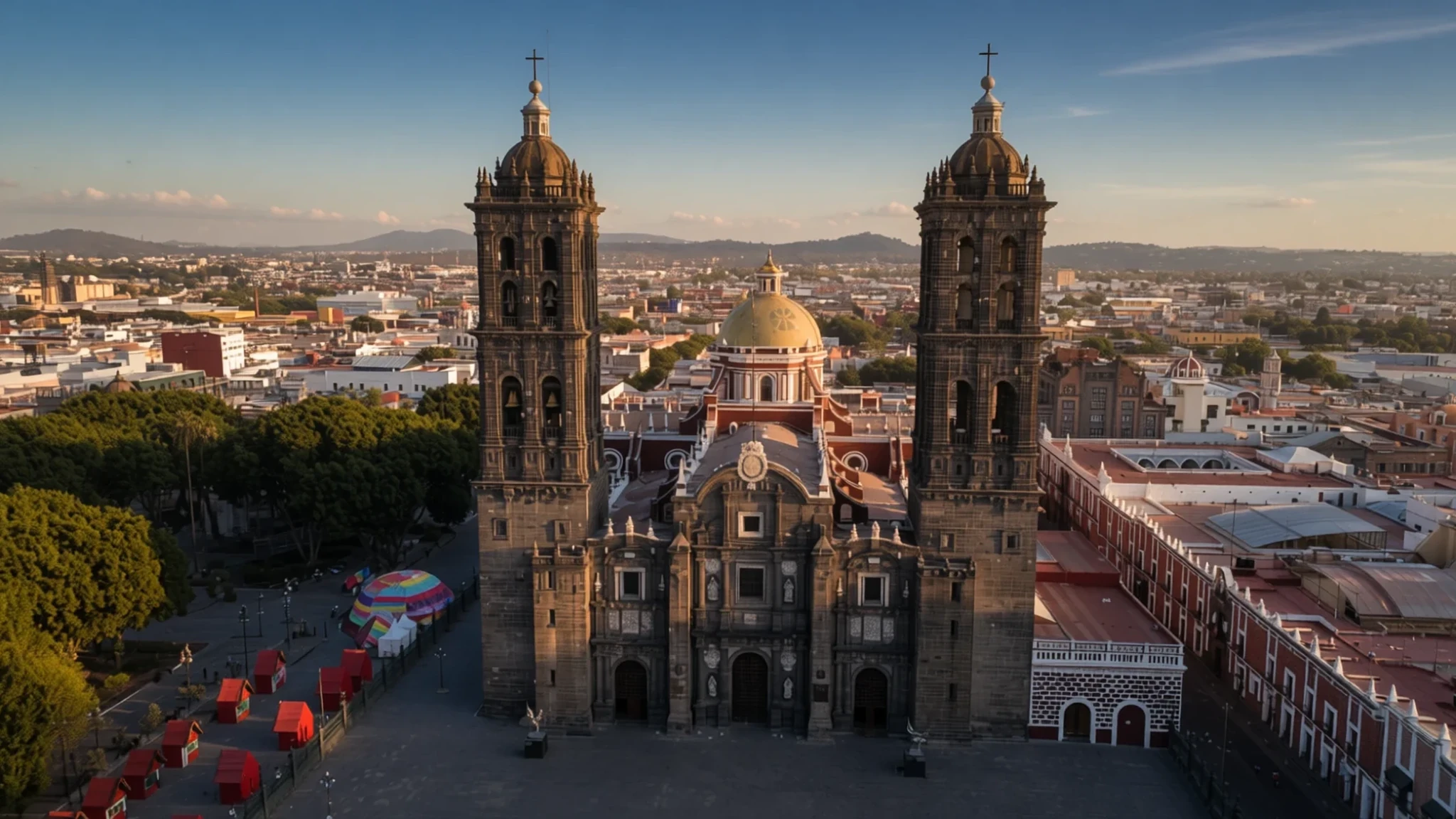
Puebla pairs baroque architecture and snow-capped volcanoes with legendary mole sauces and ancient Mesoamerican history.
The place
Puebla is a state of over five million people located in east-central Mexico. Bordered by Veracruz, Hidalgo, Tlaxcala, the State of Mexico, Morelos, Guerrero, and Oaxaca, the region spans a diverse landscape from high mountain valleys down towards tropical slopes. Its capital, Puebla City, was established by Spanish settlers in the sixteenth century to secure the vital trading corridor connecting Mexico City with the coastal port of Veracruz. Today, the state functions as one of the country's most significant industrial engines, particularly around the metropolitan capital, while many rural districts remain largely untouched and agricultural. The geography is dominated by dramatic peaks, including active volcanoes that frame the skyline and influence local climate and culture. Visitors travelling through the state encounter a striking contrast between bustling urban manufacturing hubs, tranquil highland canyons, and historic colonial towns where indigenous traditions have endured across centuries. The capital itself features a dense historic centre recognised for its tiled facades, religious art, and traditional workshops that continue centuries-old crafts. Beyond the city streets, the territory encompasses deep canyons, fossil beds, and prehistoric sites that reveal the immense time depth of human settlement in this part of Mexico.
Its story
Human habitation in the territory of Puebla extends back millennia, with some of the earliest settled communities in the region found within the Tehuacán Valley. Archaeological investigations near the Agujereado Mountain have uncovered ancient remains, including some of the earliest cultivated corn specimens ever recorded by researchers. Throughout the pre-Hispanic era, various civilised groups built complex societies across the valleys and mountain slopes. The Mixtecs held sway over southern territories like Acatlán, while the Popolocas established themselves around Tepexi. Central districts saw the influence of the Olmec-Xicalancas and Nahuas, who maintained strong cultural ties with the great traditions centred at Cholula, while northern forests were populated by the Totonacs, Mazatecs, and Otomi peoples. During the fourteenth century, Nonoalca leaders consolidated control over vast portions of the region. Following the Spanish conquest and the foundation of Puebla City in fifteen thirty-one, the colonial province developed a distinct identity that combined European administrative structures with indigenous labour and craftsmanship. The area later witnessed crucial military engagements during the nineteenth century, most famously the Battle of Puebla, which remains a defining moment in the regional consciousness, decades after the territory officially became a state following the war of independence.
What to see
- Historic Centre of Puebla — Puebla City centre
The downtown area of the capital contains thousands of historic buildings, ornate churches, and stately residences constructed with stone and hand-painted tile facades by indigenous artisans for Spanish administrators. Declared a World Heritage Site, the district is filled with active plazas, traditional pottery workshops, and lively local markets.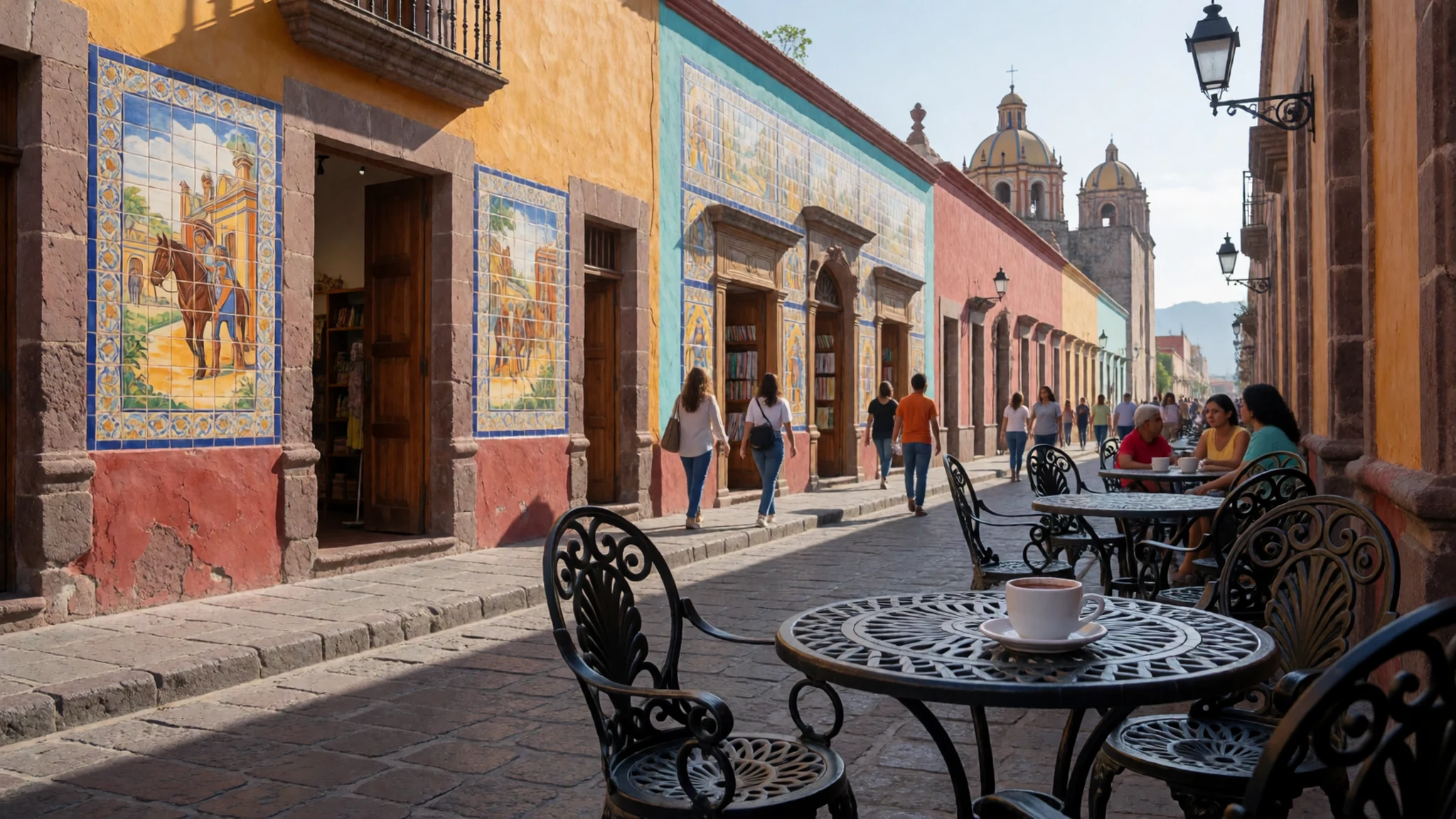
- Cantona Archaeological Site — Northern Puebla
Situated in the northern part of the state between Tepehualco and Coyoaco, this extensive pre-Hispanic urban centre flourished between the seventh and eleventh centuries. The sprawling stone complex features numerous paved patios, defensive walls, and ancient ball courts built across a rugged volcanic landscape.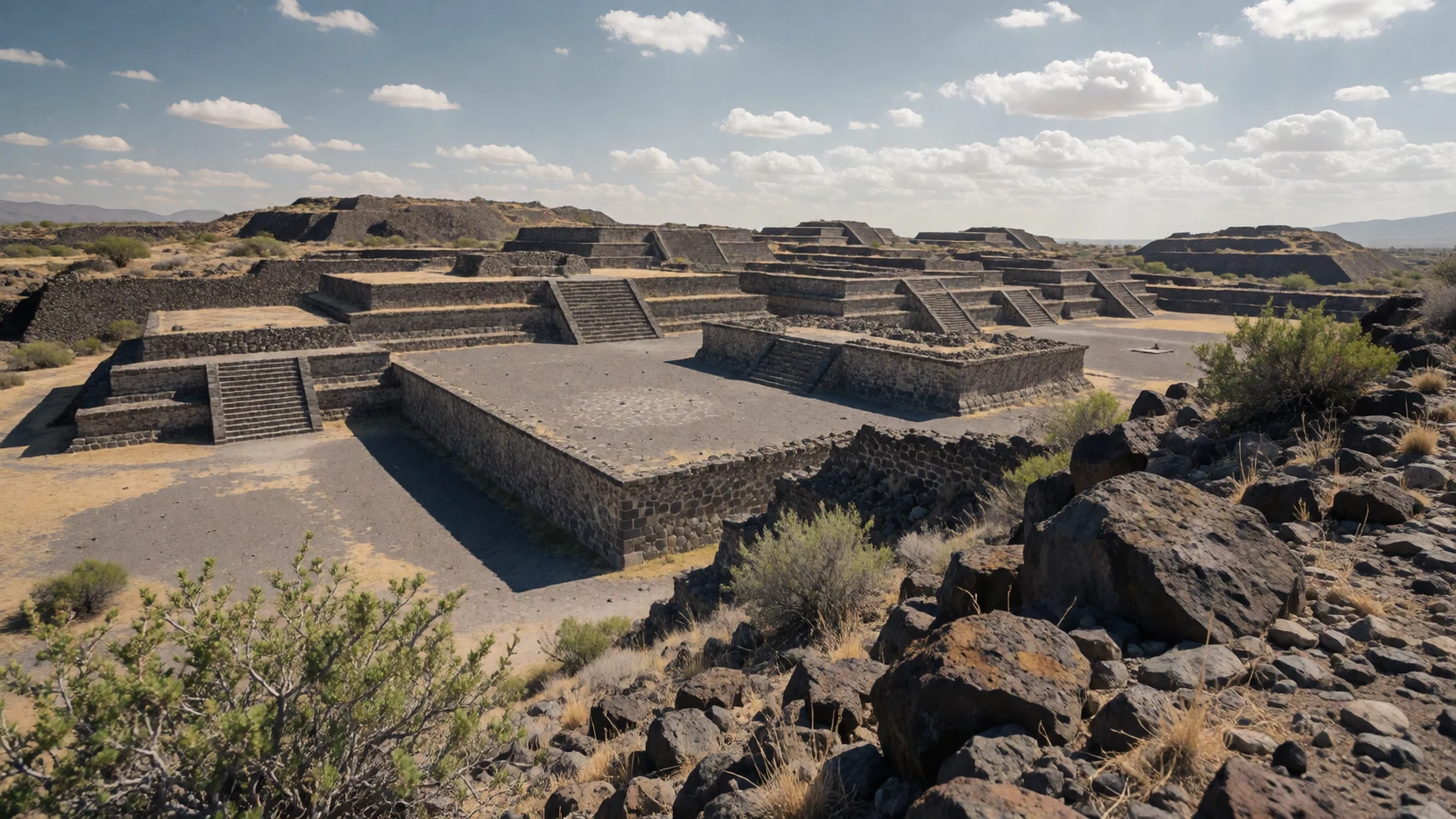
- Cholula Archaeological Zone — San Pedro Cholula
Once a major Mesoamerican city with a diverse multicultural population united by the worship of Quetzalcoatl, Cholula remains renowned for its massive ancient pyramid base. The site combines profound pre-Hispanic heritage with later colonial architecture perched directly atop the ancient earthen mound.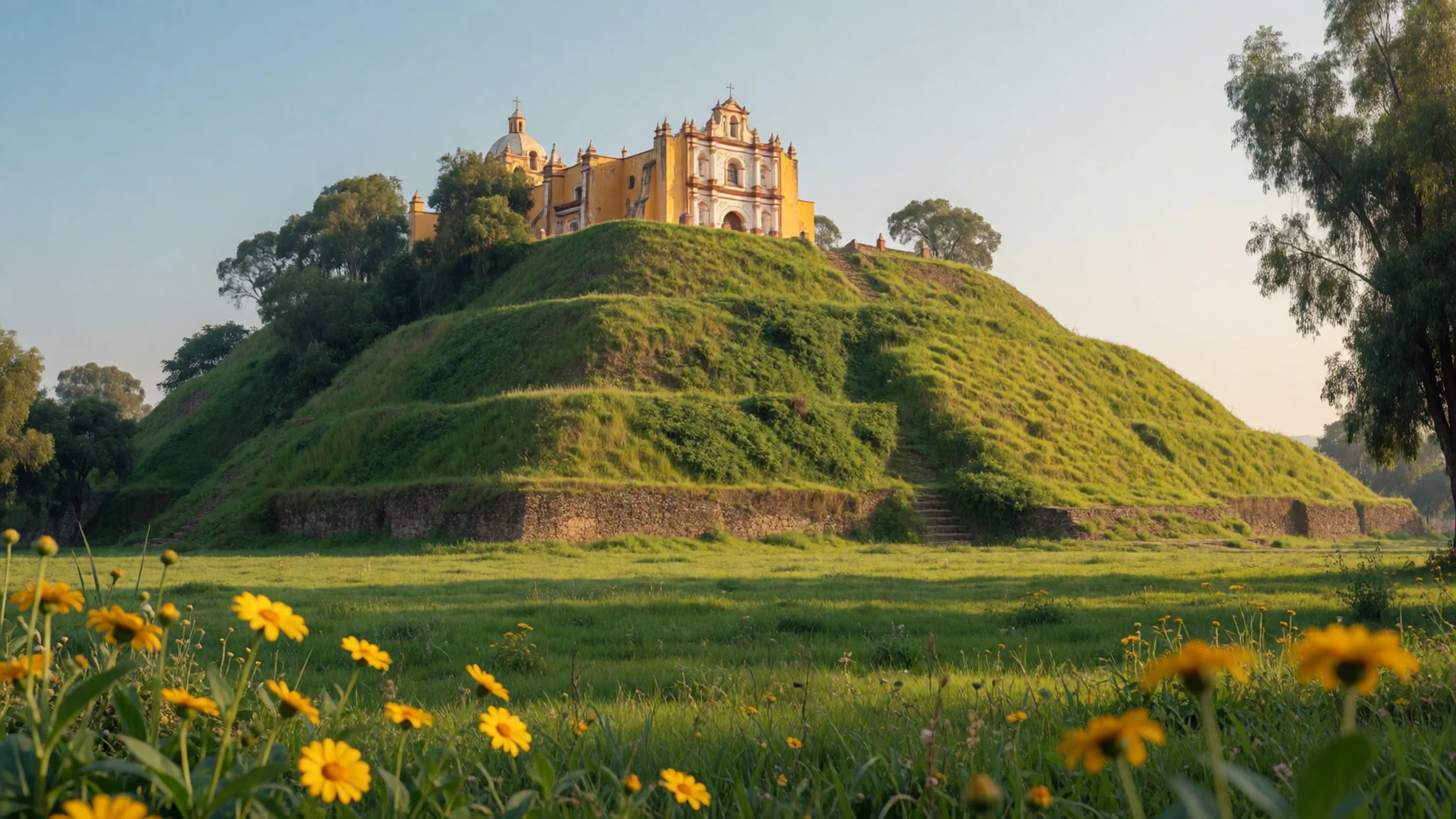
- Popocatepetl Slopes and Monasteries — Popocatepetl foothills
The lower slopes of the towering volcano are dotted with early sixteenth-century monasteries constructed during the initial decades of the colonial period. These austere, fortress-like religious structures are recognised for their historical significance and integration into the dramatic mountain terrain.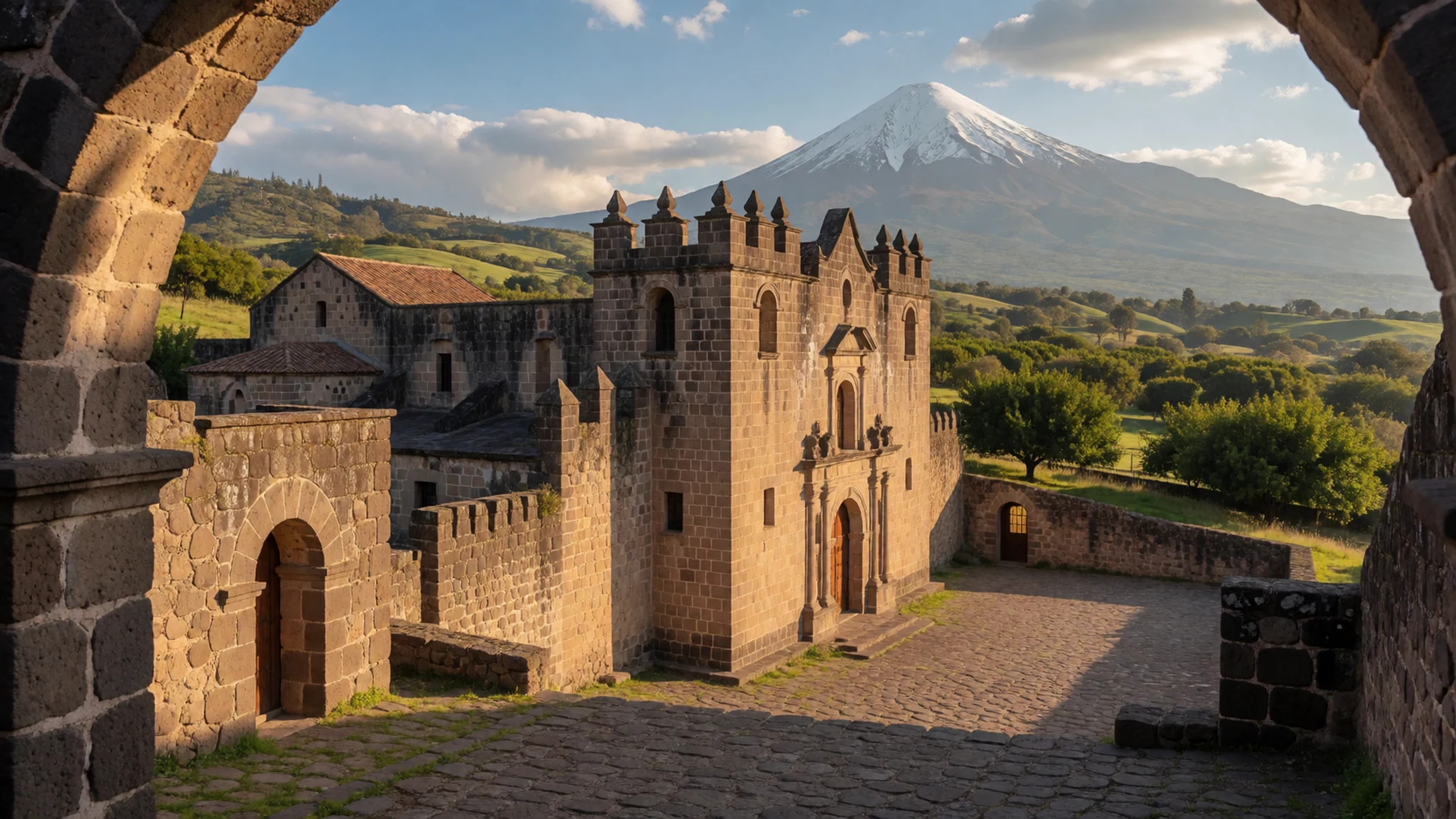
- Valle de las Piedras Encimadas — Zacatlán
Located near Zacatlán in the northern highlands, this natural park showcases remarkable geological formations where giant sandstone monoliths balance in precarious shapes amidst pine forests and rolling fog. It represents the rich natural scenery found beyond the central urban valleys.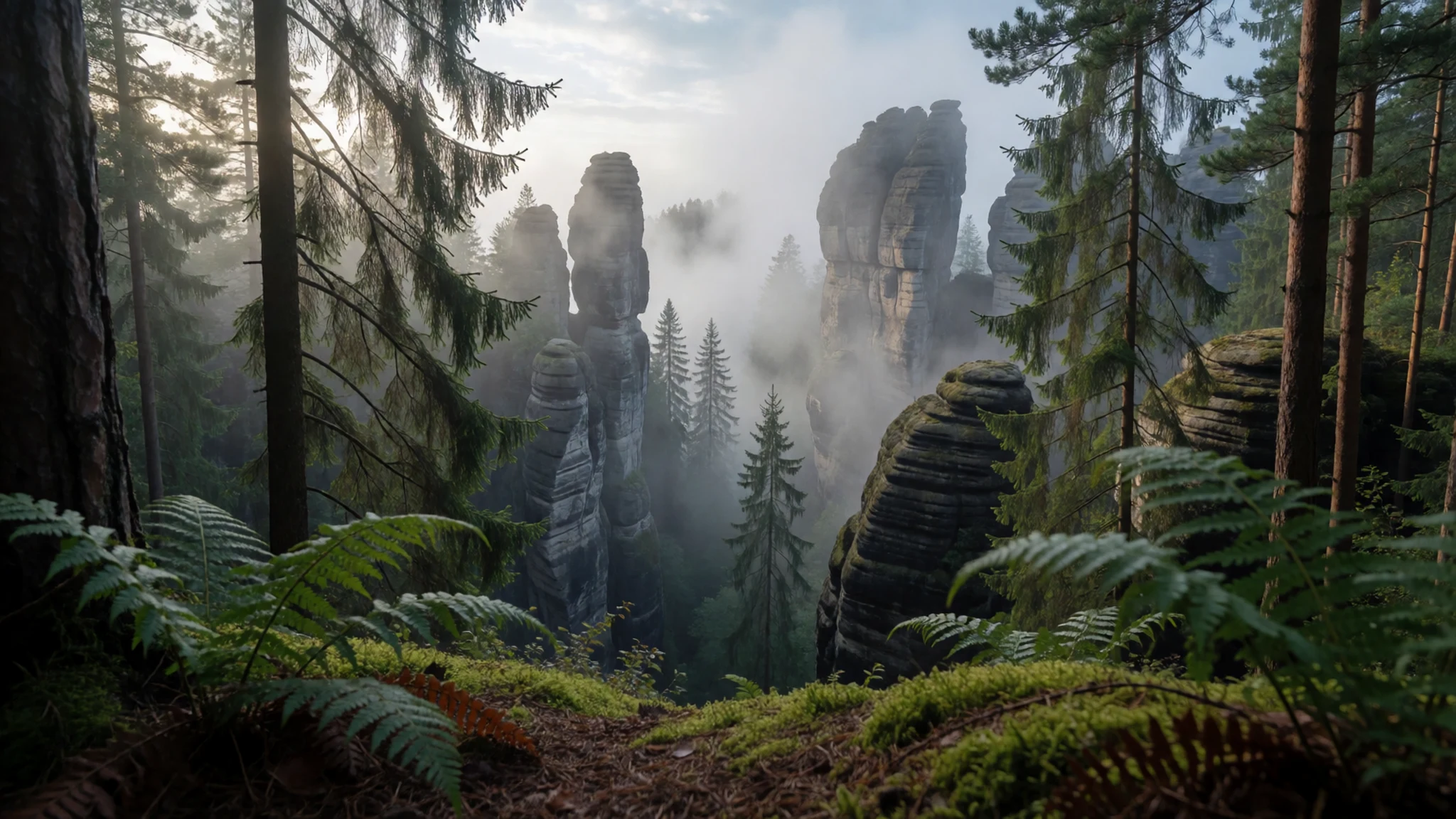
Culture
The cultural fabric of Puebla is deeply intertwined with the natural world, particularly the two great volcanoes, Popocatépetl and Iztaccíhuatl, which tower over the western horizon. Many surrounding communities preserve traditional rituals honoring these peaks as living entities with distinct birthdays celebrated through offerings and special foods. Festivals across the state range from indigenous seasonal rites to vibrant saints' days and regional fairs that reflect local agricultural cycles. Music, dance, and elaborate costumed carnivals, such as those held in Huejotzingo, demonstrate a unique synthesis of indigenous heritage and colonial history. Artisans throughout the municipalities maintain ancient techniques in pottery, textiles, and Talavera tile making, passing skills down through generations. Visitors are welcomed warmly into this heritage, though respect for local customs remains essential. Always ask permission before photographing local residents or indigenous participants during traditional ceremonies and festivals.
What to wear
Traditional dress in Puebla is famously represented by the china poblana costume, an elaborate outfit featuring an embroidered white blouse and a vibrant, sequined skirt that incorporates patriotic motifs. While this historic attire is reserved for national holidays, folk dances, and cultural pageants, everyday wear in the towns and cities is modern and practical. Locals dress in contemporary casual clothing, including jeans, shirts, and jackets suited to the cooler mountain evenings. Because Puebla City sits at a significant elevation, temperatures can drop sharply after sunset, making layers essential for visitors. When exploring rural villages or visiting historic churches, dress modestly by covering shoulders and knees out of respect for local conservative norms. Sturdy walking shoes are strongly recommended for navigating uneven cobblestone streets in the capital and rocky trails in the surrounding natural parks.
What to eat
- Mole Poblano — Mercado El Parián and local fondas
This celebrated complex sauce combines chillies, chocolate, seeds, and numerous spices into a rich, velvety dark blend traditionally served over chicken or turkey. It can be sampled at traditional eateries and municipal food markets throughout Puebla City.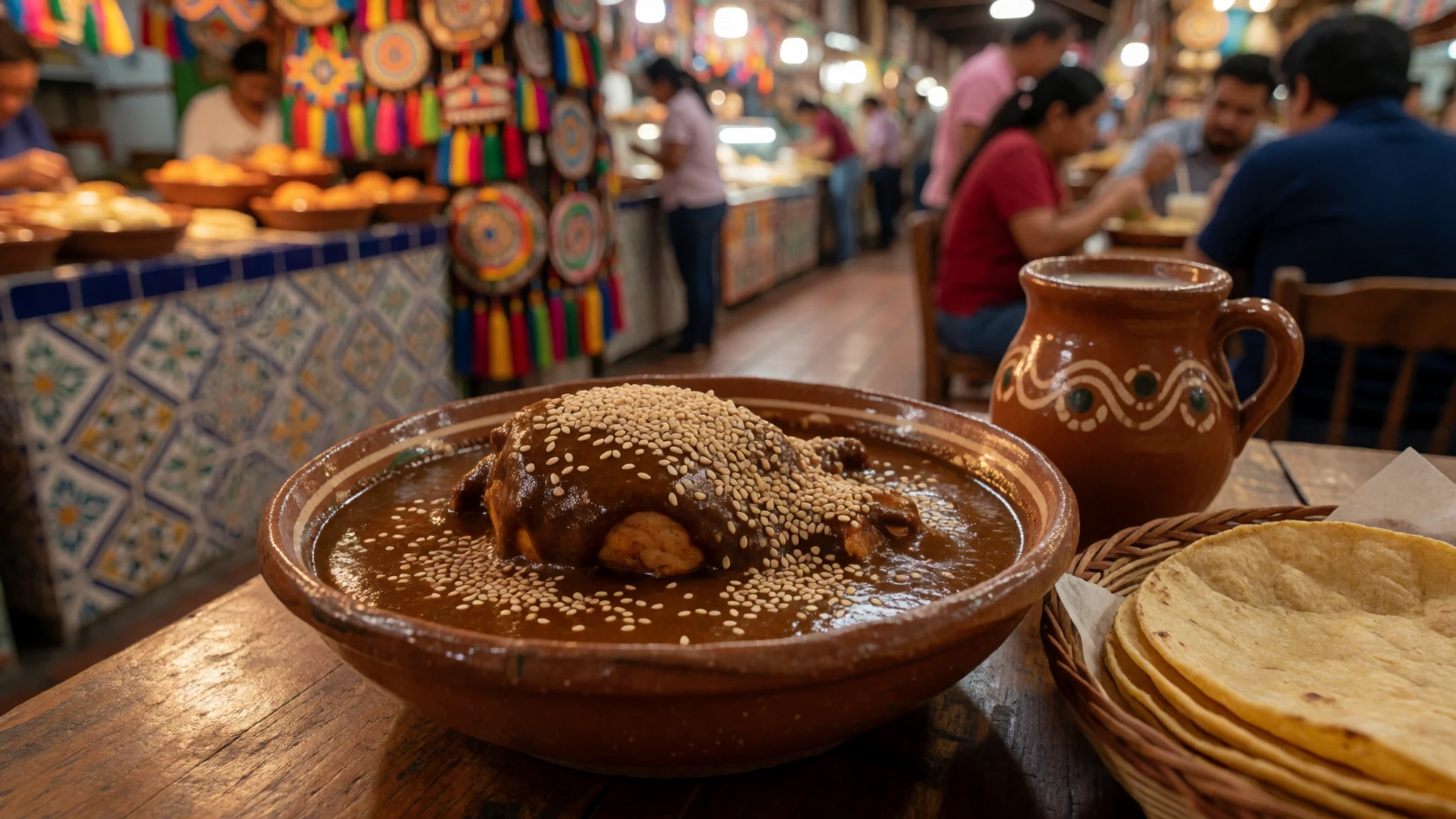
- Cemitas — Traditional market stalls across Puebla City
A signature local sandwich served on a crusty, sesame-topped round bread roll and generously stuffed with avocado leaves, chipotle peppers, quesillo cheese, and various meats. They are a staple of street food stalls and neighbourhood lunch spots.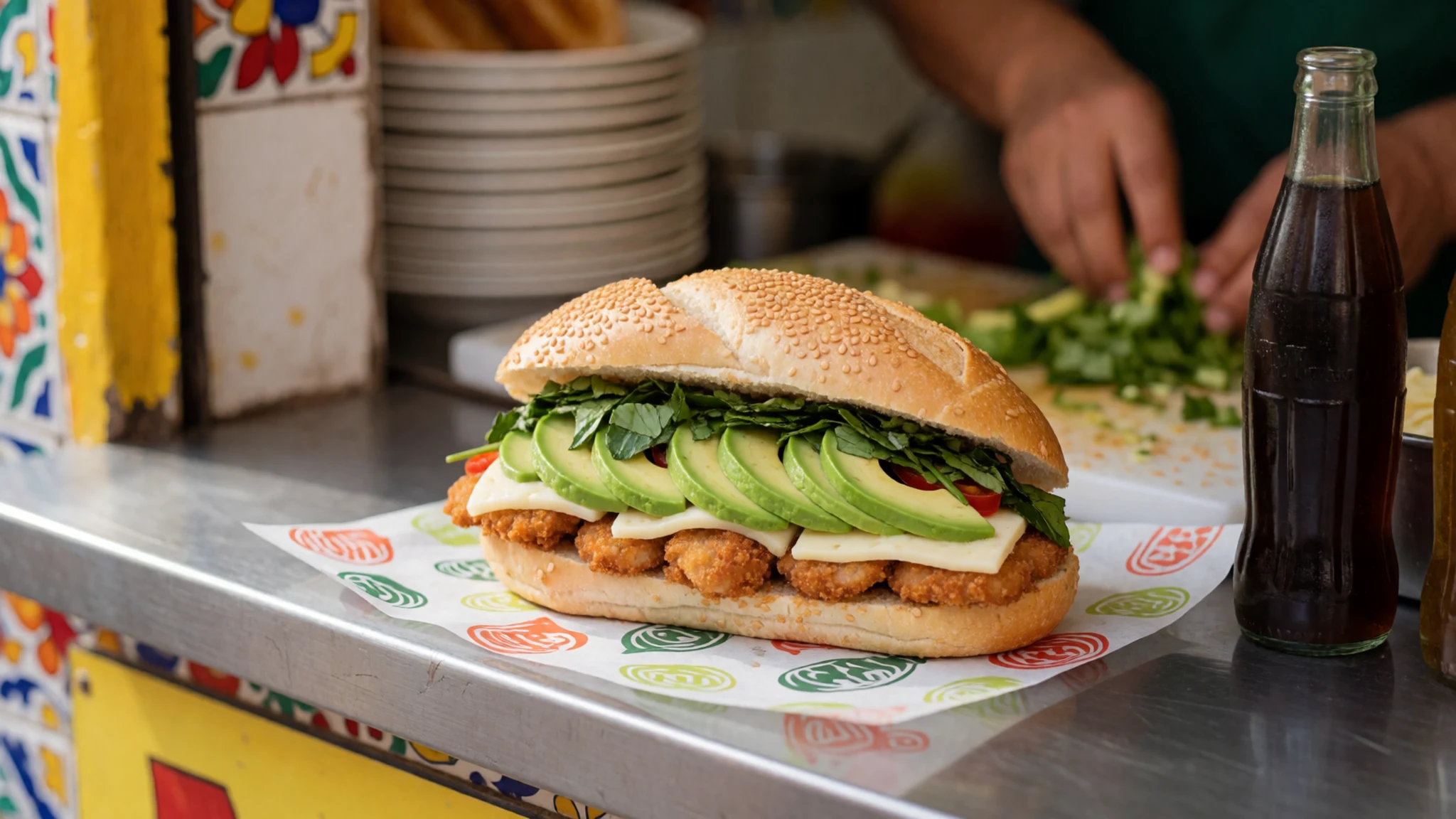
- Chiles en Nogada — Regional restaurants throughout the capital
A seasonal dish featuring large poblano chillies stuffed with a picadillo mixture of minced meat and fruit, draped in a creamy walnut sauce and garnished with pomegranate seeds. It is widely enjoyed during late summer celebrations. - Chalupas — Evening food stalls and traditional markets
Small, thick corn tortillas fried in lard and topped with shredded pork, diced onions, and green or red salsa, served piping hot. They are typically prepared fresh at evening street stalls and neighbourhood plazas. - Chileatole — Highland village markets and food stalls
A hearty, warming traditional broth made from corn kernels, chilli peppers, epazote herb, and dough, offering a comforting spicy flavour. It is frequently sold by roadside vendors and traditional cooks in cooler highland areas.
Plan it
Best time. November to January offer the most comfortable dry weather for exploring, May is the hottest month, and the rainy season from May until October is wettest in September.
How long. 3–4
Getting there. Fly into Puebla Airport or arrive via direct bus from Mexico City's Tapo or Taxqueña terminals to the central CAPU bus station.
Budget. mid
Tips
- Wear comfortable footwear for walking on historic cobblestone streets
- Carry cash in smaller towns where card payments are not accepted
- Pack layers for cool mountain evenings at higher elevations
- Start sightseeing early in the morning to beat the midday sun
Etiquette
- Ask permission before photographing local people in traditional attire
- Dress modestly when entering churches and rural community spaces
Nearby
Sources
- Wikidata Q79923 (CC0)
- Wikipedia (rev 1377111055) (CC BY-SA 4.0)
- Wikivoyage (rev 5225949) (CC BY-SA 4.0)