Teotihuacan
Teotihuacan, Mexico
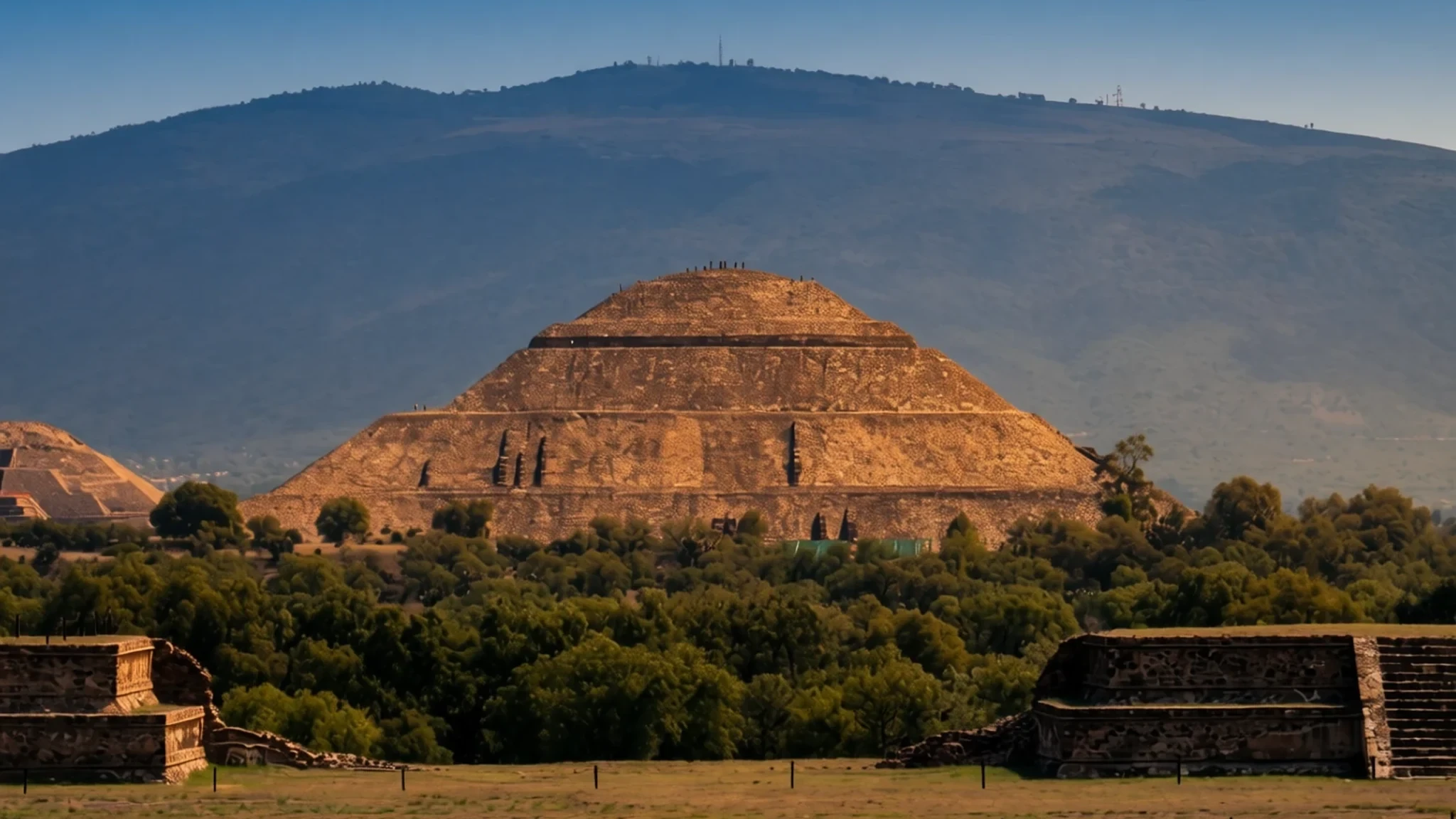
Walk down the immense Avenue of the Dead and gaze up at monumental Mesoamerican pyramids built long before the Aztec Empire.
The place
Teotihuacan stands in a quiet sub-valley within the wider Valley of Mexico, positioned in the State of Mexico a short distance northeast of modern-day Mexico City. Known across the world for its monumental pre-Columbian architecture, this ancient urban centre is defined above all by the immense scale of the Pyramid of the Sun and the Pyramid of the Moon. Long before the rise of the Aztec Empire, whose later rulers gave the settlement its famous name, this expansive metropolis functioned as a major cultural, economic, and administrative engine of the ancient Americas. At its greatest historical extent, the city covered a vast area with the vast majority of the regional population residing directly within its borders, making it one of the largest urban settlements on the planet during its era. Beyond the monumental stone structures that draw millions of travellers today, the archaeological landscape is remarkably rich in anthropological detail. Visitors walking through the complex encounter extensive residential compounds designed for multi-family living, straight processional thoroughfares, and remarkably vibrant murals that have survived through the centuries. Furthermore, the artisans of this ancient society produced exceptional obsidian tools, exporting fine blades and implements to communities across the broader Mesoamerican region. The high-altitude valley air and the stark mountain horizons give the entire archaeological zone a solemn, timeless atmosphere that repays slow, thoughtful exploration on foot.
Its story
Human settlement in the local valley began centuries before the rise of stone monuments, starting as a scatter of small farming villages supported by local freshwater springs. By the turn of the first millennium, these scattered agrarian communities coalesced into a rapidly expanding urban centre. Historians divide the evolution of the site into distinct eras that trace this remarkable transformation from regional hub to colossal metropolis. During the initial centuries of the common era, the settlement experienced explosive demographic growth. This rapid expansion was driven in part by regional upheaval, including volcanic activity nearby that displaced neighbouring populations and funnelled new residents toward the burgeoning city. To accommodate this sudden influx, urban planners reorganised housing into the distinctive multi-family compound complexes that now characterise the archaeological site. Artisans mastered the trade of volcanic glass, while rulers commissioned enormous religious architecture aligned with the surrounding sacred mountains. Although the civilisation eventually suffered a systemic collapse and the great administrative centre was largely abandoned, the enduring layout of plazas, palaces, and temples remained visible across the landscape for centuries. Later civilisations, including the Aztecs who arrived long after the city fell, viewed the abandoned ruins with profound reverence, attributing the monumental architecture to giants and gods who had shaped the cosmos before the dawn of human history.
What to see
- Pirámide del Sol — Central archaeological zone
Rising as the largest pyramid in the entire complex, this massive stone edifice anchors the landscape and offers sweeping views across the valley floor. Constructed around the early centuries of the common era, its massive stepped terraces demonstrate the extraordinary engineering capability of ancient urban planners.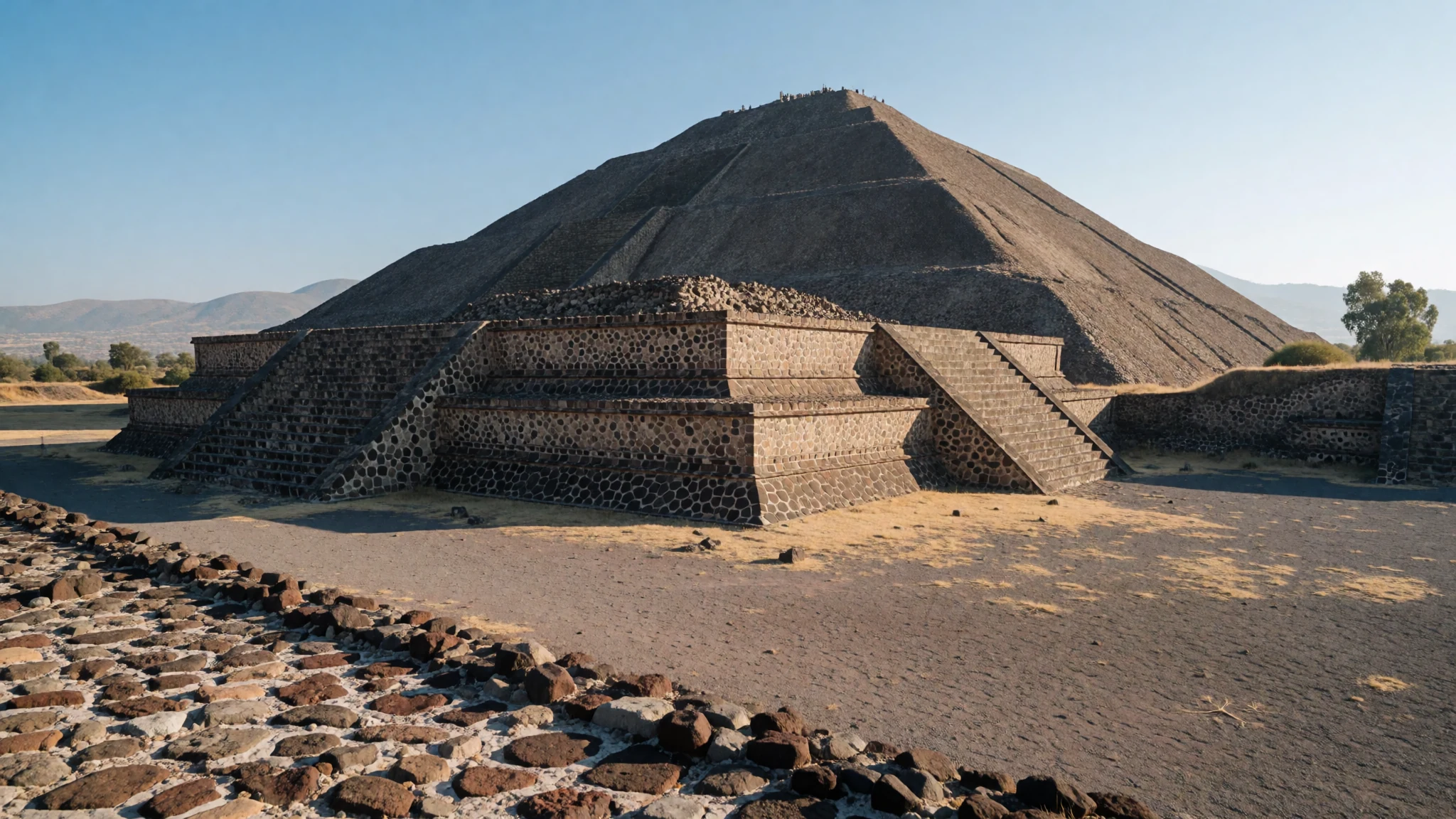
- Pirámide de la Luna — Northern end of the archaeological site
Positioned at the northern terminus of the central processional road, this impressive structure mirrors the jagged contours of Cerro Gordo rising immediately behind it. Plaza areas spread out before its base, creating an open ceremonial space once used for major public gatherings and civic rituals.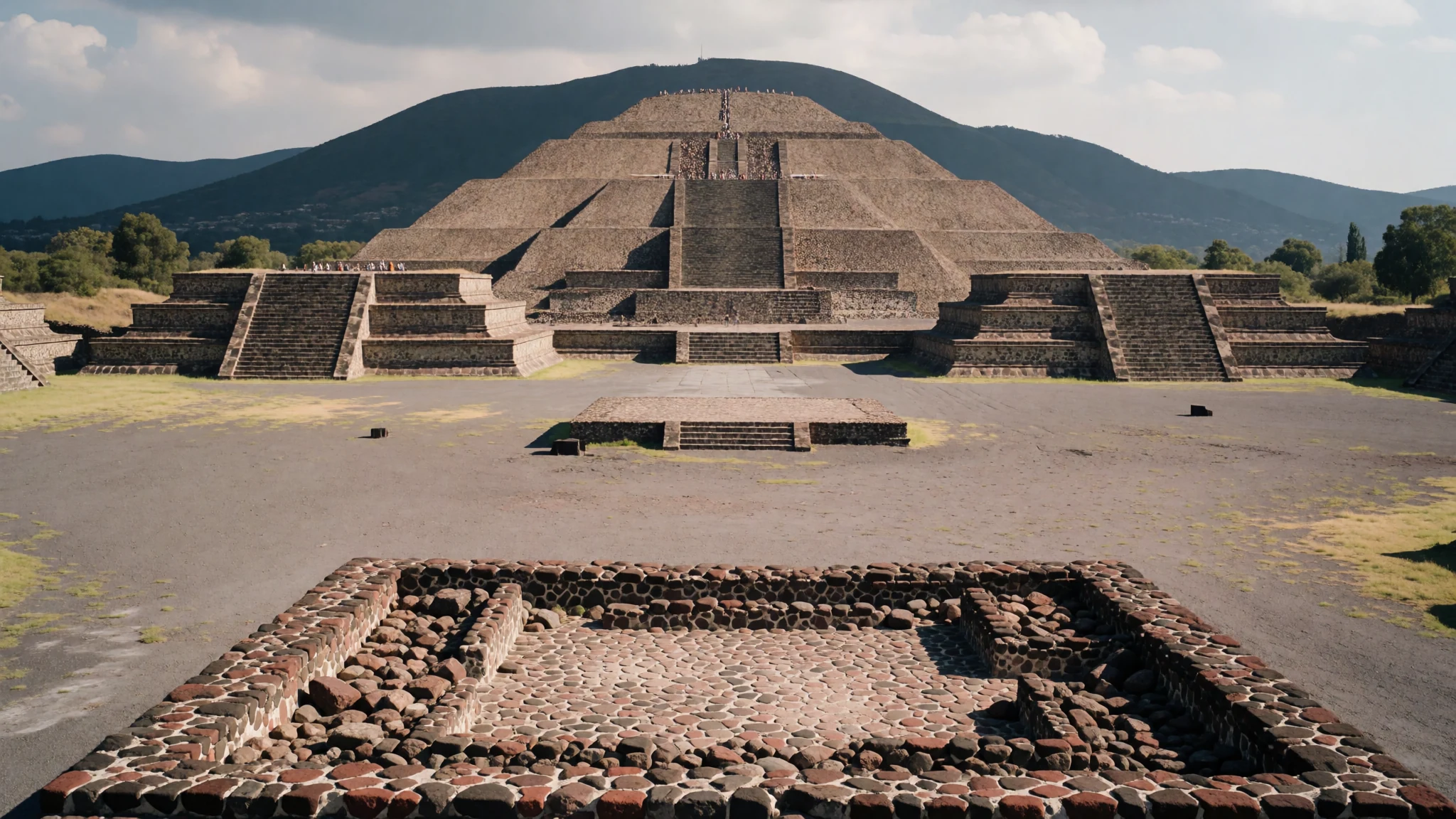
- Avenida de Los Muertos — Main central axis
This wide central thoroughfare connects the major monuments of the ancient city in a straight axial line. Later Nahua peoples imagined the road to be paved with tombs, inspiring the modern descriptive name, though archaeologists understand it as the primary spine of civic movement.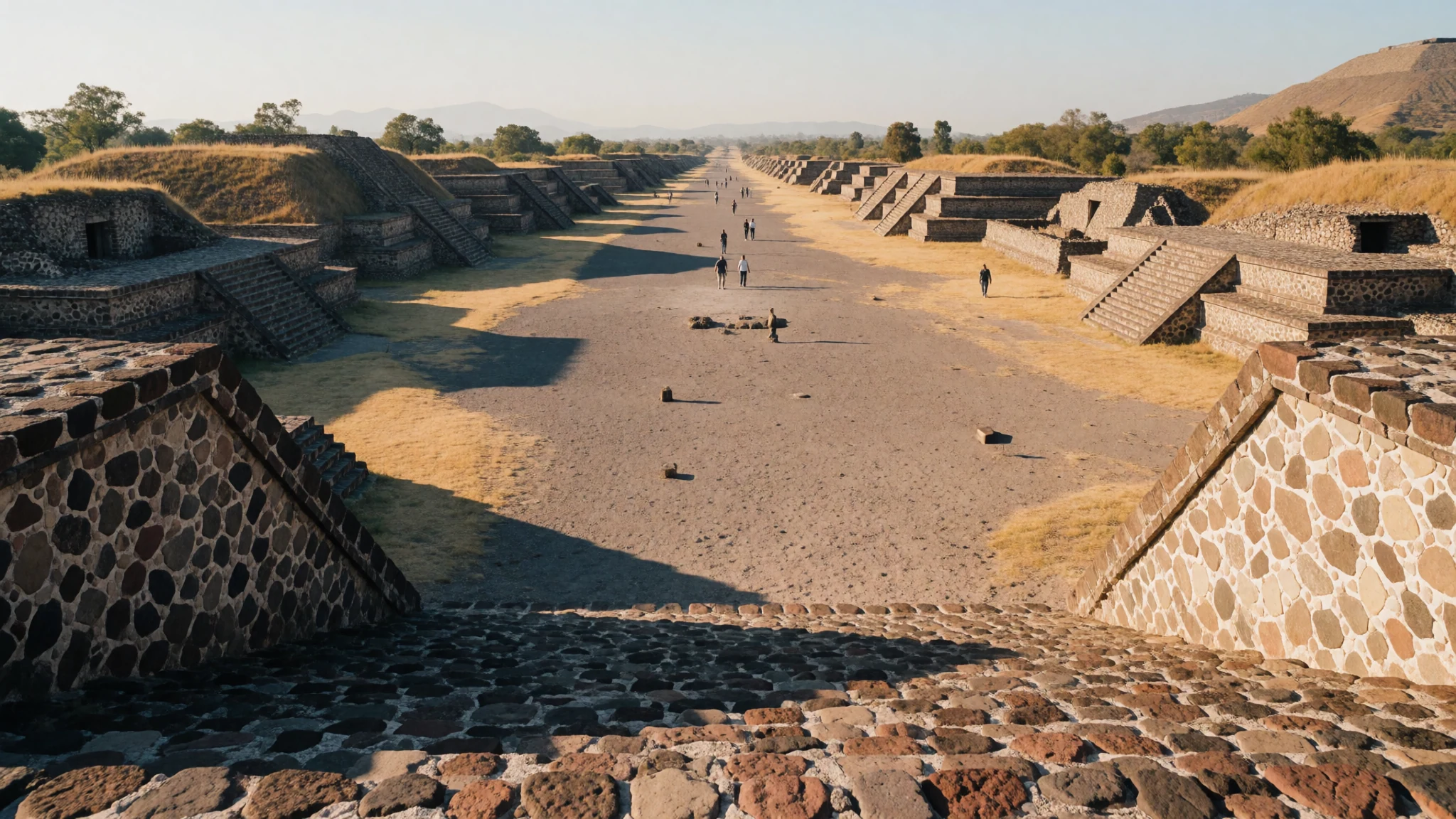
- Templo de Quetzalcoatl — La Ciudadela complex
This sacred structure features intricate stone facades adorned with sculpted serpent heads and aquatic symbolism. The relief carvings highlight the sophisticated artistic traditions of the ancient builders and their reverence for primordial deities associated with rain, creation, and fertility.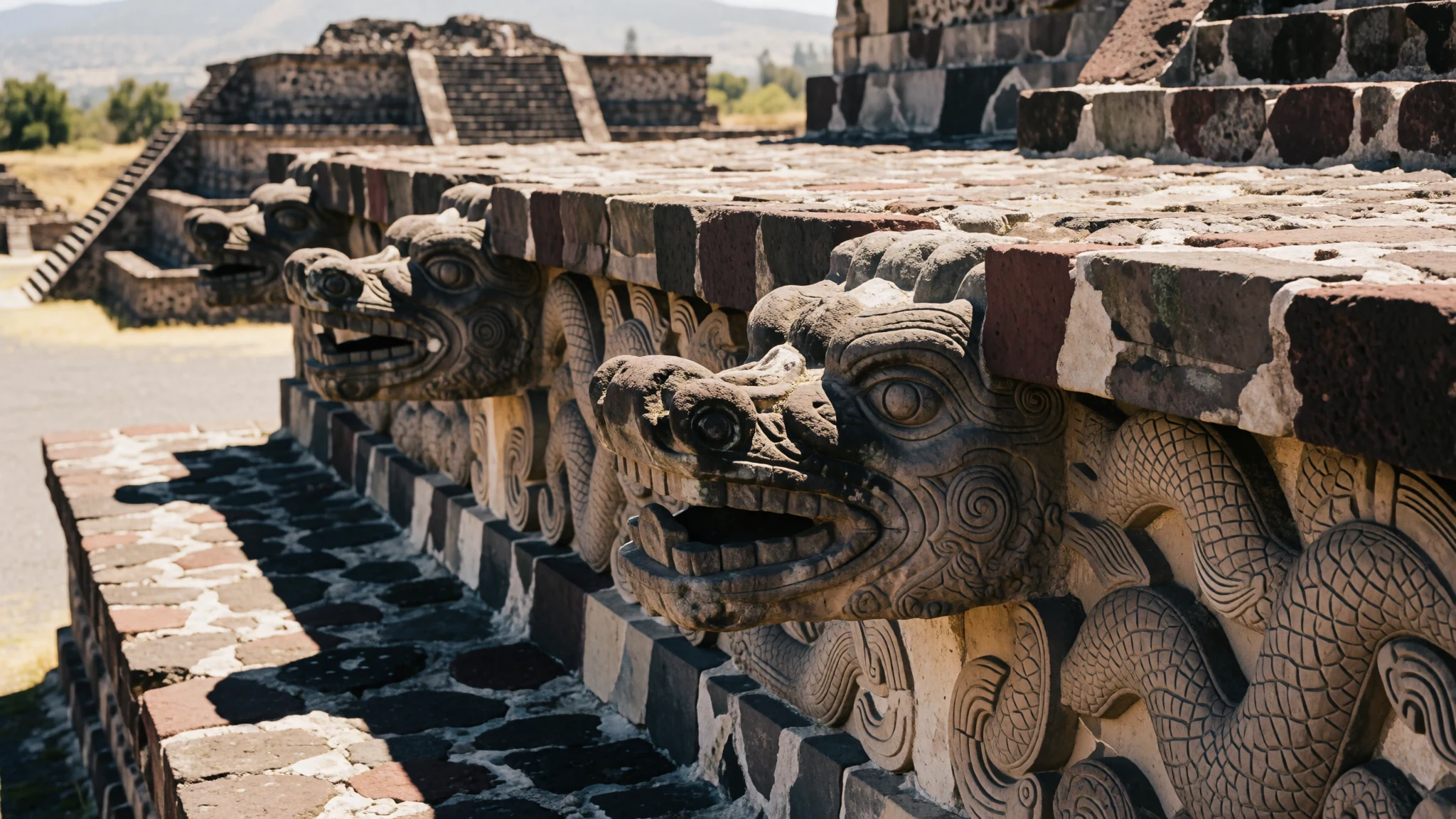
- Museo de la Cultura Teotihuacána — Near Puerta 1
Positioned within the park grounds, this exhibition space houses exceptional archaeological finds, detailed ceramic pieces, and a comprehensive scale model of the entire ancient city. It provides vital historical context for understanding the residential compounds and artifacts unearthed during excavations.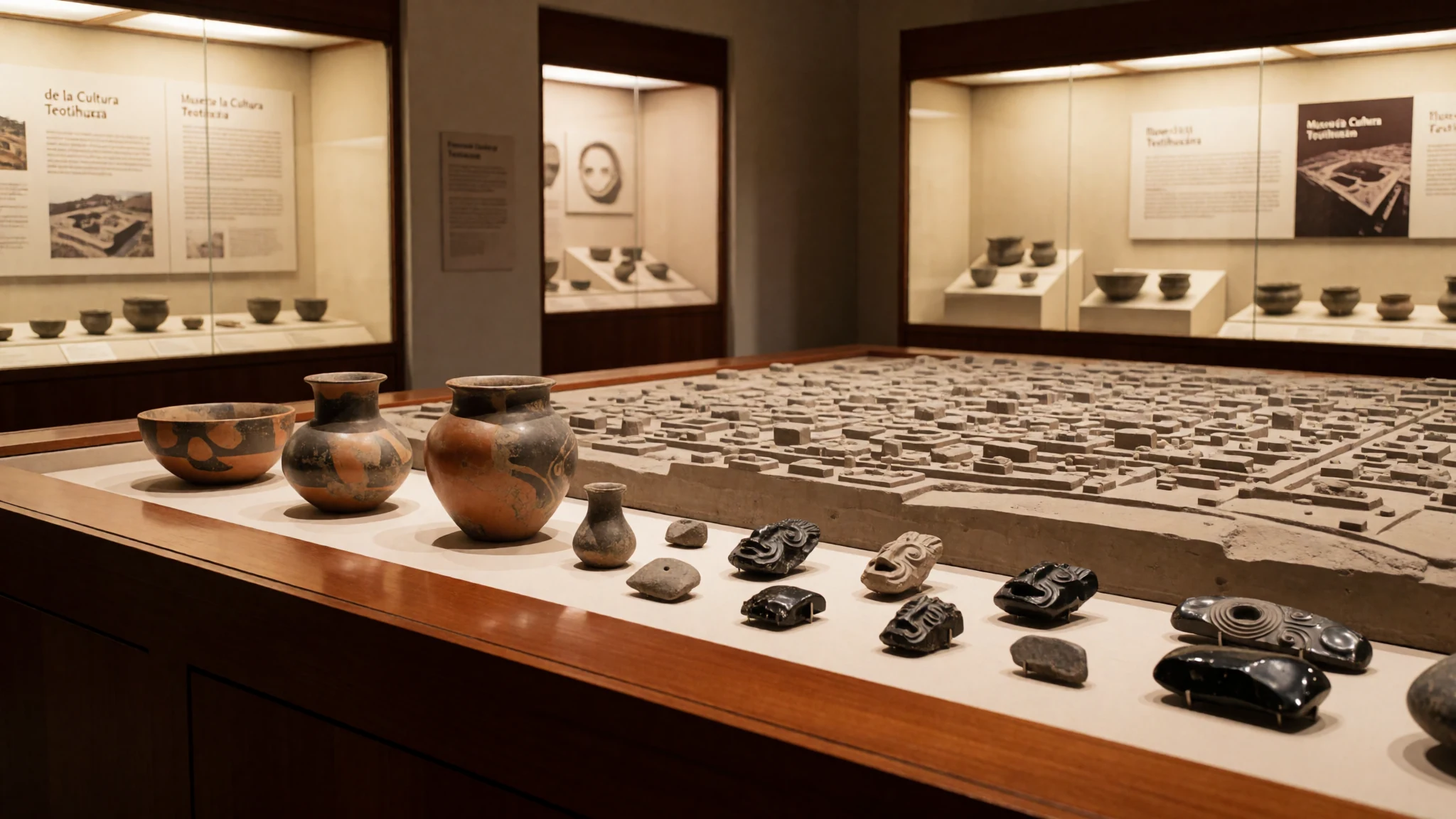
- Palacio de Quetzalpalotl — Near the Plaza of the Moon
This elite residential and temple complex showcases well-preserved murals and sculpted courtyard pillars featuring mythological bird imagery. The subterranean rooms and carved stone columns offer a rare glimpse into the domestic quarters occupied by high-ranking administrators or priests.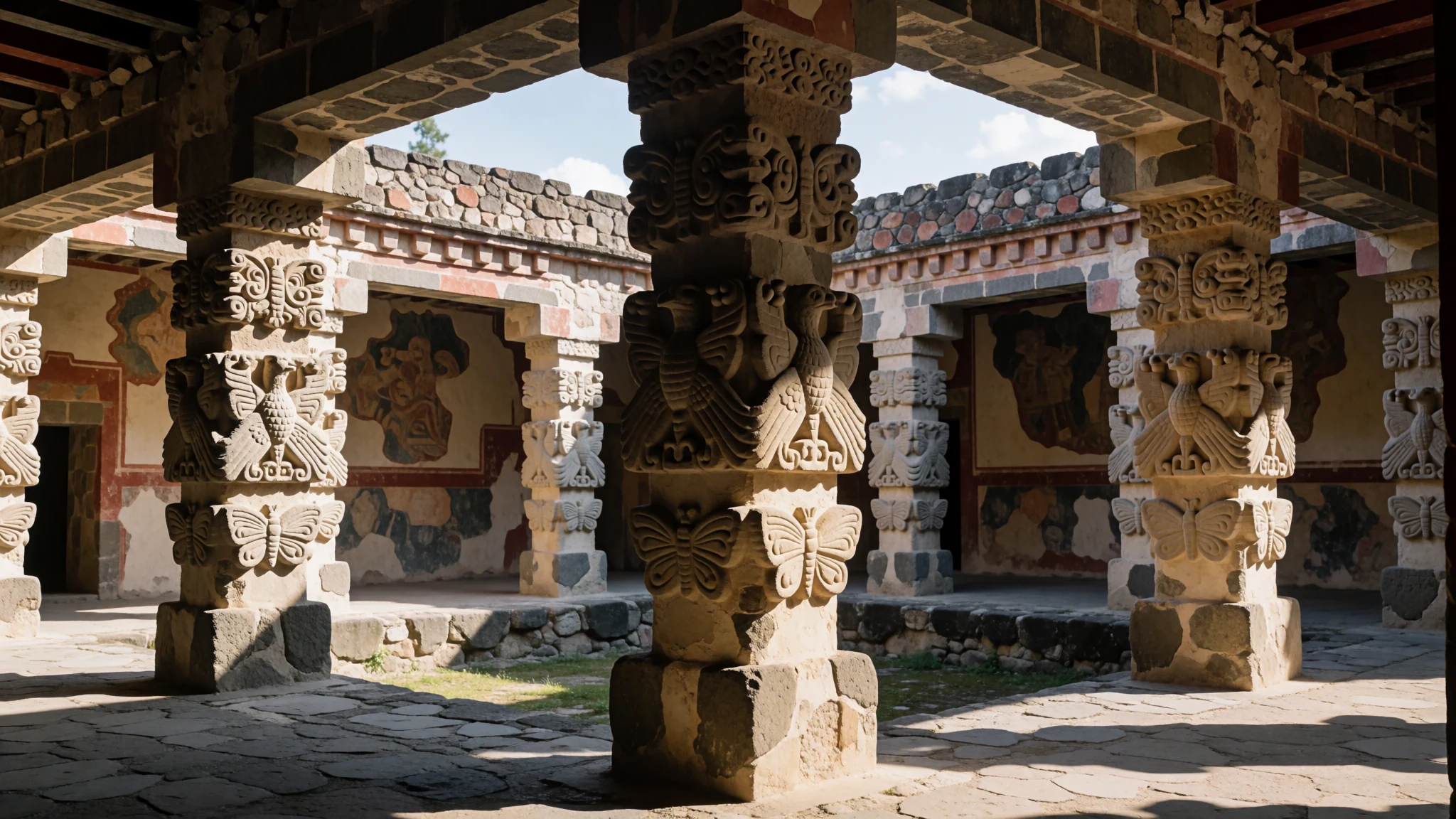
Culture
Archaeological findings indicate that the ancient metropolis was a remarkably diverse urban centre inhabited by multiple ethnic groups and linguistic communities. While the precise primary language spoken by the majority of citizens remains a subject of academic debate, early forms of Nahuatl and Totonac are considered highly probable by researchers studying regional migration patterns. This multicultural demographic configuration formed early in the city's history, driven in part by environmental catastrophes in neighbouring basins that forced displaced farming populations to seek refuge within the expanding urban zone. Shared religious beliefs, standardised craft production, and large communal rituals helped weld these varied immigrant groups into a cohesive urban society before the political structures ultimately fractured. Today, the surrounding region maintains a vibrant rural Mexican culture deeply connected to traditional agriculture, local craft markets, and festive celebrations. Visitors are warmly welcomed by local residents operating shops, guides, and eateries around the ancient perimeter. Always respect marked pathways and restricted archaeological boundaries when exploring sacred stonework.
What to wear
Traditional attire in the surrounding rural towns reflects classic Mexican highland styles, featuring embroidered cotton garments, sturdy wool shawls, and durable leather sandals suited to agricultural labour and market days. Modern residents dress in practical everyday clothing identical to urban areas across the country, with jeans, lightweight shirts, and comfortable trainers prevailing for daily errands. For travellers exploring the expansive archaeological zone, clothing choices require careful consideration of the local climate and terrain. Because the site sits in an open high-altitude valley with very little shade along the uncovered avenues and towering pyramids, sun protection is essential. Wear lightweight, breathable fabrics that cover your shoulders and legs to guard against intense ultraviolet radiation, along with a wide-brimmed hat and sunglasses. Sturdy walking shoes or hiking trainers with dependable grip are mandatory, as the ancient stone steps can be steep, uneven, and slippery after sudden rain showers. Carrying a light waterproof layer during the summer months ensures you remain comfortable during afternoon downpours.
What to eat
- Subterranean Dining — Restaurante La Gruta, near the archaeological zone
Experience regional Mexican dishes served deep inside a natural volcanic cave illuminated by natural skylights and subtle ambient lighting.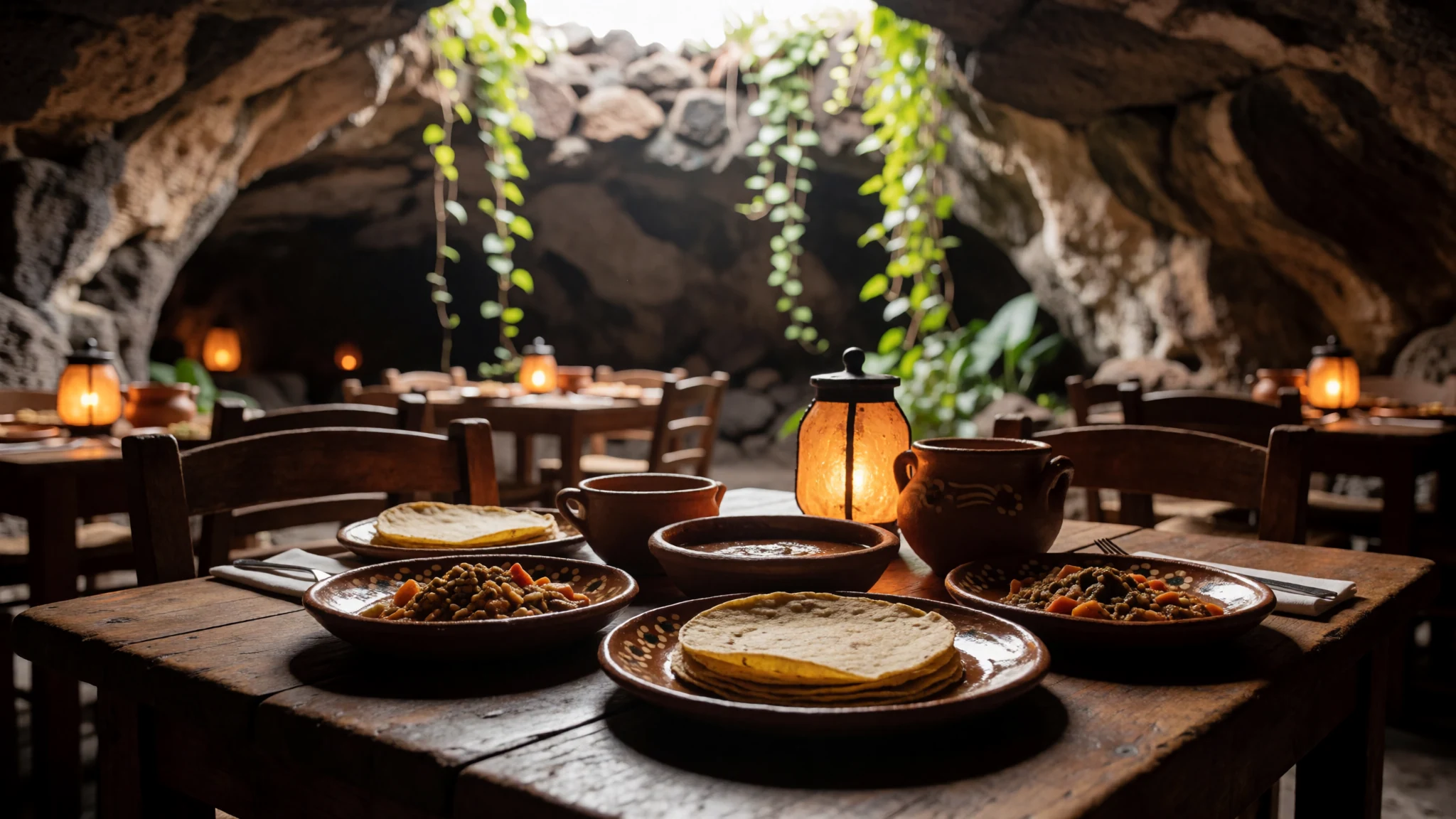
- Park Gate Snacks — Puerta 2 parking lot exits
Sample fresh street food and local maize specialities prepared by independent vendors stationed just outside the main parking areas.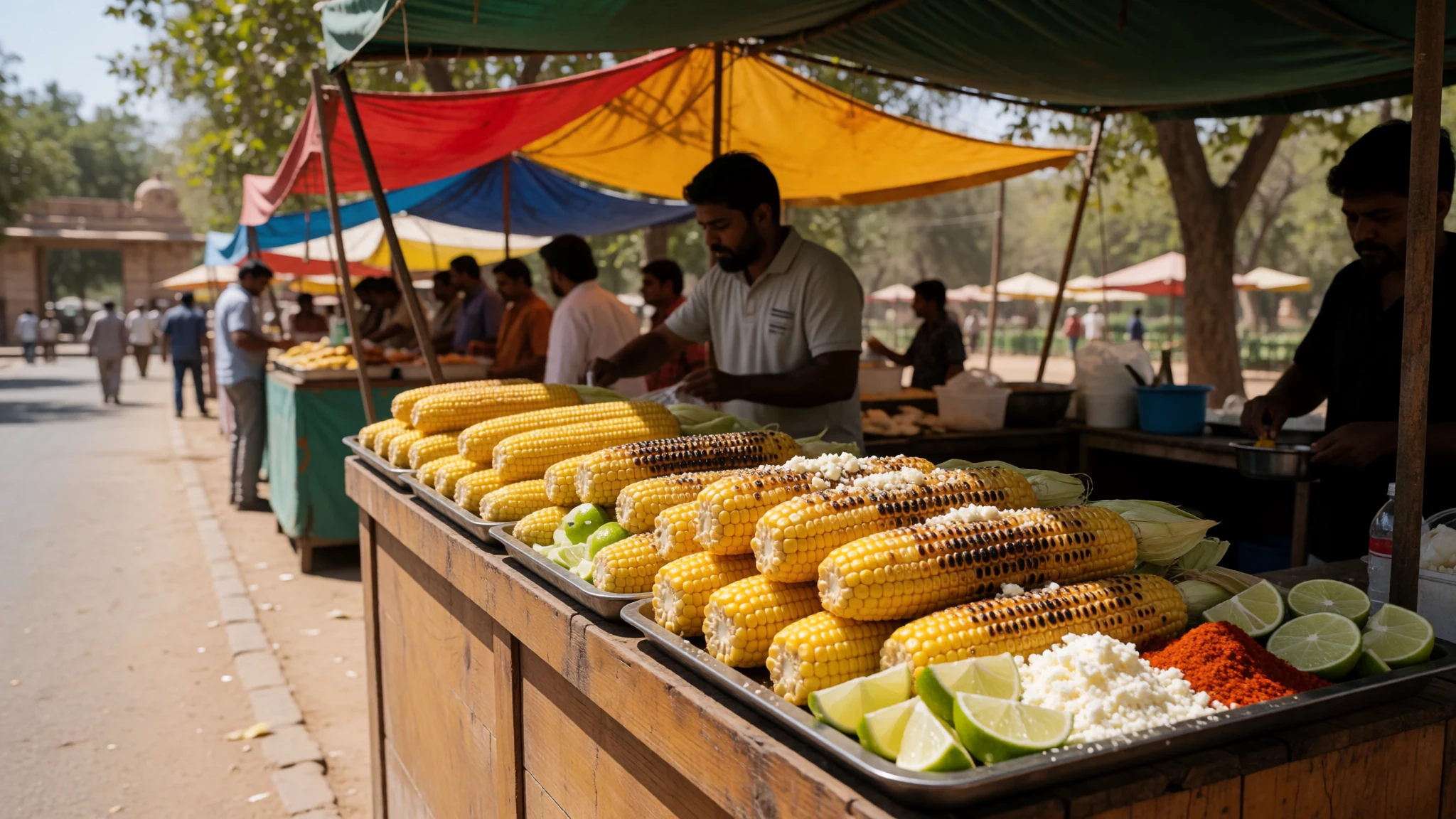
- Town Bakeries — San Juan Teotihuacán town centre
Purchase traditional sweet pastries, crusty bolillos, and artisanal baked goods from family-run bakeries operating in the nearby municipal centre. - Traditional Dining Rooms — Local roadside eateries and hotel restaurants near the site
Enjoy hearty midday meals featuring regional stews, handmade corn tortillas, and traditional casseroles prepared in welcoming family dining spaces.
Plan it
Best time. March to April offers pleasant spring weather before peak heat, while October to November brings clear post-rain skies and comfortable temperatures.
How long. 1–2
Getting there. Take a direct public bus from Autobuses del Norte in Mexico City straight to Puerta 2 of the archaeological site, or travel via the toll highway by car.
Budget. mid
Tips
- Arrive early in the morning to beat the strong midday heat and afternoon tour crowds
- Confirm your bus specifically travels to the archaeological ruins rather than the nearby town
- Wear sturdy walking shoes with reliable traction for uneven stone stairs
- Bring a refillable water bottle, sunscreen, and a hat since shade is sparse across the open plazas
- Carry small denomination cash for park entrance fees, snacks, and local craft vendors
Etiquette
- Do not climb on restricted architectural structures or fragile carved stone reliefs
- Ask permission before photographing local artisans or traditional dancers performing near the gates
- Keep noise levels modest while visiting ceremonial plazas and museum galleries
Nearby
Sources
- Wikidata Q172613 (CC0)
- Wikipedia (rev 1380618636) (CC BY-SA 4.0)
- Wikivoyage (rev 5344447) (CC BY-SA 4.0)
- Photo 01 (CC BY-SA 4.0)
- Photo 02 (CC BY 4.0)
- Photo 03 (CC BY 3.0)
- Photo 04 (Public domain)
- Photo 05 (CC BY 2.5)


