Tegucigalpa
Tegucigalpa, Honduras
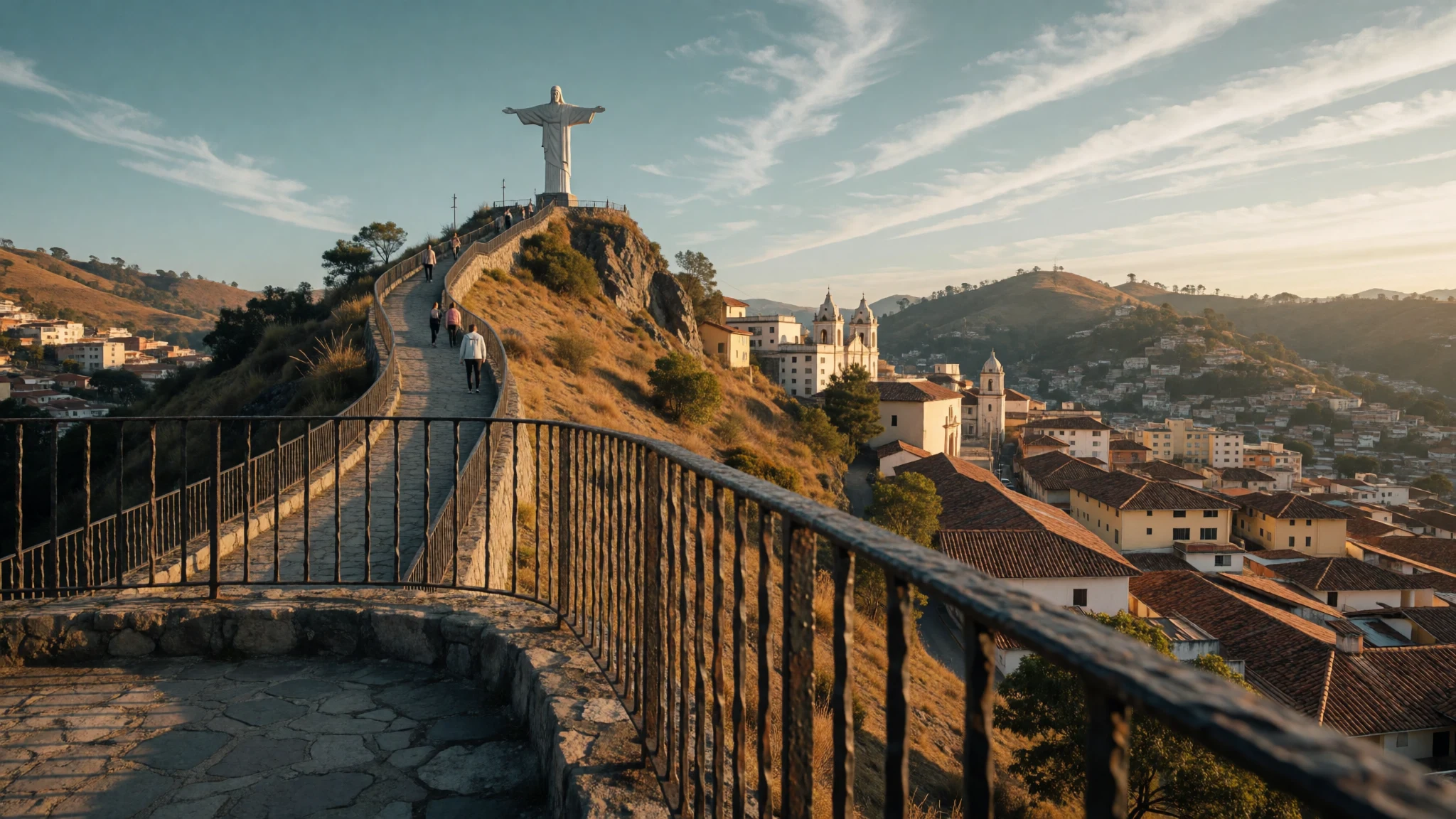
Tegucigalpa is a high, hilly Honduran capital where colonial churches, Lenca roots and a busy river-divided twin city show everyday Honduras up close.
The place
Tegucigalpa sits at 990 m in a highland valley of south-central Honduras, ringed by mountains, and is both the national capital and the country's largest city. About 1.16 million people live in the Central District, and the built-up area spills well beyond that, climbing the slopes in every direction. Its twin, Comayagüela, lies across the Choluteca River. Together the two make up the Central District, which the constitution names as the permanent capital. In practice the river separates the older colonial centre and its cathedral square from a busier, rougher quarter of markets and bus stations.
This is a working capital, not a resort. Government ministries, the main public university, embassies and the national football team are all based here, so the city feels more like a place where Honduras gets things done than a place built for visitors. The height gives it a milder climate than the Caribbean coast, with cooler evenings and a year split between a drier season and a wetter one.
The streets are steep and often narrow, so a short hop on the map can be a long, sweaty climb. Traffic is heavy at rush hour. Visitors tend to spend a day or two here on the way to Copán, the Bay Islands or the northern coast, and those who linger are rewarded with viewpoints, small museums and a food scene rooted in home cooking. Safety needs sensible planning, especially after dark in Comayagüela.
Its story
Tegucigalpa began as a mining camp. Spanish settlers claimed the site in 1578 and named it Real de Minas de San Miguel de Tegucigalpa, planting it on top of an existing settlement of Lenca and Tolupan people. The first mayor took office the following year, and over the later colonial period the town gained its main landmarks: the Dolores church, the San Miguel cathedral, the old mint known as the Casa de la Moneda and the church of the Immaculate Conception.
Its civic status wobbled for decades. It was raised to a royal town under a governor of Honduras, then had its local government dissolved, was folded into neighbouring Comayagua, and finally regained self-rule in 1817. That same year the mayor, Narciso Mallol, began a masonry bridge over the Choluteca River to join the town to the opposite bank. It was finished four years later, the same year Tegucigalpa became a city in law.
The decisive change came in 1880. President Marco Aurelio Soto moved the seat of government here from Comayagua, which had served as capital since independence, and Tegucigalpa has been the political centre ever since. The 1936 constitution tied it formally to Comayagüela as a single Central District, an arrangement the present constitution keeps. Walking the old centre today, the layers are easy to read: colonial churches, early twentieth-century mansions and modern towers, all crowded onto the same hillsides.
What to see
- Catedral de San Miguel Arcángel — Plaza Morazán, historic centre
The cathedral anchors the main square, Plaza Morazán, and is the obvious place to start. Its baroque interior is worth a quiet look between the benches of worshippers. Afterwards, wander the streets around it, where colonial frontages sit beside newer buildings and the city's daily business goes on at street level.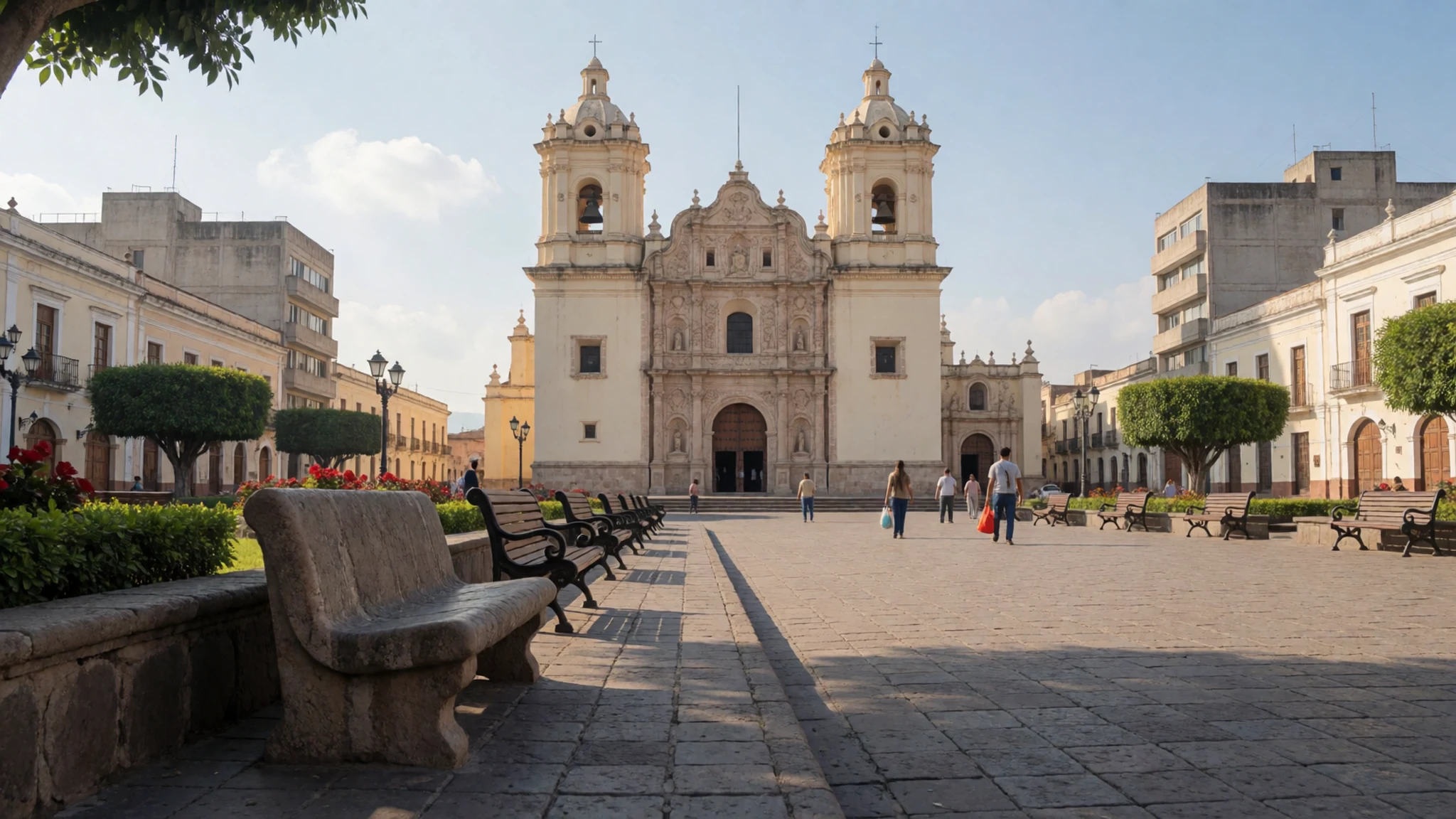
- Parque La Leona — Old hillside neighbourhood above the central park
Parque La Leona sits in an old neighbourhood overlooking the central park. Reaching it means climbing a maze of steep, winding lanes, which is half the fun and a fair workout at this altitude. The small park at the top gives a calm pause and a view across the rooftops.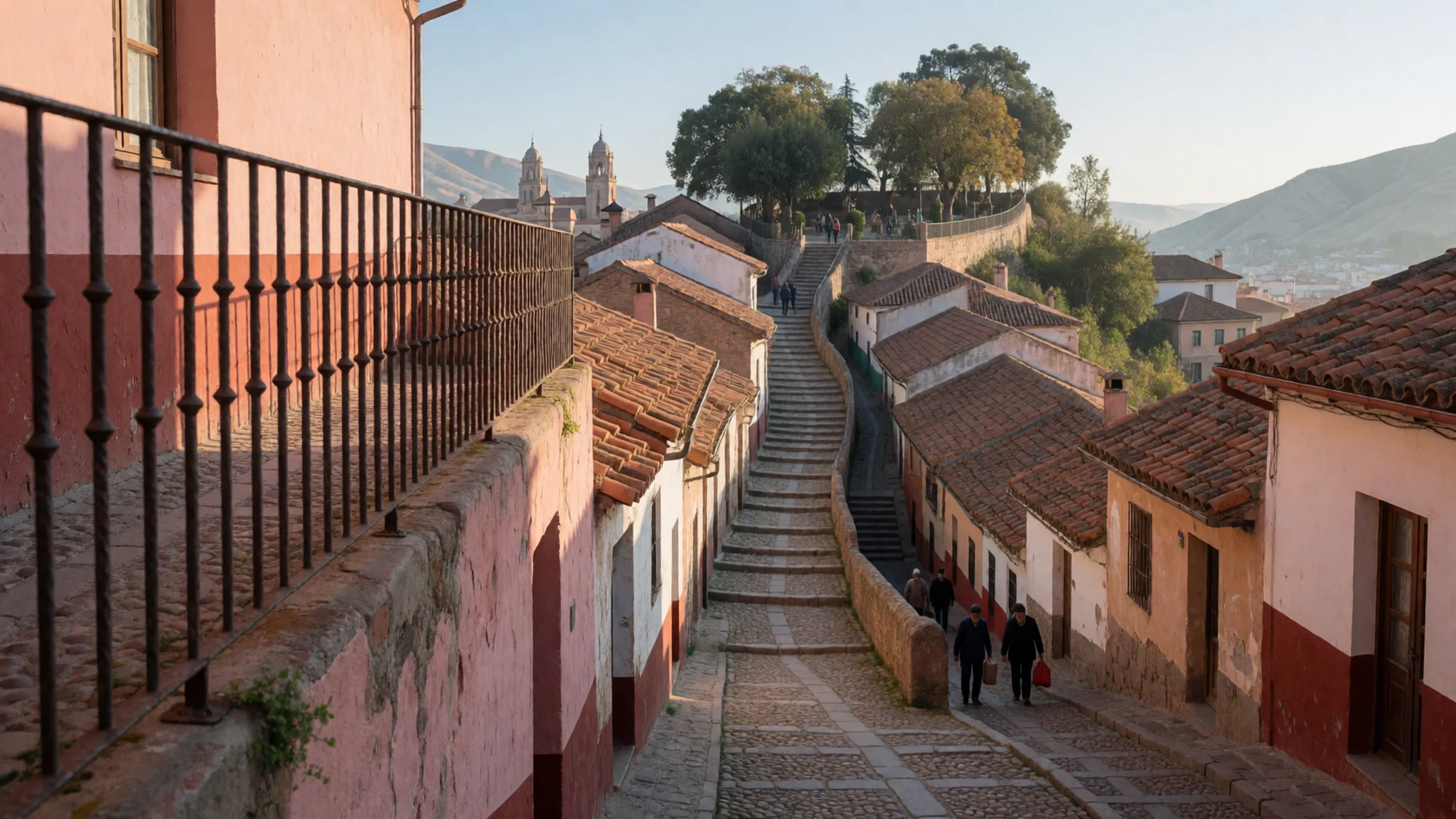
- Museo para la Identidad Nacional — Central Tegucigalpa
This museum tells Honduran history and art in one place, making it a sensible first stop to understand the country before travelling on. It includes a virtual tour of the Maya ruins at Copán in western Honduras, useful if that site is on your list. Check the museum's current opening arrangements before you go.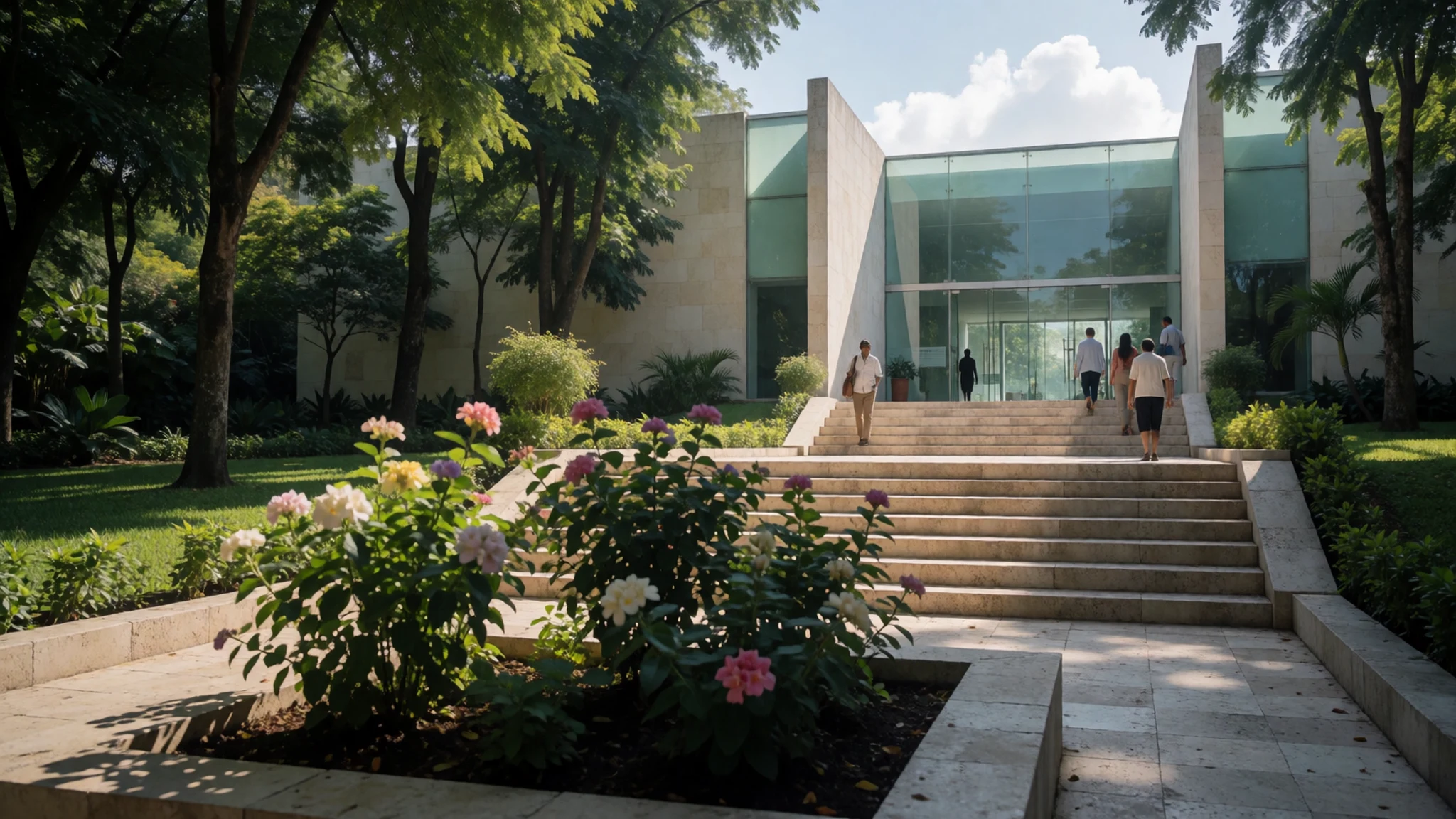
- Cristo el Picacho — El Picacho, hills north of the centre
A large statue of Christ stands on the hillside above the city and can be seen from many points in the valley. Close up, the real reward is the outlook over Tegucigalpa's spread of rooftops and ridges. Parking is free at the entrance. Clear mornings usually give the best visibility before haze or cloud builds.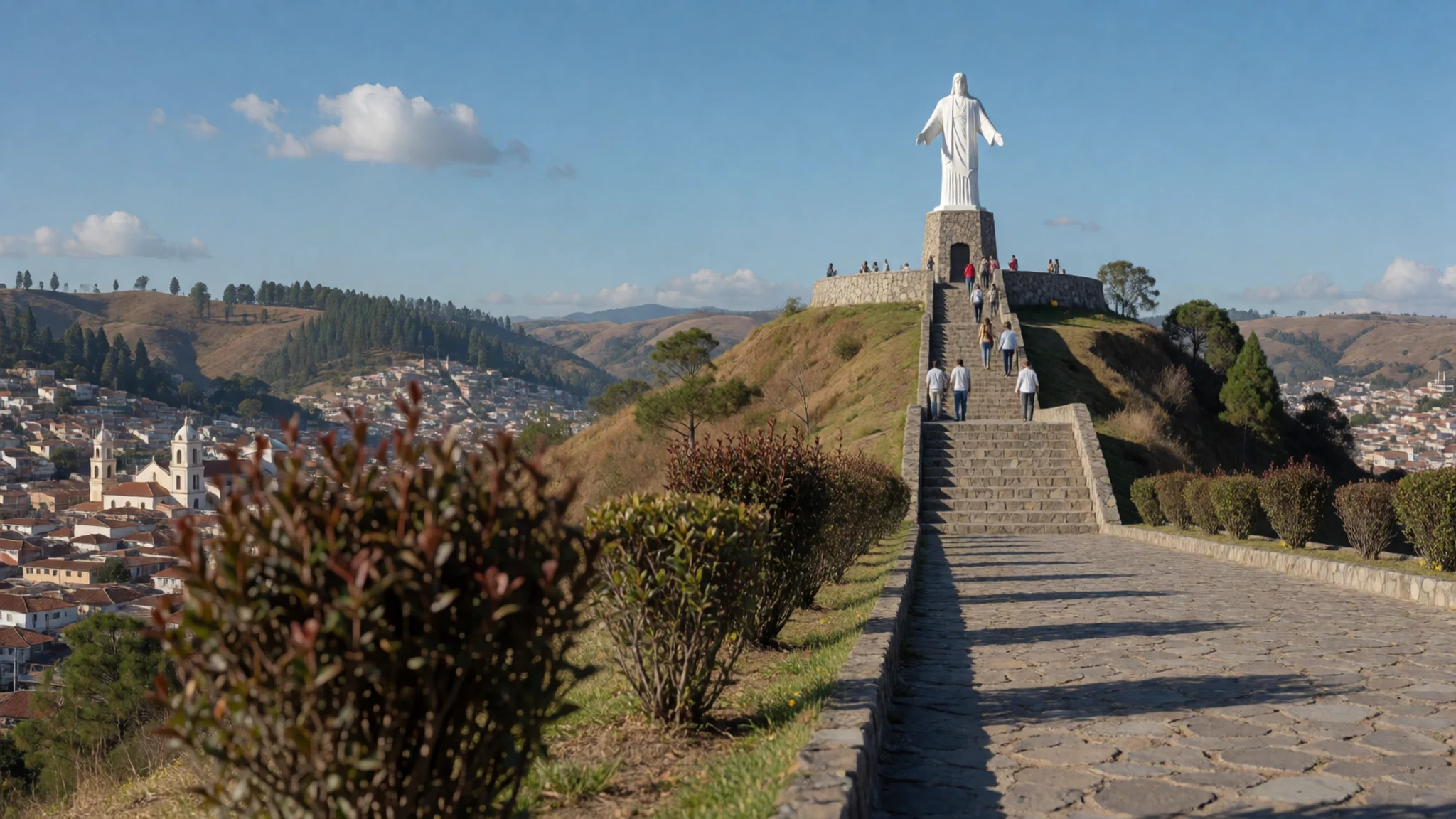
- Naciones Unidas El Picacho Park — El Picacho, mountainside park
This national park covers the mountainside around the statue and mixes parkland with a zoo and viewpoints. It is a cooler, greener break from the busy streets below, and families from the city come here at weekends. Allow time for slow walking on slopes and go early for quieter paths.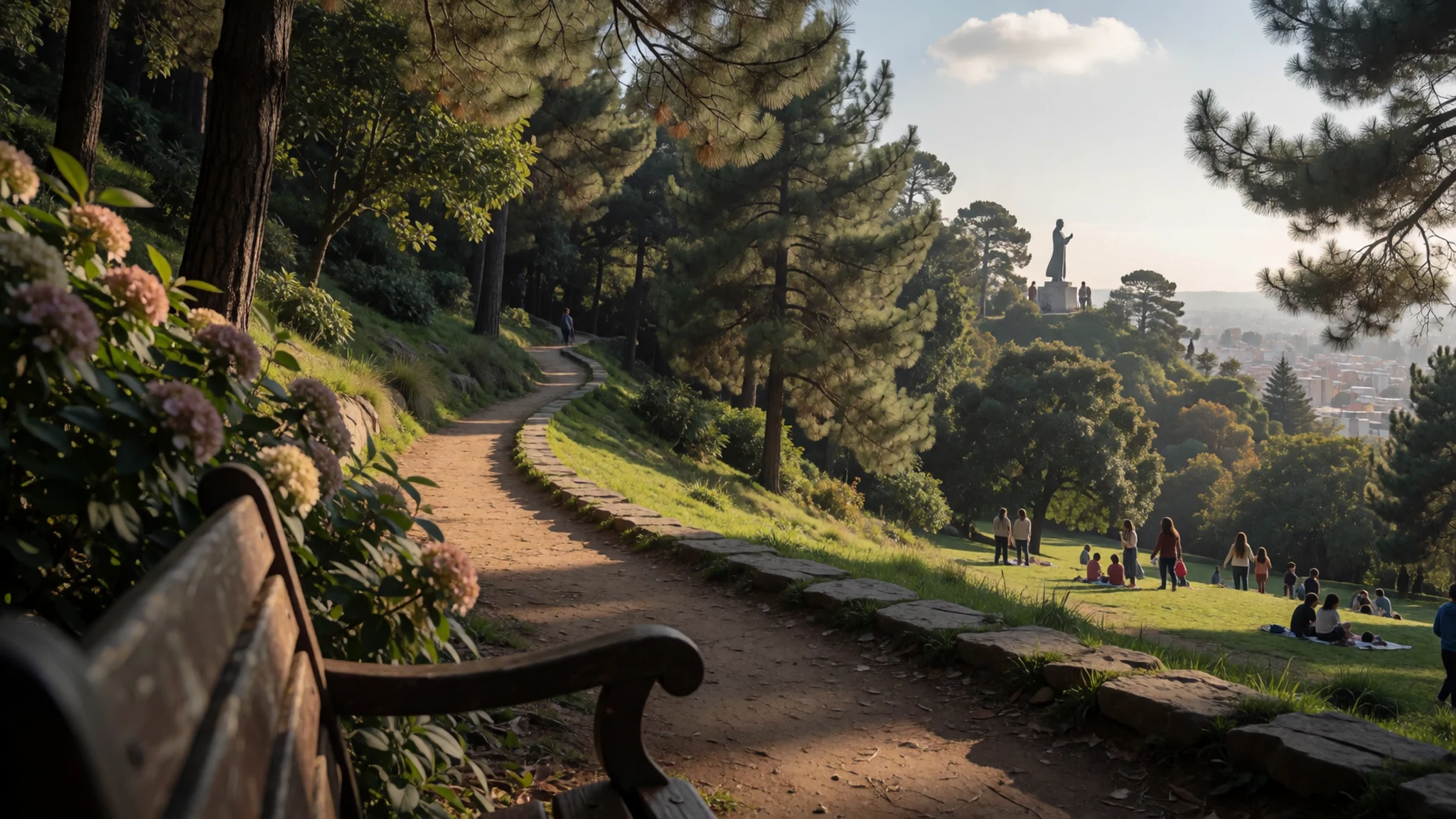
- Metropolitan Zoo Rosy Walther — El Picacho park, northern hills
The zoo keeps tropical animals such as monkeys and bright parrots. It is a modest place, with some animals looking subdued in the heat, so it suits families more than serious wildlife watchers. An entrance fee applies; check the park's official channels for current details rather than relying on old figures.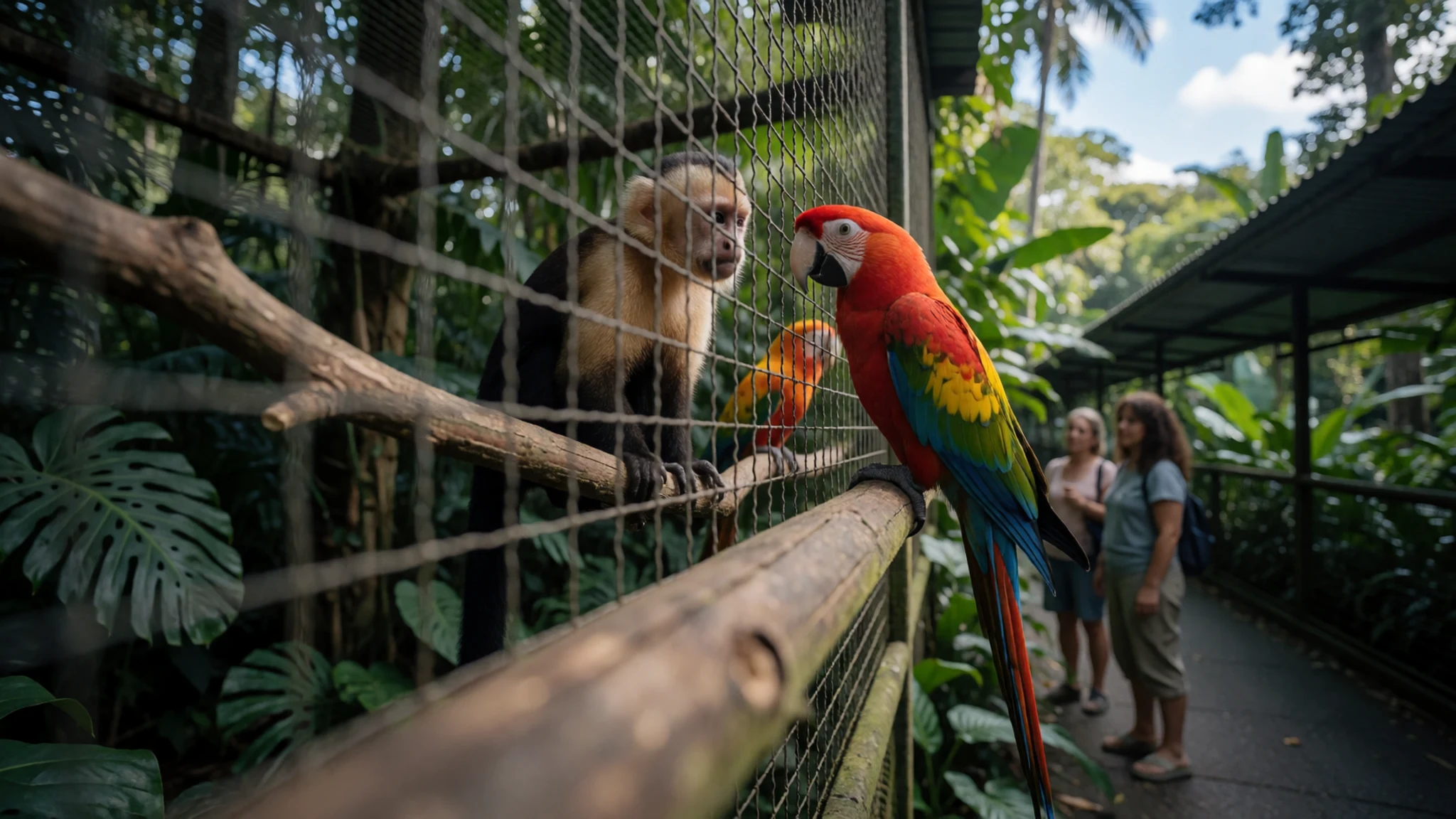
Culture
Tegucigalpa's culture is mestizo at its core: Spanish colonial Catholicism layered over Lenca and Tolupan roots, with the Choluteca River literally dividing the old civic centre from the market quarter of Comayagüela. Churches in the centre are still working places of worship, and religious feast days shape the calendar, with processions, special food and extended family gatherings. Spanish is the everyday language, and polite greetings matter more than visitors from the UK or India might expect; people say good morning or good afternoon to shopkeepers, drivers and neighbours before anything else.
Football is the shared passion. The national team plays in the capital, and match days change the mood of whole neighbourhoods, with shirts, flags and loud conversation in cafés. The city is also the home of the country's main public university, so student life, debates and political talk are part of the street atmosphere, and the government quarter brings frequent demonstrations that are usually peaceful but can disrupt traffic.
Food and hospitality are family-centred. Meals are social, tables are shared at home and people are generous with directions and recommendations if asked. At restaurants, a tip of around ten per cent is normal at sit-down places, while small eateries do not always expect one but welcome it. Greet people with a polite buenos días or buenas tardes before asking a question, and always ask permission before photographing individuals, particularly market traders and worshippers.
What to wear
Tegucigalpa has no single everyday costume, but Honduran heritage dress still appears at festivals, school events and folkloric dances. Women performers wear wide, ruffled, brightly coloured cotton skirts with embroidered blouses, often with ribbons in the hair, while men wear white shirts and trousers with a straw hat and a red neckerchief. Lenca communities in the surrounding highlands are known for handwoven cotton and for pottery rather than a single garment, and local craft stalls sell woven bags, cloths and ceramics that are a better souvenir than a costume.
Day to day, people in the capital dress much as in other Latin American cities. Office workers wear smart trousers, shirts or dresses, jeans are common, and football shirts appear everywhere on match days. Dress tends to be tidy rather than flashy, and shorts are more usual in sports or leisure settings than in town or at work.
For visitors, think layers. Days at 990 m can be warm and sunny, but evenings cool noticeably and the rainy months need a light waterproof. Choose comfortable closed shoes with good grip for steep, uneven pavements and the hillside parks. Cover shoulders and knees when entering the cathedral or any church, and keep jewellery and cameras low-key, since discretion also helps with personal safety.
What to eat
- Baleadas — Street stalls and small eateries throughout the city, especially at breakfast
A thick flour tortilla folded around refried beans, crumbly cheese and thin cream, sometimes with egg, avocado or meat added. It is the standard cheap, filling Honduran snack, eaten at any hour. Look for places with a queue and a hot griddle.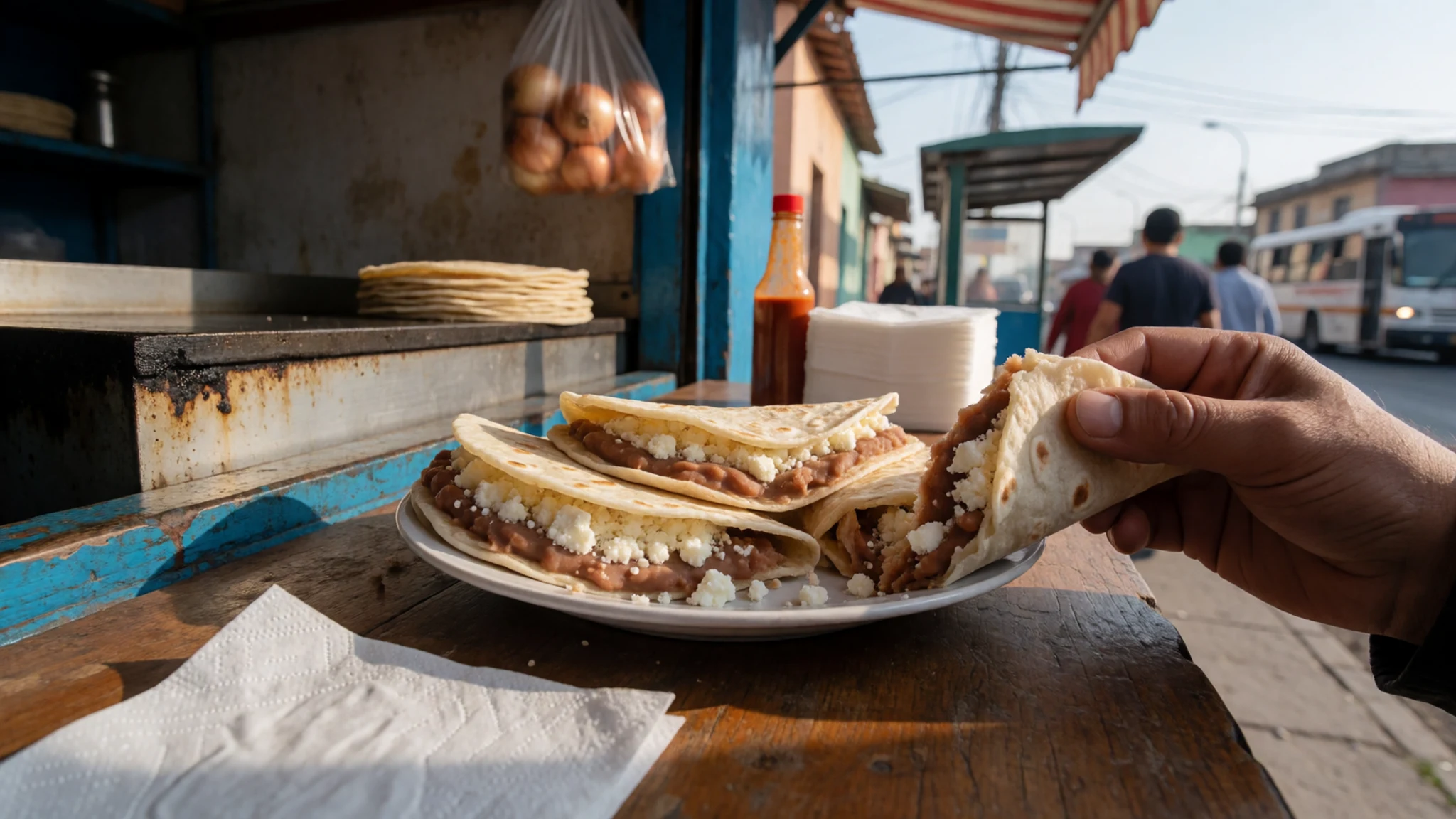
- Plato típico — Family-run restaurants and market food counters
A generous plate that usually combines grilled or fried meat with beans, rice, fried plantain, cheese, cream and a simple salad. It is the closest thing to a standard Honduran lunch and is easy to share. Ask what the kitchen does best that day.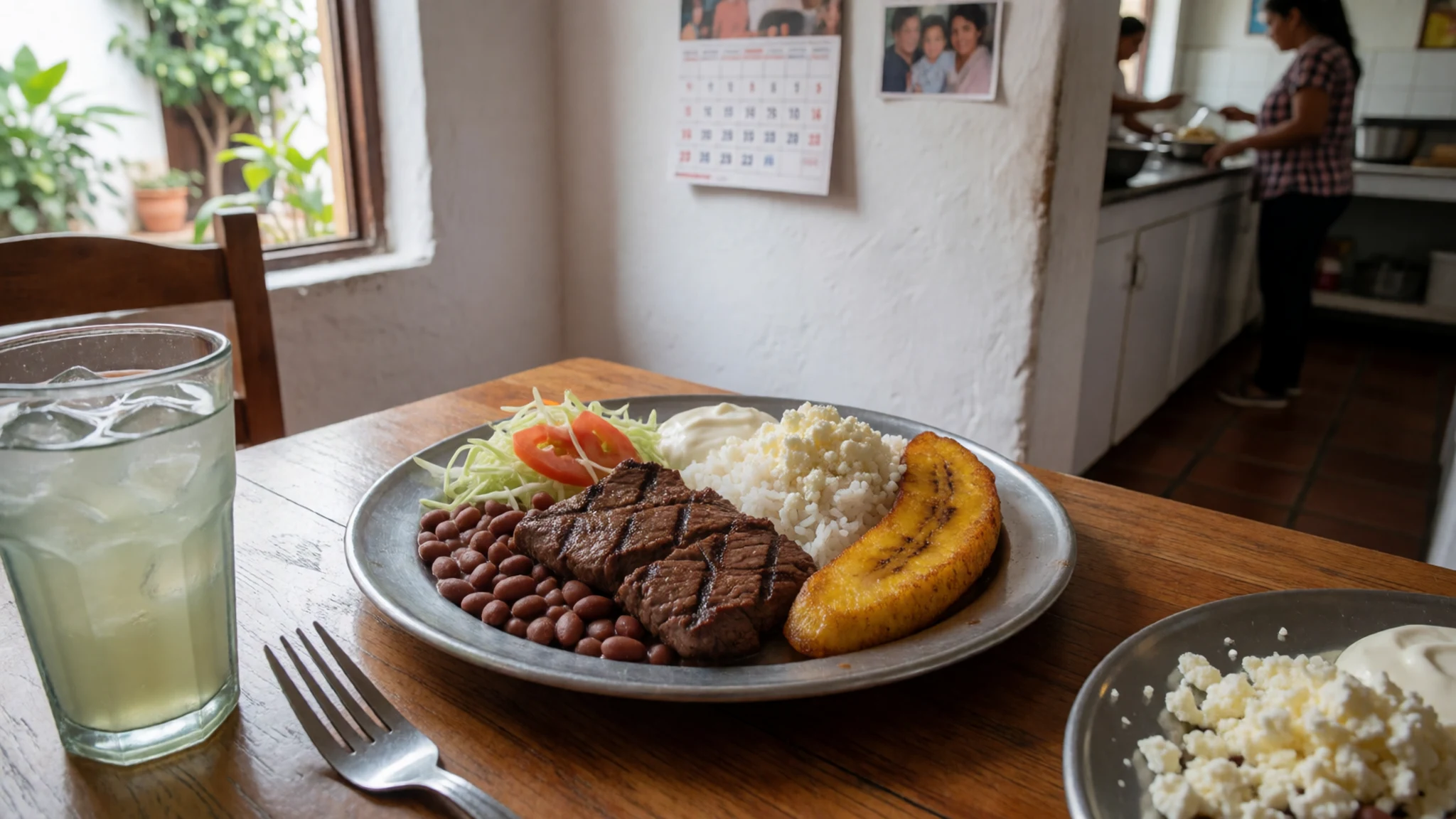
- Anafre — Traditional restaurants and bars, often served as a starter
A small clay brazier holding a warm dip of refried beans and melted cheese, served with tortilla chips or bread. It is a social dish, meant for sharing over drinks, and it suits a slow evening in a traditional Honduran restaurant. - Tamales — Neighbourhood bakeries, markets and family kitchens, especially around festive days
Corn dough filled with meat, rice or vegetables, wrapped in leaf and steamed. They are a celebration food made in large batches at home, but they also appear at markets and food stalls. Unwrap carefully and eat with a fork. - Sopa de mondongo — Market food halls and casual restaurants, usually at weekends
A hearty tripe soup with vegetables and herbs, simmered until rich and thick. It is a weekend family dish and an acquired taste for some, but a good test of local home cooking. Keep it for lunch rather than a quick snack.
Plan it
Best time. November to April is the drier part of the year in the highlands, with December to February the most comfortable, which makes steep streets and viewpoints more pleasant; May to October is the wetter season, bringing afternoon downpours and cloud over the hills.
How long. 2–3
Getting there. The international airport serving the capital is at Comayagua, with flights from Mexico City, Miami, Houston, Panama City, San Salvador, Guatemala City, Bogotá and Madrid, plus domestic links to Roatán and La Ceiba; the last leg is by road into the city. Long-distance buses from other Central American capitals and from San Pedro Sula mostly arrive in Comayagüela.
Budget. mid
Tips
- Check current flight and bus schedules with the operators before booking, as routes change
- Arrive at bus stations in daylight, and avoid wandering around Comayagüela looking for somewhere to stay after dark
- Use official taxis or ride-hailing apps rather than hailing cars on the street at night
- Carry some cash for markets and small eateries, but keep cards for larger restaurants
- Go to the hillside viewpoints early in the day for clearer views and cooler air
Etiquette
- Greet people politely before asking questions or making requests
- Ask before photographing people, especially in markets and churches
- Dress modestly in churches and keep voices low during services
Nearby
Sources
- Wikidata Q3238 (CC0)
- Wikipedia: Tegucigalpa (rev 1384639511) (CC BY-SA 4.0)
- Wikivoyage: Tegucigalpa (rev 5419667) (CC BY-SA 4.0)
- Photo: Centro histórico de Tegucigalpa y Comayagüela, Luis Alfredo Romero (CC BY-SA 4.0)
- Photo: Tegucigalpa Skyline Summer, Luis Alfredo Romero (CC BY-SA 4.0)
- Photo: Tegucigalpa downtown panoramic 2026, Inforgetmenots (CC BY 4.0)
- Photo: Barrio La Hoya, Tegucigalpa, Honduras, feinteriano (CC BY 3.0)
- Photo: Tegucigalpa skyline tower, Luis Alfredo Romero (CC BY-SA 4.0)
- Photo: Panorama of Tegucigalpa, Honduras (1889), Juan T. Aguirre (Public domain)
- Photo: Casa Casco Tegucigalpa, Luis Alfredo Romero (CC BY-SA 4.0)
- Photo: Tegucigalpa, Honduras, NASA Astronauts (Public domain)


