Tarraco
Tarraco, Spain
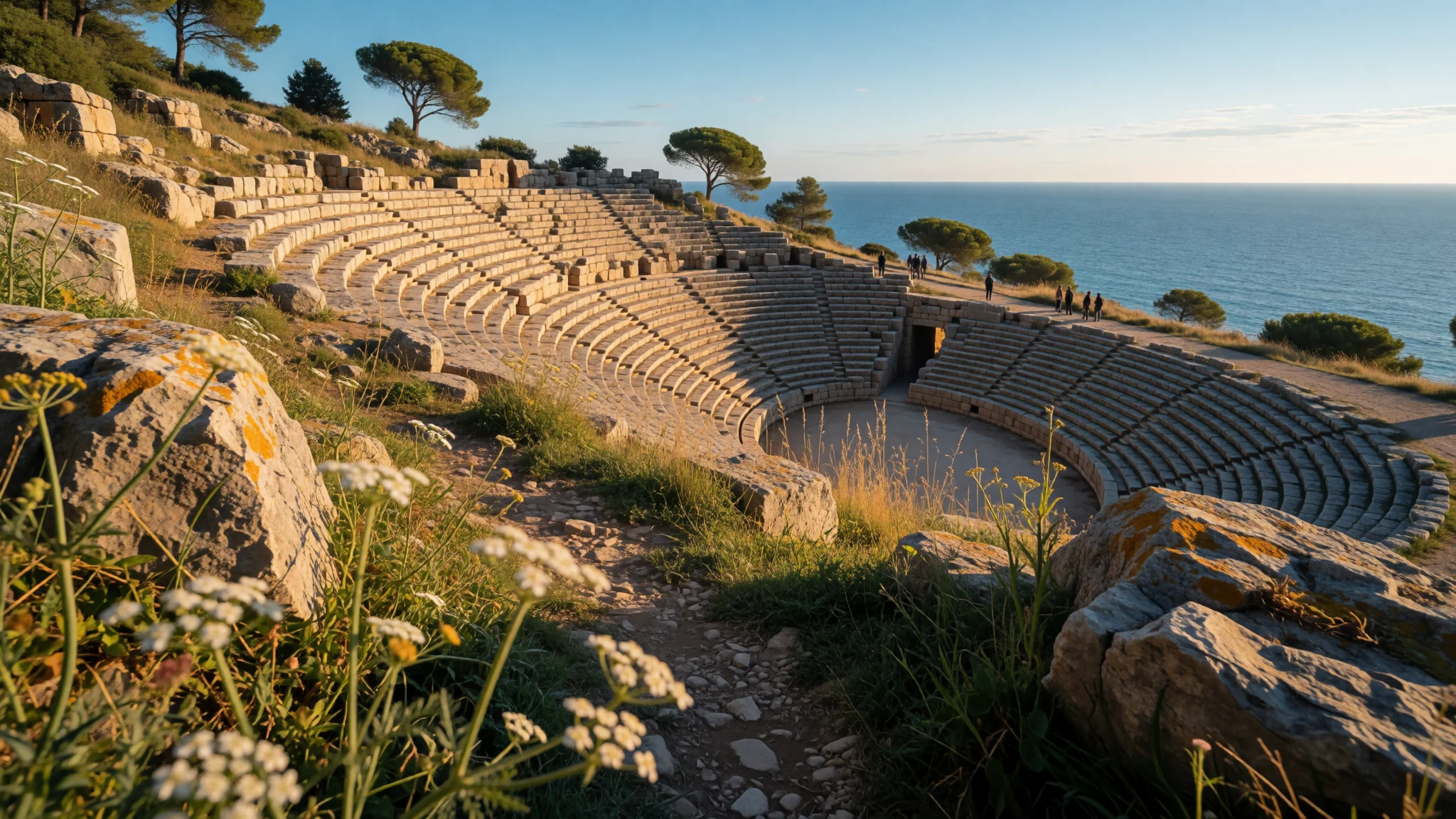
Tarraco offers an extraordinary coastal landscape where monumental Roman ruins, medieval walls and Catalan culinary traditions merge above the Mediterranean.
The place
Tarraco stands as the ancient name for modern Tarragona in Catalonia, representing the oldest Roman settlement established on the Iberian Peninsula. Positioned strategically upon a high rocky plateau overlooking the coastal route, the location commanded attention from antiquity onward. Following its founding days, the settlement grew into the pivotal capital of Hispania Tarraconensis during the Roman Empire, governing vast territories across the peninsula. When Roman influence receded, the town retreated into relative obscurity until the Reconquista ousted Moorish control from the region during the medieval era. Subsequently, the historic stone fortifications and the ancient structures enveloped by them were painstakingly repaired and reinforced against potential incursions. Today, the core of Tarraco comprises the elevated historic quarter known as the Part Alta, together with a remarkably preserved coastal amphitheatre, ancient stone circuses, and sprawling archaeological remains recognised globally for their historical significance. Visitors walking through the narrow medieval lanes find themselves constantly stumbling upon classical columns, reused Roman inscriptions embedded directly into older housing facades, and lively public squares lined with traditional eateries. The modern city spreads out towards a bustling commercial port at the outflow of the local river, yet the magnetic pull remains firmly rooted in the upper town where millennia of Mediterranean history visibly overlap.
Its story
Tarraco began its documented Roman chapter when Gnaeus Cornelius Scipio Calvus landed during the tense opening stages of the Second Punic War against Carthage. The Romans seized nearby Punic supply fields and fortified the rocky plateau as a secure military base and port. Reinforcements arrived soon after under Publius Scipio, establishing robust defensive walls that incorporated earlier Iberian stonemasonry techniques. After the tragic deaths of the Scipio brothers, Scipio Africanus used Tarraco as his winter headquarters, holding vital assemblies with local Iberian tribes who largely maintained loyalty to Rome. Across the subsequent two centuries, Tarraco served as an essential logistics hub during grueling campaigns against Celtiberian populations inland. This heavy military presence concentrated primarily within the elevated sector now called the Part Alta. Administrative reorganisation eventually divided the conquered territories into distinct imperial provinces, cementing the city's status as a regional capital. Over successive centuries, monumental public works transformed the plateau. Grand temples, chariot racing circuses, and seaside arenas were constructed to project imperial authority across the western Mediterranean. The collapse of imperial administration brought centuries of shifting loyalties and fortified rebuilding during medieval conflicts, preserving the layered archaeological tapestry visible today.
What to see
- Amphitheatre — Coastal edge, Part Alta
Carved partly into the natural bedrock right beside the azure Mediterranean waters, this second-century arena once hosted gladiatorial combats and public spectacles for up to fifteen thousand cheering spectators, offering a striking juxtaposition of classical antiquity against coastal blue views. - Passeig Arqueològic — Northern ramparts, Part Alta
This peaceful shaded walkway guides visitors directly alongside the most impressive surviving sections of the massive Roman ramparts, where ancient megalithic blocks blend seamlessly with medieval additions and later defensive bastions built to protect the historic hilltop settlement. - Roman Circus — Historic centre, Part Alta
Buried partly beneath subsequent medieval buildings, the subterranean vaulted corridors and stone tunnels of the ancient chariot racing circuit provide an atmospheric glimpse into the engineering genius required to stage massive sporting events in provincial Roman Iberia. - Catedral de Tarragona — Plaça de la Seu, Part Alta
Dominating the highest point of the old town, this imposing Roman Catholic cathedral combines robust Romanesque proportions with soaring Gothic architectural elements across its construction phases, housing intricate chapels dedicated to local saints and centuries of religious devotion. - Casa Castellarnau — Carrer Cavallers, Part Alta
Constructed originally as a lavish aristocratic residence during the fifteenth century, this stately mansion displays a fascinating architectural mishmash of interior styles, noble courtyards, and period furnishings reflecting the changing fortunes of the local elite over generations.
Culture
Tarraco possesses a distinctive Catalan identity shaped deeply by its Mediterranean geography and millennia of layered civilisations. Local social life revolves around public squares, cafe terraces, and leisurely evening strolls known locally as the passeig, where families and friends gather after the afternoon heat dissipates. Traditional celebrations often feature towering human castles, known as castells, which originated in this region and require immense teamwork, trust, and physical coordination among community members of all ages. Music, local festivals, and seasonal culinary fairs tie residents closely to their agricultural and maritime roots. Catalan is spoken widely alongside Spanish across the city, and street signage reflects this bilingual heritage. Visitors will find that locals appreciate polite greetings in Catalan, such as a friendly 'bon dia' in the morning, before switching smoothly to Spanish or English. When entering churches or religious sites such as the cathedral in Tarraco, ensure your shoulders and knees are covered as a sign of basic respect for ongoing local worship.
What to wear
Traditional dress in Tarraco and the surrounding Catalan region is historically rooted in practical agrarian and coastal garments, featuring sturdy linen shirts, woollen waistcoats, and the iconic red or purple traditional headwear known as the barretina during folk festivals and dance performances. Modern residents in Tarraco dress in contemporary European styles that prioritise comfort and breathability against the intense Mediterranean sun. Lightweight cottons, linens, and comfortable walking shoes dominate daily wardrobes, especially given the steep slopes and uneven stone paving found throughout the historic Part Alta. Travellers exploring Tarraco should pack comfortable trainers or sturdy walking shoes with reliable grip to navigate ancient cobblestones, Roman staircases, and archaeological excavations safely. Sun protection including sunglasses, a wide-brimmed hat, and light layers for coastal breezes will keep you comfortable throughout long days of exploring the open-air ruins.
What to eat
- Catalan Tapas — Carrer Major spine, Part Alta
Sample traditional local small plates featuring fresh regional produce, cured meats, and local cheeses served alongside rustic crusty bread rubbed with ripe tomatoes and garlic, easily found in the lively taverns lining Carrer Major. - Fresh Seafood — Port and dockside neighbourhood
Enjoy catches from the coastal waters, including grilled fish and local shellfish prepared simply with olive oil and garlic, best experienced at traditional eateries near the historic port area. - Catalan Tasting Menu — Part Alta historic quarter
Indulge in imaginative contemporary interpretations of regional Catalan recipes crafted from seasonal local ingredients at acclaimed establishments like AQ in the old town. - Moroccan Tagine — Traditional local side streets
Discover authentic, inexpensive North African halal dishes and spiced stews served in unpretentious family-run eateries reflecting the diverse modern culinary immigrant community in Tarraco. - Traditional Tapas — Plaça de Mossèn Cinto Verdaguer
Unwind with classic comfort food, local olives, and refreshing drinks in atmospheric historic taverns tucked into ancient Roman structural vaults.
Plan it
Best time. March to May and September to November offer pleasant warm weather ideal for walking the archaeological sites without the intense summer heat.
How long. 2–3
Getting there. Fly into Barcelona El Prat Airport and take the direct bus or regional train down the coast to Tarragona station, or arrive via high-speed rail at Camp de Tarragona station.
Budget. mid
Tips
- Wear sturdy walking shoes with good grip for uneven ancient stone surfaces
- Start exploring open-air Roman ruins early in the morning to avoid midday heat
- Carry some cash for small traditional taverns and market stalls
- Check official visitor websites for up-to-date site opening hours before setting out
Etiquette
- Greet shopkeepers and hosts politely in Catalan or Spanish upon entering
- Cover shoulders and knees when visiting churches and sacred spaces
- Respect quiet hours in residential neighborhoods during the afternoon and late evening
Nearby
Sources
- Wikidata Q1501940 (CC0)
- Wikipedia (rev 1381247898) (CC BY-SA 4.0)
- Wikivoyage (rev 5419557) (CC BY-SA 4.0)