Taputapuātea
Taputapuātea, France
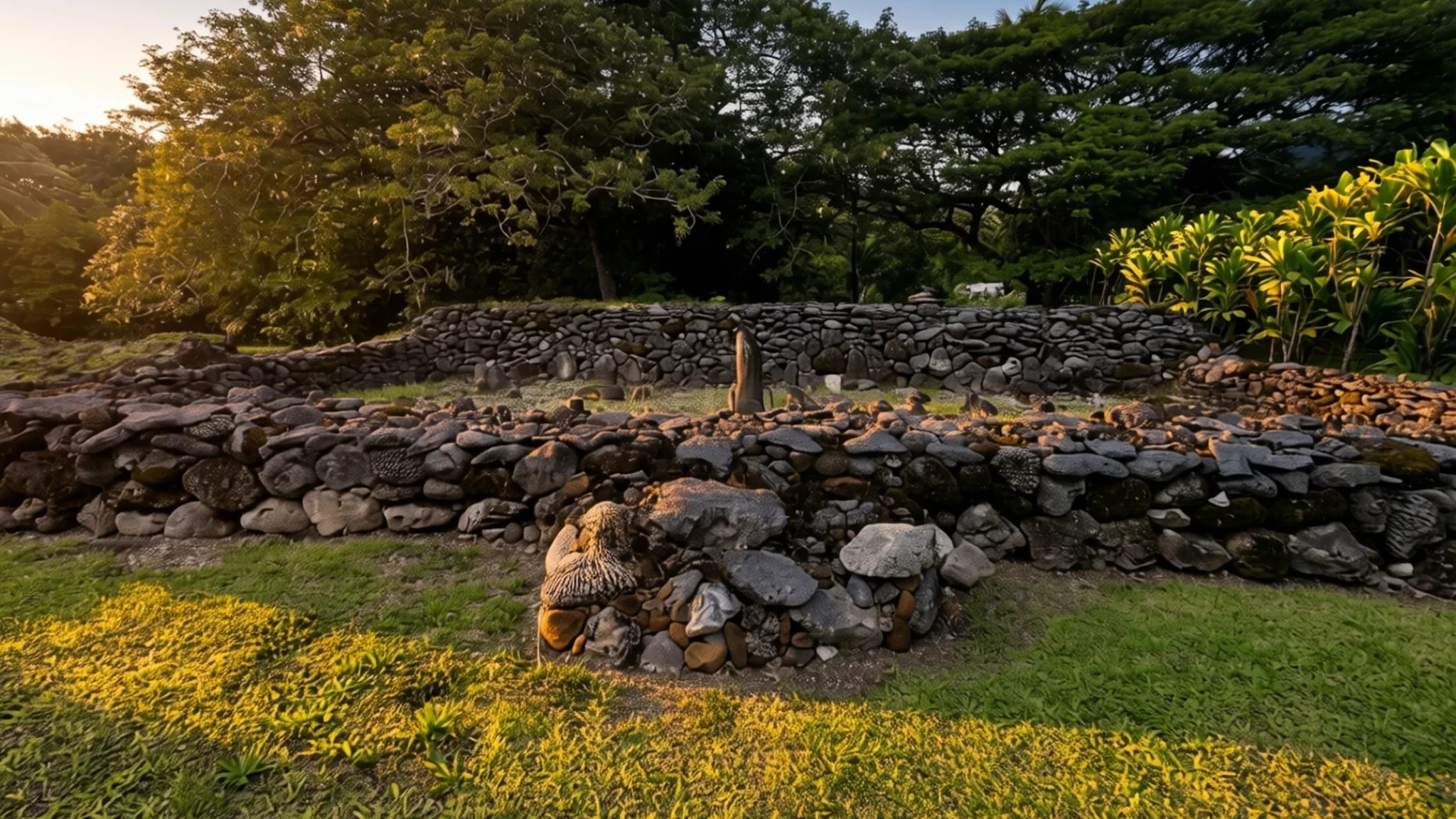
Taputapuātea on Raiatea holds the ancient marae that was a religious centre for much of eastern Polynesia, set in a quiet Society Islands commune.
The place
Taputapuātea is a commune on Raiatea, one of the Leeward Islands in the Society group, in French Polynesia. This South Pacific territory is an overseas part of France: the French state manages internal security, defence, justice and education, whereas a local parliament oversees most day-to-day affairs. The commune has about 5,000 people, and its administrative centre is the village of Avera. Opoa and Puohine are associated communes, so one municipal name covers several coastal settlements rather than a single town.
The name comes from the marae complex, a cluster of stone platforms that served as the religious centre of eastern Polynesia for roughly 1000 years. It is still the best-known landmark on Raiatea, and a visit to the marae is the main reason most people come here. Expect a small, low-key place rather than a resort strip. Facilities are simple, so plan meals and transport in advance.
The climate is tropical and very humid. Average air temperature sits around 27°C, and lagoon water is a little cooler in winter and warmer in summer. Summer runs from November to April and is wetter and steamier; winter, from May to October, is slightly cooler and drier. January can bring occasional cyclonic storms. Many places to stay are air-conditioned or cooled by ceiling fans.
Life here moves at its own pace. Locals often sum up their outlook with the phrase aita pea pea, roughly "no worries", and that relaxed attitude shapes everything from service to how long a conversation takes. Be patient, say hello, and let the day unfold.
Its story
For about a thousand years, Taputapuātea was where people from across eastern Polynesia gathered for religious life. The marae was a place of worship, with its stone platforms and open courts, and it drew priests, chiefs and families from islands spread over a vast stretch of ocean. Connections were made and maintained here: genealogies were recited, rituals were performed and alliances were confirmed. Navigation mattered too, since voyaging canoes crossing the open Pacific needed shared reference points and a meeting place along the way.
Over time the site's religious role faded as European contact reshaped the islands. Changing belief, new colonial arrangements and shifting settlement patterns meant many marae fell into disuse. Taputapuātea survived in memory and in its remains, and archaeologists have spent long periods studying the site, which helps explain how it once worked as a hub.
Today the marae is the commune's most visited place and a focus of cultural pride. Its story is told as much by Polynesians reconnecting with their navigation traditions as by historians. When the Polynesian Voyaging Society's Hōkūleʻa sailed across French Polynesia, Taputapuātea was a major stop, a reminder that the old sea routes still carry meaning. Visitors who arrive knowing this history see the stones differently.
What to see
- Taputapuātea marae — Taputapuātea, Raiatea
The marae is the reason to come. Its stone platforms and open courts sit in a green setting, and the site remains the most famous landmark on Raiatea. Walk slowly, read any signs, and stay on marked paths. Go early in the day, when the light is soft and the heat has not yet built. Expect a quiet, reflective atmosphere rather than an attraction with rides or shops.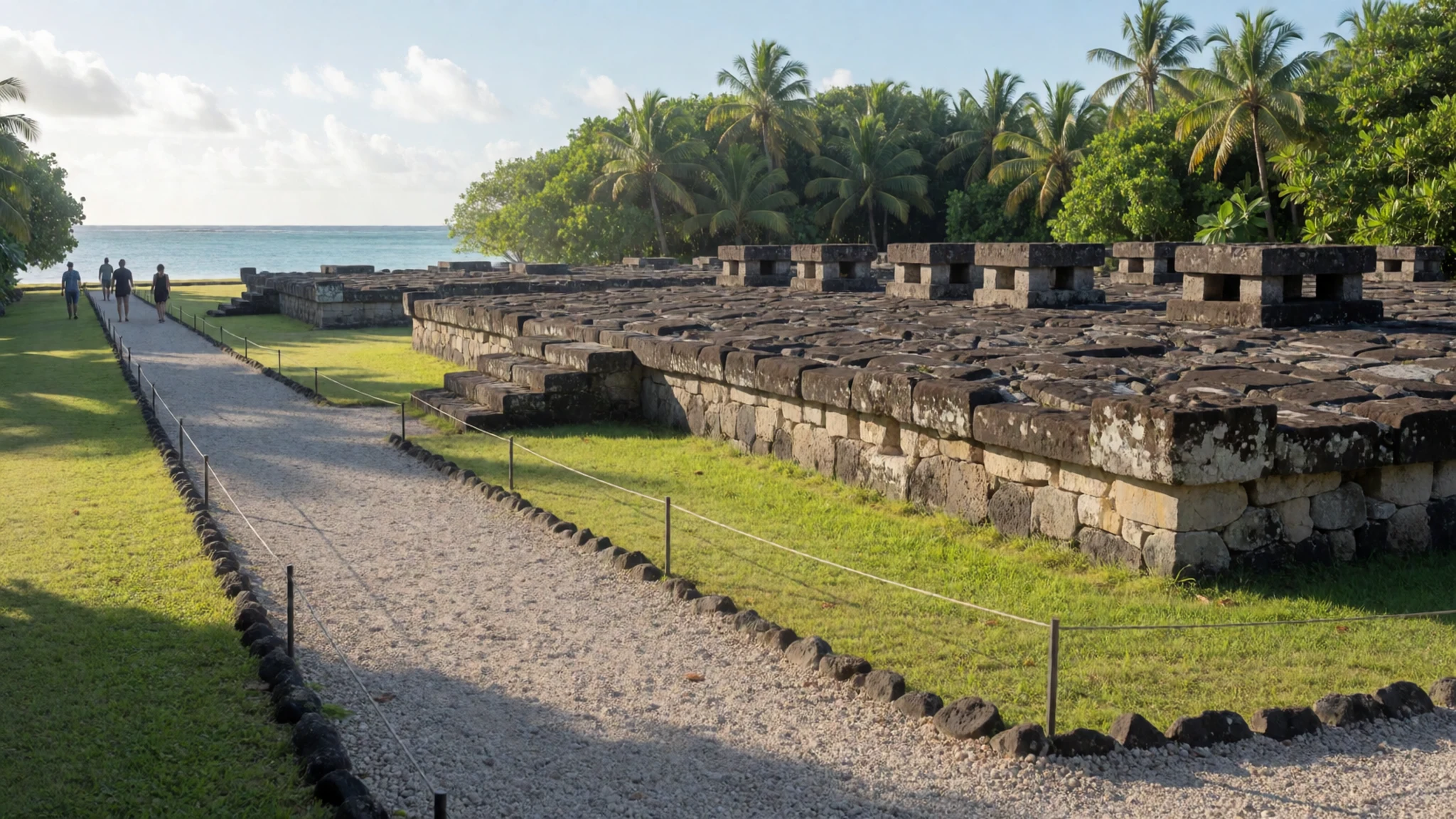
- Avera — Avera, Raiatea
Avera is the administrative centre of the commune and the main village, where everyday services are concentrated. Expect a working village rather than a tourist town, with the rhythm of local life on show. It makes a sensible base for supplies, a simple meal and a friendly conversation with residents. Keep your visit unhurried and courteous, and check opening times locally, since they can vary.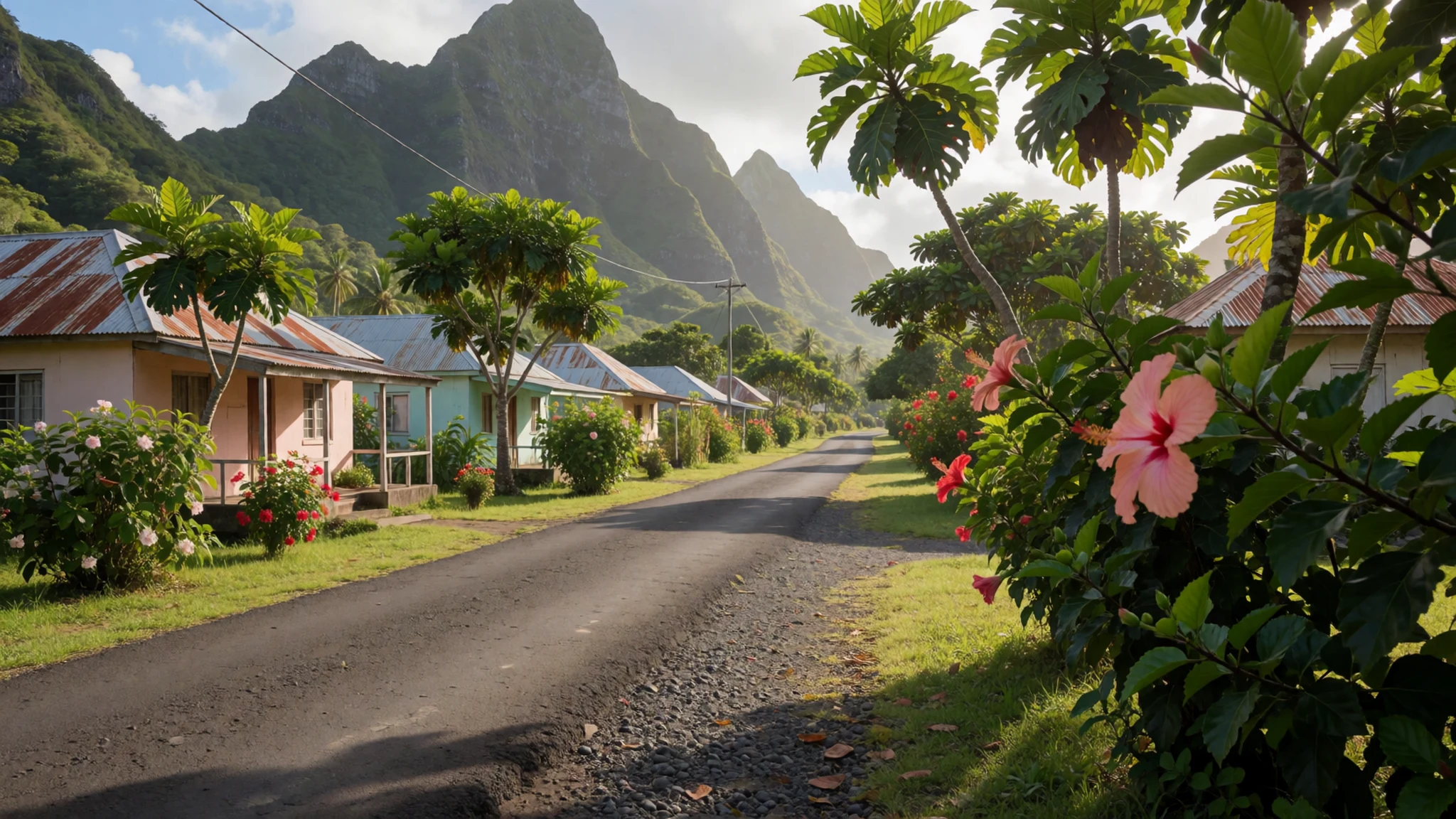
- Pointe Vénus — Tahiti, north-west coast
Pointe Vénus, on Tahiti, is where Captain Cook established an observatory to track the transit of Venus across the sun. Today it is a shaded black-sand beach overlooked by a lighthouse, a pleasant place for a swim. The sand heats quickly at midday, so bring water and footwear. It is on another island, so plan it as a separate outing.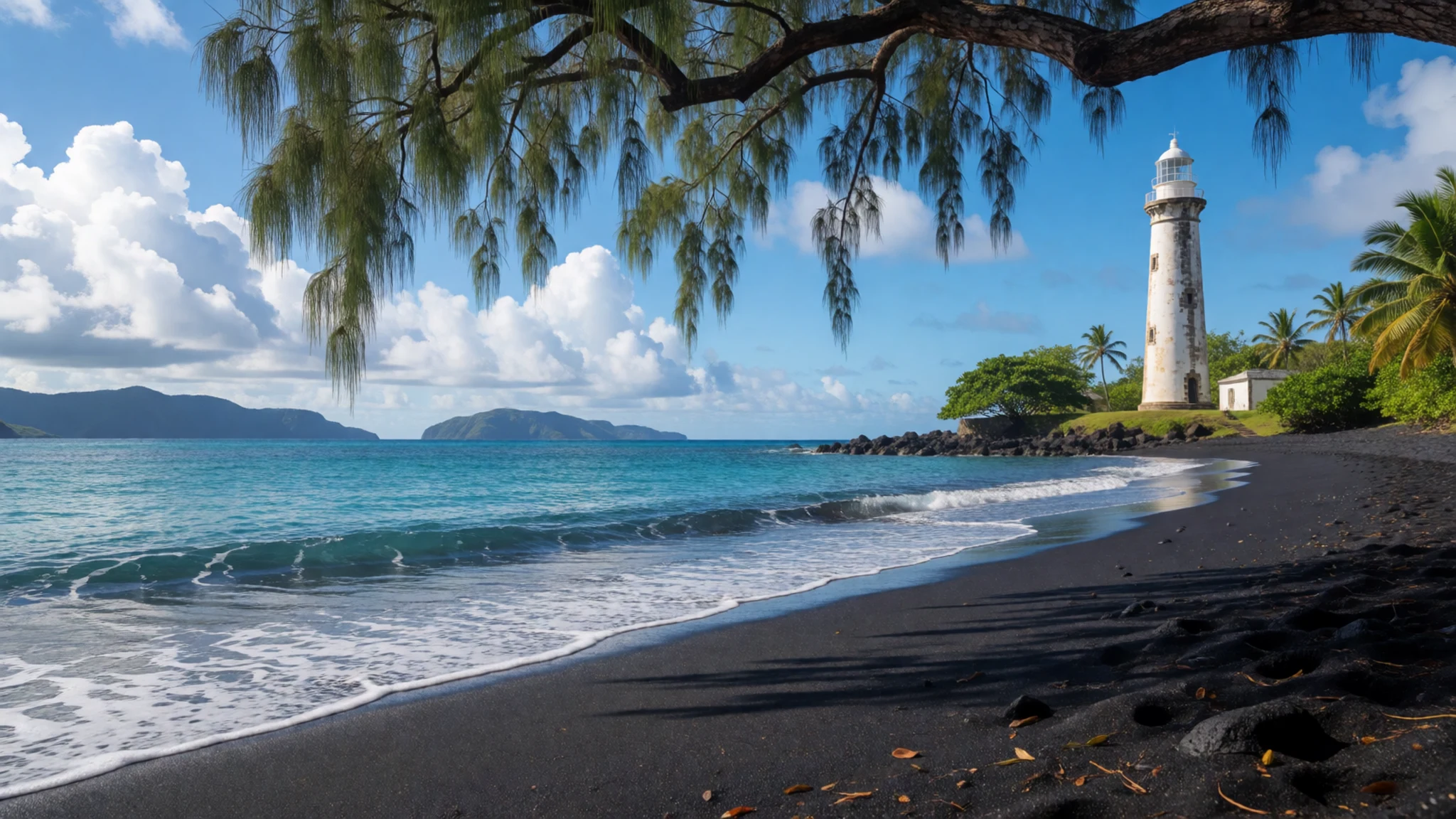
- Gauguin Museum — Tahiti, Papeete area
The Gauguin Museum, about 50 km from Papeete on Tahiti, holds artefacts from the painter's time in the islands, with reproductions of many of his works. Its open-air buildings sit on a lawn beside the ocean, away from the city and the resorts, and botanical gardens lie next door. Allow a relaxed half-day. Check the official site for current opening times and entry prices before you go.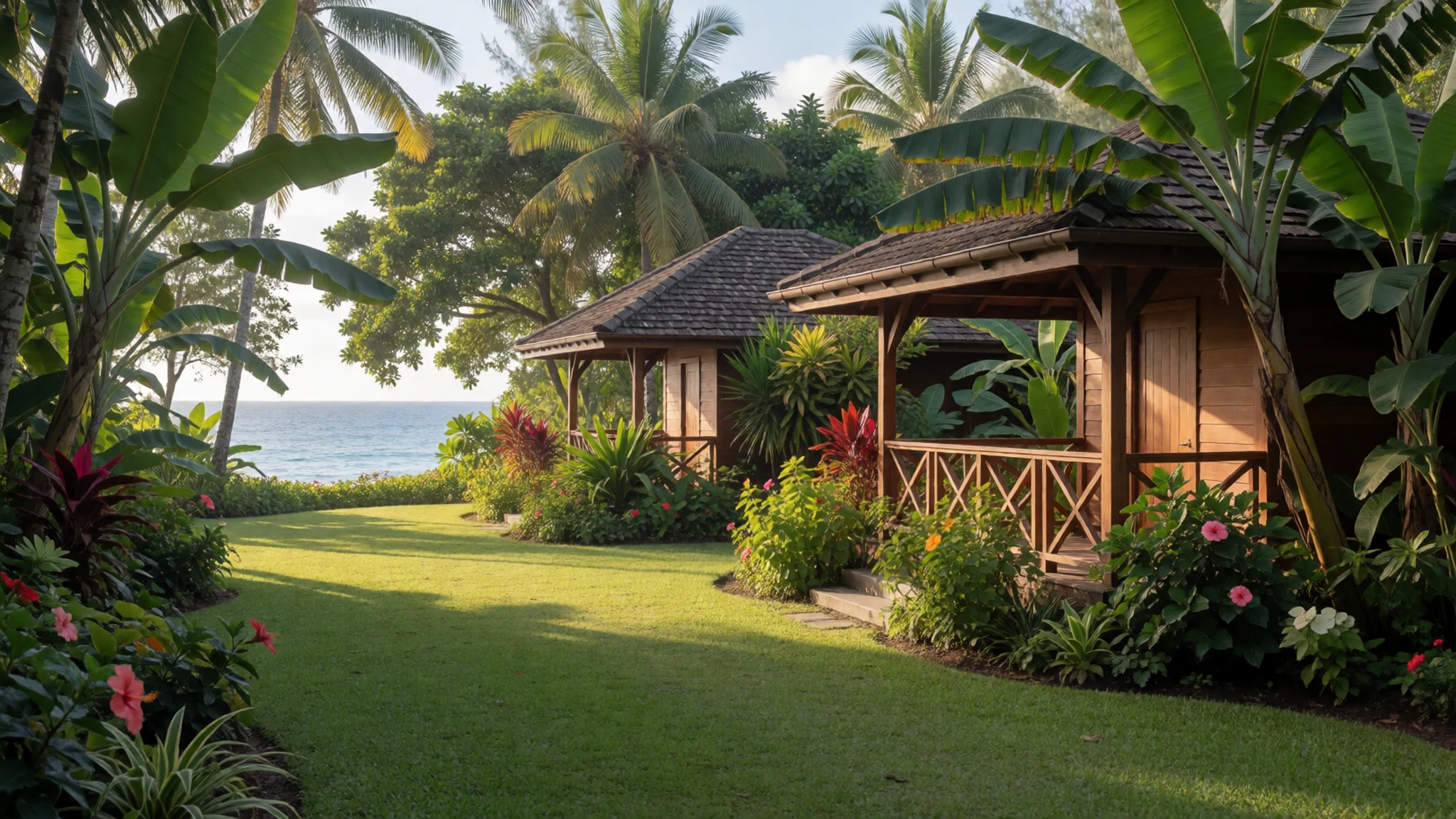
- Museum of Tahiti and her Islands — Tahiti, Papeete area
About 15 km from Papeete, this museum offers strong displays on Polynesian history, culture and ethnology. It is a good place to build context before you visit the marae on Raiatea. Anyone interested in anthropology will find it rewarding, and it fits neatly into a day in the Papeete area. Check the official site for current times and fees.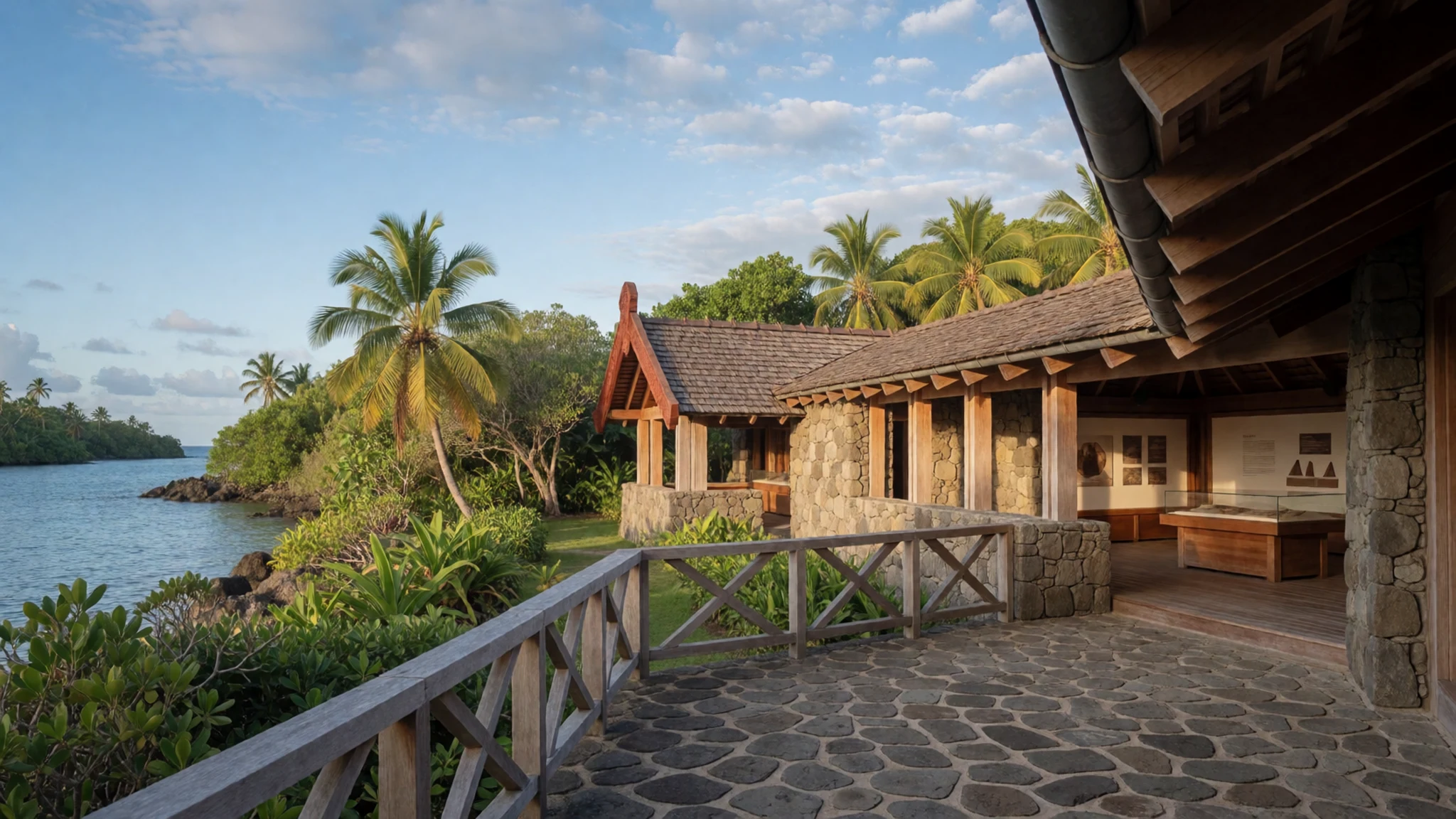
Culture
Taputapuātea is a religious site as well as a landmark. People here take pride in their islands and enjoy showing visitors how they live. Locals are relaxed and welcoming, and the outlook of aita pea pea, roughly "no worries", shapes daily life. Expect a slower pace, with conversations and services taking their time. Respect for land and sea matters: whale-watching and close approaches to marine mammals need official authorisation. At the marae, speak quietly, stay on the paths and do not climb on the stone platforms or move anything you find there. Ask before photographing people or ceremonies, and leave offerings exactly where they are.
What to wear
Traditional dress in French Polynesia centres on the pareu, a wrapped cloth worn by women and men in many ways and often printed with bold tropical patterns. Earlier textiles included tapa, a beaten bark cloth used for wrapping and ceremonial garments. Flowers and leaves were part of everyday adornment, and flower crowns and shell necklaces are still worn at festivals and celebrations.
At Taputapuātea and in the villages, people mostly wear ordinary clothes: T-shirts, shorts, dresses and sarongs, with closed shoes for town. Printed cotton pareu remain common and you will see them at church, at markets and at family events. Full traditional costume appears mainly at dance performances and cultural occasions rather than in daily life.
For a visit, dress for heat and humidity in light, breathable cotton or linen. Cover shoulders and knees when you visit the marae, churches or villages, and carry a light layer for either. Wear reef shoes or old sneakers for walking on coral and rocky shores. A pareu makes a practical beach wrap and a sun shield, and it is widely sold by local makers.
What to eat
- Poisson cru — Snack stalls and food trucks (roulottes) along the coast, where locals eat
Chunks of raw fish, usually tuna, softened in citrus juice and coconut cream, served chilled. It is the dish most visitors try first and one locals eat often at lunch. Ask for it fresh, eat it the same day, and pair it with a cold drink.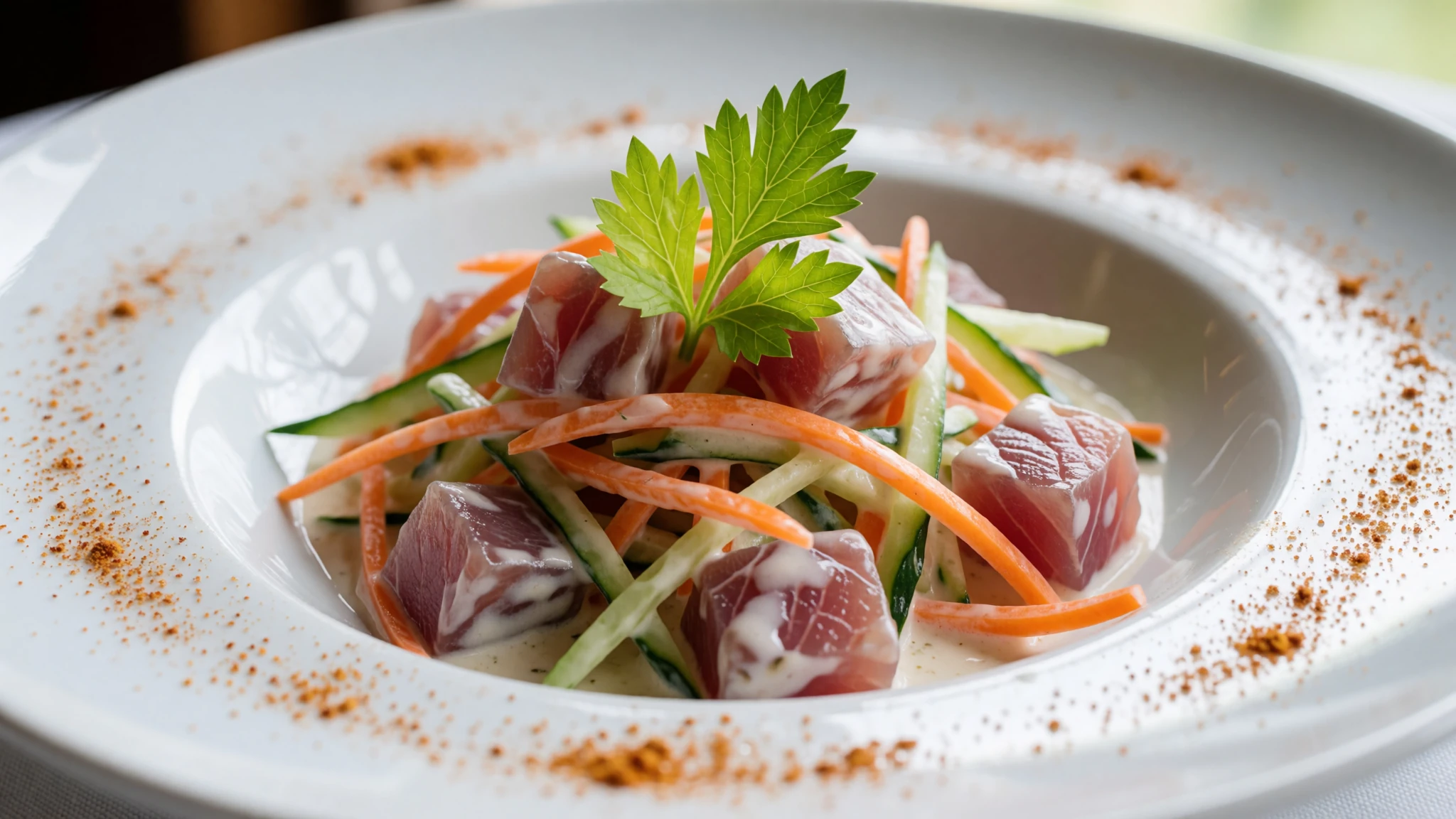
- Ma'a tinito — Small eateries and snack stalls in the main villages
A dish with Chinese roots, built from pork, kidney beans, Chinese cabbage and macaroni, reflecting the Asian strand in local cooking. It is hearty and filling, and it makes a good value lunch. It is a favourite with families, so you will often see it on home-style menus.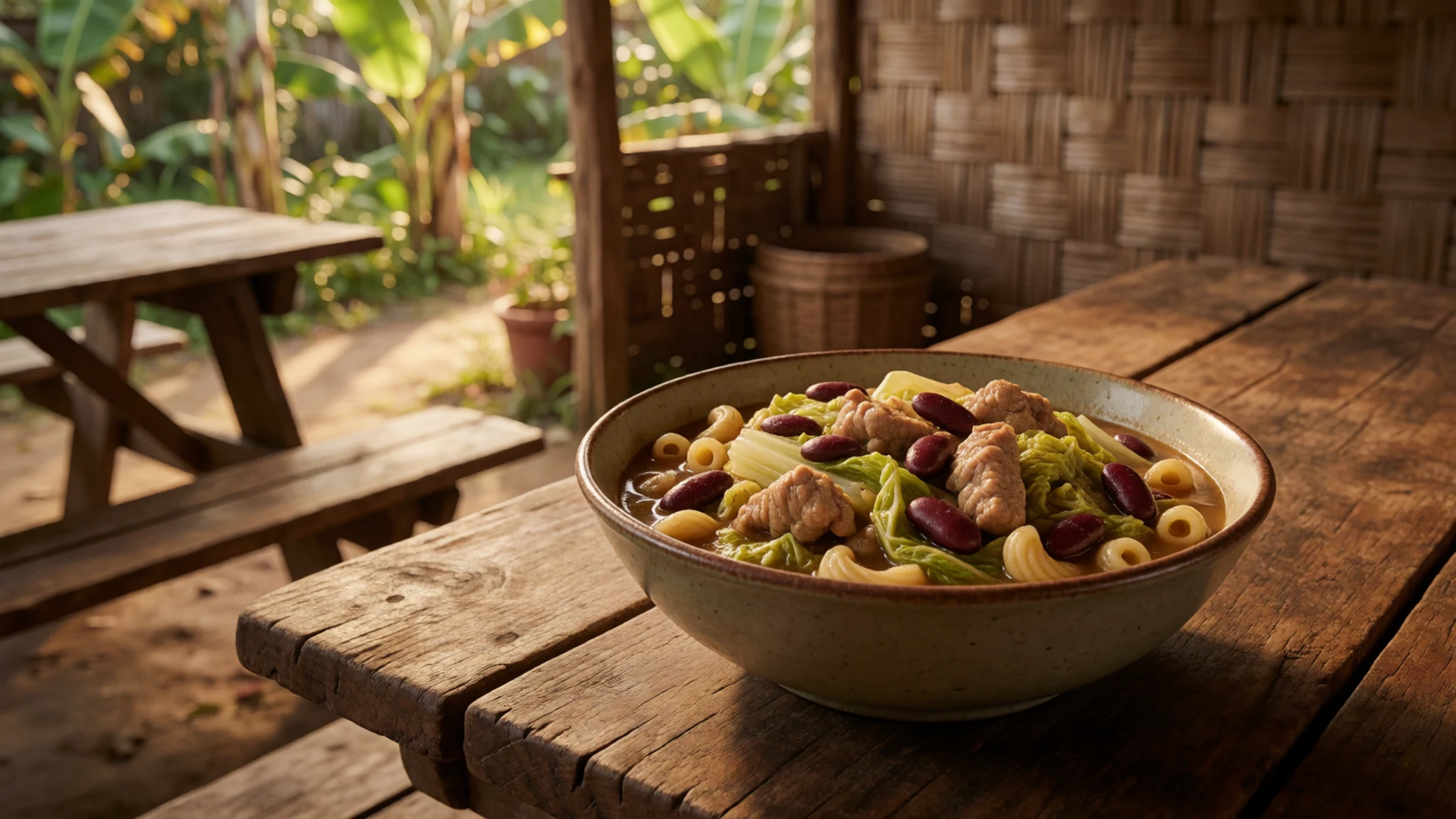
- Grilled fish — Food trucks and roadside grills at lunch or dinner
Mahi-mahi or tuna grilled over a fire and served simply with salad or rice. Fish of many kinds, from lagoon varieties to deep-water catches, is prepared roasted, boiled or raw across the islands. Eat it plain to appreciate the freshness.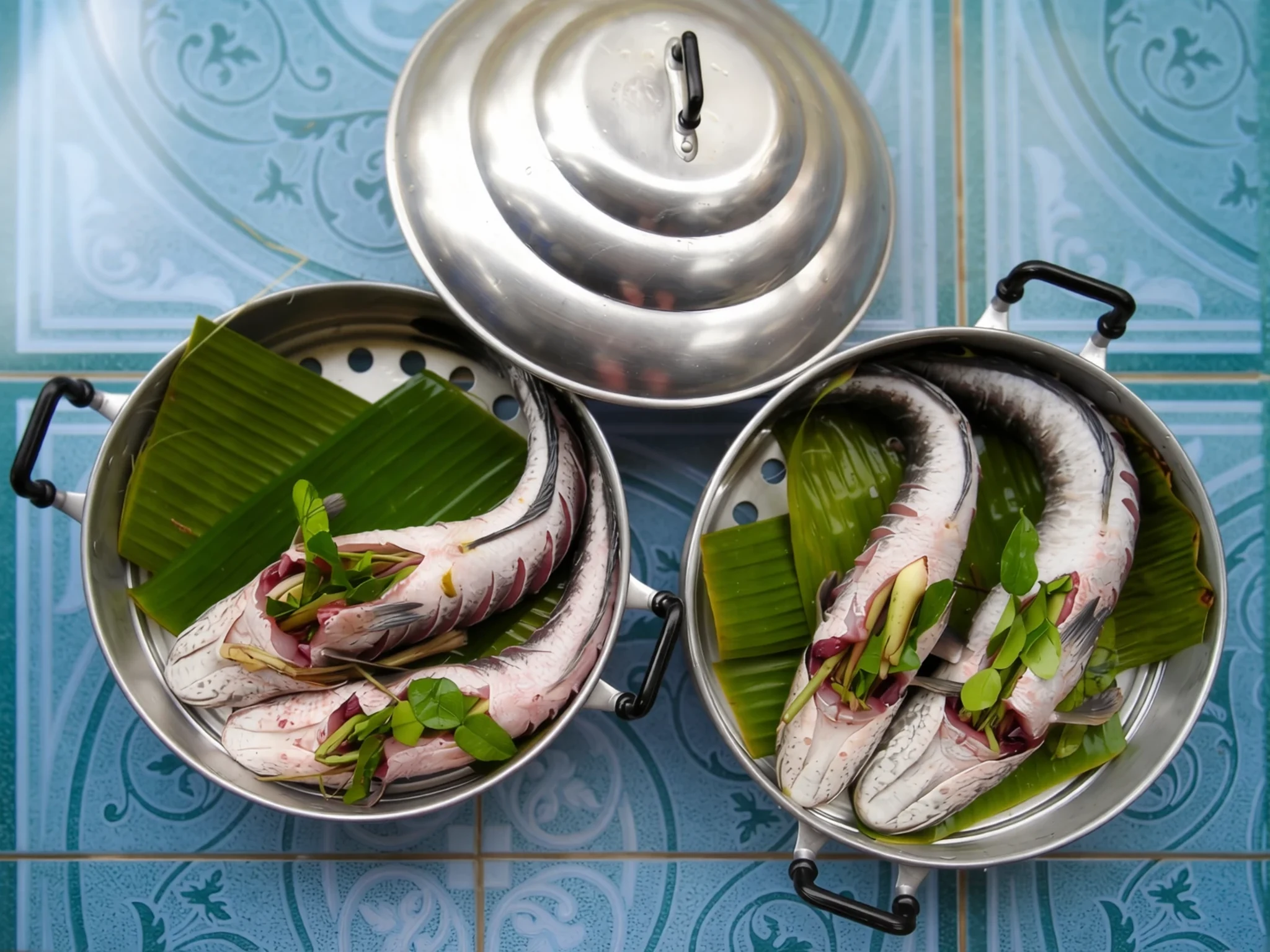
- Family feast in an earth oven — Family gatherings, and resort buffet evenings with dance shows
A celebration meal cooked in a pit: meat, fish and starchy vegetables wrapped in leaves and steamed over hot stones. It is the centrepiece of weddings and big family occasions, so you are more likely to be invited than to order one. Resort buffet nights often include a version with dance shows. - Fresh coconut and pineapple juice — Market stalls and fruit sellers along the roads
Crack open a green coconut and drink the water, or sip fresh pineapple juice, which is widely available in the islands. Both are cheap, cooling and an easy way to rehydrate in the heat. Bottled water is also easy to find, and wine is common thanks to the French connection.
Plan it
Best time. May to October is the drier, slightly cooler season and the most comfortable for walking and visiting the marae. November to April is warmer and more humid, and January can bring cyclonic storms.
How long. 2–3
Getting there. Fly into Papeete on Tahiti, then take an onward inter-island flight or ferry to Raiatea; check current schedules with the carriers and the commune's website.
Budget. mid
Tips
- Book inter-island transport early and confirm the return leg
- Visit the marae in the morning, when it is cooler
- Carry cash for snack stalls and food trucks, and use cards for larger places
- Bring water, sun cream and reef shoes for coral and rocky shores
- Add Tahiti's museums and Pointe Vénus if you have more time
Etiquette
- Keep your voice low and stay on marked paths at the marae
- Ask before photographing people or ceremonies
- Respect marine rules: close approaches to whales and marine mammals need authorisation
Nearby
Sources
- Wikidata Q1649742 (CC0)
- Wikipedia: Taputapuatea (CC BY-SA 4.0)
- Wikivoyage: French Polynesia (CC BY-SA 4.0)
- Marae, Raiatea (photo 01) (CC BY-SA 2.0)
- Taputapuatea (photo 02) (CC BY 3.0)
- Taputapuatea Commune (photo 03) (CC BY 3.0)


