Tanegashima
Tanegashima, Japan
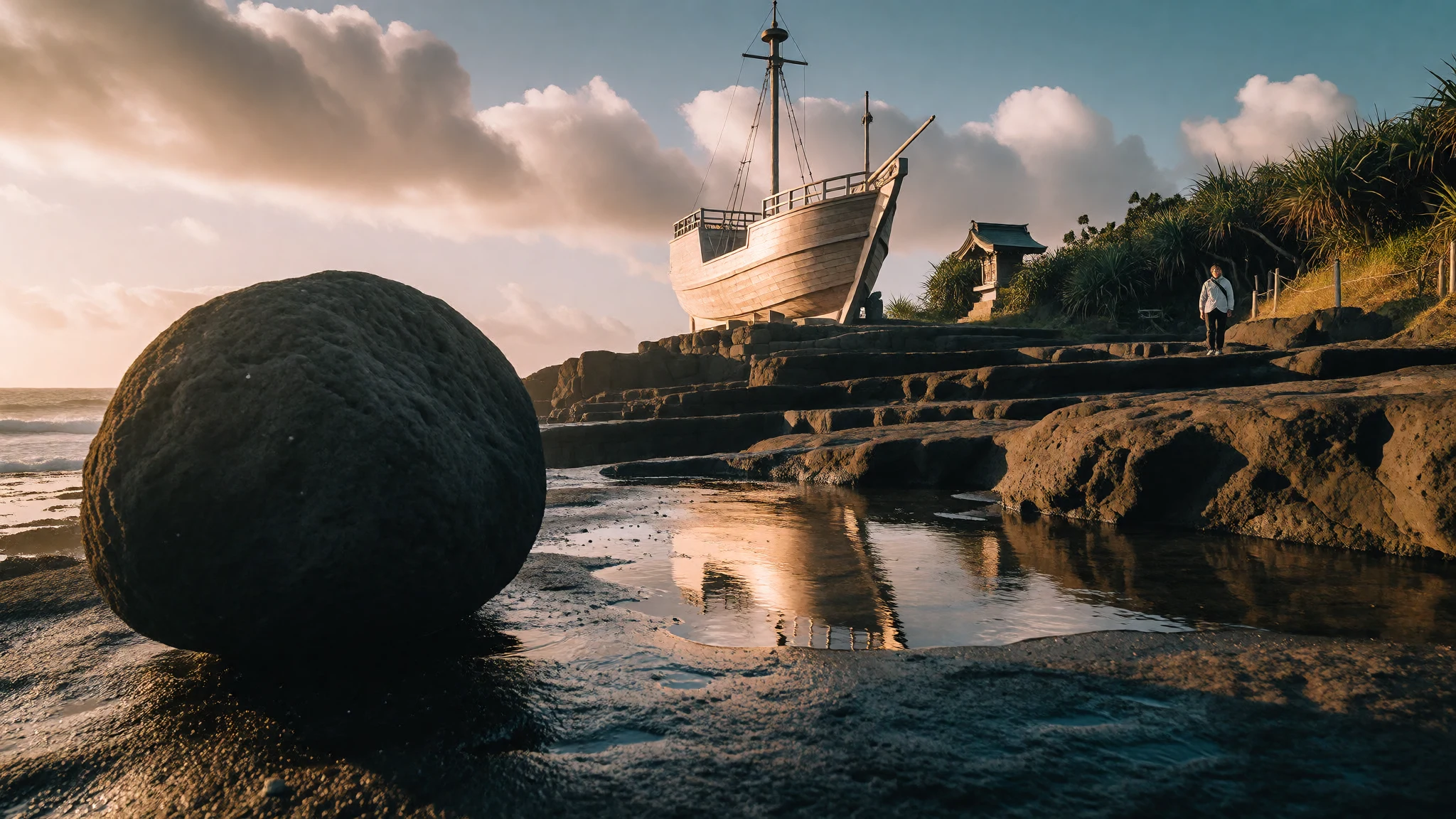
Tanegashima is a long, low subtropical island where Japan first met European guns and now watches rockets leave for orbit.
The place
Tanegashima is a long, narrow island off the southern tip of Kyushu, part of the Ōsumi group that belongs to Kagoshima Prefecture. About 36,000 people live here, mostly in three municipalities: the city of Nishinoomote and the towns of Nakatane and Minamitane. The island is volcanic in origin but reads as flat, a ridge of gentle farmland and forest that tops out at 282 metres. It looks nothing like the steep cedar mountains of neighbouring Yakushima across the strait. Roads run the length of it, past sugarcane, sweet potato fields and small harbour towns, with surf-pounded beaches on the exposed side and quieter coves elsewhere. The climate is humid subtropical: hot, sticky summers, mild winters, and rain spread through the year, heaviest around May, June and September. Together with Yakushima, the island is recognised by BirdLife International as an Important Bird Area, and the Ryukyu robin is one of the forest species that earns it that status. Most visitors arrive by jetfoil from Kagoshima or by air, and the island then sorts itself into two moods. One is the space side, with the JAXA spaceport on the south-east coast and viewing points scattered around its edge. The other is older and slower: shrines, a cape where history is said to have arrived by ship, fishing ports and surfers waiting on the swell. A hire car makes the island manageable, because public transport is thin and the sights are spread out. A day of driving can take in both moods without much hurrying.
Its story
Tanegashima's written history begins with courtesy calls from the mainland. Court chronicles record a banquet for islanders in 677 and several later missions, and by 702 the court had set up a Tane Province here, which was folded into Ōsumi Province in 824. Burial sites such as Yokomine and Hirota show that a distinct culture, with pendants and marked emblems, had flourished on the island long before. In the medieval period the island fell within the vast Shimazu estate. A branch of the Higo clan, sent as deputies, eventually made itself independent here and adopted the island's name. The Tanegashima clan ruled with real autonomy until the Shimazu unified southern Kyushu in the late sixteenth century. After that it served the Satsuma domain as a senior retainer and kept hold of the island until the Meiji restoration. What fixed the place in memory came in 1543, when a Portuguese party, with Mendes Pinto traditionally counted among them, reached the island and European firearms entered Japan. The weapons spread across the country, and for generations the word tanegashima was simply the Japanese term for an arquebus. Old prints picture the arrival, and a Portuguese commemorative coin marks it. Today the same island launches satellites, a coincidence that islanders and visitors both tend to notice.
What to see
- Space Museum, Tanegashima Space Centre — Minamitane, south-east coast
The Space Museum is the visitor entrance to JAXA's main spaceport, with exhibits on rockets and satellites and guided tours that need advance booking. It is closed on launch days, when the public is steered to marked viewing points around the perimeter. Check the official JAXA site before building a day around it.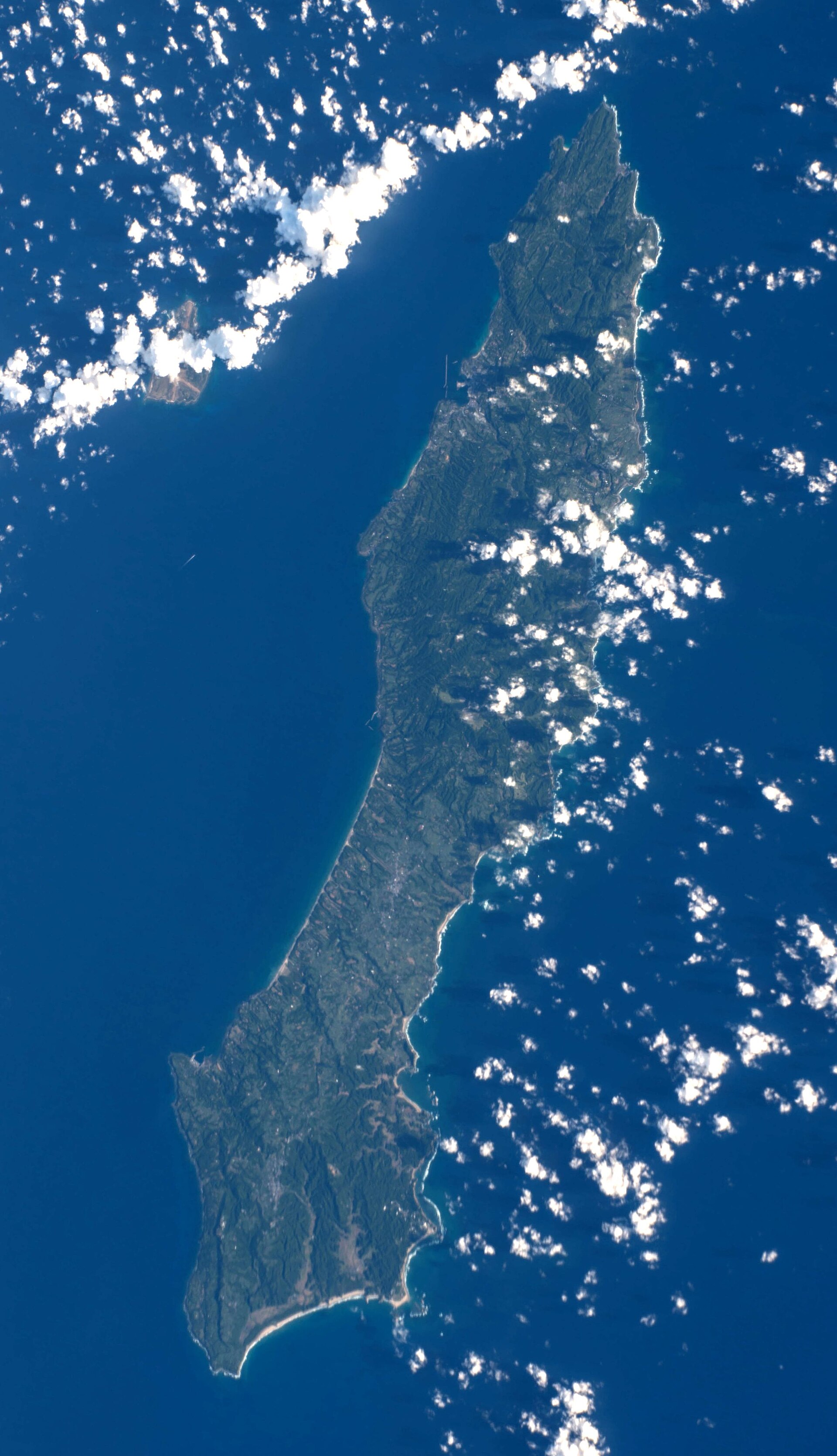
- Chikura Caverns — Nakatane, east coast
A pale sand beach backed by sea caves, which can be walked into only when the tide is low, so check tide times before setting out. There are picnic tables at the edge of the sand, plus a couple of food stands and drink machines. Weekdays outside summer are the quietest. - Takezaki Observation Stand and Beach — Minamitane
A raised platform looking across to the launch site, popular on launch days, followed by a long white beach beside it. Snorkelling is possible towards the eastern end when the sea is calm. Surf and currents can be strong, so read the conditions locally before swimming. - Cape Kadokura — Southern tip, Minamitane
A cape above the rocks and shoreline where the first European firearms are said to have come ashore in Japan. A lookout built to resemble an old sailing ship stands here, with a small shrine nearby. Free parking and toilets are beside the path, and the sea views are wide.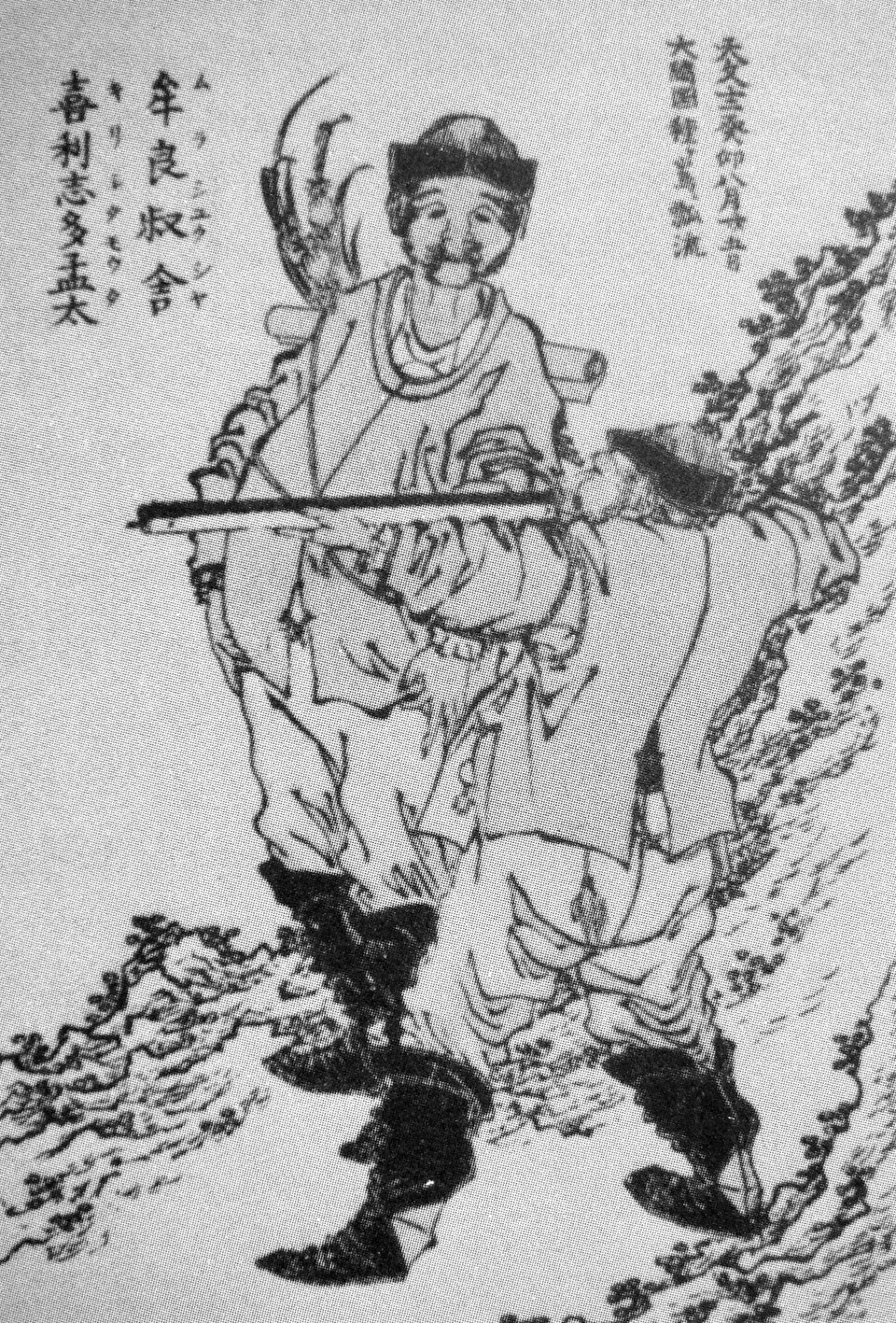
- Ebinoe Viewpoint Park — Minamitane, cliff-top
A clifftop park with an open outlook over the sea and a clear line towards the launch complex. It is also a good place for the morning sun or, away from town lights, for stars. Bring a windproof layer, since the headland is exposed.
Culture
Tanegashima's culture rests on two very different legacies. The first is the arquebus. The island's name became a common noun for firearms, and local pride in that moment shows up in museums, monuments and the way islanders explain themselves to outsiders. The second is the space programme. Rocket launches are followed with real interest here, and the spaceport shapes jobs, road closures and conversation in the south. Underneath both runs ordinary southern Japanese island life: Shinto shrines at headlands and in villages, fishing and farming calendars, and seasonal festivals in which neighbourhoods carry portable shrines and gather to eat together. The Tanegashima clan ruled for centuries, so older families and place names still carry its memory. Surfing has added a younger, outdoorsy layer, with small shops and guesthouses near the better breaks. People are friendly and unhurried, but this is not a polished resort destination, and many small businesses close early or on irregular days. Learning a few words of Japanese, and patience with limited English, goes a long way. Visitors who arrive curious about the guns, the rockets or the sea are usually met with a willingness to explain. On launch days, stay at the designated public viewing points and obey road closures rather than approaching the spaceport fences for a closer look.
What to wear
Tanegashima has no distinct island costume that visitors will see worn day to day. The traditional dress is the broader Japanese repertoire: kimono of silk for weddings and formal occasions, and cotton yukata, a light unlined robe, for summer festivals and fireworks. At festivals, carriers of portable shrines wear happi coats, short cotton jackets printed with the neighbourhood's name. Cotton, hemp and silk are the usual materials, chosen for the season. Everyday dress now is practical and casual. Farmers and fishers wear work clothes, hats and long sleeves against the sun, young people wear streetwear, and the surfing crowd lives in board shorts, rash vests and flip-flops. Office workers and spaceport staff dress in neat, plain clothes. A visitor should dress for heat, humidity and sudden rain. Light, quick-drying cotton or linen, a sun hat, sunscreen and a thin waterproof jacket cover most of the year, with a warmer layer for winter evenings and windy headlands. Sturdy sandals or trainers suit beaches and cliff paths, and reef shoes help at rocky shores and when snorkelling. Shrines have no strict dress code, but covered shoulders and knees are a courteous choice, and socks without holes help where shoes come off. Swimwear is for the beach only.
What to eat
- Sweet potato (satsuma-imo) — Roadside farm stands and the island's farmers' markets
Sweet potato is the island's signature crop, grown in the warm soil and eaten roasted, steamed, fried as tempura or turned into sweets. The flesh is dense and sugary. Roadside farm stands and local markets sell it fresh, and many cafés bake it into desserts. - Sweet potato shochu — Izakaya (Japanese pubs) in Nishinoomote and local liquor shops
Southern Kyushu is shochu country, and sweet potato spirit is the classic local drink. Izakaya serve it neat, with water, or on ice. Liquor shops stock island bottles and often let visitors ask for a recommendation. - Flying fish (tobiuo) — Harbour-town restaurants and fish counters
Flying fish turns up in southern Kyushu cooking as sashimi, grilled fish, fried cakes and in the stock of soup. Harbour-town restaurants and fish counters are the best bets, and menus vary by season and catch. - Brown sugar and sugarcane sweets — Souvenir counters and roadside shops
Sugarcane is grown on the island, and its dark sugar appears in small sweets, cakes and packaged gifts. Roadside shops and souvenir counters sell them, and they travel well. A good pairing with green tea. - Fresh seafood set meal (teishoku) — Everyday family restaurants near the ports
A set meal built around the day's catch, with rice, miso soup and pickles, is the most dependable lunch. Family restaurants near ports serve sashimi, grilled fish or tempura according to what the boats landed that morning.
Plan it
Best time. March–April and October–November, when it is warm but not oppressive and the sea is pleasant. May, June and September bring the heaviest rain, and summer is hot and humid; typhoons can disrupt ferries and flights in late summer and autumn.
How long. 2–3
Getting there. Fly to New Tanegashima Airport, or take a jetfoil or the slower car ferry from Kagoshima, which reaches Nishinoomote. Sailings are cancelled in rough seas, so keep a spare day. A hire car or taxi covers the last leg to the south.
Budget. mid
Tips
- Book the ferry or flight ahead, and check the operator's site for weather cancellations
- Hire a car early, since buses are sparse and sights are far apart
- Carry cash for small shops, stands and rural eateries
- Check JAXA's official site for launch dates, tour reservations and road closures
- Check tide times before visiting the sea caves at Chikura
Etiquette
- Stay at designated viewing points and obey road closures on launch days
- Remove shoes where a raised entrance or slippers are provided
- Take rubbish with you from beaches and viewpoints
Nearby
Sources
- Wikidata Q696228 (CC0)
- Wikipedia: Tanegashima (rev 1381139546) (CC BY-SA 4.0)
- Wikivoyage: Tanegashima (rev 5419493) (CC BY-SA 4.0)
- Photo: Tanegashima ISS048, NASA Johnson Space Center (Public domain)
- Photo: Tanegashima arquebus, PHGCOM (CC BY-SA 1.0)
- Photo: 200 escudos 1543-1993 Tanegashima (Public domain)
- Photo: First Guns and Westerners in Japan, Hokusai (Public domain)
- Photo: City of Nishinoomote, 20nana75 (CC BY 3.0)
- Photo: Tanegashima Godochosya, 20nana75 (CC BY 3.0)
- Photo: 20141029, Bokanmania (CC BY-SA 4.0)
- Photo: Town area of Nakatane, 20nana75 (CC BY 3.0)


