Taman Negara
Taman Negara, Malaysia
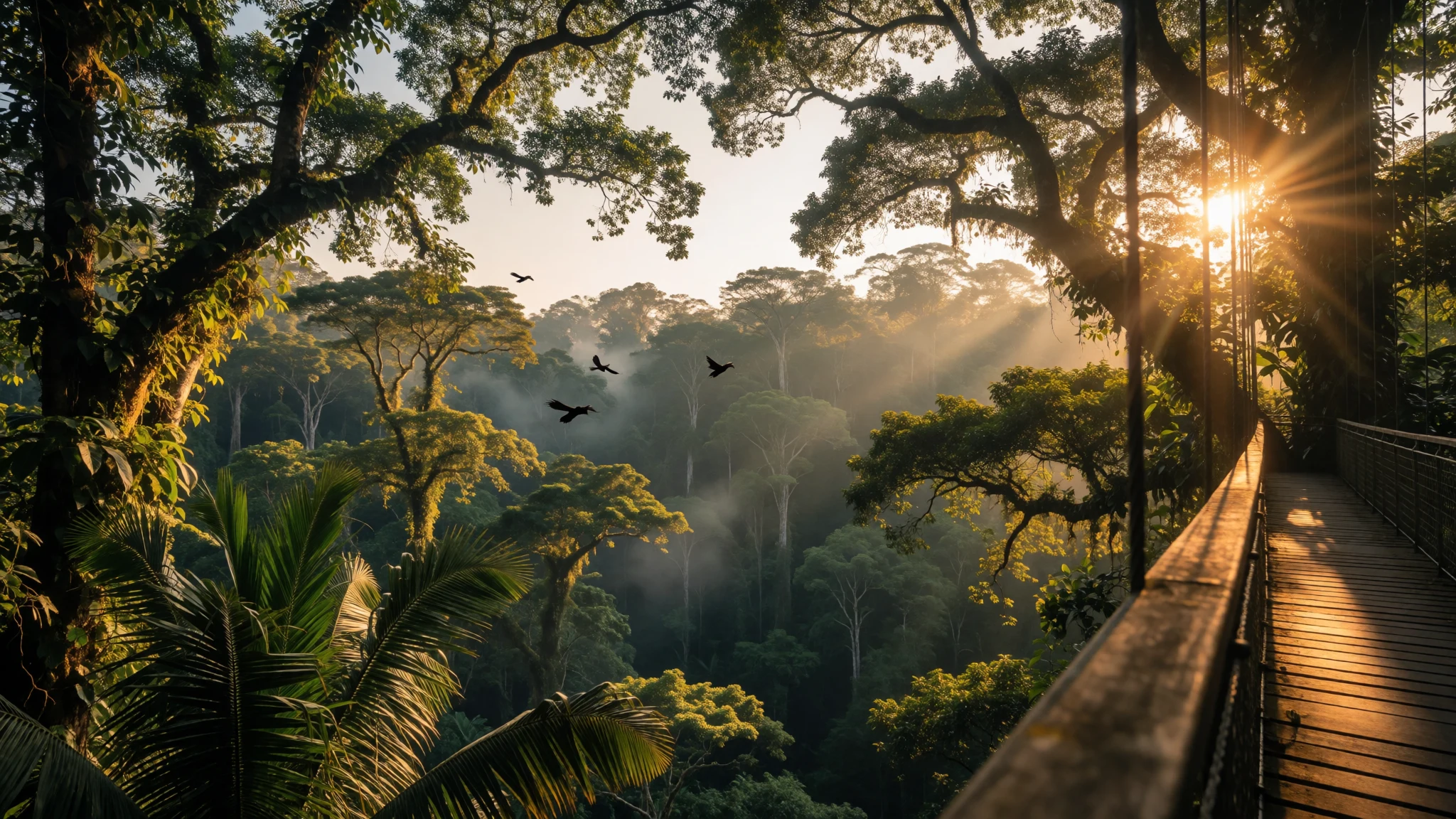
Taman Negara protects an ancient Malaysian rainforest where timber giant trees, jungle rivers, canopy bridges, and indigenous forest cultures meet.
The place
Taman Negara spreads across the dense interior of Peninsular Malaysia, covering a vast expanse of lowland and montane tropical forest across three states. Established in 1938, this protected area preserves an ancient ecosystem where colossal dipterocarp trees form a towering green umbrella high above the forest floor. Dark rivers wind through the jungle, serving as the main highways for wooden longboats that ferry travellers, conservationists, and forest residents between isolated riverbanks.
The park shelters extraordinary biodiversity, including wild Asian elephants, elusive Malayan tigers, hornbills, and tapirs. River systems such as the Tembeling and Tahan cut through steep sandstone gorges, creating quiet pools, rushing rapids, and gravel bars where wildlife gathers. Small settlements sit along the river edges, with Kuala Tahan acting as the primary gateway facing the primary jungle across the water.
Deep within the interior rises Mount Tahan, the highest peak in Peninsular Malaysia, surrounded by rugged ridges, orchid-laden mossy forests, and cavern networks. Indigenous Batek communities continue their semi-nomadic lifestyles within the boundaries, maintaining customary ties to the land under national park protections. Humidity remains high throughout the year, sustaining lush fern thickets, giant strangler figs, and night-blooming flowers that make this equatorial sanctuary one of the world's most complex living landscapes.
Its story
Taman Negara owes its creation to early twentieth-century conservation efforts led by advocate Theodore Hubback, who lobbied local rulers across Pahang, Terengganu, and Kelantan. Their negotiations culminated in matching state enactments between 1938 and 1939, forming what was originally named King George V National Park. Following Malaysia's independence, the reserve was renamed Taman Negara, literally meaning national park in the Malay language.
The reserve was designed to safeguard both the natural heritage of the Malay Peninsula and the ancestral habitats of its indigenous peoples. For thousands of years, Orang Asli communities, particularly the nomadic Batek people, inhabited these forest valleys, harvesting wild tubers, gathering resins, and hunting with blowpipes without clearing the ancient canopy. The founding statutes formally recognised these customary foraging and residency rights, establishing an early model for community-inclusive nature reserves in Southeast Asia.
Over the decades, logging pressure and agricultural expansion transformed much of the surrounding peninsula into palm plantations, turning the park into a critical refugium for endangered megafauna. Mount Tahan also attracted early botanical expeditions, mapping rare orchids and endemic species found nowhere else. Today, the park represents a vital balance between scientific research, indigenous sovereignty, and ecological preservation, standing as a living monument to early conservation vision in tropical Asia.
What to see
- Canopy Walkway — Kuala Tahan forest canopy
Suspended high above the rainforest floor, this long network of narrow suspension bridges spans between giant trees. Walking along the narrow planks offers a bird's-eye view of the multi-layered jungle canopy, delicate epiphytes, and passing canopy birds, providing a rare perspective on life forty metres above the ground.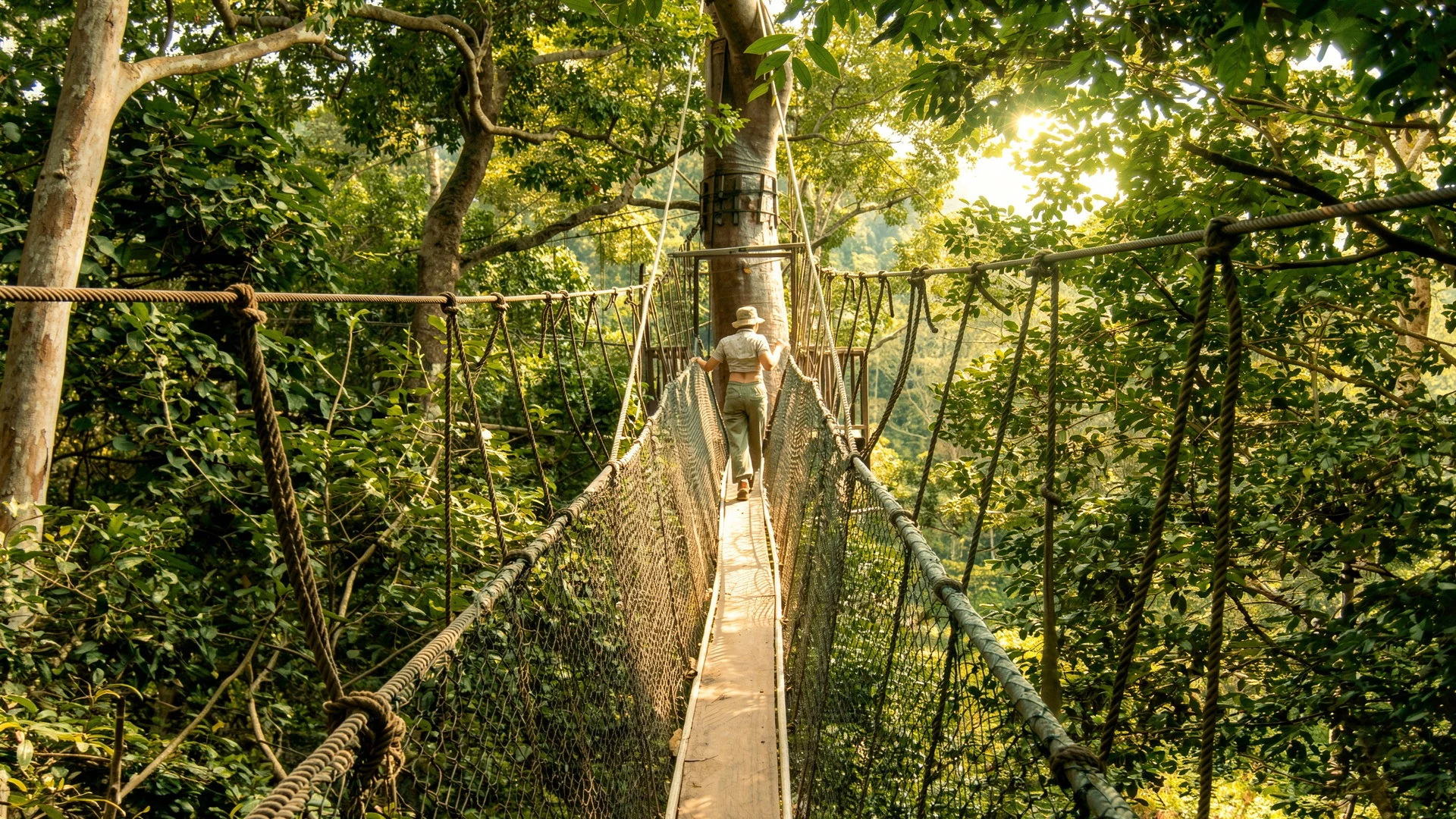
- Lata Berkoh Rapids — Sungai Tahan upstream
Reached by a scenic wooden boat journey along the narrow Tahan River, Lata Berkoh features cascading river rapids tumbling over dark river rocks. Visitors can swim in the cool, tea-coloured forest pools near the riverbank, though heavy currents require caution when wading into the deeper natural pools.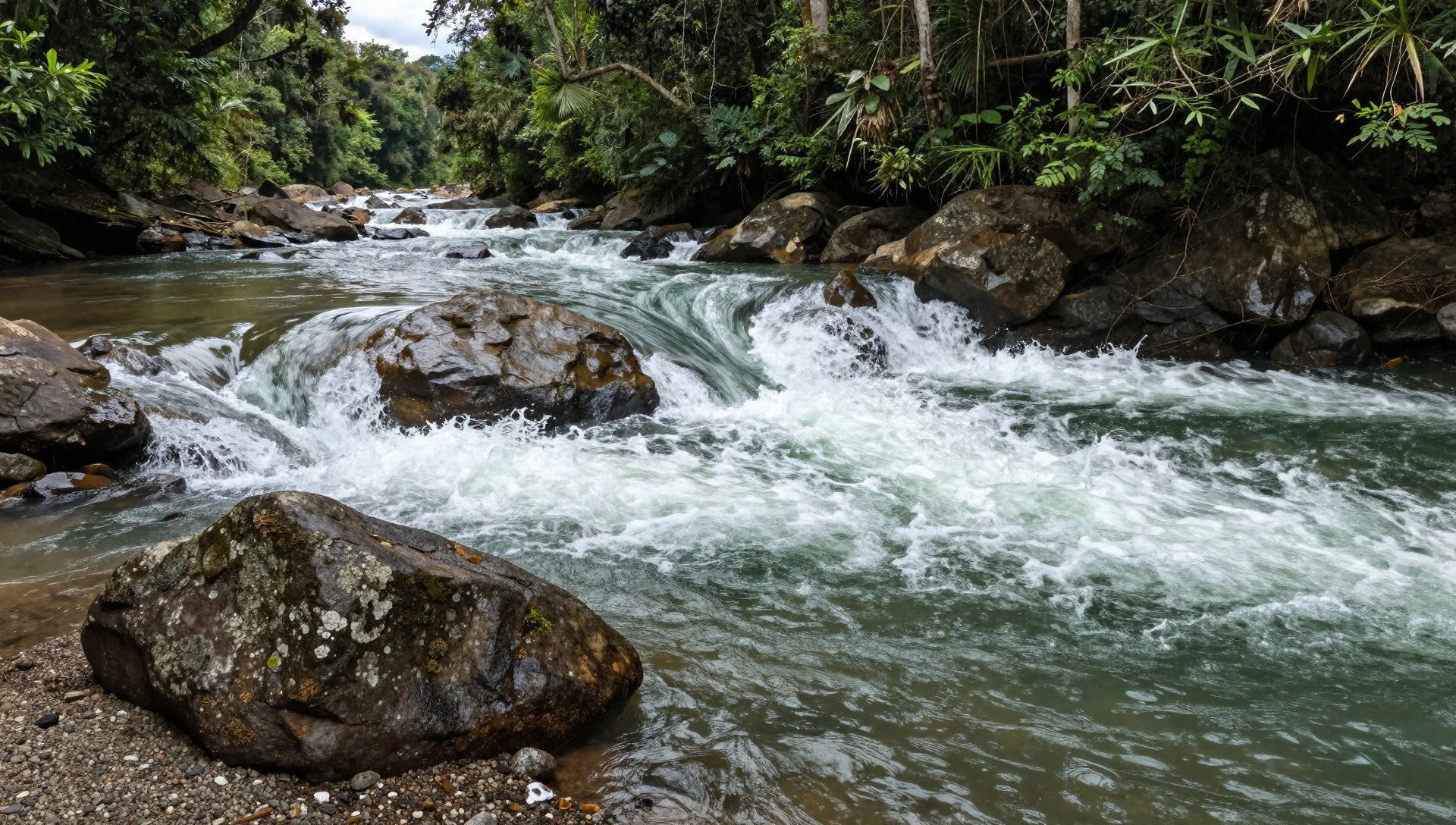
- Bukit Teresek — Kuala Tahan trail network
This prominent hill offers a moderate forest trek starting from the park headquarters. The trail winds through dense jungle foliage before climbing sharply via tree roots and guide ropes to reach scenic ridge viewpoints overlooking the vast jungle canopy and the distant summit of Mount Tahan.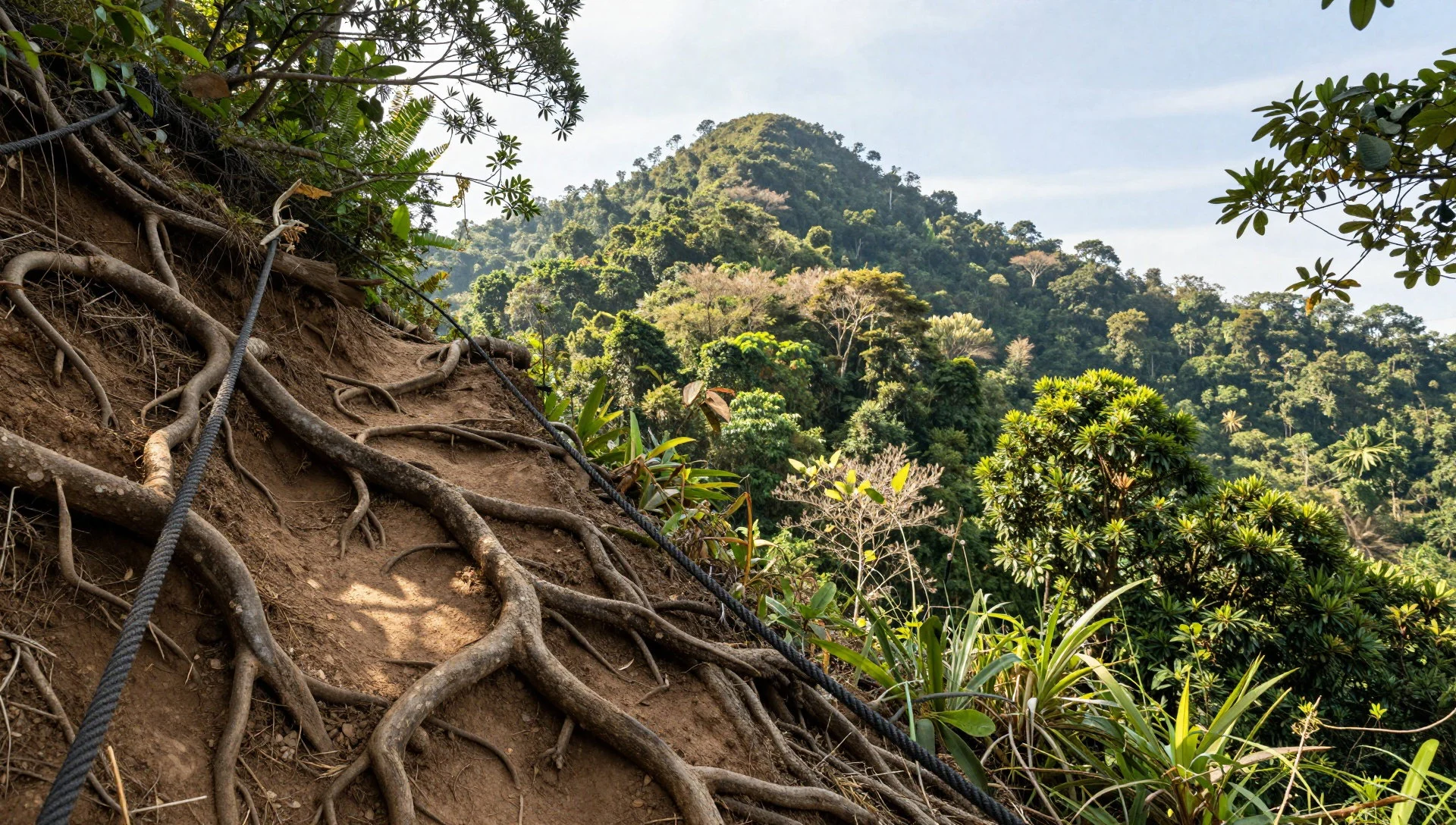
- Night Walking Safari — Kuala Tahan forest outskirts
Guided night walks depart from the ranger headquarters after dusk, revealing a subterranean world of nocturnal creatures. Equipped with torches, walkers spot glow-in-the-dark fungi, sleeping birds, stick insects, spiders, and night-blooming flowers that remain hidden during the heat of the humid tropical day.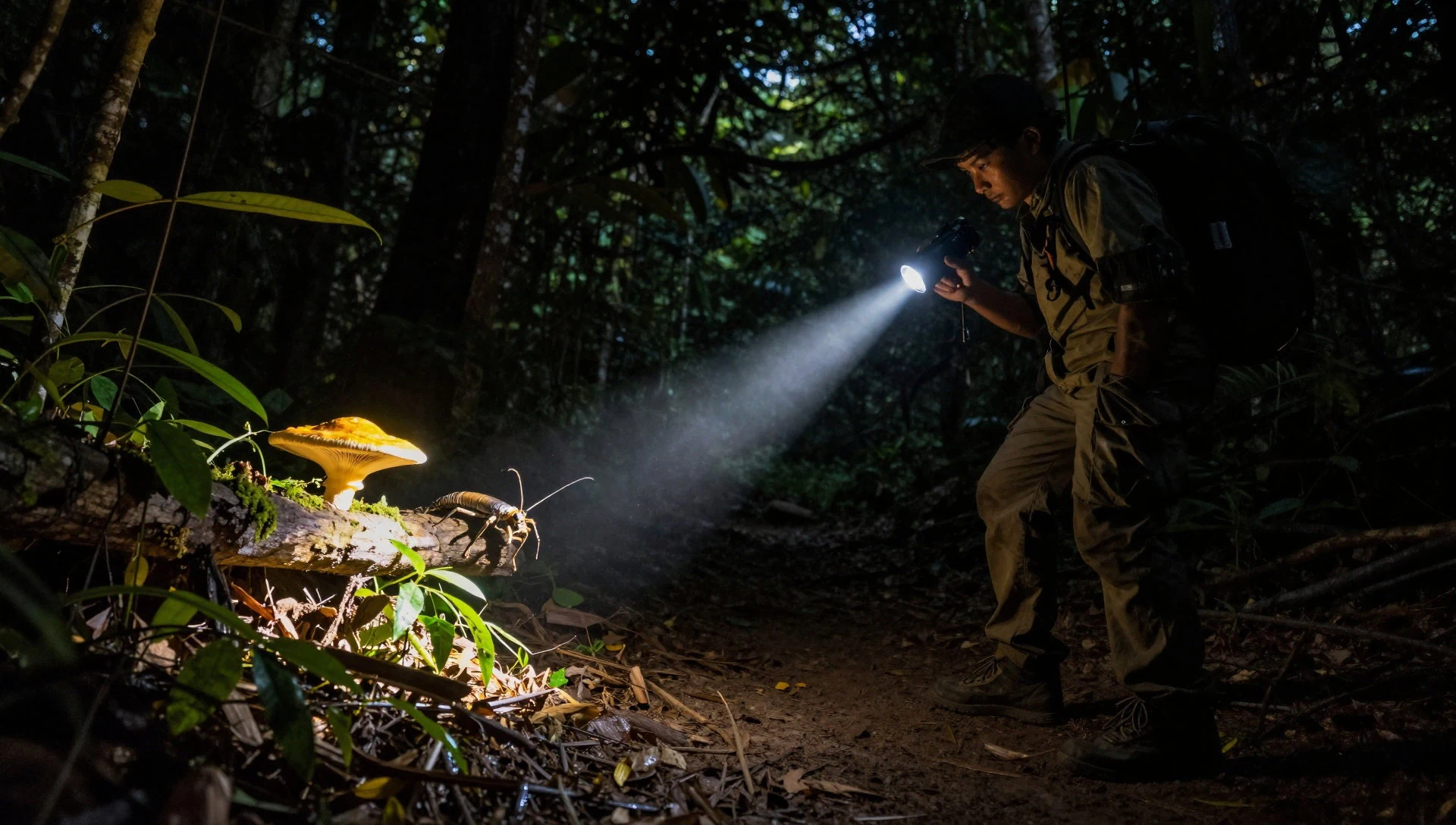
- Batek Indigenous Settlements — Sungai Tembeling riverbanks
Accessible by riverboats along the Tembeling River, small temporary settlements offer visitors an insight into the traditional nomadic lifestyle of the Batek people. Local guides explain customary rainforest survival skills, traditional blowpipe hunting techniques, and fire-making methods used in the forest.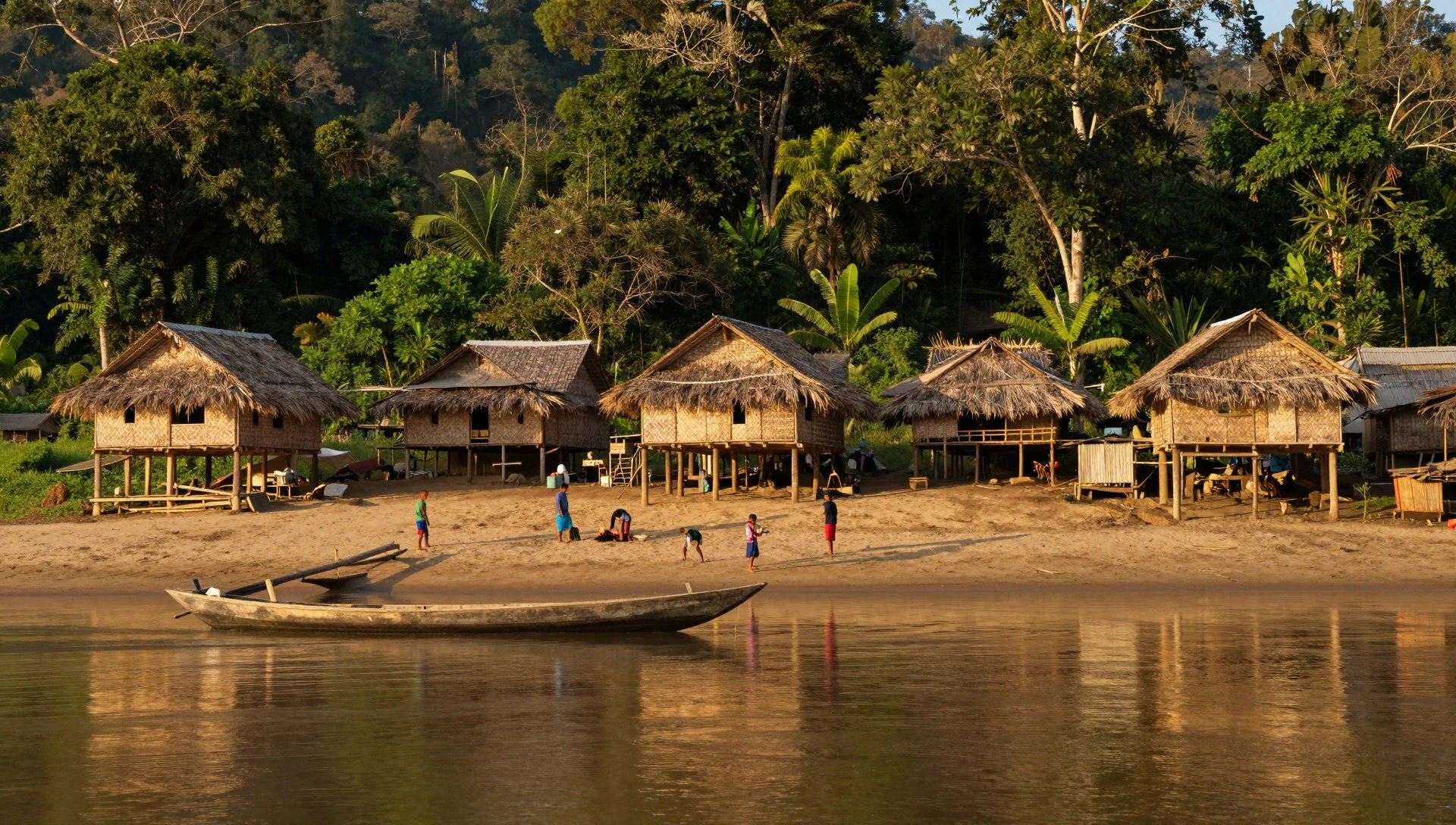
- Tahan Wildlife Observation Hide — Bumbun Tahan near headquarters
Positioned beside a natural mineral salt lick near Kuala Tahan, this elevated wooden observation hide allows quiet wilderness viewing. Visitors who stay overnight may spot deer, wild boars, tapirs, and nocturnal mammals coming down to drink and lick minerals under the moonlight.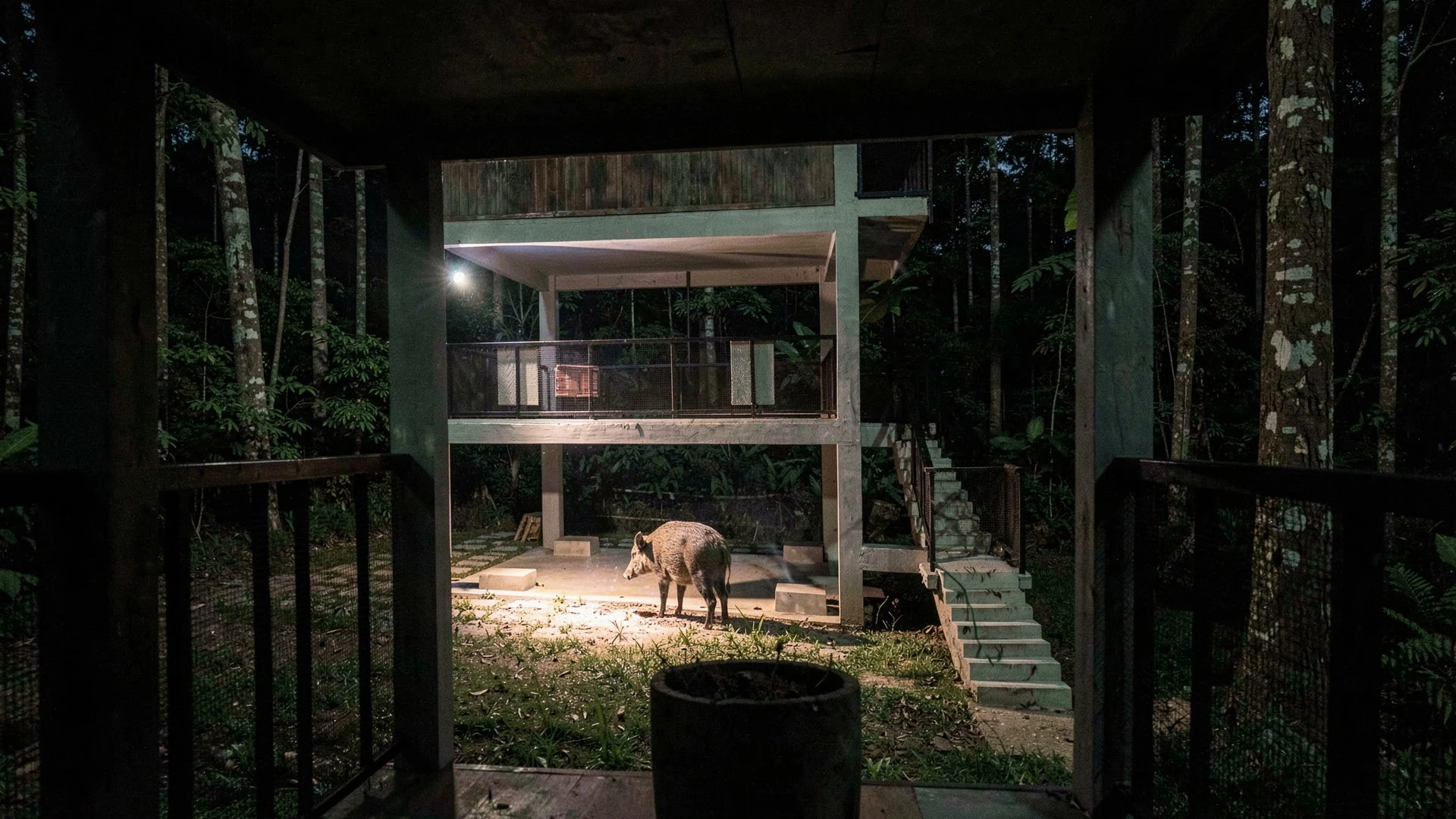
Culture
Culture around Taman Negara reflects a harmonious blend of rural Malay traditions and the ancient customs of indigenous Orang Asli groups. In the river village of Kuala Tahan, daily life revolves around the water and Islam. Villagers observe daily prayers, maintain alcohol-free public spaces, and operate family-run floating eateries that serve local home-cooked meals to travellers and rangers alike. Hospitality is warm yet soft-spoken, with community life shaped by the rhythm of the rivers and changing jungle seasons.
Across the surrounding forests, the nomadic Batek people maintain a deep spiritual and practical connection to the land. Their culture relies on shared forest resources, traditional blowpipe hunting, and extensive ethnobotanical knowledge passed down through generations. Rather than permanent structures, traditional shelters are built light and temporary, reflecting a belief in living lightly within the rainforest. Visitors interacting with local guides or visiting indigenous villages are expected to respect local customs and quiet lifestyles. Always request permission before taking photos of Orang Asli residents or entering their village shelters.
What to wear
In Taman Negara, traditional attire reflects the tropical climate and cultural heritage of Peninsular Malaysia's interior. Malay villagers in Kuala Tahan wear lightweight cotton sarongs, loose-fitting baju kurung tunics for women, and baju Melayu shirts paired with trousers for men, often crafted from breathable cotton or traditional woven textiles. Indigenous Batek people historically wore minimal garments made from beaten tree bark, though today lightweight modern cotton clothing is standard for daily forest foraging.
Modern residents in the village wear practical relaxed clothing, including t-shirts, track trousers, and slip-on footwear suitable for humid riverbank living. Modest coverage remains standard in the village out of respect for local Muslim norms.
For visitors trekking through Taman Negara, fast-drying synthetic shirts, lightweight long trousers, and high-cut socks are essential protection against jungle thorns and leeches. Sturdy, broken-in hiking boots or quick-draining rubber jungle shoes are recommended for slippery trails and boat crossings, while a lightweight rain poncho and dry bags protect gear from sudden tropical downpours.
What to eat
- Kaya Toast — Floating river cafes in Kuala Tahan
A popular breakfast staple served on floating river cafes, featuring thick toasted bread spread with rich coconut and egg jam. Enjoyed alongside hot coffee or sweet milk tea before setting out on morning river trips.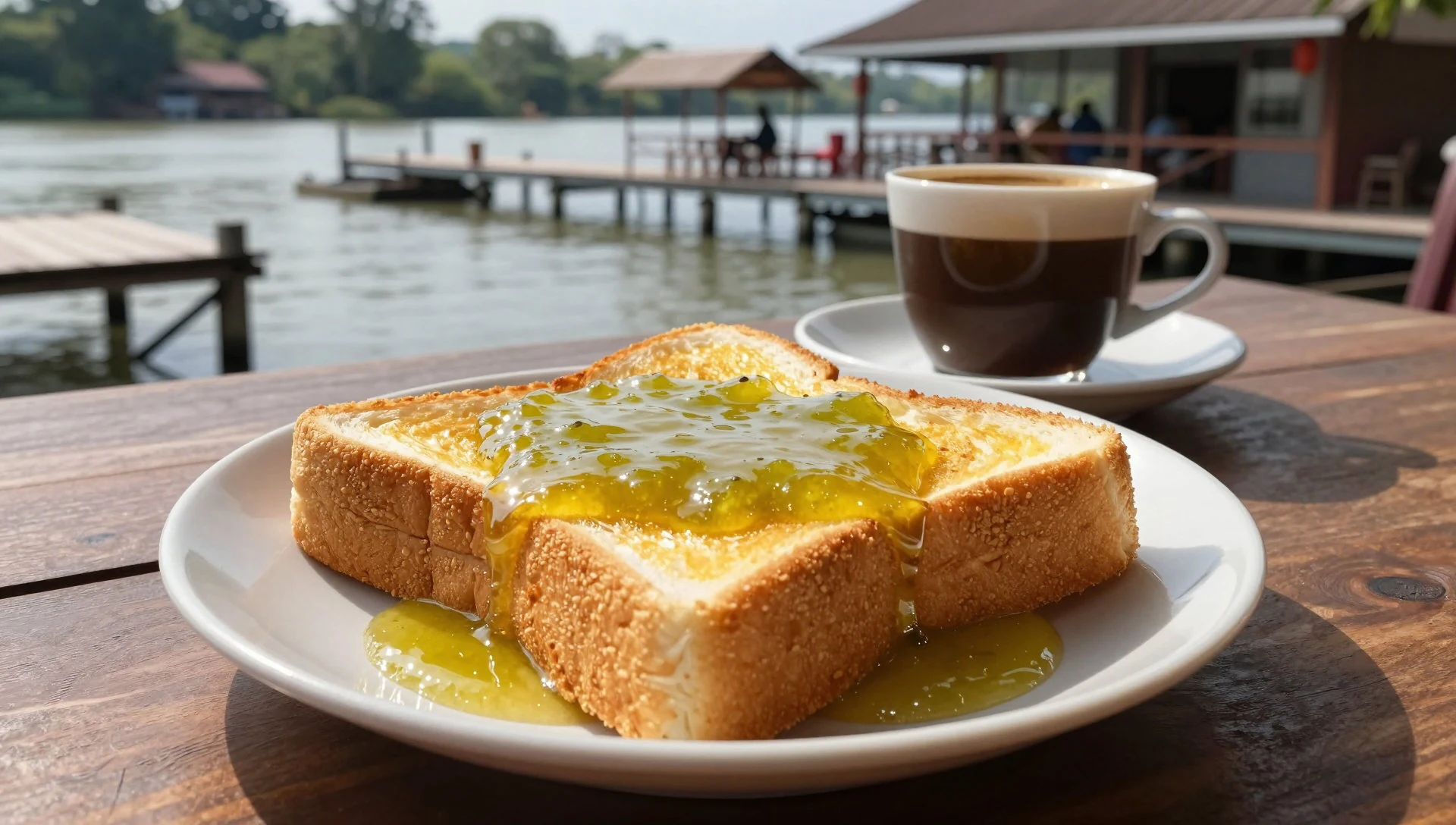
- Roti Canai — Main street eateries in Kuala Tahan village
Flaky, pan-fried flatbread cooked fresh at village food stalls in the morning. Served warm alongside a small bowl of aromatic dhal curry or spicy sambal, offering a filling start to a day of forest trekking.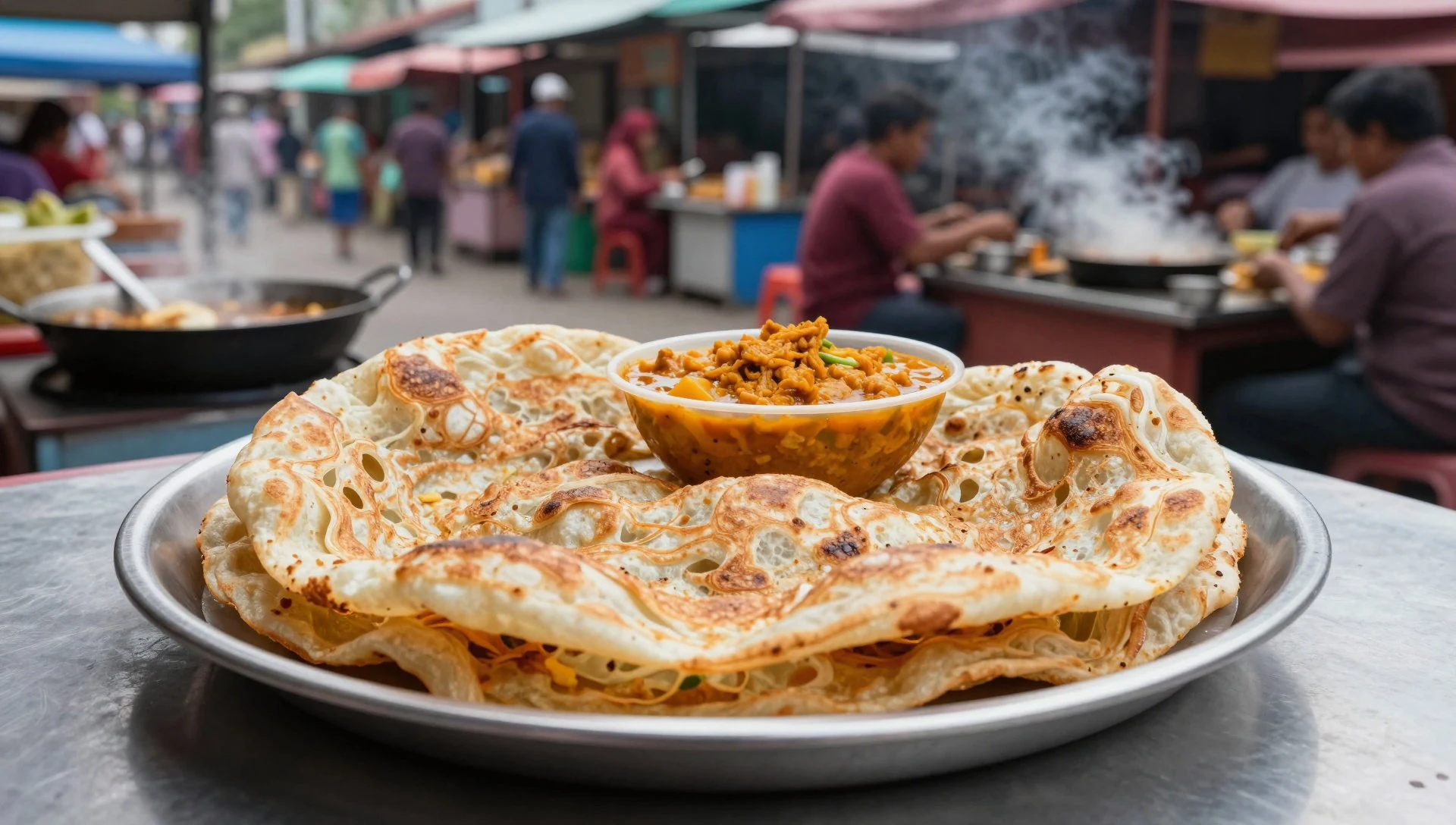
- Rujak — Afternoon street stalls in Kuala Tahan
A refreshing Malaysian fruit and vegetable salad tossed in a thick, tangy palm sugar and peanut dressing. Freshly sliced cucumbers, turnip, and pineapple provide a cool, spicy contrast to afternoon rainforest heat. - Steamed Kelah Fish — Riverside dining spots along the Tembeling River
Highly prized local river fish known for its sweet, delicate flesh. Freshly caught from clean mountain rivers, it is traditionally prepared whole, gently steamed with ginger, soy sauce, and scallions to highlight its natural flavour. - Nasi Goreng — Floating eateries and village cafes in Kuala Tahan
Fragrant Malay fried rice cooked with local spices, vegetables, and chicken or seafood, topped with a fried egg. Available throughout the day across village cafes, it provides a hearty, reliable option for hungry hikers.
Plan it
Best time. February to September offers drier weather and easier trail conditions; November to January brings heavy monsoon rains that can flood river levels.
How long. 3–4
Getting there. Bus or train from Kuala Lumpur to Jerantut, followed by a short taxi to Kuala Tembeling jetty, then a scenic two-to-three-hour wooden boat ride to Kuala Tahan.
Budget. low
Tips
- Book river boats and park permits at least a week in advance during peak dry season
- Wear high leech socks and tuck trousers in when trekking wet forest trails
- Carry sufficient cash as there are no ATMs across the river in Kuala Tahan
- Bring dry bags and waterproof covers for camera gear during boat journeys
Etiquette
- Dress modestly when walking through the Muslim village of Kuala Tahan
- Always ask permission before filming or taking photos of Orang Asli villagers
- Pack out all litter and plastic bottles from jungle trails and observation hides
Nearby
Sources
- Wikidata Q728141 (CC0)
- Wikipedia (rev 1381960445) (CC BY-SA 4.0)
- Wikivoyage (rev 5272506) (CC BY-SA 4.0)
- Photo photos/01-taman-negara-malaysia-panoramic-view-2.jpg (CC BY 4.0)
- Photo photos/02-taman-negara-sungai-tembeling.jpg (CC BY 3.0)
- Photo photos/03-taman-negara.jpg (CC BY 3.0)
- Photo photos/04-taman-negara-30509997143.jpg (CC BY 2.5)
- Photo photos/05-taman-negara-malaysia-canopy-walkway.jpg (CC BY 4.0)
- Photo photos/06-taman-negara-entrance.jpg (CC BY 3.0)
- Photo photos/07-bumbun-tahan-tahan-hide.jpg (CC BY 4.0)
- Photo photos/08-fishing-on-tembeling-river-taman-negara-malaysia.jpg (CC BY 4.0)


