Talampaya National Park
Talampaya National Park, Argentina
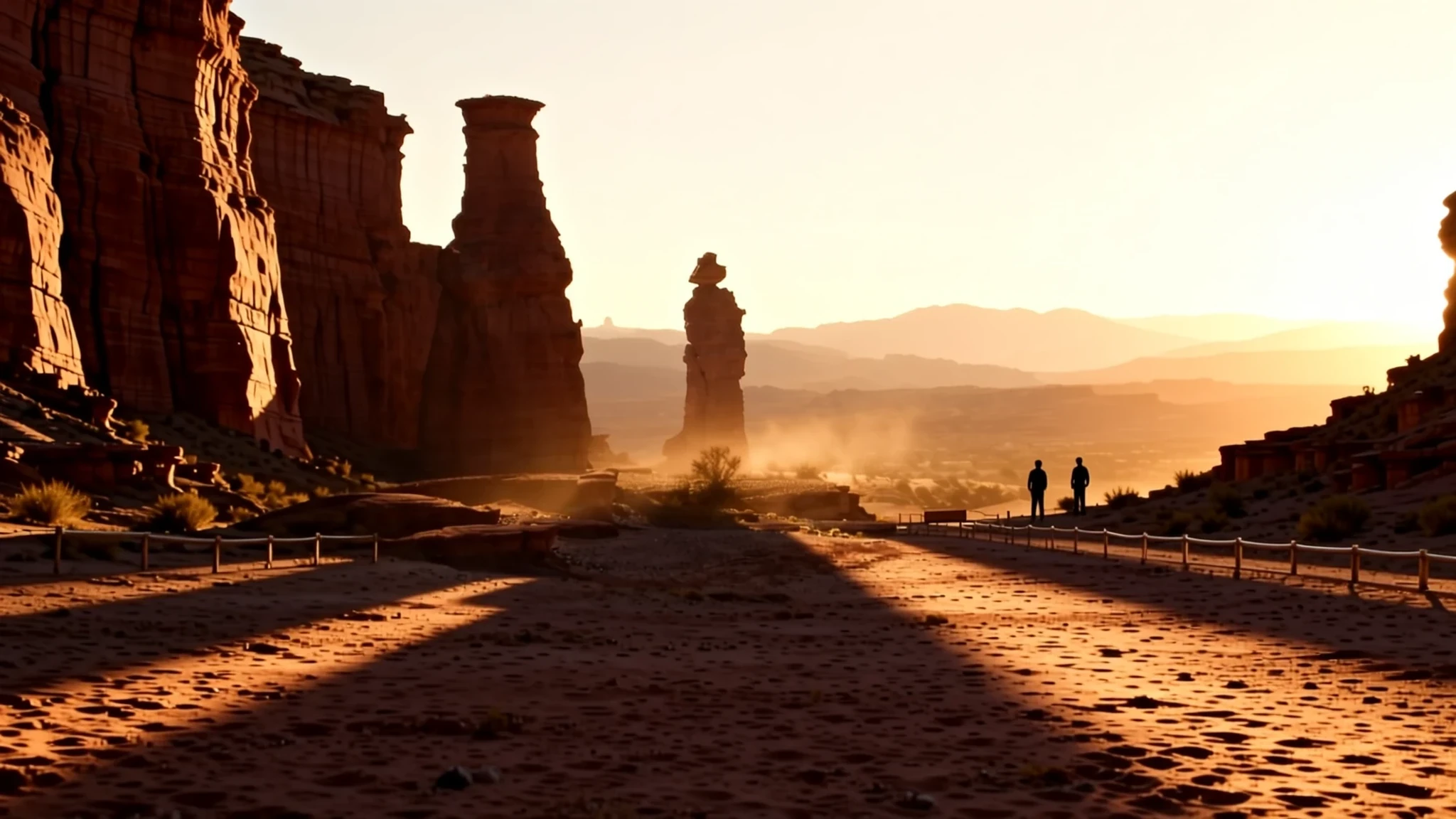
Talampaya is a gorge of red rock walls up to 143 metres high, set in a desert basin in La Rioja, Argentina.
The place
Talampaya National Park sits in the east and centre of La Rioja Province, in western Argentina. Roughly 2,150 square kilometres of land are protected here, sitting about 1,500 metres above the sea. The park lies in a basin between Cerro Los Colorados to the west and the Sierra de Sañagasta to the east. Its best-known feature is the gorge, whose walls climb to 143 metres and look intensely red in the sun. Water and wind have shaped the rock in a desert where days are hot, nights turn cold, summer rain can be torrential and spring winds are strong. The vegetation belongs to the High Monte, a dry scrubland ecoregion, and rheas and other animals of the mountain biome share the ground. The park exists to protect important archaeological and palaeontological sites as well as its scenery. To the south it borders Ischigualasto Provincial Park in San Juan Province, a separate protected area. The park was designated a provincial reserve in 1975, became a national park in 1997 and was named a UNESCO World Heritage Site in 2000. Visits are organised as tours, which run from La Rioja city and from Villa Unión, and the tours are the practical way to see the gorge.
Its story
The story of Talampaya begins long before anyone drew a boundary around it. The rock that forms the gorge rose roughly 250 million years ago, and the desert has been sculpting it ever since. Rain is rare but heavy, and when it falls it runs off the bare slopes in sudden floods. Wind does the slower work, wearing away softer bands and leaving harder ones standing as walls and ledges. Over time that combination produced a canyon whose colours change from layer to layer. People have passed through this country for a very long time as well, and their traces survive in shelters and on rock faces. This is one reason the park was created: to keep its archaeological material safe for study. Its fossil record gives it a second scientific importance, since palaeontologists value the layers for what they hold. The area became a provincial reserve in 1975, which gave it legal protection at the regional level. It was made a national park in 1997, bringing it under national management. In 2000 UNESCO recognised it as a World Heritage Site, adding international attention to a place that had long been protected. Today the park is run as a place to visit and to study, and the guided tours that enter the gorge are how most people now meet its layers and its history.
What to see
- The canyon walls — Talampaya gorge
The gorge is the reason to come. Its walls rise up to 143 metres, and the rock is banded in red and paler layers that record how the sediment built up and was later exposed. Early morning and late afternoon bring the strongest colour, and low sun makes the bands easier to read. Walk slowly beside the walls rather than rushing the view.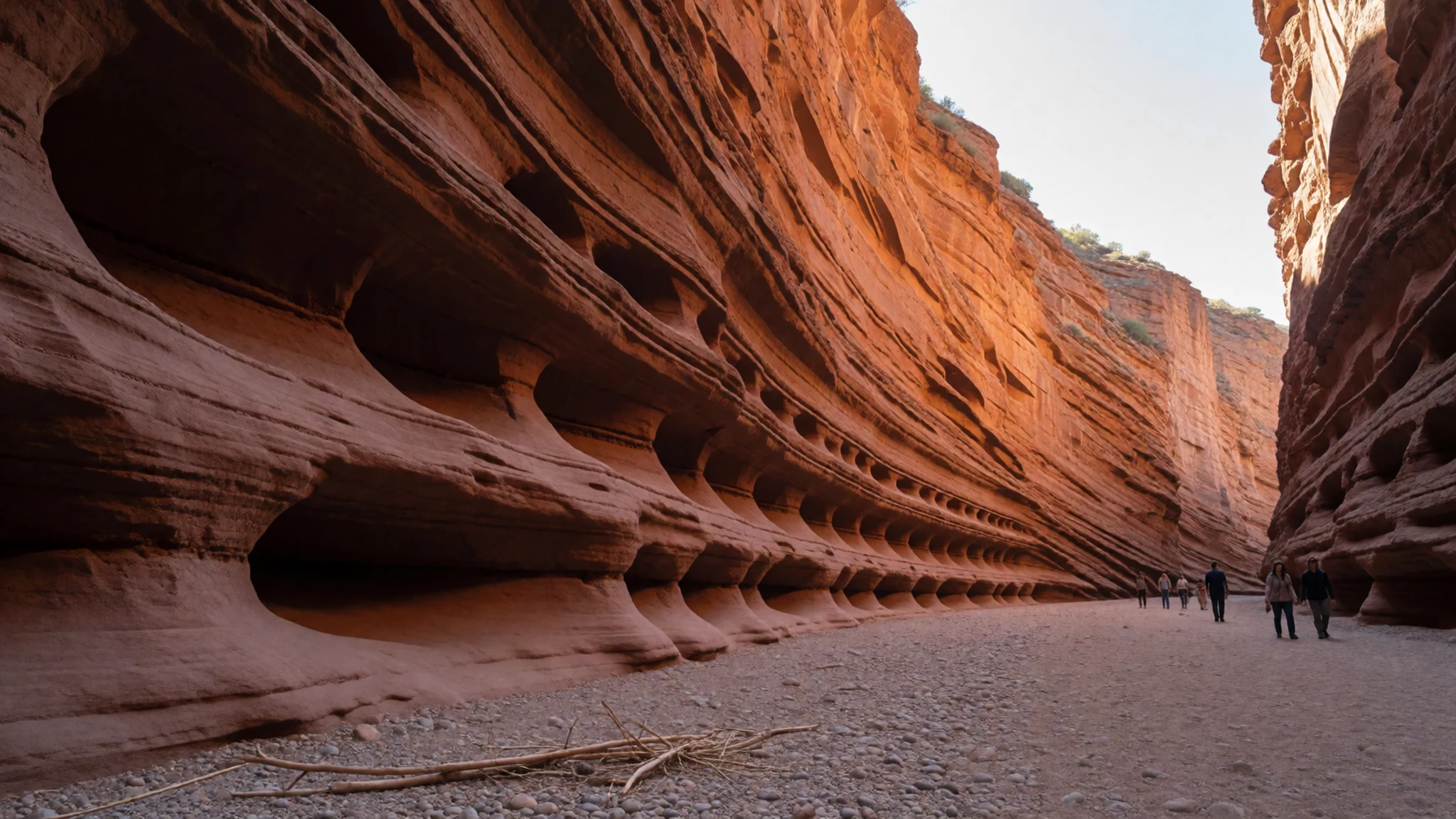
- Petroglyphs — rock faces along the tour route
Look for the petroglyphs, carved into the rock faces by earlier people. The carvings can be easy to miss against the stone, so ask the guide to point them out. They are part of why the park exists, since its archaeological sites were a reason for protecting the area. Photograph them gently, without touching the rock, and keep to the paths the guide chooses.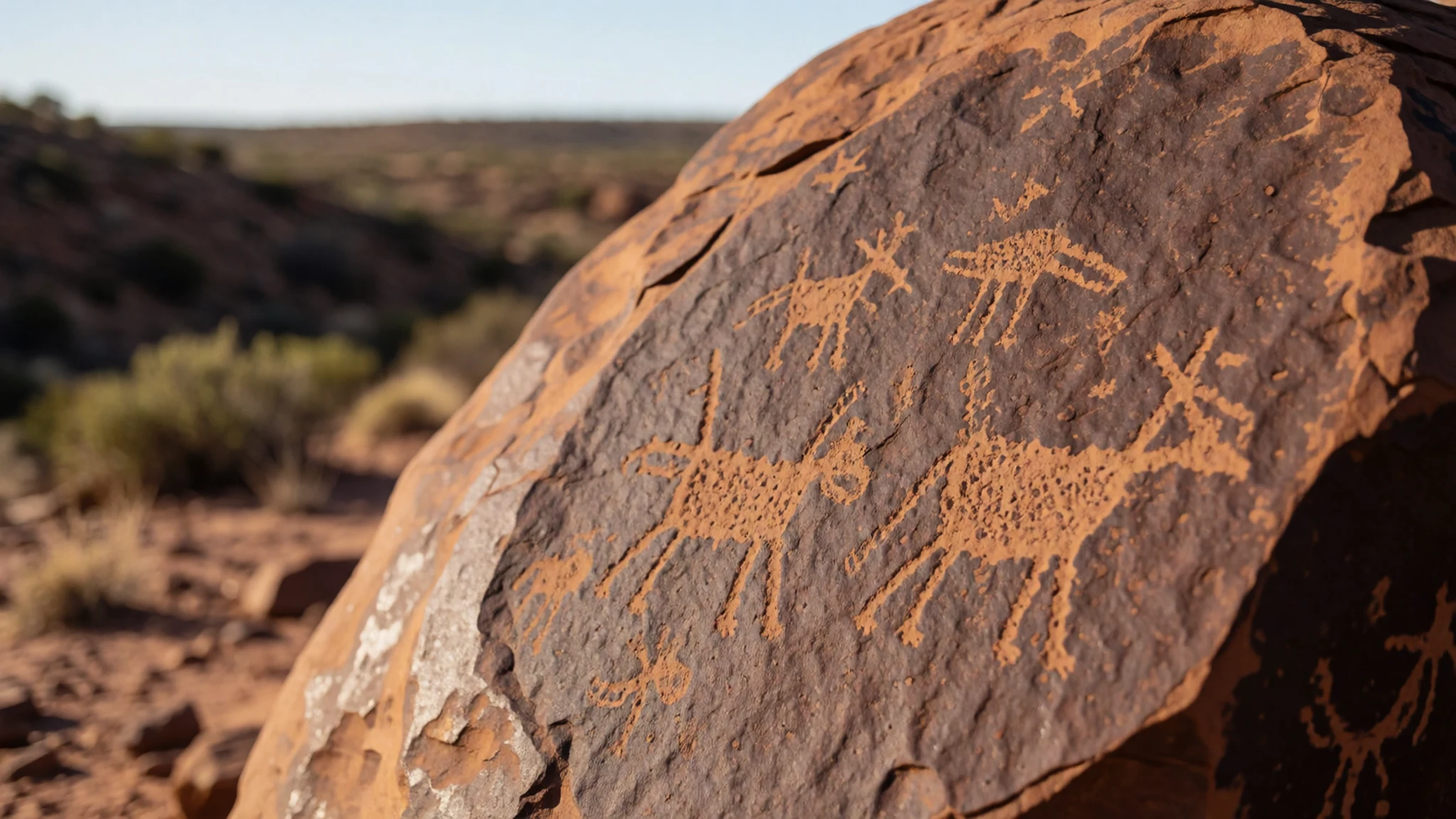
- Rheas in the scrub — the scrubland of the basin
Rheas, the large flightless birds of the Argentine plains, can appear in the dry scrub around the park. Watch for them on the flat ground and keep a respectful distance, since they are wild and easily startled. A zoom lens helps more than a wide one.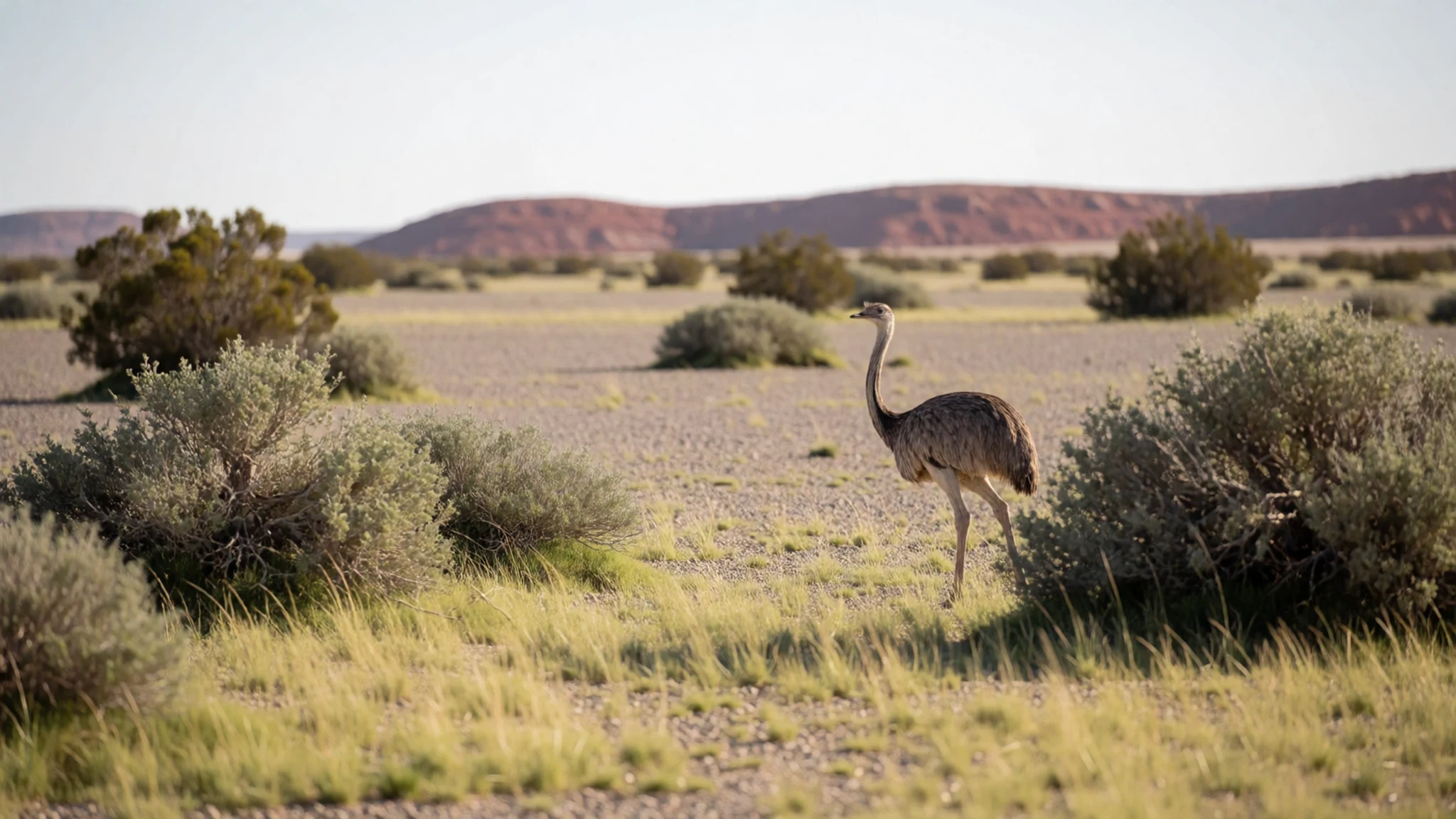
- The wall above the road — the road into the gorge
The wall rises straight from the ground, and from the road its scale is hard to judge until a vehicle or person appears at its base. The layers are most striking when the sun is low and the rock is lit from one side. Bring a hat and water, since the walls give little shade in the middle of the day.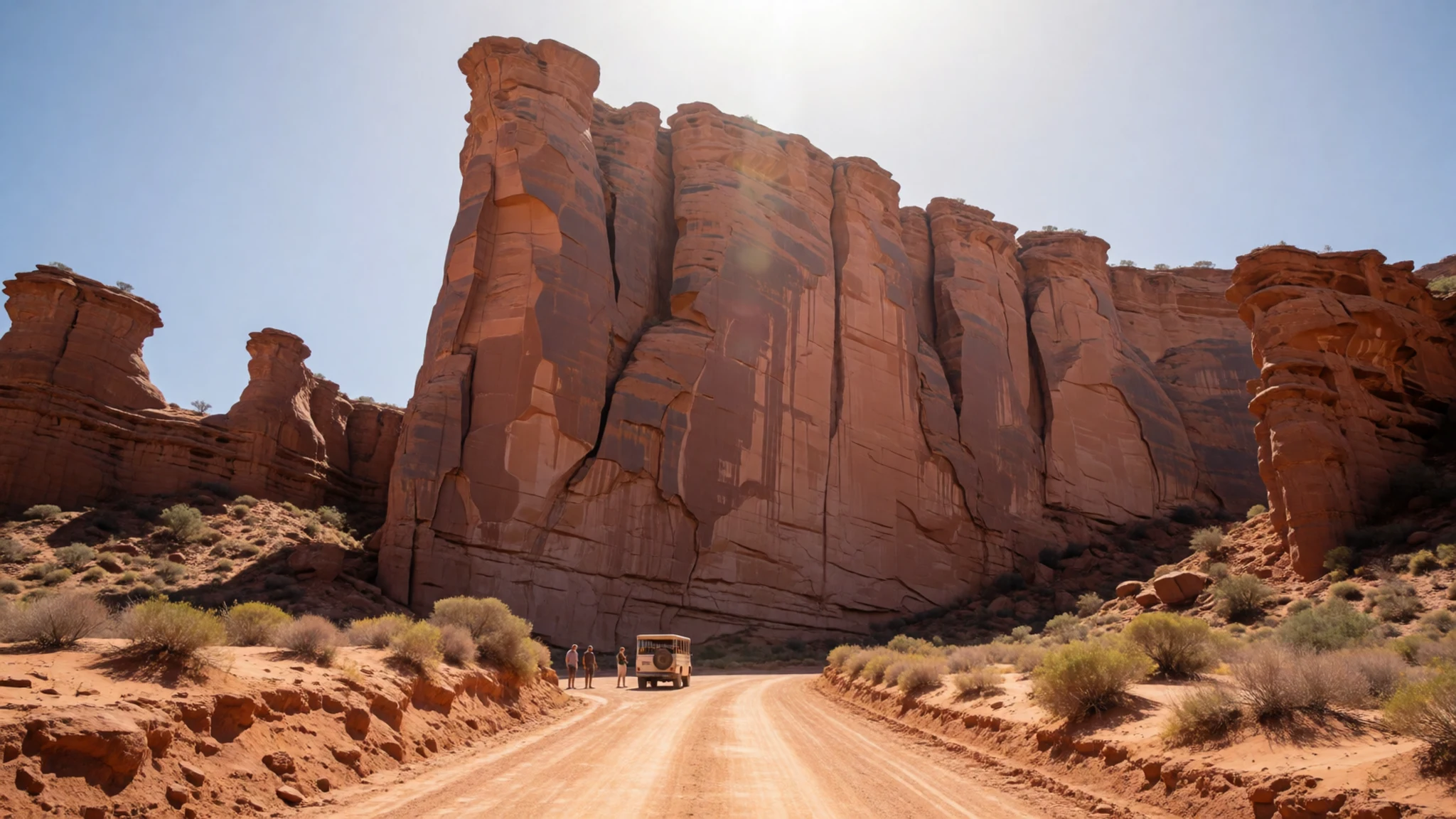
Culture
Talampaya is a protected landscape rather than a town, so the local culture is found mostly in La Rioja city and the villages nearby. The province is Spanish-speaking, and a few words of Spanish greet people warmly in the park's towns and along the road. Tours follow set routes, and the guides are the best source on rock art, geology and wildlife; they tend to know which spots are sheltered from the wind and which suit photographs. Hospitality in the region is warm, and a simple 'buen día' on arrival is a usual way to begin a conversation with a guide or shopkeeper. The rock carvings and cliff faces are fragile and part of the archaeological record. Keep to marked routes, do not touch the petroglyphs and never take stone or fossils out of the park.
What to wear
Talampaya's traditional dress belongs to the gaucho tradition of Argentina's interior, shaped by long days on horseback and open country. Men have worn the bombacha, a loose, wide trouser gathered at the ankle, with a belt, a wool poncho for cold nights, and sturdy leather boots. Ponchos are woven from sheep's wool or llama wool, and their stripes and colours often signal the weaver's region. Folk festivals and craft shops in La Rioja city are where these garments are still seen most, rather than on the trails. Day to day, most people in the province wear jeans, cotton shirts and sensible boots, with a hat or cap in the sun. Park staff and guides dress for the work, in long trousers, closed shoes and caps. For a visitor, the climate sets the rules: the sun is strong and the air is dry, so a loose long-sleeved cotton shirt and a wide-brimmed hat that covers the head are the core of the kit. From May to August, nights and early mornings can drop below freezing, so pack a warm fleece, a padded jacket and a hat. Closed shoes with good grip suit the loose stone and sand, and a scarf keeps dust off the face. Sunglasses are essential.
What to eat
- Empanadas riojanas — a bakery or snack counter in La Rioja city
Small pastry parcels filled with beef cut by knife, onion, egg and spices, then baked or fried. Eat one warm from a bakery or lunch counter in La Rioja city before the morning tour, when the air is still cool.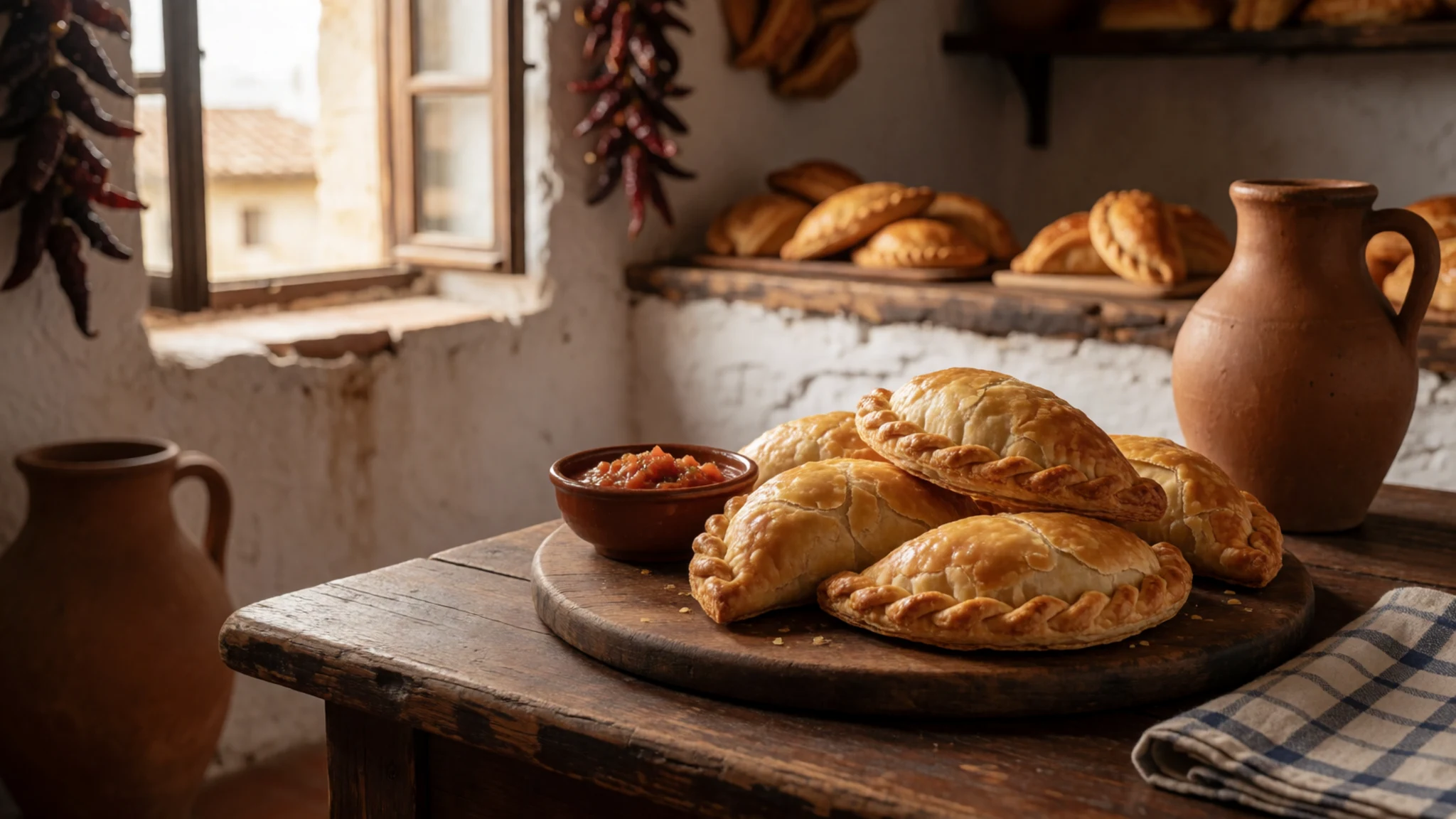
- Cabrito — a parrilla (grill restaurant) in La Rioja city
Young goat, slow-roasted over wood or charcoal until the meat falls from the bone. It is a traditional dish in the province's countryside and turns up on Sunday tables. Ask at a parrilla in La Rioja city for it on the menu, usually with salad.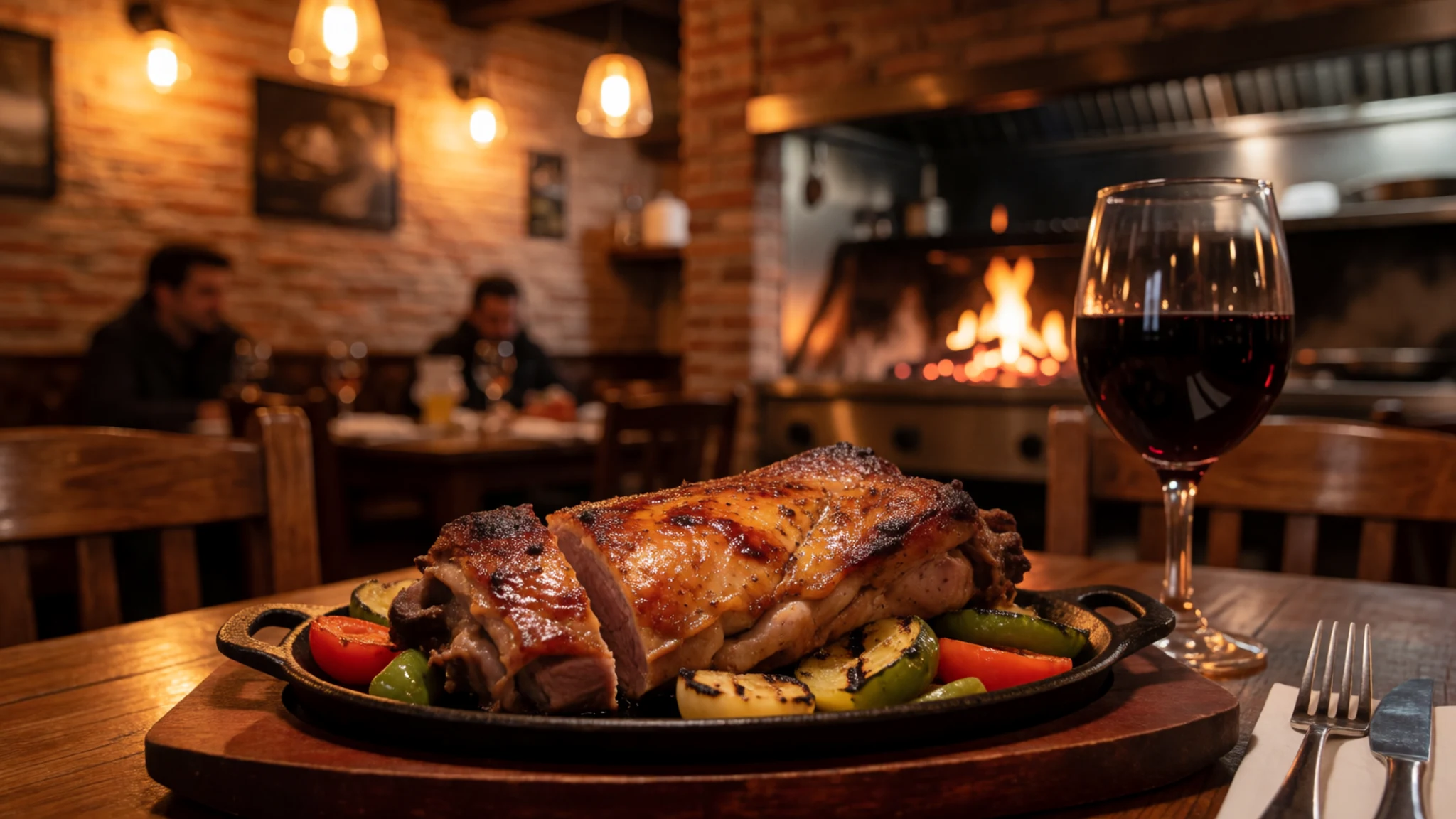
- Torrontés — wine shops in La Rioja city
Torrontés is the aromatic white grape most associated with Argentina. A cold glass suits the dry heat after a morning in the gorge. Buy a bottle to take home from a wine shop in La Rioja city, where the staff can recommend a local bottling. - Lunch at the park restaurant — the restaurant in the park's main building
The park's main building has a restaurant, the simplest choice if you want to stay put between tours. Expect a short menu of simple plates and bring extra water whatever you order. Eat before the hottest part of the afternoon, when the walls and open ground give little shade. - Humitas — the morning market and street vendors in La Rioja city
A paste of fresh corn, onion and sometimes cheese, wrapped in corn husks and steamed. Humitas are a staple of Argentina's north, and they are found at markets and from street vendors rather than in sit-down restaurants. Take one in a cloth bag for a roadside picnic.
Plan it
Best time. May to August is the driest stretch, with cooler days and clearer air, but nights fall below freezing. January and February bring torrential rain that can flood roads, along with extreme heat, and spring brings strong wind.
How long. 1–2
Getting there. Fly or drive to La Rioja city, then join a tour from La Rioja or Villa Unión; the tour is the way into the park.
Budget. mid
Tips
- Book through a tour operator in La Rioja city or Villa Unión, and check current tour times and fees on the official park website before you travel
- Check the forecast and road conditions before you set off, since roads can flood very quickly in January and February
- Start early and carry plenty of water, as the heat is intense by midday
- Cover your head, apply sunscreen and bring a warm padded jacket for freezing mornings from May to August
- Beds are available in Pagancillo, Villa Unión and La Rioja, so base yourself in one of those towns
Etiquette
- Stay on the routes the guide uses
- Do not touch or climb the petroglyphs or rock faces
- Take all rubbish out with you
- Keep to the group's timing so the tour stays together
Nearby
Sources
- Wikidata Q398108 (CC0)
- Wikipedia: Talampaya National Park (rev 1362939647) (CC BY-SA 4.0)
- Wikivoyage: Talampaya National Park (rev 5100545) (CC BY-SA 4.0)
- Talampaya — Gino Lucas T. (CC BY-SA 2.5)
- 800px-Talampaya 1.jpg — Unknown author (CC BY 3.0)
- Talampaya.jpg — Unknown author (CC BY-SA 2.5)
- Petroglyphs at Parque Nacional Talampaya — Andarin2 (CC BY 3.0)
- Cañon de Talampaya — Gino Lucas T. (CC BY 3.0)
- Tourists at Talampaya National Park — Lili Contreras (CC BY-SA 4.0)
- Rhea at Talampaya National Park — Lili Contreras (CC BY-SA 4.0)
- The wall at Talampaya National Park — Lili Contreras (CC BY-SA 4.0)


