Takayama, Gifu
Takayama, Gifu, Japan
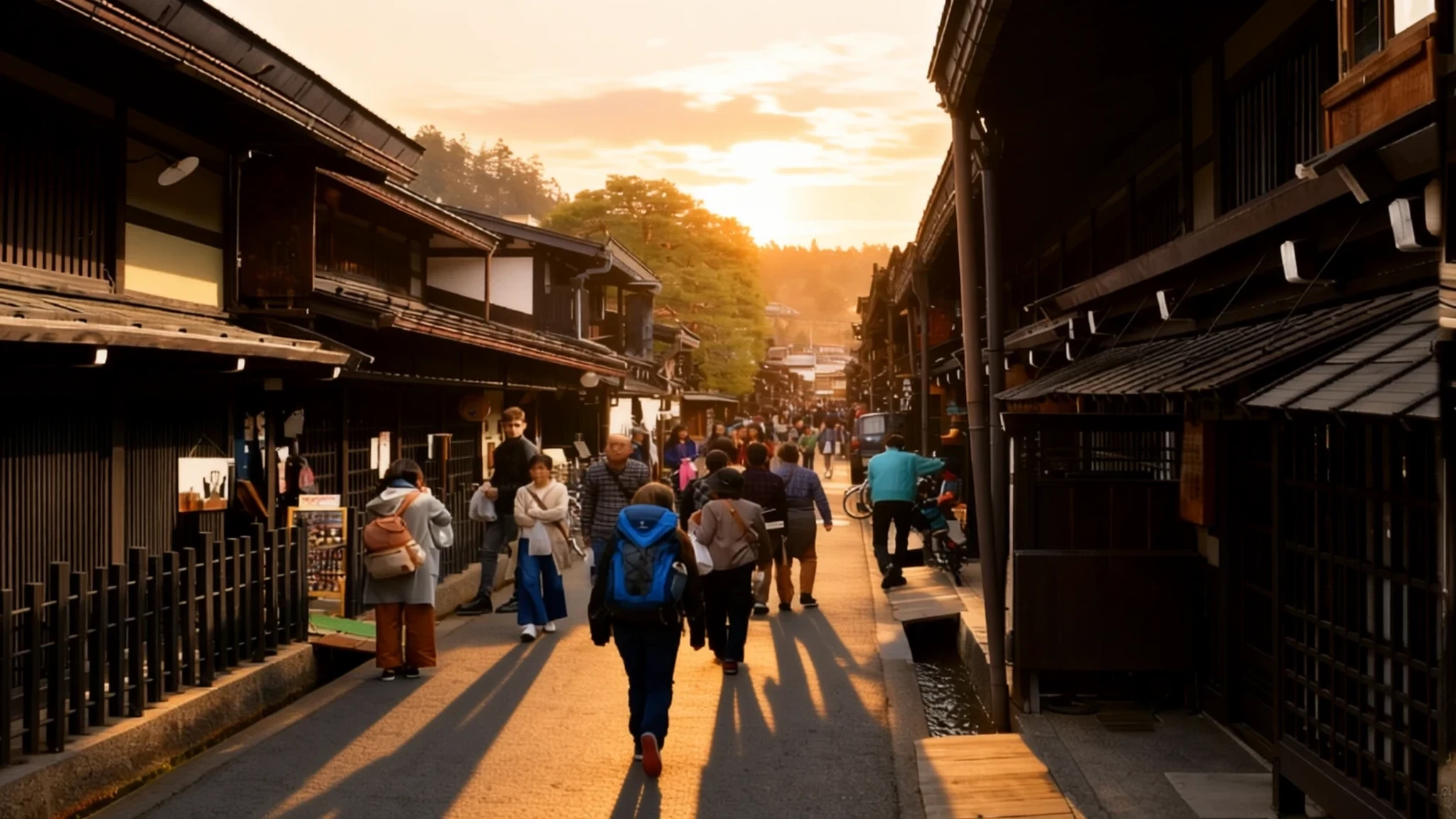
A preserved Edo-era merchant town in the Japanese Alps, best seen early in the morning before the day-trip crowds arrive.
The place
Takayama sits in northern Gifu Prefecture, high in the Japanese Alps, and it is the largest municipality in Japan by area. Most of that land is steep forest and mountain, so the city feels both remote and self-contained. The population is about 85,000, which keeps the old centre small enough to walk in an afternoon.
The heart of the place is its preserved town quarter, with narrow lanes of dark wooden merchant houses, latticed fronts, sake brewers' shopfronts and small lacquer and craft shops. The townscape is often called "Little Kyoto of Hida", and it is the main reason people come. Much of the layout dates from the years when the town grew around Takayama Castle, so the streets follow a castle-town pattern rather than a grand palace plan.
The surroundings add to the character. Mountain vegetables, river fish, Hida beef and sake all come from the valleys nearby, and the carpentry tradition of the region is still visible in joinery, furniture and temple work. At 573 metres above sea level, the air is cooler than on the coast, and the town holds snow for much of winter.
Crowds are the honest caveat. The old quarter is busiest from late morning until the day-trip coaches leave in the afternoon, and the streets fill further during the spring and autumn festival weeks. Early morning, or the evening after most visitors have gone, are the calmest times to walk, and many shops are small enough that only a few people at a time can fit inside.
Its story
The land around Takayama belonged to the old province of Hida and was settled long before written records, during the Jōmon period. In the Sengoku era, Kanamori Nagachika ruled from Takayama Castle, and the town grew up around it as a castle town of samurai, merchants and craftspeople. After the castle was later demolished, the Tokugawa shogunate took direct control of the district.
During the Edo period the area was tenryō, land governed directly by the shogunate, and the high valleys kept the town fairly isolated. That separation let its culture develop in its own way over roughly three centuries. Carpentry became a point of pride, and the region's builders came to be called Hida no takumi, a name that still stands for skill.
The Meiji Restoration brought new administrative boundaries. Ōno District was formed, and the town of Takayama was established in 1889 under the modern municipal system. On 1 November 1936 it merged with the town of Onada to become a city, and it later absorbed Josue in 1943 and Ohachiga in 1955.
The largest change came in 2005, when several towns and villages from Ōno and Yoshiki districts were absorbed. The city became the largest by area in Japan, so its boundaries now reach far into mountains well beyond the old centre. The townscape survived all of this, and the spring and autumn festivals are still organised around the same streets.
What to see
- Sanmachi — Old town centre
The heart of Takayama's preserved quarter, Sanmachi is a grid of narrow lanes lined with timber merchant houses, latticed shopfronts, sake breweries and craft shops. Walk slowly and look up at the eaves and carved doorways. The lanes are busiest in the afternoon, so mornings and evenings are the most comfortable times to wander.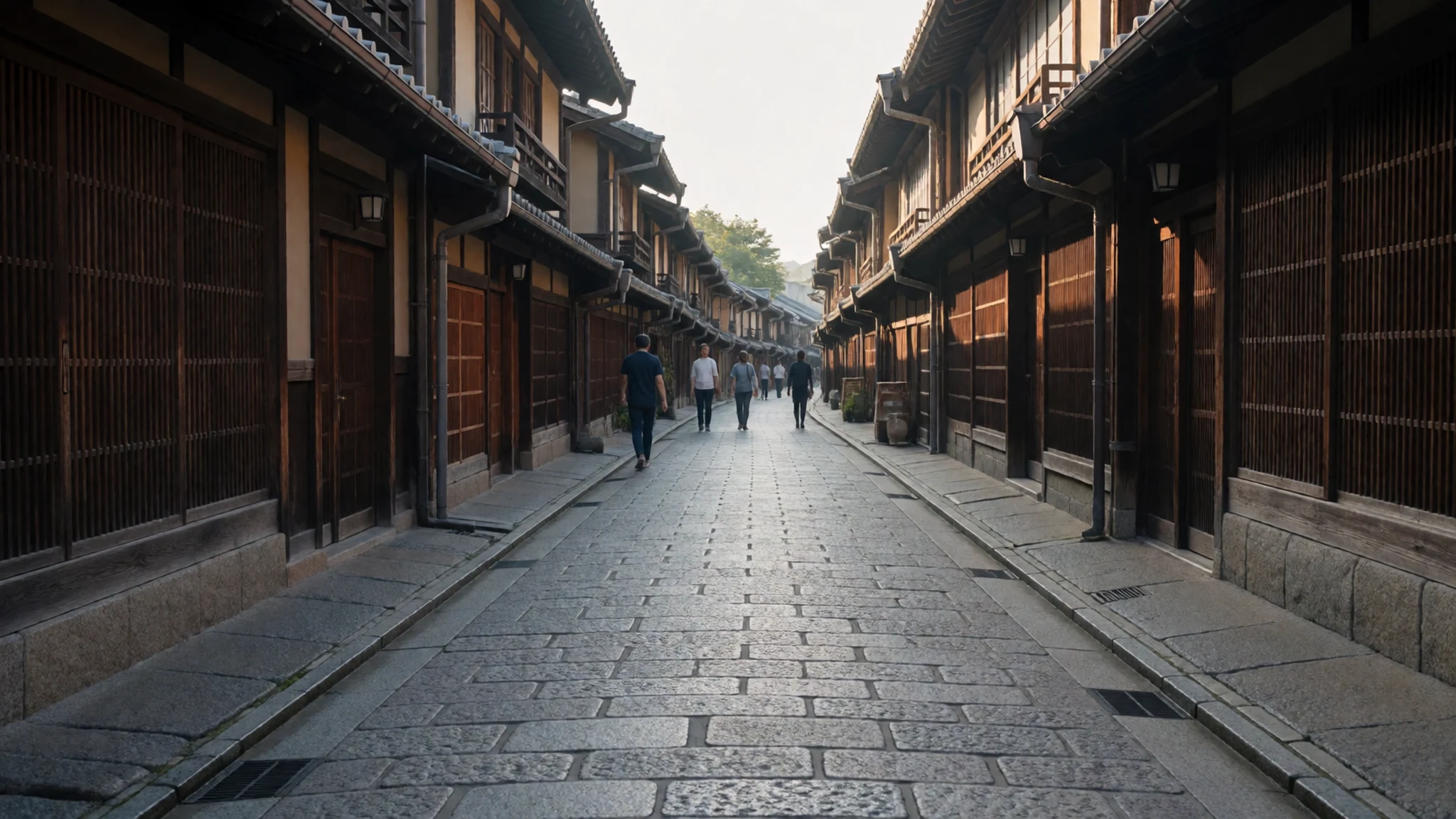
- Hida Folk Village — Outskirts of the city
An open-air museum assembled from real buildings, moved here to recreate a traditional mountain village. Steep-roofed farmhouses show how families lived and worked in the Hida valleys, and the buildings sit along paths as they would in a working village. It suits a half-day visit, especially in fine weather when the grounds are at their best.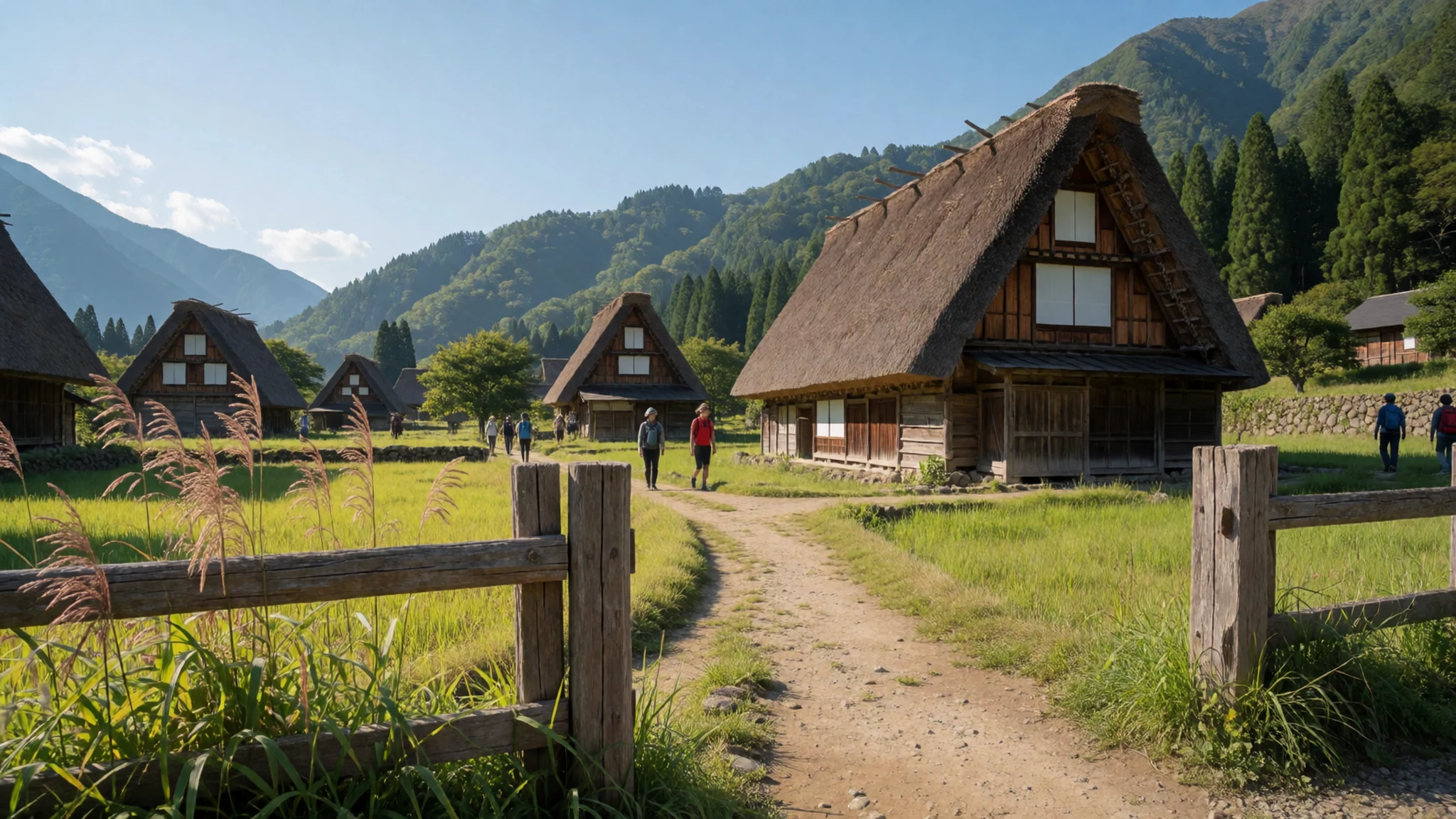
- Hida Takayama Museum of History and Art — Old town
The museum occupies 17th-century warehouses once owned by the Yajima family, who ran a timber business, and the Nagata family, who owned sake breweries in the town. Its displays cover local history and art, and the dark timber storehouse architecture is worth seeing in its own right. It makes a good stop between the lanes.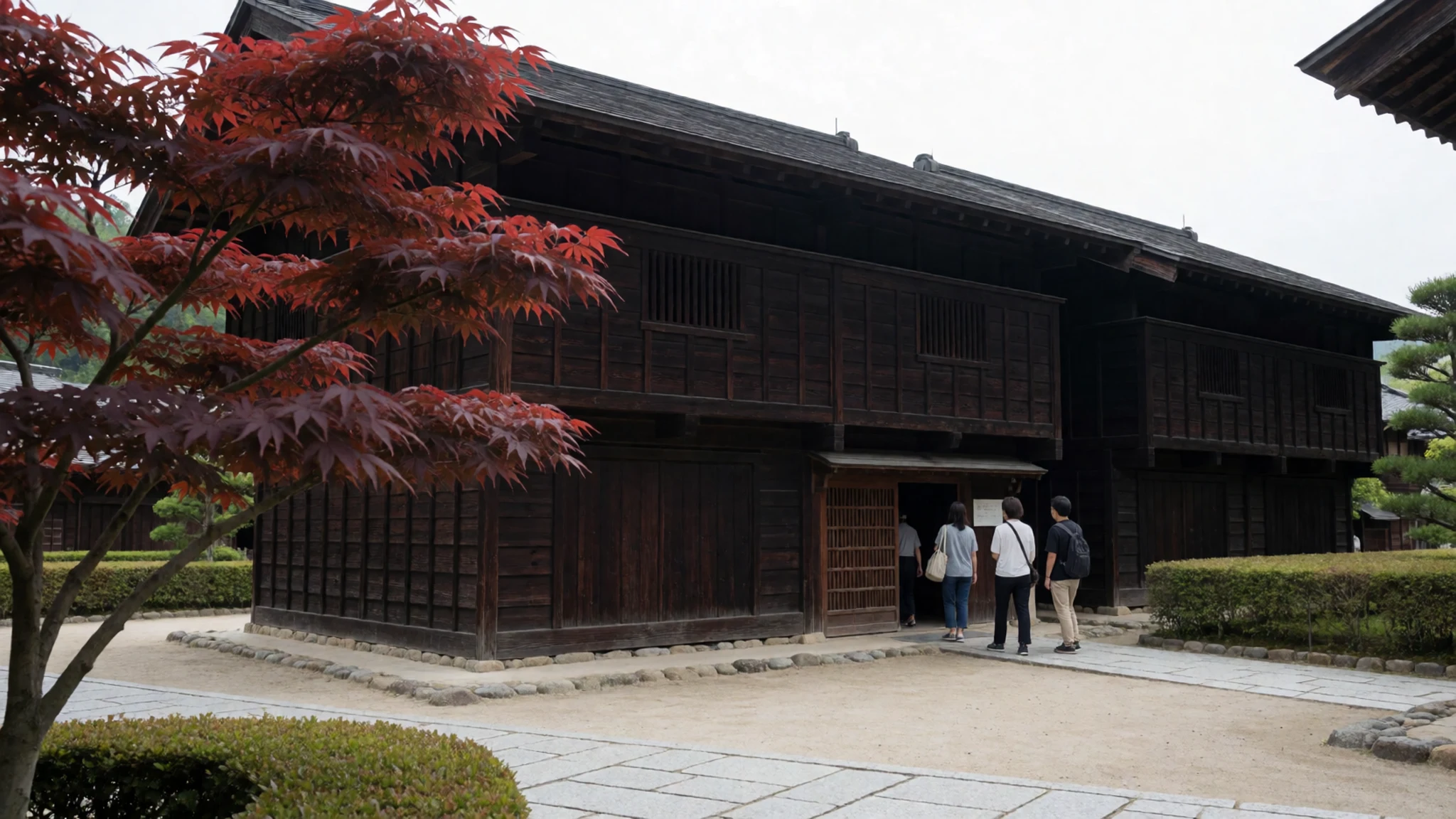
- Karakuri Museum — Old town, near Sakurayama
Mechanical dolls are the main draw here. These karakuri figures are mounted on the festival floats, and the museum shows them in action. It also holds a large collection of lion dance masks from around Japan, which makes it a varied stop for anyone interested in festival traditions.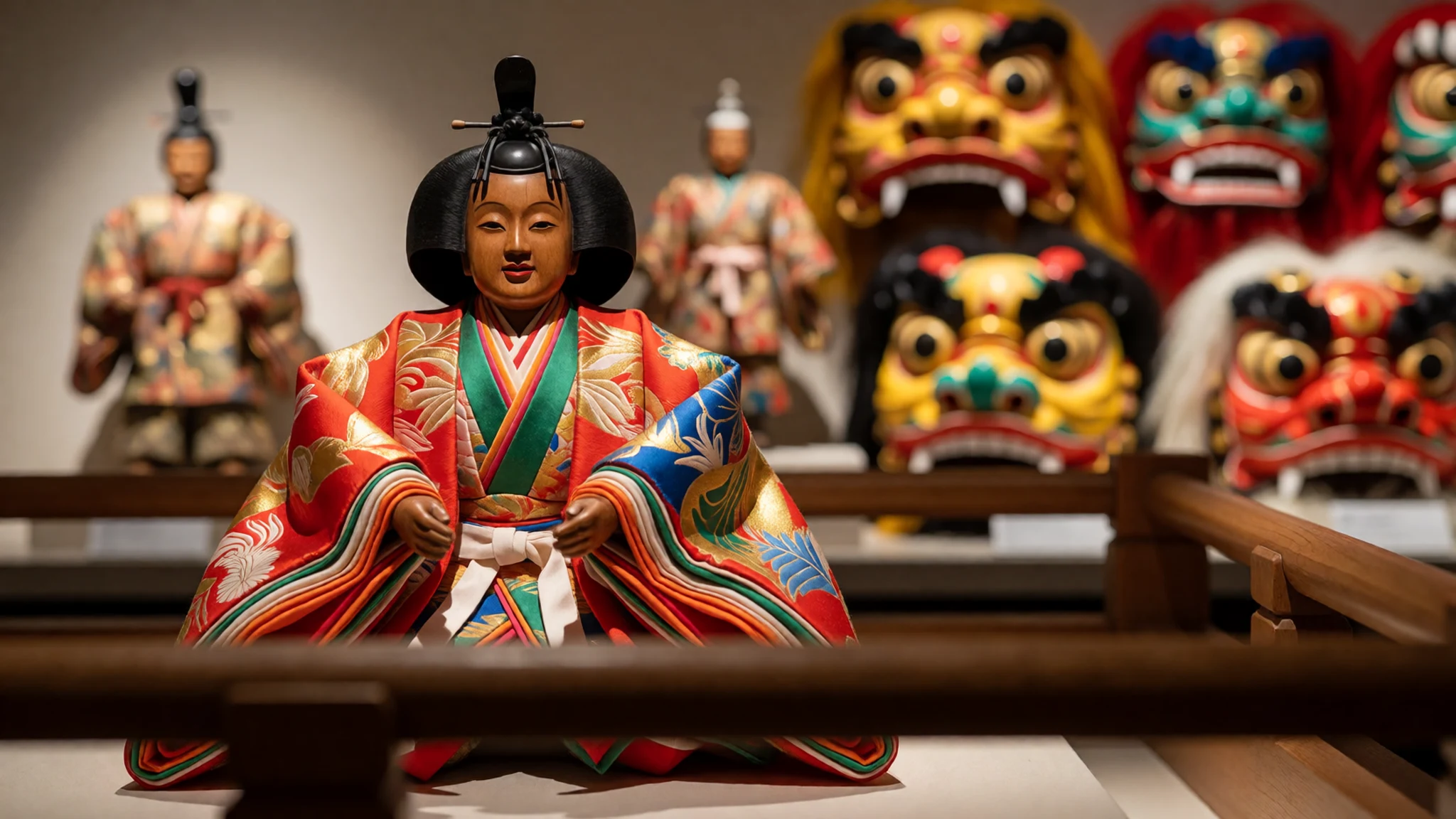
- Kusakabe Mingei-kan — Old town
A restored merchant's house built in 1879 and filled with household goods and crafts from its period. The rooms show how a prosperous townhouse was furnished and used, and the folk craft displays give a sense of everyday life in the town in the late nineteenth century. It is a calm, well-kept house in the middle of the busy lanes.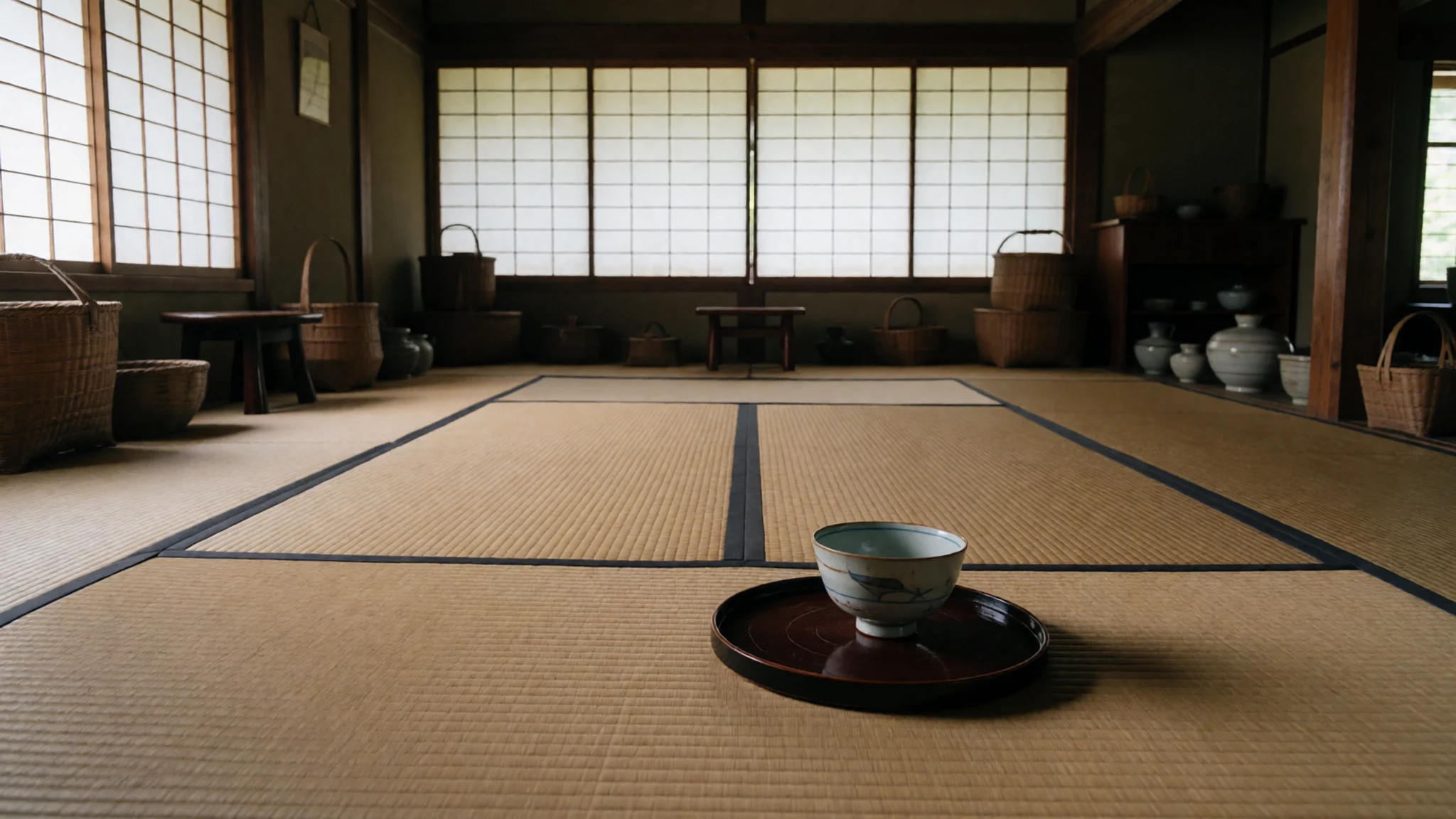
Culture
Takayama's cultural life revolves around its festivals, its craft and its food. The two big festivals are Sannō Matsuri in spring and Hachiman Matsuri in autumn, and both are among the most popular in Japan. The floats are the centre of attention, and the town keeps many of them in dedicated museums where mechanical puppets are shown working. Between festivals the town lives quietly, with craft workshops and shops in the old streets. Carpentry, lacquerware, pottery and furniture-making are all long-standing trades here, and many craftspeople still work in view of the lanes.
Small charms called sarubobo are a local signature. They were traditionally handed from grandmother to grandchild, or from mother to daughter, and today they are sold widely as souvenirs. The food is rooted in the mountains and rivers, with sansai, wasakana, Hida beef, soba, ramen and sake all part of everyday eating.
Many houses in the old quarter are still lived in, and their owners are used to passing visitors. Keep your voice low in the lanes, stay clear of doorways, and always ask before photographing a craftsperson at work or someone standing at a door.
What to wear
Traditional dress in Takayama follows the wider Japanese pattern, with the kimono as the formal garment. Silk kimono are reserved for weddings, new year and special occasions, while cotton or linen versions suit summer. The yukata, a light cotton robe, is the usual summer garment for festival evenings and hot-weather walks. Festival participants, including the crews who pull the floats, wear the happi, a loose cotton coat printed with the crest of their neighbourhood group.
What people wear now is largely ordinary modern clothing. In the old town, locals appear in jackets, jeans and sensible shoes, with kimono reserved for special days and worn by many visitors who hire them for a stroll through the lanes.
For a visit, dress in layers. Spring and autumn days can be mild in the sun and cold in the shade, and winter brings heavy snow to the Alps, so a waterproof jacket and warm layers matter. Summer is hot and humid, so breathable cotton works well. Wear shoes with good grip for the stone and wet wood of the lanes, and cover shoulders and knees at temples and shrines. Modesty is not strictly enforced, but it is a courteous choice at sacred sites.
What to eat
- Hida beef — Restaurants in the old town and around Sannomachi
Hida beef is a prized local beef, most often eaten as sukiyaki, a hot pot where thin slices cook at the table and are dipped in raw egg. Grilled steak is also common. Look for it in restaurants across the old town and around Sannomachi, where menus list it prominently.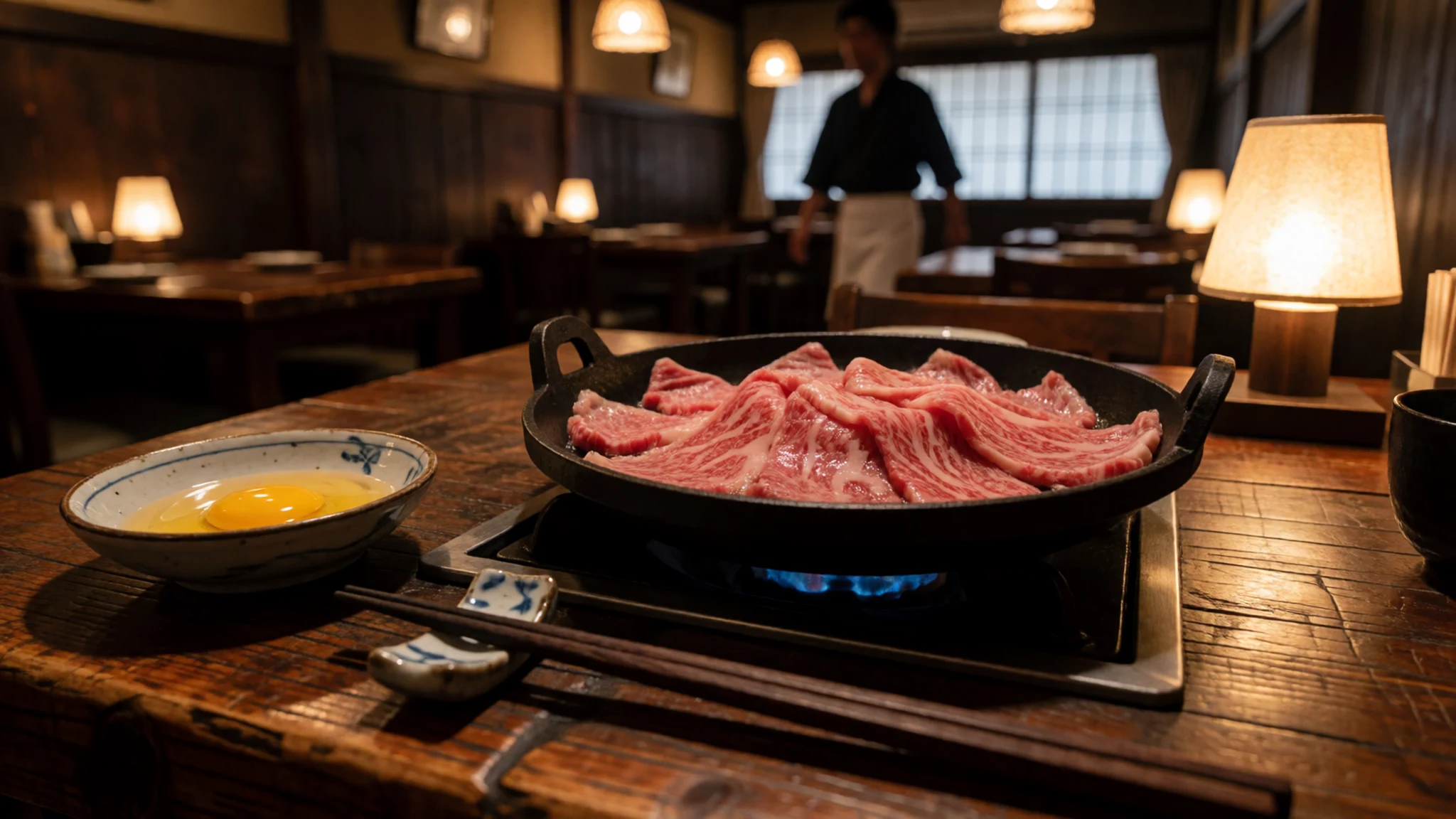
- Hida beef bun — A takeaway shop in the Sannomachi lanes
A small steamed bun filled with local beef, sold from a shop in the middle of Sannomachi. It is a quick and inexpensive lunch that suits walking the lanes, and it is one of the best-known snacks in the old town.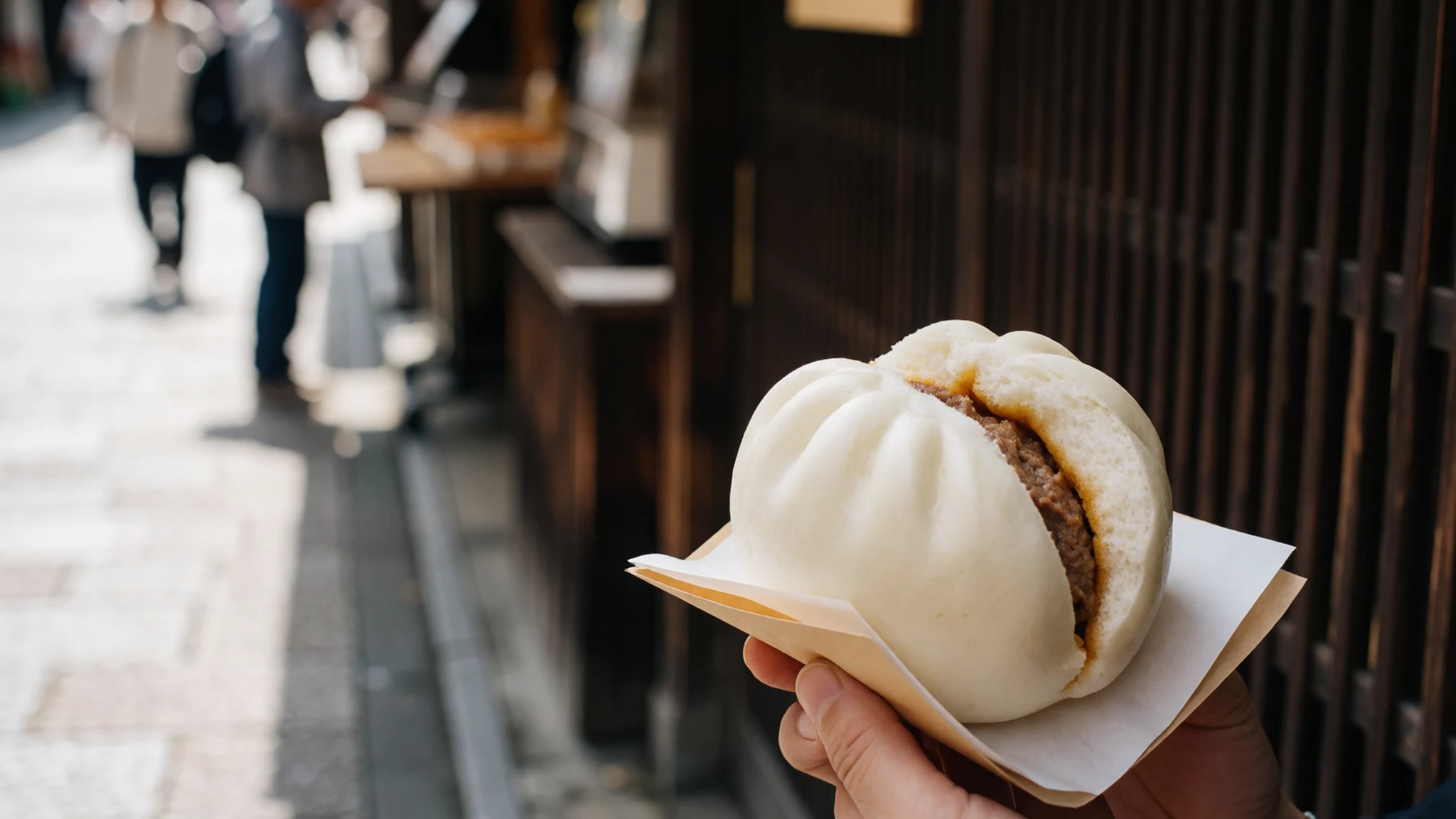
- Wasakana — Casual eateries beside the rivers and in the old town
Wasakana, river fish from the valley streams, are typically grilled whole on a skewer and seasoned with salt. Warm-weather menus often include them, served with rice and pickles, and they show how closely the food follows the local rivers. - Sansai — Morning market stalls and traditional restaurants
Sansai are wild mountain vegetables gathered in spring and early summer, then served in tempura, simmered dishes or with rice. They appear in seasonal set meals in traditional restaurants and are sold fresh at the morning stalls, where local growers bring the day's picking. - Soba — Soba houses in the old quarter and on quieter side streets
Buckwheat noodles served cold with a dipping sauce, or hot in broth, often topped with local vegetables. Soba houses are simple counter or table places, and some sit on quieter lanes away from the main street. - Local sake — Brewery shops and bars in the old town
Takayama has a long sake tradition, and several breweries still operate in the old town. Many open their shops to visitors, and a small tasting of local sake is a good way to end a walk through the streets.
Plan it
Best time. Late April to early May for cherry blossom, which comes later here than in lowland cities; October for autumn colour and the autumn festival. Summer is warm and humid, with July the wettest month, and winter is cold with snow on most days.
How long. 2–3
Getting there. Fly into Nagoya, then take a train or highway bus north into the Japanese Alps. Takayama has its own train and bus station. Check the official site for current timetables before you travel.
Budget. mid
Tips
- Stay overnight, because the old quarter is much quieter after the day coaches leave
- Arrive in the old streets before 9 am for photographs without crowds
- Walk the Higashiyama course for shrines and views that most day visitors skip
- Carry some cash for small shops and eateries, and check card acceptance before ordering
- Pack layers and a rain jacket, as the valley weather changes quickly
Etiquette
- Keep voices low in the lanes and on local trains and buses
- Ask before photographing craftspeople or anyone standing in a doorway
- Do not block narrow lanes to take a picture
Nearby
Sources
- Wikidata Q622594 (CC0)
- Wikipedia: Takayama, Gifu (CC BY-SA 4.0)
- Wikivoyage: Takayama (CC BY-SA 4.0)
- Photo: Takayama, north-east view (Felix Filnkoessl) (CC BY 2.5)
- Photo: Overlooking Takayama (Nickaura) (CC BY 3.0)
- Photo: Takayama city hall (Japanese Wikipedia contributor) (CC BY 3.0)
- Photo: TakayamaStreet (Sergio Perez) (CC BY-SA 2.5)
- Photo: Takayama aerial panorama (BobTanGo) (CC BY 4.0)
- Photo: Takayama aerial perspective facing east (BobTanGo) (CC BY 4.0)
- Photo: Takayama Train and Bus Station from above (BobTanGo) (CC BY 4.0)
- Photo: Hotakadake from Shinhotaka Ropeway (663highland) (CC BY 3.0)


