Tainan
Tainan, Taiwan
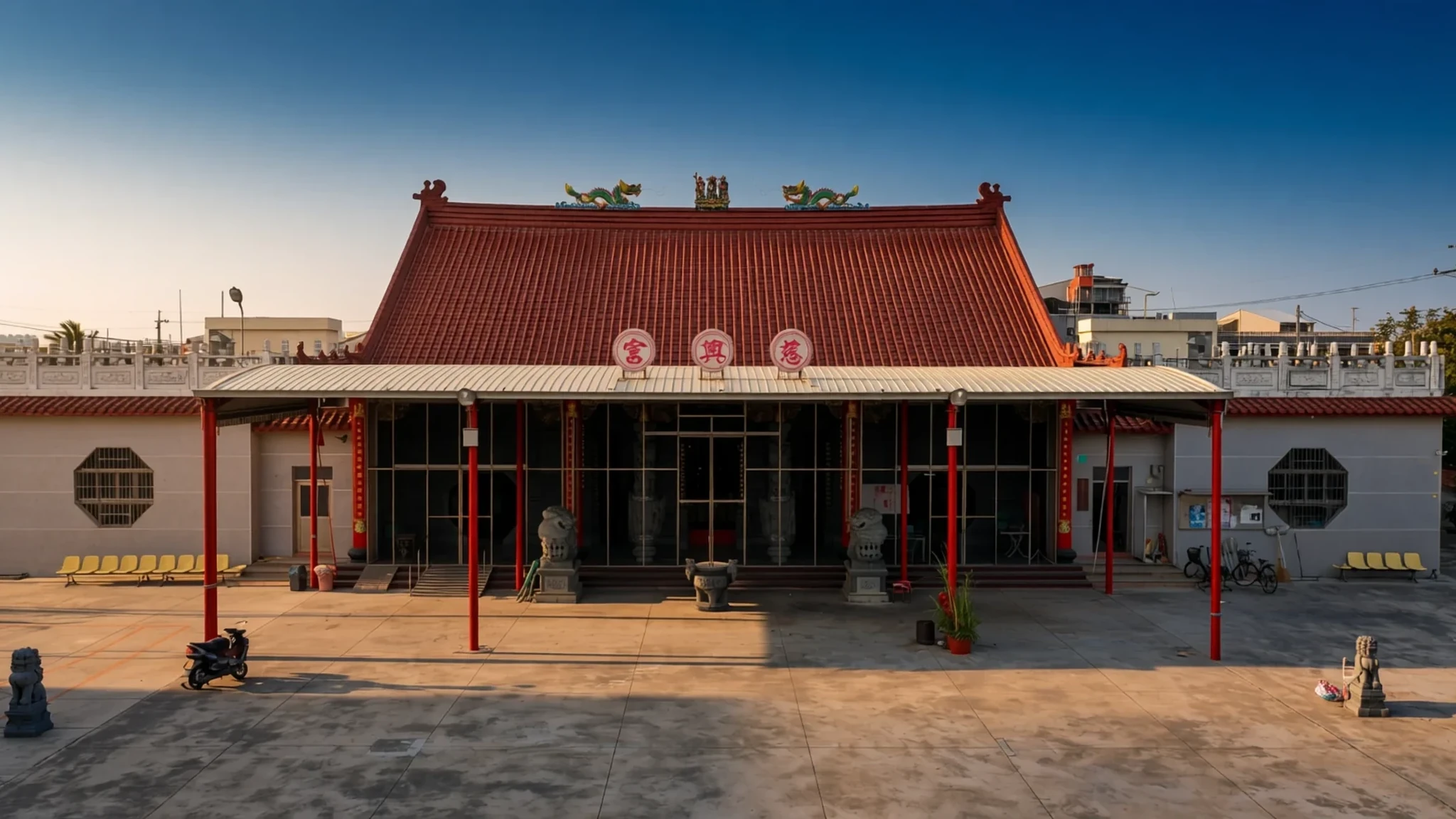
Taiwan's oldest urban area, Tainan rewards slow walks past Dutch forts, Qing-era temples and night-market food that justifies a long evening.
The place
Tainan sits on the western coast of southern Taiwan, facing the Taiwan Strait, and its wider municipality holds about 1.8 million people. The land is low and flat, barely above sea level, so the city has spread across old shorelines and former channels rather than climbing hills. Tainan is generally regarded as the island's oldest urban area, and its streets carry layers from a Dutch trading base, the Koxinga kingdom, Qing officials, Japanese administrators and modern Taiwan. Its nickname, the Phoenix City, nods to how often it has come back from upheaval and reinvented itself.
What that history looks like on the ground is a mix of brick and concrete. Old forts and walled gates stand a short walk from wide modern avenues. Taoist and Buddhist temples sit between shophouses, and a number of churches date from later missionary activity. Many of the temples count among the oldest on the island, which gives the older districts a lived-in feel rather than a museum one.
Tainan is a city to walk slowly and eat well in. Its food has its own character, from noodles sold at roadside stalls to braised meats, and daily life carries on late into the evening. The main cost is the weather. Summers are hot and humid, and midday is best spent indoors or in the shade. Winters are mild and dry, which makes them the most comfortable season for long days on foot. The city is spread out enough that a bicycle, a scooter or a taxi helps for distances between the old centre and the coast.
Its story
Tainan's recorded story starts well before the Dutch arrived. Archaeological digs in Zuojhen District suggest people have lived in the wider region for tens of thousands of years, and by the sixteenth century the Siraya people dominated the area. The Sakam people, one Siraya sub-group, lived on the land that is now the city.
By the late sixteenth century, Chinese merchants and fishers had set up bases along the coast, and Japanese traders had their own settlements nearby. Salt and food were traded for deer hides and dried venison, and the Siraya absorbed words, ritual habits and patterns of movement from the newcomers. The Chinese name for a nearby sandbar, Taioan, later became the name of the district now called Anping.
The Dutch East India Company arrived in the early seventeenth century and built a trading and ruling base, Fort Zeelandia, at Anping. In 1662 the military leader Koxinga took the fort and made the city the capital of his Tungning Kingdom, which lasted until 1683. Under Qing rule Tainan remained the administrative centre of Taiwan Prefecture until 1887, when the provincial capital moved first to Taichung and later to Taipei.
Japan took control in 1895 after the island was ceded. For a few months that year Tainan served as the base of the short-lived Formosan republic before Japanese forces took the city, and under Japanese administration it became the seat of Tainan Prefecture. Later decades brought new factories, new roads and the slow restoration of old buildings that gives the city its layered look today.
What to see
- Chihkan Tower — Central Tainan
Chihkan Tower is the landmark most visitors head for first, and the city's best-known historic site. The Dutch built a fort on this spot in the seventeenth century, and the surviving tower and red-brick walls give a sense of how the early settlement looked. Walk the grounds in the cooler morning, when the courtyard is quiet and the light is good for photographs.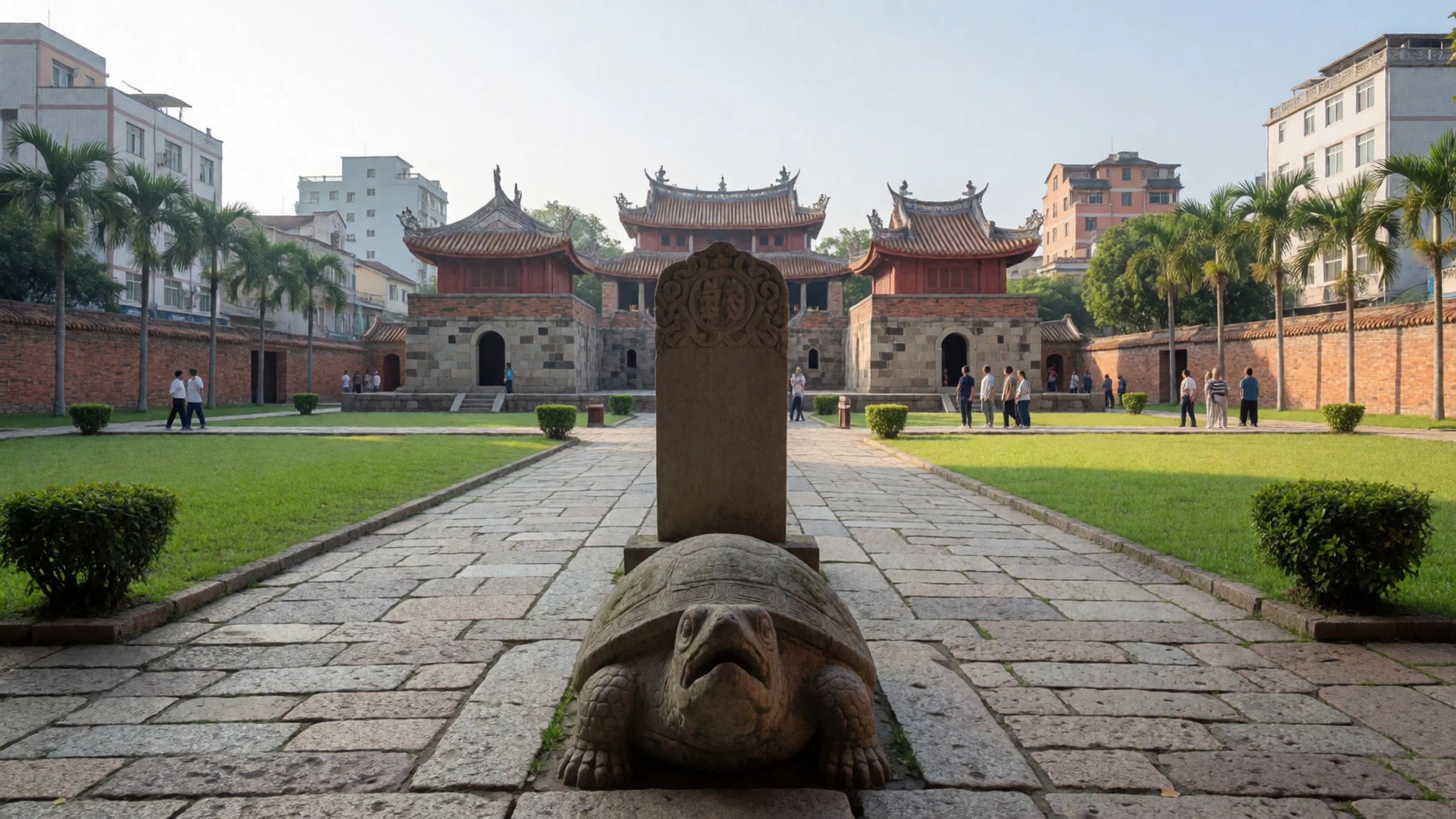
- Anping Fort — Anping district, south-west coast
Anping Fort, often called Fort Zeelandia, is the Dutch fortress that marks the start of European rule on the island. Traders from the Dutch East India Company began building it in the early seventeenth century, and after 1662 Koxinga's forces took it, so the site carries both colonial and Chinese layers. The remains lie a short walk from the Anping waterfront, and the walls look best in late afternoon light.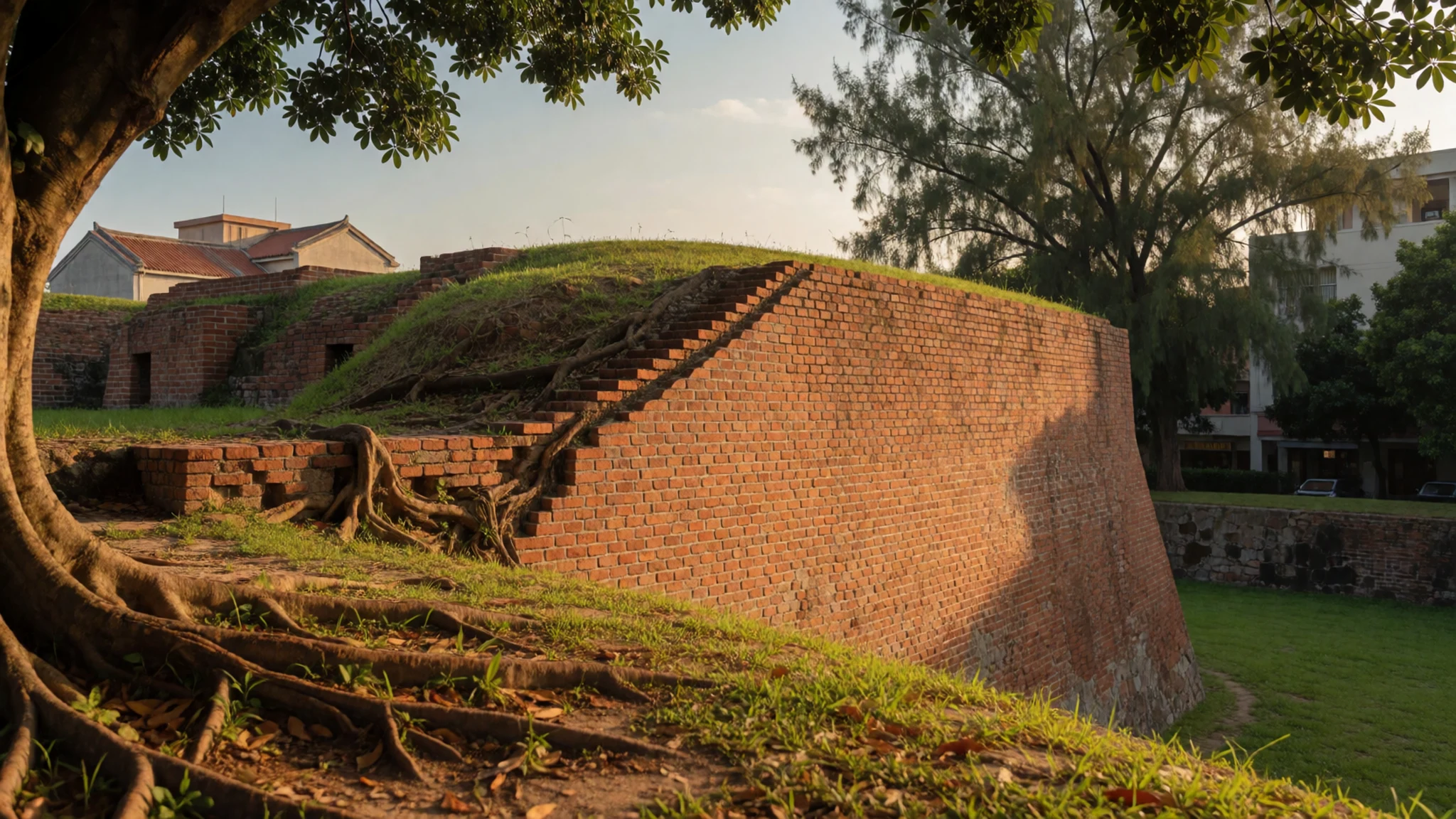
- Anping Tree House — Anping district
Built as a warehouse for the trading firm Tait & Co., the building later served the Japan Salt Company as its office and warehouse during the Japanese occupation. Today it stands among the old streets of Anping, where the brickwork and timber give a glimpse of the port's commercial past. Go in the morning or late afternoon, when the heat is less fierce and the lanes are calmer.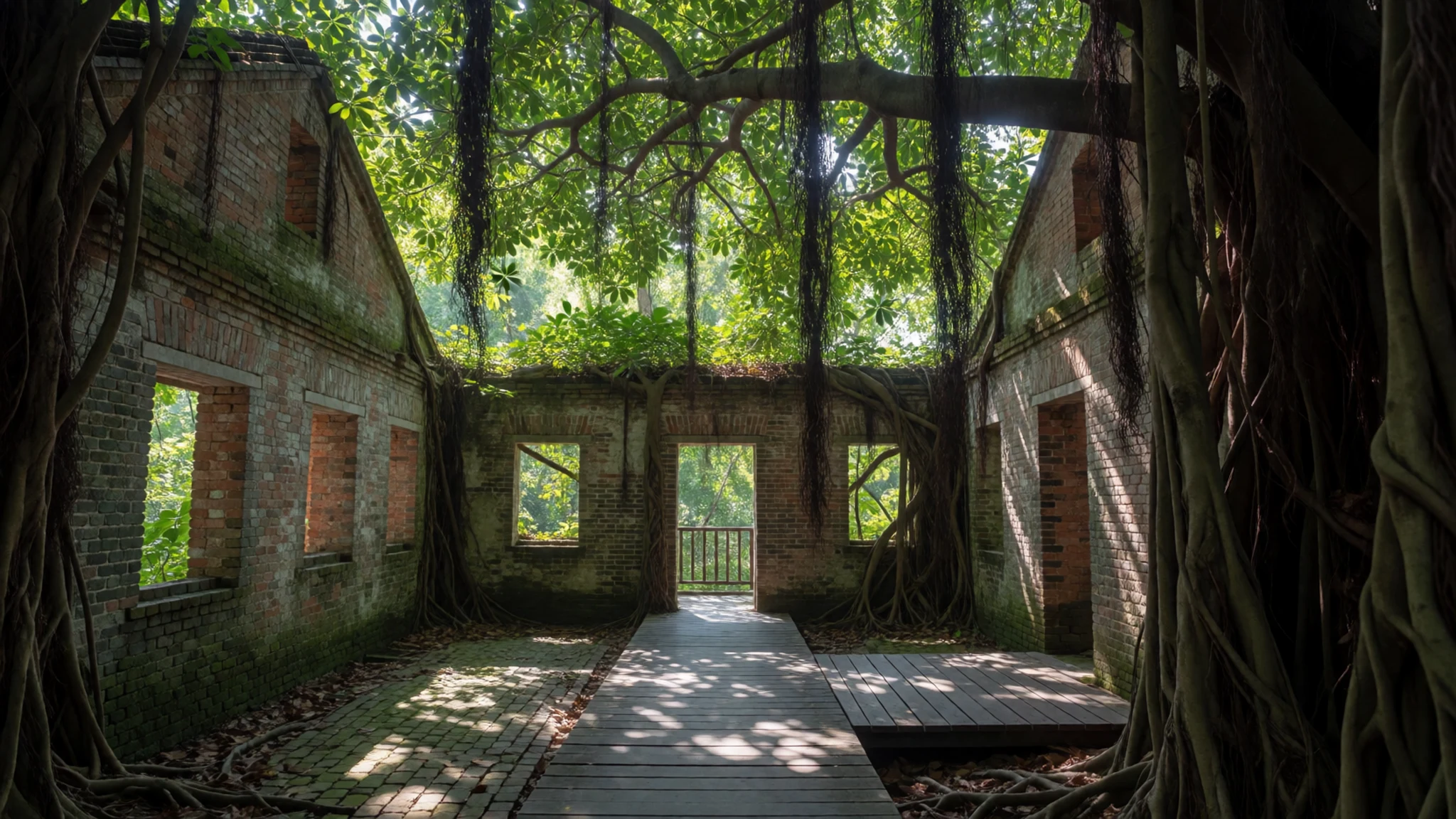
- Great South Gate — South of the old centre
Great South Gate is one of the city's best-preserved old gates, a useful reminder that Tainan was once a walled city. It sits in a busy part of town, so the easiest way to visit is on foot as part of a wider loop through the old centre. Allow a short stop for a look, then carry on to the night markets nearby as the evening cools.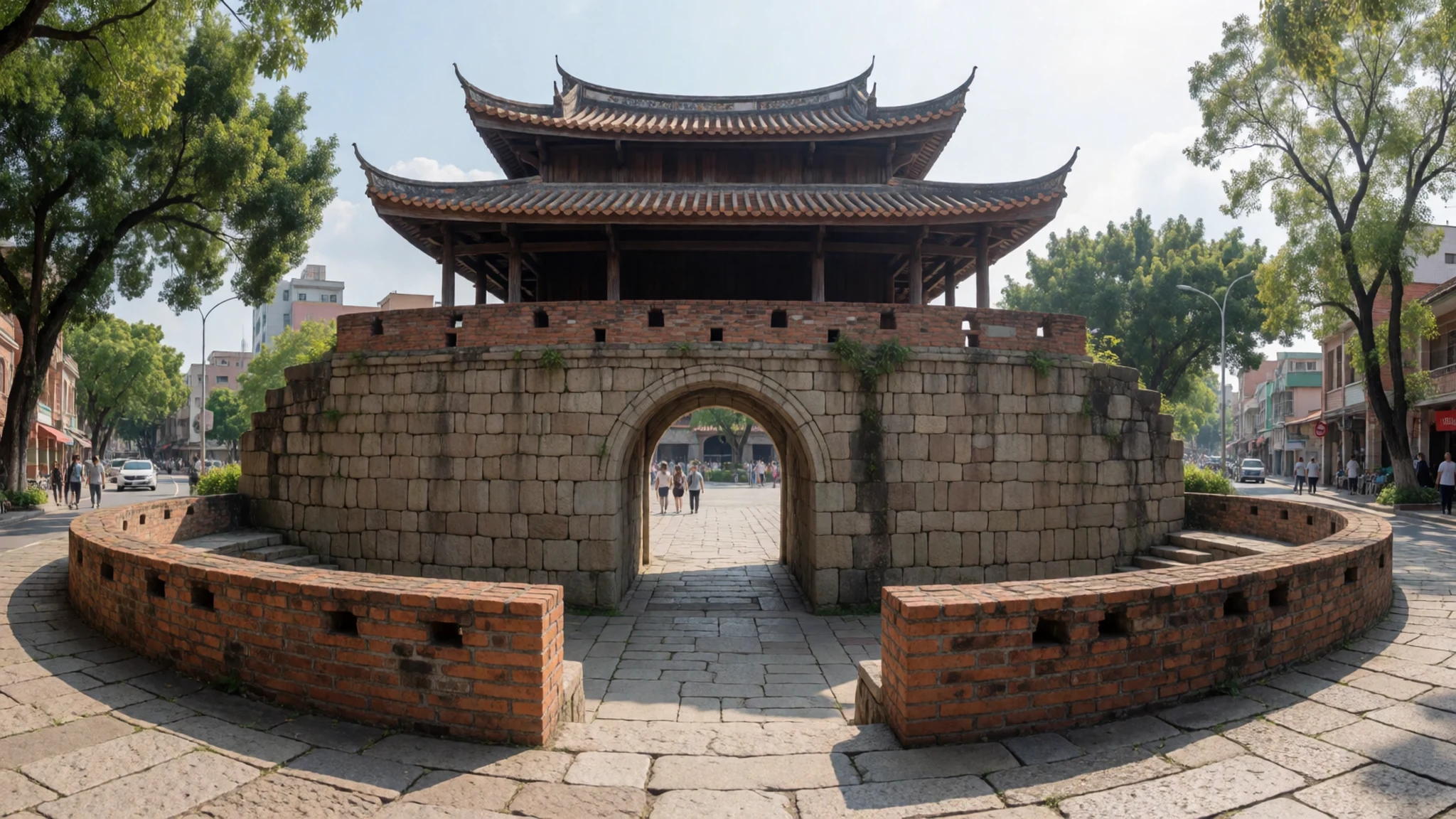
- Eternal Golden Fortress — Anping district, coast
Built in the nineteenth century under Qing rule, the fortress was armed with cannon to defend the coast against a feared Japanese invasion. Its walls and gun emplacements sit close to the sea, so the site makes a good stop on a walk around Anping. The visit is short, so pair it with the tree house and the forts.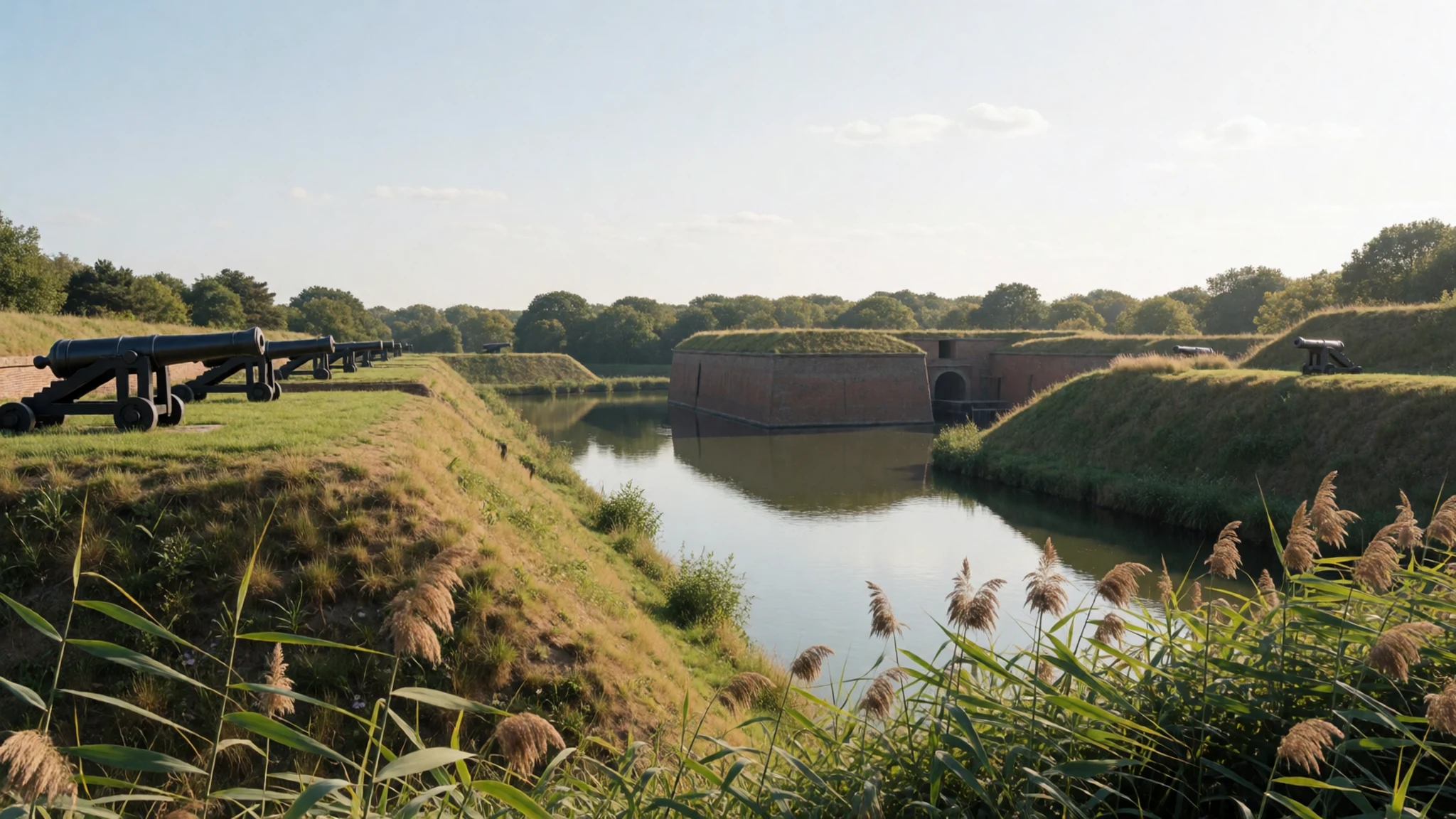
Culture
Tainan calls itself one of Taiwan's cultural capitals, and the claim rests on its concentration of historic monuments and a lifestyle that still revolves around local religion. The city is dotted with Taoist and Buddhist temples as well as churches, and many of them are among the oldest on the island. Local culture also has its own cooking and customs, shaped by centuries of trade and migration along the coast.
Folk belief shapes much of everyday life. Families take young children to the Weaving Maid Goddess, a deity who looks after children and is asked for their wellbeing. The city has also kept an unusual rite of passage: a large ritual celebration for sixteen-year-olds, held around the goddess's birthday in summer, marks the move towards adulthood. Traditionally adulthood was reckoned at twenty, so the event is as much about community as about the individual.
Temples are working places of worship rather than sets for photographs. Expect incense, offerings and locals who come in for a few minutes of prayer at any hour. Keep your voice down inside temples, ask before photographing anyone at prayer, and dress modestly at religious sites.
What to wear
Tainan has no costume that survives as everyday dress, so the traditional clothing of the area is best understood through the settlers who came from the southern Chinese coast. Their working clothes were loose cotton jackets and trousers, often dyed in indigo or left in plain brown, while silk and embroidered cloth were kept for weddings and festivals. Temple ceremonies still bring out elaborate robes, banners and ritual headwear for the people who carry statues and perform rites.
Today people in Tainan dress much as they do elsewhere in Taiwan. Office workers wear shirts and smart trousers, students wear uniforms on campus, and most people ride scooters in light cotton, sports shirts and sandals. Older residents are more likely to wear loose, practical clothes in the markets and temples. Dress is relaxed across the city, but religious spaces call for more care.
For a visitor, the climate decides most choices. Pack light, breathable cotton or linen for the warm months and a light layer for the mild, dry winter evenings. Covering shoulders and knees is a sensible habit at temples, and a scarf or light shirt is handy for churches. The old streets have uneven paving and the forts involve plenty of walking, so choose closed shoes with good grip, and bring sun protection and a hat for midday.
What to eat
- Dan zai mian (peddlers' noodles) — Du Hsiao Yueh, a long-running stall in the old town
Thin wheat noodles in a small bowl of soy-based broth, topped with shrimp, minced pork and egg. The dish began as food sold from roadside carts to fishermen, and it is still served quickly and cheaply. Try it at Du Hsiao Yueh, where the bowls are small enough to justify a second.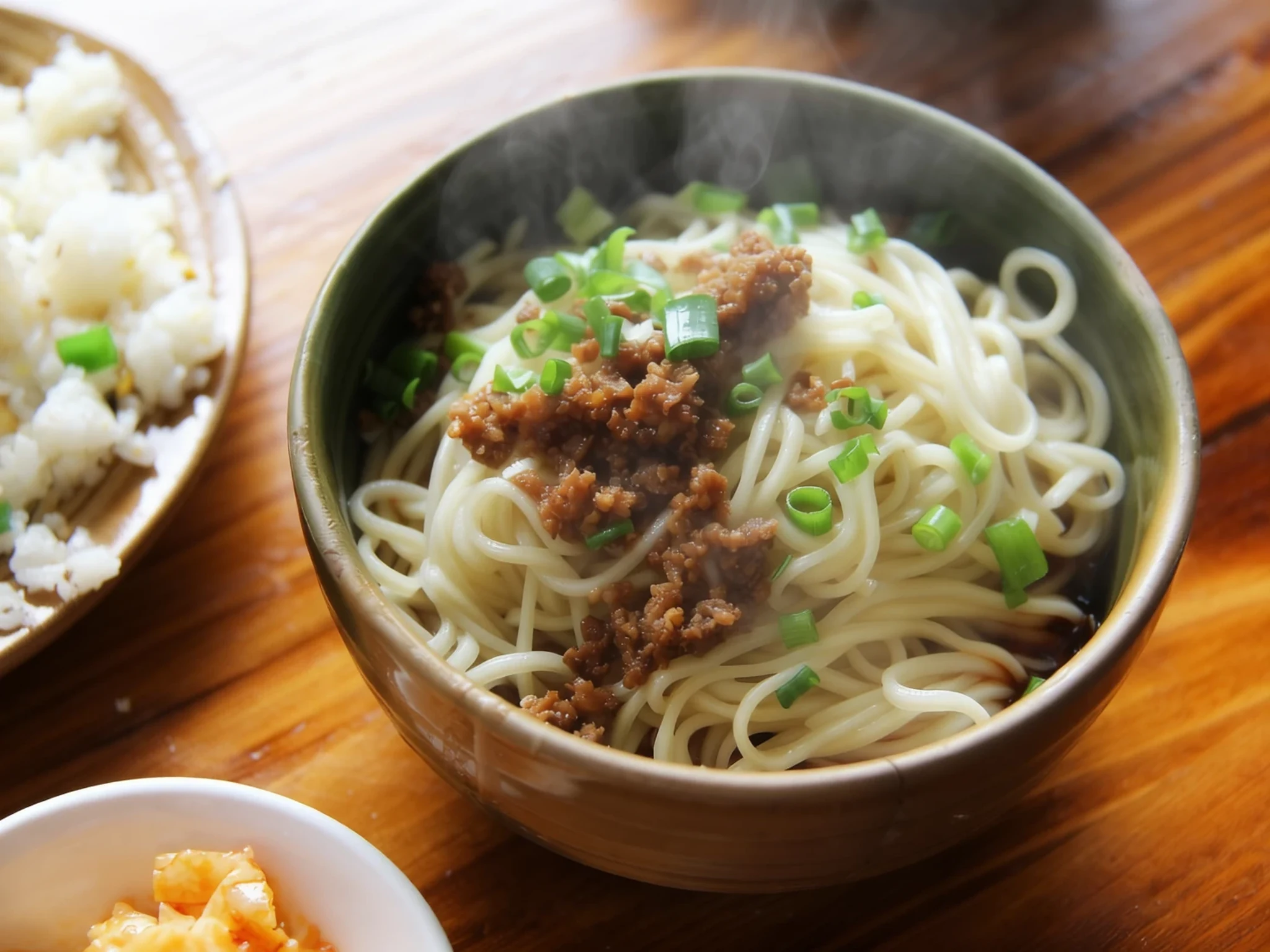
- Crab sticky rice — A Xia Restaurant, a well-known restaurant in the old town
Glutinous rice steamed with dried shrimp, mushroom and pork, then topped with crab meat and roe packed into a crab shell. It is the classic Tainan restaurant dish, so expect a wait at busy times. Order it at a restaurant known for the dish rather than a stall, since it is rich and better eaten as a proper sit-down meal.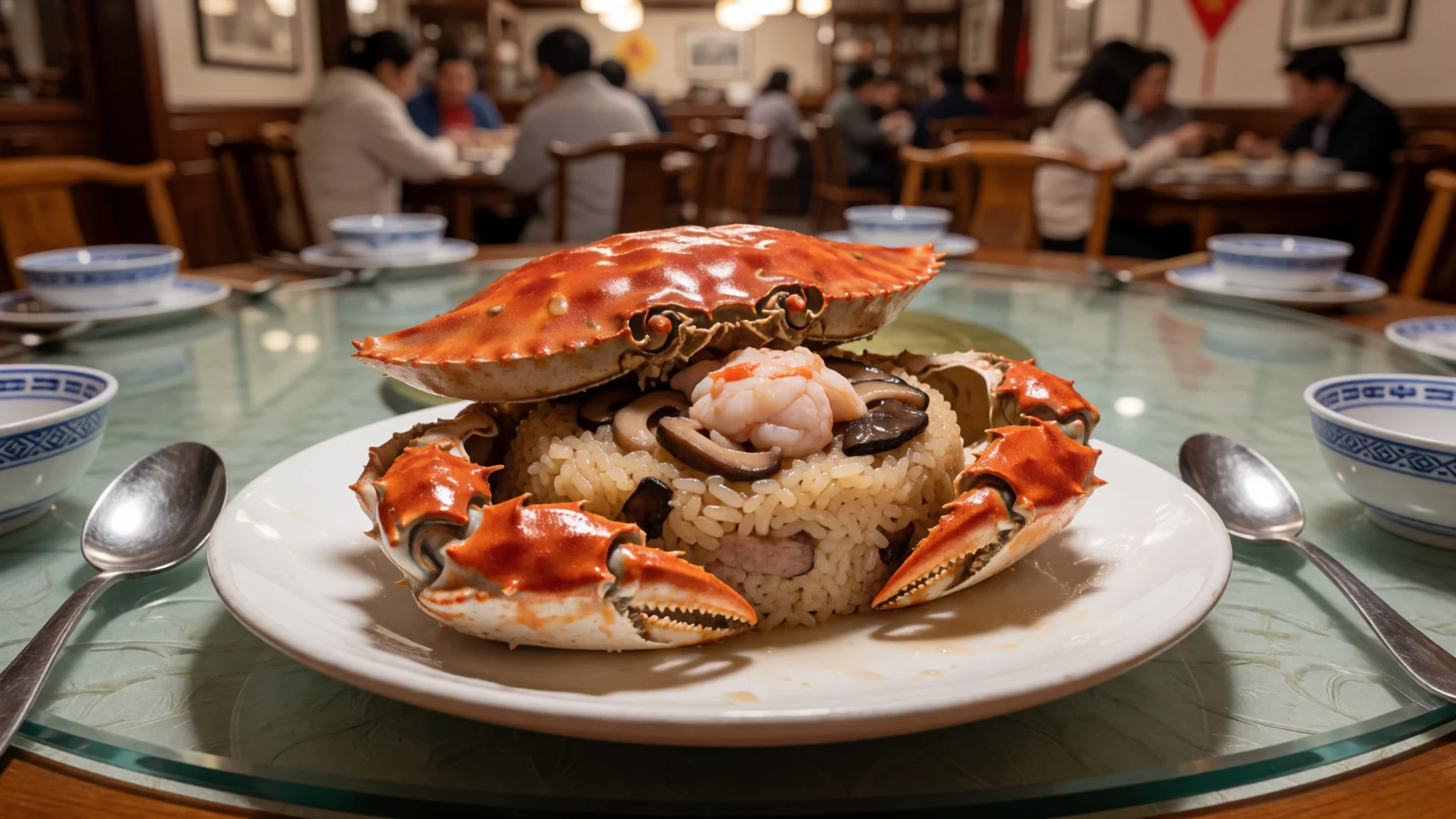
- Braised meats — Braised-meat shops in the old town, such as SongChun
Pork belly, minced pork and tofu simmered slowly in soy, rice wine and spices until dark and sticky, then spooned over plain rice. It is a simple, rich plate that suits a late breakfast or early lunch. SongChun is the name to look for on the braised-meat shops of the old town.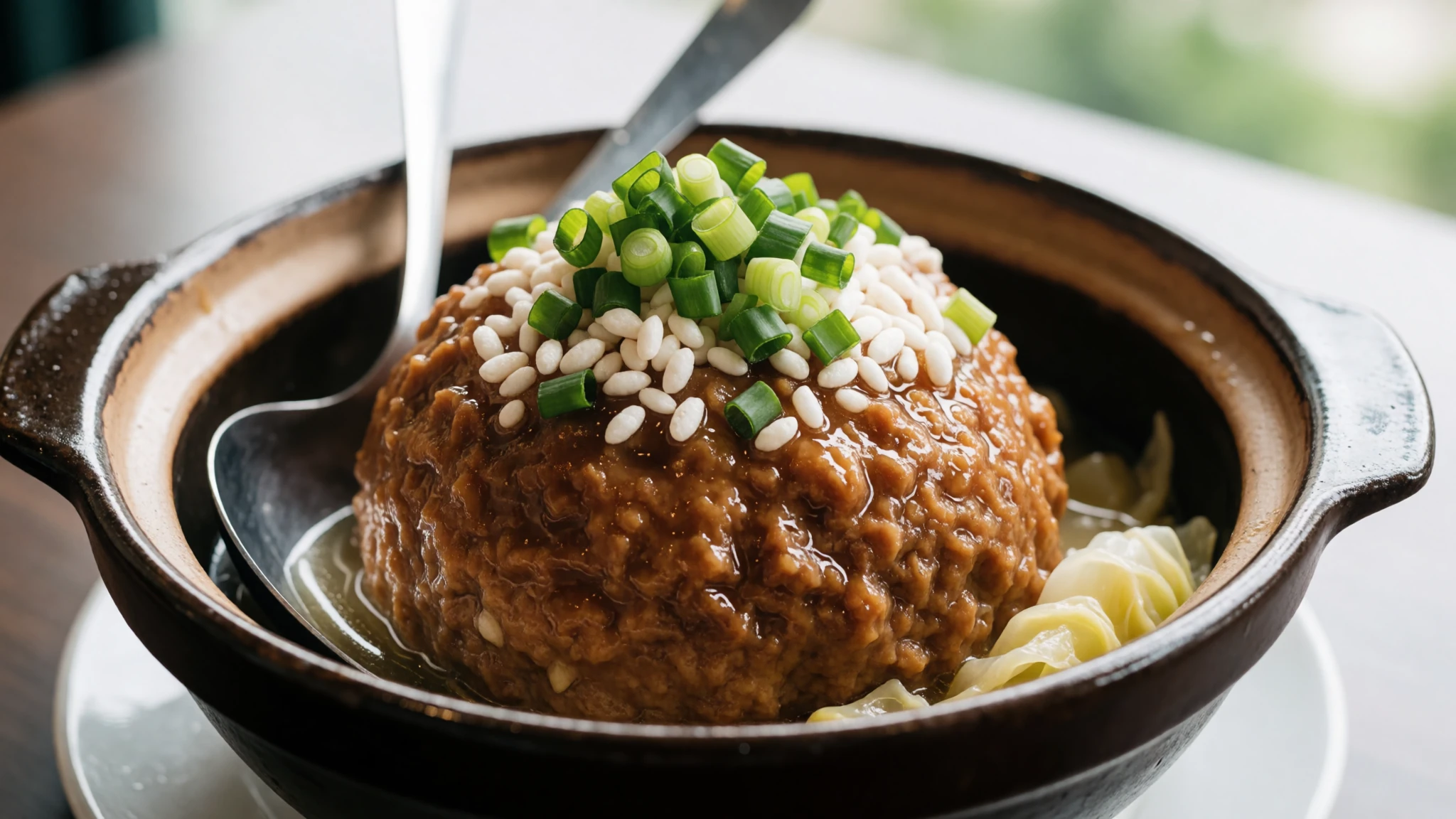
- Night market snacks — Garden Night Market and Wu Sheng Night Market
Fried chicken cutlets, grilled sausages, skewers and sweet desserts such as shaved ice fill the stalls of the big evening markets. Garden Night Market is set up in a large car park and is the place for a full evening of browsing. Wu Sheng Night Market has carnival-style games alongside its food. - Oyster omelette — Seafood stalls on the coast road around Anping
Eggs fried with plump oysters, sweet potato starch and spring onion, served with a sweet chilli sauce on the side. The coast around Anping has a fishing heritage, so the seafood stalls there are a good place to try it. Choose a stall with a line of locals, since the turnover keeps the oysters fresh.
Plan it
Best time. November to March, when the weather is mild and dry and walking the old streets is most comfortable. April is also pleasant. June to September is hot, humid and wet, which makes midday sightseeing hard going.
How long. 2–3
Getting there. Kaohsiung International Airport is the nearest international airport, and a train, bus or taxi covers the last leg into Tainan. Most visitors arrive by high-speed rail. Tainan HSR Station sits well outside the centre, so take the free shuttle buses or the local train from Shalun into the city.
Budget. low
Tips
- Visit the forts and temples early, before the heat builds up by midday
- Plan at least one evening at a night market; Friday evenings suit the lively Da Dong Night Market, popular with students
- Carry cash for small snacks and temple donations, since many older shops and stalls do not take cards
- Carry water on the long walks between the forts and the old centre
- Hire a bicycle or scooter for the distance between Anping and the centre, or use taxis for short hops
Etiquette
- Keep your voice low inside temples and do not point at statues or altars
- Ask before photographing people at worship
- Remove your hat inside temples and cover your shoulders at churches
Nearby
Sources
- Wikidata Q140631 (CC0)
- Wikipedia (rev 1378339347) (CC BY-SA 4.0)
- Wikivoyage (rev 5393005) (CC BY-SA 4.0)
- Downtown Tainan in 2012 (Mersh) (CC BY 3.0)
- Downtown Tainan in 2012, cropped (Mersh) (CC BY 3.0)
- Chihkan Tower 03171 (Winertai) (CC BY-SA 2.5)
- Qimei Museum (lienyuan lee) (CC BY 3.0)
- Tan Tsai Noodle of Tu Hsiao Yue (Wpcpey) (CC BY 4.0)
- Fort Zeelandia, An Ping (CEphoto, Uwe Aranas) (CC BY 3.0)
- VOC flag on replica East Indiaman (McKarri) (CC BY 3.0)
- Statue of Koxinga (Bernard Gagnon) (CC BY 3.0)


