Sveti Stefan
Sveti Stefan, Montenegro
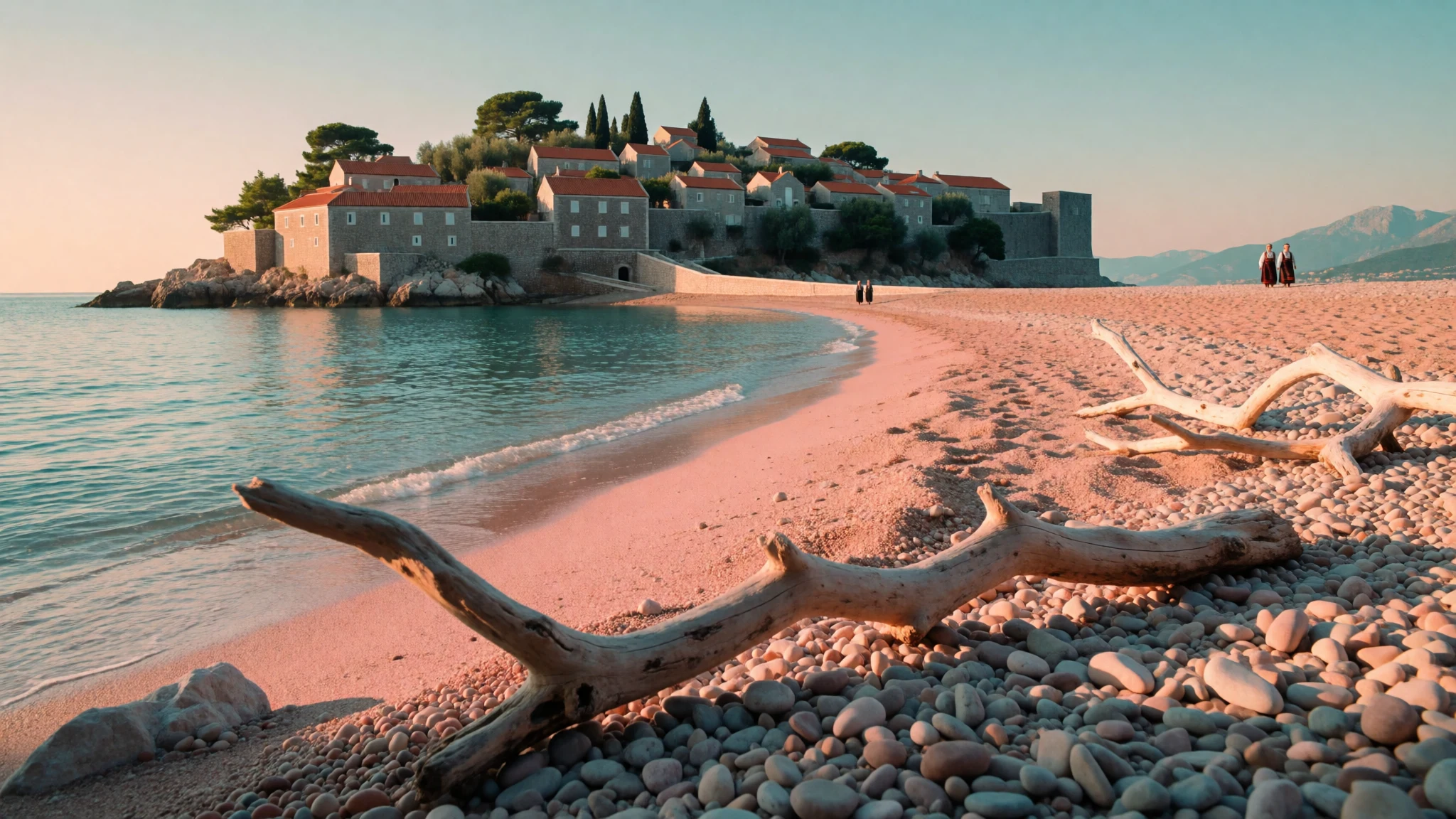
Sveti Stefan is a walled island village joined to Montenegro's coast by a sandy causeway, with pink-tinged beaches on either side.
The place
Sveti Stefan is a small island village on Montenegro's Adriatic coast, in Budva Municipality, a short distance southeast of Budva. A narrow sandy causeway, called a tombolo, ties the island to the mainland, so from the road above it looks like a walled huddle of stone roofs anchored just off the shore. Behind it lies the mainland part of the village, where most of the 411 residents live among olive trees and terraced houses, at an elevation of 231 metres. The island itself is tiny and now belongs to a luxury resort. That shapes any visit: it is closed to anyone who is not a guest or does not hold a meal reservation, so the famous view is mostly enjoyed from outside. The beaches on either side are the public draw. They are known for pinkish sand and small pebbles, and Miločer Beach and Queen's Beach belong to the same stretch of coast. Some sections are run by the resort or by operators who charge for entry, while others are open, so the rules change from one patch of sand to the next. Summer brings heat, crowds, music from beach bars and slow traffic on the coast road; late spring and early autumn are calmer. Sveti Stefan sits between Budva, with its old town and nightlife, and the quieter town of Petrovac, so it pairs easily with either. Local buses run along the coast, and a footpath from Budva follows the shore for much of the way. It is a place for looking, swimming and long evenings rather than for ticking off sights.
Its story
Sveti Stefan began as a fortified village of the Paštrovići, a clan community on this stretch of coast, and the earliest records name it as their main settlement. The Paštrovići had governed themselves since the twelfth century, but fear of Ottoman attack led them in 1423 to accept the protection of the Republic of Venice. The bargain suited them: they kept wide autonomy, paid Venice no tribute, and in return stopped raiding Venetian shipping. The island's walls are tied to a local legend, retold by the writer Stjepan Mitrov Ljubiša, in which Paštrovići fighters seized Ottoman vessels anchored at Jaz while Barbarossa besieged Kotor in 1539, and the plunder paid for the fortifications. The village was destroyed soon afterwards in a later Ottoman–Venetian war, and Venice agreed to rebuild it in the sixteenth century after repeated appeals. At first the rock held only twelve families, but by the 1800s it supported a proper village of about 400 people. Through the early decades of the last century, people drifted away, some into military service and others abroad, and the island emptied. Hotels gave it a second life. Villa Miločer, a summer home built between 1934 and 1936 for Queen Marija Karađorđević, stands among olive trees on the mainland opposite, and both villa and island were later refurbished as Aman Sveti Stefan, which opened in 2008–2009. The old stone houses survive, but as guest rooms rather than family homes.
What to see
- The island from the coast road — Hillside above the village
The best free view of Sveti Stefan is from the road and lookout points above the village, where the causeway, the red-tiled roofs and the stone walls fit into one frame. Morning light is softer and the crowds thinner. The island itself is not open to casual visitors, so photographs from here are the main way to see it.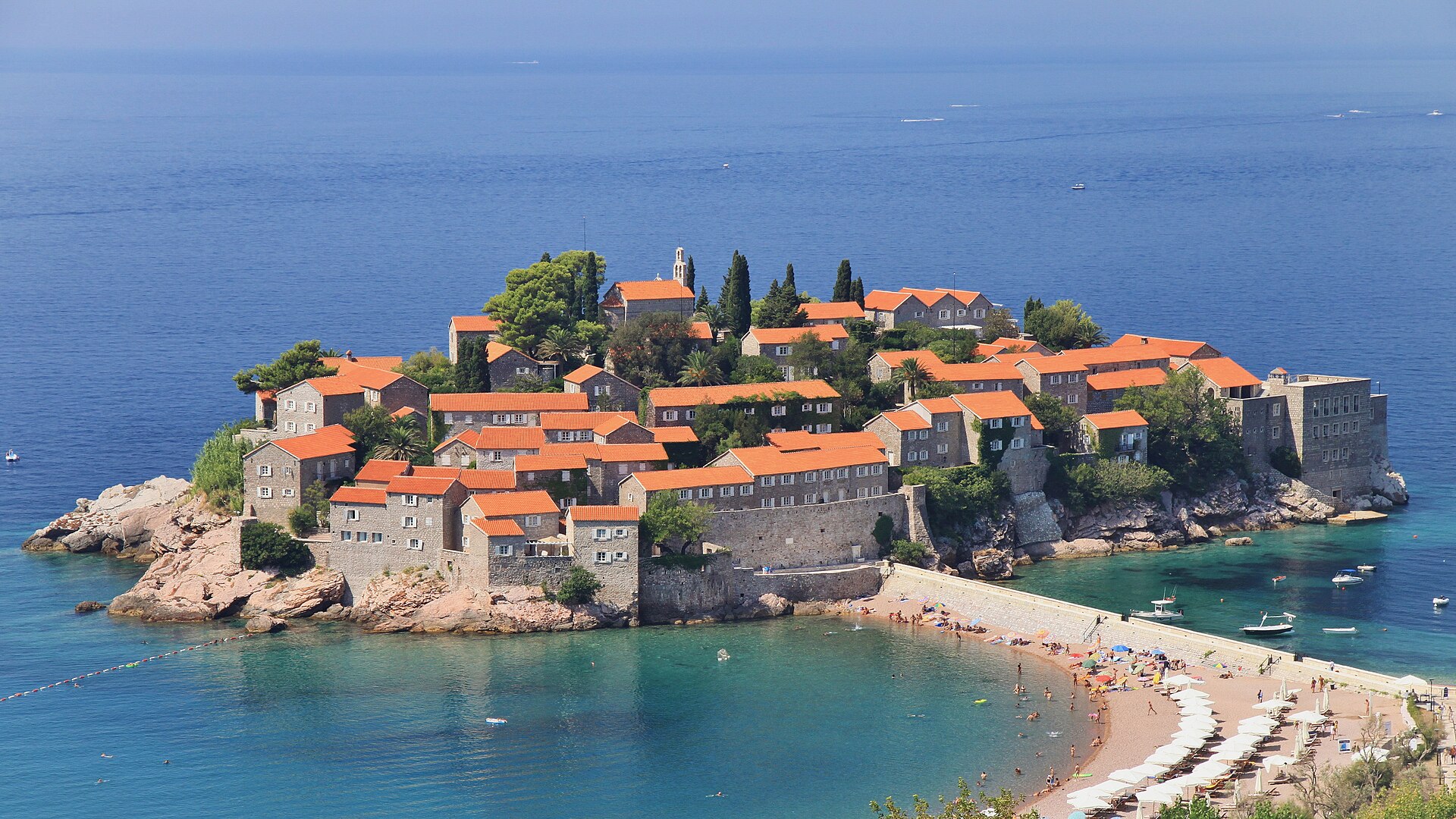
- Sveti Stefan beach — Either side of the causeway
The beaches on either side of the causeway are where most visitors actually spend their time. The sand is pinkish and mixed with fine pebbles, and the water is clear on calm days. Some stretches are free and others are run for a fee, so ask before laying a towel down. Bring water and shade, because stalls are few.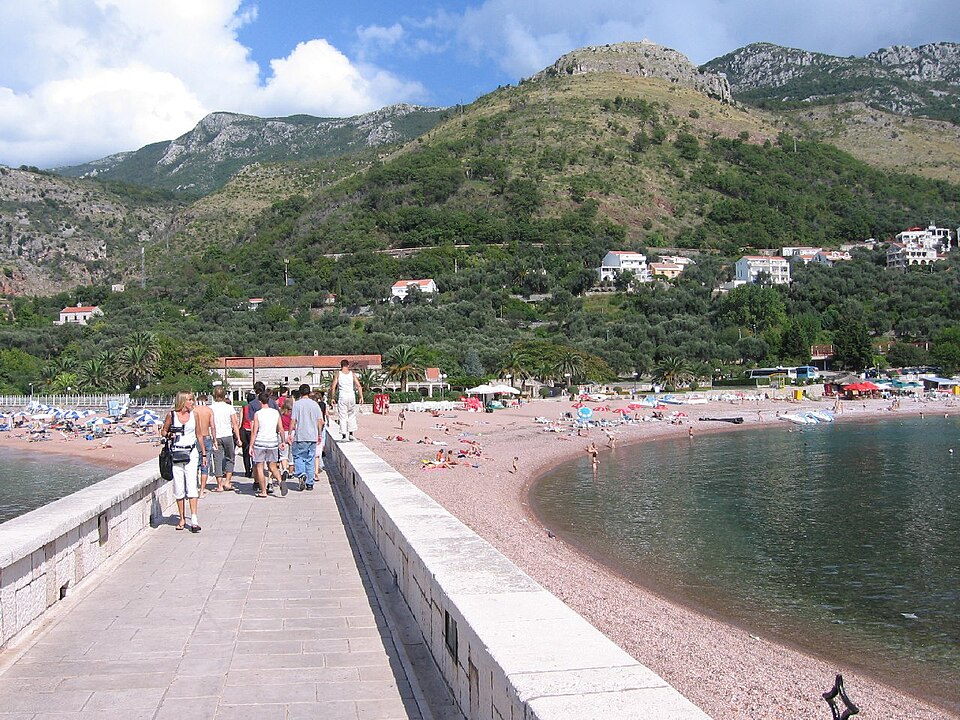
- Miločer Beach and Queen's Beach — Coast just south of the island
A little way along the coast, Miločer Beach and Queen's Beach share the same pink-tinged shore, backed by pines and olive trees. They feel calmer than the beach by the causeway, though summer weekends still fill them. The walk between the two is short and pleasant, and the shade under the trees helps on hot afternoons.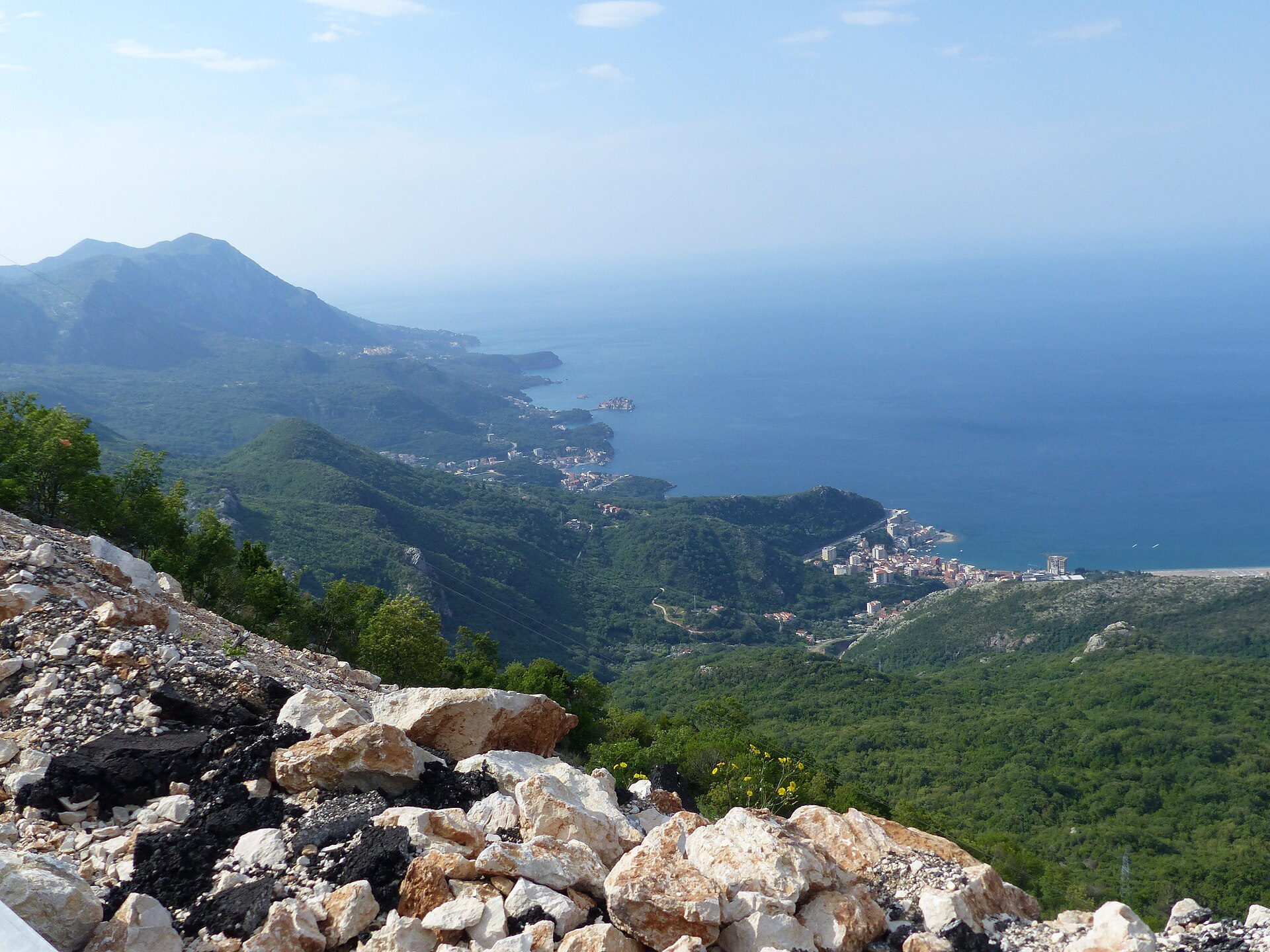
- Villa Miločer — Mainland shore opposite the island
Villa Miločer went up from 1934 to 1936, a summer residence for Queen Marija Karađorđević. It stands among olive trees opposite the island and is now part of the resort, so access is limited, though the setting is easy to appreciate from the neighbouring beach. Check the resort's official site before planning to go in.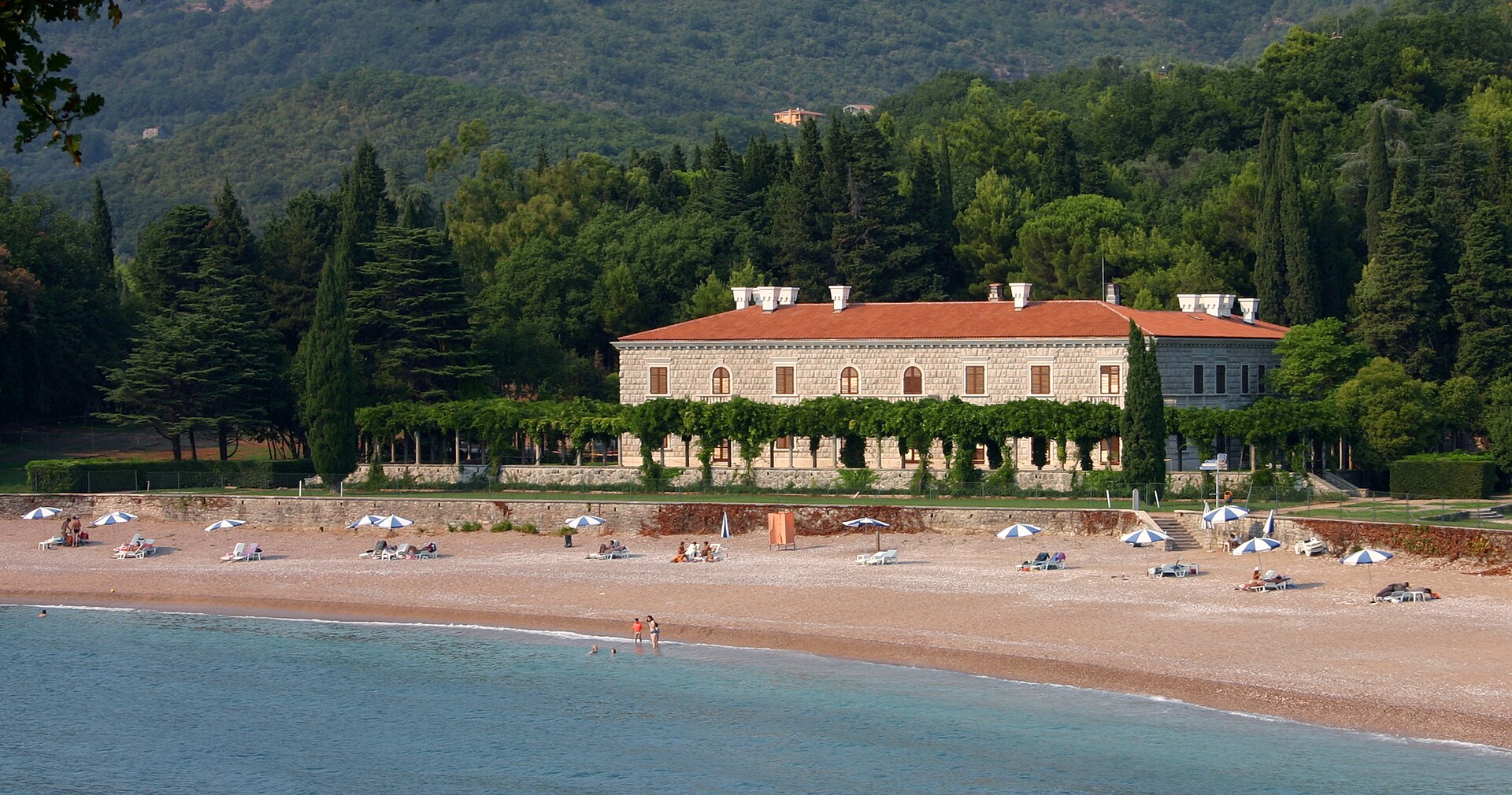
- The coastal path from Budva — Between Budva and Sveti Stefan
A footpath links Budva to Sveti Stefan along the shore, passing tunnels, small coves, beach restaurants and hotel grounds. It is a long walk in summer heat, so start early and carry water. Parts of the route run beside the main road, so it suits steady walkers, and the local bus is an easy fallback for the way back.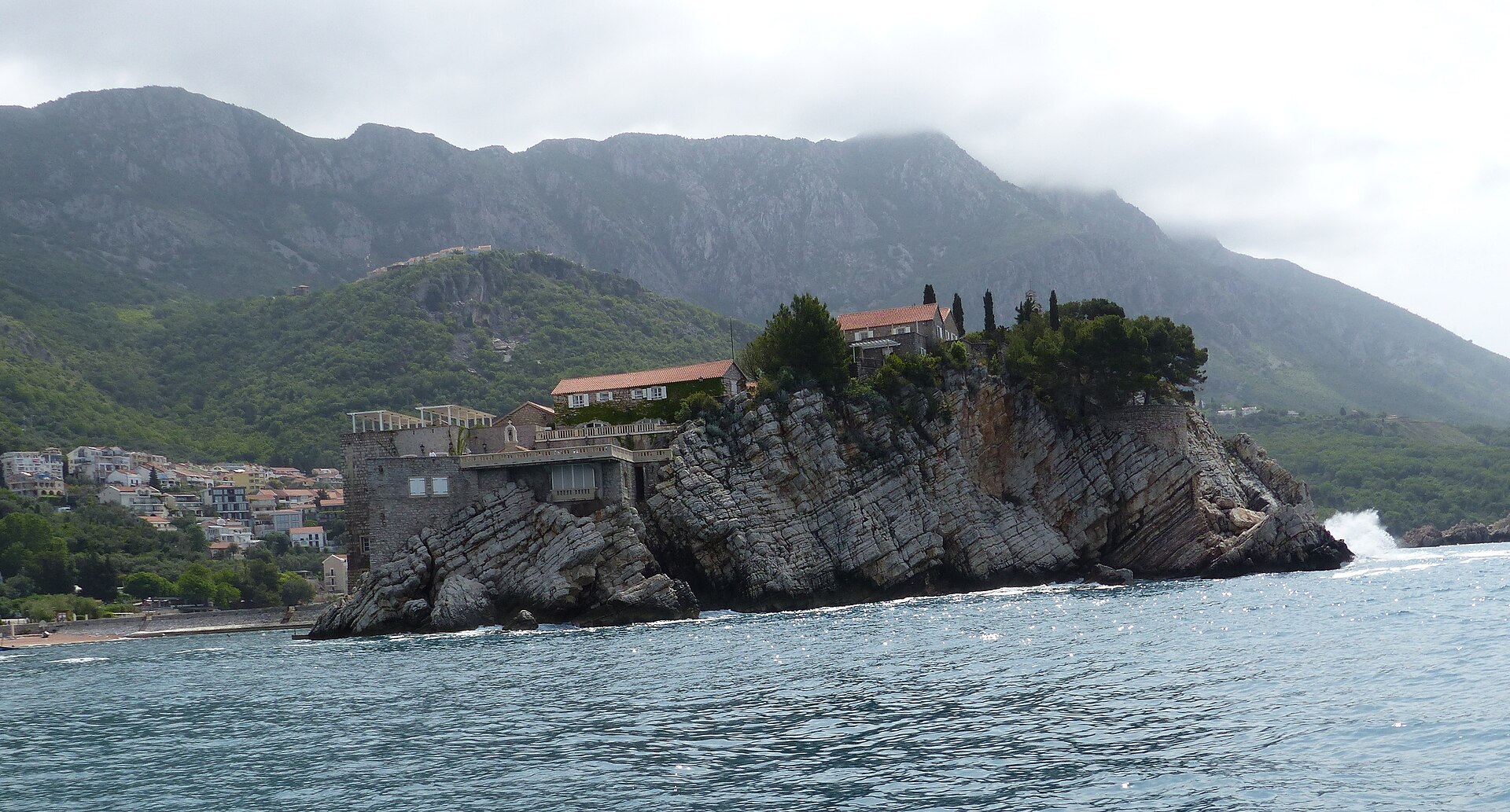
Culture
Sveti Stefan carries the culture of the Paštrovići, a coastal community that governed itself for centuries and still shapes local identity. The village is named after Saint Stephen, and the old rhythms of Adriatic life survive here: long lunches, coffee that lasts an hour, and evening strolls along the seafront once the heat drops. Montenegrin and Serbian are the languages of daily life, though staff in cafés and shops are used to visitors and often speak some English. A friendly greeting before asking for anything goes a long way. The village is also a working place with about 411 residents, and the mainland streets are homes rather than a stage set. The contrast is part of the story: a former clan stronghold now hosts very wealthy guests on the island, while ordinary life continues a few steps away. Visitors who spend in local cafés, bakeries and family guesthouses see a different side of the coast from those who stay behind the resort gates. In the village lanes, keep your voice down and ask before photographing residents or their gardens, since these are private homes.
What to wear
Sveti Stefan's traditional dress belongs to the wider Montenegrin coastal costume, in which wool, linen and embroidered waistcoats are typical, and men wear the red-topped Montenegrin cap. Details vary between clans and villages, and these outfits now appear mainly at folklore events, weddings and national celebrations. Everyday clothing in Sveti Stefan is resort-casual. Locals and holidaymakers wear linen shirts, light dresses, shorts and sandals, with swimwear on the beach and smarter outfits for evening meals. Visitors should dress for strong summer sun: breathable cotton or linen, a wide-brimmed hat, high-factor sunscreen and a light layer for breezy evenings in spring and autumn. Swimwear belongs on the beach, so put a shirt or wrap on before walking into a shop or café. For any church, cover shoulders and knees. Footwear matters more than people expect: swim shoes help on pebbly entries to the water, while the coastal path and its steps call for sturdy sandals or trainers. Carry a scarf or shirt for the cooler breeze after sunset. In midsummer, the hours around midday are best spent in shade, so choose clothes that dry fast and cover the skin lightly.
What to eat
- Grilled fish (riba na žaru) — Family-run seafront restaurants along this coast
Grilled sea bream or sea bass, brought whole with olive oil, lemon and a side of chard and potatoes, is a common coastal lunch. Fish is sold by weight, so ask how much yours weighs before ordering. Look for family-run seafront restaurants along this coast. - Black risotto (crni rižot) — Seafront restaurants
Black risotto, coloured and flavoured with cuttlefish ink, is a favourite along the Adriatic. It is rich, a little briny and often served with squid or shellfish. Order it at a seafront restaurant, and share a portion if appetite is modest. - Priganice — Local cafés and village guesthouses, usually at breakfast
Priganice are small fried dough balls, served warm with honey, jam or soft white cheese for breakfast or a snack. They are made at home across Montenegro, and local cafés and village guesthouses often offer them in the morning. Ask for them with coffee. - Njeguški pršut with cheese — Village restaurants and small shops near the coast
Smoked, air-dried ham from the mountain village of Njeguši is sliced thin and served with local cheese, olives and bread as a starter or a light lunch. It is salty. Look for it on platters at village restaurants and in small shops near the coast. - Buzara — Beach restaurants and harbour-side eateries
Mussels or prawns cooked in white wine, garlic and parsley, called buzara, are served with bread to mop up the sauce. It is a simple, messy dish, best eaten slowly. Find it at beach restaurants and harbour-side eateries along the coast.
Plan it
Best time. Late May–June and September–October for warm sea, easier beaches and thinner crowds; July and August are hot, busy and loud, and the shoulder months can bring cool evenings.
How long. 1–2
Getting there. Tivat is the closest airport, with Podgorica as the larger alternative; from either, travel by road to Budva, then take the regular local bus south along the coast (about 30 minutes) or a taxi for the last leg. A footpath from Budva also reaches the village on foot.
Budget. mid
Tips
- Reach the beaches before late morning in July and August, when space and parking fill up
- Bring your own water and snacks, as concession stands on the beaches are few
- Carry some cash and a card, and ask about entry arrangements before settling on a beach
- The island is closed to non-guests, so reserve a table well ahead if you want to go in, and check the official site: https://www.aman.com/resorts/aman-sveti-stefan
Etiquette
- Dress modestly when leaving the beach for the village or any church
- Ask before photographing residents, private gardens or other guests
- Keep voices low in the residential lanes, especially in the evening
Nearby
Sources
- Wikidata Q844192 (CC0)
- Wikipedia: Sveti Stefan (rev 1377806147) (CC BY-SA 4.0)
- Wikivoyage: Sveti Stefan (rev 5419211) (CC BY-SA 4.0)
- Sveti Stefan (06), Marcin Konsek (CC BY-SA 4.0)
- Private beach of Aman Sveti Stefan hotel, Jaakko Luttinen (CC BY-SA 4.0)
- Villa Miločer, Pear Blossom (CC BY 3.0)
- Admiralty Chart No 1463, E.J. Evans (Public domain)
- Beach at Sv. Stefan, Alen Ištoković (CC BY 3.0)
- Budva, coastline around Sveti Stefan, Wolfgang Sauber (CC BY-SA 4.0)
- Budva, Sveti Stefan 1, Wolfgang Sauber (CC BY-SA 4.0)
- Budva, Sveti Stefan 2, Wolfgang Sauber (CC BY-SA 4.0)


