Summer Palace
Summer Palace, People's Republic of China
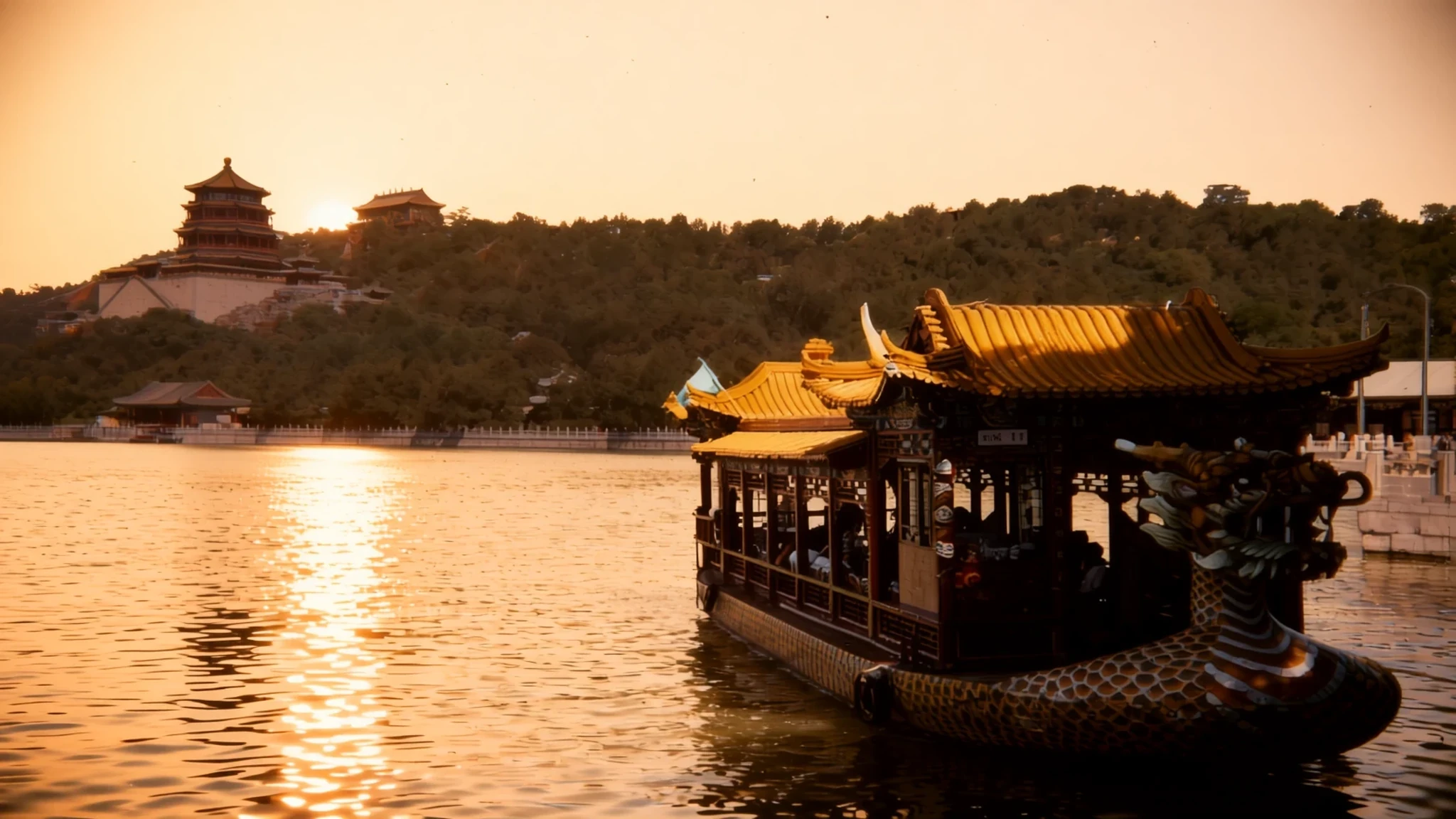
The Summer Palace is a park of lakes, hills and halls in north-west Beijing, and one of the clearest examples of imperial Chinese garden design.
The place
The Summer Palace, also known as Yiheyuan or Yihe Garden, is a large ensemble of lakes, gardens and palaces in the north-west of Beijing. It was an imperial garden under the Qing dynasty, and Empress Dowager Cixi later used it as a place to retreat from court life. The whole site covers about 2.9 square kilometres, and roughly three-quarters of that is water.
The heart of the park is Kunming Lake, which is entirely man-made. The soil dug out to create it was piled up to form Longevity Hill, which rises about 60 metres above the water. The front face of the hill is crowded with halls, pavilions and temples climbing in sequence, while the back of the hill is quieter, wooded and far more natural.
The design takes its cue from the gardens of South China, with winding paths, rockwork and water views framed by buildings. Across the grounds stand more than 3,000 historic structures, and the collections associated with the site hold over 40,000 relics from several dynasties. UNESCO added the palace to its World Heritage List in 1998.
A visit can easily fill a full day, since walking the lakeshore and climbing the hill takes most of a morning. The area near the main gate is busy, while the far side of the lake and the back hill offer more room to breathe.
Its story
The Summer Palace grew out of royal retreats that were built long before the Qing dynasty took power. In 1153 the Jin emperor Wanyan Liang moved his capital to Yanjing, the site of present-day Beijing, and ordered palaces built in the hills to the north-west of the city.
Around 1271, under the Yuan dynasty, the engineer Guo Shoujing planned a waterworks that carried spring water from the hills towards a western lake. That lake later became Kunming Lake, and the scheme was meant to give the future palace a dependable supply of water.
In 1494 the Hongzhi Emperor of the Ming dynasty had a temple built for his former wet nurse on a hill known as Jar Hill. The temple later fell into ruin and the slopes grew thick with plants. His successor, the Zhengde Emperor, built a palace on the lake shore and turned the district into an imperial garden, renaming the hill Golden Hill and the lake Golden Sea. Ming emperors enjoyed rowing out on the water.
The Qing court made the gardens their own and reshaped them over the following centuries. Their grander neighbour, the Old Summer Palace, was looted and destroyed in 1860 on the orders of Lord Elgin during an Anglo-French expedition to Beijing, and its ruins are still visible today.
What to see
- Kunming Lake — Central park, the main body of water
The lake fills most of the park and is the first thing most visitors see. Because it was dug out rather than found, its shape feels deliberate, with long views across the water to the hill and its halls. Walking or cycling along the shore gives the best sense of scale, and boats are a pleasant way to reach the quieter stretches of water.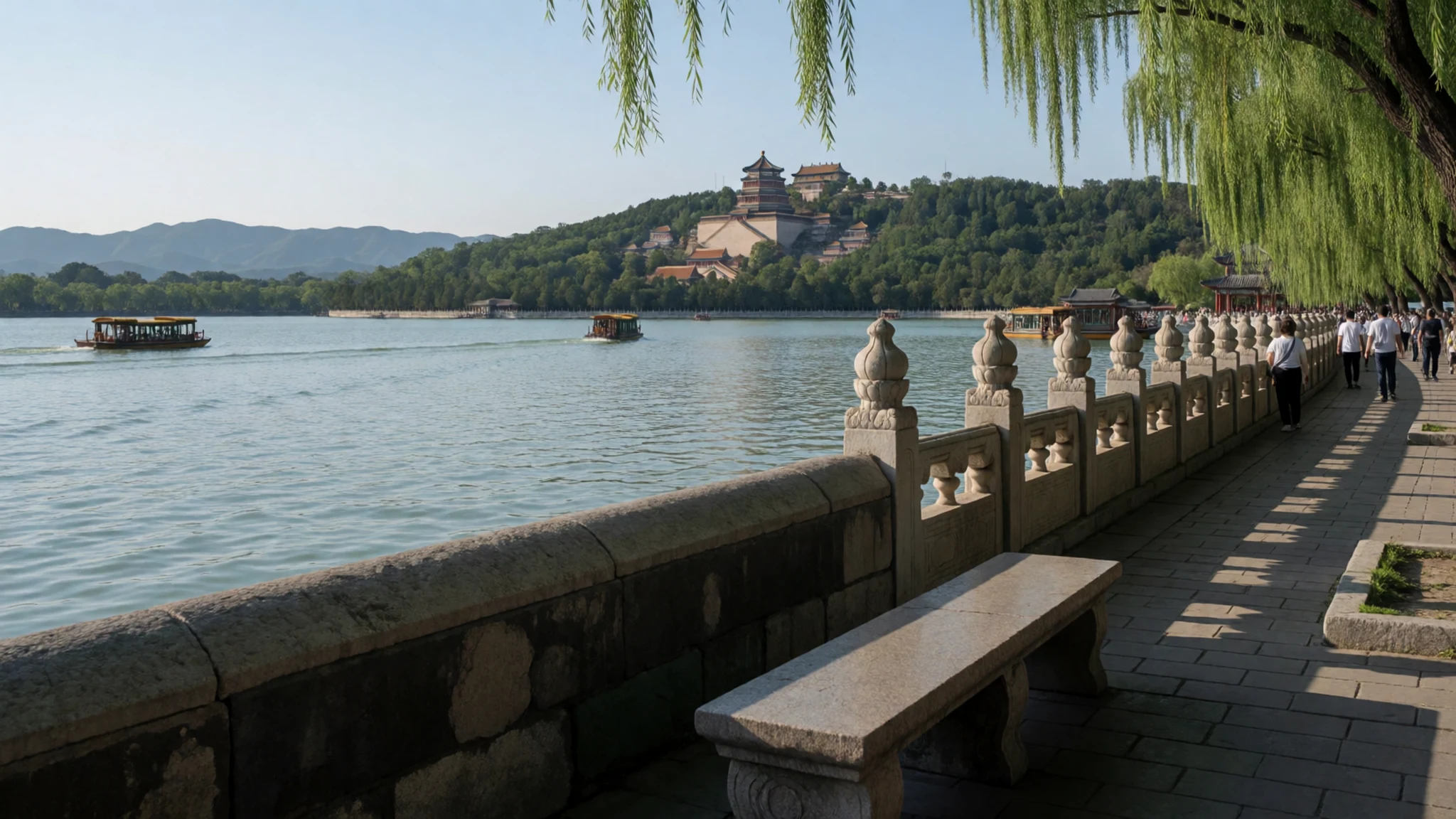
- Longevity Hill — North of the lake, the park's main hill
This hill is built from the soil removed to make the lake and rises about 60 metres above it. The front slope holds a sequence of halls, pavilions and temples linked by stairs and terraces, which makes the climb rewarding. The back of the hill is calmer, with trees and fewer crowds, and it is the better choice if you want quiet.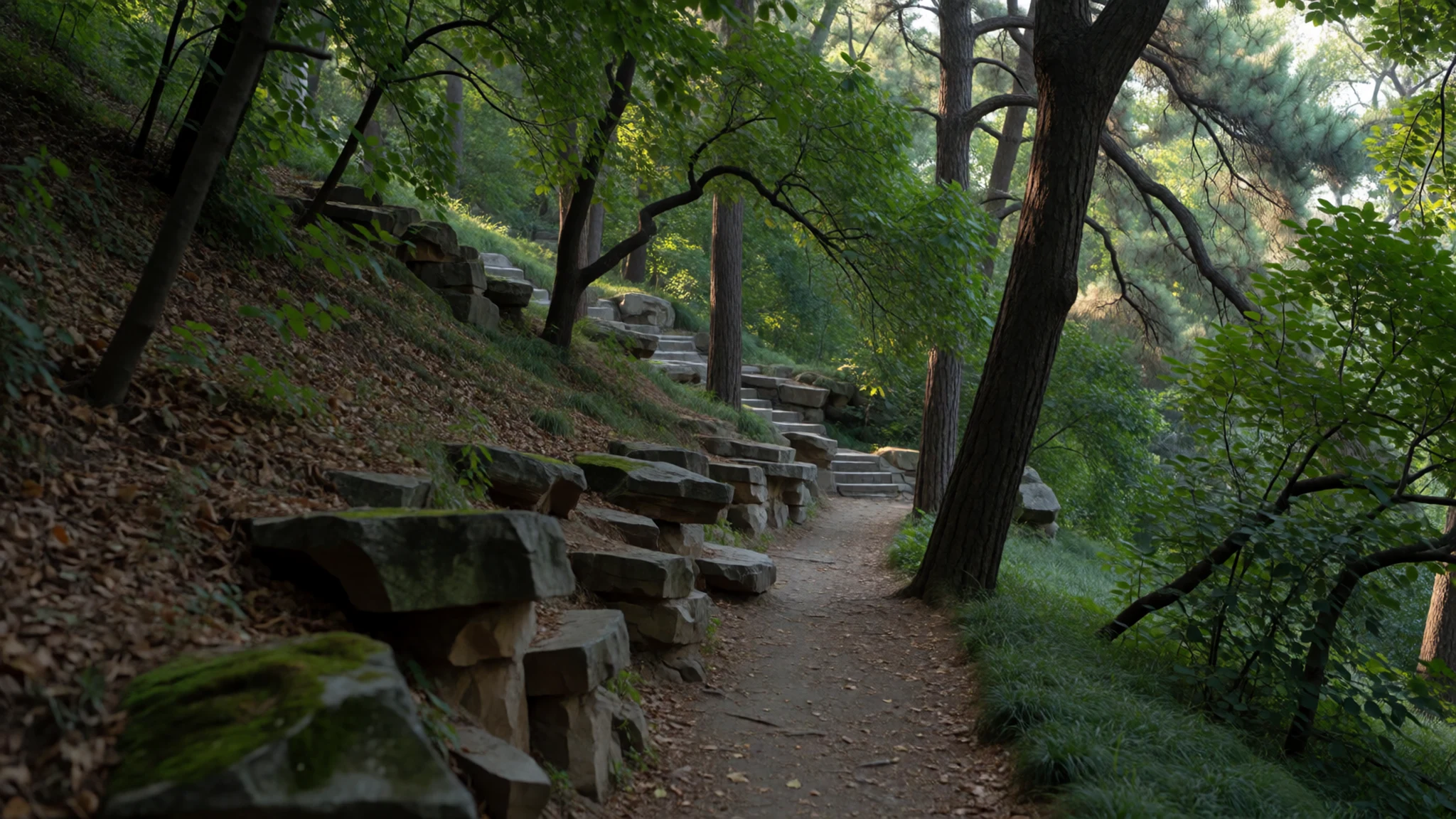
- Seventeen-Arch Bridge — Spanning Kunming Lake
This long stone bridge crosses the lake and is one of the palace's best-known features. Its arches are lined up in a row, and the view along the span is often photographed. It is best seen early in the morning or late in the afternoon, when the light is soft and the paths are less busy.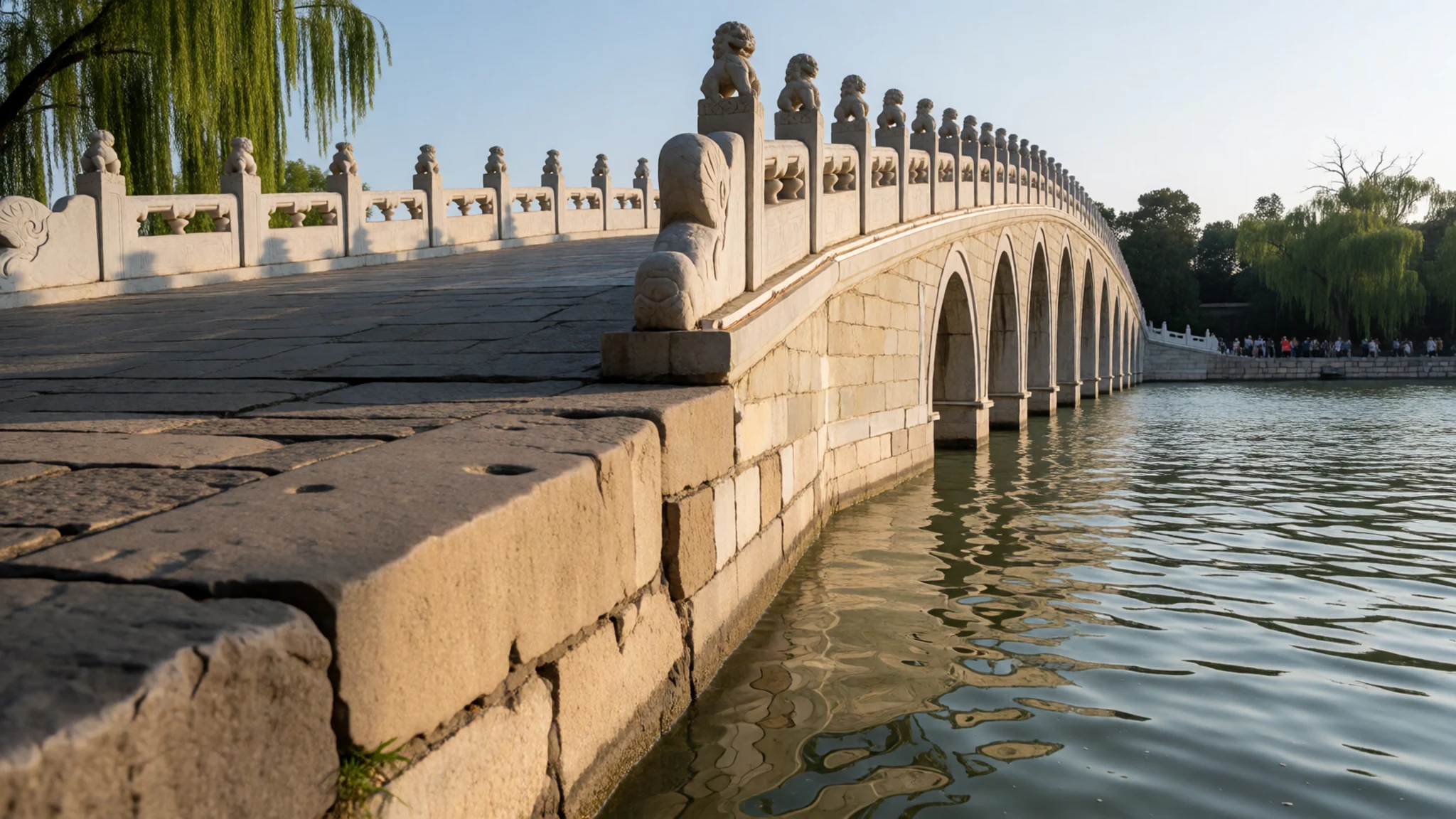
- Wenchang Tower and the boat dock — Lakeside, near the boat dock
The Wenchang Tower stands near the lake, and the boat dock beside it is where many visitors hire a boat or board a ferry. The tower is a good place to pause and look back at the palace halls on the hill. Boat trips can be a relaxing way to cover distance, though queues can build up in the warmer months.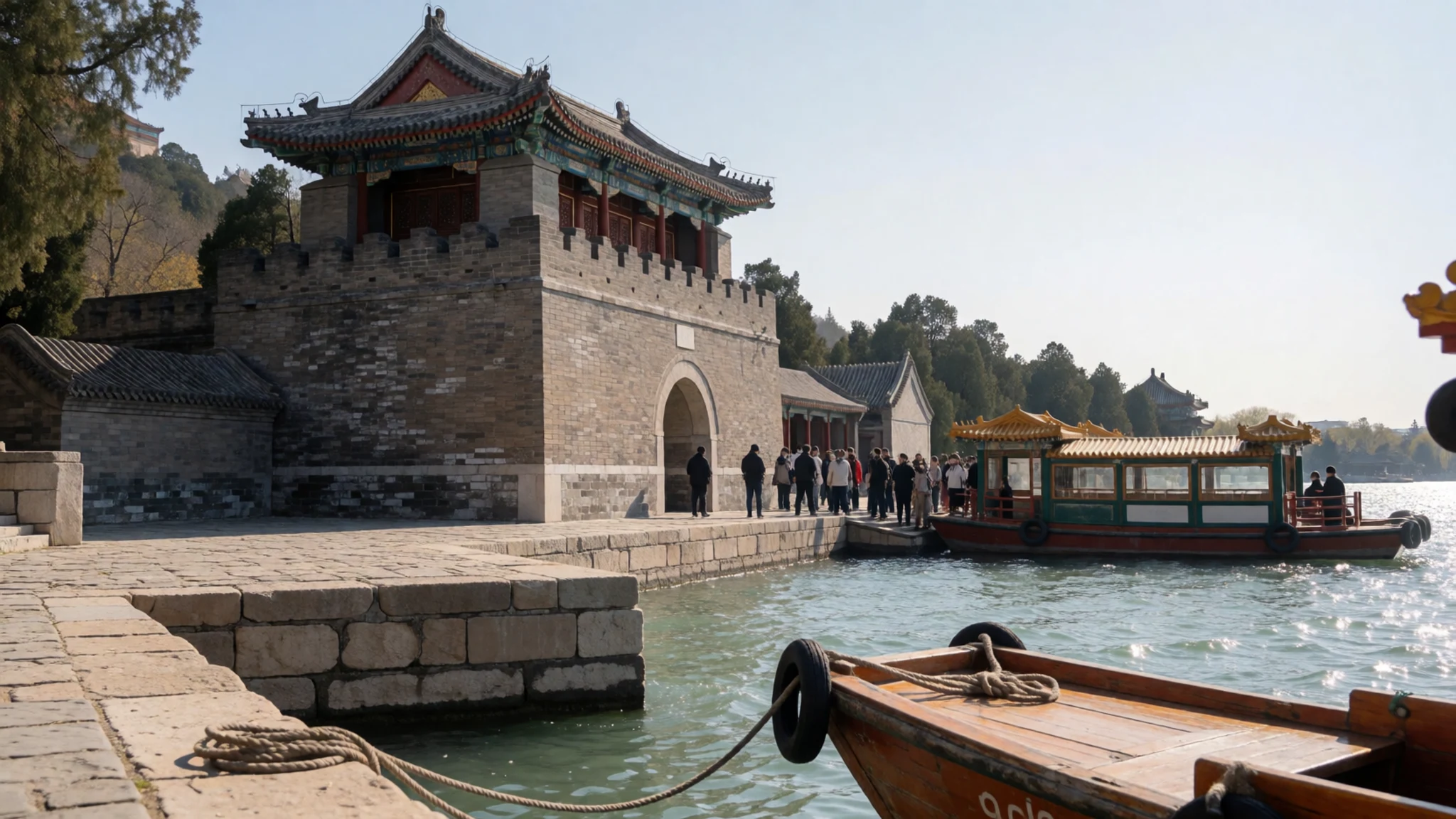
- Linglong Pagoda and Linglong Park — Haidian district, to the south of the palace
Linglong Pagoda sits in its own park a short distance away from the palace, so it makes a quieter add-on for a half-day in the area. The park is more informal than the palace grounds, with local families and walkers around. It is worth combining with a meal or a stroll if you want a change of pace after the crowds at the palace.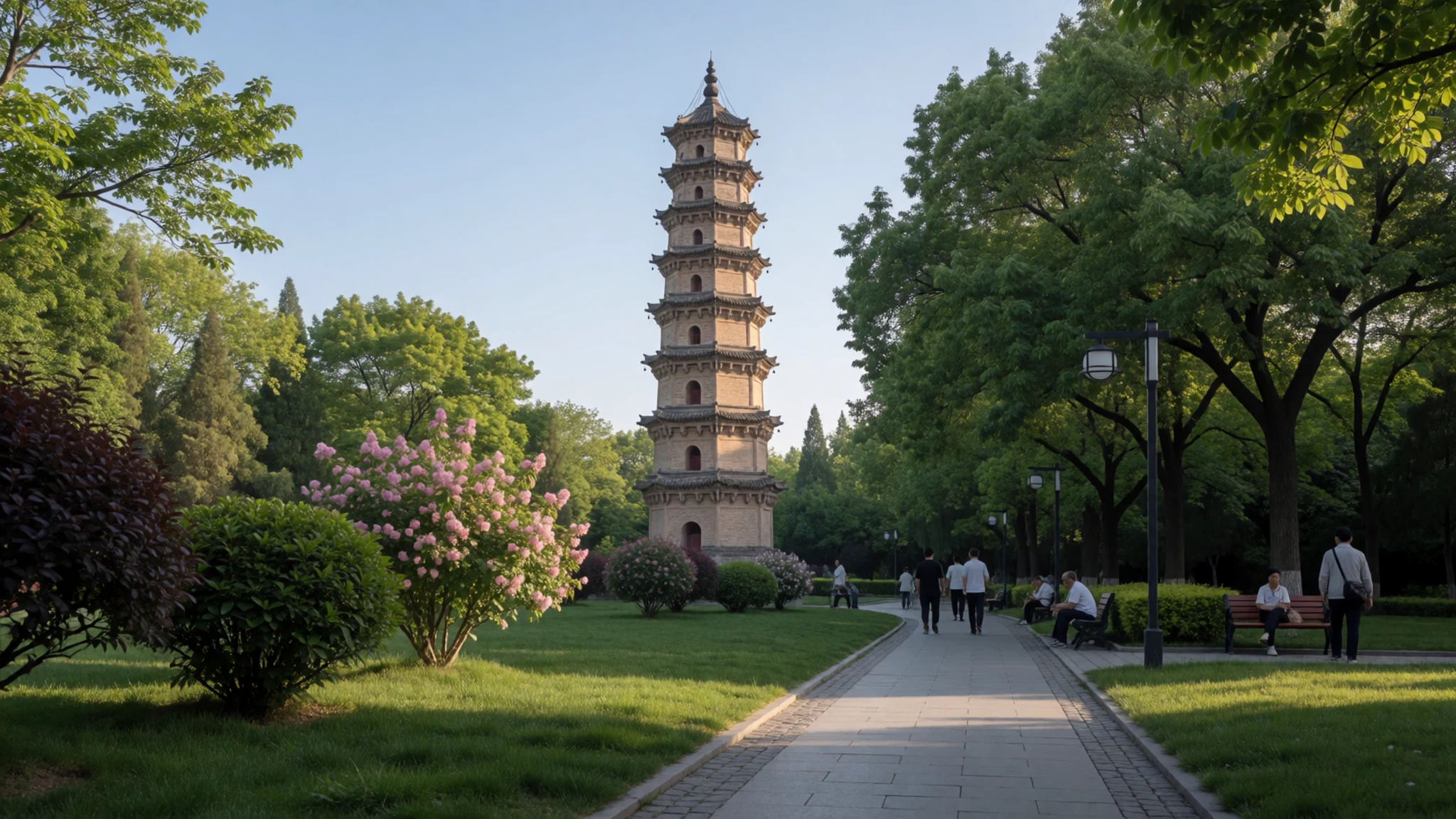
Culture
The Summer Palace was a place of ceremony, study and private leisure for the Qing court, and that heritage shapes how visitors are expected to behave today. Many halls contain Buddhist shrines, while the Tibetan-style temples of the park are still treated as active religious spaces by some worshippers. Chinese visitors often arrive in family groups, and the paths can be crowded at weekends and public holidays.
The grounds are open, so it is easy to forget that the buildings and stone carvings are fragile and very old. Stay on the paths, keep off the lawns and do not climb on carved stone, balustrades or the railings of the bridge. Photographing people, especially monks and worshippers, is best done only after asking for permission. Please keep your voice low and your phone quiet inside temple halls and around the back hill.
What to wear
The palace belongs to the Qing court, and the clothes most associated with it are the long silk robes of the Manchu nobility. These robes, often called changpao, were made from silk and brocade, with woven or embroidered dragons, clouds and auspicious motifs, and they were worn for ceremony and court life. Qing-style dress survives today mainly in period dramas, museum displays and costume photography in the grounds, where some visitors hire robes for portraits.
Day to day, people in Beijing dress much as they do in any large modern city. You will see jeans, trainers, sports wear and smart casual clothes, with light jackets in spring and autumn and padded coats in winter. Older residents sometimes wear simple cotton clothing, and grandparents walking the lakeshore often carry folding chairs and sun hats.
For a visit, wear shoes you can walk in comfortably, as the paths are long and the climb up Longevity Hill involves many steps. In summer bring a hat, sunscreen and water, and dress in light, breathable layers. Cover your shoulders and knees when entering temple halls, and carry a light layer in spring or autumn for cooler breezes by the water.
What to eat
- Beijing lamb hotpot — A traditional hotpot house in Haidian, close to the palace
Lamb hotpot is the classic winter meal in Beijing, with thin slices of mutton cooked at the table in a simmering pot of broth. Some of the city's long-established hotpot houses are run by Hui families, and many serve halal cuts of lamb. Look for a hotpot house in Haidian, which is close to the palace and has plenty of options.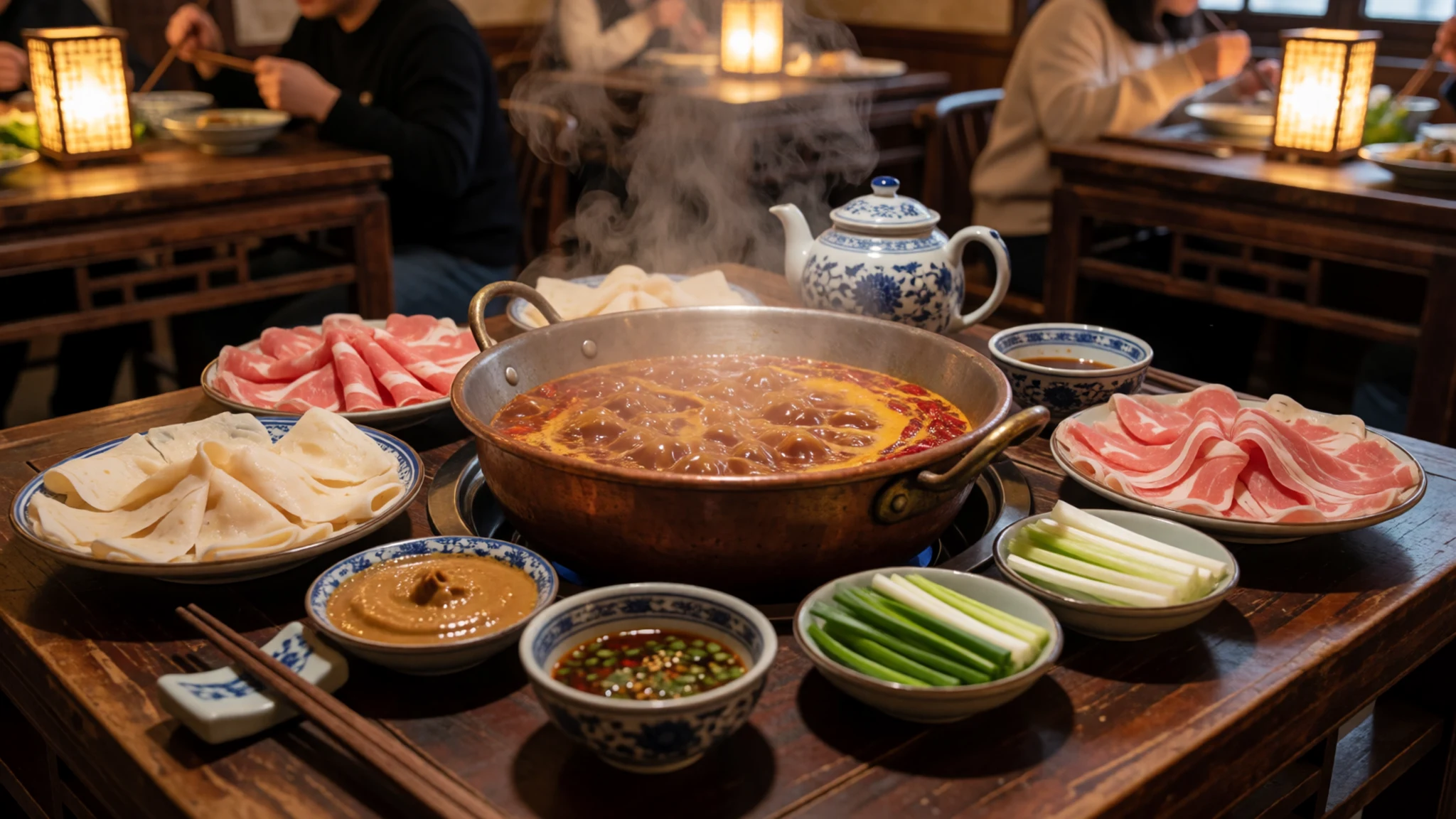
- Shanghai-style dumplings — A dumpling restaurant in a Haidian shopping mall
Soup dumplings and pan-fried buns from Shanghai have a strong following in Beijing, and the best-known chains have branches in busy shopping malls. The dumplings arrive in steaming baskets, so take care with the hot broth inside. This is a relaxed option for lunch after the palace or before heading to the lake.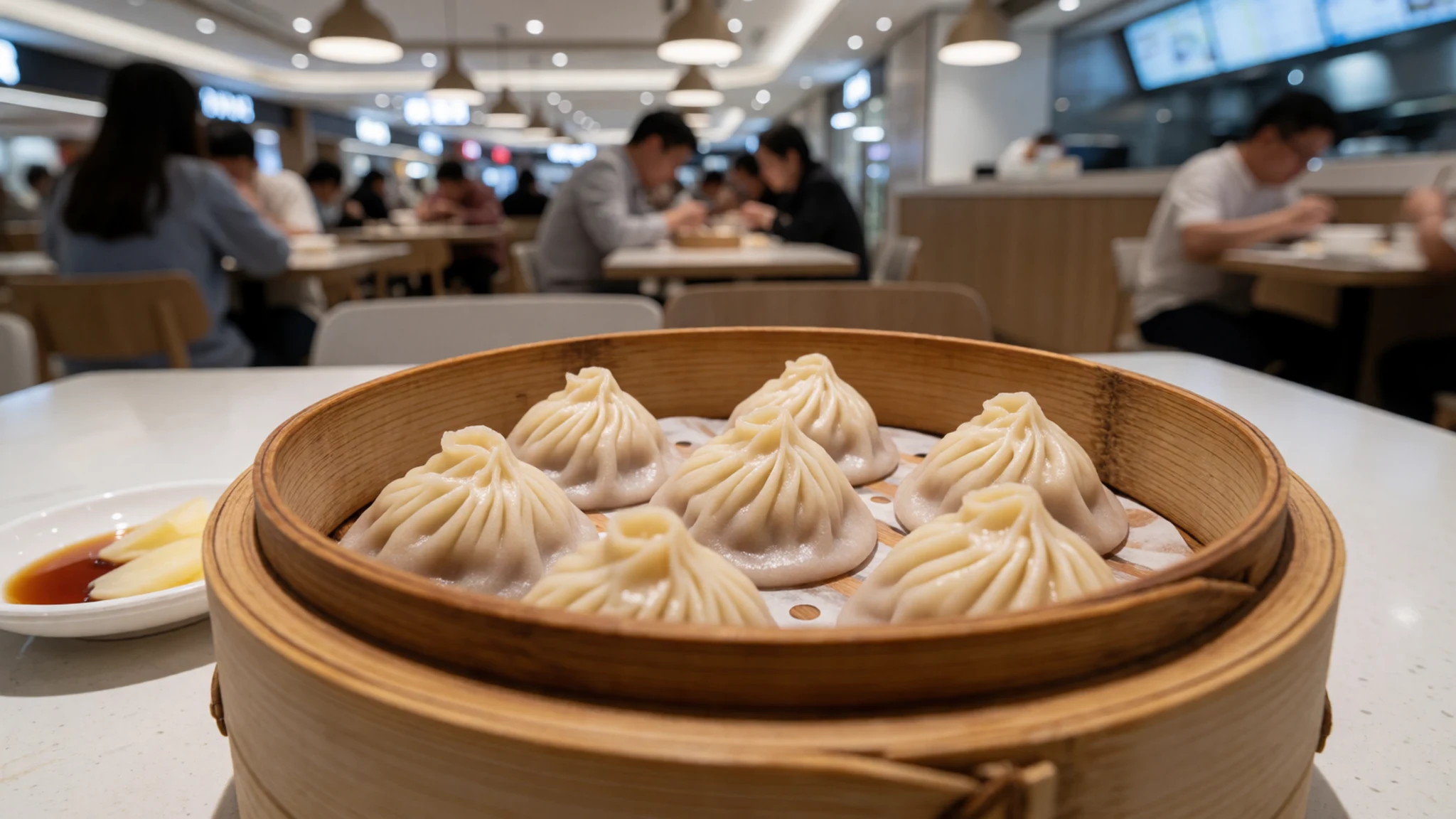
- Congee — Congee shops near Wudaokou subway station
Congee is a slow-cooked rice porridge, served plain or with pork, egg, preserved vegetables or fried dough. It is a light, filling breakfast that suits a long day of walking. Several small chains in Beijing serve it, and their branches are easy to find near the university-area subway stations.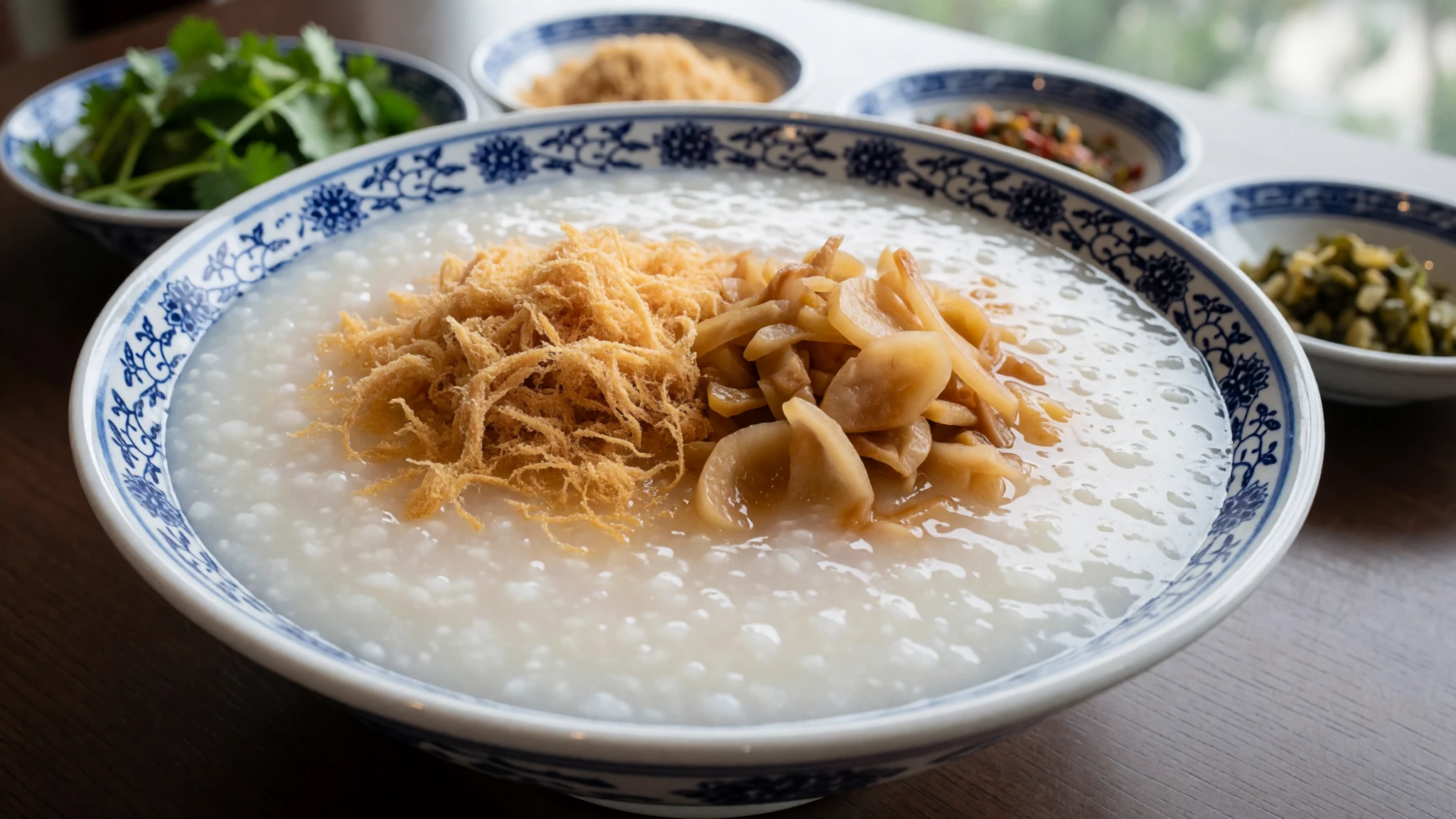
- Roast duck — A dedicated roast duck restaurant in central Beijing
Peking roast duck is a Beijing speciality, with crisp skin carved at the table and served with thin pancakes, spring onion and sweet bean sauce. Dedicated duck restaurants are found across the city, and many put on a full set of courses. It is a good choice for a special evening meal after the day's sightseeing.
Plan it
Best time. April and May bring fresh green leaves and clearer skies, while October, cooler than the summer months, suits walking best. July and August are hot and humid, and summer rain can make the paths slippery. Winter is quiet and cold, with frozen lake edges and fewer crowds.
How long. 1–2
Getting there. Several subway lines serve the Haidian area close to the palace, and the final stretch is usually a short walk from the station. Taxis from central districts may take half an hour or more, and buses can be slower still. Beijing Capital International Airport is connected to the city by rail, with onward metro links to the palace area.
Budget. mid
Tips
- Arrive early in the morning to enjoy the lake before the main crowds
- Check the official site for current ticketing and opening arrangements before you travel
- Carry cash or use a mobile payment app, as small stalls and boat hire may not accept foreign cards
- Bring water and a hat in summer, and comfortable shoes for the hill steps
- Allow time for the back hill, which is quieter than the lakeside halls
Etiquette
- Ask before photographing worshippers or monks
- Keep to the paths and off the carved stone and lawns
- Keep noise down inside temple halls
Nearby
Sources
- Wikidata Q4132 (CC0)
- Wikipedia, Summer Palace (rev 1382328588) (CC BY-SA 4.0)
- Wikivoyage, Beijing/Haidian (rev 5394695) (CC BY-SA 4.0)
- Longevity Hill of the Summer Palace in Beijing, China (CC BY 2.5)
- Summer Palace 1888 (Public domain)
- Summerpalace (Kina Summerpalace 117) (CC BY-SA 4.0)
- Stele of Longevity Hill and Kunming Lake at the Summer Palace (CC BY 2.5)
- Wenchang Tower or Pavillion, Summer Palace, Beijing, 2018 (CC BY 4.0)
- Sumeru Lingjing, Summer Palace Beijing (CC0 1.0)
- Palácio de Verão em Beijing, China, Mar2012 (CC BY-SA 2.0)
- Marble Boat in the Summer Palace, Beijing (CC BY 2.5)


