Stuttgart
Stuttgart, Germany
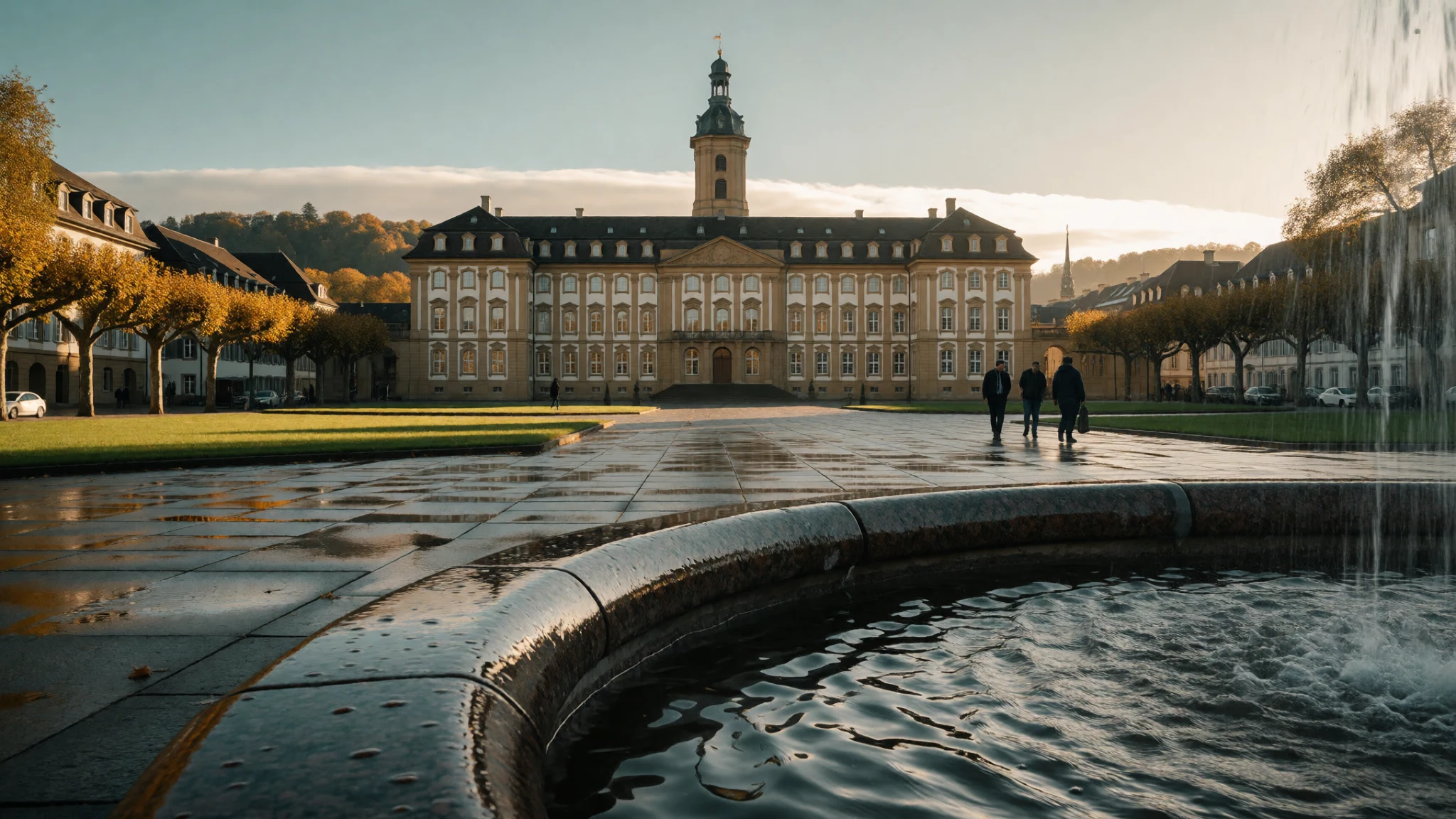
Stuttgart is a green, hilly, car-making capital where palaces, vineyards and Swabian cooking sit closer together than its industrial name suggests.
The place
Stuttgart sits in a steep bowl of the Neckar valley, a shape locals call the Kessel, or cauldron. It is the capital of Baden-Württemberg, with about 609,000 residents, and the centre lies 245 metres above sea level, with streets and long public staircases climbing the slopes on every side. Vineyards still cover some of those hills, and parks and woodland run in green fingers almost to the main station, so the city feels more spread out and leafy than its industrial reputation suggests.
That reputation is earned. Stuttgart is known as the cradle of the automobile, and car-making and engineering money shapes the place: tidy streets, dependable trams and trains, and a quiet confidence rather than showiness. It is a working, prosperous city first and a sightseeing one second. Visitors who expect a postcard old town will not find one, because much of the centre was rebuilt after the Second World War. The pleasures lie in the mix instead: a few surviving castles around Schlossplatz, big museums, markets, and wine taverns on the hillsides.
The setting has practical consequences. The bowl holds in heat on still summer days, and the climb out of the centre is steeper than it looks on a map, which matters in July and for anyone hauling heavy luggage. In return, a short tram ride or a flight of steps lifts a visitor to viewpoints over the whole basin.
Stuttgart also works well as a base. The Swabian Jura and the Black Forest are about an hour away, and the vineyard villages along the Neckar are closer still. People tend to come for the cars, stay for the wine and the Swabian cooking, and leave surprised at how green it is.
Its story
Stuttgart's story begins not in the centre but in Bad Cannstatt, on the rim of the basin beside the Neckar. Around 90 AD the Romans built a large fort there to guard the vineyards and the road linking Mainz with Augsburg. A civilian settlement grew up next to it and stayed after the frontier moved east, and a local brickworks kept busy making pottery and decorative architectural ceramics.
The later city grew around a fortified castle, the core of today's Altes Schloss. As the settlement developed from a small town into a regional capital, the castle became the home of the counts and then the dukes of Württemberg. The Duchy of Württemberg appears in the historical timeline from 1495. After the Napoleonic upheavals it became an electorate and then, in 1805, a kingdom, which lasted until 1918. In between, the court's ambitions produced the Neues Schloss, begun in 1746 and finished in 1807, a statement that the ruling family wanted a grander seat than the older buildings could offer.
The twentieth century was harder. Stuttgart passed through the German Empire and the Weimar Republic, then lived under the Nazi regime from 1933 to 1945. Allied occupation followed, and then West Germany, until reunification in 1990. Wartime bombing damaged the centre badly, and the rebuilding that followed explains why old stone and postwar modernism stand side by side today.
The region's long habit of tinkering and manufacturing, in workshops and then in car factories, is the thread that links the Roman potters to the modern city. It also explains why the capital of Baden-Württemberg feels more like a place of engineers than of courtiers.
What to see
- Schlossplatz — Stuttgart-Mitte
Schlossplatz is the big open square in the middle of Stuttgart's centre, laid out in front of the Neues Schloss. Fountains, lawns and benches make it the city's living room: office workers eat lunch here, students cut across it between lectures, and events appear through the year. Start here, then walk outward to the museums, shops and gardens around it.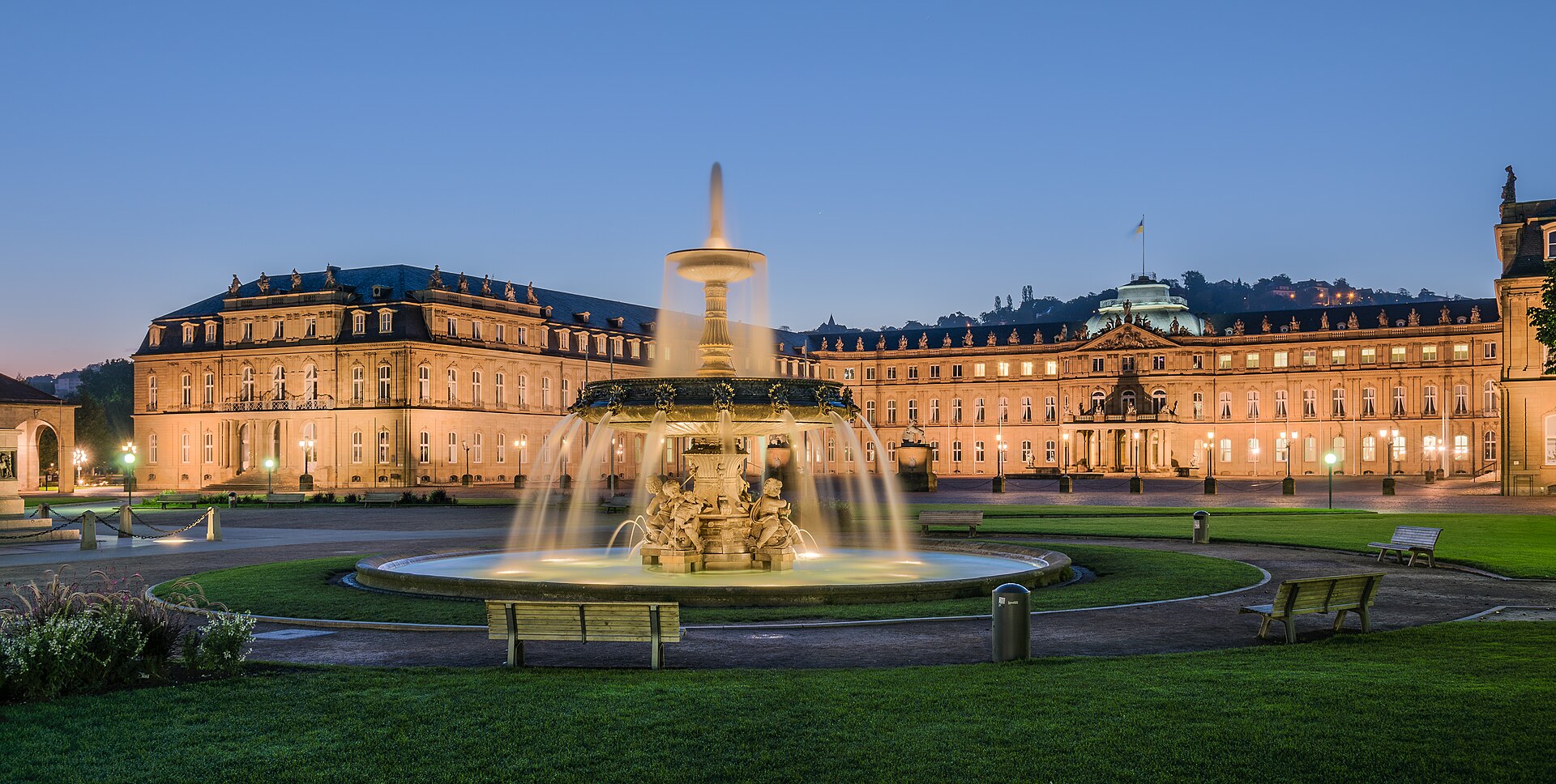
- Neues Schloss — Stuttgart-Mitte
The Neues Schloss is the palace most often used to stand for Stuttgart. Work began in 1746 and ended in 1807, for a duke who wanted something grander than the older castles. The long façade is best judged from the lawns of Schlossplatz. Check the official city site before planning to go inside, as the building still has official uses.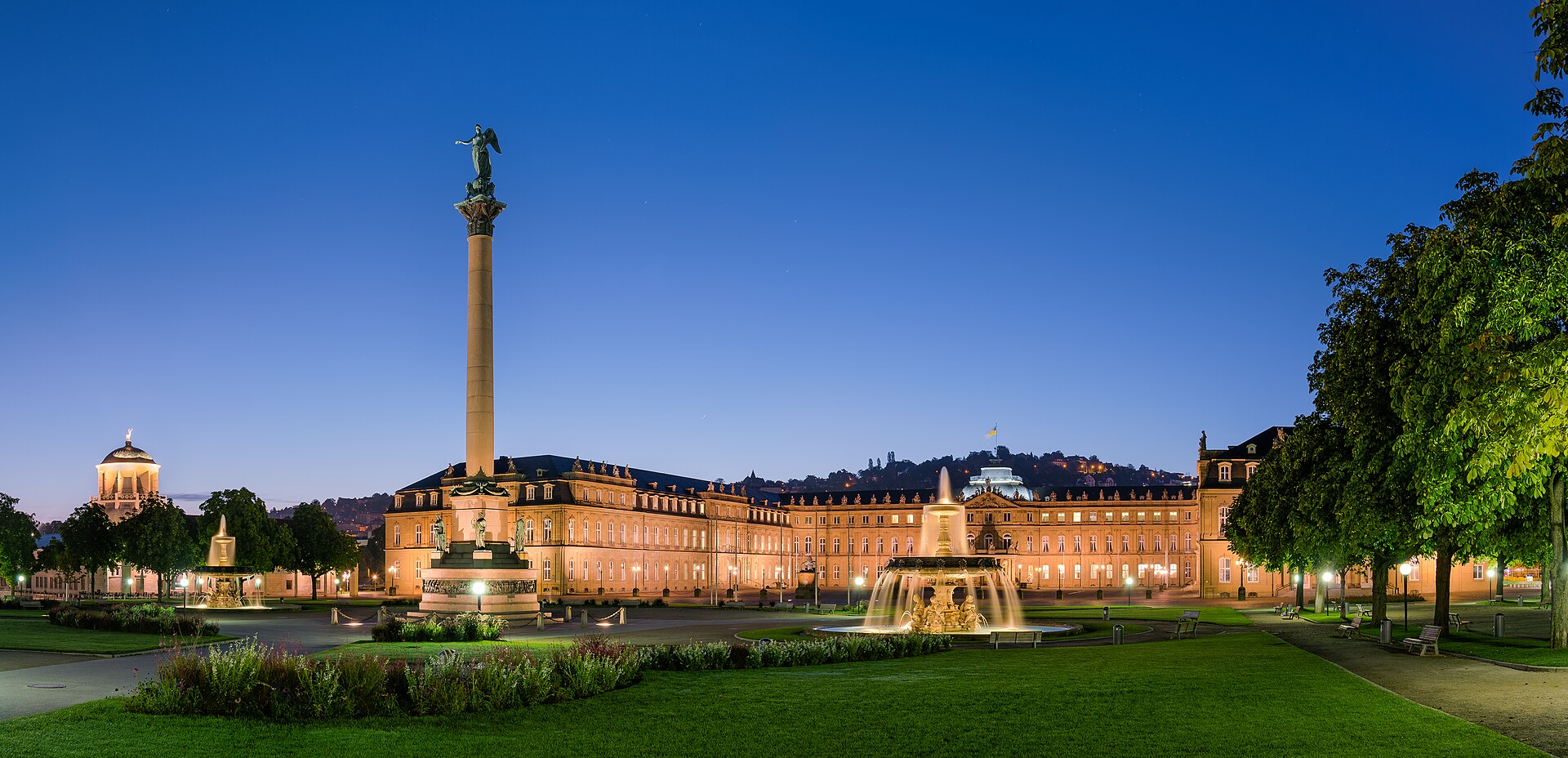
- Altes Schloss — Stuttgart-Mitte
The Altes Schloss began as a fortified castle and grew together with the town around it, eventually housing the rulers of Württemberg. Its arcaded courtyard is a calm place to sit after the bustle of the square. Part of the building now holds a museum of the region's history; check the official site for opening details. - Alte Kanzlei — Schillerplatz, Stuttgart-Mitte
The Alte Kanzlei, the old chancery, was built between 1542 and 1544 beside Schillerplatz. This solid Renaissance block shows how much older the civic core is than the postwar streets around it. The square itself has a statue of the poet Friedrich Schiller, a handy meeting point, with cafés and market stalls close by. - Fernsehturm — Degerloch, south of the centre
The Fernsehturm is Stuttgart's television tower, standing on a wooded hill south of the centre, with a slim shaft visible from many streets. The observation level gives a view across the Kessel's rooftops, vineyards and forest on a clear day. Queues build on fine weekends, so go early and check the official site for opening and booking.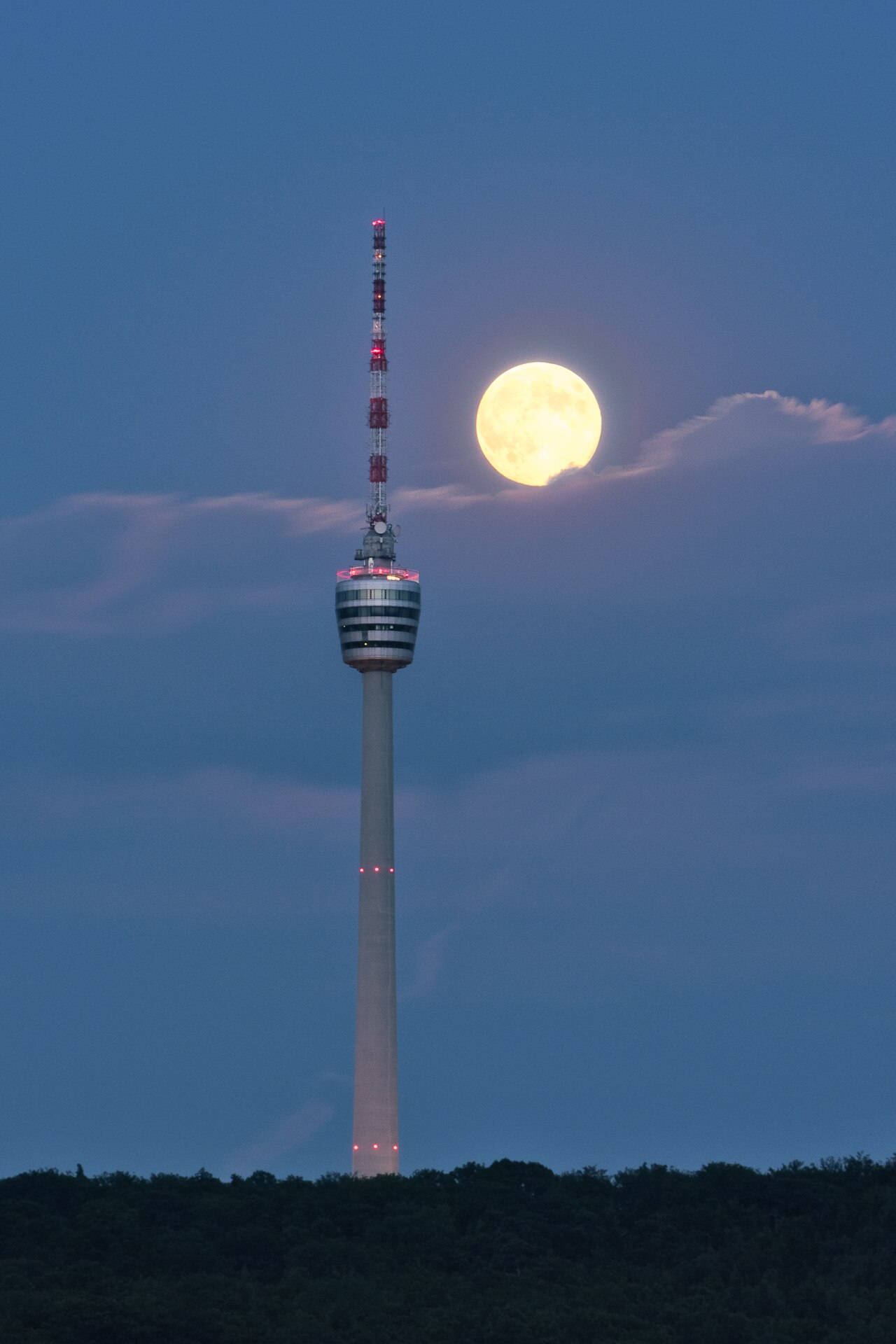
Culture
Stuttgart is the heart of Swabia, and Swabian habits colour daily life. The dialect is soft and clipped, and even people who speak standard German to visitors may slip into it with friends. Swabians have a reputation for thrift, hard work and tidiness, which they cheerfully joke about themselves. It shows in the careful recycling, the well-swept pavements and the pride in making things properly, from precision engineering to home cooking.
Wine is part of the culture more than outsiders expect. Vineyards climb the city's hillsides, and local reds and whites are poured in taverns and at the wine festivals held in the centre. The big autumn fair at Cannstatter Wasen, with its beer tents and rides, is the city's loudest occasion, while Christmas brings a large market around the old centre. Museums and theatre matter here too: the city has an opera, a ballet and several galleries, and a good number of residents hold season tickets.
Sundays are quiet. Most shops stay shut, many people head for the hills or the Neckar, and noise in residential streets is frowned on. Punctuality is taken seriously, whether for a dinner invitation or a train. Conversation is polite but reserved at first, and warms with time.
On Sundays keep noise down in residential streets, and greet shopkeepers and bakers with a clear Guten Tag when you walk in.
What to wear
Traditional dress in Stuttgart's region is a countryside matter rather than a city one. Swabian Tracht, worn mainly for festivals, church occasions and folk groups, uses wool, linen and cotton, with dark bodices, aprons and bonnets for women and waistcoats and felt hats for men. In the nearby Black Forest, the Bollenhut, a straw hat topped with red or black woollen pompoms, is the best-known piece. At the Cannstatter Wasen fair, many visitors and locals wear dirndls and leather trousers, a borrowed Alpine look that has become part of the occasion.
Everyday Stuttgart dress is understated and practical. People favour neat, plain layers in dark or neutral shades, good jackets, clean trainers or leather shoes, and the occasional bright outdoor fleece. In offices linked to the car industry and banks the look is smart casual to business, but nobody minds an outdoor jacket on a rainy day.
A visitor should dress for hills, stairs and changeable weather. Comfortable, grippy shoes matter more than style, as pavements are steep and cobbles are uneven in places. Bring a light waterproof, a warm layer for evenings, and cotton or linen for summer, when the valley can feel hot and still. Churches and museums have no strict dress code, but covered shoulders and knees are polite in a church. For the wine taverns and the theatre, smart casual is plenty.
What to eat
- Maultaschen — Traditional Swabian taverns and brewery restaurants across the centre
Maultaschen are Swabian pasta parcels filled with minced meat, spinach and herbs. They are served in a clear broth, or sliced and fried with onions and egg. A comforting, filling lunch, and a fair first taste of the region's cooking. - Linsen mit Spätzle — Swabian taverns and old-style wine restaurants
This is a bowl of stewed lentils in a tangy, lightly sour sauce, served over soft egg noodles called Spätzle and usually topped with a sausage. It is plain, hearty home cooking, best eaten in cooler months. - Zwiebelrostbraten — Traditional restaurants and wine taverns on the hillsides
A roast-beef steak smothered in fried onions and brown gravy, usually served with Spätzle or fried potatoes. It is a rich main course, often shared by hungry walkers after a day on the hills. - Schnitzel — Old-fashioned restaurants near the Schlossplatz area
The breaded cutlet is a staple in Stuttgart, and at good restaurants the meat quality shows. A crisp golden crust, a squeeze of lemon and a side of potato salad make a straightforward, satisfying dinner. - Shawarma and falafel — Small snack counters in the streets of the western and central districts
Stuttgart's large Turkish, Lebanese and Syrian communities mean excellent quick meals: sliced shawarma in flatbread, or falafel with sauces and salad, with plenty of vegetarian choice. Cheap, fast and filling between museums.
Plan it
Best time. May–June and September–October are the most comfortable, with mild days, green hills and the wine harvest in autumn. July and August can feel hot and still in the valley. Winter is cold and grey but has the Christmas market.
How long. 2–3
Getting there. Stuttgart has its own airport with flights from many German and European hubs. Frankfurt Airport is another option: an ICE high-speed train reaches Stuttgart Hauptbahnhof, in the city centre, in about an hour. Trams and the S-Bahn cover the last leg.
Budget. mid
Tips
- Book popular museums and the observation tower ahead on weekends, and check each official site for opening hours
- Wear shoes with good grip, as the hills and staircases are steeper than they look
- Carry a card, but keep some cash for markets and small taverns
- Allow extra time in July for the heat, and use the trams to avoid the climbs
- Plan around Sunday closures by buying food and supplies on Saturday
Etiquette
- Greet shopkeepers and staff with Guten Tag when entering
- Keep noise low in residential streets on Sundays
- Be on time for bookings and dinner invitations
Nearby
Sources
- Wikidata Q1022 (CC0)
- Wikipedia: Stuttgart (rev 1384622117) (CC BY-SA 4.0)
- Wikivoyage: Stuttgart (rev 5426536) (CC BY-SA 4.0)
- Photo: Neues Schloss, Schlossplatzspringbrunnen, Jubiläumssäule (Julian Herzog) (CC BY 4.0)
- Photo: Neues Schloss, Schlossplatzspringbrunnen (Julian Herzog) (CC BY 4.0)
- Photo: Fernsehturm Stuttgart and full moon (Julian Herzog) (CC BY 3.0)
- Photo: Marquardtbau (Julian Herzog) (CC BY 4.0)
- Photo: Württemberg Mausoleum, Rotenberg (Julian Herzog) (CC BY 4.0)
- Photo: Kunstgebäude, Schlossplatzspringbrunnen (Julian Herzog) (CC BY 4.0)
- Photo: Marktplatz after redesign (Joma2411) (CC BY-SA 4.0)
- Photo: Fruchtsäule, Cannstatter Wasen (NobbiP) (CC BY-SA 1.0)


